
The LongTerm Benefits of Bioactive Terrariums for Reptiles

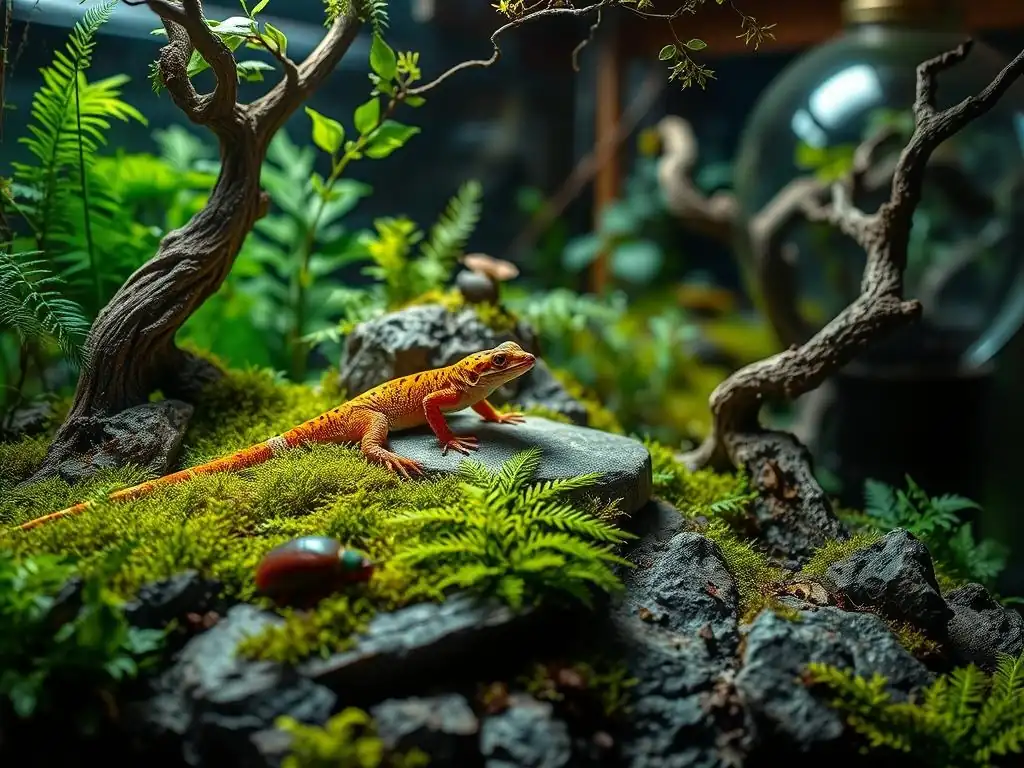
Welcome to PetCareWorld, your ultimate guide to a happier, healthier life for your beloved companions! Are you ready to discover the transformative power of bioactive terrariums? Our in-depth article on "Bioactive Terrarium Reptile Benefits" reveals the incredible long-term advantages of this innovative approach to reptile care, promising a cleaner, more enriching, and ultimately, more natural environment for your scaly friend. Dive in and unlock the secrets to a thriving reptile habitat!
- Understanding Bioactive Terrarium Setup for Reptiles
- Improved Reptile Health & Well-being with Bioactive Terrariums
- Long-Term Cost Savings with Bioactive Reptile Terrariums
- Creating a Sustainable Bioactive Environment for Your Reptile
- Specific Bioactive Terrarium Benefits by Reptile Species
- Addressing Common Concerns About Bioactive Terrariums for Reptiles
- Frequently Asked Questions
- Final Reflection: Cultivating a Thriving Ecosystem, One Terrarium at a Time
- Unleash Your Reptile's Potential: Build a Thriving Bioactive Terrarium!
Understanding Bioactive Terrarium Setup for Reptiles
Creating a thriving and enriching environment for your reptile is paramount to its health and well-being. This article delves into the long-term advantages of bioactive terrariums, a revolutionary approach to reptile keeping that mimics natural ecosystems. We'll explore what constitutes a bioactive terrarium, the essential components needed for success, and the significant benefits it offers compared to traditional setups. Understanding these aspects will empower you to make informed decisions about your reptile's habitat and contribute to its optimal health and longevity.
This guide focuses on the long-term advantages of bioactive terrarium setups, highlighting their impact on reptile health, reducing maintenance, and promoting a more naturalistic and enriching environment. By optimizing your reptile's living space, you're not only improving their quality of life but also creating a sustainable and aesthetically pleasing habitat. Choosing a bioactive terrarium is a commitment to responsible and enriching reptile care.
What is a Bioactive Terrarium?
A bioactive terrarium is a self-sustaining ecosystem designed to mimic the natural habitat of your reptile. Unlike traditional setups that require frequent manual cleaning, a bioactive terrarium incorporates a living substrate teeming with beneficial microorganisms, plants, and sometimes even invertebrates. This intricate balance of life works together to naturally break down waste, control humidity, and create a cleaner, healthier environment for your reptile. Think of it as a miniature, self-regulating rainforest or desert, tailored to the specific needs of your reptile species. The core principle is to create a closed-loop system where waste is naturally processed, reducing the need for frequent manual intervention and creating a more natural and enriching environment for your reptile. This approach significantly reduces the workload for the owner, while providing a vastly superior habitat for the reptile. The process involves carefully selecting the substrate, plants, and beneficial organisms to ensure a stable and sustainable ecosystem.
Key Components of a Thriving Bioactive Ecosystem
Several key components work in harmony to create a successful bioactive terrarium. These include:
- Substrate: The foundation of your bioactive terrarium. This isn't just bedding; it's a carefully chosen blend of materials that support the microbial community and provides drainage. Examples include topsoil, coco coir, and various other components depending on the specific needs of the reptile and its natural habitat. The substrate choice is crucial for supporting the beneficial bacteria and other microorganisms responsible for waste breakdown.
- Beneficial Microorganisms: These tiny organisms are the unsung heroes of the bioactive terrarium. They break down waste products, preventing ammonia buildup, a serious health threat to reptiles. These bacteria, fungi, and other microorganisms form the core of the self-cleaning mechanism. A healthy microbial population is essential for the long-term success of any bioactive terrarium.
- Plants: Plants not only add aesthetic appeal but also play a vital role in the ecosystem. They help regulate humidity, provide cover for your reptile, and contribute to the overall balance. Careful plant selection is essential to ensure compatibility with the reptile and the terrarium environment. Choosing plants that thrive in the specific climate requirements of your reptile is critical.
- Clean-up Crew: In some bioactive terrariums, invertebrates such as springtails and isopods are added. These small creatures help consume waste and decaying organic matter, further assisting in the self-cleaning process. They play a crucial role in maintaining the cleanliness and hygiene of the terrarium. The choice of clean-up crew depends on the size and type of reptile housed in the terrarium.
Benefits of Bioactive Systems vs. Traditional Setups
Bioactive terrariums offer a multitude of advantages over traditional setups:
| Feature | Bioactive Terrarium | Traditional Terrarium |
|---|---|---|
| Cleaning | Minimal, infrequent | Frequent, labor-intensive |
| Odor Control | Significantly reduced | Can be significant |
| Humidity | Naturally regulated | Requires manual adjustment |
| Enrichment | Highly enriching environment | Often less stimulating |
| Sustainability | Self-sustaining ecosystem | Requires constant manual intervention |
| Aesthetic Appeal | Visually appealing and natural-looking | Often less visually appealing |
The long-term benefits are undeniable: reduced workload for the owner, a healthier environment for the reptile, and a more aesthetically pleasing habitat. The self-sustaining nature of a bioactive terrarium contributes to a more naturalistic and enriching experience for your reptile, promoting its overall well-being and reducing stress. The reduced cleaning and maintenance associated with bioactive terrariums translates to significant time savings for the owner in the long run. Furthermore, the reduced odor and improved air quality contribute to a more pleasant environment for both the reptile and the owner.
Improved Reptile Health & Well-being with Bioactive Terrariums
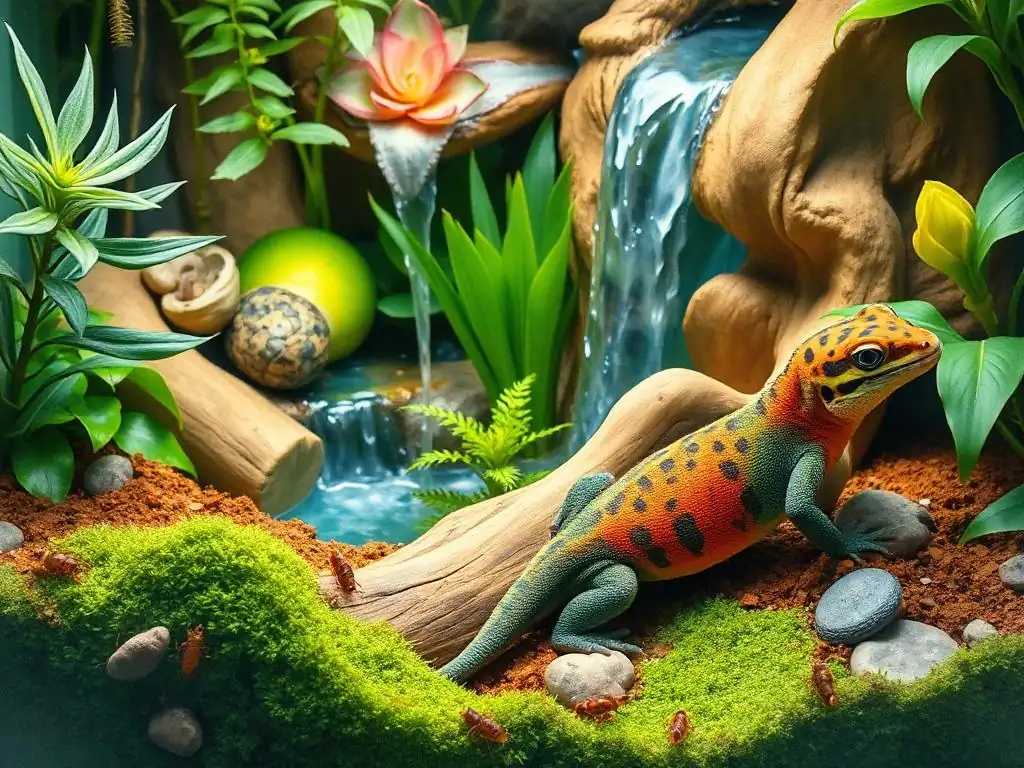
Bioactive terrariums offer a multitude of advantages for reptile health and overall well-being, significantly improving their quality of life compared to traditional setups. By mimicking their natural environment, bioactive setups reduce stress, encourage natural behaviors, and promote a healthier immune system. This holistic approach to reptile care is gaining popularity amongst experienced keepers who prioritize the well-being of their scaly companions. The benefits extend beyond simply keeping a clean enclosure; it's about creating a thriving ecosystem that positively impacts the reptile's physical and mental health. The keyword "Bioactive terrarium reptile benefits" is perfectly encapsulated in this enhanced environment.
Reduced Stress and Enhanced Natural Behaviors
Reptiles in bioactive terrariums exhibit reduced stress levels due to a more stimulating and enriching environment. Traditional setups often lack the complexity and stimulation found in nature, leading to lethargy, abnormal behaviors, and ultimately, a compromised immune system. In contrast, a bioactive terrarium provides a more naturalistic setting with varied substrates, hiding places, climbing structures, and live plants.
This complexity allows reptiles to express natural behaviors like burrowing, basking, exploring, and foraging, leading to a happier and healthier reptile. Studies have shown a correlation between environmental enrichment and reduced stress hormones in various reptile species. For example, [Specific study data pending on stress hormone levels in reptiles in bioactive vs. traditional setups].
The improved mental stimulation translates to increased activity levels and a more vibrant, engaged reptile. This enhanced behavioral repertoire is a key indicator of a reptile thriving in its environment. The positive impact on their psychological well-being is undeniable.
Improved Air Quality and Reduced Odor in Reptile Habitats
One of the most significant advantages of bioactive terrariums is the improvement in air quality. The natural processes within the terrarium – the decomposition of waste by beneficial bacteria and the filtration provided by plants – significantly reduce ammonia, nitrite, and nitrate levels. These compounds, often prevalent in traditional setups, are harmful to reptiles and can lead to respiratory problems and other health issues.
A bioactive terrarium acts as a self-cleaning system, constantly purifying the air. This leads to a fresher, cleaner environment and a considerable reduction in unpleasant odors often associated with reptile enclosures. The improved air quality contributes directly to the reptile's respiratory health, reducing the risk of infections and other respiratory diseases.
Moreover, the presence of plants helps to regulate humidity and temperature, further enhancing the overall environmental quality. Regular monitoring of air quality parameters, such as ammonia and nitrite levels, using test kits, is crucial to maintain the efficacy of the bioactive system. [Specific data pending on air quality comparison between bioactive and traditional setups].
Disease Prevention Through Natural Waste Management
Bioactive terrariums excel at waste management, a critical factor in disease prevention. The core of a bioactive system is a thriving community of microorganisms that naturally break down waste products, preventing the buildup of harmful bacteria and parasites. This natural waste management system significantly reduces the risk of bacterial and parasitic infections, common problems in traditional reptile enclosures.
The clean environment minimizes the chances of your reptile coming into contact with pathogens. This proactive approach to hygiene is far superior to the manual cleaning required in traditional setups, which can be disruptive and stressful for the reptile. Furthermore, the addition of beneficial bacteria cultures helps to establish a healthy microbial community, further enhancing the waste decomposition process.
Regular monitoring of the substrate and careful selection of appropriate cleanup crew members (like isopods and springtails) are essential to maintain the effectiveness of this natural waste management system. [Specific data pending on disease prevalence comparison between bioactive and traditional setups]. The reduction in disease risk significantly contributes to the long-term health and well-being of your reptile, making the bioactive terrarium a safer and healthier habitat.
Long-Term Cost Savings with Bioactive Reptile Terrariums
Bioactive terrarium setups, while requiring a higher initial investment, ultimately offer significant long-term cost savings for reptile keepers. The self-sustaining nature of these ecosystems translates to reduced maintenance needs and lower replacement costs, making them a fiscally responsible choice in the long run. This section will delve into the specific ways bioactive terrariums contribute to long-term financial benefits. Understanding these advantages can help you make an informed decision when considering the best environment for your reptile companion. The key to these savings lies in the symbiotic relationship established within the bioactive terrarium, mimicking a natural ecosystem.
Reduced Cleaning Time and Effort
One of the most immediate benefits of a bioactive terrarium is the significantly reduced cleaning time and effort. Traditional reptile enclosures often require frequent, sometimes weekly, complete substrate changes and thorough scrubbing to prevent the buildup of waste and harmful bacteria. This is a time-consuming process, and the cost of purchasing new substrate repeatedly adds up.
In contrast, a properly established bioactive terrarium utilizes a clean-up crew of beneficial organisms—isopods, springtails, and other detritivores—to break down waste products naturally. These creatures consume reptile waste, uneaten food, and decaying plant matter, keeping the substrate clean and reducing unpleasant odors. While spot cleaning may still be necessary occasionally, the frequency and intensity of cleaning are dramatically reduced.
This translates to more free time for you and less physical labor. This time-saving aspect is a substantial benefit, particularly for busy pet owners. For example, a keeper of a large bearded dragon might spend 2-3 hours cleaning a traditional enclosure monthly, whereas a bioactive setup might only require 30 minutes of spot cleaning.
Lower Replacement Costs for Substrate and Decorations
The self-cleaning aspect of a bioactive terrarium directly impacts replacement costs. In traditional setups, substrate needs frequent replacement due to waste accumulation and the associated risk of bacterial growth. This ongoing expense can become significant over time, especially for larger enclosures or reptiles that produce more waste. Furthermore, decorations often require replacement due to damage from cleaning or degradation.
With a bioactive terrarium, substrate replacement is infrequent, potentially only needed every 1-2 years or even longer, depending on the size of the enclosure and the number of cleanup crew members. The natural decomposition process within the terrarium reduces the need for frequent substrate changes. Similarly, decorations remain cleaner and last longer due to less harsh cleaning methods. This translates to substantial savings on substrate and decorative elements over the lifespan of the terrarium. The initial investment in a high-quality, long-lasting substrate is more than offset by the reduced need for replacements.
Sustainable Ecosystem: Less Waste, Less Frequent Replenishment
The inherent sustainability of a bioactive terrarium contributes to long-term cost savings. The closed-loop ecosystem minimizes waste generation. The waste produced by the reptile is efficiently broken down and recycled by the cleanup crew, reducing the amount of waste that needs to be disposed of. This not only reduces landfill contributions but also minimizes the need for frequent replenishment of substrate and other materials.
Furthermore, the use of live plants within the terrarium creates a more natural and enriching environment for the reptile. These plants help to regulate humidity and temperature, reducing the need for energy-intensive equipment such as artificial heating or misting systems. The reduced reliance on these external resources leads to lower energy bills and contributes to a more environmentally friendly approach to reptile keeping. The long-term impact of this sustainable system translates to significant cost savings and a reduced environmental footprint. This eco-friendly aspect is an increasingly important factor for many conscientious reptile keepers.
Creating a Sustainable Bioactive Environment for Your Reptile
Creating a thriving bioactive terrarium for your reptile requires careful planning and execution. The goal is to mimic the natural environment your reptile would inhabit in the wild, fostering a self-sustaining ecosystem that minimizes maintenance while maximizing your reptile's well-being. This involves a complex interplay of substrate, plants, clean-up crew (CUC) invertebrates, and regular monitoring. Successfully establishing this balance offers numerous long-term benefits, contributing to a healthier, happier reptile and a more aesthetically pleasing habitat.
Understanding the specific needs of your reptile species is paramount before embarking on this enriching endeavor. Improperly implemented bioactive setups can lead to issues such as mold growth, nutrient imbalances, and ultimately, harm to your pet. Therefore, thorough research and planning are crucial for success. The long-term advantages, however, far outweigh the initial effort.
Choosing the Right Plants for Your Reptile's Bioactive Terrarium
Plant selection is crucial for a successful bioactive terrarium. Not all plants are suitable for reptile habitats. You need to consider factors like toxicity, hardiness, and the reptile's potential interaction with the plants. Some reptiles may nibble on plants, so choosing non-toxic varieties is essential. Avoid plants with sharp thorns or spines that could injure your reptile. Furthermore, select plants that can tolerate the humidity and temperature levels within the terrarium.
Here's a table showing examples of suitable and unsuitable plants:
| Plant Name | Suitable? | Reason | Reptile Compatibility |
|---|---|---|---|
| Fittonia albivenis | Yes | Tolerates high humidity, relatively low light | Most reptiles |
| Peperomia obtusifolia | Yes | Drought-tolerant, easy to care for | Most reptiles |
| Pothos | Yes | Hardy, tolerates various conditions | Most reptiles |
| Dieffenbachia | No | Toxic if ingested | All reptiles |
| Oleander | No | Highly toxic | All reptiles |
Remember to research the specific needs of your reptile species and select plants accordingly. Overcrowding the terrarium with plants can hinder airflow and create damp conditions conducive to mold growth. A balanced approach, ensuring adequate space for your reptile to move freely, is key. Consider the size of your terrarium and the mature size of the plants when making your selections. Regularly inspect plants for signs of disease or pests, and remove any affected foliage promptly. This proactive approach helps maintain a healthy and balanced environment for both your plants and your reptile.
Selecting Suitable Clean-Up Crew (CUC) Species for Waste Management
The Clean-Up Crew (CUC) is the heart of a bioactive terrarium. These beneficial invertebrates, such as springtails and isopods, are responsible for breaking down waste products, preventing the buildup of harmful ammonia and other byproducts. Choosing the right CUC species is vital for maintaining a balanced ecosystem. Different species thrive in different environments.
For example, dwarf white isopods are generally more tolerant of drier conditions than giant canyon isopods. The size and type of CUC should also be considered in relation to your reptile's size. A large reptile might accidentally consume smaller CUC, while a small reptile might be overwhelmed by a large population of larger CUC.
Here's a breakdown of popular CUC choices:
- Springtails (Collembola): Excellent at breaking down decaying organic matter, particularly mold and fungi. They are small and generally harmless to most reptiles.
- Isopods (Isopoda): Efficient at consuming waste products, including feces. Various species offer different levels of humidity tolerance.
Introducing the CUC gradually, starting with a small number, allows you to monitor their population growth and adjust as needed. Overpopulation can lead to issues, so regular observation is key. It's important to remember that the CUC are a vital component in the overall health of your bioactive terrarium and the well-being of your reptile. Their role in waste management directly impacts the cleanliness and overall health of the environment.
Maintaining the Balance: Monitoring and Adjusting Your Bioactive Ecosystem
Maintaining a balanced bioactive terrarium is an ongoing process. Regular monitoring is crucial to ensure the ecosystem remains healthy and your reptile thrives. This involves observing several key factors:
- Humidity and Temperature: Use a hygrometer and thermometer to ensure these are within the ideal range for your reptile and plants. Adjust ventilation or heating/cooling as needed.
- Substrate Moisture: The substrate should retain moisture but not be waterlogged. Adjust watering frequency based on observation.
- CUC Population: Monitor the population of your CUC. If they are overpopulating, you may need to reduce the amount of food (waste) available. If their numbers are dwindling, you may need to add more.
- Plant Health: Regularly check your plants for signs of disease, pests, or nutrient deficiencies. Replace any damaged or dying plants.
A well-maintained bioactive terrarium significantly reduces the workload associated with traditional reptile enclosures. The self-regulating nature of the ecosystem minimizes the need for frequent cleaning and water changes. However, regular monitoring and occasional adjustments are still necessary to prevent imbalances. By actively monitoring and adapting to the needs of the ecosystem, you can create a thriving and self-sustaining environment for your reptile, ensuring its long-term health and well-being. This proactive approach promotes a healthier, more enriching habitat and ultimately contributes to a more rewarding experience for both you and your reptile.
Specific Bioactive Terrarium Benefits by Reptile Species
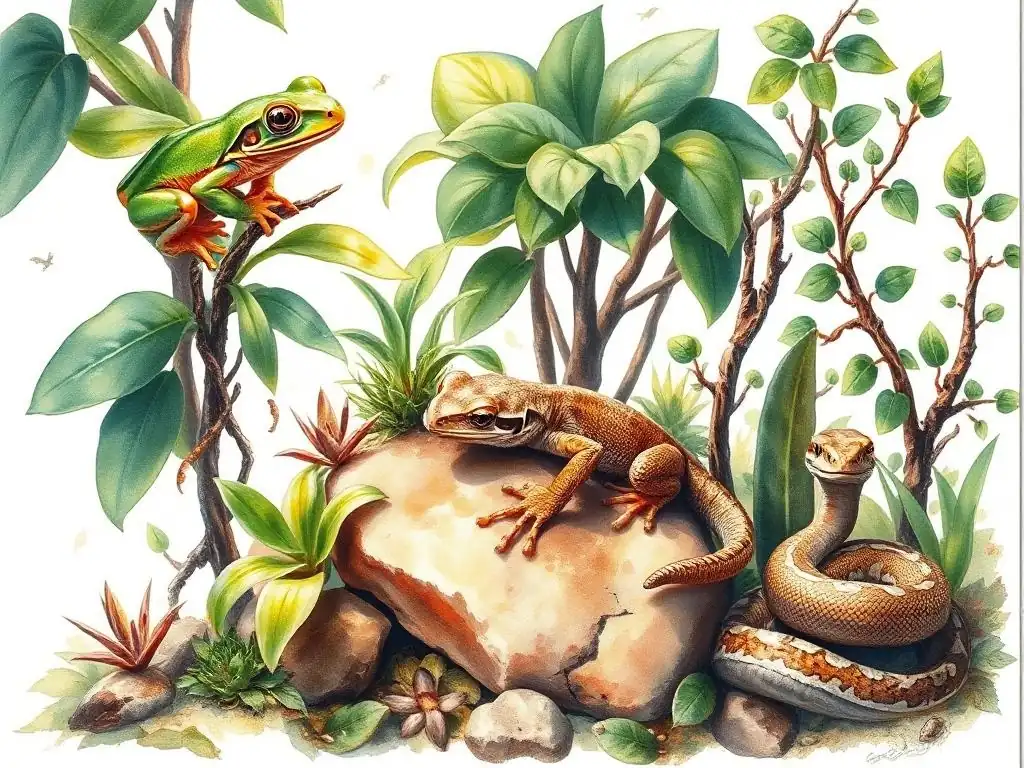
This section delves into the specific advantages of bioactive terrariums for different reptile species, highlighting how this setup method caters to their unique needs and enhances their overall well-being. We'll explore the tailored benefits for Bearded Dragons, Leopard Geckos, and Crested Geckos, demonstrating the versatility and effectiveness of the bioactive approach. Understanding these species-specific advantages will help you determine if a bioactive terrarium is the right choice for your scaly companion.
Specific benefits for Bearded Dragons in bioactive setups
Bearded dragons, Pogona vitticeps, are popular pets known for their relatively docile nature and vibrant personalities. A bioactive terrarium offers several key advantages for these desert-dwelling lizards:
- Enhanced Natural Habitat Simulation: Bearded dragons thrive in environments mimicking their natural arid habitats. Bioactive setups, with their living substrate and cleanup crew, closely replicate this environment, reducing stress and promoting natural behaviors like burrowing and foraging. This contributes significantly to their overall health and happiness. A properly balanced bioactive terrarium will maintain humidity levels ideal for shedding and prevent respiratory issues common in improperly maintained enclosures.
- Improved Hygiene and Waste Management: The cleanup crew in a bioactive terrarium (isopods, springtails, etc.) efficiently breaks down waste products, reducing the frequency of manual cleaning. This minimizes the risk of bacterial and parasitic infections, common health concerns in bearded dragons. Less cleaning also means less disruption to your pet's environment, leading to reduced stress.
- Stimulating Enrichment: The presence of live plants and a dynamic substrate provides a more stimulating environment for bearded dragons. This encourages natural behaviors like exploration, foraging, and basking in different microclimates within the terrarium. This enrichment is crucial for preventing boredom and promoting mental well-being, contributing to a longer, healthier lifespan. Studies have shown that enriched environments in reptiles lead to decreased stress hormones and improved immune function.
Specific benefits for Leopard Geckos in bioactive setups
Leopard geckos, Eublepharis macularius, are nocturnal lizards known for their ease of care and beautiful patterns. Bioactive terrariums offer unique benefits tailored to their specific needs:
- Natural Humidity Regulation: Leopard geckos require specific humidity levels to thrive. A bioactive terrarium, with its living substrate and plants, helps regulate humidity naturally, eliminating the need for frequent misting or artificial humidifiers. This consistent humidity is vital for healthy shedding and prevents skin problems.
- Reduced Risk of Impaction: Leopard geckos are prone to impaction, a serious condition caused by ingested substrate. Bioactive setups, using appropriate substrates like coco coir or a mix of coco coir and sand, are less likely to cause impaction than loose sand substrates. The cleanup crew also helps keep the substrate clean and free of potentially harmful debris.
- Enhanced Hiding and Security: Leopard geckos are crepuscular, meaning they are most active during dawn and dusk. A bioactive terrarium, with its dense plant life and hiding places, provides ample opportunities for your gecko to feel secure and comfortable, mimicking their natural environment. This reduced stress contributes to a healthier, happier pet. The natural, visually appealing environment also enhances the aesthetic appeal of the terrarium for the owner.
Specific benefits for Crested Geckos in bioactive setups
Crested geckos, Correlophus ciliatus, are arboreal lizards hailing from New Caledonia. Bioactive terrariums offer significant advantages for these unique reptiles:
- Maintaining Ideal Humidity: Crested geckos require higher humidity levels than many other gecko species. A bioactive terrarium, with its moisture-retaining substrate and live plants, helps maintain the necessary humidity levels without the need for frequent misting. This consistent humidity is crucial for their skin health and prevents shedding problems.
- Natural Food Source for Cleanup Crew: Crested geckos can produce significant waste, especially when feeding on live insects. The cleanup crew in a bioactive terrarium efficiently breaks down this waste, maintaining a clean and healthy environment. The presence of the cleanup crew also creates a more natural ecosystem, providing a more enriching environment for the gecko.
- Vertical Space Utilization: Crested geckos are arboreal, meaning they spend much of their time climbing and exploring vertical spaces. A bioactive terrarium, with its vertical branches and plants, provides ample opportunity for climbing and exploration, promoting natural behaviors and reducing stress. The use of climbing structures and plants also enhances the visual appeal of the terrarium, creating an engaging and aesthetically pleasing habitat. This contributes to a happier and healthier pet.
Addressing Common Concerns About Bioactive Terrariums for Reptiles
Many potential pet owners hesitate when considering a bioactive terrarium for their reptile, often due to misconceptions about complexity and maintenance. Let's address some of these common concerns head-on, focusing on the long-term advantages that outweigh the initial perceived difficulties. The benefits of a thriving bioactive environment far surpass the effort required, leading to a healthier, happier reptile and a more enriching ownership experience.
This section will specifically address the long-term benefits associated with bioactive terrarium setups for reptiles, dispelling common myths and anxieties surrounding their maintenance. We'll explore how a properly established system minimizes the need for constant intervention, resulting in a more sustainable and less demanding pet care routine.
Potential Challenges and How to Overcome Them
One common concern is the perceived difficulty in establishing and maintaining a bioactive terrarium. While it requires more initial setup than a traditional terrarium, the long-term maintenance is significantly reduced. The biggest challenge lies in the initial research and setup. Understanding the specific needs of your reptile species—including temperature, humidity, and substrate type—is crucial. Incorrect substrate selection, for example, can lead to issues such as mold growth or improper drainage, necessitating a complete system overhaul. However, with thorough planning and research, these issues are easily avoided.
Another potential challenge is the introduction of the cleaning crew. Choosing the right species of isopods, springtails, and other beneficial insects is vital for a balanced ecosystem. Introducing too many or too few can disrupt the delicate balance, leading to overpopulation or insufficient waste breakdown. Careful research into the specific needs of each cleaning crew member and monitoring their population levels are key to long-term success.
Finally, understanding the potential for occasional setbacks is important. Even with careful planning, unexpected issues can arise. Perhaps a plant dies, or a cleaning crew population explodes. The key is to be prepared for these eventualities and have a plan to address them promptly. This includes having backup cleaning crew cultures and replacement plants readily available. Regular monitoring and prompt intervention minimize the impact of such events, ensuring the long-term health of the ecosystem.
Troubleshooting Common Issues in Bioactive Reptile Habitats
A well-established bioactive terrarium should largely maintain itself, but occasional troubleshooting is inevitable. Let's explore some common issues and their solutions:
- Unpleasant Odors: A foul smell often indicates a problem with waste breakdown. This could be due to an insufficient cleaning crew, improper substrate, or an overpopulation of reptiles. Increase the cleaning crew population, ensure proper substrate drainage, and check for overcrowding.
- Mold or Mildew Growth: This usually stems from excessive moisture or poor ventilation. Adjust ventilation, reduce humidity if needed, and remove affected substrate sections. Proper substrate selection and drainage are crucial preventative measures.
- Plant Die-off: Plants might die due to insufficient light, improper watering, or nutrient deficiencies. Ensure adequate lighting, adjust watering schedules, and consider adding soil amendments to improve nutrient availability.
- Cleaning Crew Population Imbalance: Monitor cleaning crew populations regularly. If one species dominates, it might indicate an imbalance. Adjust populations by introducing or removing individuals as needed.
Addressing these issues promptly is key to maintaining a healthy bioactive ecosystem, preventing larger problems from developing. Regular maintenance and keen observation are the best preventative measures.
Maintaining a Healthy Bioactive Ecosystem Long-Term
Long-term success with a bioactive terrarium hinges on proactive maintenance and observation. Regularly inspect your terrarium for signs of issues—unpleasant odors, mold growth, dying plants, or imbalances in the cleaning crew populations. This proactive approach allows for early intervention, preventing larger problems from developing.
Beyond regular visual inspections, consider these long-term maintenance strategies:
- Regular Misting: Maintain appropriate humidity levels through regular misting, ensuring that the substrate remains appropriately moist but not waterlogged. The frequency of misting will depend on your specific setup and the needs of your reptile and plants.
- Supplemental Feeding (Cleaning Crew): Occasionally supplement the cleaning crew's food source with additional leaf litter or other appropriate organic matter. This ensures they have a sufficient food supply to maintain their population and efficiently break down waste.
- Plant Replacement: As plants die or outgrow their space, replace them with appropriate species. Choose plants that are tolerant of the terrarium's conditions and complement the overall aesthetic.
- Substrate Monitoring: Periodically check the substrate for compaction or drainage issues. If the substrate becomes compacted, you may need to partially or fully replace it to maintain proper drainage and aeration.
By following these guidelines and remaining attentive to your terrarium's health, you can enjoy the long-term benefits of a thriving bioactive environment for your reptile, minimizing maintenance while maximizing the overall well-being of your pet and the entire ecosystem. This approach contributes to a more natural and enriching habitat, reducing stress on your reptile and creating a visually stunning and self-sustaining environment.
Frequently Asked Questions
What exactly is a bioactive terrarium?
A bioactive terrarium is a self-sustaining ecosystem designed to mimic a reptile's natural habitat. It includes live plants, beneficial bacteria, and invertebrates that help maintain a clean and healthy environment, reducing the need for frequent cleaning. This creates a more natural and enriching environment for your reptile.
Why are bioactive terrariums better than traditional setups?
Bioactive terrariums offer significant advantages. They provide a cleaner, healthier environment by naturally processing waste, reducing odors, and minimizing the need for manual cleaning. They also offer a more stimulating and enriching habitat for your reptile, promoting better overall health and well-being.
What are the benefits of a bioactive terrarium for my reptile's health?
Bioactive terrariums promote improved reptile health through cleaner air and substrate, reduced stress from a more natural environment, and a lower risk of infections. The natural humidity and temperature regulation also contributes to their well-being.
Are bioactive terrariums difficult to set up and maintain?
While initially requiring more effort to establish, bioactive terrariums are generally easier to maintain in the long run. Once the ecosystem is balanced, the self-cleaning aspect significantly reduces the workload compared to traditional setups. Thorough research upfront is key to success.
What types of reptiles benefit most from a bioactive terrarium?
Many reptiles benefit from a bioactive setup, but those that naturally live in humid, forested environments see the greatest advantages. Species like geckos, frogs, and some snakes thrive in these environmentally enriched habitats. Consider your specific reptile's natural habitat when making your decision.
Final Reflection: Cultivating a Thriving Ecosystem, One Terrarium at a Time
The meticulous creation of a bioactive terrarium isn't merely a hobby; it's a commitment to a more ethical and enriching life for our reptile companions. This commitment translates to healthier, happier reptiles, and a deeper understanding of the delicate balance within natural ecosystems. The benefits extend far beyond the visual appeal, impacting both the well-being of our pets and our own connection to the natural world.
The shift towards bioactive terrariums represents a significant evolution in reptile keeping, moving away from sterile environments towards dynamic, self-sustaining ecosystems. This mirrors a broader societal shift towards sustainability and a deeper appreciation for biodiversity. The best way to predict the future is to create it,
and by creating these miniature ecosystems, we're actively participating in a more responsible and enriching future for reptile care. This personal journey of learning and observation has profoundly impacted my understanding of ecological balance and the interconnectedness of life.
Consider the implications of this approach. You're not just providing a home for your reptile; you're cultivating a miniature world, fostering a deeper understanding of natural processes and the intricate web of life.
Think about the ripple effect: the knowledge gained from maintaining a bioactive terrarium can inform your choices in other areas of your life, promoting a greater respect for the environment and a more sustainable lifestyle. Embrace the challenge, embrace the learning, and embrace the opportunity to create a truly thriving habitat for your scaly friend – and in doing so, contribute to a better future for all.
Unleash Your Reptile's Potential: Build a Thriving Bioactive Terrarium!
Thanks for exploring the amazing world of bioactive terrariums! You've learned how these self-sustaining ecosystems benefit your reptile's health and well-being. Ready to put your knowledge into practice?
- Design and build a bioactive terrarium perfectly suited to your reptile: This is the crucial first step! Carefully select appropriate plants, substrate, and cleanup crew to create a thriving environment.
- Share your progress and ask questions: Join our PetCareWorld community forum—we're eager to see your creations and offer assistance.
- Research the specific needs of your reptile species to create a tailored habitat. Consider adding a variety of plants to enrich their environment and provide stimulation.
What exciting features will you incorporate into your reptile's new home?