
First Bird Training Session: What to Expect and How to Prepare

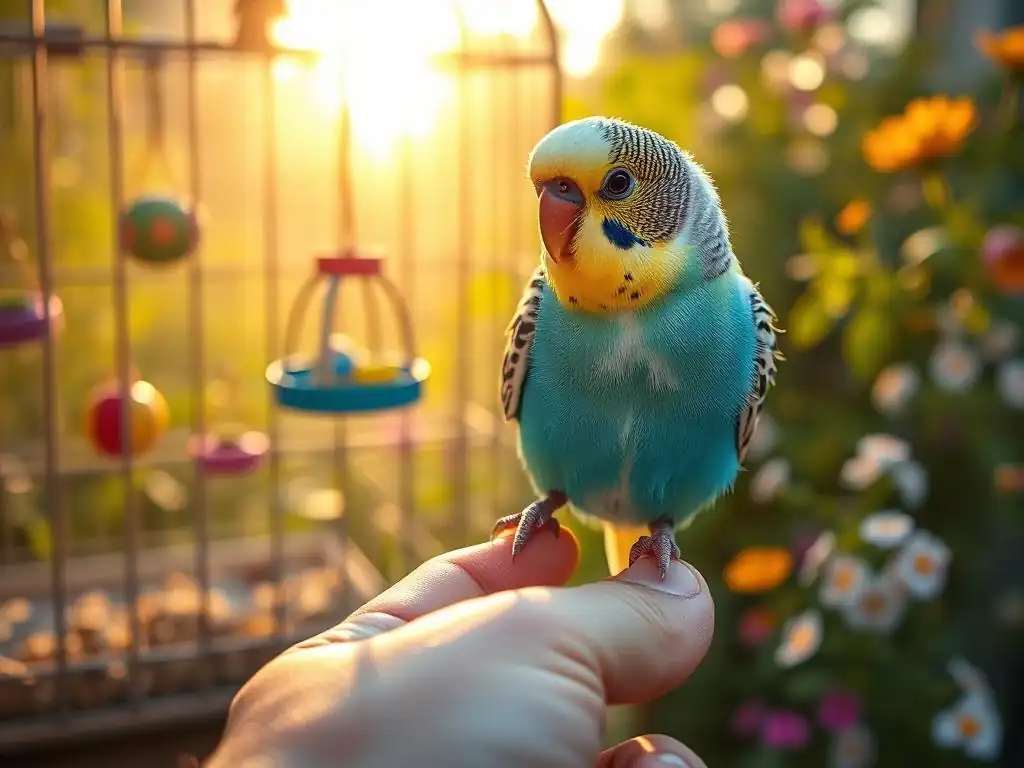
Welcome to PetCareWorld, your ultimate guide to a happier, healthier life for your beloved companion! Are you ready to embark on an exciting journey with your feathered friend? Our expert guide on First Bird Training Tips reveals the secrets to a successful training session, covering everything from preparation to the first crucial steps. Discover how to build a strong bond and unlock your bird's incredible potential—dive in and unlock the key to a harmonious relationship!
- Understanding Your Bird's Personality Before Starting Bird Training
- Essential Preparations for Your First Bird Training Session
-
First Bird Training Session: Step-by-Step Guide
- Introducing Basic Commands: Step 1 - Target Training
- Introducing Basic Commands: Step 2 - Step Up/Step Down Training
- Positive Reinforcement Techniques for Effective Bird Training
- Handling Potential Challenges: Distractions and Resistance During Training
- Ending the Session: Gradual Closure and Positive Reinforcement
- Building a Positive Training Relationship with Your Bird
- Beyond the First Session: Continuing Your Bird's Training Journey
-
Frequently Asked Questions
- What is the ideal age to start bird training?
- What are the essential supplies for a bird training session?
- How long should my first bird training session last?
- What should I do if my bird shows signs of stress or fear during training?
- What are some common mistakes to avoid during first bird training?
- Final Reflection: Embracing the Journey of Avian Partnership
- Unleash Your Bird's Potential: Start Training Today!
Understanding Your Bird's Personality Before Starting Bird Training
Bringing a new feathered friend home is an exciting experience! Before you dive into formal bird training, understanding your bird's unique personality is crucial for a positive and successful learning journey. This initial assessment will lay the groundwork for effective communication and prevent frustration for both you and your avian companion.
This guide focuses on preparing for that very first training session, providing you with "first bird training tips" to set you and your bird up for success. We'll cover assessing your bird's temperament, identifying their communication style, and recognizing signs of stress to ensure a smooth and enjoyable training experience. Remember, patience and positive reinforcement are key throughout the entire process.
Building a strong bond with your bird is just as important as teaching specific commands. This article will equip you with the knowledge to navigate this initial stage effectively, setting a strong foundation for a lifetime of happy interactions with your bird.
Assessing Your Bird's Temperament and Age for Effective Training
Every bird has a distinct personality. Some are naturally bold and curious, while others are more timid and cautious. This inherent temperament significantly impacts how you approach training. For example, a timid bird will require a gentler, more patient approach than a boisterous one. Age also plays a vital role. Young birds, generally under six months old, are often more receptive to learning new behaviors due to their developing brains and natural curiosity. However, older birds can also learn new tricks; it simply might take more time and patience.
Consider these factors when assessing your bird's temperament:
- Fear Response: How does your bird react to new sounds, sights, or movements? Does it flinch, hide, or remain calm?
- Curiosity Level: Does your bird actively explore its environment, or does it prefer to stay in familiar places?
- Interaction Style: How does your bird respond to being handled? Is it comfortable on your hand, or does it show signs of discomfort?
- Activity Level: Is your bird generally energetic and playful, or more relaxed and quiet?
Understanding your bird's age and temperament allows you to adjust your training techniques accordingly. For instance, a young, curious bird might readily engage in interactive games, while an older, more cautious bird might benefit from a slower, more gradual introduction to training. Remember to always prioritize your bird's comfort and avoid pushing it beyond its limits.
Identifying Your Bird's Preferred Communication Methods
Birds communicate in various ways, including vocalizations, body language, and even subtle shifts in posture. Learning to understand your bird's preferred communication methods is essential for effective training. Does your bird respond best to specific words or phrases? Does it exhibit particular body language cues – like head tilting, feather ruffling, or wing movements – to indicate its mood or preferences?
Pay close attention to your bird's behavior during interactions. Note the following:
- Vocalizations: Does your bird use specific chirps, whistles, or calls to express different emotions or needs?
- Body Language: What are the typical postures or movements associated with happiness, fear, or excitement?
- Responsiveness: How does your bird react to different stimuli, such as sounds, visual cues, or your touch?
By carefully observing your bird's communication style, you can tailor your training approach to maximize its understanding and cooperation. For example, if your bird responds well to specific verbal cues, incorporate these into your training sessions. If it's more sensitive to body language, use subtle movements and gestures to guide its behavior.
Recognizing Early Signs of Stress or Discomfort During Training
It is crucial to recognize when your bird is feeling stressed or uncomfortable during training. Forcing a stressed bird to continue training will not only be ineffective but could also damage your bond. Early detection of stress allows you to adjust the training session and prevent negative experiences.
Signs of stress or discomfort in birds can include:
- Rapid breathing: Increased respiratory rate is a clear indicator of stress.
- Dilated pupils: Wide eyes can signal anxiety or fear.
- Feather ruffling: Fluffed-up feathers often indicate discomfort or a defensive posture.
- Excessive preening: Intense preening can be a displacement behavior, indicating underlying stress.
- Aggressive behaviors: Biting, lunging, or screeching may indicate that the bird feels threatened or overwhelmed.
If you notice any of these signs, immediately stop the training session and give your bird some time to relax. Provide a calm and quiet environment, and consider offering a favorite treat or toy to help soothe it. Remember, a positive and comfortable learning environment is essential for successful bird training. Never punish your bird for exhibiting stress behaviors; instead, focus on creating a safe and supportive atmosphere where it feels secure and comfortable.
Essential Preparations for Your First Bird Training Session
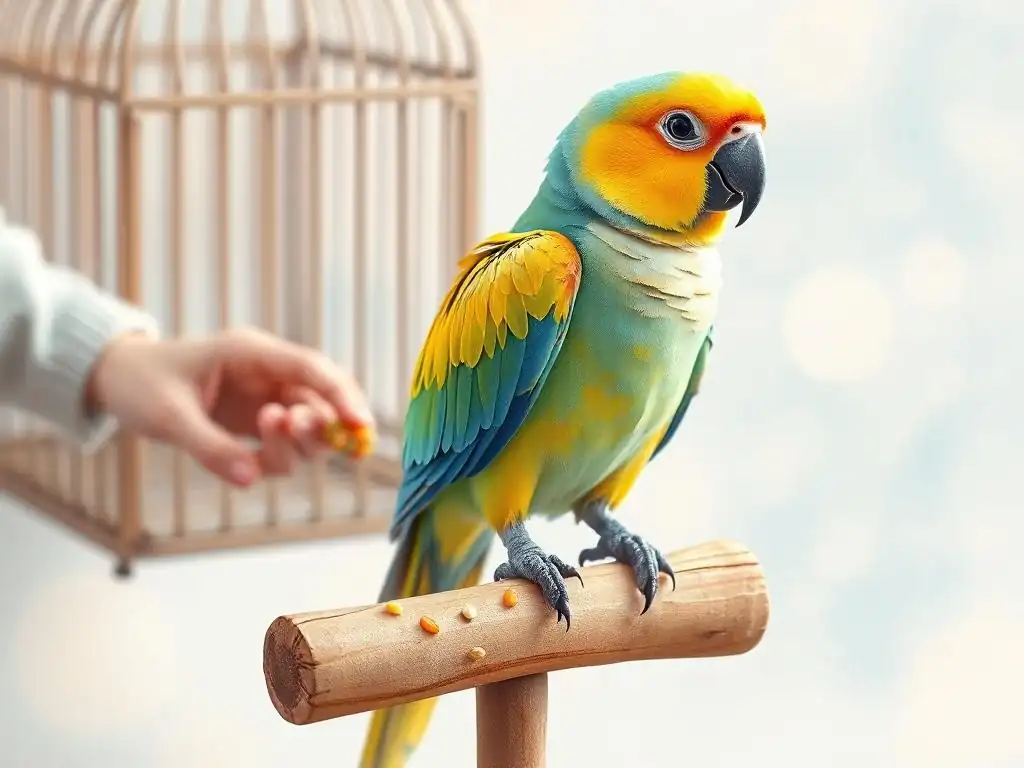
This section focuses on the crucial steps you need to take before embarking on your bird's first training session. Proper preparation is key to a positive and successful experience for both you and your feathered friend. Remember, patience and a positive attitude are your best tools in bird training. These initial preparations will significantly impact the effectiveness and enjoyment of your training journey. Let's dive into the specifics.
Creating a Safe and Comfortable Training Environment for Birds
A safe and comfortable environment is paramount for successful bird training. Your bird needs to feel secure and relaxed to learn effectively. Avoid distractions and create a quiet, predictable space. This could be a specific room, or even a corner of a room, consistently used for training.
Consider these points when setting up your training area:
- Minimize distractions: Turn off the television, radio, and any other noisy appliances. Even seemingly minor noises can disrupt your bird's focus.
- Temperature control: Ensure the room is at a comfortable temperature for your bird. Avoid drafts or excessive heat.
- Perch placement: Provide a comfortable perch of appropriate size for your bird within easy reach. This perch should be stable and secure.
- Positive reinforcement area: Designate a small area within the training space where you will deliver treats and praise. This helps your bird associate the area with positive experiences.
- Safety first: Remove any potential hazards, such as toxic plants, small objects your bird could swallow, or sharp edges.
Remember, consistency is key. Always use the same training area to help your bird associate that location with positive learning experiences. This predictability helps to reduce stress and anxiety, making the training process more effective. A calm and predictable environment is the cornerstone of building a trusting relationship with your bird, which is essential for successful training.
Gathering Necessary Training Supplies: Treats, Toys, Clicker
The right supplies significantly enhance your bird training sessions. Choosing the correct treats, toys, and training tools will make a world of difference in your bird's engagement and progress. Let's explore each element in detail:
- High-value treats: These are tiny, irresistible treats that your bird absolutely loves. Think millet sprays, small pieces of fruit (avoiding anything toxic to your bird species! ), or tiny seed mixes. Experiment to find what motivates your bird most. The goal is to find something your bird will work hard for! 🐦
- Interactive toys: While not directly used during every training session, having engaging toys available outside of training helps maintain your bird's mental stimulation and can positively influence their willingness to participate in training.
- Clicker (optional but recommended): A clicker acts as a marker for desired behavior. The click signals to your bird that they have performed the action correctly, immediately followed by a treat. This clear and consistent marker helps to create a strong association between action and reward, speeding up the learning process. If using a clicker, spend some time before the first training session getting your bird used to the sound.
| Supply | Description | Importance |
|---|---|---|
| High-Value Treats | Small, irresistible food items that highly motivate your bird. | Rewards desired behaviors and reinforces positive associations. |
| Interactive Toys | Engaging toys that stimulate your bird mentally and physically. | Maintains mental stimulation and influences willingness to participate in training. |
| Clicker | A small tool that marks the desired behavior, followed by a treat. (Optional) | Provides clear and immediate feedback, improving learning speed and consistency. |
Remember to keep your training supplies organized and readily accessible during training sessions. Having everything at hand will ensure a smooth and efficient process.
Choosing the Right Time and Duration for Your First Training Session
Timing and duration are crucial for your bird's first training session. Avoid times when your bird is stressed, tired, or hungry. A well-rested and content bird is more receptive to learning.
- Optimal time: Observe your bird's natural rhythm. Are they more alert and active in the morning or afternoon? Schedule your session accordingly. Aim for a time when your bird is generally playful and receptive to interaction.
- Short and sweet: Start with short training sessions, lasting no more than 5-10 minutes. Birds have short attention spans, especially during initial training. Multiple short sessions are far more effective than one long, tiring session. Always end the session on a positive note, with a successful behavior and a reward.
- Flexibility is key: Be prepared to adjust the timing and duration based on your bird's responsiveness. If your bird seems disinterested or stressed, end the session early and try again later.
Remember, building a positive association with training is crucial for long-term success. Keep sessions fun, engaging, and reward-focused. Even small successes should be celebrated. Patience and consistency are your greatest assets in this journey.
First Bird Training Session: Step-by-Step Guide
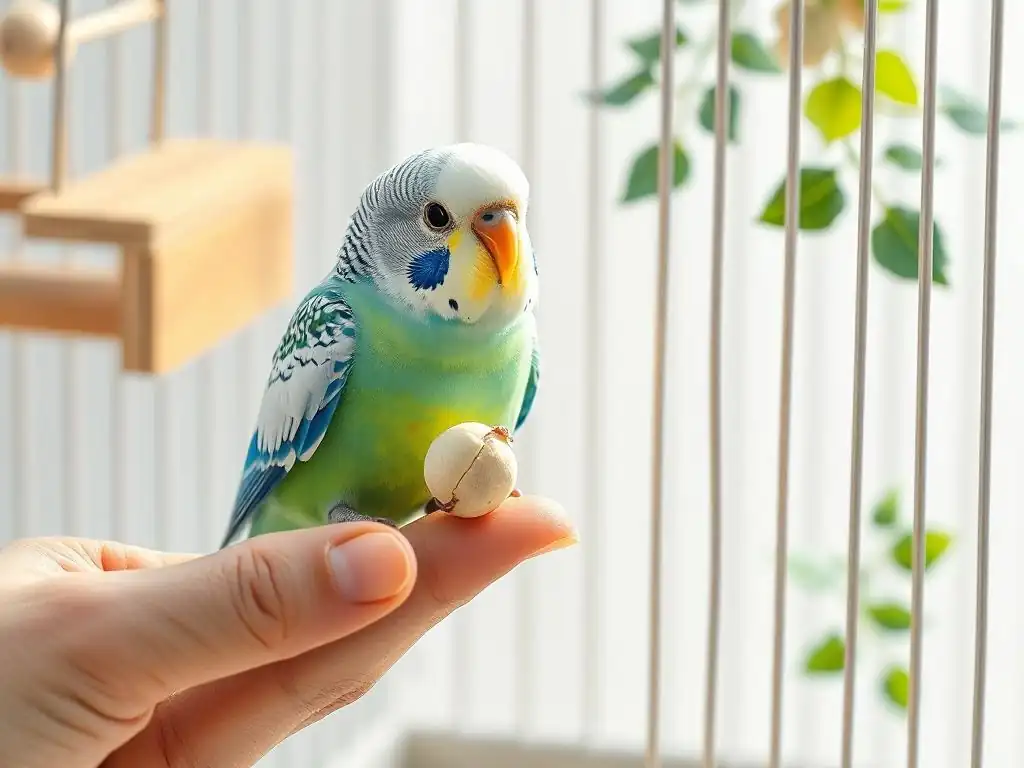
This section details the crucial first steps in your bird's training journey. Remember, patience and positive reinforcement are key to success. Building a strong bond with your feathered friend is paramount before starting any formal training. Early success with these initial training sessions will lay a solid foundation for future learning and a more fulfilling relationship with your bird. Consistent training, even in short bursts, yields the best results. Think of it as building a strong vocabulary for your bird, one word at a time. This is crucial for establishing clear communication and enhancing your bond.
Introducing Basic Commands: Step 1 - Target Training
Target training is an excellent foundational exercise for any bird. It teaches your bird to touch a designated object (the "target") on command. This simple command forms the basis for many more complex tricks and behaviors. We'll use a small stick or a finger as the target.
First, select a quiet, distraction-free area. Have your bird's favorite treat readily available – small pieces of fruit, seeds, or pellets work well. Hold the target (e.g., a small dowel rod) in front of your bird. Most birds are naturally curious and will instinctively peck at the object. The moment your bird touches the target with its beak, immediately reward it with a treat and praise ("Good bird!"). Repeat this process several times, ensuring each successful touch is met with immediate positive reinforcement.
Gradually increase the distance between your bird and the target. As your bird becomes more proficient, you can start introducing the verbal cue "Touch." Say "Touch" just before presenting the target. Over time, your bird will associate the word "Touch" with the action of touching the target and the subsequent reward.
It's important to keep training sessions short and sweet, ideally no more than 5-10 minutes, especially in the beginning. Multiple short sessions throughout the day are far more effective than one long, tiring session. Always end the session on a positive note, with a successful target touch and a generous reward. This helps to maintain your bird's motivation and enthusiasm. Remember, consistency is key! Even a few minutes of training each day will yield noticeable results over time.
Introducing Basic Commands: Step 2 - Step Up/Step Down Training
Once your bird masters target training, you can move on to teaching the "step up" and "step down" commands. These commands are essential for handling your bird safely and comfortably. This is a crucial step in building trust and making handling less stressful for both you and your bird.
Use the same positive reinforcement techniques as with target training. Hold your index finger and say "Step up". If your bird steps onto your finger, immediately reward with praise and a treat. If your bird hesitates, gently guide it onto your finger. Do not force it. Repeat until your bird readily steps onto your finger on command.
For "step down," hold your finger near a perch or a safe surface. Say "Step down" and gently guide your bird to step down onto the perch. Reward with praise and a treat. Like target training, keep sessions short and positive, aiming for multiple short training sessions rather than one long one.
Remember to always be gentle and patient. Some birds learn faster than others. Celebrate small victories and never punish your bird for mistakes. Negative reinforcement will damage your relationship and hinder the training process. Consistency and positive reinforcement are the cornerstones of successful bird training.
Positive Reinforcement Techniques for Effective Bird Training
Positive reinforcement is the cornerstone of effective bird training. It involves rewarding desired behaviors to increase their likelihood of repetition. This method fosters a positive learning environment, strengthening the bond between you and your bird. Avoid punishment at all costs; it only creates fear and distrust.
Here's a breakdown of effective positive reinforcement techniques:
- Timing is Crucial: Rewards must be immediate. The delay between the desired behavior and the reward should be minimal (ideally less than a second).
- Variety in Rewards: Offer a variety of treats to keep your bird engaged and prevent boredom. Rotate through different fruits, vegetables, seeds, and pellets.
- Verbal Praise: Combine treats with verbal praise ("Good bird! ", "Yes! ", etc.). The tone of your voice is important; keep it enthusiastic and encouraging.
- Body Language: Your body language plays a significant role. Maintain a calm and relaxed demeanor throughout the training session.
- Session Length: Keep sessions short and frequent. Multiple short sessions are more effective than one long session.
| Technique | Description | Example |
|---|---|---|
| Clicker Training | Use a clicker to mark the exact moment the bird performs the desired behavior. | Click the clicker when the bird steps up, then give a treat. |
| Shaping | Gradually guide the bird towards the desired behavior by rewarding successive approximations. | Reward for approaching the target, then for touching it. |
| Luring | Use a treat to guide the bird into the desired position. | Lure the bird onto your finger with a treat. |
Remember, training your bird is a journey, not a race. Celebrate every success, no matter how small, and remain patient and understanding throughout the process. By consistently using positive reinforcement techniques, you'll build a strong bond with your bird and establish clear communication. This will enhance your relationship and create a more enriching experience for both of you.
Handling Potential Challenges: Distractions and Resistance During Training
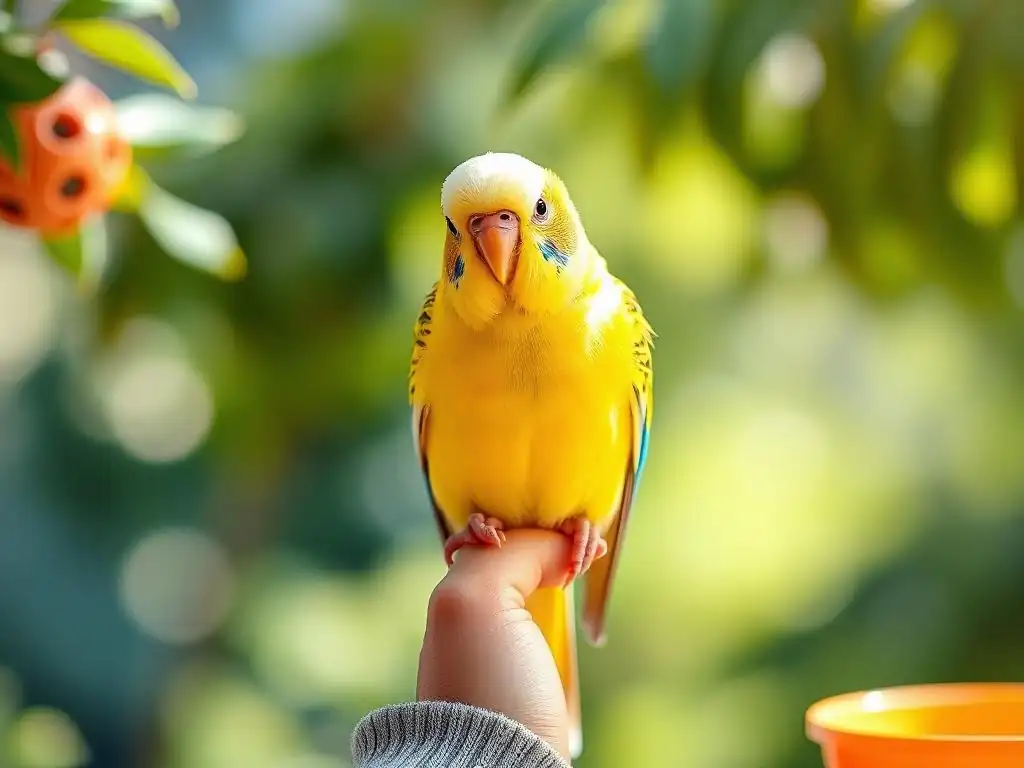
Your first bird training session might not go exactly as planned. Birds, especially those new to training, can be easily distracted. A sudden noise, a flash of light, or even a change in your position can disrupt their focus. Resistance is also common. Your bird may initially refuse to participate, showing signs of discomfort or anxiety. Understanding these potential challenges is key to successful training.
One common distraction is the presence of other pets or people. If possible, conduct your training session in a quiet, secluded area where your bird won't be overwhelmed by external stimuli. Minimize distractions by turning off the television, radio, or any other noise-making devices. If your bird is particularly sensitive to movement, try to remain still and avoid making sudden gestures.
Resistance manifests in various ways. Your bird might simply ignore your commands, turn its head away, or even try to escape. Never force your bird to participate. Instead, try to identify the source of their resistance. Are they tired? Hungry? Perhaps the training session is too long or the task too difficult. Adjust your approach accordingly.
If your bird is consistently resisting a particular command, try a different approach or a different reward. Remember, patience and understanding are crucial. Positive reinforcement, such as offering a favorite treat or praise, can help overcome resistance and encourage continued participation. Short, frequent training sessions are generally more effective than long, infrequent ones. This allows your bird to maintain focus and avoid becoming overwhelmed or frustrated. Observe your bird's body language carefully. Signs of stress, such as ruffled feathers or rapid breathing, indicate that you should end the session and try again later.
Ending the Session: Gradual Closure and Positive Reinforcement
Ending a training session correctly is just as important as starting it well. A sudden stop can leave your bird feeling confused or frustrated. Instead, gradually wind down the session. This involves slowly reducing the intensity and duration of the training exercises. For instance, if you've been working on a specific trick, reduce the number of repetitions before concluding. This helps your bird understand that the session is ending and prevents abrupt changes that might cause anxiety or confusion.
Positive reinforcement plays a vital role in the conclusion of the session. Before ending, ensure your bird receives a final reward for their participation, regardless of how well they performed. This reinforces the positive association between training and rewards, making them more likely to cooperate in future sessions. Verbal praise, such as "Good bird!" or "Well done!
", combined with a favorite treat, is highly effective. A gentle scratch under the chin or a brief period of quiet interaction can also provide positive reinforcement. Ending on a positive note is crucial for building trust and encouraging your bird's willingness to participate in future training sessions. Remember to keep the sessions short and sweet, especially in the beginning.
A 10-15 minute session is usually sufficient for young birds, or birds new to training. Always end the session before your bird shows signs of fatigue or frustration. This prevents negative associations with training and ensures a positive learning experience. Consistency is key; regular, short sessions will yield better results than infrequent, long ones.
Building a Positive Training Relationship with Your Bird
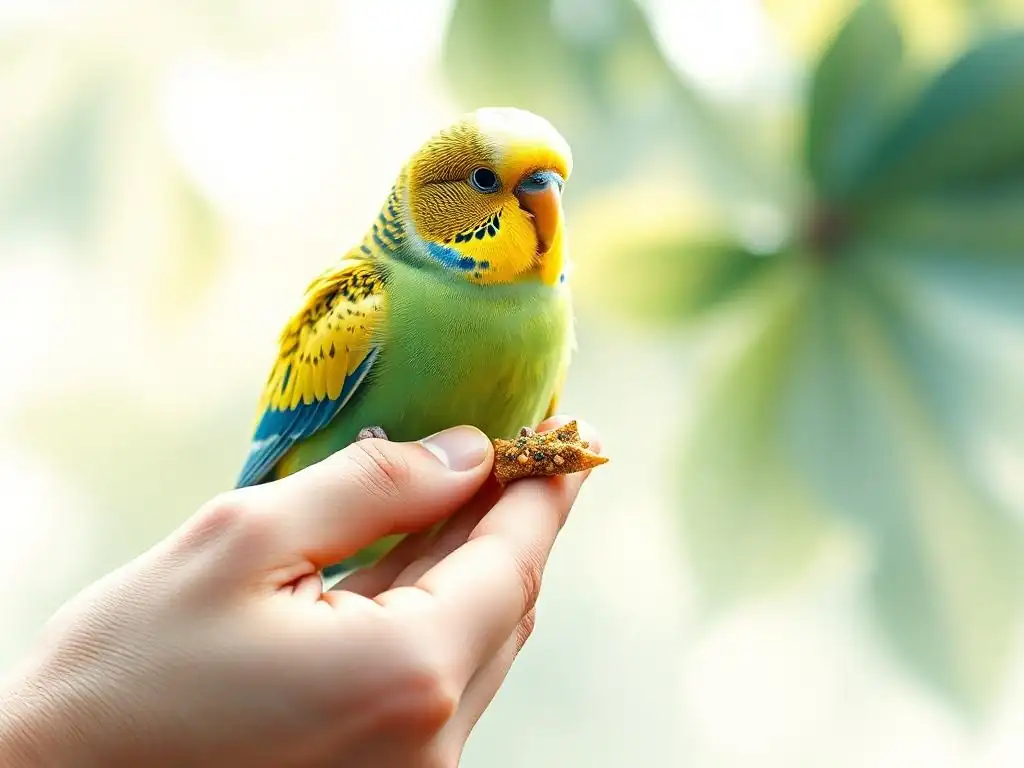
Building a strong bond with your bird is paramount to successful training. Think of it as the foundation upon which all future training sessions will be built. A positive, trusting relationship fosters a willingness to learn and cooperate, making the entire process smoother and more enjoyable for both you and your feathered friend. This doesn't happen overnight; it requires patience, consistency, and a deep understanding of your bird's individual personality and needs.
Positive reinforcement is key. Instead of punishment, focus on rewarding desired behaviors with treats your bird loves, verbal praise, or even gentle head scratches. Observe your bird closely; each bird has its own unique preferences. Some may adore sunflower seeds, while others might prefer millet sprays. Experiment to find what motivates your bird.
The goal is to create a positive association with training, making it a fun and rewarding experience. Avoid harsh tones or forceful movements; these can scare your bird and damage your relationship. Remember, a stressed bird is a bird less likely to learn. Building trust takes time, and consistent positive interactions are vital to creating a happy and cooperative learning environment. This initial investment in relationship-building will pay dividends in the long run, leading to more efficient and effective training sessions.
Consistent Training Schedule for Optimal Results
Consistency is the cornerstone of effective bird training. Think of it like this: irregular training is like giving your bird mixed signals. A regular schedule helps your bird understand what to expect and establishes a routine. This predictability reduces anxiety and enhances their ability to focus. Aim for short, frequent sessions rather than long, infrequent ones. Ideally, 5-10 minute sessions, two to three times a day, are more effective than one 30-minute session once a week. This approach prevents your bird from becoming overwhelmed or bored.
Consider incorporating training into your daily routine. This could involve a short session after breakfast, another before bedtime, or even during other quiet moments throughout the day. The key is to find a time that works well for both you and your bird, ensuring a calm and relaxed atmosphere. Remember to keep the sessions positive and rewarding.
If your bird seems restless or uninterested, end the session early and try again later. Flexibility is essential; adjust your schedule as needed to accommodate your bird's needs and energy levels. Maintaining a consistent schedule, even on busy days, will significantly impact your bird's progress and overall training success. A well-structured routine will reinforce learning and contribute to a more harmonious relationship.
Recognizing Signs of Progress and Adjusting Training Accordingly
Monitoring your bird's progress is crucial for effective training. Pay close attention to their responses during each session. Are they actively engaging? Do they seem frustrated or confused? Are they consistently performing the desired behavior? These subtle cues provide valuable insights into their understanding and learning pace. Positive changes may be gradual, but they’re important. For example, initially, your bird may only respond to a cue intermittently. Over time, however, you might notice an increase in the frequency and accuracy of their responses. This indicates progress and should be rewarded generously.
However, if your bird consistently struggles with a particular task, don't push them. Re-evaluate your training approach. Perhaps the cue is too complex, or the reward isn't sufficiently motivating. Consider simplifying the task, breaking it down into smaller, more manageable steps, or trying a different type of reward.
Flexibility is paramount; be prepared to adjust your methods based on your bird's individual needs and responses. The goal is not to force your bird to learn, but to guide them through the process in a way that is both effective and enjoyable. Remember, celebrating even the smallest victories reinforces positive behavior and keeps your bird motivated to learn. Regularly assessing and adjusting your approach ensures optimal learning and strengthens the bond between you and your bird.
Understanding Bird Body Language During Training Sessions
Effective bird training requires a keen understanding of avian body language. Birds communicate differently than humans; their subtle cues can often be missed. Learning to interpret these signals is crucial for avoiding frustration and ensuring a positive training experience. For example, a puffed-up chest might indicate aggression or fear, while a relaxed posture usually signifies contentment and willingness to engage. A bird that is constantly preening might be stressed or anxious, while rapid blinking can sometimes signal fear or submission.
Pay close attention to your bird's behavior during training sessions. Do they appear relaxed and attentive? Or do they seem tense, agitated, or withdrawn? If you notice signs of distress, stop the session immediately and reassess your approach. Perhaps the task is too challenging, or the environment is too stimulating.
Remember, a stressed bird is unlikely to learn effectively. By carefully observing your bird's body language, you can fine-tune your training methods to create a more comfortable and effective learning environment. This understanding helps you maintain a positive, rewarding experience for your bird, leading to better results and a stronger bond between you and your feathered companion. Regularly reviewing and refining your understanding of bird communication improves your training techniques and fosters a more harmonious relationship.
Troubleshooting Common Bird Training Problems and Solutions
Even with careful preparation and positive reinforcement, you might encounter challenges during your bird's first training session. Understanding these common problems and their solutions is crucial for maintaining a positive training experience. Patience is key; remember that every bird learns at its own pace.
One frequent issue is a bird's reluctance to participate. This could stem from several factors. Perhaps your bird is feeling insecure or overwhelmed in the training environment. Try moving the training session to a quieter location, or shortening the session duration. Ensure you're using positive reinforcement consistently; even a small reward for attempting a desired behavior can encourage continued participation. If your bird seems particularly fearful, consult an avian veterinarian to rule out any underlying health concerns that might be affecting its behavior. A stressed or unwell bird is less likely to engage in training activities.
Another common problem is inconsistency in your bird's responses. This often indicates a lack of clarity in your commands or inconsistent reinforcement. Ensure that your cues are clear, concise, and consistently used.
For example, always use the same word or phrase for a specific command, such as "step up" when asking your bird to perch on your hand. Maintain consistency in rewarding desired behaviors; if you sometimes reward and sometimes don't, your bird will become confused and less likely to respond reliably. Consider using a clicker to mark the exact moment of the desired behavior, creating a stronger association between action and reward.
Sometimes, birds might exhibit unwanted behaviors during training, such as biting or feather plucking. These behaviors are often signs of stress, fear, or frustration. Analyze your training approach. Are you pushing your bird too hard? Are you using appropriate rewards? Is the training environment too stimulating or overwhelming? If biting occurs, immediately stop the session and give your bird some space. Consult an avian behaviorist to address underlying behavioral issues. They can help you identify triggers and develop strategies to mitigate unwanted behaviors. Remember, addressing these behaviors requires patience, understanding, and often professional guidance.
Finally, lack of progress can be disheartening, but it's a common experience for many bird owners. It's crucial to remember that every bird learns differently. If you're not seeing significant progress after several sessions, reassess your training methods. Are you using the right rewards? Are your training sessions appropriately paced?
Are you providing enough breaks? Consider adjusting your approach. Perhaps a different training technique or a change in the training environment might yield better results. Don't be afraid to seek professional help from an experienced avian trainer who can provide personalized guidance. Consistent effort and patience are essential components of successful bird training.
Beyond the First Session: Continuing Your Bird's Training Journey
The initial bird training session is just the beginning of a rewarding journey with your feathered friend. Consistency and patience are key to building a strong bond and achieving long-term training success. Remember, birds learn at different paces, and what works wonders for one bird might require a slightly different approach for another. The focus should always remain on positive reinforcement and creating a fun, engaging experience for your bird.
Advanced Training Techniques for Birds: Enrichment and Problem Solving
Once your bird masters basic commands like "step up" and "come," you can progress to more advanced training. This often involves incorporating enrichment activities into your training sessions. Enrichment keeps your bird mentally stimulated and prevents boredom, which can lead to behavioral problems. For instance, you can introduce puzzle feeders that require your bird to solve a problem to access its food. This not only stimulates their problem-solving skills but also provides a rewarding experience.
Consider introducing target training using a designated stick or small object. This technique is incredibly versatile and can be used to teach your bird a wide range of behaviors, from stepping onto a perch to performing tricks. Remember to always keep training sessions short, fun, and rewarding, avoiding pushing your bird beyond its capabilities.
Think of training as a continuous learning process for both you and your bird. You'll learn to better understand your bird's cues, and your bird will develop greater confidence and trust in you. This bond is crucial for effective communication and problem-solving, particularly when addressing unwanted behaviors. Remember, patience is a virtue; celebrate small victories and remain consistent in your approach.
Maintaining a Positive Training Environment for Long-Term Success
A positive training environment is paramount for successful bird training. This isn't just about avoiding punishment; it's about fostering a relationship built on trust and mutual respect. Your bird should associate training with positive experiences – delicious treats, praise, and enjoyable interactions.
Here's a checklist for maintaining a positive training environment:
- Consistent routines: Birds thrive on routine. Establish a consistent training schedule to help your bird anticipate and participate actively.
- Positive reinforcement: Always reward desired behaviors with praise, affection, or a favorite treat. Avoid punishment, as it can damage your bond and create fear.
- Short sessions: Keep training sessions brief (5-15 minutes) to maintain your bird's focus and enthusiasm. Multiple short sessions are more effective than one long, tiring session.
- Safe and comfortable environment: Ensure your bird feels safe and secure during training. Minimize distractions and create a calm atmosphere.
- Variety: Keep training sessions interesting by varying the commands and activities you practice. This prevents boredom and keeps your bird engaged.
Remember, a stressed bird is less likely to learn effectively. Prioritize creating a calm, enriching, and predictable environment for your avian companion. This proactive approach will not only enhance your training success but also contribute to your bird's overall well-being.
Seeking Professional Help: When to Consult an Avian Veterinarian or Trainer
While many bird owners successfully train their pets at home, there are instances when seeking professional help is beneficial. If you encounter persistent behavioral problems, such as excessive biting, feather plucking, or aggression, consulting an avian veterinarian or certified avian trainer is advisable.
These professionals can assess your bird's behavior, identify underlying medical or psychological issues, and provide tailored guidance. They can also help you develop a comprehensive training plan that addresses specific challenges. Don't hesitate to seek professional assistance if you're struggling to manage your bird's behavior or achieve your training goals. Early intervention can often prevent more significant problems from developing.
Early intervention can prevent more significant issues and ensure a harmonious relationship with your bird. Remember, seeking help is a sign of responsible pet ownership. A professional can provide valuable insights and support, helping you navigate any challenges and build a stronger bond with your feathered friend.
Frequently Asked Questions
What is the ideal age to start bird training?
You can begin basic training as early as 8-12 weeks old, when your bird is weaned and comfortable in its new environment. However, the best time depends on your bird's species and temperament.
What are the essential supplies for a bird training session?
High-value treats (like small pieces of fruit or seeds), a clicker (optional but helpful), and a quiet, distraction-free space are crucial. Consider a perch or comfortable spot for your bird.
How long should my first bird training session last?
Keep your first session short and sweet, aiming for 5-10 minutes. Longer sessions can overwhelm your bird and lead to frustration. Consistency is key, rather than duration.
What should I do if my bird shows signs of stress or fear during training?
Immediately end the session and try again later. Positive reinforcement is crucial; never force your bird to participate. Observe your bird's body language for clues.
What are some common mistakes to avoid during first bird training?
Avoid using punishment or forcing interactions. Be patient and understanding, focusing on positive reinforcement. Also, avoid overwhelming your bird with too much stimulation.
Final Reflection: Embracing the Journey of Avian Partnership
The bond between human and bird, once a niche interest, is blossoming into a mainstream appreciation for the intelligence and companionship these feathered friends offer. Successfully navigating that first training session is key to unlocking this rewarding relationship, laying the foundation for years of mutual enrichment. It's more than just tricks; it's about building trust and understanding.
The impact of responsible bird ownership extends far beyond the individual bird and owner. It shapes our understanding of animal cognition and the potential for interspecies communication. The greatest reward in life is to love and be loved in return.
While this quote isn't specifically about birds, it perfectly captures the essence of the fulfilling connection we can cultivate with our avian companions through patient and positive training. Witnessing the progress, the subtle shifts in understanding and trust, is profoundly moving and underscores the importance of approaching bird training with empathy and respect.
So, as you embark on this exciting journey, remember the lessons learned: patience is paramount, positive reinforcement is powerful, and understanding your bird's unique personality is essential. Don't be discouraged by initial challenges; celebrate each small victory, and cherish the evolving connection you're building. You are not just training a bird; you are forging a friendship, a partnership built on mutual respect and understanding. Embrace the journey, and the rewards will be immeasurable.
Unleash Your Bird's Potential: Start Training Today!
Thank you for learning about bird training! We hope you feel confident and ready to begin this rewarding journey with your feathered friend. Ready to put your new knowledge into practice?
- Start your first training session today! Even 15 minutes of positive reinforcement can make a big difference. Focus on building trust and creating positive associations with training.
- Share your bird's training progress with our community! Join the PetCareWorld forum and connect with other bird lovers. Let's learn from each other's experiences.
- Try offering a new, exciting treat—something your bird hasn't tried before—to see how it boosts their enthusiasm. A small piece of a different fruit or vegetable, or a tiny bit of cooked, unsalted pasta might do the trick.
What exciting new behaviors will you and your bird discover together today?