
The Link Between Cat Scratching and Territory Marking: What You Need to Know

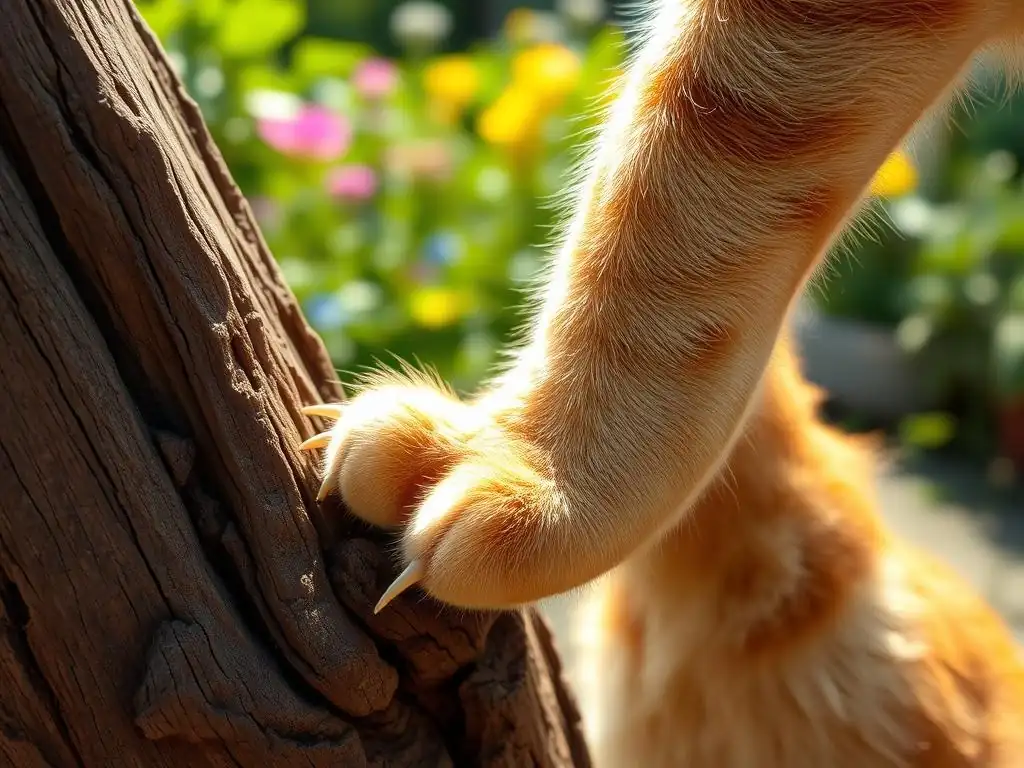
Welcome to PetCareWorld, your ultimate guide to a happier, healthier life for your beloved pets! Are you puzzled by your cat's persistent scratching? Unravel the mystery behind cat scratching territory marking and discover practical solutions to protect your furniture and understand your feline friend's behavior. Dive in and learn how to decipher your cat's scratching signals – the answers you seek are just a click away!
- Understanding Cat Scratching Behavior: More Than Just a Habit
- Cat Scratching: Territory Marking and Communication
- Managing Undesired Cat Scratching: Solutions for Pet Owners
- Preventing Cat Scratching: Proactive Measures for a Happy Home
- Cat Scratching and Veterinary Considerations: When to Seek Professional Help
- Frequently Asked Questions
- Final Reflection: Understanding Feline Communication Through Scratching
- Unleash Your Cat's Happy Scratching Habits!
Understanding Cat Scratching Behavior: More Than Just a Habit
Cat scratching is a natural feline behavior often misunderstood by pet owners. While it might seem like simple playful destruction, scratching serves several crucial purposes for cats, most significantly related to their innate need to mark their territory. This article delves into the fascinating link between cat scratching and territory marking, providing a comprehensive understanding of why cats scratch and how to address this behavior effectively.
We'll explore the biological mechanisms involved, the observable signs of territory marking through scratching, and offer insights into managing this natural instinct in a way that protects your furniture and respects your cat's needs. Understanding this behavior is key to building a harmonious relationship with your feline companion and maintaining a happy, scratch-free home. This guide will equip you with the knowledge to interpret your cat's scratching behaviors and respond appropriately, leading to a more peaceful coexistence.
Deciphering the Purpose of Cat Scratching: Territory Marking and Scent Glands
Cats are naturally inclined to mark their territory, and scratching is a primary method they use to achieve this. Unlike dogs who frequently use urine to mark their territory, cats utilize their scent glands, located in their paws and around their faces, to leave their unique olfactory signature. When a cat scratches, it's not simply sharpening its claws; it's actively depositing these scent markers onto surfaces. This action serves several purposes:
- Scent Communication: The scent glands release pheromones that communicate information to other cats. These pheromones convey messages about the cat's identity, territorial boundaries, and overall status within its social structure.
- Visual Marking: The scratches themselves create visual cues. The visible marks on surfaces act as additional indicators of the cat's presence and territorial claims. Think of it as a visual "this is my space" message.
- Stress Reduction: Scratching can also be a self-soothing behavior for cats, helping them to feel more secure and less stressed in their environment. This is particularly relevant when a cat feels threatened or insecure.
The Role of Scent Glands in Cat Scratching: How Cats Mark Their Territory
The interdigital glands, located between a cat's toes, and the facial glands play a crucial role in territory marking. These glands secrete pheromones that are unique to each cat. When a cat scratches a surface, it's essentially "signing" that surface with its individual scent. The act of stretching and extending claws during scratching helps to effectively distribute these scent markers, spreading the pheromones across a wider area.
The intensity of scent marking can vary depending on several factors, including the cat's personality, stress levels, and the perceived threat to its territory. A newly adopted cat, for instance, might scratch more frequently as it establishes its presence in a new environment. Similarly, a cat feeling threatened by another animal might increase its scratching activity to reinforce its territorial claims.
Identifying Cat Scratching as Territory Marking: Signs and Indicators
While not all scratching is territory marking, several signs can help you differentiate between this behavior and other forms of scratching, such as claw maintenance or playful scratching. Key indicators of territory marking include:
| Indicator | Description |
|---|---|
| Location of Scratching | Often in prominent areas, such as doorways, corners, or furniture along walls. |
| Intensity of Scratching | Vigorous scratching, often with stretching and extension of the body. |
| Frequency of Scratching | Consistent scratching in specific locations, particularly after a period of absence from the area. |
| Scent Marking Behavior | The cat may rub its cheeks or chin against the scratched surface after scratching, further depositing scent. |
| Posture during Scratching | The cat may adopt a characteristic "stretching" posture with its back arched. |
Understanding these indicators can help you better understand your cat's behavior and address any underlying issues. Remember, providing appropriate scratching posts and enrichment can help redirect your cat's scratching towards acceptable targets and reduce unwanted scratching on your furniture. 😻
Cat Scratching: Territory Marking and Communication

Cat scratching, often viewed as destructive behavior by frustrated owners, is actually a complex communication system vital to feline well-being. Understanding the nuances of this behavior, particularly its connection to territory marking, is crucial for responsible cat ownership and fostering a harmonious home environment. This section will delve into the visual and olfactory cues cats utilize through scratching, and how these actions are amplified in multi-cat households. Effective management strategies hinge on recognizing the inherent communicative purpose behind cat scratching, not simply as an annoyance to be suppressed.
Visual Cues: How Cat Scratches Communicate Ownership
Cats are meticulous creatures, and their scratching isn't random. The placement of scratches, their depth, and the surface chosen all convey specific messages. Visual cues are a primary aspect of cat scratching as territory marking. Imagine a cat strategically scratching a vertical surface near a window overlooking their "domain." This isn't mere destruction; it's a powerful visual declaration of ownership. The scratches themselves, particularly those deep enough to leave visible marks on the surface, serve as visual signals to other cats, asserting the resident cat's dominance and territorial claim.
The type of surface also matters. Cats often prefer rough textures that allow for better claw engagement and scent deposition (more on this in the next section). A sturdy scratching post, for example, may be preferred over a delicate piece of furniture. This preference isn't simply about claw maintenance; it's also about maximizing the visual impact of their scratching.
The deeper and more prominent the scratches, the clearer the message of territorial claim. Observing where your cat scratches provides valuable insight into their perceived territory within your home. Do they concentrate their scratching near entryways, high vantage points, or food and water sources? These locations highlight key areas of their perceived territory.
Olfactory Communication: The Unscented Messages of Cat Scratching
While the visual cues are immediately apparent, the olfactory component of cat scratching is often overlooked. Even though cat scratches may appear "unscented" to humans, they are far from scentless to other cats. Cats possess scent glands in their paws, and the act of scratching deposits these pheromones onto the scratched surface. These pheromones act as silent communicators, reinforcing the visual message of territorial ownership. The pheromones aren't just about marking territory; they also provide information about the cat's identity and status.
The intensity and frequency of scratching can also modulate the olfactory message. A cat feeling threatened or insecure might scratch more frequently and intensely, leaving a stronger scent mark to deter potential rivals. Conversely, a relaxed and confident cat might scratch less frequently, maintaining a subtle but still effective olfactory presence. Understanding this subtle interplay between visual and olfactory communication is vital for interpreting your cat's scratching behavior and tailoring appropriate responses. For instance, providing appropriate scratching posts strategically placed throughout the house can help cats establish their olfactory boundaries in a way that's acceptable to you.
The Impact of Multi-Cat Households: Competition and Territory Marking
In multi-cat households, the importance of territory marking through scratching is significantly amplified. Competition for resources – food, water, resting places, and even human affection – can lead to increased scratching activity as cats strive to establish their individual territories within the shared space. This competition can manifest in various ways, from subtle scent marking to outright aggression. Understanding this dynamic is crucial for preventing conflict and maintaining harmony among feline housemates.
Consider a scenario with two cats: one dominant and one subordinate. The dominant cat might engage in more frequent and intense scratching near key resources, visually and olfactorily asserting its dominance. The subordinate cat, in contrast, might scratch in less prominent locations, attempting to establish a smaller, less contested territory.
This unequal distribution of scratching highlights the underlying power dynamics within the household. Providing multiple scratching posts in different locations can help mitigate competition by offering each cat their own designated scratching areas, reducing the likelihood of conflict over territory. Careful observation of scratching patterns, combined with providing sufficient resources and enrichment, can significantly improve the coexistence of multiple cats.
Managing Undesired Cat Scratching: Solutions for Pet Owners

Cat scratching, often misunderstood as mere mischief, is primarily a vital instinctual behavior deeply rooted in a cat's need for territory marking and physical well-being. Understanding this crucial link between cat scratching and territory marking is the first step towards effectively managing unwanted scratching behavior. This section focuses on practical solutions for pet owners struggling with this common feline behavior problem. We will explore methods to redirect scratching, deter unwanted scratching, and ultimately, train your cat to use designated areas. Remember, patience and consistency are key to success in modifying your cat's scratching habits.
Redirecting Cat Scratching Behavior: Providing Appropriate Scratching Posts
Providing suitable scratching posts is paramount in redirecting your cat's scratching behavior away from your furniture. Cats prefer different textures and post types; therefore, offering a variety increases the likelihood of success. Consider these factors when selecting scratching posts:
- Material: Cats exhibit preferences for various materials. Some enjoy the rough texture of sisal, while others prefer carpet or cardboard. Experiment to find your cat's favorite. A combination of materials in a single post can also be effective.
- Height and Size: Offer a variety of heights and sizes. Some cats prefer tall posts that allow them to stretch fully, while others might prefer shorter, more compact options. A larger scratching surface area is generally better.
- Placement: Strategic placement is crucial. Position scratching posts near areas your cat frequents, such as their favorite sleeping spot or near windows. Avoid placing them near food or water bowls.
- Stability: Ensure the scratching post is stable and won't topple over easily, especially important for larger or more energetic cats. A wobbly post can discourage use.
Consider these examples: a tall sisal-covered scratching post near a sunny window, a short, sturdy cardboard scratching pad placed near their favorite napping spot, or a wall-mounted scratching pad at their preferred height. Observe your cat's preferences and adjust accordingly. Remember, it's not just about providing scratching posts, it's about encouraging their use.
Deterrents for Undesired Scratching: Safe and Effective Methods
While redirection is the preferred method, deterrents can be helpful in preventing your cat from scratching inappropriate surfaces. However, it's crucial to use safe and humane methods that don't harm your cat or cause undue stress. Avoid harsh punishments; instead, focus on making undesirable surfaces less appealing. Here are some effective deterrent strategies:
- Protective Covers: Using protective covers on furniture is a simple and effective method. Consider using furniture covers made of materials cats dislike, such as plastic or aluminum foil. These create a tactile deterrent without causing harm.
- Taste Deterrents: Commercial cat repellent sprays are available, often containing citrus scents or bitter-tasting substances that cats find unpleasant. Apply these sparingly to furniture and other surfaces your cat scratches. Always test a small, inconspicuous area first to ensure it doesn't damage the material.
- Sticky Tape: Double-sided sticky tape placed on furniture can effectively deter scratching. The sticky sensation is unpleasant for cats and usually discourages them from scratching in those areas. However, ensure the tape is easily removable and won't damage the surface.
- Motion-Activated Sprinklers: For outdoor scratching, motion-activated sprinklers can be a useful deterrent. The sudden spray of water startles the cat and discourages further scratching.
Remember, consistency is vital. Use deterrents in conjunction with positive reinforcement techniques to maximize their effectiveness. The goal is to make appropriate scratching posts more appealing than undesirable surfaces. Never use punishment-based methods, as these can damage your relationship with your cat and create anxiety.
Training Your Cat to Use Designated Scratching Areas: Positive Reinforcement Techniques
Positive reinforcement is the most humane and effective way to train your cat to use designated scratching areas. This involves rewarding desired behavior—scratching the post—and ignoring or redirecting unwanted behavior—scratching furniture. Here's how to implement positive reinforcement:
- Reward Immediately: When your cat scratches the post, immediately reward them with a treat, praise, or a favorite toy. This creates a positive association between the post and a reward.
- Consistency is Key: Be consistent in rewarding your cat for scratching the post. Even seemingly small instances of scratching the post should be rewarded to reinforce the desired behavior.
- Ignore Undesired Behavior: When your cat scratches furniture, calmly redirect them to the scratching post. Avoid yelling or punishing them, as this can create fear and anxiety. Instead, offer a distraction or calmly move them to the post.
- Make the Post Appealing: Make the scratching post as attractive as possible by using your cat's preferred materials and placing it in a strategic location. Consider adding catnip to the post to further entice your cat.
Using positive reinforcement techniques combined with providing appropriate scratching posts and utilizing safe deterrents, you can effectively manage your cat's scratching behavior and protect your furniture. Remember, patience and consistency are crucial for success in this training process. With consistent effort, you can create a harmonious environment where both you and your feline companion are happy and comfortable.
Preventing Cat Scratching: Proactive Measures for a Happy Home

Understanding that cat scratching is often intrinsically linked to territory marking is crucial in developing effective preventative strategies. Simply punishing a cat for scratching will likely be ineffective and could damage your relationship with your feline friend. Instead, focus on providing alternatives and managing their environment to minimize unwanted scratching behaviors. This proactive approach prioritizes positive reinforcement and caters to your cat's natural instincts.
By addressing the root cause—the need to mark territory and stretch—you can significantly reduce, and potentially eliminate, destructive scratching. This section will delve into practical measures to achieve a harmonious coexistence with your cat, safeguarding your furniture while respecting your cat's natural behaviors. Remember, consistent effort and patience are key to success.
Choosing the Right Scratching Post: Size, Material, and Placement
Selecting the appropriate scratching post is paramount. A poorly chosen post will be ignored, rendering your efforts futile. Consider these factors:
- Size: The post should be tall enough for your cat to fully stretch out on its hind legs, reaching its full height. A cat's natural scratching motion involves extending its body and reaching upwards. For a large cat, a post at least 6 feet tall is recommended. For smaller cats, a 4-foot post might suffice.
- Material: Cats have preferences. Some prefer sisal, known for its rough texture, which helps to remove the outer layer of their claws. Others might favor carpet-covered posts or cardboard scratchers. Experimentation is key; offer various materials to discover your cat's preferred texture. Consider rotating options every few weeks to maintain interest.
- Placement: Strategic placement is vital. Avoid placing the scratching post near the cat's food or water bowls. Ideal locations include areas where your cat spends a significant amount of time, such as near windows, favorite resting spots, or even in the center of a room. Multiple scratching posts in different locations throughout the house can further increase the likelihood of your cat using them.
The goal is to make the scratching post the most attractive scratching option for your cat. This involves carefully considering size, material, and placement, offering a superior alternative to your furniture. Remember, consistent access to suitable scratching posts is essential.
Environmental Enrichment: Providing Alternatives to Scratching Furniture
Cats are naturally inclined to scratch, and this behavior serves several purposes beyond territory marking. It's a way to shed their claws' outer sheaths, stretch their muscles, and leave their scent. Therefore, simply removing opportunities for scratching isn't enough. You must actively provide enticing alternatives. Here are some effective strategies:
- Vertical Space: Cats love to climb and survey their territory from elevated positions. Cat trees, shelves, or window perches provide vertical space and opportunities for scratching, stretching, and exploring. These enrichments offer a more engaging alternative to scratching your sofa.
- Horizontal Scratching Surfaces: Provide horizontal scratching surfaces as well, in addition to vertical posts. These can be cardboard scratchers, sisal mats, or even a piece of carpet attached to the floor. Variety is crucial here.
- Playtime: Engaging your cat in regular playtime helps to reduce the urge to scratch out of boredom or pent-up energy. Interactive play sessions redirect their energy and provide mental stimulation, making them less likely to resort to scratching furniture as a form of entertainment. Utilize toys that mimic prey, encouraging their natural hunting instincts.
A well-enriched environment minimizes the likelihood of your cat targeting your furniture for scratching. Remember to regularly rotate toys and scratching surfaces to keep your cat engaged and prevent boredom, a significant factor in unwanted scratching behavior.
Understanding Your Cat's Individual Needs: Tailoring Solutions to Your Cat's Personality
Every cat is unique, and what works for one might not work for another. Observe your cat's behavior to understand its individual preferences. Does it prefer vertical or horizontal scratching? What materials does it gravitate towards? Does it seem to scratch more at certain times of the day or in specific locations?
Understanding your cat's personality is key. A shy or anxious cat might require a quieter, more secluded scratching post, while a playful and energetic cat might need a more stimulating environment with various options.
Keep a detailed record of your observations. Note which scratching posts are used most frequently, when and where the cat scratches, and how it responds to different stimuli. This data will help you fine-tune your approach, tailoring your strategies to your cat's specific needs and preferences. This personalized approach ensures a more effective and humane solution to managing your cat's scratching behavior, fostering a happy and harmonious home environment for both you and your feline companion. Remember patience and consistency are vital for success.
Cat Scratching and Veterinary Considerations: When to Seek Professional Help
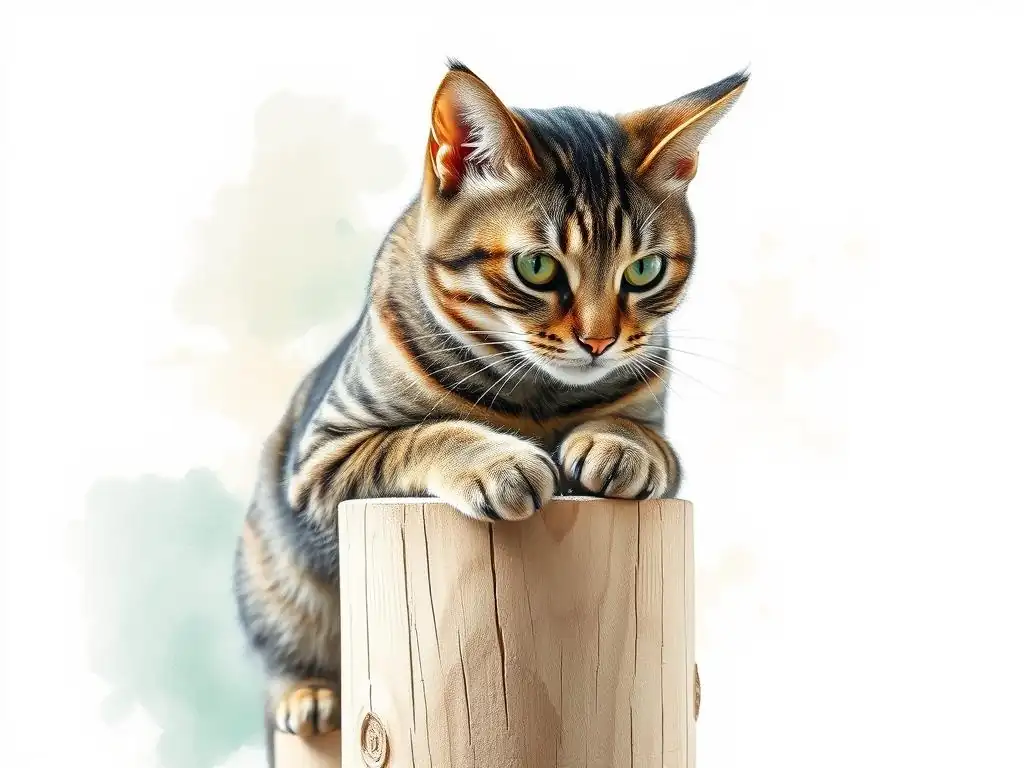
Understanding the reasons behind your cat's scratching is crucial for responsible pet ownership. While much scratching is normal territorial behavior, sometimes underlying medical issues can cause increased or unusual scratching patterns. Ignoring these signs could lead to more significant health problems down the line. This section focuses on identifying when your cat's scratching warrants a veterinary visit. Careful observation and prompt action are key to ensuring your feline friend's well-being.
Identifying Underlying Medical Conditions: Ruling Out Health Problems
Excessive or unusual cat scratching can be a symptom of various health problems. It's essential to differentiate between normal territorial scratching and scratching resulting from discomfort or pain. Several medical conditions can manifest as increased scratching, including:
- Arthritis: Painful joints can make even simple movements, like stretching and scratching, intensely uncomfortable. Cats with arthritis may scratch more frequently or in unusual ways to relieve pressure on their joints. You might notice limping or stiffness alongside increased scratching.
- Skin Allergies: Feline allergies, whether environmental (pollen, dust mites) or food-related, can cause intense itching and irritation, leading to excessive scratching. You might observe inflamed, red skin, hair loss, or scabs in addition to the scratching.
- Fleas and other parasites: Infestations of fleas, ticks, or mites can cause unbearable itching, resulting in relentless scratching. Regular flea and tick preventative treatments are crucial, but even with preventative measures, infestations can occur.
- Infections: Bacterial or fungal skin infections can also lead to increased scratching. These infections often present with visible signs like redness, swelling, pus, or hair loss in the affected area.
A systematic approach to identifying the cause is vital. Observe your cat's scratching patterns: Is it concentrated in one area? Is your cat vocalizing while scratching? Are there any visible skin abnormalities? Keeping a detailed record of your observations will help your veterinarian accurately diagnose any underlying medical condition. Remember, early detection and treatment are key to successful management. Don't hesitate to seek professional help if you suspect a medical issue.
Consulting a Veterinarian: Addressing Persistent or Excessive Scratching
If your cat's scratching behavior is persistent, excessive, or accompanied by other symptoms like skin irritation, hair loss, limping, or lethargy, it's crucial to consult a veterinarian. A thorough examination can help rule out any underlying medical conditions.
The veterinarian will likely conduct a physical examination, paying close attention to your cat's skin and joints. They may also recommend blood tests, skin scrapings, or biopsies to identify any infections or allergies. Based on their findings, they'll recommend an appropriate course of treatment, which may include medication, topical treatments, or dietary changes.
Ignoring persistent or excessive scratching can lead to secondary infections, further skin damage, and significant discomfort for your cat. Early veterinary intervention is vital for effective management and prevention of complications.
Furthermore, your veterinarian can provide guidance on managing your cat's scratching behavior, even if a medical issue isn't identified. They might suggest behavioral modification techniques or recommend appropriate scratching posts to redirect your cat's scratching instincts to more suitable surfaces. Remember, a collaborative approach between you and your veterinarian is essential for ensuring your cat's health and well-being. Don't hesitate to ask questions and seek clarification on any concerns you may have. A healthy and happy cat is a testament to responsible pet ownership. 😻
Frequently Asked Questions
Why does my cat scratch furniture?
Cats scratch for several reasons, including territory marking, sharpening their claws, and stretching. Scratching helps them leave scent markers (pheromones) and stretch their muscles. Understanding this is key to solving the problem.
How can I tell if my cat's scratching is territory marking?
Look for scratching near high-traffic areas or entry points to your home. Frequent scratching on vertical surfaces, especially near windows, also suggests territory marking behavior. Consider using pheromone diffusers.
Is scratching always a sign of aggression?
No, scratching is not always aggressive. While it can be a sign of stress or anxiety, it's primarily a natural instinct related to scent marking, claw maintenance, and stretching. Providing appropriate scratching posts can help.
What are the best ways to deter my cat from scratching furniture?
Provide multiple scratching posts of varying textures and heights. Trim your cat's claws regularly. Consider using deterrents like sticky tape or citrus scents on furniture. Positive reinforcement with treats near scratching posts is also effective.
My cat is scratching excessively, should I be worried?
Excessive scratching could indicate underlying stress, anxiety, or a medical problem. If you're concerned, consult your veterinarian to rule out any health issues or behavioral problems. They can help determine the cause and recommend solutions.
Final Reflection: Understanding Feline Communication Through Scratching
The seemingly simple act of a cat scratching is far more complex than we often realize; it's a powerful form of communication, a vital expression of their innate needs, and a key to understanding our feline companions. Ignoring this behavior not only fails to address the cat's needs but can also lead to unwanted behaviors and a strained human-animal bond. Understanding the link between scratching and territory marking is crucial for responsible cat ownership.
The pervasive influence of scent marking in the feline world is profoundly fascinating. It's a silent language, a tapestry woven with pheromones and physical actions, that speaks volumes about a cat's personality, security, and place within its environment. A cat's scratch marks are not just random; they are a deliberate act of communication, a way to leave their mark on the world and assert their presence.
This quote highlights the intentional nature of scratching, reminding us to observe our cats' actions with greater understanding and empathy.
So, what does this mean for you? Take a moment to observe your cat's scratching habits. Are they scratching in specific locations? Are they using scratching posts effectively? By providing appropriate scratching surfaces and understanding the underlying reasons for this behavior, you can foster a stronger, more harmonious relationship with your feline friend. Remember, understanding your cat's communication is the key to a happy and healthy life together. Provide the tools, respect the instinct, and enjoy the purrs that follow.
Unleash Your Cat's Happy Scratching Habits!
Thanks for exploring the fascinating world of feline scratching with us! We hope you now have a better understanding of why your cat scratches and how to help them satisfy this natural instinct. Ready to put this knowledge into action?
- Create the Purrfect Scratching Post Paradise: Provide your cat with a variety of scratching options. This might involve adding a new scratching post, repurposing an old piece of furniture, or simply rearranging existing ones to offer different textures and heights. Consider your cat's preferences – some cats prefer sisal, while others might favor carpet or cardboard.
- Share Your Scratching Successes (or Challenges!): Let other PetCareWorld community members know what works (or doesn't) for your cat. Your experience could help others!
- Observe and Adapt: Pay close attention to how your cat interacts with its new scratching opportunities. Does it prefer a certain material, height, or location? Note any changes in scratching behavior and adjust your approach as needed. For example, if your cat consistently ignores a particular scratching post, try moving it to a different location or replacing it with a different material.
Ready to transform your home into a scratching haven that keeps your cat happy and your furniture safe? What creative solutions will you try first?