
Taming the Wild: Gentle Techniques to Build Trust with Your Bird

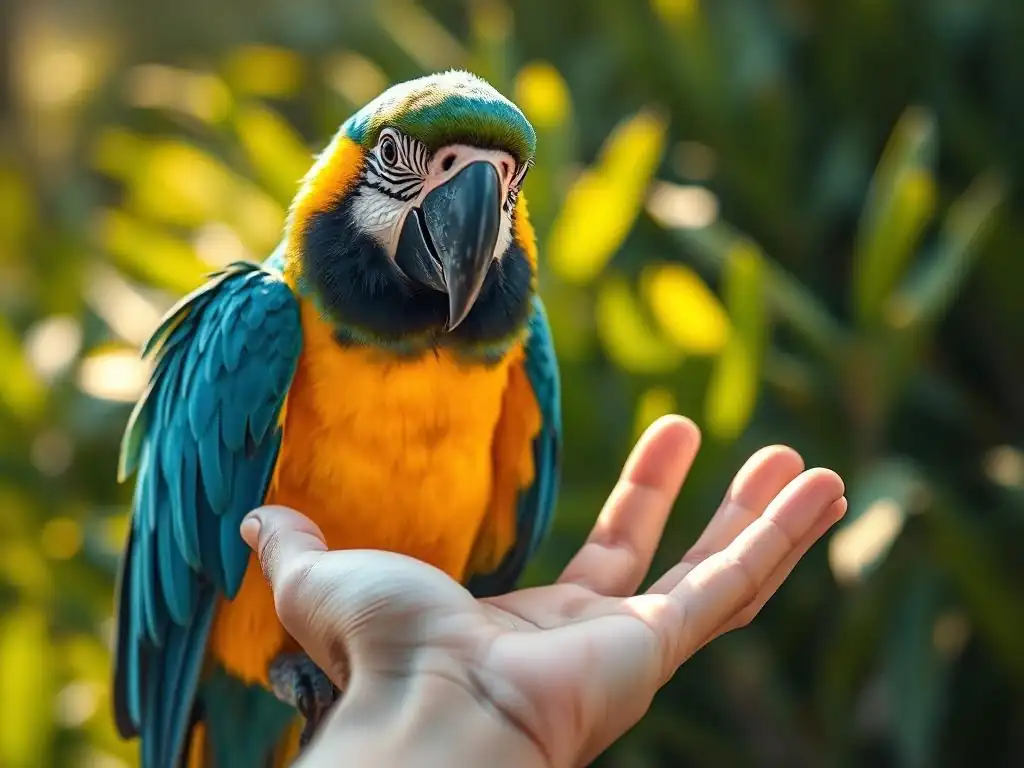
Welcome to PetCareWorld, your ultimate guide to a happier, healthier life for your beloved pets! Are you ready to unlock the secrets to a deeper bond with your feathered friend? Discover gentle yet effective techniques to build trust with your pet bird in our latest Bird Care article, "Taming the Wild: Gentle Techniques to Build Trust with Your Bird." Learn how to foster a loving relationship built on mutual respect and understanding – a journey that will enrich both your lives immeasurably. Dive in and start building that special connection today!
- Understanding Your Bird's Body Language: Key to Building Trust
- Creating a Safe and Enriching Environment: Fostering Trust
- Gentle Handling Techniques: Building Positive Associations
- Positive Reinforcement Training: Rewarding Desired Behaviors
- Building Trust Through Consistent Interaction: Daily Rituals
- Addressing Common Trust Issues: Overcoming Challenges
- Maintaining Trust Over Time: Long-Term Strategies
- Frequently Asked Questions
- Final Reflection: The Enduring Bond: Trust and the Avian Heart
- Unlock Your Bird's Heart: Build a Deeper Bond Today!
Understanding Your Bird's Body Language: Key to Building Trust
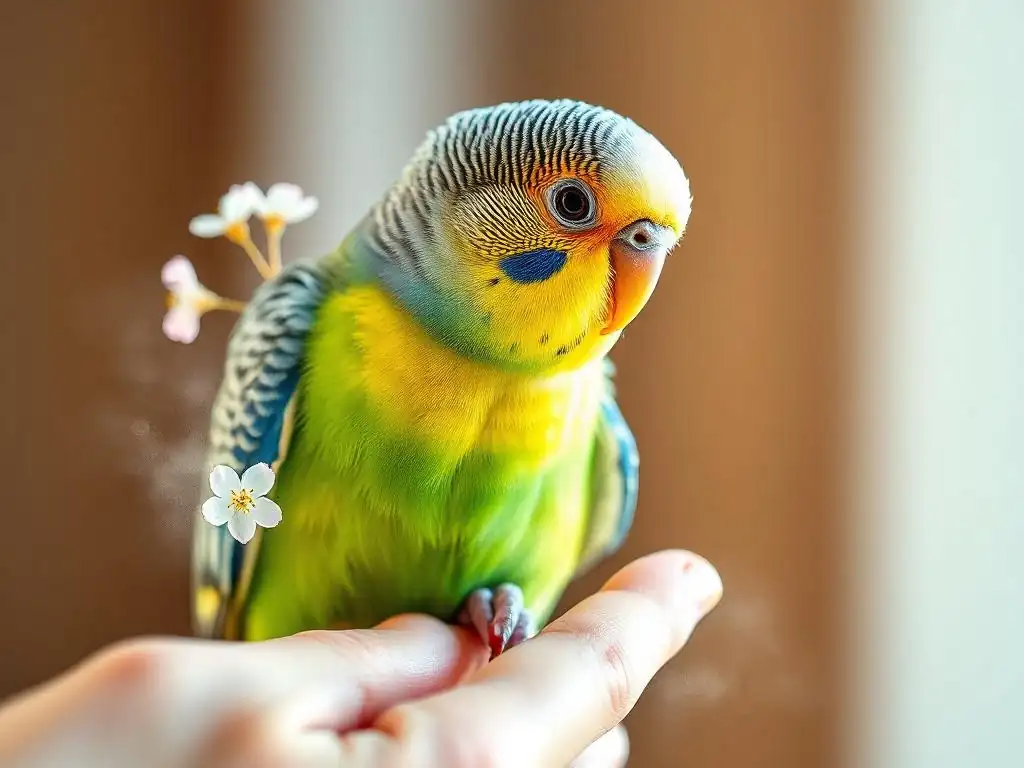
Building a strong bond with your feathered friend is a rewarding journey, but it requires understanding their unique communication style. Trust isn't built overnight; it's cultivated through patience, consistency, and a deep understanding of your bird's behavior. This article explores gentle techniques to foster trust with your pet bird, focusing on interpreting their body language—the cornerstone of successful bird training and a harmonious relationship.
We'll move beyond simple commands and delve into the nuances of avian communication, helping you decipher their subtle cues and respond appropriately, ultimately strengthening your bond and creating a safe and enriching environment for your beloved companion. Learning to "speak bird" is the first step towards building a lasting and loving relationship. This guide will equip you with the knowledge to navigate the complexities of avian behavior, transforming your interactions from simple caregiving to genuine companionship.
Deciphering Fear and Anxiety Signals in Birds
Fear and anxiety manifest differently in birds than in mammals. Recognizing these signals is crucial to avoid inadvertently causing stress and hindering the trust-building process. Instead of barking or growling, birds might exhibit a variety of subtle signs. These can include:
- Fluffed feathers: A bird puffing up its feathers is often a sign of fear or cold, but in a stressful situation, it indicates an attempt to appear larger and more intimidating (a defense mechanism).
- Rapid breathing: Increased respiratory rate, often accompanied by visible chest movements, signals anxiety or distress.
- Dilated pupils: Enlarged pupils can indicate fear, stress, or excitement, but in the context of other fearful behaviors, it points toward anxiety.
- Tucked tail: A bird tucking its tail close to its body often suggests fear or submission.
- Closed eyes: While sometimes a sign of sleep, closed eyes in a tense situation can indicate a bird trying to shut out a frightening stimulus.
- Sudden, erratic movements: Jerky movements, sudden flights, or frantic flapping of wings often signal a scared or startled bird.
- Vocalizations: High-pitched chirps, screeches, or other unusual vocalizations can be indicators of distress.
Understanding these subtle cues allows you to adjust your approach, creating a calm and reassuring environment. For example, if your bird exhibits these signs during handling, gently lower it back to its perch, allowing it time to regain its composure before further interaction. Remember, patience is paramount.
Recognizing Signs of Comfort and Contentment
Just as important as recognizing fear is understanding the signs of comfort and contentment. These positive indicators reinforce your efforts and provide valuable feedback. Look for:
- Relaxed posture: A bird with relaxed feathers, a slightly drooped wing, and a relaxed tail is usually comfortable and content.
- Slow, deep breathing: A calm respiratory rate indicates a relaxed state.
- Soft, gentle chirps or songs: Pleasant vocalizations often accompany contentment.
- Preening: A bird meticulously preening its feathers is a sign of relaxation and self-care, indicating a feeling of safety and security.
- Head bobbing: Gentle head bobbing can be a sign of contentment or even affection. (Note: this varies between species)
- Acceptance of touch: A bird that willingly allows you to gently pet or scratch it is showing a high level of trust.
- Curiosity: A bird approaching you or showing interest in your activities is a good indication of comfort and a growing bond.
These positive cues are your rewards for building trust. They show you're on the right track and encourage you to continue using positive reinforcement methods.
Observing Your Bird's Individual Personality
Each bird possesses a unique personality, influencing its responses to different situations and interactions. Some birds are naturally more outgoing and trusting than others. Careful observation is key:
- Identify its temperament: Is your bird shy, bold, curious, or cautious? Understanding its inherent personality helps you tailor your approach to its specific needs.
- Note its preferences: Does it prefer certain types of interaction, such as petting, talking, or playing games? Respecting its preferences is crucial for building trust.
- Recognize its triggers: What situations or actions seem to cause stress or anxiety? Avoid these triggers, replacing them with positive experiences.
- Be patient and understanding: Building trust takes time and patience. Don't force interactions, and allow your bird to set the pace.
By paying close attention to your bird's individual personality and behavior, you can create a personalized approach that strengthens your bond and fosters a deeper level of trust. Remember, consistency and positive reinforcement are essential in this process. Every small step forward contributes to building a lasting and loving relationship with your feathered companion.
Creating a Safe and Enriching Environment: Fostering Trust
Building trust with your pet bird begins with creating a safe and stimulating environment. A bird that feels secure and content is far more likely to bond with its owner. This involves careful consideration of several key factors, directly impacting your ability to build trust and a strong relationship with your feathered friend. Neglecting these elements can lead to fear, anxiety, and ultimately, difficulty in training and interaction. Remember, a happy bird is a trusting bird.
Designing a Bird-Friendly Habitat
The design of your bird's cage is paramount. It's not just about providing shelter; it's about creating a space that mimics their natural environment as closely as possible. A cramped cage will lead to stress, while a spacious, well-designed one promotes exploration and a sense of security. Consider these points:
- Size Matters: The cage should be large enough for your bird to comfortably spread its wings without touching the sides or bars. The size should be proportional to the bird's species and size. Smaller birds like finches need less space than larger parrots, for example.
- Cage Placement: Avoid placing the cage in high-traffic areas or near loud noises. Choose a quiet corner, away from drafts and direct sunlight. This minimizes stress and provides a sense of security.
- Perches: Provide a variety of perches of different diameters and materials to encourage natural foot exercises and prevent foot problems. Natural wood perches are generally preferred.
- Vertical Space: Birds are naturally climbers. Vertical space allows for more exploration and reduces boredom, vital components in building trust.
Providing Essential Toys and Enrichment Activities
Enrichment activities are crucial for a bird's mental and physical well-being and directly influence their willingness to engage and bond with you. A bored bird is often a fearful bird. Providing a variety of toys stimulates their natural instincts and prevents destructive behaviors.
- Variety is Key: Offer a mix of chew toys, foraging toys, and interactive toys. Rotate toys regularly to prevent boredom and maintain interest. This keeps your bird mentally engaged and reduces stress.
- Foraging Toys: These toys encourage natural foraging behaviors, providing mental stimulation and preventing boredom. Examples include puzzle feeders and toys that require your bird to work for their treats.
- Interactive Toys: Toys that allow for interaction between you and your bird, such as bells or mirrors, can help strengthen your bond.
Maintaining Hygiene and Cleanliness
A clean environment is essential for your bird's health and well-being. Regular cleaning reduces the risk of disease and creates a more pleasant living space, fostering a sense of security and trust.
- Daily Cleaning: Remove droppings and soiled food daily. This prevents the build-up of bacteria and unpleasant odors.
- Weekly Cleaning: Thoroughly clean the cage weekly, scrubbing all surfaces with a bird-safe disinfectant. Replace soiled bedding and perches. This ensures a hygienic environment, crucial for your bird's health.
- Water and Food Dishes: Clean and refill water and food dishes daily to prevent bacterial growth and maintain a fresh supply of food and water. 🧼 This simple step significantly contributes to your bird's overall health and happiness. A healthy bird is a happier bird, and a happier bird is more likely to build trust with you.
This meticulous attention to detail, encompassing habitat design, enrichment activities, and hygiene, creates a foundation for building trust with your pet bird. Remember, patience and consistency are key to forming a strong and lasting bond. By providing a safe, enriching, and clean environment, you're not just caring for your bird; you're actively building a relationship based on mutual respect and trust.
Gentle Handling Techniques: Building Positive Associations
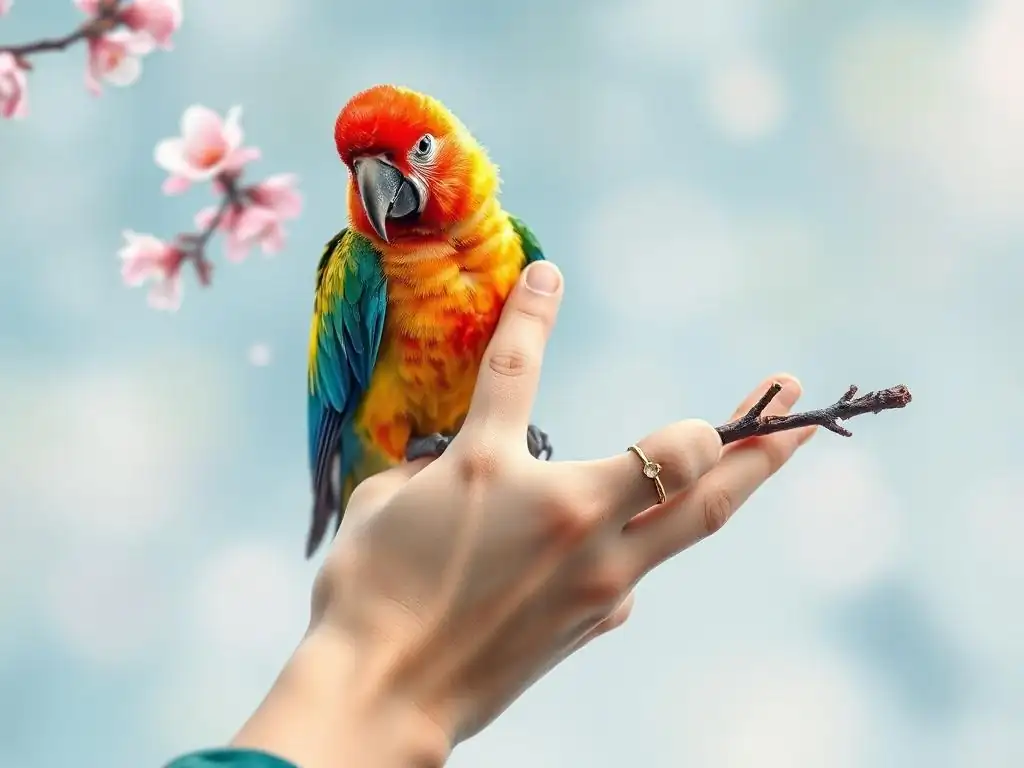
Building trust with your pet bird is a journey, not a race. It requires patience, understanding, and a consistent approach focused on positive reinforcement. Gentle handling techniques are fundamental to this process, helping your feathered friend associate you with positive experiences, reducing fear, and fostering a strong bond. The key is to make interactions enjoyable and predictable for your bird, avoiding any actions that might trigger anxiety or aggression.
Remember, every bird is an individual, and what works for one may not work for another. Observe your bird's body language carefully, and adjust your approach accordingly. Consistent positive interactions are crucial for building a strong, trusting relationship. This section details techniques to help you achieve this.
Approaching Your Bird with Patience and Calmness
Approaching your bird requires a gentle and respectful demeanor. Avoid sudden movements or loud noises, which can startle your bird and undermine your efforts to build trust. Instead, move slowly and deliberately, speaking softly in a calm, reassuring tone. Before even attempting to interact physically, spend time simply being present near your bird's cage. Let your bird get used to your presence without any pressure. This familiarization period is crucial.
Many owners find success by sitting quietly near the cage for several minutes each day, reading a book or engaging in a quiet activity. This allows the bird to observe you without feeling threatened. Gradually decrease the distance over several days or even weeks. The goal is to create a positive association with your presence, so your bird learns to see you as a source of comfort and safety, not a threat.
Consider using a calming scent, such as lavender or chamomile, near the cage. These scents can have a relaxing effect on some birds, further reducing their anxiety levels. Remember, building trust takes time; be patient and persistent, and your bird will eventually learn to associate your presence with positive experiences.
Hand-Feeding: A Powerful Tool for Bonding
Hand-feeding is an incredibly effective method for building trust with your bird. It allows for close physical contact in a positive context, strengthening the bond between you and your feathered companion. Start by offering your bird small, highly palatable treats from your hand, such as a small piece of fruit or a favorite seed.
Initially, place the treat on a perch near your hand, allowing your bird to approach at its own pace. Once your bird readily accepts treats from the perch, move your hand closer. Be mindful of your bird's body language. If it seems hesitant or fearful, move your hand further away. Never force the interaction. If your bird seems receptive, gently extend your fingers towards it, holding the treat between your fingertips.
Many owners find it helpful to use a specific verbal cue, such as "treat," while offering the treat. This helps condition your bird to associate the word with the positive experience. As your bird becomes more comfortable, you can gradually increase the duration of the hand-feeding sessions. This method not only builds trust but also helps establish a positive association between your hand and receiving something enjoyable. The key is consistency and patience.
Gradual Desensitization: Reducing Fear Responses
Gradual desensitization is a powerful technique for helping your bird overcome fear responses. This involves systematically exposing your bird to stimuli that cause fear or anxiety, but at a level that does not trigger a strong negative reaction. For example, if your bird is afraid of your hand, start by simply placing your hand near the cage, gradually moving it closer over several days.
This process can be facilitated with the use of positive reinforcement. If your bird shows no signs of distress, reward it with a treat or praise. If it shows signs of fear (such as ruffled feathers, hissing, or retreating), move your hand further away and try again later. The goal is to slowly increase the bird's tolerance to the feared stimulus while simultaneously associating it with positive experiences.
It's crucial to proceed at your bird's pace. Rushing the process can have the opposite effect, increasing fear and anxiety. Be patient, observant, and consistent, and your bird will eventually learn to associate the previously feared stimulus with positive reinforcement, leading to a reduction in fear and an increase in trust. Remember to always monitor your bird's body language; it's your guide throughout this process. Use a calm and reassuring tone throughout the process. Patience is key! 🐦
Positive Reinforcement Training: Rewarding Desired Behaviors
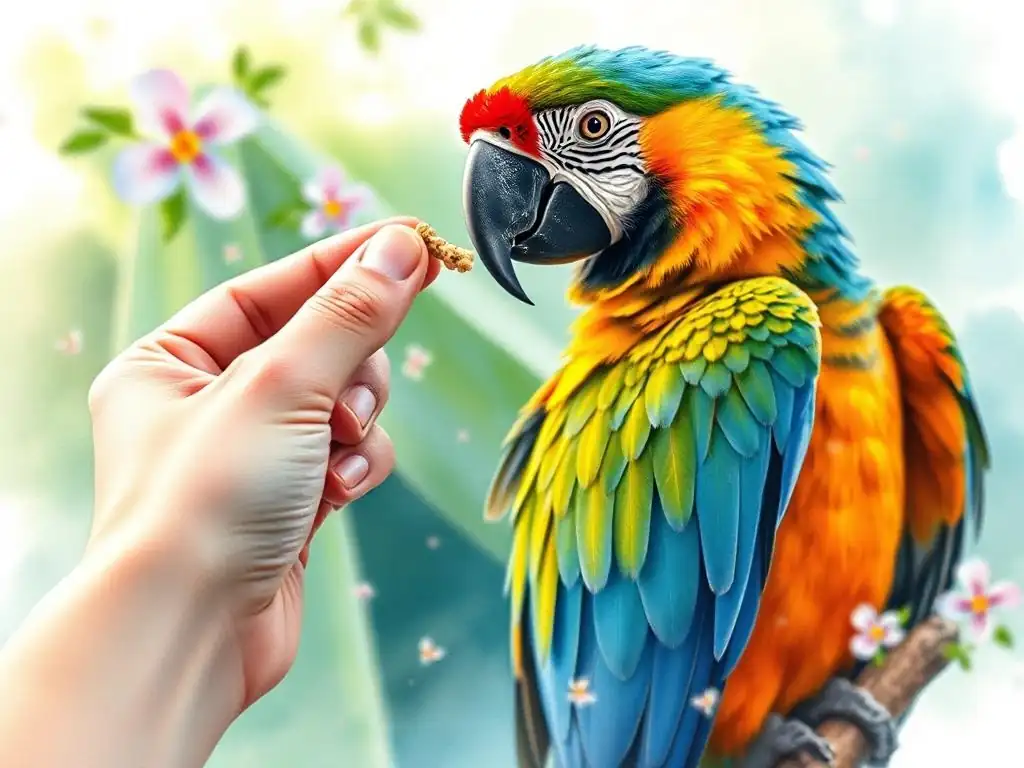
Positive reinforcement is the cornerstone of building trust with your pet bird. It's a humane and effective method that focuses on rewarding desired behaviors, making them more likely to be repeated. Unlike punishment-based methods, which can instill fear and damage your bond, positive reinforcement strengthens your relationship while teaching your feathered friend valuable skills. This approach is crucial for building a strong foundation of trust and mutual respect. The key is consistency and patience; building trust takes time and understanding.
Understanding Positive Reinforcement Principles
Positive reinforcement hinges on the principle of operant conditioning. Essentially, when a bird performs a desired behavior (e.g., stepping up onto your hand), it receives an immediate reward (e.g., a tasty treat or verbal praise). This creates a positive association in the bird's mind, making it more likely to repeat that behavior in the future.
The timing of the reward is critical; it must be given immediately after the desired action to effectively reinforce the behavior. Delaying the reward can confuse your bird and weaken the training effect. Think of it like this: the reward acts as a clear signal, telling your bird exactly what behavior you want to see again.
It's important to understand that positive reinforcement isn't just about giving treats. While treats are highly effective, other rewards, such as verbal praise ("Good bird! "), scratching under the chin (if your bird enjoys it), or even a brief playtime session, can also be very powerful reinforcers. The effectiveness of a reward depends entirely on your individual bird's preferences.
Choosing Appropriate Rewards for Your Bird
Selecting the right rewards is crucial for successful positive reinforcement training. What motivates one bird might not motivate another. Experimentation is key! Start by offering a variety of options to determine your bird's preferences. Some popular choices include:
- Small, nutritious treats: Millet sprays, sunflower seeds (in moderation), small pieces of fruit (apple, banana), or cooked vegetables (broccoli, carrots). Always ensure treats are safe and appropriate for your bird's species and diet.
- Verbal praise: Use a consistent, enthusiastic tone of voice. A simple "Good bird!" or "Yes!" can be incredibly effective.
- Physical affection: Some birds enjoy gentle head scratches or being petted. However, always respect your bird's boundaries; if it doesn't seem to enjoy it, stop immediately.
- Playtime: A short session with a favorite toy can be a powerful reward, especially for birds who are highly active and playful.
Remember to avoid using treats that are part of your bird's regular diet as rewards. This can lead to overfeeding and nutritional imbalances. The rewards should be something special and exciting, reserved specifically for training sessions.
Training for Basic Commands: Step-by-Step Guide
Let's focus on teaching a basic command, such as "Step up." This command teaches your bird to willingly step onto your finger or perch, which is essential for handling and building trust.
- Start with a comfortable environment: Choose a quiet, calm space free from distractions.
- Hold out your finger or perch: Offer your finger or a training perch close to your bird. Use a calm, gentle hand movement.
- Use a clear cue word: Say "Step up" in a clear, consistent tone.
- Reward immediately: The moment your bird steps onto your finger or perch, immediately give a reward (a treat, praise, etc. ).
- Repeat the process: Repeat steps 2-4 several times during a single training session. Keep sessions short (5-10 minutes) to maintain your bird's focus and enthusiasm.
- Be patient: Some birds learn quickly, while others may require more time and repetition. Avoid getting frustrated; consistency is key.
Remember to always end the training session on a positive note, even if your bird hasn't mastered the command perfectly. Celebrate small successes and maintain a positive, encouraging atmosphere to build trust and a strong bond with your feathered companion. Building trust with your pet bird is a journey, not a race. Celebrate the progress and enjoy the process! 🐦
Building Trust Through Consistent Interaction: Daily Rituals
Building trust with your pet bird isn't a one-time event; it's a process cultivated through consistent, positive interactions. Daily rituals play a crucial role in establishing a predictable environment, reducing stress, and fostering a sense of security in your feathered friend. This predictability translates directly into increased trust and a stronger bond. Think of it like this: consistency is the foundation upon which trust is built, brick by brick.
Establishing a Routine: Predictability Reduces Stress
Birds thrive on routine. A predictable schedule minimizes anxiety and allows them to anticipate events, making them feel safer and more comfortable. This doesn't mean your days need to be rigidly structured, but establishing consistent times for feeding, playtime, and interacting significantly contributes to your bird's sense of well-being. For example, feeding your bird at the same time each day creates a positive association with that time, reinforcing your role as a provider of care and comfort.
Similarly, setting aside a specific time for playtime each day provides a predictable opportunity for interaction and bonding. The key is to be consistent and reliable. Inconsistency can lead to anxiety and undermine the trust you're trying to build.
Consider creating a simple daily schedule, even if it's just a mental one. This will help you stay on track and ensure your bird receives the consistent care it needs to thrive. For instance, a sample schedule might look like this:
| Time of Day | Activity | Notes |
|---|---|---|
| 7:00 AM | Morning Feeding | Offer fresh food and water |
| 8:00 AM - 9:00 AM | Cage Cleaning | Clean and sanitize the cage regularly |
| 10:00 AM - 11:00 AM | Playtime | Interact, offer toys, and provide enrichment |
| 6:00 PM | Evening Feeding | Offer a smaller meal before bedtime |
| 7:00 PM | Bedtime Routine | Cover the cage, dim the lights |
Remember that flexibility is key; adjust the schedule as needed to fit your lifestyle, but strive for consistency in timing. Even small inconsistencies can disrupt a bird's sense of security. Observe your bird's behavior; it will offer valuable clues about what works best.
Talking to Your Bird: The Power of Vocalization
Believe it or not, talking to your bird is a powerful tool for building trust. Birds are highly intelligent and sensitive to vocal cues. Regularly talking to your bird in a calm, soothing voice helps them associate your presence with positive experiences. Use a variety of tones and inflections to keep your bird engaged and interested. Don't worry about what you say; the sound of your voice is what matters most. This consistent vocal interaction helps build familiarity and reduces fear. Your bird will learn to recognize your voice and associate it with safety and comfort.
Think of it as a form of gentle communication. Even simple phrases repeated regularly, such as "Hello, sweet pea," or "Good morning, my friend," can help to create a strong bond. Try incorporating your bird's name into your conversations. This personalized approach helps them understand that you're addressing them specifically. Pay attention to your bird's responses; they may chirp, whistle, or even mimic your words.
These are all signs that they are engaging with you and building trust. Remember, patience is key. It may take time for your bird to become comfortable with your voice, but persistent effort will eventually pay off. The more you talk to your bird, the stronger your bond will become.
Spending Quality Time: Building a Strong Bond
Building trust with your pet bird requires dedicated quality time. This isn't simply about being in the same room; it's about actively engaging with your bird in meaningful ways. Set aside specific times each day for focused interaction. This could involve playing games, offering treats, or simply sitting quietly near the cage, allowing your bird to observe you and become comfortable with your presence. Avoid sudden movements or loud noises that could startle your bird. Remember, building trust requires patience and understanding.
Some activities that foster bonding include:
- Target training: Using a target stick to guide your bird through simple movements.
- Foraging activities: Hiding treats around the cage to encourage natural behaviors.
- Singing or playing music: Sharing enjoyable auditory experiences.
- Gentle hand-feeding: Offering treats from your hand.
Remember to always approach your bird calmly and gently. Avoid any sudden movements that might frighten them. Let your bird initiate interaction whenever possible. This will show that you respect their boundaries and will help to build trust more effectively. Over time, your efforts will be rewarded with a stronger bond and a more trusting relationship with your pet bird. This process of building trust is a journey, not a race. Celebrate the small victories and enjoy the rewarding process of creating a lasting connection with your feathered companion.
Addressing Common Trust Issues: Overcoming Challenges
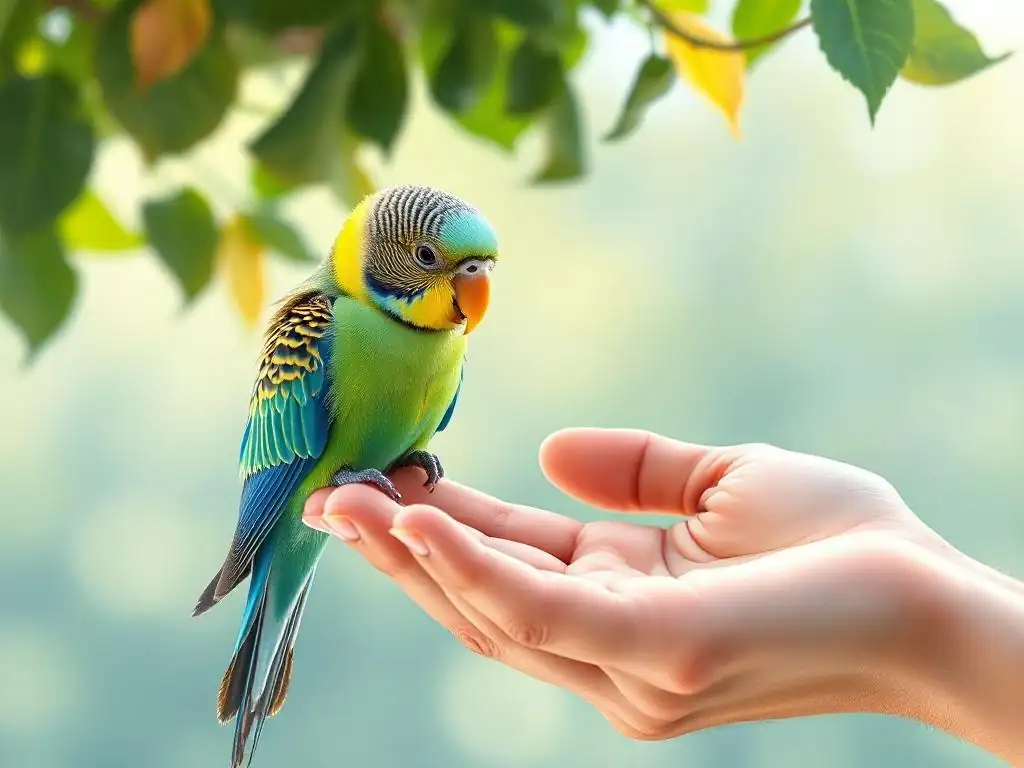
Building trust with a pet bird requires patience and understanding. Many challenges can hinder this process, stemming from the bird's past experiences, inherent personality, or even your own approach to interaction. Successfully navigating these hurdles is key to forming a strong bond. Understanding the root causes of mistrust is the first step towards fostering a trusting relationship. A fearful or aggressive bird, for instance, needs a different approach than a bird simply unfamiliar with human interaction. Let's explore some common scenarios and effective strategies.
Dealing with Fear and Aggression in Birds
Fear and aggression are common manifestations of a lack of trust in birds. These behaviors often stem from past trauma, neglect, or inconsistent handling. A bird showing fear might exhibit signs like ruffled feathers, flattened body posture, rapid breathing, or attempts to flee. Aggressive behavior can range from nipping and biting to vocalizations expressing distress or threat. The key is to identify the triggers. Is the bird afraid of specific movements, sounds, or objects? Does aggression occur only in certain situations, like during cage cleaning or handling?
Understanding the triggers allows you to develop a tailored approach. For example, a bird fearful of sudden movements might benefit from slow, deliberate interactions. Avoid loud noises or quick approaches. Instead, speak softly and calmly, maintaining a relaxed posture. Gradually increase the proximity to the bird, allowing it to acclimate to your presence at its own pace. Positive reinforcement, such as offering favorite treats, can also be effective in associating your presence with positive experiences. Remember, building trust is a marathon, not a sprint.
Consistency and patience are vital. Avoid forcing interactions; let the bird initiate contact whenever it feels comfortable. This builds confidence and reduces fear. For aggressive birds, establishing clear boundaries is crucial. Never punish aggressive behavior, as this can worsen the problem. Instead, focus on positive reinforcement to reward calm behavior.
Rescuing Birds and Building Trust from Scratch
Rescuing a bird often presents the challenge of building trust from scratch. These birds may have experienced neglect, abuse, or trauma, leading to deep-seated fear and distrust. Patience and understanding are paramount. The initial stages may involve simply being present in the bird's vicinity without attempting direct interaction. Allow the bird to observe you from a safe distance, getting accustomed to your presence. Gradually introduce positive stimuli like soft music or gentle conversation. Avoid any sudden movements or loud noises that could startle the bird.
Providing a secure and enriching environment is also crucial. This includes a spacious cage, ample toys for enrichment, and a consistent daily routine. Introduce new things gradually, allowing the bird to adjust at its own pace. Start with hand-feeding, offering treats from a distance, then gradually decreasing the distance as the bird becomes more comfortable.
Positive reinforcement techniques, like rewarding calm behavior with treats or praise, are extremely effective. Remember, every bird is unique, and the time it takes to build trust can vary significantly. Be patient, consistent, and celebrate even the smallest victories. These small steps will eventually lead to a strong and trusting bond.
When to Seek Professional Help: Recognizing Limitations
While many trust-building challenges can be addressed through patience and consistent effort, some situations may require professional help. If you've tried various techniques, yet your bird remains consistently fearful, aggressive, or exhibits self-harming behaviors, consulting an avian veterinarian or a certified avian behaviorist is recommended. These professionals can assess the bird's condition, identify underlying medical or behavioral issues, and provide tailored guidance.
Recognizing your limitations is crucial. Some birds have experienced significant trauma that requires specialized intervention. A professional can offer advanced techniques and strategies tailored to complex cases, potentially including medication in extreme situations. Don't hesitate to seek help when needed; it's a sign of responsible pet ownership. Remember, building a strong bond with your bird is a rewarding journey, but it's important to know when to seek assistance to ensure both your and your bird's well-being. The goal is to create a safe, enriching environment where your feathered friend can thrive and develop a trusting relationship with you.
Maintaining Trust Over Time: Long-Term Strategies
Building trust with your pet bird isn't a one-time event; it's an ongoing process requiring consistent effort and understanding. Think of it as cultivating a relationship, not just completing a task. The bond you forge will deepen over time, leading to a more enriching experience for both you and your feathered friend. Maintaining this trust requires a multifaceted approach, focusing on continued enrichment, consistent training, and recognizing potential setbacks.
Continuing Enrichment and Training
Even after your bird shows significant progress in trust-building, continued enrichment and training are crucial for maintaining a strong bond. Think of it as preventative maintenance for your relationship. Boredom can lead to behavioral issues, which in turn can erode the trust you've worked so hard to establish. Providing a stimulating environment prevents this regression. This means:
- Rotating toys: Birds, especially intelligent species like parrots, easily become bored with the same toys. Regularly rotate toys to keep your bird mentally stimulated and engaged. Aim for a variety of textures, shapes, and challenges.
- Introducing new foraging opportunities: Foraging is a natural bird behavior. Provide puzzle feeders or hide treats around the cage to stimulate natural instincts and encourage problem-solving. This mental exercise strengthens the bond as your bird learns to rely on you for these enriching experiences.
- Maintaining a consistent training schedule: Even if your bird has mastered basic commands, continue with short, positive reinforcement training sessions. This reinforces the positive associations and keeps your bird engaged with you. A few minutes a day is often sufficient.
- Providing opportunities for social interaction: Spend quality time interacting with your bird outside of training sessions. Talk to them, sing to them, and simply enjoy their company. This strengthens the emotional bond and reinforces their trust in you.
Regular interaction, even simple conversations, can significantly reinforce the trust you've built with your bird. Remember, consistency is key.
Recognizing Signs of Regression and Addressing Them
Even with the best efforts, there might be times when your bird displays signs of regression in their trust. This isn't necessarily a failure, but an opportunity to understand and address underlying issues. Common signs of regression include:
- Increased fear responses: Sudden fear or anxiety around you, such as increased flightiness or avoidance.
- Changes in vocalizations: More frequent or intense squawking, screaming, or other vocalizations indicating distress.
- Changes in eating or sleeping habits: Loss of appetite, increased or decreased sleep, could indicate stress.
- Self-mutilating behaviors: Feather plucking or other self-destructive behaviors can be a sign of underlying stress or anxiety.
If you observe any of these signs, carefully assess your bird's environment and your interactions. Have there been any significant changes? Is there increased stress in the household? Have you unintentionally reinforced negative behaviors? Addressing the root cause is crucial.
Sometimes, a simple adjustment to their routine or a renewed focus on positive reinforcement can resolve the issue. In more severe cases, consulting an avian veterinarian or a certified avian behaviorist may be necessary. Remember, patience and understanding are crucial in these situations. Don't punish your bird; instead, focus on rebuilding trust through positive interactions and addressing the underlying causes of their distress.
The Importance of Patience and Consistency in Building Trust with Your Pet Bird
Building trust with a pet bird is a marathon, not a sprint. It's a journey that requires immense patience and unwavering consistency. There will be days when progress feels slow, and setbacks may seem discouraging. However, remember that each small step forward, each positive interaction, strengthens the bond between you and your bird. Consistency in your approach, whether it's through daily training sessions, providing enriching activities, or simply spending quality time together, is essential for fostering a strong and lasting relationship.
Remember that every bird is an individual, with its own unique personality and temperament. What works for one bird might not work for another. Be flexible in your approach, adapting your techniques to your bird's needs and responses. Celebrate small victories and learn from setbacks. Above all, maintain a positive and patient attitude, and the rewards of a strong, trusting bond with your pet bird will be immeasurable. The journey of building trust with your pet bird is a rewarding one, filled with joy, affection, and mutual understanding. 🦜
Frequently Asked Questions
How can I start building trust with my new pet bird?
Begin by creating a safe and enriching environment. Avoid sudden movements and speak to your bird in a calm, soothing voice. Offer treats and allow your bird to approach you at its own pace.
What are some signs my bird is starting to trust me?
Look for signs like willingness to step up onto your finger, eating treats from your hand, and less frequent displays of fear or aggression. Increased vocalizations or playful behavior can also be positive indicators.
My bird is very scared. How can I help it overcome its fear?
Patience and consistency are key. Avoid forcing interaction. Focus on positive reinforcement with treats and gentle words. Provide plenty of hiding places and gradually increase your presence near its cage.
How long does it typically take to build trust with a pet bird?
The time it takes varies greatly depending on the bird's individual personality and past experiences. Some birds may bond quickly, while others may require months or even years of consistent effort. Be patient and persistent.
What should I do if my bird bites me?
Avoid reacting with fear or punishment. Remain calm and still. Analyze the situation to see what might have triggered the bite and try to avoid similar situations in the future. Consult an avian veterinarian if biting becomes a persistent problem.
Final Reflection: The Enduring Bond: Trust and the Avian Heart
Building trust with a pet bird isn't just about taming a wild spirit; it's about forging a profound connection that enriches both your lives. The gentle techniques explored in this article—patience, positive reinforcement, and respectful observation—are more than just training methods; they are the foundation of a lasting, loving relationship with your feathered friend.
The impact of this bond extends far beyond the simple act of handling a bird. It shapes our understanding of animal communication, challenges our anthropocentric views, and reminds us of the deep emotional capacity of creatures often underestimated. The greatness of a nation and its moral progress can be judged by the way its animals are treated.
- Mahatma Gandhi. This quote, while broad in scope, speaks directly to the responsibility we bear in nurturing the trust and well-being of our animal companions, particularly those as sensitive and intelligent as birds. The journey of building trust is a testament to our capacity for empathy and understanding across species.
Now, consider your own relationship with your bird, or with any animal companion. What steps can you take today to strengthen that bond? Perhaps it's setting aside dedicated time for quiet observation, offering a new, enriching toy, or simply being present and mindful of your bird's needs. Remember, the process of building trust is ongoing, a continuous dance of patience, respect, and unwavering love. Embrace this journey, and watch as the wild spirit of your bird blossoms into a beautiful, trusting friendship.
Unlock Your Bird's Heart: Build a Deeper Bond Today!
Thank you for learning about building trust with your feathered friend! We hope you found the gentle, effective techniques helpful. Now, let's put that knowledge into action.
- Start building trust today: Begin with a small step, such as offering your bird a favorite treat from your hand. This is the most important next step!
- Share your progress: Tell us about your experiences and any surprising results! We'd love to hear your successes and challenges in the comments below to inspire other bird lovers.
- Learn more: Explore additional articles and guides on PetCareWorld.org dedicated to creating a harmonious relationship with your beloved companion.
What small step will you take today to strengthen your bond with your bird?