
Raw Pet Food Labels: What to Look For When Choosing Raw

Welcome to PetCareWorld, your ultimate guide to a happier, healthier life for your beloved companion! Are you considering a raw food diet for your canine friend? Navigating the world of raw dog food can be tricky, but our expert Raw Dog Food Label Guide will empower you to make informed choices. Discover the crucial information you need to decipher those labels and ensure your dog receives the best possible nutrition. Dive in and unlock the secrets to selecting the perfect raw food for your furry friend!
- Understanding Raw Dog Food Labels: A Comprehensive Guide
- Choosing the Right Raw Dog Food for Your Pet: Breed, Age, and Health Considerations
- Safety and Handling of Raw Pet Food: Minimizing Risks
- Evaluating the Overall Quality of a Raw Pet Food Brand
- Frequently Asked Questions
- Final Reflection: Decoding the Raw: A Responsible Approach to Pet Nutrition
- Unleash Your Pet's Inner Wolf: Take Control of Their Diet Today!
Understanding Raw Dog Food Labels: A Comprehensive Guide
Feeding your canine companion a raw diet can offer numerous health benefits, but navigating the world of raw pet food labels can be daunting. This comprehensive guide will equip you with the knowledge to confidently select a raw food that meets your dog's nutritional needs and ensures their well-being. We'll delve into the intricacies of ingredient lists, nutritional analysis, and crucial factors to consider when choosing a raw food product.
This guide serves as your essential resource for understanding raw dog food labels, empowering you to make informed decisions for your furry friend's health. Choosing the right raw food is a significant step in providing optimal nutrition, and understanding the labels is the first crucial step in that process. Let's get started!
Deciphering Ingredient Lists: Key Terms and Their Meanings
Understanding the ingredient list is paramount when selecting raw dog food. Manufacturers are required to list ingredients by weight, with the most prevalent ingredient listed first. However, the terminology used can be confusing. This section will clarify common terms and help you decipher what's actually in your dog's food.
Identifying Meat Sources: Whole Prey vs. Muscle Meat
The source and type of meat are critical. Whole prey diets mimic a dog's natural diet, including muscle meat, organs, bones, and sometimes even cartilage. Muscle meat, such as beef, chicken, or turkey, provides protein, but lacks the complete nutritional profile of whole prey. Look for labels clearly specifying the type of meat and whether it's part of a whole-prey approach. Consider the benefits and drawbacks of each approach for your dog's specific needs and consult with your veterinarian if you have any concerns.
Understanding "By-Products" and Their Role in Raw Diets
The term "by-products" often carries negative connotations, but in the context of raw diets, they can be beneficial if sourced responsibly. By-products can include organs, which are rich in essential nutrients. However, it's crucial to ensure the by-products are clearly identified and sourced from reputable suppliers. Avoid products with vague or unspecified by-products. A transparent label should clearly state the specific organs included, such as liver, kidney, or heart.
Assessing Organ Meat Inclusion: Benefits and Considerations
Organ meats are nutritional powerhouses, offering a concentrated source of vitamins, minerals, and other essential nutrients. Liver, for example, is exceptionally rich in Vitamin A. However, excessive amounts of certain organ meats can be detrimental. Look for balanced formulations that incorporate organ meats in appropriate proportions. A well-formulated raw diet will carefully consider the inclusion of various organs to provide a complete and balanced nutritional profile. Always check for the percentage and source of the organ meats listed.
Nutritional Content Analysis: Essential Nutrients and Their Importance
Beyond the ingredient list, the nutritional content analysis is vital. This section provides valuable insights into the overall nutritional profile of the raw food. Pay close attention to the percentages of key nutrients to ensure they align with your dog's needs. Remember to consider your dog's age, breed, activity level, and any health conditions when assessing the nutritional adequacy of the raw food.
Protein Content: Assessing the Percentage and Source
Protein is crucial for muscle growth, repair, and overall health. The percentage of protein should be substantial, typically ranging from [specific percentage range pending] depending on your dog's age and activity level. The source of protein is equally important; look for named meat sources rather than vague terms. Consider the protein's digestibility and biological value when making your choice. High-quality protein sources are essential for optimal health and well-being.
Fat Content: Understanding Healthy Fat Sources and Levels
Fat is another essential nutrient, providing energy and supporting various bodily functions. Look for healthy fat sources like fish oil, chicken fat, or beef tallow, rather than fillers. The fat content should be appropriate for your dog's age and activity level. Excessive fat can lead to weight gain and other health problems, while insufficient fat can negatively impact energy levels and overall health. A balanced approach is key.
Essential Vitamins and Minerals: Checking for Adequate Levels
Vitamins and minerals are vital for various metabolic processes. The label should list essential vitamins and minerals, ensuring their levels are sufficient to meet your dog's needs. Pay particular attention to calcium and phosphorus levels, which are crucial for bone health. A deficiency in any essential vitamin or mineral can lead to various health issues, so ensuring adequate levels is paramount. Consult with your veterinarian to determine the optimal levels for your dog's specific needs.
Additives and Supplements: What to Look For (and Avoid)
Choosing a raw dog food requires careful scrutiny of the ingredient list, paying close attention not only to the primary protein sources but also to any added additives and supplements. Understanding what to look for and, crucially, what to avoid, is key to ensuring your canine companion receives a safe and nutritionally balanced diet. Many commercially available raw dog foods contain added ingredients designed to enhance palatability, extend shelf life, or supplement specific nutrients. However, the quality and necessity of these additions vary greatly.
A responsible manufacturer will clearly list all additives and supplements, specifying their source and purpose. Transparency is paramount. Avoid brands that are vague or opaque about their ingredients.
Look for labels that clearly state the percentage of each additive, allowing you to assess its contribution to the overall nutritional profile. A long list of unidentifiable or artificial additives should raise immediate concerns. Remember, a truly complete and balanced raw diet may require minimal supplementation.
Preservatives: Natural vs. Artificial Options
The use of preservatives in raw dog food is a subject of ongoing debate. While preservation is necessary to maintain the safety and quality of the product, the type of preservative employed is critical. Artificial preservatives, while effective, can raise concerns about their potential long-term effects on your dog's health. Some studies suggest links between certain artificial preservatives and various health problems in animals, although more research is needed to establish definitive causal relationships.
Natural preservatives, such as Vitamin E or mixed tocopherols, are generally considered safer alternatives. However, it's essential to note that even natural preservatives have limitations and may not prevent spoilage indefinitely. Always check the expiration date and follow storage instructions diligently.
The best approach is to choose raw dog food brands that employ minimal preservatives and prioritize methods like rapid freezing to maintain freshness. Look for labels that clearly distinguish between natural and artificial preservatives, allowing you to make an informed decision that aligns with your pet's health priorities. Remember, a high-quality raw food should rely less on preservatives due to careful sourcing and processing.
Added Supplements: Evaluating the Necessity and Benefits
Many raw dog food brands incorporate added supplements to enhance the nutritional profile of their products. These supplements can include vitamins, minerals, probiotics, and prebiotics. While some supplementation can be beneficial, particularly if the base ingredients don't provide a perfectly balanced nutritional profile, it's crucial to evaluate the necessity and potential benefits of each supplement. Excessive supplementation can be detrimental, leading to imbalances and potential health issues.
Look for labels that detail the specific amounts of each added supplement and consider whether these supplements are truly necessary given the other ingredients listed. A high-quality raw dog food should ideally provide a complete and balanced nutritional profile with minimal need for additional supplements. If supplements are included, ensure they are from reputable sources and used in appropriate quantities.
Always consult with your veterinarian before making significant changes to your dog's diet, especially if they have pre-existing health conditions. A balanced approach, prioritizing whole, natural ingredients, should be preferred over excessive supplementation. Consider the overall nutritional picture, rather than focusing solely on the presence or absence of specific supplements.
Choosing the Right Raw Dog Food for Your Pet: Breed, Age, and Health Considerations
This section delves into the crucial factors to consider when selecting a raw dog food diet tailored to your canine companion's unique needs. Ignoring these aspects could compromise your pet's health and well-being, negating the potential benefits of a raw food approach. A successful transition to a raw diet requires careful planning and understanding of your dog's individual characteristics. Remember, a "one-size-fits-all" approach simply doesn't work when it comes to raw feeding.
Selecting a Raw Food Diet Based on Breed-Specific Needs
Different dog breeds have varying nutritional requirements due to size, activity level, and predisposition to certain health issues. For example, large breed dogs, like Great Danes or Mastiffs, are prone to skeletal issues. Their raw diet should prioritize calcium and phosphorus ratios to support healthy bone development and prevent conditions like hip dysplasia. Conversely, smaller breeds, such as Chihuahuas or Yorkshire Terriers, might require diets higher in calories to maintain their body weight, given their faster metabolisms.
Consider the following table as a starting point for understanding breed-specific needs, though individual variations exist:
| Breed Type | Nutritional Considerations | Potential Health Concerns |
|---|---|---|
| Large Breeds | Lower calorie density, balanced calcium & phosphorus ratios | Hip dysplasia, osteosarcoma, bloat |
| Small Breeds | Higher calorie density, easily digestible protein sources | Hypoglycemia, dental issues |
| Working/Active Breeds | Higher protein and fat content, increased caloric intake | Muscle strain, joint problems |
| Senior Dogs | Lower fat, easily digestible proteins, joint support nutrients | Arthritis, kidney disease, decreased metabolism |
It's crucial to research your specific breed's predispositions and adjust the raw food accordingly. Consulting with a veterinary nutritionist is highly recommended for personalized guidance. This will ensure your dog receives the optimal balance of nutrients to thrive.
Age-Appropriate Raw Diets: Puppy vs. Adult vs. Senior
The nutritional needs of dogs change significantly throughout their lives. A puppy's diet needs to support rapid growth and development, requiring higher levels of protein, fat, and calcium. Adult dogs need a balanced diet to maintain their weight and muscle mass, while senior dogs benefit from a diet that supports their aging bodies.
- Puppies: Require diets rich in protein (22-30%) and fat (15-20%) for optimal growth. Calcium and phosphorus are also crucial for bone development. Avoid excessive calcium, however, as it can lead to skeletal problems.
- Adult Dogs: Need a balanced diet with a protein content of 18-22% and fat content of 10-15%. This ensures they maintain a healthy weight and energy levels.
- Senior Dogs: Should consume diets lower in fat and calories to prevent weight gain and support their aging organs. Easily digestible proteins are beneficial. Supplements supporting joint health (like glucosamine and chondroitin) may also be considered under veterinary guidance.
Failure to adjust the diet according to the dog's life stage can lead to various health problems. For instance, feeding a puppy an adult dog's diet might result in stunted growth, while feeding a senior dog a puppy's diet could lead to obesity and other health complications.
Addressing Specific Health Concerns with Raw Food: Allergies, Sensitivities, and Conditions
Raw feeding can offer benefits for dogs with certain allergies or sensitivities. By carefully selecting ingredients, you can exclude common allergens such as beef, chicken, or dairy. However, it's essential to proceed cautiously and monitor your pet closely for any adverse reactions.
Important Note: Always introduce new ingredients gradually to assess for any allergic reactions. If your dog exhibits symptoms like vomiting, diarrhea, or skin irritation, discontinue the food immediately and consult your veterinarian.
For dogs with specific health conditions like kidney disease, pancreatitis, or diabetes, a highly customized raw food diet is necessary. These diets should be formulated under the strict guidance of a veterinary nutritionist to ensure the proper balance of nutrients and avoid exacerbating the condition. They might involve modifications in protein, fat, phosphorus, and carbohydrate content. For instance, dogs with kidney disease may require a lower phosphorus diet.
Remember, while raw feeding offers potential advantages, it's not a magic bullet. Careful planning, ingredient selection, and regular veterinary checkups are crucial for ensuring your dog's health and well-being. A proactive approach, including regular monitoring of your pet's weight, stool consistency, and overall energy levels, is key to successful raw feeding. This ensures you can quickly identify and address any potential issues.
Safety and Handling of Raw Pet Food: Minimizing Risks
Choosing a raw food diet for your canine companion offers potential benefits, but it necessitates a meticulous approach to safety and hygiene. Raw pet food, by its very nature, presents a higher risk of bacterial contamination compared to commercially prepared kibble or canned food. Understanding and implementing robust safety protocols is paramount to protecting both your pet and yourself from potential health hazards. This section will delve into the critical aspects of safe storage, preparation, and serving of raw dog food.
Safe Storage and Handling Practices: Preventing Bacterial Contamination
Proper storage is the cornerstone of preventing bacterial contamination in raw dog food. Always store raw food at a temperature below 40°F (4°C). This significantly inhibits the growth of harmful bacteria like Salmonella, E. coli, and Listeria. Consider using a dedicated freezer specifically for pet food to avoid cross-contamination with human food.
Furthermore, utilize airtight, freezer-safe containers or vacuum-sealed bags to maintain freshness and prevent freezer burn. Clearly label each container with the contents and the date of storage for efficient inventory management and to prevent accidental consumption of outdated food. Avoid leaving raw food out at room temperature for extended periods. The "danger zone," between 40°F (4°C) and 140°F (60°C), allows rapid bacterial growth. Any thawing should be done safely in the refrigerator. Never thaw raw food at room temperature.
Preparing and Serving Raw Food: Ensuring Your Pet's Safety
Preparing raw dog food requires scrupulous attention to hygiene. Always wash your hands thoroughly with soap and water before and after handling raw food. Use separate cutting boards and utensils for raw food to prevent cross-contamination with other food items. Thoroughly clean and sanitize all surfaces that come into contact with raw food using a pet-safe disinfectant.
When serving raw food, ensure your pet has access to fresh, clean water at all times. Observe your pet for any signs of illness after introducing raw food, such as vomiting, diarrhea, or lethargy. If any of these symptoms appear, consult your veterinarian immediately. Remember, responsible raw feeding is not just about providing nutritional benefits; it's about minimizing the risks associated with handling raw ingredients. A proactive approach to hygiene is crucial for ensuring your pet's well-being and preventing potential health problems.
Regularly review your safety practices to maintain a high standard of hygiene. A dedicated, clean space for preparing and serving the food is also highly recommended. This reduces the risk of cross-contamination with other areas in your home. Think of it as a dedicated "raw food prep station" to maintain the highest level of safety.
Evaluating the Overall Quality of a Raw Pet Food Brand
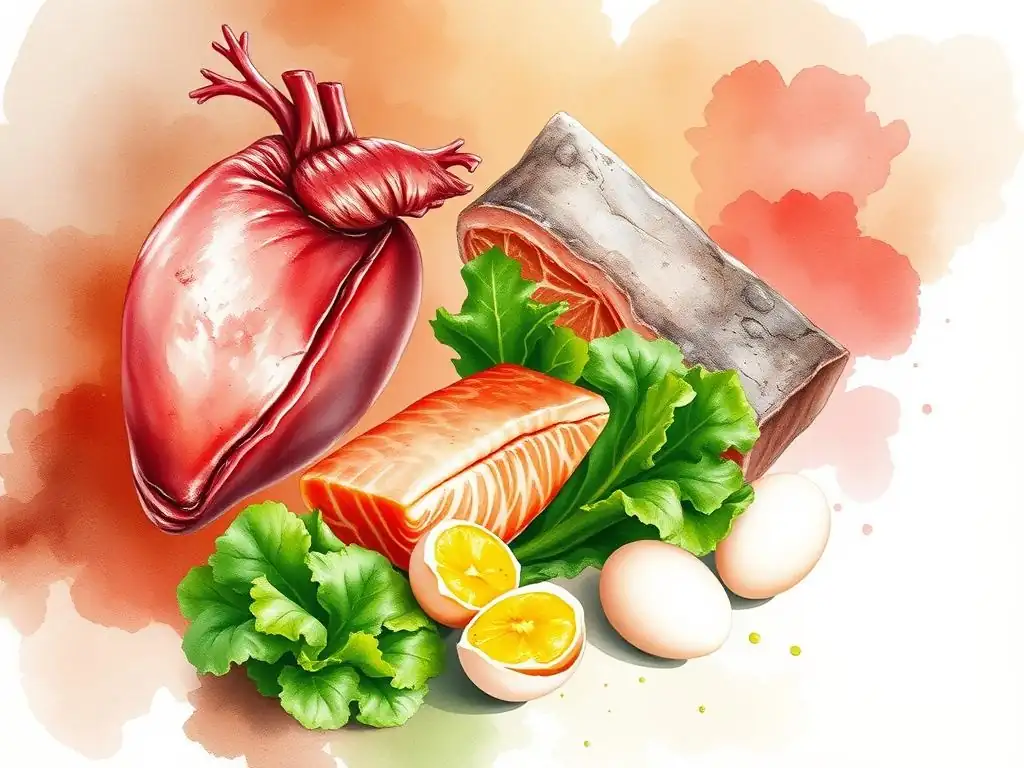
Choosing a raw pet food requires careful consideration beyond just the ingredients list. A holistic evaluation of the brand itself is crucial for ensuring your pet receives high-quality, safe nutrition. This section focuses on assessing the overall quality and reliability of a raw pet food brand, going beyond just the label information. This is vital for a comprehensive raw dog food label guide.
Checking for Third-Party Certifications and Testing
Reputable raw pet food brands often undergo third-party testing and certification to verify the quality and safety of their products. Look for certifications from organizations that conduct rigorous testing for things like:
- Microbial contamination: This is paramount in raw food, as bacteria like Salmonella and E. coli can pose serious risks to pets and even humans. A reputable brand will have testing data readily available, often on their website.
- Nutrient content: Independent labs verify that the stated nutrient levels on the label actually match the product's content. Discrepancies can indicate poor manufacturing practices or inaccurate labeling.
- Heavy metal contamination: Testing for heavy metals like arsenic, lead, and mercury is essential, especially when sourcing ingredients globally. High levels can be detrimental to your pet's long-term health.
The presence of these certifications demonstrates a commitment to quality control and transparency, significantly increasing your confidence in the product's safety. Absence of such certifications isn't necessarily a deal-breaker, but it should prompt further investigation into the manufacturer's quality control measures. Always ask for evidence of testing protocols.
Researching the Manufacturer's Reputation and Practices
The reputation of the manufacturer is as important as the product itself. A thorough online search can reveal valuable insights:
- Customer reviews: Check independent review sites and forums to see what other pet owners have to say about the brand's products, customer service, and overall experience. Look for consistent positive feedback regarding product quality and timely response to concerns. Negative reviews should be carefully considered, particularly those citing recurring issues.
- Company history and transparency: How long has the company been in business? Do they openly share information about their sourcing, manufacturing processes, and quality control measures? A long-standing company with transparent practices is generally a safer bet.
- Ingredient sourcing: Where do they source their ingredients? Do they prioritize locally sourced, human-grade ingredients? Knowing the origin of ingredients helps assess potential risks associated with transportation, handling, and processing. Understanding the sourcing protocols is key to a truly effective raw dog food label guide.
Remember, a strong reputation built on consistent quality and excellent customer service is a good indicator of a reliable raw pet food provider.
Comparing Prices and Value: Finding the Best Option for Your Budget
While price is a factor, it shouldn't be the sole determining factor. Consider the value you're getting for your money. A higher price tag might reflect superior ingredients, rigorous testing, and better manufacturing processes.
| Feature | Lower-Priced Brand | Higher-Priced Brand |
|---|---|---|
| Ingredient Quality | Often uses less expensive, potentially lower-quality ingredients | Typically uses higher-quality, human-grade ingredients |
| Sourcing | May source ingredients from less reputable suppliers | Prioritizes ethical and sustainable sourcing |
| Testing | May have limited or no third-party testing | Often undergoes extensive third-party testing |
| Packaging | Packaging may be less robust | Packaging is usually designed for optimal freshness |
Don't just compare prices per pound; compare the overall nutritional value, safety measures, and the brand's reputation. A slightly more expensive brand might ultimately offer better value in the long run by providing superior nutrition and minimizing health risks. Finding the right balance between cost and quality is crucial to responsible raw feeding, and a key component of any comprehensive raw dog food label guide. Remember to always prioritize your pet's health and well-being.
Frequently Asked Questions
What should I look for on a raw dog food label?
A raw dog food label should clearly state the ingredients, including the meat sources, and their percentages. It should also list the guaranteed analysis (minimums and maximums of protein, fat, moisture, etc.) and be free of misleading claims. Look for labels that comply with AAFCO standards where applicable.
Are there any mandatory requirements for raw dog food labels?
While requirements vary by region, many jurisdictions mandate listing of ingredients, guaranteed analysis, and nutritional adequacy statements. However, specific labeling regulations for raw pet food are often less stringent than for commercially prepared kibble. Always check your local regulations.
What does "AAFCO statement" mean on a raw dog food label?
An AAFCO statement indicates that the food has met the Association of American Feed Control Officials' standards for complete and balanced nutrition for a specific life stage (e.g., adult maintenance). However, this is not always present on raw food labels, so thorough research is needed.
How can I tell if a raw dog food is safe?
Look for labels that emphasize safe handling and storage instructions. Ensure the facility adheres to strict hygienic practices (look for this information on their website). Be aware of potential risks associated with raw food and always prioritize your pet's health and safety.
What should I do if I have concerns about a raw dog food label?
If you are unsure about the information on a raw dog food label, contact the manufacturer directly with your questions. You can also consult with your veterinarian to discuss the appropriateness of a raw food diet for your pet and to get recommendations based on your pet's specific needs.
Final Reflection: Decoding the Raw: A Responsible Approach to Pet Nutrition
The clarity and accuracy of raw pet food labels are paramount to your pet's health and well-being, a fact underscored by the increasing popularity of raw diets and the potential for misinformation. Choosing the right raw food for your canine companion isn't just about convenience; it's a commitment to their long-term health and vitality, demanding careful scrutiny of every ingredient and claim.
The impact of responsible pet ownership extends far beyond individual animals; it shapes our understanding of animal welfare and the ethical sourcing of food. The best thing we can do for our pets is to understand their needs and provide them with the best possible care, which includes making informed decisions about their diet.
This quote highlights the crucial role we play in ensuring our pets receive nutrition that supports their thriving, not just their survival. The ongoing conversation surrounding raw feeding necessitates a constant pursuit of knowledge and a commitment to transparency from manufacturers.
Now, consider your own pet's diet. Are you confident in the quality and safety of the food you're providing? Take the time to carefully examine labels, research brands, and prioritize transparency. Don't let the complexities of raw food labels deter you; instead, use this knowledge as a powerful tool to empower yourself as a responsible pet owner. Your pet's health, and their happiness, depends on it.
Unleash Your Pet's Inner Wolf: Take Control of Their Diet Today!
Thank you for learning about the crucial aspects of choosing raw pet food! You're now equipped to make informed decisions about your pet's nutrition. Ready to put this knowledge into action?
- Prioritize protein sources: Carefully examine the ingredient list of your chosen raw food, paying close attention to the type and quality of protein. Is it a single, identifiable meat like chicken or beef, or a blend of several sources?
- Start with small amounts of a new diet: Gradually introduce small quantities of raw food into your pet's diet to monitor their digestion and check for any allergic reactions. A slow transition is key!
- Share your raw food journey: Tell us about your experience! Join our PetCareWorld community and share your pet's response to their new raw diet. What are your most significant observations?
What unique ingredient or aspect of your pet's new raw food are you most excited about?