
Demystifying Emergency Vets: What Happens Behind the Scenes and How They Help

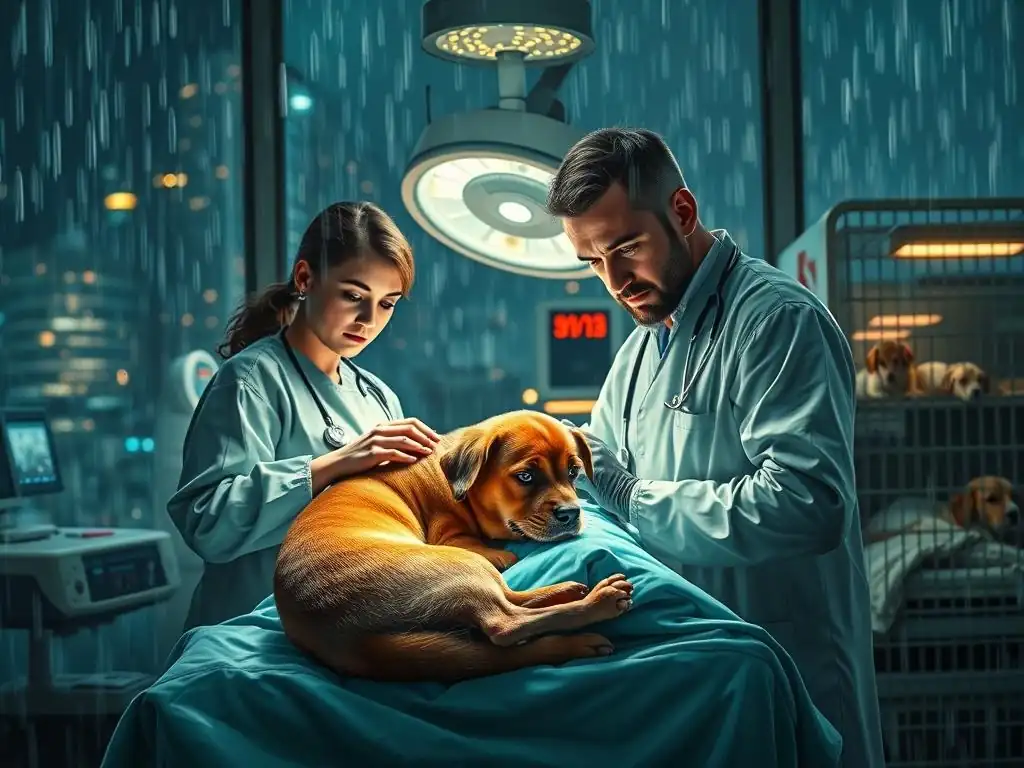
Welcome to PetCareWorld, your ultimate guide to a happier, healthier life for your beloved companion! Are you prepared for the unexpected? Navigating an emergency vet visit can be daunting, but understanding the process is crucial. Discover what happens behind the scenes at your local emergency veterinary clinic and learn how these vital professionals can help your pet in their time of need. Dive in and uncover the critical steps involved – your pet's well-being depends on it!
-
Understanding the Emergency Vet Visit Process: A Step-by-Step Guide
- Initial Assessment and Triage: The First Steps in Emergency Pet Care
- Stabilizing Your Pet: Immediate Treatment and Critical Care
- Diagnostic Testing: Identifying the Problem Through Advanced Techniques
- Treatment Plan Development: Tailored Approaches for Your Pet's Needs
- Emergency Surgery and Procedures: When Intervention is Necessary
- Post-Emergency Care and Monitoring: Ensuring a Smooth Recovery
-
Common Reasons for Emergency Vet Visits: Recognizing Urgent Pet Health Issues
- Sudden Illness or Injury: Identifying Signs Requiring Immediate Attention
- Trauma and Accidents: Handling Injuries Sustained in Accidents
- Poisoning and Toxin Exposure: Recognizing and Treating Pet Poisoning
- Respiratory Distress: When Your Pet is Having Trouble Breathing
- Seizures and Neurological Emergencies: Understanding and Responding to Seizures
- What to Expect During Your Emergency Vet Visit: Preparing for the Unexpected
-
Choosing the Right Emergency Veterinary Clinic: Finding Quality Care for Your Pet
- Location and Accessibility: Finding a Clinic Convenient to Your Location
- Veterinary Expertise and Specialization: Ensuring Your Pet Receives Specialized Care
- Reviews and Testimonials: Considering the Experiences of Other Pet Owners
- Emergency Veterinary Services Offered: Ensuring the Clinic Can Handle Your Pet's Needs
- Beyond the Emergency: Preventative Care and Early Detection
-
Frequently Asked Questions
- What constitutes a true pet emergency requiring an immediate vet visit?
- How do I find an emergency veterinary clinic near me?
- What should I expect during the initial assessment at the emergency vet?
- What kind of costs should I anticipate for an emergency vet visit?
- What happens after my pet receives emergency treatment?
- Final Reflection: The Unsung Heroes of Emergency Veterinary Care
- Unlock the Secrets of Emergency Vet Care: Take Charge Now!
Understanding the Emergency Vet Visit Process: A Step-by-Step Guide
Navigating a pet emergency can be incredibly stressful. Knowing what to expect during an emergency vet visit can significantly reduce anxiety and help you make informed decisions for your beloved companion. This guide provides a detailed look behind the scenes at an emergency veterinary clinic, outlining the typical process from the moment you arrive until your pet receives treatment.
Understanding this process will empower you to effectively communicate your pet's needs and work collaboratively with the veterinary team to ensure the best possible outcome. We will explore the critical steps involved in emergency pet care, from initial assessment to advanced diagnostics, helping you feel more prepared should your pet ever require urgent veterinary attention. This is crucial for navigating the "emergency vet visit process" efficiently and effectively, ultimately leading to better care for your animal companion.
Initial Assessment and Triage: The First Steps in Emergency Pet Care
Upon arrival at the emergency veterinary clinic, your pet will undergo an immediate assessment, often referred to as triage. This crucial first step involves a quick but thorough evaluation of your pet's condition. The veterinary technician or veterinarian will prioritize patients based on the severity of their condition. This involves gathering essential information from you, the pet owner, such as:
- The reason for the visit: A clear and concise explanation of your pet's symptoms, including when they started and their progression.
- Your pet's medical history: Information about any pre-existing conditions, allergies, or medications your pet is currently taking is vital.
- Recent events: Any recent incidents or changes in your pet's routine that might be relevant to their condition (e.g., ingestion of foreign objects, trauma, sudden changes in behavior).
Following this initial interview, a quick physical examination will be performed. This examination typically focuses on assessing vital signs such as:
- Heart rate and rhythm: Checked using a stethoscope.
- Respiratory rate and effort: Observing the breathing pattern for any abnormalities.
- Temperature: Measured rectally to detect fever or hypothermia.
- Mucous membrane color: Assessing the color of the gums to evaluate blood oxygenation.
- Level of consciousness: Observing the pet's alertness and responsiveness.
Based on this initial assessment, your pet will be assigned a priority level, determining the order in which they receive treatment. This system ensures that the most critically ill patients receive immediate attention. Even if your pet's condition appears less severe, rest assured that they will receive thorough and compassionate care.
Stabilizing Your Pet: Immediate Treatment and Critical Care
Once your pet's condition is assessed, the veterinary team will focus on stabilizing them. This may involve providing immediate treatment to address life-threatening issues. This phase can include:
- Oxygen therapy: Administering supplemental oxygen to improve blood oxygen levels if needed.
- Fluid therapy: Administering intravenous fluids to correct dehydration, improve blood pressure, and support organ function.
- Pain management: Providing pain relief medication to alleviate discomfort and reduce stress.
- Wound care: Cleaning and bandaging any wounds to prevent infection.
- Emergency surgery: In cases of severe trauma or internal bleeding, emergency surgery may be necessary. This decision is made based on the severity of the condition and the need for immediate intervention.
The goal of this stabilization phase is to address immediate life threats and prevent further deterioration of your pet's condition. This is a critical period where the veterinary team works tirelessly to ensure your pet's survival and comfort. The veterinary team will keep you updated on your pet's progress during this stage, providing reassurance and explaining the next steps in their treatment plan.
Diagnostic Testing: Identifying the Problem Through Advanced Techniques
Following stabilization, a series of diagnostic tests may be needed to determine the underlying cause of your pet's illness or injury. These tests can vary widely depending on the initial assessment and suspected condition. Common diagnostic tests include:
- Blood work: A complete blood count (CBC) and serum biochemistry profile to evaluate organ function and detect infection or other abnormalities.
- Urinalysis: Analyzing a urine sample to assess kidney function and detect urinary tract infections.
- Radiographs (X-rays): Imaging tests to visualize bones, organs, and foreign bodies.
- Ultrasound: Using sound waves to create images of internal organs and structures.
- Electrocardiogram (ECG): Measuring the electrical activity of the heart to detect heart rhythm abnormalities.
The results of these tests help the veterinary team formulate a definitive diagnosis and create a comprehensive treatment plan tailored to your pet's specific needs. The team will explain the results of these tests clearly and answer any questions you may have, ensuring you are fully informed about your pet's condition and the proposed treatment. The use of advanced diagnostic techniques is crucial for effective diagnosis and treatment in emergency situations, ultimately improving the chances of a positive outcome for your pet.
Treatment Plan Development: Tailored Approaches for Your Pet's Needs
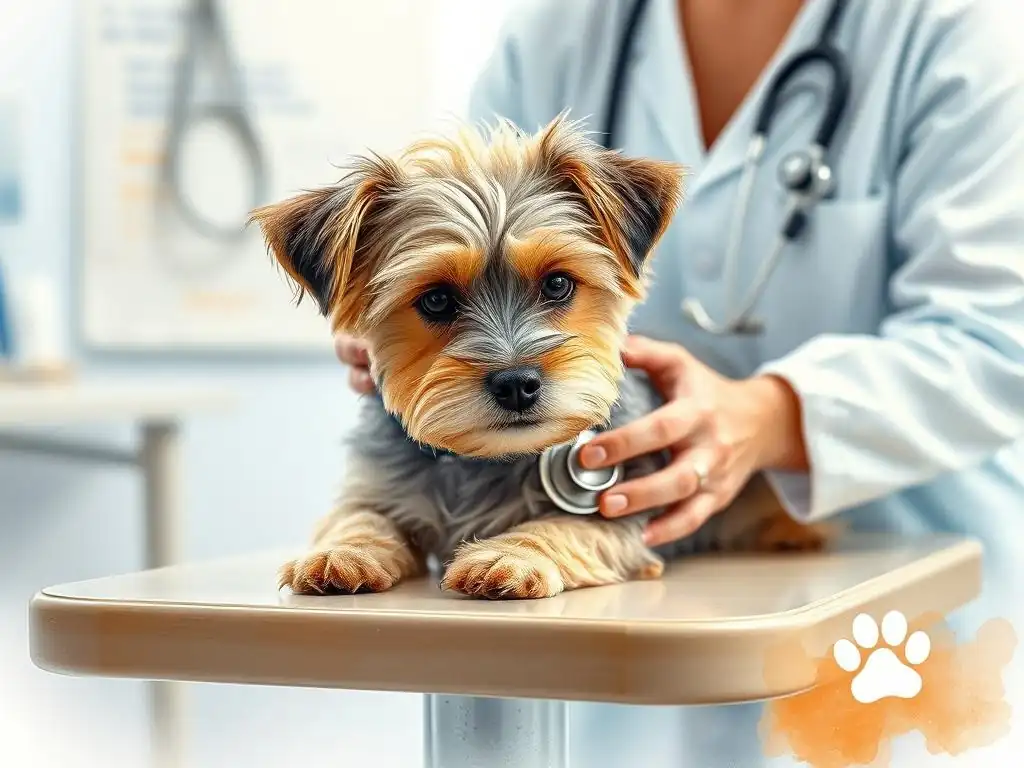
Once your pet's condition has been assessed, the emergency veterinarian will develop a customized treatment plan. This isn't a one-size-fits-all approach; each plan is meticulously designed based on your pet's specific needs, considering factors like age, breed, overall health, and the severity of the emergency. The plan will outline the necessary diagnostic tests, medications, therapies, and procedures. For example, a dog suffering from severe trauma might require immediate imaging (X-rays or ultrasound) to identify fractures or internal bleeding, followed by stabilization procedures and potentially surgery.
A cat presenting with respiratory distress may need oxygen therapy, intravenous fluids, and blood work to determine the underlying cause—perhaps pneumonia or feline asthma—before a targeted treatment can begin. The veterinarian will clearly explain the proposed treatment plan, its potential risks and benefits, and the associated costs. Open communication between the veterinary team and the pet owner is crucial during this stage to ensure informed decision-making.
The goal is always to provide the most effective and compassionate care possible, while keeping the owner fully informed throughout the process. Expect detailed explanations of each step, allowing you to actively participate in your pet's recovery journey. This collaborative approach is a cornerstone of effective emergency veterinary care, ensuring the best possible outcome for your beloved companion.
Emergency Surgery and Procedures: When Intervention is Necessary
Many emergency situations require immediate surgical intervention to save a pet's life. These procedures can range from simple wound repair to complex life-saving operations. For instance, a dog hit by a car might require emergency surgery to repair a fractured limb, control internal bleeding, or remove damaged organs. Similarly, a cat with a severe intestinal obstruction might need emergency surgery to remove the blockage.
The decision to proceed with surgery is never taken lightly and is always based on a thorough assessment of the pet's condition and the potential benefits versus risks. Before surgery, the veterinary team will perform pre-operative tests such as blood work and possibly electrocardiograms (ECGs) to evaluate your pet's ability to tolerate anesthesia. During the surgery, the veterinary surgeon will employ the most advanced techniques and equipment to minimize complications and ensure a successful outcome.
Post-operative care is just as important, involving pain management, monitoring vital signs, and providing appropriate medications. The post-operative recovery period will vary depending on the complexity of the surgery and your pet's overall health. The emergency vet visit process, especially when surgery is involved, requires close monitoring and follow-up.
Post-Emergency Care and Monitoring: Ensuring a Smooth Recovery
Following an emergency vet visit, your pet will likely require ongoing care to ensure a complete recovery. This post-emergency care plan is tailored to your pet's specific needs and may include medication administration, wound care, dietary restrictions, and regular check-ups. For example, a pet that underwent surgery might require pain medication, antibiotics, and regular monitoring of the surgical site. A pet with a medical condition, such as poisoning, may need specific medications and close observation for any signs of complications.
The veterinary team will provide detailed instructions on administering medications, monitoring your pet's condition, and recognizing any potential warning signs. They will also schedule follow-up appointments to assess your pet's progress and make any necessary adjustments to the treatment plan. This ongoing monitoring is crucial in preventing complications and ensuring the best possible outcome.
Regular communication with your emergency veterinarian is essential during this recovery phase, allowing you to address any questions or concerns promptly. This collaborative approach ensures a smooth transition from emergency care to long-term wellness, maximizing your pet's chances for a full and healthy recovery. The entire emergency vet visit process, from initial assessment to post-care, emphasizes a holistic approach to pet wellness.
Common Reasons for Emergency Vet Visits: Recognizing Urgent Pet Health Issues
This section details the most frequent reasons pet owners rush their beloved companions to emergency veterinary clinics. Understanding these critical situations can help you act swiftly and potentially save your pet's life. Effective emergency vet visit process starts with recognizing the urgency. Timely intervention is crucial in many cases, so familiarity with these signs is paramount. Let's explore some common scenarios.
Sudden Illness or Injury: Identifying Signs Requiring Immediate Attention
Sudden onset of illness or injury often necessitates an immediate emergency vet visit. These situations can rapidly deteriorate, making quick action essential. Key indicators include:
- Lethargy and Weakness: An unusually lethargic pet that seems weak or unable to stand requires immediate attention. This could signal a multitude of underlying issues, from internal bleeding to severe infection.
- Difficulty Breathing: Labored breathing, gasping, or blue-tinged gums are critical signs demanding immediate veterinary care. These symptoms often indicate respiratory distress, a life-threatening condition.
- Seizures: Seizures, characterized by uncontrolled muscle spasms and loss of consciousness, are medical emergencies. The underlying cause needs urgent veterinary assessment and treatment.
- Severe Vomiting or Diarrhea: Persistent, forceful vomiting or severe diarrhea leading to dehydration is a serious concern, especially if accompanied by lethargy or other symptoms. This can quickly lead to life-threatening electrolyte imbalances.
- Urinary or Defecation Problems: Inability to urinate or defecate, or the passage of blood in urine or feces, signals a potential emergency requiring immediate veterinary intervention.
- Sudden Swelling: Significant swelling, especially if accompanied by pain or difficulty breathing, requires immediate attention as it may indicate an allergic reaction or internal injury.
Trauma and Accidents: Handling Injuries Sustained in Accidents
Accidents happen, and pets are unfortunately vulnerable. Knowing how to respond to trauma is crucial for improving the chances of a positive outcome. Here's a breakdown of common accident-related emergencies:
- Hit by Car (HBC): This is a catastrophic event often resulting in internal bleeding, broken bones, and head injuries. Immediate transport to an emergency vet is absolutely critical. Do not attempt to move the animal unless absolutely necessary to prevent further injury.
- Falls from Heights: Falls, especially from significant heights, can lead to serious injuries, including spinal cord damage, internal bleeding, and fractures. Handle the pet gently and seek immediate veterinary care.
- Animal Bites: Severe bites from other animals can cause significant tissue damage, infections, and internal injuries. Prompt veterinary attention is crucial to clean the wound, administer antibiotics, and manage potential complications.
- Lacerations and Deep Wounds: Deep wounds, especially those involving bleeding or exposed bone, require immediate veterinary attention to prevent infection and ensure proper healing.
Poisoning and Toxin Exposure: Recognizing and Treating Pet Poisoning
Pet poisoning is a significant concern, with many household items and substances posing a serious threat. Rapid identification and treatment are essential. Here’s what to look for:
- Ingestion of Toxic Substances: This encompasses a wide range of substances, including medications, cleaning products, pesticides, chocolate, grapes, raisins, and many more. Knowing what your pet ingested is crucial for effective treatment. Keep the packaging for any suspected substance.
- Symptoms of Poisoning: These vary widely depending on the toxin, but can include vomiting, diarrhea, tremors, seizures, difficulty breathing, and changes in behavior. If you suspect poisoning, contact your veterinarian or an animal poison control center immediately. They can provide guidance on immediate actions to take.
- Importance of Immediate Action: The speed of treatment directly impacts the outcome of pet poisoning. Timely intervention can often prevent severe complications or even death. Don't hesitate to seek immediate veterinary care if you suspect poisoning.
The emergency vet visit process, while stressful, is often critical to ensuring the long-term health and well-being of your pet. Remembering these common reasons for emergency visits can help you act decisively and increase your pet's chances of a full recovery. 🐾
Respiratory Distress: When Your Pet is Having Trouble Breathing

Respiratory distress in pets is a serious emergency requiring immediate veterinary attention. It manifests in various ways, and recognizing the signs is crucial for a timely intervention. Difficulty breathing, often characterized by labored breathing (increased respiratory rate and effort), can be subtle at first, progressing rapidly to life-threatening situations. You might observe your pet exhibiting open-mouthed breathing, gasping, or making wheezing or whistling sounds. Blue discoloration of the gums (cyanosis) is a particularly alarming sign indicating a severe lack of oxygen.
Causes of respiratory distress are diverse and can range from relatively mild conditions like allergies or upper respiratory infections to severe issues such as pneumonia, pneumothorax (collapsed lung), heart failure, or foreign body obstruction in the airway. Certain breeds, such as brachycephalic dogs (those with short noses like Bulldogs and Pugs), are predisposed to breathing difficulties due to their anatomical structure. In these cases, even seemingly minor infections can quickly escalate into respiratory emergencies.
The underlying cause dictates the treatment, which can include oxygen therapy, medications to open airways (bronchodilators), fluids to address dehydration, and potentially surgery to remove foreign objects. Early intervention significantly improves the chances of a positive outcome. The emergency vet visit process for respiratory distress usually begins with immediate stabilization, including supplemental oxygen and assessment of vital signs before diagnostic tests to pinpoint the cause.
Seizures and Neurological Emergencies: Understanding and Responding to Seizures
Seizures in pets are another critical reason for an emergency vet visit. A seizure is a sudden, uncontrolled electrical discharge in the brain, resulting in a variety of symptoms. These can range from subtle behavioral changes, like staring blankly or disorientation, to dramatic convulsions, loss of consciousness, and involuntary muscle spasms. Some pets may experience paddling movements of their limbs, urination or defecation during the seizure, and post-ictal depression (lethargy and confusion) afterward. The duration and severity of seizures vary greatly, and repeated seizures can be life-threatening.
The causes of seizures are multifaceted and can include brain tumors, head trauma, infections (like meningitis or encephalitis), metabolic disorders (like low blood sugar or liver failure), poisoning, or idiopathic epilepsy (seizures of unknown origin). Diagnosing the underlying cause is crucial for effective treatment, and your emergency vet will likely conduct a thorough neurological examination, blood tests, and potentially imaging studies (X-rays, CT scans, or MRIs) to determine the root cause.
Treatment depends on the underlying condition and may involve anti-seizure medications, supportive care (fluids, oxygen), or surgery in certain cases. Detailed observation and recording of seizure activity – duration, frequency, and associated symptoms – is invaluable information for your veterinarian to assess the severity and guide treatment.
For recurrent seizures, your vet may recommend long-term management strategies to prevent future episodes and improve your pet's quality of life. The emergency vet visit process for seizures often prioritizes immediate seizure control and supportive care, followed by thorough diagnostic workup to determine the cause and plan for long-term management.
What to Expect During Your Emergency Vet Visit: Preparing for the Unexpected

Navigating an emergency vet visit can be stressful. Understanding what to expect beforehand can significantly alleviate anxiety and ensure your pet receives the best possible care. This section details the typical process, focusing on the "emergency vet visit process" from arrival to discharge. Remember, every clinic operates slightly differently, so confirming specifics with your chosen facility is always recommended.
Preparing for Your Visit: Gathering Necessary Information and Supplies
Before rushing to the emergency vet, take a moment to gather crucial information and supplies. This proactive step streamlines the check-in process and allows the veterinary team to focus on your pet's immediate needs. Having this information readily available can save precious time during a crisis.
First, compile your pet's medical history. This includes vaccination records, details of any pre-existing conditions (like diabetes or allergies), a list of current medications (including dosage and frequency), and any recent illnesses or injuries. A photo of your pet's microchip information, if applicable, is also beneficial.
Next, gather essential supplies for your pet's transport. This might include a secure carrier (appropriate for your pet's size and species), a leash and collar, any necessary medications your pet is currently taking, and a blanket for comfort. Consider also bringing a familiar toy or item to help reduce your pet's stress during the visit. For larger animals, ensure you have a safe and effective method for transport.
Finally, note down the time you first noticed your pet's symptoms, and write a brief but detailed description of what you observed. This detailed account will be invaluable to the veterinary team in diagnosing and treating your pet. Don't hesitate to include seemingly minor details; they might hold crucial clues.
Communicating with the Veterinary Staff: Effectively Describing Your Pet's Condition
Clear and concise communication is paramount during an emergency vet visit. The veterinary staff needs accurate information to quickly assess your pet's condition and prioritize treatment. Effectively describing your pet's symptoms is crucial for a successful "emergency vet visit process".
When you arrive, calmly and clearly explain the situation. Focus on observable symptoms rather than assumptions. For example, instead of saying "I think my dog is poisoned," describe what you saw: "My dog ingested some rat poison approximately 30 minutes ago, and now he's vomiting and having difficulty breathing."
Be prepared to answer questions about your pet's behavior, appetite, urination, and defecation patterns. Any changes from their normal routine, no matter how small, could be significant. Provide a timeline of events, noting when symptoms started and how they have progressed.
Remember to stay calm and answer questions truthfully, even if you are feeling anxious. The veterinary staff understands that emergencies are stressful, and their primary goal is to help your pet. Your cooperation is key to ensuring the best possible outcome.
Understanding Emergency Veterinary Fees: Budgeting for Unexpected Expenses
Emergency veterinary care is significantly more expensive than routine checkups. The costs associated with an "emergency vet visit process" can vary widely based on the severity of the situation, diagnostic tests needed, and treatments administered. Understanding this beforehand can help you manage the financial aspect of the crisis.
Emergency veterinary clinics often operate 24/7, requiring staffing and equipment beyond the capacity of a standard clinic. This increased operational cost is reflected in the fees. Diagnostic tests such as X-rays, blood work, and ultrasounds can be particularly expensive. Treatment costs also vary based on the complexity of the problem and the medications or procedures required.
Many emergency veterinary clinics offer payment plans or work with veterinary credit card companies to help manage unexpected expenses. It's advisable to inquire about payment options before your pet receives treatment to avoid further stress during a difficult time. Some clinics also offer estimates of potential costs based on the initial assessment, although these are often subject to change as more information becomes available.
Being aware of the potential costs associated with emergency veterinary care allows for better financial preparedness and can help alleviate additional worry during an already stressful situation. Consider pet insurance as a proactive measure to mitigate these financial burdens in the future.
Post-Visit Care Instructions: Following Your Vet's Recommendations
After the emergency has subsided and your pet has received the necessary treatment, the emergency vet visit process doesn't end there. Receiving clear and concise post-visit care instructions is crucial for your pet's continued recovery. These instructions, often detailed and specific to your pet's condition, are essential for a successful outcome. Failure to follow these instructions meticulously could compromise your pet's healing process and potentially lead to complications. The veterinarian will likely provide written instructions, but don't hesitate to ask clarifying questions if anything is unclear. Understanding these instructions is paramount to ensuring your pet's well-being.
The instructions typically cover medication administration, including dosage, frequency, and route of administration (oral, topical, injection). For example, you might be instructed to administer antibiotics every 12 hours, strictly following the prescribed dosage. Any deviation from these instructions could affect the effectiveness of the medication or even cause adverse reactions. The vet might also provide instructions on wound care, including cleaning and bandaging techniques. Accurate and careful wound care is vital to prevent infection and promote healing. This could involve using specific antiseptic solutions or dressings as recommended.
Furthermore, you'll likely receive dietary recommendations. Your pet's diet might need adjustments to aid in their recovery, perhaps requiring a bland diet or specific supplements. Following these dietary guidelines carefully will support their healing and prevent further digestive issues. The vet might also advise on activity restrictions, recommending rest and limiting physical exertion to allow for proper healing. This could involve keeping your pet confined to a smaller area or avoiding strenuous activities like running or jumping. Ignoring these restrictions could lead to setbacks in your pet's recovery.
Beyond the immediate care, the vet will often schedule follow-up appointments. These appointments are essential for monitoring your pet's progress and ensuring the treatment is effective. Regular check-ups allow the veterinarian to assess the healing process, make any necessary adjustments to the treatment plan, and address any emerging concerns.
Attending these follow-up appointments is a crucial part of the entire emergency vet visit process and contributes significantly to your pet's long-term health and well-being. Remember, your active participation in following post-visit instructions is a critical factor in your pet's successful recovery. A proactive approach to post-operative care, guided by your veterinarian's instructions, significantly improves the chances of a full and speedy recovery.
Choosing the Right Emergency Veterinary Clinic: Finding Quality Care for Your Pet
Choosing the right emergency veterinary clinic can be a stressful experience, especially when your pet is in distress. Understanding the factors involved in selecting a quality facility can significantly impact the outcome of your pet's emergency vet visit process. This section will guide you through the crucial considerations for finding the best care for your beloved companion.
Location and Accessibility: Finding a Clinic Convenient to Your Location
Time is critical during a pet emergency. The closer the emergency veterinary clinic is to your location, the faster your pet can receive treatment. Consider factors beyond just proximity, such as:
- 24/7 Availability: Ensure the clinic operates around the clock, offering continuous care. Many clinics operate on a rotating schedule, so verify their availability before an emergency arises.
- Transportation Options: Think about how you'll transport your pet. Is the clinic easily accessible by car, or will you need to consider alternative transportation? Consider the clinic's parking situation, especially if your pet requires a carrier or other specialized transport.
- Traffic Considerations: Map out potential routes to the clinic, considering peak traffic times. Knowing potential delays helps you plan for a timely arrival.
- After-hours Access: Some clinics might have specific procedures for after-hours emergencies, so familiarize yourself with their protocols beforehand.
Failing to account for these practical aspects can significantly delay your pet receiving crucial care, impacting the overall emergency vet visit process. Planning ahead can alleviate stress and ensure a smoother experience during a challenging time.
Veterinary Expertise and Specialization: Ensuring Your Pet Receives Specialized Care
Not all emergency veterinary clinics are created equal. The level of expertise and specialization within a clinic directly impacts the quality of care your pet receives. Consider these points:
- Board-Certified Specialists: Look for clinics with board-certified specialists in areas relevant to your pet's needs. For example, if your pet has a heart condition, a board-certified veterinary cardiologist is crucial.
- Advanced Equipment and Technology: Access to advanced diagnostic tools, such as advanced imaging (ultrasound, CT scans, MRI) and laboratory equipment, is vital for accurate diagnosis and effective treatment. The availability of such equipment is a key indicator of a clinic's commitment to providing high-quality care.
- Emergency Room Staff: Inquire about the qualifications and experience of the emergency room staff. Experienced and well-trained personnel are essential for handling critical situations. A higher staff-to-patient ratio often translates to better care.
- Specialized Services: Does the clinic offer specialized services such as critical care, surgery, or toxicology? Knowing what services are offered can help you choose a facility best suited to your pet's needs.
The availability of specialized care is paramount for a successful emergency vet visit process, especially in complex or life-threatening situations.
Reviews and Testimonials: Considering the Experiences of Other Pet Owners
Before choosing an emergency veterinary clinic, it's prudent to research the experiences of other pet owners. This information provides invaluable insights into the quality of care, service, and overall experience. Consider these resources:
- Online Reviews: Check online review platforms for feedback from previous clients. Pay attention to both positive and negative reviews, looking for patterns and recurring themes.
- Social Media: Explore social media platforms to see what pet owners are saying about their experiences with different clinics.
- Veterinary Referral Networks: Contact your regular veterinarian for recommendations. They often have established relationships with local emergency veterinary clinics and can provide valuable insights.
- Word-of-Mouth: Reach out to friends, family, and other pet owners in your community for recommendations. Personal testimonials can offer a more nuanced perspective on a clinic's performance.
By carefully considering reviews and testimonials, you can gain valuable insights into the level of care and customer service provided by the different clinics, improving your decision-making process during your pet's emergency vet visit process. Remember that a positive experience for other pet owners often translates to a positive experience for you and your pet.
Emergency Veterinary Services Offered: Ensuring the Clinic Can Handle Your Pet's Needs
Choosing the right emergency veterinary clinic often hinges on the specific services they offer. Not all emergency veterinary clinics are created equal; some specialize in certain animal types or medical conditions. Before rushing your pet to an emergency facility, it's crucial to understand their capabilities. A clinic specializing in feline medicine might not be the best choice for a large dog requiring orthopedic surgery, for example. Likewise, a clinic equipped to handle routine emergencies like lacerations might not have the advanced equipment or expertise for complex cardiac issues.
Understanding the range of emergency services offered is vital for efficient and effective treatment. Many clinics will clearly outline their capabilities on their website or through a phone call. Look for details on:
- 24/7 Availability: Some clinics offer round-the-clock care, while others might have limited hours. This is especially important for situations requiring immediate intervention. Confirm their operating hours and any potential delays in accessing care.
- Imaging Capabilities: Access to advanced imaging technology, such as digital X-rays, ultrasound, and CT scans, is often critical for diagnosing internal injuries or illnesses. Inquire about the availability of these technologies at the clinic you're considering.
- Surgical Facilities: If your pet needs surgery, ensure the clinic possesses a fully equipped surgical suite and experienced surgical staff. The availability of surgical intervention can be the difference between life and death in many emergency situations.
- Specialized Care: Some clinics specialize in specific areas like toxicology, cardiology, or oncology. If your pet's emergency involves a particular area of expertise, it's beneficial to choose a clinic with that specialization. This ensures your pet receives the most appropriate and effective care. For example, a clinic specializing in avian medicine would be the preferred choice for an emergency involving a bird.
- Critical Care Units: The presence of a dedicated critical care unit indicates a higher level of preparedness for managing severely ill or injured animals. These units often provide intensive monitoring and support, significantly improving the chances of a positive outcome.
Before making your decision, it's advisable to contact several potential emergency veterinary clinics directly. This allows you to compare services, assess the staff's responsiveness, and get a better feel for the clinic's overall capabilities. The information gathered will empower you to make an informed decision in a stressful situation, ensuring your pet receives the best possible care during their emergency vet visit process. Remember, choosing the right clinic is a critical step in ensuring a positive outcome for your beloved companion.
Beyond the Emergency: Preventative Care and Early Detection
This section focuses on proactive measures pet owners can take to minimize the need for emergency vet visits. A proactive approach to pet health significantly reduces the likelihood of serious, time-sensitive issues arising. Understanding the importance of preventative care and early detection is crucial in ensuring your pet's long-term well-being and reducing the stress and expense associated with emergency situations. The "emergency vet visit process," while sometimes unavoidable, becomes significantly less frequent with consistent preventative care.
Regular Veterinary Checkups: The Importance of Preventative Care
Regular veterinary checkups are the cornerstone of preventative pet care. These aren't just about vaccinations; they're comprehensive assessments of your pet's overall health. During these visits, your veterinarian will perform a thorough physical examination, checking vital signs, listening to the heart and lungs, examining the eyes, ears, and mouth, and palpating the abdomen. This allows for the early detection of potential problems, often before they become noticeable to the pet owner.
Beyond the physical exam, regular checkups provide opportunities for:
- Vaccinations: Protecting your pet from preventable diseases.
- Parasite prevention: Administering flea, tick, and heartworm medications.
- Dental care: Identifying and addressing dental issues before they escalate.
- Nutritional guidance: Ensuring your pet receives the proper diet for their age, breed, and health status.
- Early detection of chronic conditions: Such as kidney disease, diabetes, or arthritis, allowing for early intervention and management.
The frequency of these checkups varies depending on the age and breed of your pet, but generally, yearly checkups are recommended for adult pets, with more frequent visits for puppies and kittens. Think of these visits as an investment in your pet's health—a small price to pay to avoid the potentially much higher cost and emotional distress of an emergency situation. Proactive veterinary care significantly reduces the likelihood of needing an emergency vet visit process.
Early Detection of Health Issues: Recognizing Subtle Signs of Illness
Even with regular checkups, it's important to be vigilant and recognize subtle signs of illness in your pet. Early detection can often mean the difference between a simple treatment and a life-threatening emergency. Learning to recognize these subtle changes is a key part of responsible pet ownership and helps reduce the need for emergency veterinary intervention.
Some subtle signs to watch out for include:
- Changes in appetite or thirst: A sudden increase or decrease in food or water intake can signal underlying health problems.
- Changes in bowel or bladder habits: Diarrhea, constipation, increased urination, or accidents in house-trained pets.
- Lethargy or unusual sleep patterns: Excessive sleeping or a noticeable decrease in energy levels.
- Changes in behavior: Increased aggression, anxiety, or hiding.
- Coughing, sneezing, or difficulty breathing: Respiratory issues can quickly become serious.
- Lameness or limping: Possible indication of injury or joint problems.
- Changes in coat or skin: Excessive shedding, dry skin, or skin irritations.
If you notice any of these signs, even if they seem minor, it's crucial to contact your veterinarian immediately. Don't wait for the situation to worsen; early intervention significantly improves the chances of a successful outcome and reduces the need for a stressful and potentially expensive emergency vet visit process. Remember, acting quickly can be the difference between a simple checkup and a full-blown emergency.
Frequently Asked Questions
What constitutes a true pet emergency requiring an immediate vet visit?
A true emergency involves life-threatening conditions, such as severe bleeding, difficulty breathing, or seizures. Symptoms like sudden lethargy, vomiting, or diarrhea might also warrant an immediate visit, depending on severity. Don't hesitate to contact your vet or an emergency clinic if you're unsure.
How do I find an emergency veterinary clinic near me?
Use online search engines like Google, searching for "emergency vet near me". Many veterinary services offer 24/7 care. PetCareWorld also recommends checking your regular vet's website for emergency contact information.
What should I expect during the initial assessment at the emergency vet?
Expect a thorough examination focusing on your pet's vital signs (heart rate, breathing, temperature). The vet will ask about your pet's history and the reason for your visit. Be prepared to answer questions clearly and concisely, providing as much detail as possible.
What kind of costs should I anticipate for an emergency vet visit?
Emergency vet visits are typically more expensive than routine appointments due to the extended hours and specialized equipment. Costs vary depending on services needed, but it's wise to have a financial plan in place or inquire about payment options beforehand.
What happens after my pet receives emergency treatment?
Following treatment, your pet may require monitoring and possibly hospitalization. Your vet will discuss post-treatment care, including medication, follow-up appointments, and potential dietary changes. Closely follow their instructions for optimal recovery.
Final Reflection: The Unsung Heroes of Emergency Veterinary Care
The tireless dedication of emergency veterinary professionals is more crucial than ever, as pet ownership continues to rise and the complexity of veterinary medicine expands. Their work represents a vital lifeline for countless animals and their distraught owners, a silent guardian against the unexpected crises that can befall our beloved companions.
Witnessing the unwavering commitment of these professionals, both in the demanding environment of the emergency clinic and in the quiet moments of compassionate care, has profoundly impacted my understanding of the veterinary field. The bond between a human and an animal is one of the purest and most unconditional loves there is. To be able to help preserve that bond is a privilege.
This quote, from an emergency vet I interviewed, encapsulates the heart of their mission: it's not just about treating injuries and illnesses, but about preserving the precious connection between people and their pets. The emotional toll on these individuals is significant, yet their dedication remains steadfast.
Now, consider your own pet. Imagine the peace of mind knowing that expert care is available, day or night, should an emergency arise. Take a moment to appreciate the skill, compassion, and sheer resilience of emergency veterinary teams. Learn more about your local emergency veterinary services, and perhaps even consider volunteering your time or donating to support their crucial work. Your understanding and support can make a tangible difference in the lives of animals and the people who love them.
Unlock the Secrets of Emergency Vet Care: Take Charge Now!
Thank you for exploring the world of emergency veterinary care! We hope you've gained valuable insights into the dedication and expertise these professionals bring to their critical work. Now, let's put that knowledge into action. Ready to make a difference?
- Become an Emergency Veterinary Care Advocate: Share this article with your friends and family, raising awareness about the vital role emergency veterinarians play in protecting our beloved pets. This simple act can significantly improve preparedness within your community.
- Prepare Your Pet's Emergency Kit: Assemble a comprehensive emergency kit today, including essential medical records, medications, and a list of nearby emergency veterinary clinics. Don't wait for a crisis to strike!
- Learn Pet First Aid: Explore online resources or consider enrolling in a pet first-aid course to enhance your ability to respond confidently during emergencies.
What steps will you take today to ensure your furry friend's safety and well-being in unexpected situations?