
Parvo Vaccination for Puppies: A Lifesaving Measure for Young Canines

Welcome to PetCareWorld, your ultimate guide to a happier, healthier life for your beloved companions! Are you a new puppy parent? Then understanding the crucial Puppy Parvo Vaccination Schedule is paramount. We delve into the specifics of protecting your furry friend from this devastating disease, providing you with the knowledge to make informed decisions and ensure your puppy thrives. Discover the vital information you need – explore our expert advice and start your journey towards a lifetime of shared joy with your canine companion.
- Understanding Canine Parvovirus and its Impact on Puppies
- The Importance of Puppy Parvo Vaccination
- Puppy Parvo Vaccination Schedule: A Detailed Guide
- Choosing the Right Parvo Vaccine for Your Puppy
- Beyond Vaccination: Additional Parvovirus Prevention Measures
- What to Expect After Parvo Vaccination
- Parvovirus in Puppies: FAQs and Common Concerns
- Frequently Asked Questions
- Final Reflection: Protecting Our Furry Friends, One Vaccination at a Time
- Ready to Protect Your Puppy? Take Action Now!
Understanding Canine Parvovirus and its Impact on Puppies
Canine parvovirus, a highly contagious and often fatal viral disease, poses a significant threat to unvaccinated puppies. This comprehensive guide delves into the critical importance of parvo vaccination in protecting your furry friend. We'll explore what parvovirus is, its devastating symptoms, the severity of infection, and, most importantly, the vaccination schedule that can safeguard your puppy's life. Understanding the risks and preventative measures is crucial for responsible pet ownership and ensuring the long-term health and happiness of your canine companion. This article will equip you with the knowledge to make informed decisions regarding your puppy's well-being and provide you with a clear understanding of the recommended Puppy parvo vaccination schedule. We aim to empower pet owners with the information necessary to protect their beloved pups from this life-threatening disease. 🐶
What is Canine Parvovirus?
Canine parvovirus (CPV) is a highly contagious virus that affects dogs, particularly puppies. It attacks rapidly dividing cells in the body, primarily targeting the gastrointestinal tract and bone marrow. The virus is incredibly resilient in the environment, surviving for extended periods on surfaces and in soil. Transmission occurs primarily through direct contact with infected feces, although indirect contact with contaminated environments is also possible.
The virus is easily spread, making unvaccinated puppies extremely vulnerable. The severity of the infection can vary, but without prompt veterinary intervention, the outcome can be fatal. Understanding how the virus spreads is the first step in implementing effective preventative measures.
Symptoms of Parvovirus in Puppies
Recognizing the symptoms of parvovirus is crucial for early intervention and treatment. Early signs can be subtle and easily mistaken for other illnesses, making prompt veterinary attention even more vital. Common symptoms include:
- Lethargy and weakness
- Loss of appetite (anorexia)
- Vomiting (often bloody)
- Severe diarrhea (often bloody and foul-smelling)
- Dehydration
- Fever
- Abdominal pain
- Depression
In severe cases, puppies may experience leukopenia (a decrease in white blood cells), leading to a weakened immune system and increased susceptibility to secondary infections. The rapid onset and severity of these symptoms highlight the urgency of seeking veterinary care if you suspect your puppy has contracted parvovirus.
It's important to note that some puppies may exhibit only mild symptoms, while others may experience a severe and rapid decline in their health. Early detection and treatment are paramount.
Severity and Mortality Rate of Parvovirus Infection
Parvovirus infection in puppies can be incredibly severe, with a high mortality rate if left untreated. The virus's ability to rapidly deplete the body's fluids and cause severe gastrointestinal distress can lead to life-threatening complications such as dehydration, septic shock, and cardiac arrest. The mortality rate, while varying depending on factors like the puppy's age, overall health, and access to timely veterinary care, remains significantly high, emphasizing the critical role of preventative vaccination. The severity of the illness underscores the need for proactive measures, such as adhering to a recommended Puppy parvo vaccination schedule, to protect your puppy from this potentially fatal disease. Without prompt and aggressive treatment, the prognosis for puppies with severe parvovirus is unfortunately grim. Early detection and immediate veterinary intervention are absolutely crucial for increasing the chances of survival.
Risk Factors for Parvovirus Infection in Puppies
Parvovirus, a highly contagious and often fatal disease, poses a significant threat to unvaccinated puppies. Understanding the risk factors is crucial for proactive prevention. Several factors increase a puppy's susceptibility to infection. These factors aren't mutually exclusive; a puppy might be at increased risk due to a combination of circumstances.
One primary risk factor is age. Puppies under six months old are particularly vulnerable, as their immune systems are still developing and haven't yet built up sufficient defenses against the virus. This is why a comprehensive vaccination schedule, starting at around six to eight weeks of age, is so vital. The younger the puppy, the greater the risk.
Another significant factor is exposure to contaminated environments. Parvovirus is incredibly resilient and can survive in the environment for extended periods. Contaminated feces from infected animals can linger on surfaces, soil, and even in the air for months. Areas frequented by many dogs, such as dog parks, kennels, and veterinary clinics, present a higher risk of exposure. Even seemingly clean environments can harbor the virus, emphasizing the need for thorough hygiene practices.
Furthermore, compromised immune systems significantly increase vulnerability. Puppies with underlying health conditions, malnutrition, or stress are more susceptible to infection and may experience more severe symptoms. Providing a puppy with a balanced diet, proper care, and minimizing stress are crucial for supporting their immune system's development and resilience.
Finally, contact with infected dogs is a direct route of transmission. This includes direct contact with bodily fluids or indirect contact through contaminated objects. Even seemingly healthy dogs can be carriers of the virus, making careful selection of playmates and avoidance of contact with potentially infected animals critical. Responsible breeders often take measures to minimize the risk of exposure within their breeding programs.
This includes strict hygiene protocols and careful monitoring of the health of their breeding dogs and puppies. The responsible pet owner should, in turn, be equally vigilant in protecting their pet. A robust vaccination schedule remains the most effective preventative measure.
The Importance of Puppy Parvo Vaccination
Canine parvovirus (CPV) is a highly contagious and often fatal viral disease affecting dogs, particularly puppies. The virus attacks rapidly dividing cells in the intestines and bone marrow, leading to severe vomiting, diarrhea, dehydration, and potentially death. Early intervention is crucial, and vaccination is the most effective preventative measure. Understanding the Puppy parvo vaccination schedule is paramount for responsible pet ownership. Delaying or skipping vaccinations significantly increases the risk of infection.
This section will delve into the critical role of parvo vaccination in safeguarding your puppy's health and well-being. The severity of parvovirus infections underscores the importance of adhering to a recommended vaccination schedule and practicing preventative measures. Even with prompt veterinary care, the mortality rate for parvovirus remains alarmingly high, particularly in unvaccinated puppies. Therefore, proactive vaccination is not just recommended, but essential.
Building Immunity Through Vaccination
Vaccination works by introducing a weakened or inactive form of the parvovirus into your puppy's system. This triggers the immune system to produce antibodies, which are specialized proteins that fight off the virus. These antibodies provide crucial protection against future infections. The puppy parvo vaccination schedule typically involves a series of injections administered at specific intervals.
The first vaccination is usually given around 6-8 weeks of age, followed by booster shots at 3-4 week intervals. This staggered approach allows the puppy's immune system to build a strong and lasting defense against the virus. The exact timing and number of vaccinations may vary slightly depending on the vaccine brand and your veterinarian's recommendations.
It's vital to discuss the optimal puppy parvo vaccination schedule with your vet, considering your puppy's individual health and risk factors. Remember, complete vaccination doesn't happen overnight; it requires a carefully planned series of injections to ensure robust immunity. 🐾
Protecting Your Puppy from Fatal Parvovirus Infections
Parvovirus is incredibly resilient and can survive in the environment for extended periods. This means your puppy can be exposed even in seemingly clean areas. Contaminated surfaces, such as soil, feces, and even food and water bowls, can harbor the virus for months. Protecting your puppy from exposure is challenging, but vaccination significantly reduces the risk of severe illness or death.
Even if your puppy does contract the virus after vaccination, the symptoms are typically milder and the chances of recovery are greatly increased. A vaccinated puppy may still show some mild signs of illness, but the disease will likely run a far less severe course. This highlights the importance of not just following the puppy parvo vaccination schedule, but also maintaining good hygiene practices and avoiding contact with potentially infected dogs.
Early signs of parvovirus include lethargy, loss of appetite, vomiting, and bloody diarrhea. If you observe any of these symptoms, seek immediate veterinary attention. Timely treatment is critical in improving the chances of survival.
Preventing the Spread of Parvovirus within the Community
Vaccination not only protects your individual puppy but also contributes to community-wide immunity. When a significant portion of the dog population is vaccinated, it creates a "herd immunity" effect. This reduces the overall circulation of the virus, minimizing the risk of infection for both vaccinated and unvaccinated dogs.
By ensuring your puppy receives all necessary vaccinations according to the recommended puppy parvo vaccination schedule, you are actively participating in this collective effort to control the spread of parvovirus. This is especially crucial in areas with a history of parvo outbreaks or where unvaccinated dogs are prevalent. Responsible pet ownership extends beyond your own pet; it involves contributing to the health and safety of the wider canine community.
Remember that even vaccinated dogs can still shed the virus, albeit at a significantly reduced level. Maintaining good hygiene practices, such as cleaning up after your dog, remains crucial in preventing the spread of parvovirus. This collective responsibility ensures a healthier environment for all dogs.
Puppy Parvo Vaccination Schedule: A Detailed Guide
This section details the crucial puppy parvo vaccination schedule, a cornerstone of preventative canine healthcare. Understanding this schedule is vital for protecting your puppy from this potentially fatal disease. We'll cover the initial vaccinations, subsequent boosters, and the importance of maintaining long-term immunity. Remember, always consult your veterinarian for personalized advice tailored to your puppy's breed, health history, and lifestyle. This information is for educational purposes and should not replace professional veterinary guidance.
Initial Parvo Vaccination for Puppies (8-10 weeks)
The initial parvovirus vaccination is typically administered between 8 and 10 weeks of age. This is a critical first step in building your puppy's immunity. Before this vaccination, puppies are highly susceptible to parvovirus infection due to their underdeveloped immune systems. The initial shot begins the process of stimulating the production of antibodies against the virus. It's important to note that full immunity isn't achieved immediately after this first dose. The puppy's immune system needs time to respond and build a robust defense. This first vaccination lays the groundwork for subsequent shots, strengthening the overall immune response.
While the 8-10 week window is standard, some veterinarians may adjust the timing based on individual puppy factors. For example, a particularly small or weak puppy might benefit from a slightly delayed vaccination. Always trust your vet's professional judgment in these situations. Furthermore, ensure your puppy receives all necessary pre-vaccination checks, including a thorough health examination, to ensure they're fit for the vaccination. This initial stage sets the stage for a lifetime of protection against this devastating disease.
Second Parvo Vaccination (12-14 weeks)
Approximately two to four weeks after the first vaccination, the second dose is administered, usually between 12 and 14 weeks of age. This second shot is crucial for solidifying the immune response initiated by the first vaccination. Think of it as reinforcing the initial training – the second dose strengthens the antibody production, providing more comprehensive protection against the parvovirus. The time gap between the first and second vaccinations allows the puppy's immune system to react effectively to the first dose and prepare for the second. This two-shot approach significantly increases the likelihood of developing long-lasting immunity.
Failure to complete this two-dose series significantly increases the risk of parvovirus infection. It's vital to adhere to this schedule as closely as possible. Any deviation should be discussed with your veterinarian, who can assess your puppy's individual needs and adjust the schedule accordingly. Detailed records should be kept of vaccination dates to facilitate future booster planning and to ensure complete protection against this deadly virus.
Booster Shots and Maintaining Immunity
While the initial two vaccinations provide a significant level of protection, booster shots are recommended to maintain long-term immunity. The exact timing and frequency of booster shots can vary depending on several factors, including your veterinarian's recommendations, your puppy's overall health, and the specific vaccine used. Some veterinarians recommend a third parvo vaccination around 16 weeks of age, followed by annual boosters thereafter. This schedule is a common practice, but it is not universally applied. Your vet will consider your puppy's individual circumstances when recommending a booster schedule.
Factors influencing booster shot schedules:
Several factors influence the need for and timing of booster vaccinations. These include:
- Puppy's breed
- Overall health
- Lifestyle (exposure to other dogs)
- Specific vaccine used
- Veterinarian's recommendations
Regular veterinary checkups are paramount for monitoring your puppy's health and ensuring optimal protection against parvovirus and other diseases. Keeping accurate vaccination records is essential for future reference, especially if you move or change veterinarians. Proactive preventative care, including adherence to the recommended vaccination schedule, is the best way to protect your beloved canine companion from this serious and often fatal illness. Remember, prevention is always better than cure when it comes to puppy parvo. 🐶
Creating a Vaccination Schedule with your Veterinarian
Developing a precise puppy parvo vaccination schedule requires close collaboration with your veterinarian. They will consider several factors to tailor a plan perfectly suited to your puppy's individual needs. These factors include the puppy's age, breed, overall health, and any pre-existing conditions. For example, a smaller breed puppy might have a slightly different schedule compared to a large breed due to their varying developmental stages and immune system maturation.
Your vet will also assess your puppy's environment; puppies exposed to a higher risk of infection, such as those attending puppy classes or frequenting dog parks, might benefit from a more accelerated vaccination schedule. Furthermore, the specific brands of vaccines available and their recommended administration protocols will influence the schedule. Don't hesitate to ask your vet about the types of vaccines they use and why they've chosen a particular schedule for your puppy. Remember, open communication with your veterinarian is crucial for ensuring your puppy receives the best possible protection against parvovirus and other diseases.
A thorough discussion will allow you to understand the rationale behind each vaccination and address any concerns you may have. This collaborative approach ensures a safe and effective vaccination plan, maximizing your puppy's immunity and long-term health. The veterinary professional will also be able to recommend boosters and advise on any potential side effects or complications.
Understanding the Timing of Vaccinations
The timing of parvovirus vaccinations is critical for building robust immunity in puppies. Generally, the initial vaccination series begins around 6 to 8 weeks of age, although this can vary slightly depending on your veterinarian's recommendations and the specific vaccine used. Subsequent vaccinations are usually administered at three to four-week intervals, with the goal of providing comprehensive protection before the puppy reaches the age of 16 weeks. This is because puppies are particularly vulnerable to parvovirus during this period.
Delaying the vaccinations can leave your puppy dangerously unprotected during their crucial developmental phase. However, it's important to note that administering the vaccines too early may not be effective because the puppy's immune system might not be fully developed to respond optimally. Therefore, adhering to the veterinarian's suggested schedule is paramount. Each vaccination stimulates the puppy's immune system to produce antibodies against the parvovirus, gradually building a strong defense.
The final vaccination in the series typically provides long-lasting immunity, although annual booster shots are often recommended to maintain protection throughout the puppy's life. It's also vital to understand that a puppy's immune response can vary. Some puppies might show a stronger response than others, leading to variations in antibody levels. Your veterinarian can perform antibody titer tests to check the effectiveness of the vaccination and determine whether additional boosters are needed.
Choosing the Right Parvo Vaccine for Your Puppy
Selecting the appropriate parvovirus vaccine for your puppy is a crucial step in ensuring their health and well-being. While all parvo vaccines aim to protect against canine parvovirus, there are variations in their composition and administration methods that influence their effectiveness and suitability for individual puppies. Understanding these differences will empower you to make an informed decision in collaboration with your veterinarian.
The goal is to achieve robust, long-lasting immunity against this potentially fatal disease, thereby minimizing the risk of infection and ensuring your puppy thrives. This section will delve into the specifics of choosing the right vaccine, focusing on aspects crucial for informed decision-making. Remember, always consult your veterinarian for personalized advice tailored to your puppy's specific needs and health history.
Types of Parvo Vaccines Available
Several types of parvovirus vaccines are available, each with its own advantages and disadvantages. These primarily differ in their formulation:
- Modified-live vaccines (MLV): These vaccines use a weakened form of the virus to stimulate an immune response. They are generally considered highly effective and produce a strong, long-lasting immunity. However, they carry a slightly higher risk of causing mild side effects, such as lethargy or a temporary loss of appetite, in some puppies. These side effects are usually mild and transient.
- Killed vaccines (inactivated vaccines): These vaccines utilize inactivated (killed) virus particles to trigger immunity. They are generally considered safer than MLVs, with a lower risk of side effects. However, they often require multiple doses for optimal protection and might not produce as robust or long-lasting an immune response compared to MLVs.
The choice between MLV and killed vaccines often depends on the puppy's overall health status. Puppies with compromised immune systems might benefit from the lower risk profile of killed vaccines, while healthy puppies might receive more robust protection from MLVs. Your veterinarian will assess your puppy's individual health and recommend the most appropriate vaccine type. The efficacy of each type can also vary between manufacturers, so discussing this with your veterinarian is vital.
Discussing Vaccine Options with Your Veterinarian
The most critical aspect of selecting a parvo vaccine is open communication with your veterinarian. They will consider several factors before recommending a particular vaccine:
- Puppy's age and health: Very young or immunocompromised puppies may require a different vaccination strategy.
- Breed predisposition: Some breeds might show a higher or lower susceptibility to parvovirus.
- Exposure risk: Puppies living in high-risk environments (e.g., kennels, shelters) may need additional protection.
- Previous vaccination history: If your puppy has received previous vaccinations, this will influence the choice of the next dose and the booster schedule.
- Vaccine availability: The specific vaccines available may vary depending on your geographic location and veterinary practice.
Your veterinarian will explain the pros and cons of each vaccine type, considering your puppy's specific circumstances. Don't hesitate to ask questions and clarify any uncertainties you may have. Their expertise will guide you toward the best choice for your furry friend. Remember, a thorough discussion ensures the optimal vaccination plan for your puppy's unique needs.
Factors to Consider When Selecting a Parvo Vaccine
Beyond the type of vaccine (MLV vs. killed), several other factors contribute to the overall effectiveness of the vaccination process:
- Vaccination schedule: Adhering to the recommended vaccination schedule, typically involving a series of shots at specific intervals, is crucial for building complete immunity. This schedule is usually determined by your veterinarian based on your puppy's age and the specific vaccine used. Missing doses can significantly reduce the effectiveness of the vaccination. 🐶
- Vaccine storage and handling: Improper storage or handling can compromise the vaccine's efficacy. Your veterinarian ensures proper storage and handling procedures are followed.
- Puppy's overall health: A healthy puppy is more likely to mount a strong immune response to the vaccine. Ensure your puppy receives proper nutrition and care to optimize their immune system before and after vaccination.
- Potential side effects: While generally safe, vaccines can sometimes cause mild side effects. These are usually temporary and manageable. Your veterinarian will discuss potential side effects and how to manage them.
By considering all these factors and engaging in open dialogue with your veterinarian, you can ensure your puppy receives the best possible protection against parvovirus. Remember, proactive vaccination is a vital component of responsible pet ownership and contributes significantly to your puppy's long-term health and happiness. A well-informed choice, guided by professional veterinary advice, is the key to a successful and safe vaccination experience.
Ensuring Vaccine Safety and Efficacy
Ensuring the safety and efficacy of your puppy's parvovirus vaccination is paramount. Several factors contribute to a successful vaccination, minimizing risks and maximizing protection. The first crucial step is selecting a reputable veterinarian. A qualified vet will not only administer the vaccine correctly but also assess your puppy's overall health before administering any shots. Pre-vaccination health checks are vital; puppies with underlying health conditions might experience adverse reactions or have a reduced immune response. Your vet will be able to identify any potential contraindications and advise on the best course of action.
Furthermore, the quality of the vaccine itself plays a significant role. Reputable vaccine manufacturers adhere to strict quality control standards, ensuring the vaccine's potency and safety. Your veterinarian will typically use vaccines licensed and approved by relevant regulatory bodies, guaranteeing a high level of efficacy and minimizing the risk of adverse reactions. It's always advisable to inquire about the brand and origin of the vaccine being used, ensuring it meets the highest standards. Don't hesitate to ask your vet about their vaccine sourcing and storage protocols; proper storage is critical for maintaining vaccine potency.
Beyond the vaccine itself, post-vaccination care is equally important. Your vet will likely advise monitoring your puppy for any unusual symptoms in the days following the vaccination. Common mild reactions might include lethargy, mild fever, or soreness at the injection site. However, more severe reactions, such as significant swelling, difficulty breathing, or persistent vomiting, require immediate veterinary attention. Following your vet's post-vaccination instructions meticulously is crucial for ensuring your puppy's safety and the success of the vaccination. This might include avoiding strenuous activity or close contact with other unvaccinated dogs for a short period.
Finally, maintaining accurate vaccination records is essential. These records not only serve as proof of vaccination but also assist in tracking your puppy's health and immunisation history. Should your puppy ever require additional vaccinations or veterinary care in the future, having these records readily available will be invaluable.
Always keep a copy of your puppy's vaccination certificate and ensure your veterinarian maintains a comprehensive record of all vaccinations administered. This complete record is a valuable asset in ensuring your puppy receives the best possible care throughout its life. Remember, proactive care and attention to detail are key to ensuring the safety and efficacy of your puppy's parvo vaccination.
Beyond Vaccination: Additional Parvovirus Prevention Measures
While the parvovirus vaccination schedule is crucial for protecting your puppy, vaccination alone isn't a foolproof guarantee against infection. A multi-faceted approach, combining vaccination with rigorous hygiene and preventative measures, significantly reduces your puppy's risk. Think of vaccination as a strong shield, but these additional measures are the sturdy walls surrounding the castle, providing an extra layer of defense against this deadly virus. Remember, proactive prevention is key to keeping your furry friend safe and healthy. Understanding and implementing these additional strategies is just as important as adhering to the Puppy parvo vaccination schedule.
Maintaining Cleanliness and Hygiene
Maintaining impeccable cleanliness and hygiene is paramount in preventing parvovirus infection. Parvovirus is incredibly hardy and can survive in the environment for extended periods. This means that even seemingly clean surfaces can harbor the virus, posing a significant risk to unvaccinated or inadequately vaccinated puppies. Think of it like this: a single gram of infected feces can contain billions of parvovirus particles.
- Regular Disinfection: Regularly disinfect all surfaces your puppy comes into contact with, including floors, bedding, food and water bowls, toys, and even your clothing. Use a veterinary-approved disinfectant specifically designed to kill parvovirus. Don't rely on generic cleaning products; many are ineffective against this robust virus. Pay particular attention to areas where your puppy eliminates.
- Hand Hygiene: Always wash your hands thoroughly with soap and water before and after handling your puppy, especially after cleaning up after them. This simple act significantly reduces the risk of transferring the virus.
- Clothing and Shoes: Be mindful of your own clothing and shoes. The virus can easily be transported on your clothes and shoes from contaminated areas into your home. Change your shoes before entering your home after walks and wash your clothes separately after handling your puppy.
Preventing Contact with Infected Dogs
Direct contact with infected dogs is the most common route of parvovirus transmission. Therefore, limiting your puppy's exposure to other dogs, especially those exhibiting symptoms or those from unknown backgrounds, is crucial.
- Avoid Dog Parks: Avoid dog parks, especially during outbreaks of parvovirus in your area. These areas are breeding grounds for the virus due to high dog density and the potential for contaminated feces.
- Supervised Interactions: If you must allow your puppy to interact with other dogs, ensure it's under strict supervision and only with dogs whose vaccination status is known and confirmed.
- Careful Observation: Always observe other dogs before allowing your puppy near them. Look for signs of illness, such as lethargy, vomiting, diarrhea, or loss of appetite. Any signs of illness should be a red flag; avoid contact.
Proper Sanitation Practices in Your Home and Yard
Maintaining a clean and sanitary environment, both indoors and outdoors, is critical in preventing parvovirus infection. The virus can persist in the soil for extended periods, making your yard a potential source of infection.
- Fecal Removal: Promptly and thoroughly remove all fecal matter from your yard. Parvovirus can survive in the environment for a long time, so regular cleaning is essential. Use a disinfectant after cleaning up waste.
- Yard Cleaning: Regularly disinfect your yard, particularly areas where your puppy frequently eliminates. Consider using a strong disinfectant specifically formulated to neutralize parvovirus.
- Outdoor Play Areas: Limit your puppy's access to areas where other dogs might have eliminated. If you share your yard with other dogs, maintain strict hygiene protocols for all animals. This includes separate food and water bowls and regular cleaning of shared spaces.
Remember, a comprehensive approach to parvovirus prevention, combining vaccination with meticulous hygiene and environmental control, offers the best protection for your beloved puppy. Following a strict Puppy parvo vaccination schedule is only part of the solution; proactive prevention is the key to a healthy and happy canine companion. 🐶
Recognizing and Addressing Parvo Symptoms Early
Early detection of canine parvovirus is crucial for improving the chances of survival. Parvo is a highly contagious and often fatal disease, so swift action is paramount. Recognizing the symptoms early allows for immediate veterinary intervention, increasing the likelihood of a positive outcome. The initial signs can be subtle, often mimicking other less serious illnesses. Therefore, pet owners need to be vigilant and aware of the tell-tale signs.
One of the first noticeable symptoms is lethargy. Your usually playful puppy might become unusually quiet, withdrawn, and unwilling to engage in their normal activities. This lethargy can be accompanied by a loss of appetite – a significant red flag, especially in young, growing puppies who typically have voracious appetites. Vomiting is another common early symptom, often appearing as repeated episodes of forceful vomiting, sometimes containing blood or bile. This can lead to dehydration, further weakening the puppy's already compromised state.
Diarrhea is another hallmark symptom of parvovirus. It's typically severe, watery, and often bloody or dark in color. This severe diarrhea contributes significantly to dehydration, a life-threatening complication. The combination of vomiting and diarrhea leads to rapid fluid loss, making prompt veterinary intervention absolutely essential. Dehydration can be identified by checking the puppy's gums; they'll appear pale and dry instead of their usual moist, pink color. The puppy may also show signs of weakness and depression, further emphasizing the severity of the situation.
Beyond the gastrointestinal symptoms, parvovirus can also cause fever. A high temperature, often above 103°F (39.4°C), is another strong indicator that your puppy may be suffering from parvo. This fever, coupled with the other symptoms, paints a clear picture of the disease's severity. Remember, even if you suspect parvo, a veterinary diagnosis is critical for proper treatment.
Do not attempt to self-treat; immediate veterinary care is essential for the best possible outcome. The quicker the intervention, the better the prognosis. Early detection and treatment significantly increase the survival rate of puppies affected by this devastating virus. Don't hesitate to seek veterinary help at the first sign of any of these symptoms.
What to Expect After Parvo Vaccination
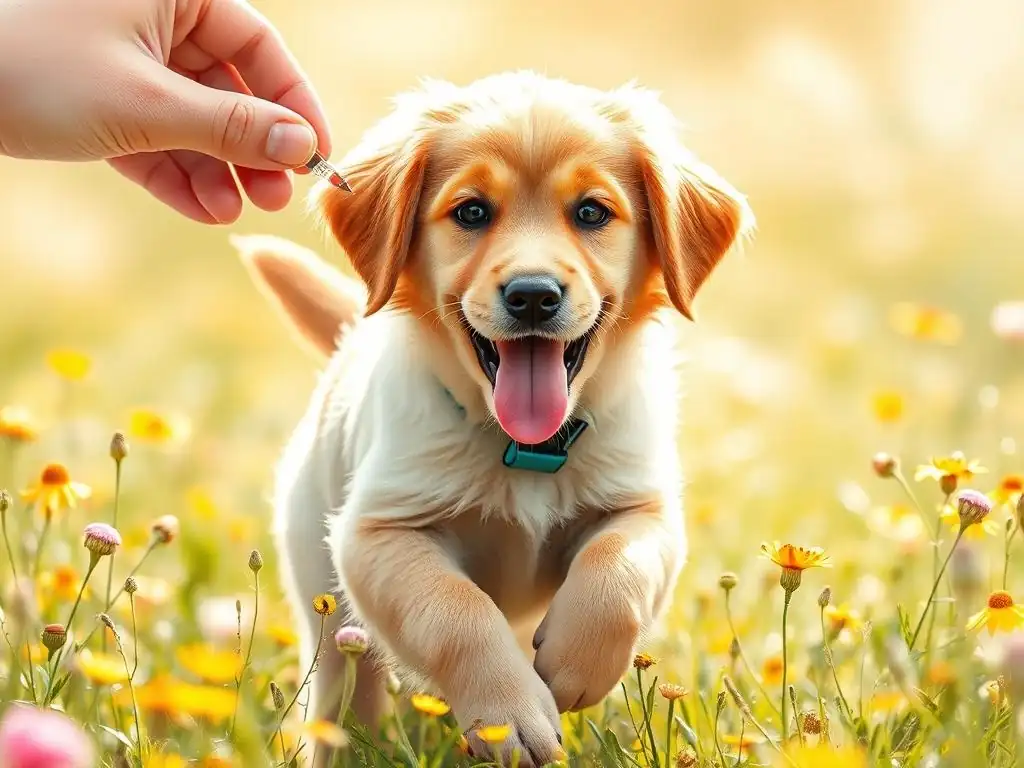
Following your puppy's parvo vaccination, it's crucial to understand what's considered normal and what warrants immediate veterinary attention. The Puppy parvo vaccination schedule typically involves a series of shots, and each one can elicit a slightly different response. Remember, a mild reaction is often a sign that the puppy's immune system is responding, building its defenses against the virus. However, severe reactions require prompt professional care.
Common Side Effects of Parvo Vaccines
Many puppies experience minor side effects after receiving a parvovirus vaccine. These are usually temporary and self-limiting. The most frequently reported side effects include:
- Lethargy: Your puppy might seem less energetic than usual for a day or two. This is often accompanied by a slight decrease in appetite.
- Mild Fever: A slightly elevated temperature (a degree or two above normal) is common. You can monitor this with a rectal thermometer. Anything significantly higher should be checked by a vet.
- Soreness at the Injection Site: The area where the needle was inserted might be slightly swollen, red, or tender to the touch. Gentle massage can sometimes help alleviate discomfort.
- Temporary Loss of Appetite: A reduced interest in food for a short period is not uncommon. Ensure access to fresh water at all times.
It's essential to distinguish between these minor, temporary side effects and more serious reactions. Keeping a close eye on your puppy during the first 24-48 hours post-vaccination is vital. Documenting any changes in behavior or physical condition will be helpful should you need to contact your veterinarian.
Monitoring Your Puppy's Health Post-Vaccination
Consistent monitoring is key to ensuring your puppy's well-being after parvo vaccination. This involves regularly checking for any unusual signs and promptly addressing concerns. Here's a helpful checklist:
| Observation Point | What to Look For | When to Worry |
|---|---|---|
| Temperature | Slight increase (1-2 degrees above normal) is okay. | Significant fever (more than 2 degrees above normal), persistent for more than 24 hours. |
| Appetite | Temporary decrease is acceptable. | Complete loss of appetite for more than 24 hours. |
| Energy Levels | Mild lethargy for a day or two is common. | Persistent lethargy, weakness, or collapse. |
| Injection Site | Mild swelling, redness, or tenderness. | Severe swelling, excessive redness, heat, or pus at the injection site. |
| Vomiting/Diarrhea | Uncommon, but immediate veterinary attention needed. | Any vomiting or diarrhea, especially if severe or persistent. |
| Behavioral Changes | Slight moodiness. | Significant changes in behavior, such as unusual aggression or excessive whining. |
This table helps you effectively monitor your puppy and identify when professional veterinary care is necessary. Remember, early intervention is crucial in managing any potential complications. Don't hesitate to contact your vet if you have any concerns.
Addressing Potential Vaccine Reactions
While most puppies experience only mild side effects, serious reactions are possible, though rare. These may include:
- Anaphylaxis: A severe allergic reaction that requires immediate veterinary attention. Symptoms can include swelling of the face, difficulty breathing, hives, and collapse. This is a medical emergency.
- Severe Vomiting and Diarrhea: Persistent and severe vomiting and diarrhea, especially if accompanied by dehydration, necessitate immediate veterinary care. These symptoms could indicate a more serious underlying issue.
- Neurological Symptoms: Any neurological signs, such as seizures, tremors, or paralysis, require immediate veterinary intervention.
If you observe any of these serious reactions, contact your veterinarian immediately or seek emergency veterinary care. Timely intervention is crucial in these situations. Always keep your veterinarian's contact information readily available. Remember, preventing parvovirus through vaccination is a far better option than dealing with the devastating effects of the disease itself. Proactive monitoring and prompt veterinary care can make all the difference in ensuring your puppy's health and well-being. 🐶
When to Contact Your Veterinarian Following Vaccination
Following your puppy's parvovirus vaccination, vigilant monitoring is crucial. While most puppies experience minimal side effects, knowing when to seek veterinary attention is paramount for their well-being. A slight lethargy or mild decrease in appetite within the first 24-48 hours is often considered normal and usually resolves without intervention. However, any signs beyond this mild discomfort warrant immediate contact with your veterinarian. This proactive approach ensures early diagnosis and treatment, preventing potential complications.
It's important to remember that every puppy reacts differently to vaccinations. What might be a typical response in one puppy could indicate a problem in another. Therefore, erring on the side of caution is always the best approach. Don't hesitate to contact your vet if you observe any of the following:
- Persistent lethargy or weakness: If your puppy remains unusually lethargic or weak for more than 48 hours post-vaccination, it's important to seek veterinary attention. This could indicate an adverse reaction or an underlying health issue.
- Significant changes in appetite: A complete loss of appetite or significant decrease lasting longer than 24 hours post-vaccination is a cause for concern. Puppies are naturally energetic eaters, and a sudden change in appetite can be a symptom of a problem.
- Fever: A high fever (above 103°F or 39.4°C) is a serious sign and requires immediate veterinary care. Fever can be an indicator of an infection or an adverse reaction to the vaccine. Use a rectal thermometer for the most accurate reading.
- Vomiting and/or diarrhea: While some mild vomiting might occur, persistent or severe vomiting and/or diarrhea are warning signs. These symptoms could indicate an infection or a more serious reaction to the vaccine. Pay close attention to the frequency, consistency, and volume of the stool.
- Swelling at the injection site: While a small amount of swelling or redness at the injection site is common, excessive swelling, pain, or heat at the site requires veterinary assessment. This might indicate an allergic reaction or local infection.
- Difficulty breathing or unusual respiratory sounds: Any signs of respiratory distress, such as rapid breathing, coughing, or wheezing, necessitate an immediate visit to the veterinarian. These symptoms are serious and could be life-threatening.
- Unusual behavior changes: If your puppy exhibits unusual behavior changes, such as excessive whining, hiding, or aggression, after the vaccination, contact your veterinarian. These changes could indicate an adverse reaction or underlying health issues.
Remember, your veterinarian is your best resource. Don't hesitate to contact them with any concerns, no matter how minor they may seem. Early intervention can often prevent serious complications and ensure your puppy's health and well-being.
A proactive approach to post-vaccination care is a vital component of responsible puppy ownership and contributes to a healthier, happier canine companion. Early detection and treatment are key to managing any potential complications arising from the parvo vaccination, ensuring your puppy's optimal health and development. This careful monitoring reflects the dedication and responsibility involved in providing the best possible care for your beloved puppy.
Parvovirus in Puppies: FAQs and Common Concerns
This section addresses frequently asked questions and common concerns surrounding canine parvovirus and its prevention through vaccination. Understanding these aspects is crucial for responsible puppy ownership and ensuring your canine companion's well-being. The optimal Puppy parvo vaccination schedule is key to mitigating this serious threat.
How long does immunity from the Parvo vaccine last?
The duration of immunity conferred by the parvovirus vaccine varies depending on several factors, including the specific vaccine used, the puppy's individual immune response, and environmental influences. While many sources state that the initial series of vaccinations provides protection for approximately one year, this isn't a universally guaranteed timeframe. Subsequent booster shots are essential to maintain robust, long-lasting immunity.
Some studies suggest that antibody levels may begin to wane after a year, leaving the puppy vulnerable to infection. Therefore, adhering strictly to the recommended booster schedule outlined by your veterinarian is paramount. This schedule typically involves an annual booster after the initial puppy vaccination series is complete. Failure to administer boosters increases the risk of your puppy contracting parvovirus, even if it received the initial shots. Regular veterinary check-ups allow for monitoring antibody levels and ensuring continued protection. Remember, consulting your vet is crucial for personalized advice tailored to your puppy's specific needs and breed.
Are there any breeds more susceptible to Parvovirus?
While any puppy can contract parvovirus, certain breeds appear to exhibit a higher susceptibility. This increased vulnerability is not necessarily due to inherent genetic factors, but rather might be linked to other contributing elements. For example, breeds with weaker immune systems or those frequently exposed to high-risk environments (e.g., kennels, dog parks with poor hygiene) might show a higher incidence rate.
Comprehensive data specifically detailing breed-specific susceptibility to parvovirus remains limited. [Specific breed susceptibility data pending]. However, anecdotal evidence suggests that some breeds might show a higher rate of infection. This highlights the importance of proactive vaccination regardless of breed. Responsible pet ownership involves understanding your puppy's individual risk factors and implementing preventative measures, such as strict hygiene practices and adherence to the recommended vaccination schedule. Early diagnosis and prompt veterinary intervention remain crucial regardless of breed.
What are the signs of a severe Parvovirus infection?
Severe parvovirus infections can be life-threatening, demanding immediate veterinary attention. Recognizing the symptoms early is crucial for improving the chances of survival. A severe infection typically presents with a combination of highly debilitating symptoms, often progressing rapidly.
Here's a breakdown of common signs:
| Symptom | Severity | Description |
|---|---|---|
| Lethargy & Weakness | High | Extreme tiredness, inability to stand or walk, significant reduction in activity levels. |
| Vomiting & Diarrhea | Very High | Profuse, often bloody vomiting and diarrhea; dehydration is a significant concern. |
| Dehydration | Very High | Sunken eyes, dry gums, loss of skin elasticity, rapid heartbeat. This is a critical sign requiring immediate veterinary care. |
| Fever | Moderate to High | High body temperature, often exceeding 103°F (39.4°C). |
| Loss of Appetite | Moderate to High | Complete refusal to eat or drink. |
| Abdominal Pain | Moderate to High | Signs of discomfort, such as guarding the abdomen or whimpering. |
| Leucopenia (low WBC count) | Very High (often diagnosed by vet) | A significant drop in white blood cell count, indicating a compromised immune system. |
The severity of a parvovirus infection can vary greatly, but the presence of multiple symptoms, especially those marked as "Very High" in the table above, indicates an urgent need for veterinary intervention. Delaying treatment significantly reduces the chances of a positive outcome. Early diagnosis and aggressive supportive care are vital in managing severe cases. Don't hesitate to contact your veterinarian immediately if you suspect your puppy might have parvovirus. 🐶
Frequently Asked Questions
When should my puppy receive their first parvovirus vaccination?
The first parvovirus vaccination is typically given around 6 to 8 weeks of age. However, your vet will determine the best schedule for your individual puppy. Consult your veterinarian for personalized advice.
How many parvovirus vaccinations does my puppy need?
Puppies usually require a series of 2-3 vaccinations, spaced a few weeks apart, to build complete immunity. The exact number depends on factors like the puppy's age and health. Complete the entire series as recommended by your vet.
Are there any risks associated with the parvovirus vaccine?
While generally safe, some puppies may experience mild side effects like lethargy or temporary loss of appetite. Serious side effects are rare. Inform your veterinarian immediately if you notice any concerning symptoms.
How effective is the parvovirus vaccine in preventing the disease?
The parvovirus vaccine is highly effective, offering significant protection against the virus. However, no vaccine is 100% effective, so continue to practice good hygiene and avoid contact with potentially infected dogs.
What should I do if I suspect my puppy has parvovirus?
Parvovirus is a serious illness requiring immediate veterinary attention. Symptoms include vomiting, diarrhea, and lethargy. Contact your vet immediately if you suspect your puppy has contracted the virus.
Final Reflection: Protecting Our Furry Friends, One Vaccination at a Time
The timely and accurate vaccination of puppies against parvovirus remains a critical cornerstone of responsible pet ownership, directly impacting the health and well-being of millions of canines worldwide. A preventable disease with devastating consequences, parvo underscores the vital role we play in safeguarding our animal companions. The simple act of adhering to a recommended vaccination schedule can mean the difference between life and death for a vulnerable puppy.
The impact of parvovirus extends far beyond the individual animal; it touches the emotional fabric of families and the dedication of veterinary professionals. The heartbreak experienced by owners who lose a beloved pet to this preventable illness is immeasurable. The bond between humans and animals is a source of great joy and comfort, and protecting that bond is a responsibility we all share.
This quote highlights the profound connection we have with our pets and the importance of proactive measures like vaccination to preserve that bond. The ongoing fight against parvovirus requires continued education, responsible breeding practices, and unwavering commitment from pet owners and veterinary communities alike.
Now, consider your own furry friend, or perhaps a future companion. Remember the information presented in this article, and take the necessary steps to ensure their protection. Schedule that crucial parvo vaccination appointment today. By doing so, you are not only safeguarding the life of a vulnerable puppy but also contributing to a healthier and happier future for all dogs. Let's work together to eradicate this devastating disease and ensure that every puppy has the chance to live a long and fulfilling life.
Ready to Protect Your Puppy? Take Action Now!
Thank you for learning about the crucial role of parvovirus vaccination in protecting your beloved puppy. We hope this information helps you make informed decisions about your canine companion's health. Now, let's put this knowledge into action!
- Schedule your puppy's parvovirus vaccination appointment today. This is the most important step you can take to protect their health. Don't delay—their immunity depends on it!
- Share this vital information with other pet owners. Help spread awareness and protect more puppies from this devastating disease.
- Learn about other essential puppy vaccinations and preventative care. Understanding your puppy's needs is key to a long and healthy life.
What steps will you take today to ensure your puppy has a long and happy life?