
Reptile Feeding Frequency: How to Adjust for Different Life Stages


Welcome to PetCareWorld, your ultimate guide to a happier, healthier life for your beloved companions! Are you ready to unlock the secrets to thriving reptile ownership? Discover the critical importance of a tailored feeding schedule with our comprehensive Reptile feeding chart by age, designed to ensure your scaly friend receives optimal nutrition at every life stage. Dive in and learn how to nurture your reptile's growth and well-being – it's more crucial than you might think!
- Understanding Reptile Nutritional Needs Throughout Life
- Reptile Feeding Chart by Age: A Comprehensive Guide
- Common Mistakes in Reptile Feeding and How to Avoid Them
- Species-Specific Reptile Feeding Guides
- Supplementing Your Reptile's Diet: Essential Vitamins and Minerals
- Monitoring Your Reptile's Health: Signs of Nutritional Problems
- Creating a Successful Reptile Feeding Plan
- Frequently Asked Questions
- Final Reflection: The Ever-Evolving Appetite of Our Scaly Companions
- Unlock Your Reptile's Full Potential: Feeding Mastery Awaits!
Understanding Reptile Nutritional Needs Throughout Life
Reptiles, unlike mammals, have vastly different nutritional needs depending on their life stage. Understanding these variations is crucial for ensuring the health, growth, and longevity of your scaly companion. This comprehensive guide will delve into the specific feeding frequencies and dietary requirements for reptiles at different ages, helping you create a tailored feeding plan that promotes optimal well-being.
We'll explore the unique needs of juveniles, adults, and senior reptiles, focusing on how feeding frequency should adapt to their changing metabolic rates and physical demands. This information will help you avoid common pitfalls associated with improper feeding, such as obesity, malnutrition, and metabolic bone disease, ultimately contributing to a happier and healthier life for your reptile. This guide serves as a practical resource, providing a framework you can adapt to various reptile species, but remember to always consult with a veterinarian specializing in reptiles for species-specific advice.
Think of this as your essential guide to creating a reptile feeding chart by age, tailored to your pet's individual needs. 🐍
Juvenile Bearded Dragon Dietary Requirements: High-Frequency Feeding for Growth
Juvenile bearded dragons, from hatching to approximately 6 months old, are in a period of rapid growth and development. Their metabolism is significantly higher than that of adults, demanding frequent feeding to support their energy needs and bone development. During this stage, they require a diet rich in insects, such as crickets, dubia roaches, and mealworms, supplemented with leafy greens.
-
Feeding Frequency: Young bearded dragons should be fed insects multiple times a day, typically 3-5 times, ensuring that they consume enough to satisfy their appetite. The amount offered should be tailored to their size and appetite, adjusting as they grow. Avoid overfeeding, as this can lead to obesity and digestive issues.
-
Nutritional Balance: A varied diet is crucial. Dusting insects with a calcium and vitamin D3 supplement is essential to prevent metabolic bone disease (MBD), a common ailment in young reptiles. The ratio of calcium to phosphorus should be carefully monitored, typically around 2:1.
-
Example Feeding Schedule (Approximate):
Time of Day Food Type Quantity (Approximate) Notes Morning Crickets 10-15 Gut-loaded and dusted with calcium/D3 Midday Dubia Roaches 5-8 Gut-loaded and dusted with calcium/D3 Afternoon Leafy Greens Small handful Collard greens, dandelion greens Evening Mealworms (Limited) 2-3 Occasional treat, not a staple
Adult Leopard Gecko Feeding Schedules: Maintaining Optimal Health and Weight
Adult leopard geckos, generally reaching adulthood around 12-18 months, have slower metabolisms than juveniles. Their feeding frequency should reflect this change. Overfeeding adult leopard geckos is a common mistake that leads to obesity and related health problems.
- Feeding Frequency: Adult leopard geckos should be fed every 2-3 days. The amount of food offered should be adjusted to their size and body condition, ensuring they maintain a healthy weight. Observing their appetite and body condition is key to determining appropriate portions.
- Dietary Composition: Adult leopard geckos are insectivores and should primarily consume insects such as crickets, mealworms, and waxworms (in moderation). Avoid feeding them exclusively one type of insect to ensure a balanced diet.
- Important Considerations: Adult leopard geckos are prone to obesity. Regular monitoring of their weight and body condition is essential. If your gecko appears overweight, reduce the feeding frequency and portion sizes. Regular veterinary check-ups are also recommended.
Senior Red-Footed Tortoise Care: Adjusting Feeding for Aging Reptiles
Senior red-footed tortoises, generally considered senior after 20 years of age, experience decreased metabolic rates and potential digestive issues. Their dietary needs and feeding frequency must be adjusted accordingly to support their health and well-being during their golden years.
- Feeding Frequency: Senior tortoises may require less frequent feeding, possibly every other day or even every 3 days. Observe their appetite and adjust accordingly.
- Dietary Modifications: Their diet should consist of high-fiber, easily digestible foods. This might include softer leafy greens, fruits (in moderation), and commercially available tortoise pellets formulated for seniors. Avoid hard-to-digest foods that could strain their digestive system.
- Supplementation: While calcium and vitamin D3 supplements remain important, the frequency and dosage may need to be adjusted based on veterinary advice. Regular veterinary check-ups are crucial for monitoring their overall health and addressing any age-related health concerns. Maintaining a healthy weight is vital to prevent further complications.
Remember, these are guidelines. Always consult a veterinarian experienced with reptiles for personalized advice tailored to your specific reptile species and individual needs. Careful observation of your pet's appetite, activity levels, and body condition are paramount to maintaining their health and happiness throughout their lifespan. 🐢
Reptile Feeding Chart by Age: A Comprehensive Guide
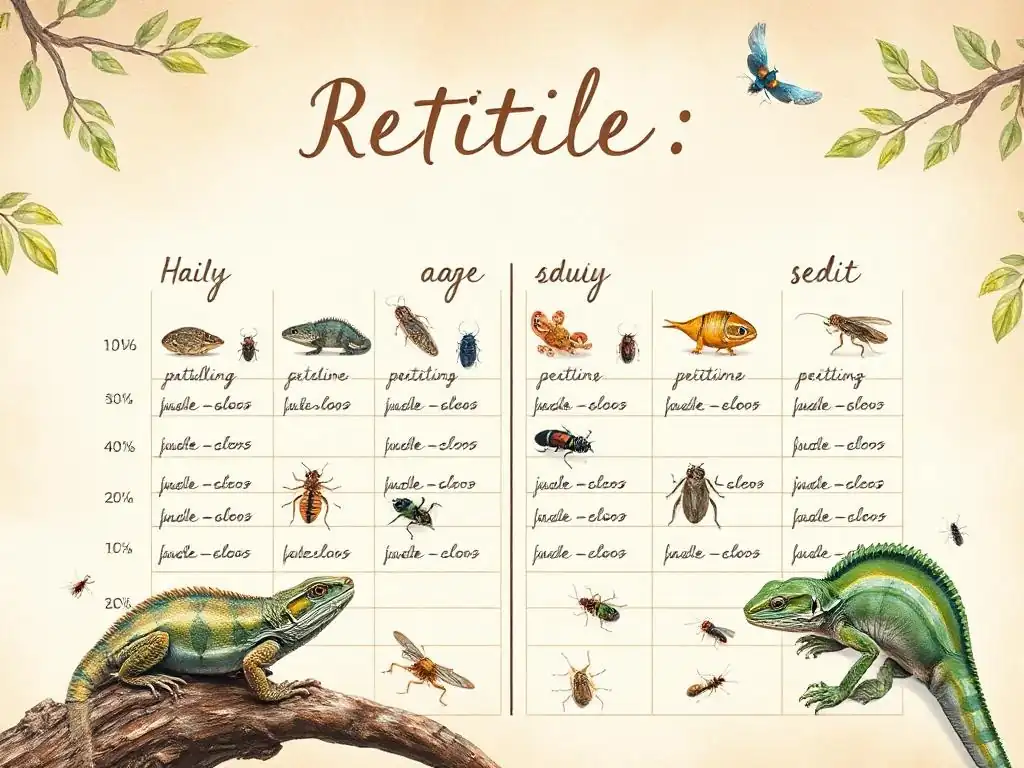
This section provides a detailed overview of reptile feeding frequency, categorized by life stage. Remember, these are guidelines; individual needs vary based on species, size, activity level, and overall health. Always consult a veterinarian specializing in reptiles for personalized advice. A well-structured reptile feeding schedule is crucial for their growth, development, and overall well-being. This chart helps you understand the nuances of reptile nutrition across different age groups, addressing the keyword "Reptile feeding chart by age" directly.
Baby Corn Snake Feeding Frequency: Species-Specific Considerations
Baby corn snakes ( Pantherophis guttatus) require frequent feeding to support their rapid growth. Their small size means they can't consume large meals. A common feeding schedule for a newly hatched corn snake involves feeding them appropriately sized pinky mice (newborn mice) every 3-4 days. As they grow, the size and frequency of feedings will adjust.
- Week 1-4: Pinky mice every 3-4 days. Observe for proper digestion and weight gain. A healthy baby corn snake will show consistent growth and active behavior.
- Week 5-8: Transition to fuzzy mice (mice with a little fur). Maintain a feeding frequency of 2-3 times per week.
- Week 9-12: Continue with fuzzy mice, potentially increasing to one fuzzy mouse every 2 days, depending on the snake's growth rate and appetite. Monitor for signs of obesity or insufficient growth.
Important Note: Overfeeding can lead to obesity and health problems in corn snakes. Always ensure the prey item is appropriately sized – no larger than the widest part of the snake's body.
Young Crested Gecko Feeding Schedule: Transitioning to Adult Diets
Young crested geckos ( Correlophus ciliatus) have different nutritional needs compared to adults. They require a higher proportion of insects in their diet to support growth. However, the transition to an adult diet needs careful management to prevent obesity.
The initial feeding schedule often involves feeding insects (crickets, roaches) daily, supplemented with a crested gecko diet (commercial powdered mixes). As they mature (around 6-8 months), the frequency of insect feeding can be reduced to 3-4 times a week, while maintaining a consistent supply of the crested gecko diet. The proportion of insect feeding may be adjusted based on the gecko's body condition.
| Age Range (Months) | Insect Feeding Frequency | Crested Gecko Diet |
|---|---|---|
| 0-3 | Daily | Once daily, small amount |
| 3-6 | Every other day | Once daily, small amount |
| 6-12 | 3-4 times per week | Once daily, adjust amount based on body condition |
| 12+ | 2-3 times per week | Once daily, adjust amount based on body condition |
Observing the gecko's weight and body condition is crucial. A healthy crested gecko will be alert, active, and have a slightly plump body, but not obese.
Adult Green Iguana Feeding Chart: Maintaining a Healthy Weight
Adult green iguanas ( Iguana iguana) are herbivores with specific dietary needs. Their feeding schedule should primarily consist of leafy greens, vegetables, and fruits. Overfeeding can lead to serious health problems, including obesity and metabolic bone disease.
A typical feeding schedule for an adult green iguana involves offering a variety of vegetables and greens daily. Fruits can be offered less frequently, perhaps 2-3 times a week, as a treat. The quantity of food offered should be adjusted based on the iguana's size and activity level. A healthy adult green iguana will maintain a consistent weight and have a sleek, muscular body. Avoid overfeeding, which can be detrimental to their health. Monitoring the iguana's weight and body condition regularly is vital for their long-term well-being. Consider consulting a reptile veterinarian for species-specific recommendations and guidance.
Remember, maintaining a healthy weight is crucial for adult green iguanas. Regular veterinary checkups are essential to ensure their well-being. 🦎
Geriatric Sulcata tortoises, generally considered those over 30 years old, 1 require a carefully adjusted diet to support their declining metabolism and potential age-related health issues. Their nutritional needs shift significantly as they age, demanding a more nuanced approach to feeding than their younger counterparts. Simply continuing the same diet from their adult years can lead to health problems.
One of the primary concerns in geriatric Sulcata tortoise care is maintaining a healthy weight. Older tortoises tend to become less active, leading to a decreased caloric need. Overfeeding can result in obesity, which puts significant stress on their organs and joints, exacerbating age-related arthritis and other conditions. Therefore, portion control becomes paramount. Instead of offering large quantities of food at once, consider smaller, more frequent meals throughout the day. This approach helps prevent overeating and ensures consistent nutrient intake.
The composition of the diet also needs modification. While adult Sulcatas thrive on a diet predominantly consisting of grasses and hay, geriatric tortoises might benefit from a slightly higher proportion of softer, more easily digestible greens. This could include dandelion greens, escarole, and romaine lettuce in moderation. However, it's crucial to remember that these should supplement, not replace, the fibrous base of their diet. Avoid high-calcium foods in large quantities as this can contribute to kidney issues, a common concern in older tortoises.
Furthermore, monitoring hydration is vital. Older tortoises may experience decreased thirst, leading to dehydration. Ensure consistent access to fresh water, ideally in a shallow, easily accessible dish. You might need to encourage drinking by gently misting their enclosure or offering water in a different presentation. Signs of dehydration can include sunken eyes and lethargy. If you observe these symptoms, consult a veterinarian specializing in reptiles immediately.
Finally, regular veterinary check-ups are essential for geriatric Sulcata tortoises. These visits allow for early detection of age-related illnesses and adjustments to the diet and care plan as needed. Your veterinarian can perform blood work to assess organ function and recommend specific dietary modifications based on your tortoise's individual health status. Remember, a proactive approach to their health can significantly extend their lifespan and improve their quality of life. The changes may seem small, but they can make a big difference in the well-being of your aging companion.
1 Age classifications for reptiles can vary depending on the species and individual factors. This is a general guideline.
Common Mistakes in Reptile Feeding and How to Avoid Them
This section addresses common pitfalls in reptile feeding, focusing on practical solutions and preventative measures. Understanding these mistakes is crucial for ensuring the health and longevity of your reptile companion. Proper nutrition is paramount, and even slight deviations from optimal feeding practices can have significant consequences. We'll explore specific examples, highlighting the signs of improper feeding and offering guidance on corrective actions. Remember, a properly tailored feeding schedule, based on species, age, and individual needs, is key to a thriving reptile. This is especially important when searching for a "Reptile feeding chart by age."
Overfeeding Ball Pythons: Recognizing the Signs and Prevention
Ball pythons, known for their docile nature and relatively manageable size, are popular reptile pets. However, overfeeding is a common problem. Their slow metabolism and tendency to overeat if given the opportunity can lead to serious health issues. Obesity in ball pythons manifests in several ways:
- Visible Abdominal Bloating: A noticeably swollen abdomen is a clear sign of overfeeding. The snake's body will appear distended and rounded, particularly in the midsection.
- Lethargy and Reduced Activity: An overweight ball python will exhibit less energy and be less inclined to explore its enclosure.
- Difficulty Shedding: Excess weight can impede the shedding process, leading to retained scutes (skin) and potential infections.
- Respiratory Problems: Obesity can restrict lung function, making breathing difficult and increasing the risk of respiratory infections.
Prevention: The key to preventing overfeeding is to follow a strict feeding schedule. Young ball pythons (under 1 year) should be fed once a week, while adults can be fed every 10-14 days. The size of the prey should also be carefully considered. The prey item should not be larger than the widest part of the snake's body. Observe your snake after feeding to ensure it has successfully consumed the prey. If it hasn't, remove the uneaten food. Regular weighing can help monitor weight gain and identify potential problems early. Always consult a reptile veterinarian for personalized advice.
Underfeeding Blue-Tongued Skinks: Identifying Malnutrition and Correction
Blue-tongued skinks are relatively hardy lizards, but underfeeding can lead to significant health problems. These skinks require a varied diet, and insufficient food intake can result in malnutrition, characterized by:
- Weight Loss and Emaciation: A noticeable decrease in body weight and a gaunt appearance are primary signs of underfeeding. The skink's bones may be more prominent.
- Lethargy and Weakness: A lack of energy and difficulty moving are indicators of malnutrition. They may become less responsive to stimuli.
- Poor Shedding: Similar to ball pythons, underfed blue-tongued skinks may experience problems shedding their skin.
- Metabolic Bone Disease (MBD): Severe underfeeding, especially if combined with inadequate calcium and vitamin D3 supplementation, can lead to MBD, a debilitating bone disease.
Correction: If you suspect your blue-tongued skink is underfed, consult a veterinarian immediately. They can assess the severity of the malnutrition and recommend a course of action. A gradual increase in feeding frequency and portion size, combined with a diet rich in insects, leafy greens, and commercially available reptile food, is usually necessary. Supplementing with calcium and vitamin D3 is essential to prevent MBD. Ensure the skink has access to a warm basking spot to aid digestion and calcium absorption. Regular monitoring of weight and overall health is crucial for preventing future problems.
Inconsistent Feeding Schedules: The Negative Impact on Reptile Health
Irregular feeding schedules can negatively impact a reptile's health and well-being in numerous ways. Consistency is crucial for maintaining proper digestion, metabolism, and overall physiological balance. Inconsistent feeding can lead to:
- Stress and Anxiety: Reptiles can become stressed and anxious if they don't have a predictable feeding schedule. This can manifest in behavioral changes, such as increased aggression or hiding behavior.
- Digestive Issues: Irregular feeding can disrupt the digestive system, leading to problems like constipation or diarrhea. The reptile's body may struggle to adapt to fluctuating nutrient intake.
- Weakened Immune System: Chronic stress and nutritional inconsistencies can weaken the immune system, making the reptile more susceptible to illness.
- Growth Problems (in juveniles): Young reptiles require consistent nutrition for proper growth and development. Irregular feeding can stunt growth and lead to long-term health problems.
Maintaining Consistency: Establish a regular feeding schedule based on your reptile's species and age. Stick to this schedule as closely as possible, avoiding missed feedings unless there's a valid reason (e.g., shedding). Keep accurate feeding records to help maintain consistency and track your reptile's growth and health. This diligent approach is especially helpful when creating a personalized "Reptile feeding chart by age." Regular veterinary checkups can also help identify and address any potential problems resulting from inconsistent feeding. Remember, a predictable routine provides security and promotes optimal health for your reptile companion.
Species-Specific Reptile Feeding Guides
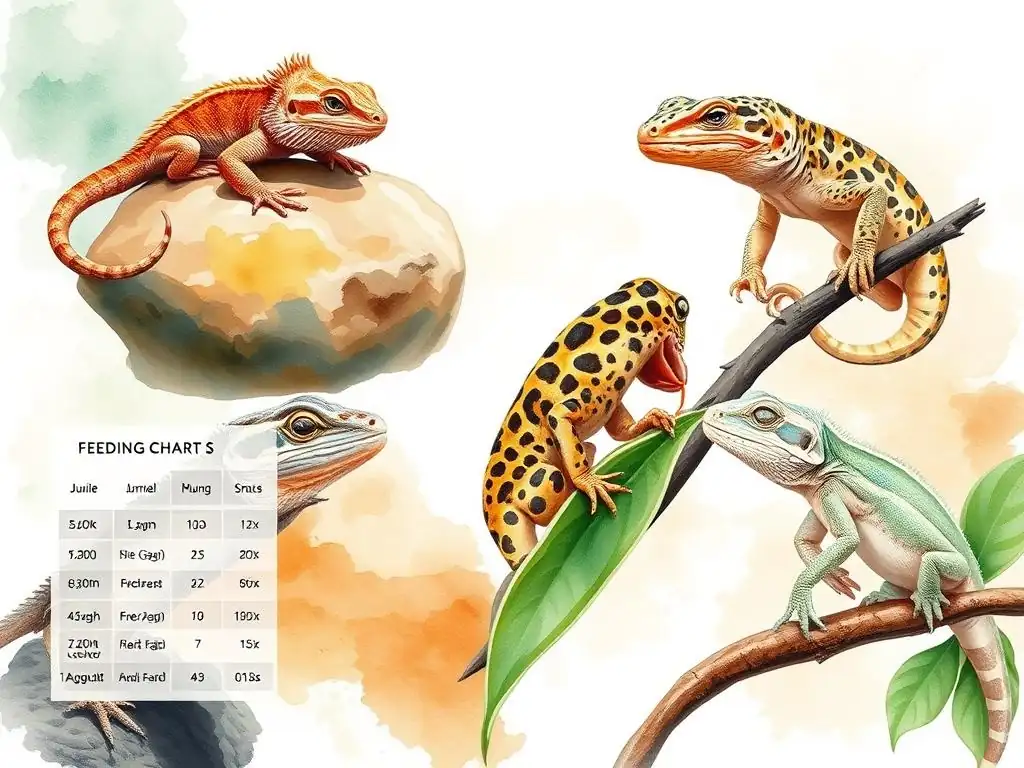
This section delves into the specific dietary needs and feeding schedules for popular reptile pets, offering a more granular approach to understanding the "Reptile feeding chart by age" concept. Remember, these are guidelines, and individual reptile needs may vary based on factors like size, activity level, and overall health. Always consult with a veterinarian specializing in reptiles for personalized advice.
Bearded Dragon Feeding Schedule and Nutritional Needs
Bearded dragons, Pogona vitticeps, are popular pets known for their docile nature and relatively easy care. However, proper nutrition is crucial for their growth and well-being. Their feeding frequency dramatically changes throughout their life stages.
Young bearded dragons (under 6 months) require frequent feeding, typically 3-4 times daily. Their diet should consist primarily of insects, such as crickets, dubia roaches, and mealworms. A variety of insects ensures a balanced nutritional intake. Supplementing these insects with calcium and vitamin D3 powder is essential, particularly for growing dragons. This helps prevent metabolic bone disease (MBD), a common ailment in reptiles with improper calcium intake.
As bearded dragons mature (6-12 months), the feeding frequency can be reduced to twice daily. You can gradually introduce small amounts of leafy greens, such as collard greens, mustard greens, and dandelion greens, to supplement their insect-based diet. The ratio should be approximately 80% insects, 20% vegetables at this age.
Adult bearded dragons (over 12 months) should be fed once or twice a day, depending on their size and activity level. The proportion of vegetables can be increased to 50%, while maintaining a good balance of insects. Always ensure fresh water is available.
Here's a summarized table for easy reference:
| Age Group | Feeding Frequency | Diet Composition | Supplements |
|---|---|---|---|
| Young (<6 months) | 3-4 times daily | Primarily insects (crickets, roaches, mealworms) | Calcium & Vitamin D3 powder |
| Juvenile (6-12 months) | 2 times daily | 80% Insects, 20% Leafy Greens | Calcium & Vitamin D3 powder (less frequent) |
| Adult (>12 months) | 1-2 times daily | 50% Insects, 50% Leafy Greens | Calcium & Vitamin D3 powder (occasional) |
Remember to monitor your bearded dragon's weight and adjust the feeding schedule accordingly. Overfeeding can lead to obesity, while underfeeding can result in nutritional deficiencies. A healthy, thriving bearded dragon is an active and alert reptile.
Leopard Gecko Feeding Guide and Dietary Requirements
Leopard geckos, Eublepharis macularius, are nocturnal lizards that have gained popularity as pets due to their relatively low maintenance requirements. Their dietary needs, however, must be carefully managed for optimal health.
Unlike bearded dragons, leopard geckos are insectivores throughout their lives. Their diet should consist primarily of appropriately sized insects, such as crickets, mealworms, and waxworms (in moderation, as they are high in fat). Young leopard geckos (under 6 months) should be fed small insects daily, or every other day. The number of insects should be adjusted based on the gecko's size and appetite. Adult leopard geckos can be fed every other day, or even every two days, depending on their size and activity level. Overfeeding is a common problem with leopard geckos, leading to obesity and related health issues.
Important Note on Gut Loading:
Gut loading insects with nutritious foods before feeding them to your leopard gecko is crucial. This ensures that your gecko is receiving the necessary nutrients from the insects they consume. Gut-loaded insects are more nutritious and provide better overall health for your pet.
Supplementing the insects with calcium and vitamin D3 powder is recommended, especially for young geckos. However, excessive supplementation can be harmful. A balanced approach is key. Always ensure clean, fresh water is readily available. Observe your gecko's weight and adjust feeding accordingly. A healthy leopard gecko will be active, have bright eyes, and a healthy appetite.
Crested Gecko Feeding Chart and Nutritional Considerations
Crested geckos, Correlophus ciliatus, are unique among geckos due to their ability to thrive on a commercially available powdered diet. While insects can supplement their diet, the crested gecko diet is predominantly a commercially produced complete and balanced diet.
Young Crested Geckos (under 6 months): Should be fed daily or every other day with a mixture of the commercially available powdered diet and small insects, such as pinhead crickets. Aim for a small amount of food that is consumed within 30 minutes to avoid waste and potential bacterial growth.
Adult Crested Geckos (over 6 months): Can be fed every other day or even every 2-3 days, depending on their size and body condition. The amount of powdered diet should be adjusted based on their weight and activity level. Again, monitor for waste and adjust portions accordingly.
The powdered diet should be mixed with water to create a paste-like consistency. This ensures that the gecko can easily consume it. Always provide clean, fresh water. While insects are not strictly necessary, occasional small insects can provide variety and enrichment.
Monitoring weight and body condition is key to maintaining a healthy crested gecko. A healthy crested gecko will have a plump tail and be active. Remember, consistency in feeding and observation are crucial for ensuring the long-term health and happiness of your crested gecko. It's important to note that overfeeding can lead to obesity, while underfeeding can result in nutritional deficiencies. A balanced approach, tailored to the individual gecko, is essential.
Supplementing Your Reptile's Diet: Essential Vitamins and Minerals
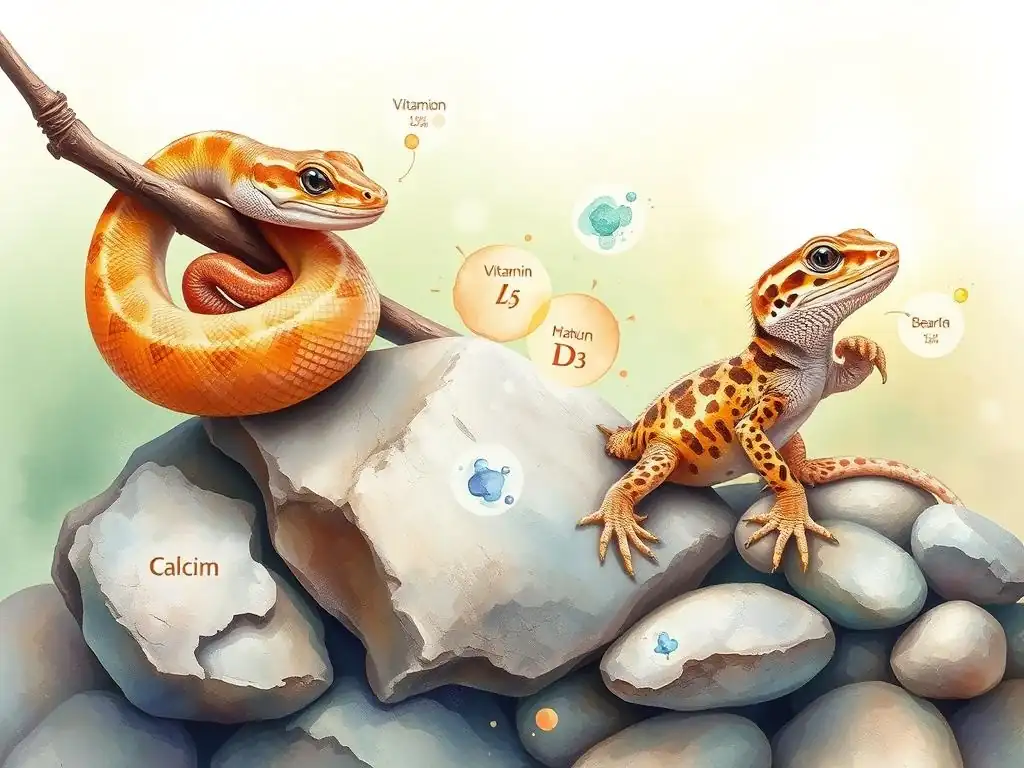
Reptiles, unlike mammals, cannot synthesize all the vitamins and minerals they need. A balanced diet is crucial, but even the most carefully planned diet may lack essential nutrients. Supplementing your reptile's food is often necessary to prevent deficiencies and ensure optimal health.
This section will delve into the importance of supplementation, focusing on identifying potential deficiencies and selecting appropriate supplements. Understanding your reptile's specific needs, based on species and age, is paramount in creating a successful supplementation plan. This is especially important when considering a "Reptile feeding chart by age," as nutritional needs change dramatically throughout a reptile's life cycle.
Vitamin and Mineral Deficiencies in Reptiles: Identification and Treatment
Vitamin and mineral deficiencies in reptiles can manifest in various ways, often subtly at first. Early detection is key to successful treatment. Some common signs include:
- Metabolic Bone Disease (MBD): A common condition resulting from calcium and vitamin D3 deficiency. Symptoms include skeletal deformities, weakness, lethargy, and difficulty shedding. Severe cases can be fatal. Treatment involves correcting the dietary deficiencies and providing appropriate supplements, often under veterinary supervision.
- Vitamin A Deficiency: Can lead to respiratory infections, eye problems (including cloudy eyes and blindness), and skin issues. Reptiles with vitamin A deficiency may also exhibit a reduced appetite and overall lethargy. Treatment focuses on dietary adjustments and supplementation with vitamin A.
- Calcium Deficiency: Beyond MBD, calcium deficiency can lead to muscle weakness, tremors, and difficulty moving. This is particularly crucial in growing reptiles and pregnant females. Treatment involves increasing dietary calcium and supplementing with calcium supplements.
- Vitamin D3 Deficiency: Essential for calcium absorption, a deficiency leads to similar symptoms as calcium deficiency. Exposure to UVB lighting is crucial for the synthesis of vitamin D3 in many reptiles. Therefore, ensuring adequate UVB is as vital as dietary supplementation.
The severity of the deficiency and the species of reptile will influence treatment duration and intensity. It's crucial to consult with a veterinarian specializing in reptiles (a herpetologist) for diagnosis and treatment. They can perform blood tests to assess nutrient levels and provide personalized recommendations. Self-treating can be dangerous and may delay appropriate care. Remember, a comprehensive "Reptile feeding chart by age" should always include considerations for appropriate supplementation.
Choosing the Right Supplements for Your Reptile: A Buyer's Guide
Selecting the appropriate supplements requires careful consideration of your reptile's specific needs. The market offers a wide range of products, making it crucial to choose wisely.
| Supplement Type | Key Considerations | Potential Brands (Note: This is NOT an endorsement) |
|---|---|---|
| Calcium Supplements | Calcium:phosphorus ratio (ideally 2:1), form (powder, liquid) | [Brand Name Placeholder 1], [Brand Name Placeholder 2] |
| Vitamin D3 Supplements | Dosage, form, combination with other vitamins | [Brand Name Placeholder 3], [Brand Name Placeholder 4] |
| Multivitamin Supplements | Ingredients, dosage, suitability for species | [Brand Name Placeholder 5], [Brand Name Placeholder 6] |
Always read the label carefully. Pay close attention to the ingredients, dosage instructions, and species suitability. Avoid supplements with unnecessary fillers or additives. Some supplements are dustable, meaning they can be sprinkled directly onto food, while others are liquid and can be added to water. The best approach depends on your reptile's feeding habits and preferences.
Choosing the right supplement is a critical aspect of responsible reptile ownership. A well-designed "Reptile feeding chart by age" should not only detail food quantities but also incorporate a detailed supplementation schedule. Remember that proper supplementation, combined with a balanced diet and appropriate environmental conditions, ensures the longevity and well-being of your reptile companion. 🦎
Monitoring Your Reptile's Health: Signs of Nutritional Problems
Regular monitoring of your reptile's health is crucial for ensuring its well-being and longevity. A reptile's dietary needs change throughout its life, and improper feeding can lead to significant health problems. Understanding the signs of nutritional deficiencies or excesses is paramount to providing optimal care and preventing serious complications. This section focuses on identifying key indicators of dietary issues in your reptile companion. Early detection and intervention are key to successful treatment and preventing long-term health problems. Remember, consistent observation is the best way to proactively address potential issues and maintain your reptile's vibrant health.
Weight Monitoring: A Crucial Aspect of Reptile Health Management
Regular weighing is perhaps the most objective way to assess your reptile's nutritional status. A consistent, slightly upward trending weight curve generally indicates a healthy diet and appropriate feeding schedule. Conversely, significant weight loss or failure to gain weight, especially in growing reptiles, can signal a serious problem. To accurately monitor weight, you'll need a gram scale, preferably one designed for small animals. Weigh your reptile at least once a month, ideally on the same day and at the same time to minimize variations.
Keep a detailed record of your reptile's weight over time. This will help you identify trends and spot any deviations from the norm. For example, a sudden drop in weight might indicate illness, parasite infestation, or an inadequate diet. Conversely, excessive weight gain may suggest overfeeding.
Consult a reptile veterinarian if you notice significant weight fluctuations or if your reptile is failing to gain weight as expected, particularly during its growth phase. Remember to always handle your reptile gently and carefully to avoid stressing it during the weighing process. This simple, regular practice is a cornerstone of responsible reptile ownership.
Behavioral Changes: Indicators of Dietary Issues
Beyond weight, behavioral changes can subtly indicate dietary problems. Lethargy, reduced activity levels, and a lack of interest in their usual environment are all potential warning signs. A healthy reptile will generally exhibit a certain level of curiosity and activity. A significant shift from this baseline can signify underlying issues, including nutritional deficiencies. Furthermore, changes in basking behavior, such as spending significantly less or more time under their heat lamps, can also be indicative of a problem.
Anorexia, or a complete loss of appetite, is a serious red flag and warrants immediate veterinary attention. This could be due to various factors, including underlying illness, parasitic infections, or an unsuitable diet. Changes in defecation patterns, such as increased or decreased frequency or changes in stool consistency, can also be a sign of digestive issues related to diet. Observe your reptile carefully and note any unusual behaviors. If you suspect a dietary-related behavioral change, consult a reptile veterinarian to rule out other potential causes and receive appropriate guidance. Early intervention can be crucial in preventing further complications.
Physical Signs of Malnutrition or Overfeeding in Reptiles
Visible physical signs can also indicate dietary problems. Malnutrition can lead to a variety of symptoms, including:
- Bone deformities: Especially prevalent in growing reptiles, these can manifest as weakened bones, crooked limbs, or a soft, pliable shell (in turtles and tortoises). This often points to calcium or vitamin D3 deficiencies.
- Skin and scale issues: Dry, dull skin, shedding problems, or discoloration can suggest nutritional imbalances.
- Muscle wasting: A noticeable decrease in muscle mass can be a sign of severe malnutrition.
- Metabolic bone disease (MBD): This serious condition results from a severe calcium and/or vitamin D3 deficiency, leading to skeletal deformities, weakness, and paralysis.
Conversely, overfeeding can also lead to noticeable problems such as:
- Obesity: Excessive weight gain can strain the reptile's organs and lead to a reduced lifespan.
- Liver disease: Fat accumulation in the liver can cause serious health problems.
- Kidney problems: Overfeeding can place excessive strain on the kidneys.
Regular visual inspections of your reptile, paying close attention to its skin, scales, and overall body condition, are essential for early detection of these issues. If you observe any of these signs, promptly consult a qualified reptile veterinarian for diagnosis and treatment. Remember, prevention is always better than cure. Providing a balanced diet that meets your reptile's specific needs throughout its life stages is the best way to prevent these problems. A reptile feeding chart by age can be a valuable resource, but professional veterinary advice should always supplement such guides.
Creating a Successful Reptile Feeding Plan
Developing a comprehensive reptile feeding plan is crucial for your pet's health and longevity. A successful plan considers several key factors beyond simply providing food. It's about understanding your specific reptile's needs, based on its species, age, size, and overall health. Ignoring these factors can lead to malnutrition, obesity, or even metabolic bone disease (MBD), a serious condition in reptiles. This section will guide you through creating a tailored plan that ensures your reptile thrives. Remember, a "reptile feeding chart by age" is a useful guideline, but individual needs can vary.
Developing a Customized Feeding Schedule for Your Reptile
A customized feeding schedule is paramount. Young, growing reptiles require more frequent feeding than adults. For example, juvenile leopard geckos may need to eat daily, while adults can thrive on every other day or even less frequent feeding. The frequency also depends on the type of food. Insects, a staple for many reptiles, should be offered in appropriate quantities to avoid overfeeding. Larger prey items, like pinky mice for snakes, should be offered less frequently.
Consider the following factors when creating your reptile's feeding schedule:
- Species: Different reptile species have different dietary needs and metabolic rates. A bearded dragon's feeding schedule will differ significantly from that of a corn snake.
- Age: Young reptiles need more frequent and higher-calorie meals to support rapid growth. As they mature, their feeding frequency will decrease.
- Size: Larger reptiles generally require larger meals, but not necessarily more frequently.
- Activity Level: More active reptiles may require slightly more food than less active ones.
- Health: Consult a veterinarian if you notice any changes in your reptile's appetite, weight, or behavior. This could indicate an underlying health issue.
Remember to weigh your reptile regularly to monitor growth and adjust the feeding schedule accordingly. Keep detailed records of feeding dates, food types, and quantities to track your reptile's progress and identify any potential issues early on. This detailed approach will help you create the optimal "reptile feeding chart by age" for your reptile.
Maintaining a Clean and Sanitary Feeding Environment
Maintaining a clean feeding environment is vital to prevent bacterial growth and the risk of your reptile contracting illnesses. Cleanliness is crucial for preventing the spread of parasites and other pathogens. Always remove uneaten food immediately after feeding. This is especially important for live insects, which can contaminate the enclosure if left to die and decompose.
Here are some essential hygiene practices:
- Clean Dishes Daily: Wash and disinfect food and water dishes daily using reptile-safe disinfectant.
- Spot Clean Regularly: Remove fecal matter and any other waste from the enclosure regularly.
- Complete Enclosure Cleaning: Perform a thorough cleaning and disinfection of the entire enclosure at least once a month, or more frequently as needed.
- Use Appropriate Substrates: Choose a substrate that is easy to clean and does not harbor bacteria. Paper towels are a good option, especially for younger reptiles.
- Proper Ventilation: Ensure adequate ventilation to prevent the buildup of ammonia and other harmful gases.
Storing Reptile Food Properly: Preventing Spoilage and Contamination
Proper storage of reptile food is essential to maintain its nutritional value and prevent spoilage and contamination. Improper storage can lead to bacterial growth, making the food unsafe for your reptile and potentially causing illness. This is especially true for live insects and other perishable foods.
Here's a guide to proper food storage:
- Live Insects: Store live insects in a well-ventilated container with a suitable substrate (such as paper towels) and provide them with food and water. Avoid overcrowding. Discard any dead or dying insects immediately.
- Frozen Foods: Store frozen foods at the appropriate temperature (-18°C or 0°F) to prevent spoilage and maintain nutritional value. Thaw frozen food properly before feeding, following the manufacturer's instructions. Never refreeze thawed food.
- Dry Foods: Store dry foods in airtight containers in a cool, dry place to prevent moisture absorption and spoilage. Check for signs of infestation or spoilage before feeding.
Regularly inspect stored food for signs of spoilage, such as mold, discoloration, or unpleasant odor. Discard any food that shows signs of spoilage. Following these guidelines will ensure that your reptile receives the best possible nutrition and reduces the risk of illness. Remember, a healthy reptile is a happy reptile!
Frequently Asked Questions
How often should I feed my baby reptile?
Baby reptiles require frequent feeding, often daily or every other day, depending on the species. Their rapid growth necessitates a high intake of nutrients. Refer to a species-specific feeding chart for precise guidance.
What about adult reptiles? How often do they need to eat?
Adult reptiles generally need to be fed less frequently than juveniles. The frequency varies greatly depending on species, size, and activity level; some may only need feeding once or twice a week. Always monitor their weight and body condition.
My reptile isn't eating. Should I be worried?
A sudden loss of appetite can indicate underlying health issues. Consult a veterinarian specializing in reptiles immediately. There could be several reasons for this, including illness or improper husbandry.
What types of food are best for reptiles at different ages?
The type of food depends heavily on the specific reptile species. Younger reptiles may require insect-based diets rich in protein, while adults might need a more varied diet that includes plants, insects, or other prey items appropriate for their species. Always research your specific reptile's dietary needs.
Where can I find a detailed reptile feeding chart by age and species?
PetCareWorld offers species-specific guides and resources, but consulting a herpetologist or reptile veterinarian is crucial for accurate feeding recommendations. Generic charts are available online, but professional advice is always best to ensure your reptile's health and well-being.
Final Reflection: The Ever-Evolving Appetite of Our Scaly Companions
Understanding the nutritional needs of reptiles throughout their life cycle is not merely a matter of convenience; it's the cornerstone of responsible reptile ownership and ensuring their long-term health and well-being. A seemingly simple act like feeding can drastically impact a reptile's growth, immunity, and overall quality of life. Getting it wrong can have devastating consequences.
The journey of learning about appropriate reptile feeding schedules has been a profound one for me. It's highlighted the intricate relationship between species, age, and dietary requirements, reminding me that these seemingly simple creatures are far more complex than we often assume. The greatest danger for most of us is not that our aim is too high and we miss it, but that it is too low and we reach it.
- Michelangelo. This quote resonates deeply because responsible reptile care demands a commitment to continuous learning and adaptation, constantly striving for the best possible outcome for our scaly friends.
Now, armed with this knowledge, I urge you to take a moment to reflect on your own reptile care practices. Do you understand the specific needs of your reptile based on its age and species? Are you providing a balanced diet that supports its growth and health? If not, I encourage you to revisit the information in this article and make the necessary adjustments. Remember, every correctly-fed meal contributes to a longer, healthier, and happier life for your reptile companion. Let's work together to ensure the well-being of these fascinating creatures, one carefully planned feeding at a time.
Unlock Your Reptile's Full Potential: Feeding Mastery Awaits!
Thanks for exploring the world of reptile feeding! We hope you feel more confident understanding your scaly companion's nutritional needs throughout its life. Ready to put your knowledge into practice?
- Craft the Perfect Feeding Schedule: Adjust your reptile's diet to its age and species for optimal growth and health. This is crucial!
- Share Your Success (or Questions!): Join our PetCareWorld community and share your reptile's feeding journey. We love seeing photos of thriving reptiles and answering your questions!
- Explore Advanced Nutrition: Delve deeper into reptile nutrition by researching species-specific diets and supplements.
What feeding strategies have you found most effective for your reptile? Let's discuss!