
Success Stories: Inspiring Tales of Cats Who Triumphed Over Obesity


Welcome to PetCareWorld, your ultimate guide to a happier, healthier life for your beloved pets! Are you struggling with a furry friend who's carrying a little extra weight? Then prepare to be inspired! We're showcasing amazing Overcome cat obesity success stories – real-life tales of feline friends who conquered obesity and found their way back to a vibrant, playful life. Discover the secrets to their success and find the motivation you need to help your cat achieve their ideal weight. Dive in and explore the transformative journeys that await!
- Overcoming Cat Obesity: Success Stories and Inspiring Transformations
- Understanding Feline Obesity: Recognizing the Signs and Challenges
- Strategies for Successful Cat Weight Management: Expert Tips and Advice
- Maintaining a Healthy Weight: Long-Term Strategies for Success
- Inspiring Your Own Cat's Weight Loss Journey: A Call to Action
- Frequently Asked Questions
- Final Reflection: The Purrfect Triumph Over Adversity
- Unleash Your Cat's Inner Champion: A Journey to a Healthier Life!
Overcoming Cat Obesity: Success Stories and Inspiring Transformations
Obesity in cats is a serious health concern, often leading to a range of debilitating conditions such as diabetes, arthritis, and heart disease. But with the right approach, feline obesity is entirely manageable, and many cats have successfully shed those extra pounds and transformed into healthier, happier versions of themselves. This article showcases inspiring success stories of cats who triumphed over obesity, demonstrating that with dedication, patience, and a tailored weight loss plan, a healthier future is achievable for overweight felines.
We'll explore the journeys of several cats, highlighting the strategies employed and the remarkable results achieved, offering hope and guidance to pet owners facing similar challenges. These real-life examples illustrate the power of proactive pet care and the profound impact it can have on a cat's overall well-being. Learn from these inspiring tales and discover how you can help your overweight cat achieve a healthier weight and a longer, more fulfilling life.
Let's delve into these heartwarming stories of feline resilience and triumph over obesity. 😻
Mittens: From Chubby to Cheerful – A Journey to a Healthier Weight
Mittens, a 5-year-old Persian, arrived at her new home already carrying extra weight. Her previous owners hadn't paid much attention to her diet, leading to a significant weight gain. Her new owner, Sarah, noticed Mittens struggled with simple activities like jumping onto furniture and showed signs of lethargy. Sarah knew she needed to intervene.
She started by gradually reducing Mittens' food intake, replacing high-calorie treats with healthier alternatives like small pieces of cooked chicken or steamed green beans. Crucially, Sarah also increased Mittens' activity levels with interactive play sessions using feather wands and puzzle feeders. These encouraged Mittens to move more and engage her mind. Regular veterinary check-ups monitored Mittens' progress, ensuring the weight loss was healthy and safe.
Within six months, Mittens had lost a significant amount of weight, regaining her energy and playful spirit. Her transformation is a testament to the positive impact of consistent effort and a holistic approach to feline weight management. The change in Mittens' demeanor was remarkable; she was no longer lethargic but playful and full of life. This success story highlights how even seemingly small changes in diet and lifestyle can yield significant, positive results.
Whiskers: Battling Feline Obesity: A Story of Perseverance and Patience
Whiskers' journey to a healthier weight was a longer and more challenging one. A senior cat with a history of overeating, Whiskers required a more gradual and carefully managed weight loss plan. His owner, John, worked closely with his veterinarian to develop a customized diet plan that addressed Whiskers' specific needs and age. This involved a slow reduction in caloric intake, combined with a prescription diet formulated for weight management.
John also implemented a structured feeding schedule to prevent overeating and incorporated regular exercise into Whiskers' routine, albeit at a pace suitable for his age and physical condition. This involved short, frequent play sessions using interactive toys and puzzle feeders. The journey was not without setbacks; there were times when Whiskers' weight loss plateaued.
However, John's perseverance and patience, coupled with the veterinarian's guidance, eventually led to a significant reduction in Whiskers' weight and a marked improvement in his overall health. Whiskers' story emphasizes the importance of patience, consistency, and professional veterinary support in managing feline obesity, particularly in senior cats. It is a testament to the power of long-term commitment and the remarkable resilience of senior cats.
Clementine: Weight Loss Success: How Clementine Achieved Her Ideal Weight
Clementine's case highlights the importance of early intervention in managing feline obesity. Her owner, Emily, noticed Clementine's weight gain early on and immediately sought veterinary advice. The vet confirmed Clementine was overweight and recommended a combination of dietary changes and increased physical activity. Emily meticulously followed the vet's recommendations, gradually reducing Clementine's food intake and replacing high-calorie treats with healthier alternatives. She also incorporated regular playtime into Clementine's routine, using interactive toys to stimulate her physical activity.
Emily's proactive approach prevented Clementine's weight from escalating into a serious health issue. Clementine's story underscores the importance of early detection and intervention in preventing and managing feline obesity. By acting promptly and consistently, Emily ensured Clementine maintained a healthy weight throughout her life, minimizing the risk of developing obesity-related health problems. This success story emphasizes the profound impact of early intervention and diligent adherence to a veterinarian-recommended weight management plan.
Understanding Feline Obesity: Recognizing the Signs and Challenges
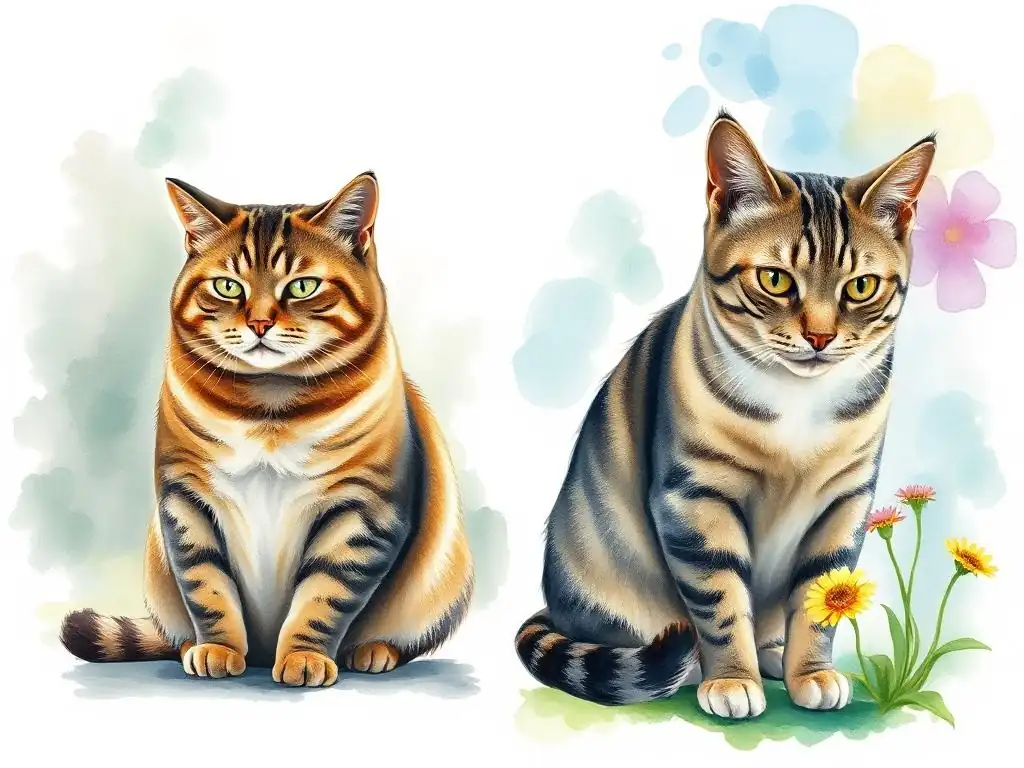
Obesity in cats is a significant concern, impacting their quality of life and longevity. Successfully overcoming cat obesity requires a multifaceted approach, starting with accurate identification and understanding of the problem. Many cat owners unintentionally contribute to their feline companion's weight gain, often unaware of the subtle signs. Early detection is crucial for successful intervention and preventing serious health complications.
Identifying the Causes of Weight Gain in Cats
Several factors contribute to feline obesity. It's rarely a single cause, but rather a combination of dietary indiscretions, lack of exercise, and underlying medical conditions. Let's delve into these key contributors:
- Overfeeding: This is perhaps the most common culprit. Many owners overestimate the appropriate food portions for their cats, leading to a consistent caloric surplus. Free-feeding (leaving food out all day) also contributes significantly to weight gain, as cats can graze whenever they want, regardless of their actual hunger. The use of treats, often high in calories and given liberally, further exacerbates the issue.
- Lack of Exercise: Indoor cats, especially those with limited access to outdoor play, are particularly prone to obesity. A sedentary lifestyle, devoid of sufficient physical activity, leads to a decrease in energy expenditure, making it easier to accumulate excess weight. Even seemingly active cats might not burn enough calories to offset a high-calorie diet.
- Underlying Medical Conditions: Certain medical conditions can contribute to weight gain. Hypothyroidism, for instance, can slow down metabolism, leading to weight increase. Other hormonal imbalances or diseases can also play a significant role. A veterinary checkup is essential to rule out any underlying health issues.
- Genetic Predisposition: While not always the primary cause, certain breeds may have a genetic predisposition to obesity. This doesn't excuse neglecting proper diet and exercise, but it highlights the importance of tailored weight management strategies based on breed-specific characteristics.
Understanding these causes is the first step towards crafting an effective weight loss plan for your obese cat. A veterinarian can provide personalized guidance based on your cat's individual needs and health profile. Remember, a successful weight loss journey starts with accurate diagnosis and a holistic approach.
The Dangers of Obesity in Cats: Health Risks and Complications
Obesity in cats is not merely an aesthetic issue; it significantly increases the risk of numerous serious health problems, dramatically reducing their lifespan and quality of life. These health risks underscore the critical need for proactive weight management.
The consequences of obesity can be severe:
- Diabetes Mellitus: Obesity is a major risk factor for feline diabetes, a chronic condition requiring lifelong management. Diabetes can lead to various complications, including blindness, kidney failure, and even death.
- Hypertension (High Blood Pressure): Excess weight strains the cardiovascular system, increasing the risk of high blood pressure. Untreated hypertension can damage vital organs, leading to heart disease and stroke.
- Hepatic Lipidosis (Fatty Liver Disease): This serious condition occurs when excessive fat accumulates in the liver, potentially leading to liver failure. It's a common and often life-threatening complication of obesity in cats.
- Arthritis and Joint Problems: Carrying excess weight puts extra stress on joints, accelerating the onset and severity of arthritis. This can lead to pain, reduced mobility, and decreased quality of life.
- Respiratory Problems: Obese cats may experience difficulty breathing due to the added pressure on their lungs and respiratory system.
- Urinary Tract Infections (UTIs): Obesity can contribute to UTIs, as excess weight can strain the urinary tract and compromise its function.
- Reduced Life Expectancy: Studies consistently demonstrate a significant correlation between obesity and reduced lifespan in cats. Maintaining a healthy weight is crucial for extending your cat's life and ensuring a happy, active life.
Addressing feline obesity is not just about aesthetics; it's about preventing these serious health risks and ensuring your cat enjoys a long and healthy life. Early intervention and consistent effort are key to success. Remember to consult your veterinarian for personalized advice and support throughout the weight loss journey. 😻
Strategies for Successful Cat Weight Management: Expert Tips and Advice
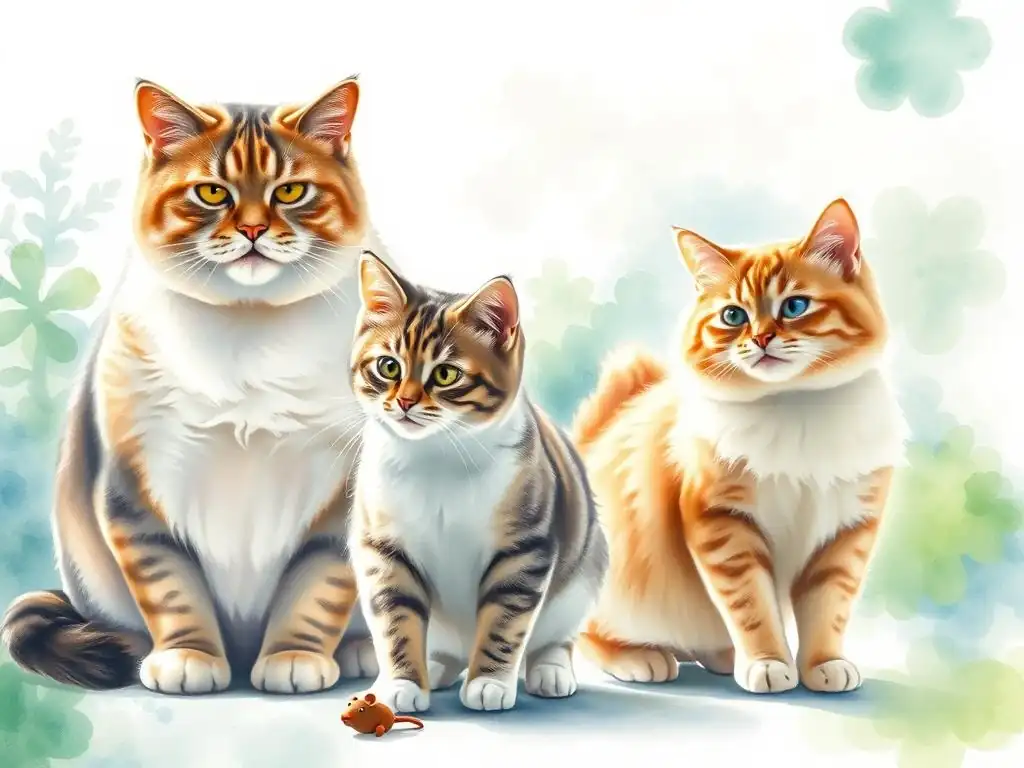
This section focuses on the practical strategies crucial for helping your feline friend overcome obesity. Successfully managing a cat's weight requires a multifaceted approach, encompassing careful planning, consistent effort, and a deep understanding of your cat's individual needs. Remember, every cat is unique, and what works for one may not work for another.
Patience and perseverance are key elements in achieving lasting success in cat weight management. We'll explore several vital strategies, providing you with the tools and knowledge necessary to guide your obese cat towards a healthier weight. The journey to a healthier weight for your cat involves commitment and understanding; with the right approach, you can help your feline companion live a longer, happier, and healthier life.
Developing a Personalized Weight Loss Plan for Your Cat
Creating a personalized weight loss plan is paramount to success. This isn't a one-size-fits-all situation; factors like your cat's age, breed, underlying health conditions, and current weight significantly influence the plan's design. Before initiating any weight loss program, consult your veterinarian. They can perform a thorough examination, identify any potential health issues contributing to obesity, and help determine a safe and effective weight loss goal. A healthy weight loss rate for cats is generally considered to be 1-2% of their body weight per week. Rushing the process can be detrimental to your cat's health.
A successful plan will include:
- Determining Baseline Weight and Body Condition Score (BCS): Your vet will assess your cat's current weight and BCS, a standardized measure of body fat. This provides a starting point to track progress.
- Setting Realistic Goals: Aim for gradual weight loss. Rapid weight loss can be unhealthy. Work with your vet to establish a safe and achievable weekly weight loss target.
- Monitoring Food Intake and Calorie Counting: Precisely measuring food portions is vital. Use a kitchen scale to ensure accuracy. Your vet or a veterinary nutritionist can help calculate your cat's daily caloric needs for healthy weight loss.
- Regular Weigh-ins: Weekly weigh-ins are recommended to monitor progress and make necessary adjustments to the plan. Keep a detailed record of your cat's weight and any changes in their diet or activity level.
- Tracking Progress and Making Adjustments: Regularly review your cat's progress. If weight loss is too slow or too rapid, consult your vet to make adjustments to the plan.
Dietary Changes for Obese Cats: Choosing the Right Food
Diet plays a crucial role in managing feline obesity. Simply reducing the amount of your cat's current food may not be sufficient; a change in type of food is often necessary. Switching to a weight-management formula designed for obese cats is often the first step. These diets are typically lower in calories and fat, and higher in fiber, which helps promote satiety and healthy digestion.
Consider these factors when choosing food:
- Calorie Density: Opt for foods with lower calorie density to reduce overall caloric intake.
- Protein Content: Maintain adequate protein levels to preserve muscle mass during weight loss.
- Fiber Content: Higher fiber content helps increase satiety and improve digestion.
- Fat Content: Reduce fat content to lower overall caloric intake.
- Ingredient Quality: Choose high-quality ingredients to ensure your cat receives essential nutrients.
Remember, always consult your veterinarian before making significant changes to your cat's diet. They can recommend specific brands and types of food that are appropriate for your cat's individual needs and health status. Sudden dietary changes can upset your cat's digestive system, so transition gradually to minimize any potential issues.
Increasing Physical Activity for Your Overweight Cat: Playtime and Exercise
While diet is crucial, increasing physical activity is equally important for successful weight management. Cats, despite their reputation for lounging, need regular exercise to burn calories and maintain muscle tone. However, it's essential to tailor the exercise to your cat's individual preferences and physical capabilities. Forcing an overweight cat into strenuous activity can be harmful.
Here are some ways to encourage increased activity:
- Interactive Play Sessions: Engage your cat in interactive play sessions using toys like wands, feather toys, or laser pointers. These activities stimulate hunting instincts and encourage movement. Aim for at least two 15-20 minute sessions daily.
- Environmental Enrichment: Create a stimulating environment with climbing structures, scratching posts, and hiding places. This encourages exploration and natural movement.
- Puzzle Feeders: Puzzle feeders require your cat to work for their food, adding a mental and physical challenge. This can help slow down eating and burn extra calories.
- Gradual Increase in Activity: Start with short sessions and gradually increase the duration and intensity as your cat's fitness improves. Observe your cat's body language and stop if they show signs of fatigue or discomfort.
Remember, consistency is key. Combining a balanced diet with regular exercise will significantly improve your cat's chances of overcoming obesity and achieving a healthy weight. Regular veterinary check-ups are also essential to monitor progress and address any potential health concerns. With dedication and the right approach, you can help your furry friend live a longer, healthier, and happier life. 🎉
The Importance of Veterinary Care in Cat Weight Management
A crucial first step in overcoming feline obesity is a thorough veterinary checkup. This isn't merely about weighing your cat; it's about understanding the underlying causes of their weight gain. Your veterinarian will conduct a physical examination, assessing your cat's overall health and identifying any potential medical conditions contributing to their obesity. Conditions like hypothyroidism, diabetes, or Cushing's disease can significantly impact metabolism and lead to weight gain, even with seemingly normal food intake. Ignoring these underlying issues and focusing solely on diet modification can be ineffective and even harmful.
The vet will also assess your cat's body condition score (BCS), a standardized method for evaluating body fat. This isn't just a matter of visual estimation; it involves feeling your cat's ribs, spine, and hip bones to determine the amount of fat covering them. A precise BCS helps monitor progress and adjust your weight-loss plan as needed. Furthermore, blood work is often recommended to rule out underlying medical issues and assess organ function. This comprehensive approach ensures that weight loss is safe and effective.
Beyond diagnosing potential medical problems, your veterinarian can provide personalized guidance on dietary changes, exercise, and appropriate weight-loss strategies. They can help you choose a suitable diet, recommend appropriate portion sizes, and suggest ways to increase your cat's activity levels. They can also monitor your cat's progress throughout the weight-loss journey, making adjustments as necessary to ensure your cat's health and well-being. Regular check-ups are essential to track your cat's weight loss, address any complications, and celebrate their success.
Remember, a collaborative approach between you and your veterinarian is key to achieving sustainable weight management for your feline companion. Ignoring veterinary advice can lead to serious health complications, delaying your cat's journey to a healthier weight and potentially jeopardizing their long-term well-being. The expertise and personalized care provided by your vet are invaluable assets in successfully overcoming cat obesity.
Maintaining a Healthy Weight: Long-Term Strategies for Success

Successfully overcoming cat obesity is a significant achievement, but maintaining a healthy weight requires ongoing commitment. The journey isn't over once your feline friend reaches their ideal weight; it's crucial to implement long-term strategies to prevent weight regain and ensure their continued well-being. This involves a multifaceted approach encompassing diet, exercise, and consistent monitoring. The transition from weight loss to weight maintenance should be gradual, avoiding sudden changes that could trigger stress or relapse.
Preventing Weight Regain in Cats: Ongoing Monitoring and Adjustments
Preventing weight regain requires vigilant monitoring of your cat's weight and overall health. Regular weigh-ins, ideally weekly or bi-weekly, are essential. Even small fluctuations can indicate a potential problem. Keep a detailed record of your cat's weight, noting any changes and potential contributing factors. This data is invaluable for identifying early warning signs of weight gain. Consider using a pet weight scale designed for accuracy and ease of use. Remember, a consistent routine is key to successful weight management. Don't rely solely on visual assessments; the scale provides objective data.
Furthermore, adjust your cat's food portions as needed. As your cat maintains their ideal weight, you might need to slightly reduce their food intake to prevent any gradual weight increase. This adjustment should be gradual, not abrupt. Observe your cat's behavior and energy levels—if they seem less energetic, you might need to slightly increase their food. This delicate balance requires observation and adaptation. Consult with your veterinarian for personalized recommendations on appropriate food portions and calorie intake for your cat's age, breed, and activity level. They can provide valuable guidance in navigating this ongoing process.
Another crucial aspect is consistent monitoring of your cat's activity level. Maintaining a regular exercise routine is as important as dietary control. Interactive play sessions, climbing opportunities, and puzzle feeders can help your cat burn calories and stay engaged. Regular veterinary check-ups are also crucial, ensuring early detection of any underlying health issues that could contribute to weight gain. Remember, a healthy cat is an active cat.
Celebrating Success: Maintaining a Healthy Lifestyle for Your Cat
Maintaining a healthy lifestyle for your cat after overcoming obesity is a celebration of your dedication and your cat's resilience. This long-term commitment ensures your cat enjoys a longer, healthier life, free from the health risks associated with obesity. It’s a testament to your successful navigation of the challenges involved in cat weight management. 🎉
Beyond the numbers on the scale, celebrate the positive changes in your cat's behavior and overall well-being. Has their energy level increased? Do they seem more playful and engaged? Do they groom themselves more effectively? These are all indicators of a healthier, happier cat. Celebrate these achievements with positive reinforcement and continue providing a supportive and stimulating environment.
Remember, a healthy weight is just one component of a fulfilling life for your feline companion. Consider rewarding your cat with healthy treats, extra playtime, or even a new scratching post—positive reinforcement helps solidify healthy habits. This positive reinforcement approach fosters a stronger bond between you and your cat. A happy cat is a healthy cat! 😻
Remember, consistency and patience are key. Maintaining a healthy weight is an ongoing journey, not a destination. By staying vigilant and proactive, you can ensure your cat continues to thrive and enjoy a long and healthy life. This success story is a testament to your commitment to your cat's well-being. You've overcome a significant challenge, and your dedication is truly commendable.
Inspiring Your Own Cat's Weight Loss Journey: A Call to Action

Successfully managing feline obesity requires dedication, patience, and a comprehensive approach. The success stories highlighted in this article demonstrate that overcoming cat obesity is achievable, transforming overweight cats into healthier, happier companions. But these aren't just isolated incidents; they represent a pathway you can follow for your own feline friend. Remember, every journey starts with a single step.
Seeking Professional Guidance: Veterinarians and Pet Nutritionists
The cornerstone of any successful weight-loss plan for your cat is professional veterinary guidance. A veterinarian can perform a thorough physical examination, identifying any underlying health conditions contributing to your cat's weight gain. Conditions like hypothyroidism or diabetes can significantly impact metabolism and weight management. Ignoring these underlying issues can hinder your cat's progress and potentially worsen their health. Furthermore, your vet can help determine a safe and effective weight loss target for your cat, considering factors such as age, breed, and overall health.
Beyond veterinary care, consulting a pet nutritionist is highly recommended. They can create a personalized diet plan tailored to your cat's specific needs and preferences. This often involves adjusting calorie intake, selecting appropriate food types (e.g., wet food vs. dry food, specific brands with lower calorie densities), and incorporating portion control.
A nutritionist can also help you navigate the often confusing world of pet food labels, ensuring you're feeding your cat a balanced and nutritious diet that supports weight loss without sacrificing essential nutrients. Remember, rapid weight loss can be detrimental to a cat’s health; gradual and steady progress is key. A nutritionist’s expertise ensures this careful, controlled approach.
Community Support: Connecting with Other Pet Owners
The journey to a healthier cat isn't a solo endeavor. Connecting with other pet owners facing similar challenges can provide invaluable support, encouragement, and practical advice. Sharing experiences, tips, and strategies can foster a sense of community and help you navigate setbacks.
Many online forums and support groups are dedicated to pet weight management, offering a space to connect with others and learn from their successes and challenges. The shared experiences often provide insights into effective strategies, helping overcome obstacles and maintain motivation throughout the weight loss process. This sense of camaraderie can be incredibly beneficial in maintaining a positive and encouraging environment, crucial for long-term success in your cat's weight management journey.
Remember, you are not alone in this, and connecting with others can significantly increase your chances of success. The collective wisdom and shared support can make all the difference in achieving your goals for your cat's health and well-being.
Frequently Asked Questions
How common is obesity in cats?
Feline obesity is alarmingly common, affecting a significant portion of the cat population. Many factors contribute, including diet, lack of exercise, and underlying health issues. Early intervention is key.
What are the dangers of cat obesity?
Obesity in cats leads to serious health problems like diabetes, joint problems, heart disease, and liver disease. It also drastically reduces their lifespan and overall quality of life.
What are some successful strategies for weight loss in cats?
Successful weight loss involves a combination of approaches. This includes a controlled diet, increased exercise (even play!), and potentially veterinary intervention to address underlying conditions. Gradual weight loss is safest.
Are there any success stories of cats overcoming obesity?
Yes! Many cats have successfully lost weight with the right plan. PetCareWorld showcases numerous inspiring stories of cats achieving healthy weights through dedicated owner commitment and veterinary guidance. These stories demonstrate that weight loss is achievable.
Where can I find more information and support for helping my overweight cat?
PetCareWorld offers comprehensive guides and expert advice on feline obesity. Consult your veterinarian for personalized guidance and support. Remember, success requires patience and consistency!
Final Reflection: The Purrfect Triumph Over Adversity
The fight against feline obesity is not just a matter of aesthetics; it's a crucial step towards ensuring the longevity and well-being of our beloved companions. These success stories demonstrate that with dedication, understanding, and the right support, even the fluffiest of felines can achieve a healthier, happier life. The transformation isn't just physical; it's a testament to the powerful bond between humans and animals.
Witnessing these cats overcome their weight challenges has been profoundly moving. It underscores the importance of responsible pet ownership and highlights the significant impact even small changes can have. The best things in life are the people we love, the places we've been, and the memories we've made along the way.
While this quote isn't directly about cats, it perfectly encapsulates the journey of these animals and their owners – a journey filled with love, dedication, and ultimately, the creation of lasting, positive memories. The stories shared here are a beacon of hope, proving that even seemingly insurmountable obstacles can be overcome with patience and perseverance.
Now, consider your own furry friend. Do you see any areas where you can improve their diet or activity levels? Perhaps it's time for a reassessment of their food, a commitment to more interactive playtime, or simply a more mindful approach to treats. Take inspiration from these triumphant tales and embark on a journey towards a healthier, happier life with your cat. Remember, every small step counts, and the rewards – a longer, more vibrant life shared with your beloved pet – are immeasurable.
Unleash Your Cat's Inner Champion: A Journey to a Healthier Life!
Thank you for joining us on this inspiring journey to feline fitness! You've learned about the remarkable resilience of cats and how even small changes can lead to significant improvements in their health. Now it's time to put that knowledge into action for your furry friend.
Here's how you can begin your cat's weight-loss journey today:
- Prioritize a balanced diet: Consult your veterinarian to develop a customized nutrition plan that addresses your cat's specific needs, focusing on appropriate portion sizes and the right type of food. This is crucial for success.
- Boost playtime and interaction: Schedule regular playtime sessions using interactive toys and engaging activities to encourage exercise and burn calories. Even 15 minutes a day can make a difference.
- Share your cat's success story (optional): Inspire other pet owners! Share your journey and progress on social media to encourage others to prioritize their cats' health.
Ready to embark on this rewarding journey with your feline companion? What small step will you take today to help your cat live a longer, healthier life?