
Uncommon Species Spotlight: The Complete Care Guide for a BlueTongued Skink

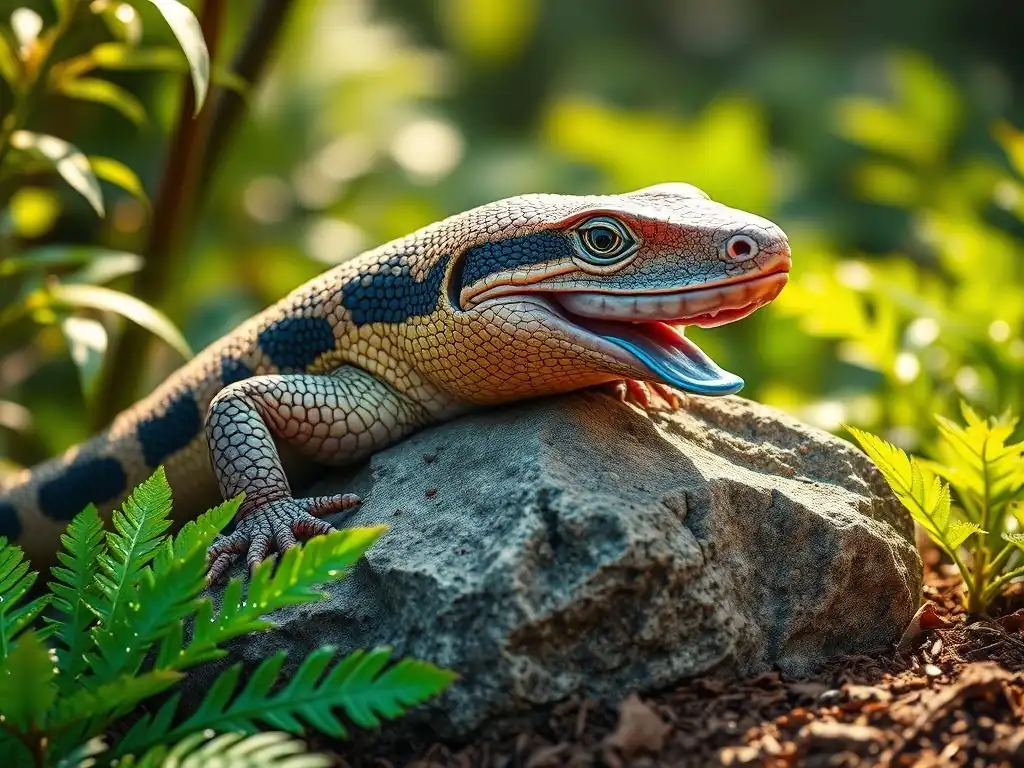
Welcome to PetCareWorld, your ultimate guide to the fascinating world of pet care! Are you ready to delve into the unique needs of an extraordinary reptile? Our Bluetongued skink care guide offers an in-depth exploration of everything you need to know to provide the best possible life for this captivating creature. Discover the secrets to their thriving well-being, from habitat setup to dietary requirements, and unlock the joy of responsible exotic pet ownership. Let's embark on this enriching journey together!
- Understanding Bluetongued Skink Behavior and Temperament
-
Setting Up the Ideal Habitat for Your Bluetongued Skink
- Choosing the Right Enclosure Size for Your Bluetongued Skink
- Substrate Selection for Bluetongued Skinks: Maintaining Hygiene and Comfort
- Essential Habitat Features: Hiding Places, Basking Spots, and Water Dishes
- Maintaining Temperature and Humidity: Crucial Aspects of Bluetongued Skink Care
- Lighting Requirements for Bluetongued Skinks: UVB and Heat Lamps
-
Nutrition and Diet for Healthy Bluetongued Skinks
- Bluetongued Skink Diet: A Balanced Approach to Feeding
- Appropriate Foods for Bluetongued Skinks: Insects, Vegetables, and Fruits
- Feeding Frequency and Portion Sizes for Bluetongued Skinks
- Supplementation: Essential Vitamins and Minerals for Bluetongued Skinks
- Recognizing Signs of Nutritional Deficiencies in Bluetongued Skinks
- Health and Disease Prevention in Bluetongued Skinks
- Breeding Bluetongued Skinks: A Guide for Experienced Keepers (Optional Section)
- Troubleshooting Common Bluetongued Skink Care Issues
- Frequently Asked Questions
- Final Reflection: Embracing the Majesty of the Blue-Tongued Skink
- Unlock Your Skink's Potential: A Journey to Happy Lizard Keeping!
Understanding Bluetongued Skink Behavior and Temperament
Embarking on the journey of caring for a bluetongued skink ( Tiliqua scincoides)? This comprehensive guide delves into every aspect of providing optimal care for this fascinating and increasingly popular reptile. Bluetongued skinks, while relatively low-maintenance compared to some other exotic pets, require a specific understanding of their unique needs to thrive. From understanding their docile nature to recognizing subtle signs of stress, this guide equips you with the knowledge to ensure your skink enjoys a long, healthy, and fulfilling life.
We will cover everything from their personality and body language to safe handling techniques, habitat setup, and nutritional requirements—all crucial components of a successful bluetongued skink care guide. This detailed approach will empower you to provide the best possible care for your scaly companion and contribute to their overall well-being. Let's begin with understanding the core aspects of their behavior and temperament.
Bluetongued Skink Personality Traits: Docile or Defensive?
Bluetongued skinks are generally known for their docile and calm temperament. They are often described as curious and relatively easy to handle, making them a popular choice for beginner reptile keepers. However, it's crucial to remember that each individual skink has its own unique personality. While many are quite relaxed and enjoy gentle interaction, some might be more shy or prone to exhibiting defensive behaviors, especially when feeling threatened or stressed. These defensive behaviors can include:
- Tongue flicking: This is a common behavior used to sense their environment and is not necessarily a sign of aggression.
- Hissing: A louder hiss indicates a higher level of stress or discomfort.
- Biting: While their bite isn't venomous, it can be quite strong and should be avoided. Proper handling techniques are essential to prevent this.
- Tail thrashing: This is another defensive mechanism that should be taken as a warning sign.
Understanding these subtle behavioral cues is key to building a positive relationship with your skink and avoiding unnecessary stress for both you and your pet. Remember, patience and gentle handling are paramount. Approaching your skink slowly and allowing it to explore its environment at its own pace will foster trust and reduce the likelihood of defensive reactions.
Understanding Bluetongued Skink Body Language: Recognizing Signs of Stress or Illness
Observing your bluetongued skink's body language is crucial for identifying potential health problems or signs of stress. Changes in behavior, posture, or appetite can be indicators of underlying issues. Some key signs to watch out for include:
- Lethargy: An unusually inactive or sluggish skink may be unwell.
- Loss of appetite: A significant decrease or complete loss of appetite should be taken seriously and veterinary attention sought.
- Changes in shedding: Difficulty shedding or abnormal shedding patterns can indicate underlying health problems.
- Changes in defecation: Unusual frequency or consistency of feces can be a symptom of various health issues.
- Changes in posture: A skink that is constantly hiding or appears hunched over may be stressed or unwell.
- Discharge from eyes or nose: This can be a sign of infection and requires immediate veterinary care.
Regularly monitoring your skink's behavior and noting any deviations from its normal patterns will help you identify potential problems early on. Early detection and treatment can often make a significant difference in the outcome.
Handling Your Bluetongued Skink: Safe and Gentle Techniques
Handling your bluetongued skink should always be done with care and respect. Avoid sudden movements or loud noises, which can frighten your skink and lead to defensive behaviors. Here are some gentle handling techniques:
- Support their body: Always support the skink's entire body to prevent injury.
- Gentle approach: Approach the skink slowly and allow it to approach you.
- Avoid grabbing the tail: Grabbing the tail can cause injury or lead to tail shedding.
- Short handling sessions: Keep handling sessions short, especially initially, to avoid stressing your skink.
- Wash your hands: Always wash your hands before and after handling your skink to maintain hygiene.
Remember, building trust takes time. Consistent, gentle interactions will help your skink become more comfortable with being handled. If your skink shows signs of stress during handling, immediately stop and allow it to return to its enclosure. Patience and understanding are key to building a positive relationship with your bluetongued skink.
Setting Up the Ideal Habitat for Your Bluetongued Skink
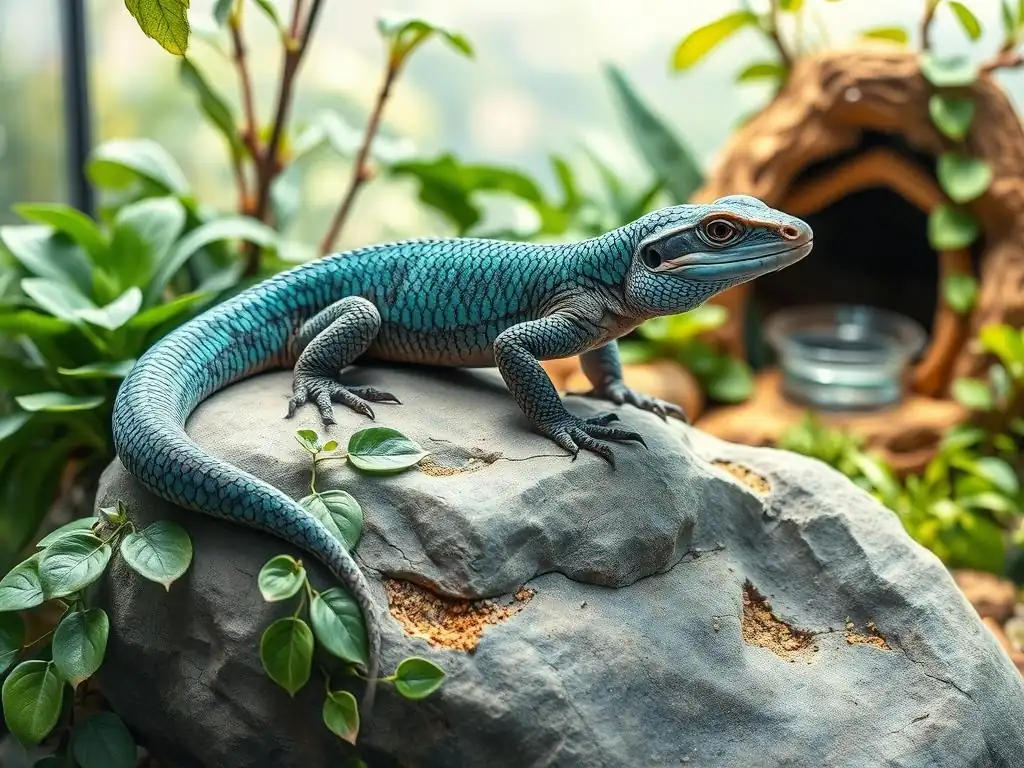
Creating the perfect environment for your bluetongued skink is crucial for its health and longevity. A well-designed habitat mimics their natural Australian environment, promoting natural behaviors and reducing stress. This section details the key aspects of setting up a thriving habitat for your scaly companion, focusing on enclosure size, substrate, and essential features. Proper bluetongued skink care hinges on providing a suitable environment, a key component of a comprehensive bluetongued skink care guide.
Choosing the Right Enclosure Size for Your Bluetongued Skink
The size of your enclosure directly impacts your skink's well-being. A cramped space restricts movement, leading to stress and potential health issues. Conversely, an excessively large enclosure can make it difficult to maintain appropriate temperature and humidity gradients. The general rule is bigger is better, but practicality also plays a role.
For a single adult bluetongued skink, a minimum enclosure size of 4 feet long x 2 feet wide x 1.5 feet high is recommended. Larger enclosures are always preferable, especially for multiple skinks or larger subspecies. Remember, you are aiming to replicate their natural roaming space as closely as possible. A larger enclosure allows for more varied temperature gradients and more space for enrichment items. Consider the ultimate size your skink will reach; juveniles will need less space than adults. Always prioritize a spacious environment for optimal bluetongued skink care.
Substrate Selection for Bluetongued Skinks: Maintaining Hygiene and Comfort
Substrate choice significantly impacts hygiene and your skink's comfort. The wrong substrate can harbor bacteria, become difficult to clean, or even cause impaction if ingested. Several options exist, each with its pros and cons.
- Paper towels: A simple, easily cleaned, and inexpensive option. Ideal for quarantine or young skinks. However, it lacks the natural feel of other substrates.
- Reptile carpet: Provides a more natural-looking surface and is relatively easy to clean. However, it can be difficult to spot fecal matter and may harbor bacteria if not regularly cleaned.
- Cypress mulch: A popular choice, offering good moisture retention and a natural look. It should be replaced regularly to prevent mold and bacterial growth. Ensure it's free of pesticides and herbicides before use.
- Soil mixes: Certain soil mixes (specifically designed for reptiles) can provide a more naturalistic environment. However, they require more diligent cleaning and monitoring to prevent mold and bacterial overgrowth. Thorough research is crucial before employing this substrate.
Avoid substrates like sand, which can cause impaction if ingested, and cedar or pine shavings, which release harmful aromatic oils. Regular cleaning is essential, regardless of the substrate chosen, to prevent disease and maintain a hygienic environment for your bluetongued skink. This detailed substrate selection is a vital part of any comprehensive bluetongued skink care guide.
Essential Habitat Features: Hiding Places, Basking Spots, and Water Dishes
Providing appropriate hiding places, basking spots, and a water dish are crucial aspects of bluetongued skink care. These features cater to your skink's natural behaviors and contribute to its overall well-being.
- Hiding places: Offer multiple hiding spots, such as caves, cork bark, or half logs. These provide security and allow your skink to regulate its body temperature and feel safe. Consider placing one on the cool side and one on the warm side of the enclosure.
- Basking spot: A crucial component. Use a heat lamp or heat mat to create a basking area with a temperature gradient. The basking spot should reach temperatures between 90-95°F (32-35°C), allowing your skink to thermoregulate effectively. A thermometer is essential to monitor the temperature accurately.
- Water dish: Provide a shallow, stable water dish large enough for your skink to soak in. Fresh water should be available at all times. Regular cleaning is vital to prevent bacterial growth.
Remember, a well-maintained habitat is fundamental for a healthy and happy bluetongued skink. By carefully considering enclosure size, substrate choice, and essential features, you are providing the foundation for a successful long-term relationship with your unique reptile companion. This comprehensive approach demonstrates your commitment to responsible bluetongued skink care.
Maintaining Temperature and Humidity: Crucial Aspects of Bluetongued Skink Care
Maintaining the correct temperature and humidity levels is paramount for the health and well-being of your bluetongued skink. These fascinating lizards are ectothermic, meaning they rely on external sources to regulate their body temperature. Providing an appropriate thermal gradient within their enclosure is crucial for their ability to thermoregulate effectively. This means offering a range of temperatures, allowing your skink to choose its preferred basking spot.
A basking spot of 90-95°F (32-35°C) should be provided using a heat lamp or ceramic heat emitter. These should be positioned to create a clear basking area, avoiding direct contact with the lamp to prevent burns. The cool side of the enclosure should maintain a temperature between 75-80°F (24-27°C). Using a reliable thermometer, preferably a digital thermometer with a probe, is essential to accurately monitor these temperatures. Remember to always check the temperature regularly, particularly during seasonal changes. Fluctuations can significantly impact your skink's health and should be addressed promptly. Nighttime temperatures can safely drop to around 70°F (21°C).
Humidity is equally vital. Bluetongued skinks thrive in a slightly humid environment. Aim for a humidity level between 40-60%. You can achieve this through the use of a humidifier, regular misting (especially important during shedding), or by including a water bowl large enough for soaking.
A hygrometer is a valuable tool for accurately monitoring humidity levels. Insufficient humidity can lead to difficulty shedding, while excessively high humidity increases the risk of bacterial or fungal infections. Regular monitoring and adjustments are necessary to maintain the ideal humidity range. Remember, the substrate you choose will also impact humidity levels; some substrates retain moisture better than others.
Lighting Requirements for Bluetongued Skinks: UVB and Heat Lamps
Providing appropriate lighting is crucial for the health and well-being of your bluetongued skink. These lizards require both heat lamps and UVB lighting to thrive. Heat lamps, as discussed previously, help maintain the necessary temperature gradient within the enclosure. However, UVB lighting is equally critical for their health, playing a vital role in calcium absorption and overall well-being.
A quality UVB bulb, specifically designed for reptiles, is essential. These bulbs emit UVB rays, which are necessary for your skink to synthesize vitamin D3. Vitamin D3 is crucial for proper calcium absorption, preventing metabolic bone disease (MBD), a serious and often fatal condition in reptiles.
Choose a UVB bulb with a UVB output of 5-10%. The bulb should be replaced every 6-12 months, even if it still appears to be functioning, as the UVB output diminishes over time. Position the UVB bulb in a way that allows your skink to bask underneath it for a portion of the day, but ensure that it does not overheat the enclosure.
The type of UVB bulb is also important. There are two main types: coil and tube. Coil bulbs are generally less expensive but emit UVB rays in a less effective way. Tube bulbs, while more expensive, provide more even UVB distribution across the enclosure. Consider the size of your enclosure when making your choice. Remember, proper lighting is not just about providing heat; it's about ensuring your skink receives the necessary UVB radiation for optimal health and preventing potential health issues like MBD. Regular monitoring and bulb replacement are key to ensuring your skink receives adequate UVB exposure.
Nutrition and Diet for Healthy Bluetongued Skinks
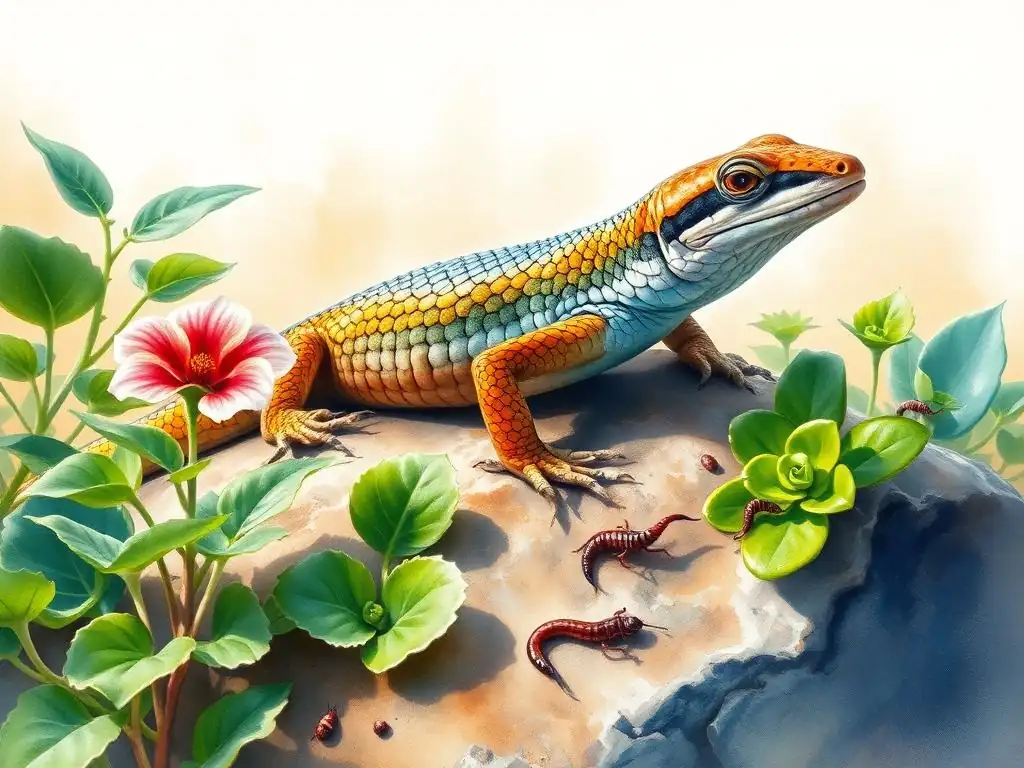
Providing proper nutrition is crucial for the health and longevity of your bluetongued skink ( Tiliqua scincoides). A balanced diet, mimicking their natural foraging habits, is essential to prevent nutritional deficiencies and maintain their vibrant health. Understanding their dietary needs is a key aspect of responsible bluetongued skink care. This section will delve into the specifics of creating a nutritious and varied diet for your pet.
Remember, a well-nourished bluetongued skink will exhibit bright coloration, healthy skin, and an active demeanor. Neglecting their nutritional needs can lead to various health problems, impacting their quality of life. Therefore, careful attention to their diet is paramount.
Bluetongued Skink Diet: A Balanced Approach to Feeding
The cornerstone of a healthy bluetongued skink diet lies in achieving a balance between commercially available insect-based foods and fresh produce. While convenient, relying solely on commercial options can lead to nutritional imbalances. A balanced approach incorporates a variety of food sources to meet their diverse nutritional requirements. Think of it as creating a "smorgasbord" tailored to their needs.
The ideal diet should consist of approximately 70-80% insects and 20-30% fresh vegetables and fruits. This ratio ensures they receive the necessary proteins, vitamins, and minerals for optimal growth and well-being. This ratio may need slight adjustments depending on the age and activity level of your skink. Younger, growing skinks may require a slightly higher percentage of insects.
We must stress the importance of variety. Offering a monotonous diet, even if comprised of nutritious items, can lead to nutritional deficiencies over time. Just as humans benefit from a varied diet, so do bluetongued skinks. This variety ensures they receive a broad spectrum of nutrients.
Appropriate Foods for Bluetongued Skinks: Insects, Vegetables, and Fruits
Insects form the bulk of a bluetongued skink's diet, providing essential protein. Suitable insects include:
- Crickets (gut-loaded for optimal nutrition)
- Dubia roaches (a popular and less prone to escaping)
- Mealworms (offered occasionally as a treat, not a staple)
- Waxworms (a high-fat treat, offered sparingly)
Remember to always gut-load your insects before feeding them to your skink. Gut-loading involves feeding the insects nutritious food, such as high-quality commercial insect food, fruits, and vegetables, for 24-48 hours prior to feeding them to your skink. This process ensures the insects are packed with essential nutrients that your skink will benefit from.
Vegetables and fruits should supplement the insect-based diet, providing essential vitamins and fiber. Good choices include:
- Dark leafy greens (collard greens, kale, dandelion greens)
- Squash (butternut, acorn)
- Carrots (shredded or sliced)
- Sweet potatoes (cooked and mashed)
- Blueberries
- Strawberries (in moderation)
Avoid feeding avocados, rhubarb, and spinach, as these can be toxic to bluetongued skinks. Always introduce new foods gradually to monitor for any adverse reactions.
Feeding Frequency and Portion Sizes for Bluetongued Skinks
The feeding frequency depends on the age and size of your bluetongued skink. Juveniles (younger skinks) require more frequent feeding due to their rapid growth. Adults, on the other hand, can be fed less frequently.
A general guideline is as follows:
| Age Group | Feeding Frequency | Portion Size |
|---|---|---|
| Juveniles (<1 year) | Daily or every other day | A generous amount of insects and a small portion of vegetables/fruits |
| Adults (>1 year) | Every 2-3 days, or even less frequently | A moderate amount of insects and a small portion of vegetables/fruits |
| Obese Adults | Reduce feeding frequency and portion size | Consult with a veterinarian for a tailored plan |
Always monitor your skink's weight and adjust the feeding schedule accordingly. Overfeeding can lead to obesity, which can significantly impact their health and lifespan. Observe their body condition; a healthy skink should have a slight waist visible when viewed from above. If you notice excessive weight gain, reduce the feeding frequency and portion sizes. Consult with a veterinarian if you have any concerns about your skink's weight or overall health. Remember, responsible ownership includes monitoring your pet's nutritional intake and adjusting it based on their individual needs.
Supplementation: Essential Vitamins and Minerals for Bluetongued Skinks
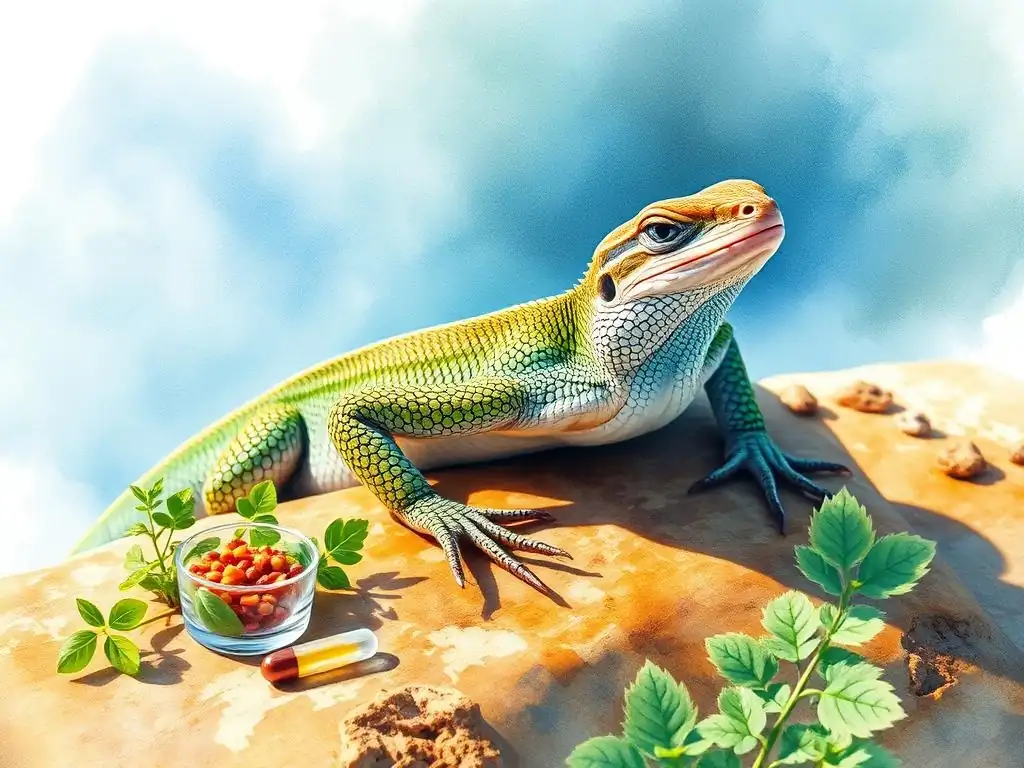
Providing a balanced diet is crucial for your bluetongued skink's health, but supplementation can sometimes be necessary to ensure they receive all the essential vitamins and minerals. While a varied diet rich in insects and leafy greens should provide most nutrients, certain deficiencies can arise. Calcium is paramount for bone health and proper shedding, and a deficiency can lead to metabolic bone disease (MBD), a serious and often fatal condition.
Therefore, dusting insects with a high-quality calcium powder, supplemented with Vitamin D3, is essential, particularly for young, growing skinks. The ratio of calcium to phosphorus is also crucial; an imbalance can exacerbate MBD. Aim for a calcium:phosphorus ratio of at least 2:1.
Vitamin D3 is vital because it helps the skink absorb calcium. While some Vitamin D3 can be synthesized through exposure to UVB light, supplemental dusting ensures adequate intake, especially during winter months when UVB exposure may be limited. Other vitamins and minerals, such as Vitamin A (crucial for vision and immune function) and Vitamin B complex, may also require supplemental provision, especially if you notice signs of deficiency. Always opt for high-quality reptile-specific supplements and follow the manufacturer's instructions carefully to avoid over-supplementation, which can be just as harmful as deficiency.
Consult with a veterinarian specializing in reptiles to determine the best supplementation strategy for your individual skink based on its age, health, and diet. Regular fecal exams can help monitor nutrient absorption and identify potential deficiencies early on. Remember, prevention is key when it comes to nutritional imbalances in your bluetongued skink.
Recognizing Signs of Nutritional Deficiencies in Bluetongued Skinks
Early detection of nutritional deficiencies is crucial for successful treatment in bluetongued skinks. Recognizing the subtle signs of these deficiencies can mean the difference between a healthy, thriving skink and a seriously ill one. One of the most common and serious deficiencies is Metabolic Bone Disease (MBD), often caused by insufficient calcium and Vitamin D3. Symptoms of MBD include skeletal deformities like bowed legs or a soft, pliable jaw.
You might also observe difficulty shedding, lethargy, and weakness. In advanced cases, paralysis and death can occur. Early intervention, through dietary adjustments and appropriate supplementation, can often prevent these severe consequences.
Other deficiencies can manifest in less obvious ways. Vitamin A deficiency, for instance, can lead to eye problems such as cloudy eyes or swollen eyelids. A lack of Vitamin B complex can cause lethargy, poor appetite, and skin issues. Similarly, a deficiency in essential fatty acids can result in dry, dull skin and a compromised immune system.
Always observe your skink regularly for any changes in behavior, appetite, or physical appearance. A loss of appetite, unexplained weight loss, or changes in shedding patterns should all raise concerns. If you suspect a nutritional deficiency, consult a reptile veterinarian immediately.
They can conduct a thorough examination, including blood work if necessary, to determine the specific deficiency and recommend the appropriate treatment plan. Remember, a proactive approach to nutrition is the best way to ensure your bluetongued skink remains healthy and vibrant. Regular veterinary check-ups are also recommended to prevent and detect potential health issues early.
Health and Disease Prevention in Bluetongued Skinks
Maintaining the health of your bluetongued skink (BTS) requires a proactive approach encompassing proper husbandry, a balanced diet, and vigilant observation. These lizards are generally hardy, but neglecting their needs can lead to serious health issues. Understanding common ailments and implementing preventative measures is crucial for ensuring a long and healthy life for your pet.
This section delves into the key aspects of BTS healthcare, providing you with the knowledge to be a responsible and informed owner. The goal is to equip you with the tools to recognize potential problems early and take appropriate action. Remember, early intervention is key to successful treatment.
Common Illnesses in Bluetongued Skinks: Symptoms and Treatment
Bluetongued skinks, despite their robust nature, are susceptible to several illnesses. Early detection is paramount for effective treatment. Here are some common ailments:
- Metabolic Bone Disease (MBD): Caused by calcium and vitamin D3 deficiencies, MBD manifests as weakened bones, skeletal deformities, and lethargy. Symptoms can include limping, swollen joints, and a fragile jaw. Treatment involves dietary adjustments, supplementation, and potentially veterinary intervention. Careful monitoring of UVB and UVA lighting is crucial in preventing MBD.
- Respiratory Infections: These can range from mild to severe, often presenting as sneezing, wheezing, nasal discharge, and lethargy. Bacterial or fungal infections may require antibiotic or antifungal treatment prescribed by a veterinarian specializing in reptiles. Maintaining proper humidity levels in the enclosure is vital in preventing respiratory problems.
- Parasites: Internal and external parasites can affect bluetongued skinks. Internal parasites may cause weight loss, lethargy, and digestive issues, while external parasites (mites, ticks) can lead to skin irritation and secondary infections. Regular fecal exams and proactive parasite control are essential.
- Dysecdysis (Shedding Problems): Difficulty shedding skin can result from improper humidity, dehydration, or underlying health issues. Symptoms include retained skin, especially around the toes and tail. Addressing humidity levels and providing a suitable soaking environment often resolves this. Severe cases may require veterinary assistance.
- Oral infections (Stomatitis): Inflammation of the mouth, often caused by bacterial or fungal infections. Symptoms include excessive drooling, difficulty eating, and swelling around the mouth. Veterinary intervention with appropriate antibiotics or antifungals is usually necessary.
This table summarizes common symptoms:
| Illness | Symptoms | Treatment | Prevention |
|---|---|---|---|
| Metabolic Bone Disease | Limping, swollen joints, fragile bones | Dietary changes, supplementation, vet care | Proper UVB/UVA lighting, balanced diet |
| Respiratory Infection | Sneezing, wheezing, nasal discharge, lethargy | Antibiotics/antifungals (vet prescribed) | Maintain proper humidity, clean enclosure |
| Parasites | Weight loss, lethargy, skin irritation | Medication (vet prescribed) | Regular fecal exams, parasite control |
| Dysecdysis | Retained skin | Increase humidity, soakings | Maintain proper humidity, ensure healthy skin |
| Oral Infection | Excessive drooling, difficulty eating | Antibiotics/antifungals (vet prescribed) | Maintain oral hygiene, prevent injury |
Remember, this information is for educational purposes only. Always consult a veterinarian for diagnosis and treatment of any health concerns. 🩺
Preventing Disease in Bluetongued Skinks: Hygiene and Proactive Measures
Proactive disease prevention is far more effective than treatment. Implementing these measures significantly reduces the risk of your bluetongued skink developing health problems:
- Maintaining a Clean Enclosure: Regular cleaning and disinfection of the enclosure are crucial. Remove feces and uneaten food daily. Completely disinfect the enclosure at least once a month using a reptile-safe disinfectant.
- Proper Diet: A balanced diet is essential for preventing MBD and other nutritional deficiencies. Provide a varied diet including insects, vegetables, and fruits appropriate for bluetongued skinks. Supplement with calcium and vitamin D3 as needed.
- Appropriate Lighting and Heating: Provide proper UVB and UVA lighting to ensure adequate calcium absorption and overall health. Maintain the correct temperature gradient within the enclosure to allow the skink to thermoregulate effectively.
- Stress Reduction: Minimize stress by providing a spacious, secure, and enriching environment. Avoid sudden changes in temperature, humidity, or handling. Gentle and infrequent handling is best.
- Quarantine New Animals: Always quarantine any new animals for at least 30 days before introducing them to your existing pets to prevent the spread of disease. This is especially important when introducing new skinks or other reptiles.
- Regular Observation: Daily observation of your skink's behavior, appetite, and appearance is crucial for early detection of any health issues. Note any changes in activity levels, defecation patterns, or skin condition.
The proactive approach to bluetongued skink care significantly reduces the likelihood of health complications. A clean, comfortable, and stimulating environment, combined with a healthy diet, will contribute to a happy and healthy reptile companion.
Veterinary Care for Bluetongued Skinks: Finding a Reptilian Veterinarian
Finding a veterinarian experienced in treating reptiles, particularly bluetongued skinks, is vital. Not all veterinarians have the specialized knowledge and equipment to handle reptile health issues effectively. When searching for a vet, look for one who:
- Specializes in Reptiles: Many veterinary practices now offer specialized reptile care. Confirm their experience with reptiles before making an appointment.
- Has Experience with Bluetongued Skinks: While experience with other reptiles is beneficial, experience specifically with BTS is ideal.
- Offers Diagnostic Testing: A veterinarian should have access to diagnostic tools such as blood tests, fecal exams, and radiographs (X-rays) to accurately diagnose illnesses.
- Provides Appropriate Treatment Options: Ensure the veterinarian is knowledgeable about appropriate treatments for common bluetongued skink ailments and has access to necessary medications.
Regular check-ups, even when your skink appears healthy, are recommended. This allows for early detection of potential problems and ensures your pet receives preventative care. Your veterinarian can also provide guidance on diet, husbandry, and overall wellness. Proactive veterinary care is an essential component of responsible bluetongued skink ownership.
Breeding Bluetongued Skinks: A Guide for Experienced Keepers (Optional Section)
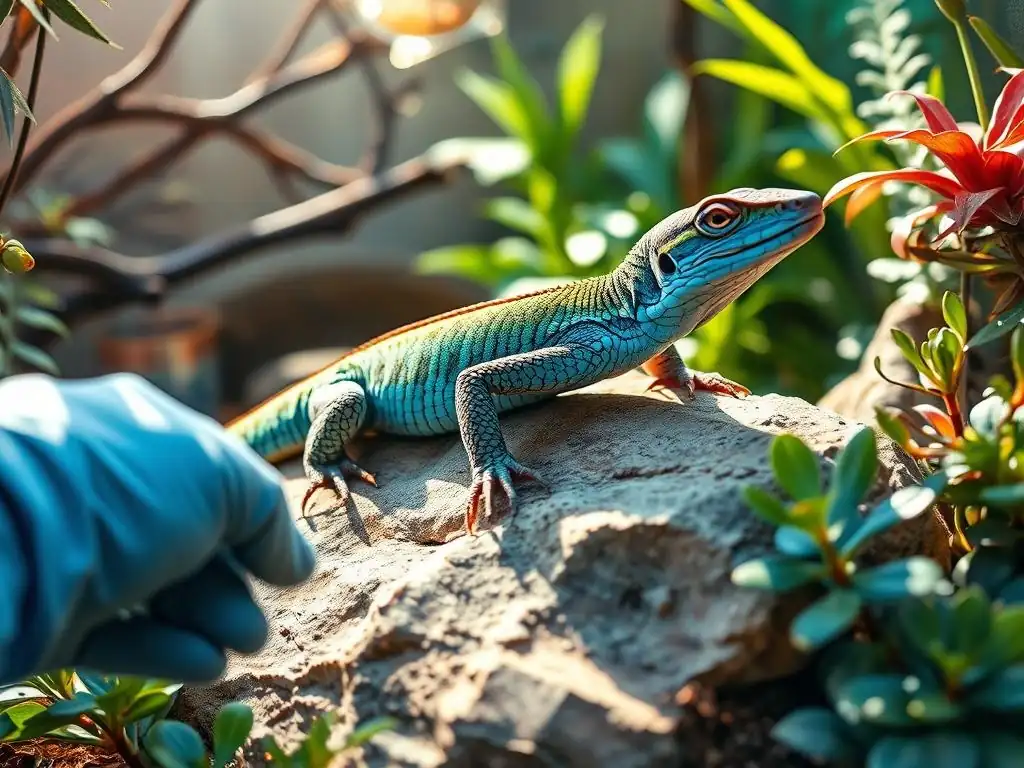
Breeding bluetongued skinks is a significant undertaking, requiring extensive knowledge and experience in reptile husbandry. This section is intended for experienced keepers only and should not be attempted by beginners. Successful breeding necessitates a deep understanding of the species' specific needs, including environmental conditions, nutritional requirements, and potential health complications. Improper breeding practices can lead to significant stress for the animals and compromised offspring health. Always prioritize the well-being of the parent skinks above the desire to breed.
Understanding the Breeding Cycle of Bluetongued Skinks
The breeding cycle of Tiliqua scincoides is influenced by environmental factors, primarily temperature and photoperiod (day length). Generally, breeding occurs during the warmer months, often following a period of brumation (a reptile's equivalent of hibernation). Females will typically exhibit behavioral changes, such as increased appetite and restlessness, signaling their readiness to mate. Successful mating involves a complex courtship ritual. Observe your skinks carefully for signs of readiness; these include:
- Increased interaction between the male and female.
- The male may nudge or bite the female gently on the neck.
- The female may display receptive behavior, such as tail-wagging or remaining still.
After successful mating, the female will retain the fertilized eggs for several weeks before laying them. The gestation period varies, but typically lasts around 4-6 weeks. The number of eggs laid also varies, ranging from 8 to 20, depending on the size and health of the female. Careful monitoring of the female's weight and behavior during this period is crucial. A significant drop in weight or lethargy may indicate complications that require veterinary attention. Providing a suitable laying site is essential to ensure successful egg-laying.
Setting Up a Breeding Enclosure for Bluetongued Skinks
Creating a suitable breeding enclosure requires careful consideration of several factors. The enclosure should be spacious enough to accommodate both the male and female skinks comfortably, minimizing stress and territorial disputes. A larger enclosure (at least 4ft x 2ft x 2ft) is recommended. Substrate selection is crucial; a mix of topsoil, coconut fiber, and leaf litter provides a suitable environment for egg-laying. The enclosure should also include:
- Multiple hiding places: These provide security and reduce stress, particularly for the female during gestation. Use natural materials such as cork bark or half-logs.
- A humid hide: This helps maintain optimal humidity levels, crucial for successful egg incubation. A moist sphagnum moss hide is ideal.
- A shallow water dish: Fresh water should always be available.
- Temperature gradient: Maintain a temperature gradient within the enclosure, allowing the skinks to thermoregulate effectively. A basking spot with a temperature of around 90-95°F (32-35°C) is recommended.
Maintaining optimal humidity (around 60-70%) is critical throughout the breeding season. Regular monitoring using a hygrometer is necessary. Proper ventilation is also essential to prevent the build-up of mold or mildew. Remember, cleanliness is paramount; regularly clean the enclosure to prevent the buildup of waste and potential health problems.
Caring for Bluetongued Skink Eggs and Hatchlings
Once the eggs are laid, carefully transfer them to an incubator to maintain consistent temperature and humidity. A commercially available incubator is recommended, ensuring precise control over these crucial parameters. The optimal incubation temperature is typically around 82-86°F (28-30°C). Humidity levels should be maintained between 70-80%. Regularly check the eggs for signs of fungal growth or dehydration. Gentle misting may be necessary to maintain appropriate humidity levels. The incubation period typically lasts 60-90 days, but this can vary.
Once the eggs hatch, the hatchlings are relatively self-sufficient but still require careful attention. Provide a smaller enclosure similar to that of the adults, but scaled down in size. They need a balanced diet of insects, supplemented with calcium and vitamin D3. Regular monitoring of their weight and behavior is crucial to identify any potential health issues early on.
Young skinks are particularly susceptible to dehydration, so ensure fresh water is always available. The transition from eggs to independent life is a delicate phase, requiring patience, knowledge, and meticulous care. Remember, proper care during this stage significantly impacts the skinks' long-term health and survival. Providing a stimulating, clean, and safe environment is key to raising healthy and thriving bluetongued skinks.
Troubleshooting Common Bluetongued Skink Care Issues
This section addresses some of the more frequent health and behavioral problems encountered when caring for bluetongued skinks. Remember, early intervention is key to successful treatment. If you suspect a problem beyond your expertise, consult a veterinarian specializing in reptiles immediately. Consistent monitoring of your skink's behavior and appearance is crucial for proactive bluetongued skink care. Early detection of issues can often prevent more serious problems down the line. This proactive approach is essential for the well-being of your pet.
Dealing with Shedding Problems in Bluetongued Skinks
Shedding difficulties are a common issue in bluetongued skinks, often stemming from improper humidity levels. A skink struggling to shed may exhibit retained skin around the toes, tail, or head. This retained skin can restrict movement and, if left untreated, lead to infection.
To prevent shedding problems, maintain a consistently humid environment (around 60-70% humidity). You can achieve this through the use of a humidifier, regular misting, or a substrate that retains moisture well (such as cypress mulch or coconut fiber). Providing a shallow water dish also allows the skink to soak, aiding in the shedding process.
If your skink is already experiencing difficulty shedding, gently assist the process only if absolutely necessary. Never forcefully pull at retained skin. Instead, try increasing humidity and providing a warm soak. If the skin remains stuck, consult a veterinarian for professional help. Improper handling can cause serious injury to your pet. Remember, patience and a humid environment are your best allies.
Addressing Weight Loss or Poor Appetite in Bluetongued Skinks
Weight loss or a sudden decrease in appetite in a bluetongued skink can indicate various underlying health problems. These problems range from simple dietary issues to more serious illnesses. Regular weighing of your skink is crucial for early detection of weight changes.
Potential causes include:
- Dietary deficiencies: Ensure your skink's diet is varied and includes appropriate calcium and vitamin supplementation. A diet lacking essential nutrients can lead to significant health issues.
- Parasites: Internal or external parasites can drain a skink's energy and affect its appetite. Regular fecal examinations by a vet are recommended.
- Infections: Respiratory or other infections can cause lethargy and appetite loss. Observe your skink for other symptoms such as sneezing, nasal discharge, or lethargy.
- Stress: Environmental changes or stressors can significantly impact appetite. Ensure a stable and enriching environment.
If weight loss or poor appetite persists despite dietary adjustments, seek veterinary attention immediately. Prompt diagnosis and treatment are vital. Remember, a healthy appetite is a sign of a healthy skink.
Managing Stress and Aggression in Bluetongued Skinks
Bluetongued skinks, while generally docile, can exhibit aggression when stressed or feeling threatened. Signs of stress include hiding, lethargy, or a change in feeding habits. Aggression may manifest as biting or tail whipping.
Common stress triggers include:
- Improper handling: Rough or overly frequent handling can cause considerable stress. Handle your skink gently and only when necessary.
- Insufficient space: A cramped enclosure can lead to stress and aggression. Ensure your skink has ample space to explore and hide.
- Lack of enrichment: A boring environment can lead to boredom and stress. Provide hiding places, climbing structures, and other environmental enrichment.
- Incompatible tank mates: Never house multiple skinks together unless specifically advised by a reptile specialist.
To reduce stress and aggression, focus on providing a calm and enriching environment. Handle your skink gently and respectfully, minimizing unnecessary interaction. A well-maintained habitat provides a sense of security and reduces stress-related behaviors. Remember, a happy skink is a healthy skink. Careful observation and a proactive approach to bluetongued skink care will help maintain its well-being.
Frequently Asked Questions
What are the basic housing requirements for a Bluetongued Skink?
A Bluetongued Skink needs a large enclosure, ideally a glass terrarium, with appropriate substrate like cypress mulch or paper towels. Ensure proper temperature and humidity gradients are maintained using heat lamps and a water bowl.
What should I feed my Bluetongued Skink?
Their diet should consist primarily of insect-based foods, supplemented with occasional vegetables like leafy greens. Variety is key, offering different insects and veggies to ensure a balanced diet. Avoid feeding them exclusively commercially available food.
How often should I handle my Bluetongued Skink?
While gentle handling is beneficial for bonding, avoid excessive handling, especially during shedding or when the skink appears stressed. Introduce handling sessions gradually and always support their body.
What are common health problems in Bluetongued Skinks?
Potential issues include metabolic bone disease (MBD) from improper calcium/vitamin D3 intake, and parasite infestations. Regular vet check-ups and a proper diet are crucial for prevention.
How long do Bluetongued Skinks live?
With proper care, a Bluetongued Skink can live for 15-20 years, sometimes even longer. This is a significant commitment, so ensure you're prepared for a long-term responsibility.
Final Reflection: Embracing the Majesty of the Blue-Tongued Skink
The responsible care of exotic pets is not merely a hobby; it's a commitment to the well-being of a sentient creature and a vital step towards fostering a more compassionate world. Understanding the specific needs of animals like the blue-tongued skink, as detailed in this guide, is crucial for ensuring their health and happiness, and preventing the unnecessary suffering that often results from inadequate knowledge.
This journey into the world of blue-tongued skink care has underscored for me the profound interconnectedness between humans and the natural world. We have a responsibility to understand and respect the unique needs of every creature we choose to share our lives with. The greatness of a nation and its moral progress can be judged by the way its animals are treated.
- Mahatma Gandhi. This quote resonates deeply, reminding us that our treatment of animals reflects our values and our capacity for empathy. The increasing popularity of exotic pets necessitates a parallel increase in responsible ownership, and this guide is a small step in that direction.
Now, I invite you to consider your own role in responsible pet ownership. Whether you're a seasoned reptile keeper or simply curious about these fascinating creatures, remember that every interaction, every decision you make regarding your pet's care, has a profound impact on their life.
Take the time to learn, to observe, and to adapt your approach as needed. By embracing the responsibility that comes with caring for a blue-tongued skink, you are not only enriching your own life but also contributing to a future where all creatures, great and small, are treated with the respect and compassion they deserve.
Unlock Your Skink's Potential: A Journey to Happy Lizard Keeping!
Thank you for exploring the fascinating world of blue-tongued skinks with us! We hope you've gained valuable insights into their unique needs and captivating personalities. Now it's time to put that knowledge into practice.
Here's how you can take the next step:
- Craft the Perfect Habitat: Design a thriving enclosure that meets your skink's specific needs. A well-designed habitat is crucial for a happy and healthy pet.
- Share your skink's personality! Post a picture of your skink (or a sketch of your dream setup) in the comments below and let's build a supportive community.
- Learn more! Explore our other reptile care guides to discover more amazing species and expand your knowledge of reptile care.
Ready to create the ideal home for your blue-tongued skink? Let's hear your plans!