
GPS Pet Trackers for Cats: Keeping Your Feline Friend Safe Outdoors


Welcome to PetCareWorld, your ultimate guide to a happier, healthier life for your beloved pets! Are you ready to explore the world of feline freedom without the worry? Our in-depth guide on best cat GPS tracker reviews will help you choose the perfect device to ensure your adventurous kitty stays safe and sound, even when exploring the great outdoors. Discover the top trackers, compare features, and make an informed decision – read on to find the perfect GPS solution for your cat!
- Understanding the Need for GPS Cat Trackers
- Best Cat GPS Tracker Reviews: Top Picks for 2024
-
Key Features to Consider When Choosing a GPS Cat Tracker
- GPS Accuracy and Range: Ensuring Reliable Tracking
- Battery Life and Charging: Minimizing Downtime
- Size and Weight: Comfort and Wearability for Your Cat
- Durability and Water Resistance: Withstanding Outdoor Conditions
- Subscription Costs and Data Plans: Long-Term Budget Considerations
- Ease of Use and App Interface: User-Friendly Navigation
-
Installing and Using a GPS Cat Tracker for Cats
- Getting Your Cat Accustomed to the Tracker: A Gradual Approach
- Attaching the Tracker Securely: Different Harness Options
- Monitoring Your Cat's Location via the App: Real-time Tracking
- Interpreting the GPS Data: Understanding Your Cat's Movements
- Troubleshooting Common Issues: Addressing Connectivity Problems
- Safety Tips for Cats with GPS Trackers
- Beyond GPS Tracking: Additional Safety Measures for Outdoor Cats
- Frequently Asked Questions
- Final Reflection: The Enduring Bond, Enhanced by Technology
- Unlock Your Cat's Outdoor Adventures with Confidence!
Understanding the Need for GPS Cat Trackers
Cats, known for their independent nature and love of exploration, often venture further than their owners realize. This seemingly innocent wanderlust can, unfortunately, lead to dangerous situations. Lost cats face numerous threats, including traffic accidents, encounters with predators, getting trapped, or simply becoming disoriented and unable to find their way home.
This article delves into the world of GPS pet trackers specifically designed for cats, exploring the reasons why you might consider one, the benefits they offer, and how to choose the best device for your feline companion. We'll provide guidance on selecting a tracker that suits your cat's lifestyle and your own needs, ultimately helping you make an informed decision about enhancing your cat's safety and peace of mind. This comprehensive guide aims to help you navigate the market of "best cat GPS tracker reviews" and find the perfect solution for your furry friend.
Why Track Your Cat? Safety Concerns and Outdoor Exploration
Many cat owners allow their cats outdoor access, believing their feline friends are safe and capable of navigating their surroundings. However, the reality is that even seemingly docile house cats can face numerous dangers while exploring.
- Traffic Accidents: Cars represent a significant threat to cats, especially in busy areas or on roads with limited visibility. A GPS tracker can provide real-time location updates, potentially alerting you to a dangerous situation before it escalates.
- Predators: Depending on your location, cats may encounter various predators, including dogs, coyotes, foxes, or even birds of prey. Knowing your cat's location can help you intervene quickly if they find themselves in a dangerous encounter.
- Getting Lost or Disoriented: Even in familiar territory, cats can become disoriented, especially at night or in unfamiliar environments. A GPS tracker offers reassurance, allowing you to locate your cat quickly if they stray too far.
- Intentional Harm: Unfortunately, some cats become victims of theft or cruelty. A GPS tracker can provide crucial information to assist law enforcement in recovering a stolen or injured cat.
The peace of mind provided by knowing your cat's location is invaluable. The ability to swiftly locate your cat in case of an emergency significantly increases their chances of survival and safe return home. 😻
The Benefits of GPS Tracking for Independent Cats
GPS trackers offer a range of benefits specifically tailored to the independent nature of cats:
- Enhanced Safety: As discussed, GPS trackers significantly reduce the risks associated with outdoor exploration. Real-time tracking allows for immediate intervention in dangerous situations.
- Peace of Mind for Owners: Knowing your cat's location eliminates much of the anxiety associated with allowing them outdoors. You can monitor their movements and ensure they remain within a safe radius.
- Behavioral Insights: Some trackers provide data on your cat's activity levels, sleep patterns, and overall movement habits. This information can be valuable for understanding your cat's behavior and identifying potential health issues.
- Recovery Assistance: Should your cat become lost, a GPS tracker dramatically increases the chances of a successful recovery. The precise location data provided can be invaluable to search efforts.
- Improved Cat-Owner Bond: The increased safety and connection fostered by GPS tracking can contribute to a stronger and more trusting relationship between you and your feline companion.
Choosing the Right GPS Tracker for Your Cat's Lifestyle
Selecting the appropriate GPS tracker involves considering several key factors:
| Feature | Considerations |
|---|---|
| Size and Weight | Choose a lightweight and compact tracker to avoid discomfort for your cat. |
| Battery Life | Opt for a tracker with a long battery life to minimize charging frequency. |
| Accuracy | Prioritize a tracker with high GPS accuracy for reliable location data. |
| Range | Consider the typical range your cat explores and choose a tracker accordingly. |
| Durability | Select a durable tracker that can withstand the rigors of outdoor use. |
| Subscription Fees | Factor in any ongoing subscription costs associated with data usage. |
Choosing the best cat GPS tracker requires careful consideration of your cat's individual needs and your budget. We will delve deeper into specific models and their features in the following sections. Remember to prioritize safety and reliability when making your selection.
Best Cat GPS Tracker Reviews: Top Picks for 2024

This section provides in-depth reviews of some of the best GPS trackers currently available for cats in 2024. We've considered factors like accuracy, battery life, size and weight (crucial for feline comfort), ease of use, and overall user experience to compile this list. Finding the right tracker can significantly improve your cat's safety and your peace of mind, especially for adventurous felines who enjoy exploring the outdoors.
This review focuses on providing you with the information necessary to make an informed decision based on your individual needs and your cat's personality. Remember, choosing the best cat GPS tracker is highly dependent on your specific circumstances.
Top 3 GPS Trackers for Cats: Features and Comparisons
Choosing the right GPS tracker for your cat can feel overwhelming. To help you navigate this, we've compiled a comparison table of three top contenders in the market:
| Feature | Fi Series 2 | Whistle GO Explore | [Tracker Name 3 - Pending Information] |
|---|---|---|---|
| Accuracy | Excellent, utilizes multiple technologies | Very Good | [Accuracy details pending] |
| Battery Life | Up to 3 days (depending on usage) | Up to 7 days (depending on usage) | [Battery Life details pending] |
| Size & Weight | Lightweight and compact | Relatively small and lightweight | [Size & Weight details pending] |
| Subscription | Required | Required | [Subscription details pending] |
| Ease of Use | User-friendly app and setup | Intuitive app and setup | [Ease of Use details pending] |
| Price Range | $$$ | $$ | [Price Range details pending] |
This table provides a quick overview. Remember that individual experiences may vary. Let's dive deeper into two of these top-performing trackers.
Fi Series 2 GPS Tracker: In-Depth Review and User Experiences
The Fi Series 2 is known for its excellent accuracy and sleek design. Many users praise its small size, making it comfortable for even smaller cats. The battery life, while not the longest on the market, is generally sufficient for most users. However, it's crucial to remember that battery life is heavily dependent on usage; frequent location updates will drain the battery faster.
One significant advantage of the Fi Series 2 is its robust app. The app is intuitive and user-friendly, providing clear location updates and helpful features like activity tracking. Many user reviews highlight the peace of mind this tracker provides, particularly for cats who are prone to escaping or exploring beyond their immediate surroundings.
Some users report occasional connectivity issues in areas with weak cellular signals, a common problem across many GPS trackers. However, the overall positive user feedback suggests this is a relatively minor drawback. The subscription model, while adding to the overall cost, provides access to the necessary cellular connectivity and app features.
Whistle GO Explore GPS Tracker: In-Depth Review and User Experiences
The Whistle GO Explore offers a longer battery life than the Fi Series 2, a key advantage for those who want less frequent charging. This longer battery life, however, comes with a slightly larger and heavier device. While still lightweight enough for most cats, owners of very small cats might find it slightly cumbersome.
User reviews consistently highlight the Whistle GO Explore's extended battery life as a major selling point. The app, while functional, is not quite as visually appealing or intuitive as the Fi Series 2 app. Some users report a slightly less accurate location tracking compared to the Fi Series 2, but the difference is often negligible for everyday use.
The subscription model is similar to the Fi Series 2, providing access to the cellular network and app features. The longer battery life makes it a popular choice for owners of particularly active or adventurous cats. Overall, the Whistle GO Explore offers a strong balance between battery life and accuracy, making it a viable alternative to the Fi Series 2 for many cat owners seeking the best cat GPS tracker.
Tile Mate (with optional accessories): In-Depth Review and User Experiences
The Tile Mate, while not exclusively designed for pets, frequently appears in discussions about cat GPS trackers due to its affordability and ease of use. Its small size and lightweight design make it a surprisingly viable option for smaller cats, though its lack of dedicated pet-tracking features necessitates careful consideration. Many owners successfully attach Tile Mates to their cat's collars using readily available accessories like small, lightweight harnesses or collar attachments.
However, the Tile Mate's reliance on Bluetooth technology limits its range significantly; it only works within a relatively short distance of your smartphone. This means it's less effective for tracking cats that roam far from home. Therefore, it's best suited for cats who primarily stay within a confined area, such as a securely fenced yard.
One key advantage of the Tile Mate is its robust community feature. If your cat strays beyond the Bluetooth range, the Tile app can leverage the "Tile Network" – other Tile users' devices can detect your Tile Mate and report its location to you. While this expands the potential tracking range, it's not foolproof and relies on the density of Tile users in your area.
User experiences are mixed. Some owners report success in locating their cats using the Tile Mate and its community features, praising its simplicity and affordability. Others find the limited range and reliance on the community network to be insufficient for their needs, particularly if their cat is prone to wandering far from home.
It's also crucial to note that the Tile Mate doesn't offer features like GPS tracking or real-time location updates. Instead, it provides the last known location when the device was within Bluetooth range. This can be a significant drawback for those seeking precise and up-to-the-minute tracking.
The optional accessories for the Tile Mate, such as adhesive mounts or keychains, can be beneficial for attaching it to a cat's collar, but you'll need to ensure the attachment is both secure and comfortable for your cat to prevent it from becoming detached or causing irritation. The durability of these accessories, especially when subjected to the rigors of outdoor use, needs to be carefully considered. Overall, the Tile Mate offers a budget-friendly option for tracking cats within a limited radius, primarily benefiting those whose cats stay close to home.
However, its limitations in range and lack of real-time GPS tracking make it less suitable for cats who are frequent wanderers. Potential buyers should carefully weigh these limitations against its affordability and ease of use before making a purchase. Choosing the right accessories is also paramount to ensuring the Tile Mate's secure and comfortable attachment to your cat's collar.
Key Features to Consider When Choosing a GPS Cat Tracker
Choosing the best cat GPS tracker requires careful consideration of several key features. The right tracker will depend on your cat's personality, your lifestyle, and your budget. This section will delve into the most crucial aspects to ensure you make an informed decision and find the perfect solution for keeping your feline friend safe. We'll explore the nuances of GPS accuracy, battery life, and the importance of size and weight for optimal comfort and wearability. Finding the right balance between these features will ultimately determine the effectiveness and practicality of your chosen GPS tracker.
GPS Accuracy and Range: Ensuring Reliable Tracking
The accuracy of a GPS tracker is paramount. A tracker boasting impressive range but poor accuracy is essentially useless. You need a device that can pinpoint your cat's location reliably, even in challenging environments. Look for trackers that utilize multiple technologies for location tracking, such as GPS, GLONASS, and potentially even cellular triangulation. These multiple systems help to compensate for signal interference in dense urban areas or heavily wooded regions.
Consider the advertised accuracy in meters. A tracker claiming accuracy within 5 meters is significantly more precise than one claiming 50 meters. Also, understand that accuracy can be affected by environmental factors; dense foliage or tall buildings can impact signal reception. Read user reviews to gauge real-world performance in various conditions. Many reviews specifically mention GPS accuracy under different circumstances, providing valuable insights beyond manufacturer specifications. For example, some reviewers might highlight excellent accuracy in open spaces but reduced accuracy indoors or in areas with poor cellular reception. This real-world feedback is invaluable in selecting a reliable tracker.
Furthermore, think about the range. A larger range is beneficial if your cat is prone to venturing far from home. However, remember that range is often tied to the type of cellular network used. A tracker using a nationwide network will generally offer better coverage than one relying on a more localized network. This is a crucial factor to consider if you live in a rural area with limited cellular infrastructure.
Battery Life and Charging: Minimizing Downtime
Battery life is a critical consideration. A tracker with a short battery life will require frequent charging, potentially leading to periods when your cat is untracked. This defeats the purpose of having a GPS tracker in the first place. Aim for a tracker with a battery life of at least 2-3 days, preferably longer. Some high-end models offer battery life exceeding a week, significantly reducing the frequency of charging.
The charging method is also important. Some trackers use a standard USB port for charging, while others may require a proprietary charging cable. A standard USB port is generally more convenient as it allows for easier charging using various power sources. Consider the charging time as well. A quicker charging time allows for less downtime if the battery needs replacing or recharging urgently. Don't forget to check user reviews to validate the advertised battery life. Many users provide honest feedback on how long the battery lasts under real-world conditions, helping you make an informed choice.
Size and Weight: Comfort and Wearability for Your Cat
The size and weight of the tracker are crucial for ensuring your cat's comfort and the tracker's wearability. A bulky or heavy tracker might be uncomfortable for your cat, leading to them trying to remove it. This can result in the tracker being lost or damaged. Prioritize a lightweight and compact tracker that is designed to be unobtrusive.
Look for trackers made from durable, lightweight materials such as high-impact plastics. Read reviews to see what users say about the comfort level of the tracker for their cats. Some reviewers may mention that their cats barely notice the tracker, while others may report that their cats showed some initial discomfort that faded over time. This feedback can help you assess the potential for your cat to adapt to the tracker.
Remember, a comfortable tracker is more likely to stay on your cat, ensuring continuous monitoring and peace of mind. Consider the different harness types and their compatibility with the tracker to find the best fit for your feline friend. A poorly fitting harness can negate the benefit of even the best GPS tracker.
Durability and Water Resistance: Withstanding Outdoor Conditions
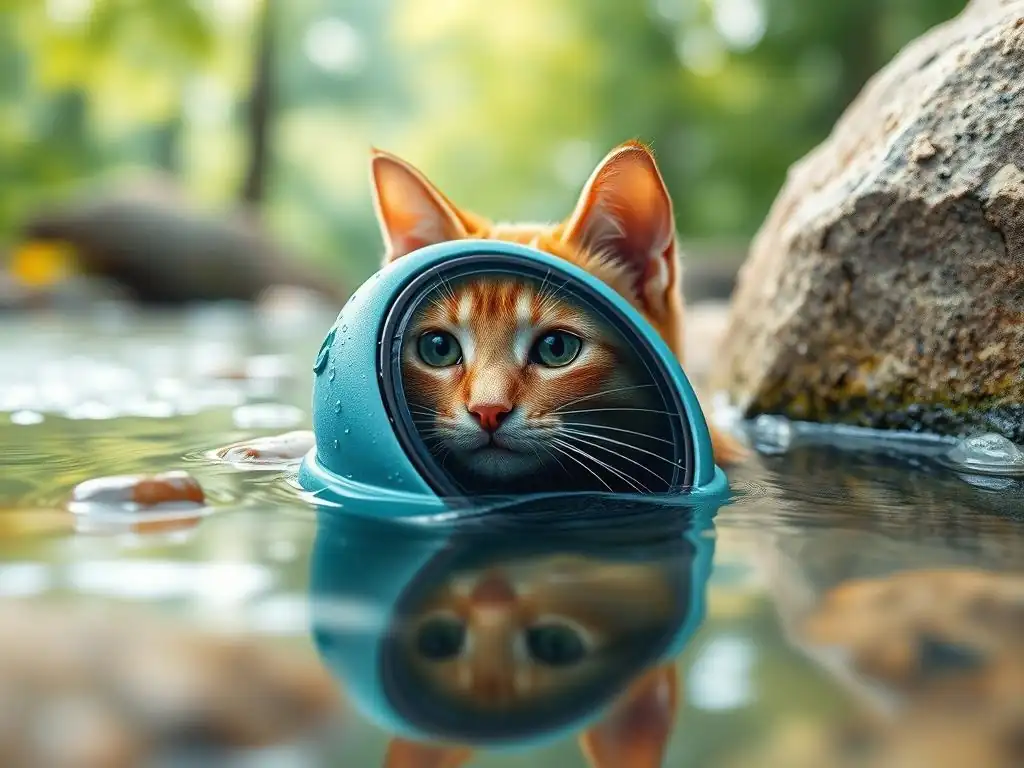
A cat's life outdoors is full of unpredictable adventures. Your chosen GPS tracker needs to be built to withstand these adventures. Look for trackers boasting robust construction, capable of surviving scratches, bumps, and even the occasional tumble. Materials like hardened polycarbonate or reinforced silicone are excellent choices, offering superior protection against impacts.
Furthermore, water resistance is paramount. Cats are notorious for exploring puddles, streams, and even taking an unexpected dip in the birdbath. A tracker with a high IP rating (Ingress Protection rating), such as IP67 or higher, ensures that your device can survive accidental submersion and exposure to rain or snow. Don't compromise on durability; a broken tracker renders it useless in a critical situation.
Consider reading online reviews focusing specifically on the tracker's resilience in various weather conditions and terrains before making a purchase. Real-world testing from other cat owners often provides a more accurate picture than manufacturer claims alone. For example, a tracker advertised as waterproof might not fare well in prolonged submersion, so look for evidence supporting the claims.
Subscription Costs and Data Plans: Long-Term Budget Considerations
While the initial purchase price of a GPS cat tracker is a significant factor, the ongoing subscription costs for data and service are equally important. These recurring fees can add up over time, so it's crucial to understand the different plans available and their associated costs. Some trackers offer various data plans, ranging from basic location updates to more comprehensive features like activity monitoring and geofencing. Consider the level of detail you need.
Do you simply need to know your cat's location, or do you want more detailed information about their activity patterns? Compare the pricing across different brands and plans to find the best value for your needs. Be sure to read the fine print! Hidden fees or limitations on data usage can quickly negate any perceived savings.
Look for transparent pricing structures with no unexpected charges. Many companies offer different subscription tiers, allowing you to customize your service based on your budget and tracking needs. For example, a basic plan might provide location updates every 30 minutes, while a premium plan offers real-time tracking. Choosing the right plan is essential for long-term cost management.
Even the most technologically advanced GPS tracker is useless if it's difficult to use. A user-friendly app interface is crucial for effortless monitoring and management of your cat's location. The app should be intuitive and easy to navigate, even for those unfamiliar with GPS tracking technology. Look for apps with clear instructions, straightforward maps, and easily accessible features.
Consider the app's compatibility with your smartphone's operating system (iOS or Android). Not all apps are created equal; some are far more user-friendly than others. Read reviews carefully, paying close attention to comments about the app's usability and any reported glitches or bugs. A clunky or confusing app can lead to frustration and potentially delay critical response times in emergency situations.
Features like easy-to-read maps, clear notifications, and customizable alerts are important aspects to prioritize. The ability to set up geofences (virtual boundaries) is also a valuable feature, allowing you to receive alerts if your cat leaves a designated area. A simple, clean interface with minimal clutter is key to a stress-free experience, especially during stressful situations. The best cat GPS tracker offers both powerful tracking capabilities and a simple, intuitive app experience.
Installing and Using a GPS Cat Tracker for Cats

This section provides a practical guide on installing and using a GPS tracker for your feline companion, ensuring optimal performance and minimizing any potential stress for your cat. Remember, the success of using a GPS tracker hinges on proper installation and your cat's acceptance of the device. Choosing the right tracker and following these steps will contribute significantly to the effectiveness of monitoring your cat's whereabouts.
We'll cover essential aspects to make the transition smooth and successful for both you and your cat. This information is crucial for achieving the best results from your investment in a cat GPS tracker and maximizing its safety benefits. Finding the best cat GPS tracker reviews will help you choose a device that is reliable and easy to use.
Getting Your Cat Accustomed to the Tracker: A Gradual Approach
Introducing a new device to your cat requires patience and a gradual approach. Rushing the process can lead to stress and rejection of the tracker. Start by letting your cat sniff the tracker. Allow them to investigate it at their own pace without any pressure.
Next, attach the tracker to their harness (more on harness selection below) for short periods, gradually increasing the duration each day. Reward your cat with treats and praise during these sessions to create positive associations with the tracker. Remember, consistency is key. Some cats may adapt quicker than others; observe your cat's behavior closely and adjust the acclimation process accordingly.
Positive reinforcement is vital to ensure your cat eventually accepts the tracker as a part of their routine. This patient approach will significantly improve the chances of successful long-term use. Consider using a pheromone diffuser to help calm your cat during this adjustment period. The goal is to make the tracker feel like a familiar and non-threatening part of their everyday life, ultimately facilitating accurate location tracking.
Attaching the Tracker Securely: Different Harness Options
The harness you choose is critical for both the tracker's functionality and your cat's comfort and safety. A poorly fitting harness can lead to the tracker becoming dislodged or causing discomfort, rendering the device ineffective. Several harness types cater to different cat personalities and body types.
- Step-in Harnesses: These are generally easy to put on and are preferred by many cats due to their less restrictive design. However, ensure the straps are snug but not too tight, preventing your cat from slipping out.
- Over-the-Head Harnesses: While slightly more challenging to put on, these harnesses tend to be more secure. Make sure the harness fits comfortably around your cat's neck and chest, allowing for freedom of movement.
- Backpack-Style Harnesses: These are designed to distribute weight evenly, making them suitable for heavier trackers. However, they might not be ideal for cats who are less tolerant of additional weight.
Consider the size and weight of your chosen GPS tracker when selecting a harness. A lightweight tracker might be suitable for a simpler harness, while a heavier tracker would benefit from a more robust and supportive design. Always prioritize your cat's comfort and safety; a secure and comfortable harness ensures the tracker remains in place and avoids causing any discomfort or injury to your cat. Regularly check the harness for wear and tear and replace it if necessary. A well-fitted harness is essential for the accurate and reliable functioning of your GPS cat tracker.
Monitoring Your Cat's Location via the App: Real-time Tracking
Most GPS trackers for cats utilize a dedicated mobile application to display real-time location data. After installing the app and pairing it with the tracker, you'll be able to monitor your cat's movements on a map. The app typically provides features such as:
| Feature | Description |
|---|---|
| Real-time Tracking | Displays your cat's current location on a map. |
| Historical Data | Shows your cat's past movements over a specific timeframe. |
| Geofencing | Sets up virtual boundaries; alerts you if your cat leaves a designated area. |
| Activity Monitoring | Tracks your cat's activity levels and sleep patterns (some trackers). |
Many apps offer customizable alerts, allowing you to receive notifications when your cat enters or exits specific zones or if the tracker's battery is low. Understanding your app's features is essential for maximizing the benefits of your GPS tracker. Regularly check the app for updates and familiarize yourself with any new features or improvements.
The quality and reliability of the app are crucial aspects of the overall user experience. Remember to always keep your app updated to ensure optimal performance and access to the latest features. These features make the app a valuable tool for keeping track of your cat's location and ensuring their safety and wellbeing.
Interpreting the GPS Data: Understanding Your Cat's Movements
Once your cat's GPS tracker is up and running, you'll start receiving data about their location and movements. Understanding this data is key to using the tracker effectively. Most trackers provide a map interface showing your cat's location in real-time, often with a historical trail illustrating their movements over a specific period.
This historical data can be invaluable for understanding your cat's daily routine and identifying potential risks. For example, you might notice a pattern of your cat venturing into a specific area frequently, perhaps a neighbor's yard or a nearby park. This information can help you assess potential dangers and make informed decisions about your cat's outdoor access.
Many trackers also provide additional data beyond simple location. Some may include information on the cat's activity level, such as the distance traveled or the speed at which they were moving. This can be particularly useful in identifying unusual activity, such as a sudden increase in speed or distance covered, which might indicate they're in distress or have become lost. Furthermore, some advanced trackers offer geofencing capabilities, allowing you to set virtual boundaries on the map.
If your cat leaves this designated safe zone, you'll receive an immediate alert, giving you the opportunity to intervene quickly. Remember to regularly check the tracker's battery life and ensure it's functioning correctly. Consistent monitoring is crucial to maximizing the benefits of your GPS tracker. The accuracy of the GPS data is also important to consider; factors like dense foliage or buildings can sometimes affect the precision of the location information.
Troubleshooting Common Issues: Addressing Connectivity Problems
GPS cat trackers rely on cellular or satellite connections to transmit location data. Connectivity problems are therefore a common source of frustration for owners. The most frequent issue is a weak or nonexistent signal. This can be caused by several factors, including poor cellular reception in your area, physical obstructions blocking the signal (thick walls, dense foliage), or a malfunctioning SIM card within the tracker. Before assuming your tracker is faulty, check your phone's signal strength in the areas where your cat frequents. If the signal is weak there, the tracker will likely struggle as well.
If you suspect a problem with the SIM card, contact your tracker's provider for assistance. They may be able to help troubleshoot connectivity issues or replace the SIM card. Another common problem is a low battery. Ensure your tracker is adequately charged; a dying battery can significantly impact its ability to transmit data.
Regularly check the battery level through the tracker's app. Furthermore, ensure the tracker is properly fitted to your cat's collar. A loose or improperly positioned tracker may prevent it from receiving a strong signal. If you've checked all of these factors and are still experiencing connectivity issues, contact the manufacturer's customer support for further assistance.
They may have specific troubleshooting steps tailored to your particular model. Remember to keep accurate records of any problems you encounter, including dates, times, and details of the issue, to facilitate efficient troubleshooting and potential warranty claims. Proper maintenance and understanding of potential problems will ensure that your cat's GPS tracker provides reliable and timely information, helping you keep your feline companion safe.
Safety Tips for Cats with GPS Trackers

This section focuses on maximizing the safety of your cat while utilizing a GPS tracker. Remember, a GPS tracker is a tool to enhance safety, not a guarantee of it. Responsible pet ownership remains paramount. Choosing the best cat GPS tracker involves not only considering features and reviews, but also implementing these crucial safety measures.
Ensuring the Tracker Doesn't Restrict Your Cat's Movement
A poorly fitted or bulky GPS tracker can hinder your cat's natural movements, potentially causing injury or discomfort. Consider your cat's size and breed when selecting a tracker. Smaller breeds might require a lighter, more compact device. Larger, more robust trackers might be better suited for larger cats, but even then, ensure a comfortable fit.
The tracker's harness or collar should be made of lightweight, breathable material. Avoid anything too tight, which could restrict blood flow or cause chafing. Regularly check for any signs of irritation or discomfort—redness, scratching, or excessive licking around the tracker attachment point. If you notice any issues, adjust the fit or consider a different attachment method.
A well-fitted tracker should be barely noticeable to your cat during normal activity. Observe your cat's behavior after applying the tracker; any significant change in playfulness, grooming habits, or overall demeanor might indicate an ill-fitting device. Prioritize your cat's comfort to ensure they can move freely and naturally, maximizing the benefits of the GPS tracking system without compromising their well-being.
Regularly Checking the Tracker's Battery and Signal
The reliability of your cat's GPS tracker hinges on consistent battery life and a strong signal. Neglecting these aspects can render the device useless in an emergency. Before venturing outdoors, always verify the tracker's battery level. Most trackers provide low-battery alerts, but proactive checks are crucial. Many best cat GPS tracker reviews emphasize battery life as a key feature. Consider purchasing a tracker with a long battery life to minimize the frequency of replacements and potential interruptions in tracking.
Signal strength is just as vital. GPS trackers rely on cellular or satellite signals, which can be affected by environmental factors like dense foliage, buildings, or underground locations. Test the tracker's signal in various locations familiar to your cat before relying on it completely. Identify areas with weak or no signal and consider the implications for your cat's safety in those zones.
Remember to check the tracker's signal regularly, especially after periods of inactivity or if you suspect your cat might have wandered into an area with poor reception. A consistent monitoring routine will help you stay informed about your cat's whereabouts and identify potential signal issues early on. This proactive approach, combined with choosing a tracker with reliable signal strength, ensures the best possible tracking experience and enhances your cat's safety.
Responding to Unusual Location Data: Potential Dangers
Unusual location data from your cat's GPS tracker demands immediate attention. This could indicate various dangers, from getting lost or trapped to potential encounters with wildlife or unfriendly individuals. If your cat's location deviates significantly from their usual range or shows unexpected patterns, investigate immediately. Consider using the tracker's features such as geofencing to get immediate alerts if your cat leaves a pre-defined safe zone. Understanding your cat's typical roaming habits is essential for interpreting location data effectively. Knowing the difference between a slightly extended exploration and a genuinely alarming situation is key to a swift and appropriate response.
Promptly investigate any unusual location data by searching the area systematically. If your cat is not found within a reasonable timeframe, consider contacting local animal shelters, veterinary clinics, and your neighbors. Don't hesitate to seek assistance from local authorities or animal rescue organizations if necessary.
Proactive monitoring, combined with a rapid response to unusual location data, significantly increases the chances of a safe return for your cat. The investment in a best cat GPS tracker becomes truly worthwhile when used responsibly and in conjunction with decisive action in case of unexpected events. Remember, the tracker is a tool to help you protect your feline companion; your vigilance and prompt response are crucial components of their safety.
Using the GPS Tracker for Emergency Situations: Lost Cat Recovery
A cat GPS tracker's true value shines brightest during emergencies. Imagine the frantic search for your beloved feline friend after they've slipped out of their collar or darted through an open door. The stress and anxiety are immense, but a GPS tracker significantly improves your chances of a swift reunion. Knowing your cat's precise location, even if they're blocks away, provides invaluable direction and peace of mind.
Many trackers offer features designed specifically for lost pet recovery. Some send immediate alerts to your phone if your cat ventures beyond a pre-set safe zone, providing early warning and allowing you to intervene before the situation escalates. This proactive approach is crucial; the sooner you locate a lost cat, the higher the chances of a safe return. Others utilize community features, potentially allowing other users of the same tracking system to assist in the search if your cat is spotted in their area.
Effective use during an emergency requires preparation. Ensure the tracker is fully charged and functioning correctly before your cat goes outdoors. Familiarize yourself with the tracker's interface and its features – especially the "locate" function – so you can access the information quickly and efficiently when needed. Regularly check the tracker's battery life and signal strength to prevent unexpected failures.
Consider adding a secondary identification tag to your cat's collar with your contact information, in case the GPS tracker malfunctions or the battery dies. This provides a backup method for identification and recovery. Remember, a quick response is key in lost pet situations; a well-maintained and understood GPS tracker is your best ally. The emotional toll of a lost pet is immense; a GPS tracker can help mitigate that significantly.
Beyond GPS Tracking: Additional Safety Measures for Outdoor Cats
While a GPS tracker offers a significant boost to your cat's safety, it's crucial to understand that it's just one piece of the puzzle. A comprehensive approach to outdoor cat safety involves a multi-layered strategy. Relying solely on technology can be risky; combining technological solutions with proactive measures significantly increases the chances of a safe return should your feline friend get lost. This section will explore additional safety measures to complement your cat's GPS tracker and provide the best possible protection. Remember, responsible pet ownership includes proactive risk mitigation.
Microchipping Your Cat: Permanent Identification
Microchipping is a vital safety net, irrespective of whether your cat wears a collar with a GPS tracker. A microchip is a tiny, inert transponder implanted under your cat's skin, containing a unique identification number linked to your contact information in a national pet database. Unlike collars and GPS trackers, which can be lost or removed, a microchip provides permanent identification. Should your cat become lost and found by someone, a vet scan can quickly reveal its microchip number, facilitating a swift reunion.
Consider microchipping as an essential companion to your GPS tracking device; it's a crucial layer of protection against permanent separation. The procedure is quick, relatively painless, and highly effective. Many veterinarians offer microchipping services, making it a readily accessible enhancement to your cat's safety profile.
Keeping Your Cat Indoors When Possible: Minimizing Risks
Despite the allure of the outdoors, keeping your cat indoors as much as possible significantly reduces the risks associated with getting lost or encountering dangers. Indoor cats generally live longer and healthier lives, with fewer exposure risks to traffic accidents, predators, diseases, and fights with other cats. While some cats may be naturally more adventurous, providing enriching indoor environments with plenty of stimulation, play, and climbing opportunities can help satisfy their innate curiosity and reduce their desire to roam freely.
Consider creating a stimulating indoor space with cat trees, scratching posts, interactive toys, and window perches to keep your feline companion happily engaged within the safety of your home. Even if you let your cat outside, prioritizing indoor time minimizes their exposure to potential hazards.
Creating a Safe Outdoor Environment: Cat-Friendly Yard
If you allow your cat outdoors, creating a secure and cat-friendly environment in your yard is paramount. This involves several key steps:
- Secure Fencing: Ensure your fence is high enough and sturdy enough to prevent escapes. Cats are surprisingly adept climbers and diggers, so check for any gaps or weaknesses.
- Safe Spaces: Provide sheltered areas like bushes, trees, or cat houses where your cat can retreat and feel secure.
- Predator Deterrents: Consider using motion-activated sprinklers or ultrasonic devices to deter predators such as foxes or coyotes.
- Supervised Outdoor Time: Always supervise your cat when it's outside, especially initially, to ensure it becomes familiar with the safe spaces and boundaries of your yard.
- Cat-Friendly Plants: Avoid planting toxic plants that could harm your cat if ingested. Research safe and cat-friendly plants to create a beautiful and non-toxic environment.
By implementing these additional safety measures alongside your GPS tracker, you create a comprehensive safety net for your beloved feline companion, significantly increasing the likelihood of a safe and happy life, both indoors and out. Remember, responsible cat ownership is a multifaceted endeavor, requiring a thoughtful and proactive approach to ensure your cat's well-being. 😻
Training Your Cat to Stay Close: Recall Training Techniques
Training your cat to return when called, or recall training, is a crucial safety measure, complementing the use of a GPS tracker. While cats are less likely to respond to commands than dogs, consistent training can significantly improve their responsiveness and reduce the risk of them wandering too far. Remember, patience and positive reinforcement are key. It's not about forcing your cat to obey, but about building a positive association with returning to you.
One effective technique involves using a high-value reward, something your cat absolutely loves, like a particularly tasty treat or a favorite toy. Start indoors, calling your cat's name in a cheerful tone while shaking the treat bag or showing the toy. When your cat comes to you, immediately reward them with enthusiastic praise and the treat or toy. Repeat this process multiple times a day, gradually increasing the distance between you and your cat before calling them.
As your cat becomes more responsive indoors, you can begin practicing outdoors in a secure, enclosed area like a fenced yard. Keep the training sessions short and positive, ending on a successful note. If your cat doesn't respond, avoid punishment. Simply end the session and try again later. Never chase your cat, as this can make them fearful and less likely to cooperate.
Consider using a clicker for training. The clicker acts as a marker, signaling to your cat that they are about to receive a reward. Click the clicker immediately after your cat performs the desired behavior (coming when called), followed by the treat. This creates a strong association between the sound, the action, and the reward. Consistent use of a clicker can significantly speed up the learning process.
For cats who are initially reluctant to return, it’s beneficial to start with shorter distances and gradually increase the range. You might start with just a few steps away, rewarding them for each successful return. Gradually increase the distance over several weeks to build their confidence and understanding.
Remember, every cat learns at a different pace, so be patient and persistent. The goal is to build a positive association between coming when called and receiving a reward, making it a rewarding experience for your feline friend and enhancing their safety. Even if your cat doesn't always come when called, the training will improve their responsiveness and make them more likely to stay within a safe range.
Frequently Asked Questions
What is the best cat GPS tracker?
There's no single "best" tracker, as the ideal choice depends on your cat's lifestyle and your budget. Consider factors like battery life, size, and accuracy when making your decision. Read multiple reviews before purchasing.
How accurate are cat GPS trackers?
Accuracy varies depending on the technology used (GPS, GSM, etc.) and the environment. Urban areas generally offer better accuracy than rural areas due to better signal reception. Expect some margin of error.
Are GPS trackers safe for my cat?
Most trackers are designed to be lightweight and durable, minimizing discomfort for your cat. However, always monitor your cat's behavior after attaching the tracker to ensure it doesn't cause distress.
How long do cat GPS tracker batteries last?
Battery life varies greatly between models, ranging from a few days to several weeks. Factors influencing battery life include usage frequency and signal strength. Check the manufacturer's specifications.
How do I choose a GPS tracker for my cat?
Consider your cat's size and activity level, your budget, and the features you need (e.g., activity monitoring, geofencing). Read PetCareWorld's comprehensive best cat GPS tracker reviews for detailed comparisons.
Final Reflection: The Enduring Bond, Enhanced by Technology
The freedom we grant our feline companions to explore the outdoors comes with inherent risks, a reality that GPS pet trackers are actively mitigating. These devices aren't just about convenience; they represent a powerful tool in ensuring the safety and well-being of our beloved cats, a responsibility we all share.
The impact of these technologies extends beyond simple location tracking; they're reshaping our relationship with our pets, allowing for a deeper understanding of their behavior and a more proactive approach to their care. The bond with a pet is as powerful as any human relationship, and technology should enhance, not replace, that connection.
This quote encapsulates the essence of responsible pet ownership in the digital age. The ability to monitor our cats' movements offers peace of mind, allowing us to intervene quickly should they stray into danger, and fostering a stronger, more informed connection.
Consider the implications of this technology for your own cat. Are you ready to embrace the enhanced safety and deeper understanding that a GPS tracker can provide? Take the time to research the options available, weigh the pros and cons, and choose the tracker that best suits your cat's personality and your lifestyle. The investment in your cat's safety is an investment in the enduring bond you share, a bond made stronger and more secure through the thoughtful application of modern technology.
Unlock Your Cat's Outdoor Adventures with Confidence!
Thank you for exploring the world of GPS pet trackers for cats with us! We hope you feel more confident in keeping your feline friend safe. Ready to take the next step?
- Choose a GPS tracker that suits your cat's personality and lifestyle. Consider factors like size, durability, and battery life to find the best fit.
- Share this article with other cat lovers—let's promote responsible outdoor cat ownership!
- Join an online community of cat owners who use GPS trackers to exchange tips and experiences.
What safety measures will you take to ensure your cat's outdoor adventures are both exciting and safe?