
The Psychology of Litter Boxes: What Your Cat's Preferences Reveal

Welcome to PetCareWorld, your ultimate guide to a happier, healthier life for your beloved companions! Are you puzzled by your feline friend's peculiar litter box habits? Uncover the secrets behind cat litter box preferences meaning and gain invaluable insights into your cat's behavior and well-being. Dive into our expert analysis to decipher the clues hidden in their choices and learn how to create a purrfectly happy and hygienic environment for your cat. Discover the fascinating world of feline communication and unlock the key to a stronger bond with your furry companion.
- Understanding Your Cat's Litter Box Choices: Deciphering the Clues
- Behavioral Issues and Cat Litter Box Preferences: Addressing Problems
- Creating the Ideal Litter Box Environment: A Holistic Approach
- Maintaining a Clean and Appealing Litter Box: Hygiene and Cat Preferences
- Frequently Asked Questions
- Final Reflection: Unlocking the Whispers of the Litter Box
- Unlock Your Cat's Communication: Dive Deeper into Litter Box Insights!
Understanding Your Cat's Litter Box Choices: Deciphering the Clues
Understanding your cat's litter box preferences is crucial for maintaining a happy and healthy feline companion. A seemingly simple act – using the litter box – can reveal a wealth of information about your cat's personality, comfort level, and overall well-being. Ignoring subtle changes in their litter box habits can lead to larger behavioral problems down the line, such as inappropriate urination or defecation outside the designated area.
This article will delve into the psychology behind your cat's litter box choices, exploring how their preferences in location, box size, and litter type can provide valuable insights into their needs and potential underlying issues. By understanding these preferences, you can proactively address any problems and create a more harmonious living environment for both you and your furry friend.
We'll explore the meaning behind various litter box behaviors, helping you decode the messages your cat is sending through its litter box choices and ultimately improve your cat's comfort and hygiene. Let's begin unraveling the mysteries of the litter box and what your cat's choices truly mean.
Cat Litter Box Preferences Meaning: Location, Location, Location
The placement of your cat's litter box is paramount. Cats are naturally fastidious creatures, preferring private and easily accessible locations away from high-traffic areas, food, and water bowls. A litter box placed in a noisy, busy area might cause your cat stress and lead to avoidance. Consider these factors:
- Privacy: Cats often prefer a quiet, secluded spot where they feel safe and secure during elimination. A bathroom, a spare bedroom, or a quiet corner of a hallway might be ideal.
- Accessibility: Ensure easy access to the litter box without obstacles. Cats with arthritis or mobility issues might struggle to navigate cluttered spaces.
- Visual Obstructions: Some cats prefer a litter box with some degree of visual screening, perhaps tucked away in a corner or behind a piece of furniture. This enhances their sense of security.
- Negative Associations: If your cat has had a negative experience near a particular location (e.g., a scary incident), it may avoid that area. Relocating the box might be necessary.
Consider this real-world example: A client reported their cat consistently urinating outside the litter box. Upon investigation, it was discovered the litter box was positioned near a frequently used doorway, causing the cat significant stress due to lack of privacy. Moving the litter box to a quieter location immediately resolved the issue.
Box Size and Cat Litter Box Preferences: Finding the Perfect Fit
The size of the litter box is another crucial factor influencing your cat's preferences. A box that's too small can be uncomfortable and even stressful, leading to avoidance. A larger cat, a multi-cat household, or a cat with mobility issues require a larger box.
- Adequate Space: The box should be large enough for your cat to comfortably turn around, dig, and eliminate without feeling cramped. A general rule of thumb is to choose a box that is at least 1.5 times the length of your cat.
- High-Sided Boxes: Some cats prefer high-sided litter boxes, particularly if they are prone to scattering litter. These also offer a greater sense of privacy and security.
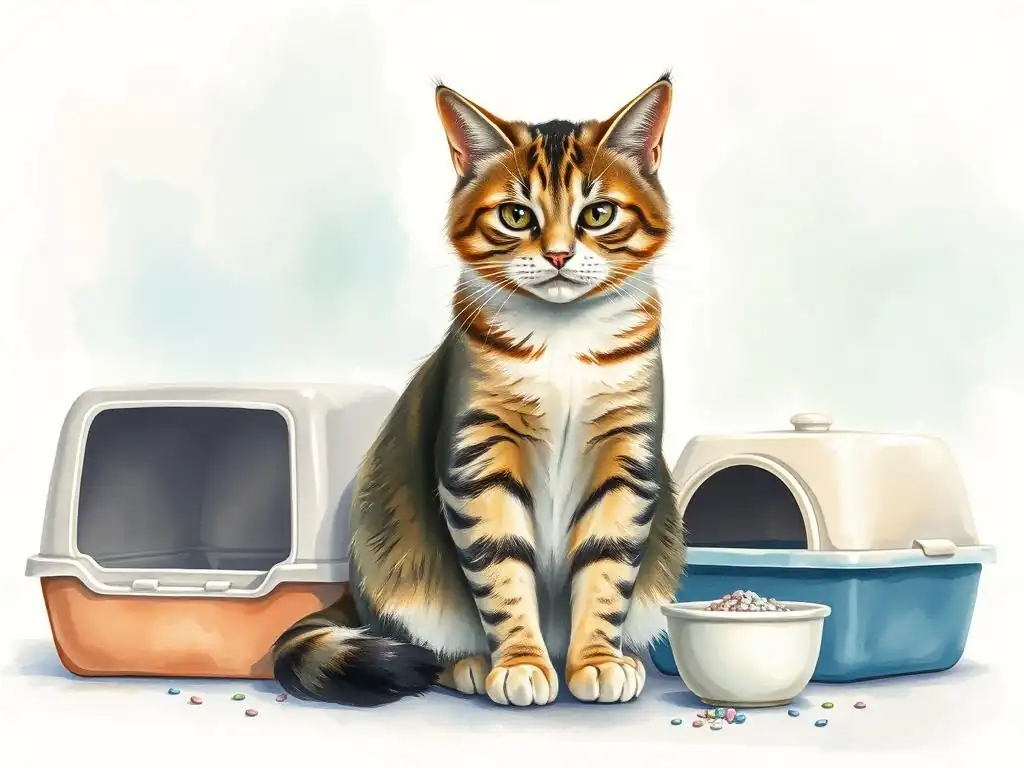
- Open vs. Covered Boxes: Covered litter boxes can provide privacy, but some cats prefer open boxes for better ventilation and visibility. Observe your cat's behavior to determine their preference. Some cats may feel trapped inside a covered box.
Choosing the right size box is critical. A kitten will need a smaller box initially, which can be gradually upgraded as the cat grows. Similarly, senior cats with arthritis may need an easier-access box with lower sides.
Litter Type and Your Cat's Litter Box Preferences: Texture and Scent
The type of litter used significantly impacts a cat's litter box preferences. Texture, scent, and dust level all play a role in whether a cat will readily use the box.
- Texture: Some cats prefer the feel of fine-grained litter, while others prefer coarser varieties. Experiment with different textures to find what your cat prefers. Avoid litters with sharp edges or potentially harmful additives.
- Scent: Many cats are sensitive to strong scents. Unscented litter is generally recommended, as artificial fragrances can be irritating or even deter your cat from using the box.
- Dust Level: Dust-free or low-dust litters are crucial for cats with respiratory sensitivities. Dust can irritate a cat's lungs and nose, leading to avoidance of the litter box.
Remember to observe any changes in your cat's litter box behavior. Sudden changes can indicate underlying health problems or stress. Always consult a veterinarian if you notice any concerning changes in your cat's elimination habits. 😻
Behavioral Issues and Cat Litter Box Preferences: Addressing Problems
Cats, despite their independent nature, are creatures of habit. Changes in their litter box preferences often signal underlying behavioral or medical issues. Understanding these changes is crucial for maintaining a harmonious relationship with your feline companion and ensuring their well-being.
This section delves into the psychology behind litter box usage, focusing on how a cat's preferences reveal potential problems and how to address them effectively. Observing your cat's litter box habits—frequency, location choices, and any signs of discomfort—can provide valuable insights into their overall health and happiness. Ignoring subtle changes can lead to escalating problems, so proactive monitoring is key.
Inappropriate Elimination: Understanding the Underlying Causes of Litter Box Avoidance
Inappropriate elimination, a common problem among cats, is rarely a deliberate act of defiance. Instead, it’s often a symptom of underlying stress, discomfort, or medical issues. Several factors can contribute to this behavior, including:
- Litter box aversion: The type of litter, the box itself (size, location, cleanliness), or even the presence of strong odors can make a cat avoid their designated area. For example, a cat sensitive to scented litters might refuse to use a box filled with a strongly perfumed product. Similarly, a covered litter box might feel too confining for some cats, leading them to seek more open spaces.
- Stress and anxiety: Changes in the household, such as new pets, family members, or even rearranging furniture, can significantly stress a cat, triggering inappropriate elimination. This stress response can manifest as spraying, marking, or completely avoiding the litter box.
- Medical conditions: Urinary tract infections (UTIs), kidney disease, diabetes, and other health problems can cause painful urination, making the litter box an uncomfortable place. Cats may try to relieve themselves in more accessible locations to minimize pain. Even seemingly minor ailments can significantly alter a cat’s litter box habits.
- Territorial issues: Multi-cat households can experience territorial disputes, leading to one or more cats marking their territory outside the litter box. This often involves spraying urine to assert dominance or communicate displeasure.
- Cognitive dysfunction: In older cats, cognitive dysfunction syndrome (CDS) can lead to disorientation and confusion, resulting in inappropriate elimination. This is often accompanied by other behavioral changes, such as increased vocalization or changes in sleep patterns.
The key is to systematically investigate these possibilities. Keep a detailed record of the times and locations of accidents, noting any potential triggers or stressors. This information will be invaluable in determining the root cause.
Solving Litter Box Problems: Strategies for Encouraging Proper Elimination
Addressing litter box issues requires a multi-pronged approach, focusing on eliminating potential stressors and providing a more attractive and comfortable environment for your cat. Consider these strategies:
- Multiple litter boxes: The general rule is one litter box per cat, plus one extra. This ensures ample space and reduces competition, especially in multi-cat households.
- Litter box location: Place litter boxes in quiet, easily accessible locations, away from food and water bowls, and high-traffic areas. Avoid placing them in areas that might feel threatening to your cat, such as near noisy appliances or in confined spaces.
- Litter type: Experiment with different types of litter to find one your cat prefers. Avoid scented litters, as many cats find these offensive. Consider clumping litter for easier cleanup and odor control.
- Cleaning frequency: Regularly scoop the litter box at least once a day, and completely change the litter frequently (depending on the type of litter). Cleanliness is crucial for discouraging avoidance.
- Stress reduction: Identify and mitigate potential stressors in your home. Provide plenty of vertical space (cat trees, shelves), toys, and scratching posts to keep your cat entertained and engaged. Consider pheromone diffusers to reduce anxiety.
- Veterinary consultation: If behavioral modification techniques fail to resolve the problem, consult your veterinarian to rule out any underlying medical conditions.
By patiently addressing these points, you can significantly improve your cat's litter box habits and create a more comfortable and harmonious environment for both of you. Remember, persistence and observation are key.
Medical Reasons Behind Changes in Cat Litter Box Preferences: When to Consult a Vet
While behavioral issues frequently underlie litter box problems, underlying medical conditions can also significantly impact a cat's elimination habits. Changes in urination frequency, posture, or urine appearance warrant immediate veterinary attention. These changes can indicate a variety of medical problems, including:
- Urinary Tract Infections (UTIs): UTIs are incredibly common in cats and can cause painful urination, leading to avoidance of the litter box or straining during urination. Symptoms often include increased frequency of urination, blood in the urine, and licking of the genitals.
- Feline Idiopathic Cystitis (FIC): FIC is a condition characterized by inflammation of the bladder, often with no identifiable cause. Symptoms include straining to urinate, frequent urination, and even blood in the urine. Stress and anxiety can exacerbate FIC.
- Kidney Disease: Kidney disease can cause increased thirst and urination, often leading to accidents outside the litter box. Other symptoms include weight loss, lethargy, and a poor appetite.
- Diabetes: Diabetes can also cause increased thirst and urination, as the body tries to flush excess glucose from the bloodstream. Other symptoms include increased appetite, weight loss, and increased thirst.
- Hyperthyroidism: Hyperthyroidism, an overactive thyroid gland, can lead to increased urination and thirst. Other symptoms include weight loss, increased appetite, and restlessness.
If you notice any changes in your cat's urination habits, such as increased frequency, straining, blood in the urine, changes in urine odor or appearance, or changes in water intake, schedule an appointment with your veterinarian immediately. Early diagnosis and treatment are crucial for managing these conditions and improving your cat's quality of life. Delaying veterinary care can lead to severe complications.
Creating the Ideal Litter Box Environment: A Holistic Approach
Understanding your cat's litter box preferences is crucial for their health and happiness. It's not just about the box itself; it's about creating an environment that caters to their natural instincts and individual needs. This holistic approach considers several key factors that often influence a cat's choice of bathroom facilities. Failing to address these factors can lead to litter box avoidance, a common problem among feline companions. Let's delve into the components of a perfect litter box setup.
Multiple Cat Households and Litter Box Preferences: Avoiding Conflicts and Competition
In multi-cat households, competition for resources, including litter boxes, is a frequent source of stress and can lead to inappropriate urination or defecation. The general rule of thumb is to have one more litter box than the number of cats you own. So, for two cats, three litter boxes are ideal. However, this isn't a hard and fast rule. Observe your cats' behavior; if they seem to consistently prefer certain boxes or locations, adjust accordingly.
Consider the following:
- Placement: Distribute litter boxes throughout the house, avoiding high-traffic areas or locations near food and water bowls. Cats often prefer privacy for elimination.
- Box Types: Offer a variety of box types and sizes to accommodate individual preferences. Some cats prefer enclosed boxes, while others prefer open ones. Some might prefer larger boxes for more space.
- Litter Type: Experiment with different litters to find one that your cats prefer. Scent, texture, and clumping ability all play a role. Consider using unscented litters, as strong fragrances can be offensive to cats.
- Cleaning: Maintaining impeccable cleanliness is paramount. Scoop litter boxes at least once a day, and completely change the litter regularly (frequency depends on the litter type and number of cats). A dirty litter box is a major cause of litter box avoidance.
Failing to provide adequate litter box resources can lead to territorial disputes and stress-induced urination outside the box. A proactive approach, focusing on individual preferences and minimizing competition, contributes significantly to a harmonious household. Regular observation and adjustment based on your cats' behavior are key.
As cats age, physical changes can impact their litter box habits. Arthritis, for example, can make it difficult for senior cats to access or use a traditional litter box. Their preferences may shift significantly, and addressing these changes is crucial for maintaining their well-being.
Consider these adaptations:
- Lowered Sides: Consider switching to a low-sided litter box or even removing the sides entirely to facilitate easier access.
- Litter Type: Senior cats may find it easier to use a softer, less dusty litter.
- Location: Place the litter box in a readily accessible location, minimizing the distance they need to travel. Avoid placing it on higher surfaces or in areas that require climbing stairs.
- Increased Frequency of Cleaning: Older cats are more sensitive to odors, so more frequent cleaning is essential.
- Veterinary Checkup: It's essential to rule out any underlying medical conditions that may be contributing to changes in litter box habits.
Adapting to these changes ensures that your senior cat continues to use the litter box appropriately, preventing accidents and maintaining their dignity. Regular monitoring and adjustments are vital as they age and their needs evolve.
Kitten Litter Box Preferences: Establishing Healthy Habits Early On
Establishing good litter box habits early in a kitten's life is crucial for preventing future problems. Kittens are quick learners, but proper guidance is necessary to ensure they understand and consistently use their litter box.
- Location: Place the litter box in a quiet, easily accessible location, away from high-traffic areas.
- Box Size: Choose a litter box that's appropriately sized for the kitten, ensuring they can easily enter and exit without difficulty.
- Litter Type: Start with a fine-grained, unscented litter.
- Training: Gently place your kitten in the litter box after meals, playtime, and naps. Positive reinforcement, such as treats or praise, will help solidify the association between the litter box and elimination.
- Consistency: Maintain a consistent routine for litter box cleaning. Kittens are sensitive to cleanliness.
Early intervention and consistent training are key to developing lifelong healthy litter box habits. Addressing any issues promptly will prevent the development of problematic behaviors later in life. A proactive approach ensures a happy and healthy cat.
Maintaining a Clean and Appealing Litter Box: Hygiene and Cat Preferences
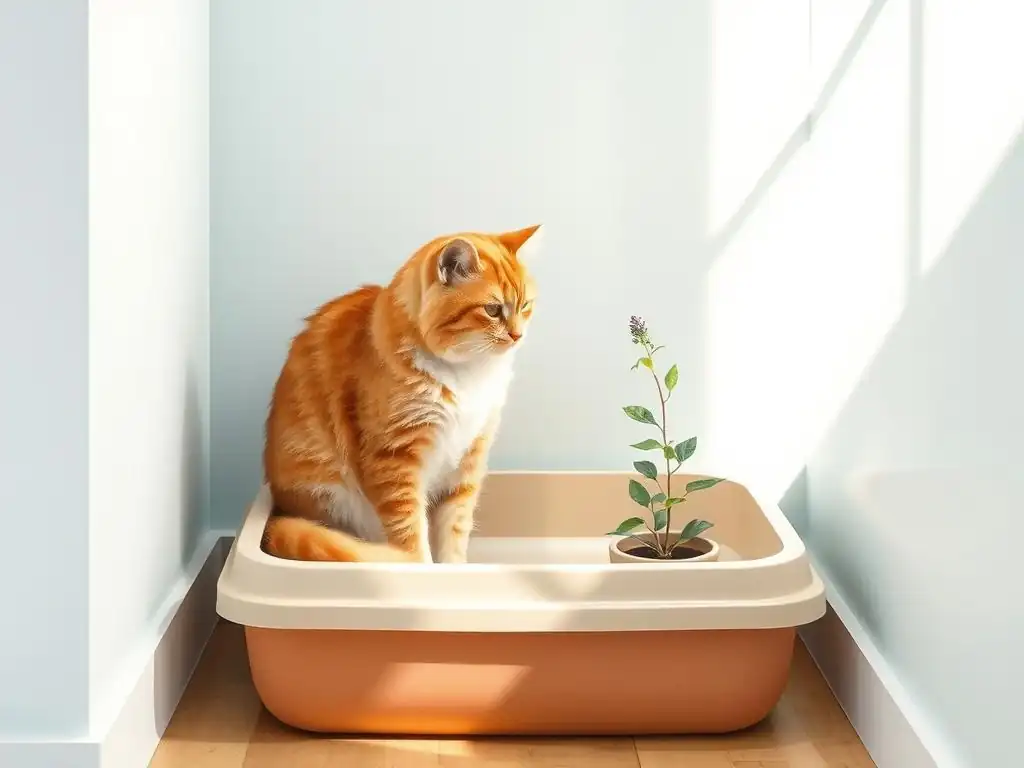
Cats are notoriously fastidious creatures, and their litter box habits often reflect their overall well-being and preferences. A clean and appealing litter box is crucial for a happy and healthy cat, directly impacting their choice of where to eliminate. Understanding your cat's preferences regarding litter box cleanliness is key to preventing accidents and maintaining a harmonious household.
Ignoring their preferences can lead to stress, urinary tract infections, and even behavioral issues like spraying. This section explores the vital link between hygiene, litter box maintenance, and your cat's elimination choices. Optimizing your litter box management directly correlates with positive cat litter box preferences meaning a happier, healthier pet.
Frequency of Litter Box Cleaning and Cat Litter Box Preferences: Maintaining Hygiene
The frequency of litter box cleaning significantly influences your cat's litter box preferences. While some cats are more tolerant than others, a general rule of thumb is to scoop solid waste daily. This prevents the build-up of ammonia and unpleasant odors that cats find highly offensive. A completely refreshed litter box should be performed at least once a week, or even more frequently depending on the number of cats and the type of litter used. Failing to maintain this schedule can lead to your cat actively avoiding the litter box, seeking alternative locations for elimination.
Consider these factors when determining your cleaning schedule:
- Number of cats: Multiple cats require more frequent cleaning.
- Type of litter: Clumping litter simplifies cleaning, but still requires daily scooping.
- Cat's sensitivity: Some cats are extremely sensitive to odors and require more frequent cleaning.
Failing to maintain a clean litter box can manifest in several undesirable ways:
- Increased urination outside the litter box: This is a clear sign of dissatisfaction with the current litter box conditions.
- Stress and anxiety: A constantly dirty litter box can cause stress and anxiety in your cat.
- Urinary tract infections: Ammonia build-up can irritate the urinary tract, leading to infections.
The Importance of Fresh Litter and its Impact on Cat Litter Box Preferences
The type and freshness of the litter are paramount to your cat's litter box preferences. Many cats are very particular about the texture and scent of their litter. Some prefer clumping litter for its ease of cleaning, while others might prefer non-clumping options for their softer texture. Experimentation is key to finding the perfect litter for your cat's individual preferences. The scent of the litter also plays a significant role; some cats are sensitive to strongly scented litters, while others may prefer a lightly scented option or unscented litter entirely.
Beyond the type of litter, the freshness is crucial. Even with daily scooping, the litter itself needs replacing regularly. The frequency of complete litter changes depends on the type of litter and the number of cats, but a general guideline is to replace all the litter at least once a week. Stale litter loses its absorbency, leading to increased odor and dampness – conditions that are highly undesirable for a cat.
Regular litter changes are a critical component of maintaining a clean and inviting litter box, directly impacting your cat's positive litter box preferences. This demonstrates a direct correlation between litter freshness and a cat's overall comfort and hygiene. Understanding and addressing these preferences is essential for maintaining a harmonious relationship with your feline companion and preventing behavioral problems related to elimination.
Frequently Asked Questions
What does my cat's choice of litter box location tell me?
Your cat's litter box placement preference reveals their comfort and safety needs. A hidden location might indicate a shy cat, while an open area suggests confidence. Observe their behavior around the box for further insight.
Why does my cat suddenly prefer a different litter box?
Changes in litter box preference can signal underlying health issues, stress, or territorial changes in the home. Consult your veterinarian to rule out medical problems and assess your cat's environment.
What if my cat refuses to use the litter box?
This is a serious issue requiring immediate attention. Rule out medical causes first. Then check for issues like litter type, box cleanliness, or location. Consider consulting a veterinarian or feline behaviorist.
How can I understand my cat's preferences regarding litter type?
Cats have individual preferences for litter texture, scent, and absorbency. Experiment with different litter types to find what your cat likes best. Observe their behavior when using different litters; signs of discomfort might indicate a dislike.
What does it mean if my cat avoids the litter box at night?
Night-time avoidance might indicate fear, discomfort, or a medical issue. Ensure the box is easily accessible in the dark, and consider a second litter box in a different location for easier nighttime access.
Final Reflection: Unlocking the Whispers of the Litter Box
Understanding your cat's litter box preferences isn't just about clean floors; it's a window into their emotional well-being and a crucial key to a harmonious home. Ignoring these subtle signals can lead to significant behavioral problems, impacting both your cat's happiness and the overall household dynamic. The seemingly simple act of choosing a litter box becomes a powerful indicator of your cat's comfort and contentment.
The exploration of feline litter box preferences has illuminated the profound connection between a cat's environment and its mental health. It's a fascinating journey into the often-misunderstood world of our feline companions, revealing how seemingly insignificant details can have a significant impact. The cat, who walks by himself, will not be commanded.
This quote, while seemingly about independence, also speaks to the importance of respecting a cat's individual needs and preferences, which are so clearly expressed through their litter box choices. Understanding these preferences allows us to better meet their needs and foster a stronger bond.
So, consider this your call to action. Take a moment to observe your cat's litter box habits. Is there a pattern? Are they hesitant to use the box? Do they seem stressed or anxious around it? By paying attention to these details, you can proactively address any potential issues and create a more enriching and comfortable environment for your beloved feline friend. Remember, a happy cat starts with a happy litter box experience.
Unlock Your Cat's Communication: Dive Deeper into Litter Box Insights!
Thanks for exploring the fascinating world of feline litter box preferences! You've gained valuable insights into your cat's behavior and how their choices reflect their well-being. Now, let's put this knowledge into action:
- Prioritize your cat's comfort: Assess your cat's current litter box setup. Consider the type of litter, the box size, its location, and how clean it is. Even small improvements can significantly impact your cat's happiness.
- Share this article with other cat lovers! Help spread awareness and empower others to better understand their feline companions.
- Maintain a litter box journal to track your cat's habits and identify any potential problems early on. This can provide surprisingly valuable insights into your cat's health and well-being.
What small change will you make today to improve your cat's comfort and happiness?