
Reptile Respiratory Health: Advanced Care and Treatment Options


Welcome to PetCareWorld, your ultimate guide to a happier, healthier life for your beloved companions! Are you concerned about your reptile's well-being? We understand the urgency when facing a potential health crisis. Learn about Reptile respiratory infection treatment and discover advanced care options to help your scaly friend breathe easy again. Dive into our expert advice and practical solutions – your journey to informed pet ownership starts here.
- Understanding Reptile Respiratory Infections: Symptoms and Diagnosis
-
Advanced Treatment Options for Reptile Respiratory Infections
- Antimicrobial Therapy for Bacterial Infections in Reptiles: Antibiotics and Dosage
- Antiviral Treatment for Viral Respiratory Infections in Reptiles
- Antifungal Medications for Fungal Respiratory Infections in Reptiles
- Supportive Care for Reptiles with Respiratory Problems: Hydration, Oxygen Therapy, and Nutritional Support
-
Preventing Reptile Respiratory Infections: Proactive Measures
- Maintaining Optimal Humidity and Temperature for Reptile Respiratory Health
- Ensuring Proper Ventilation in Reptile Enclosures
- Preventing Stress and Reducing Exposure to Pathogens
- Quarantine Procedures for New Reptiles to Prevent Respiratory Infections
- Importance of Regular Veterinary Checkups for Reptile Respiratory Health
- Advanced Case Studies in Reptile Respiratory Disease Management
- When to Seek Emergency Veterinary Care for Reptile Respiratory Issues
- Frequently Asked Questions
- Final Reflection: Breathing New Life into Herpetology
- Unlock Your Reptile's Respiratory Potential
Understanding Reptile Respiratory Infections: Symptoms and Diagnosis
Reptile respiratory infections represent a significant health challenge for pet owners, demanding prompt recognition and effective treatment. This comprehensive guide delves into the intricacies of reptile respiratory health, providing a detailed understanding of symptoms, diagnostic methods, and advanced treatment options. Successfully navigating these complexities requires a keen eye for early warning signs, accurate diagnosis, and a proactive approach to veterinary care.
Ignoring respiratory issues can lead to severe complications, potentially resulting in significant morbidity and mortality for your beloved reptile. This article focuses specifically on providing effective strategies for managing and treating reptile respiratory infections, equipping you with the knowledge to ensure the well-being of your scaly companion. We will explore various types of respiratory infections, diagnostic tools used by veterinarians, and available treatment options, using real-world examples to illustrate key concepts.
Understanding these aspects is crucial for responsible reptile ownership and ensuring the longevity and health of your pet. Remember, early intervention is key to successful treatment of reptile respiratory infections.
Recognizing Early Signs of Respiratory Distress in Reptiles
Early detection is crucial in managing reptile respiratory infections. Unfortunately, many early signs are subtle and easily overlooked. 😪 Owners must be vigilant in observing their reptiles' behavior and physical condition. Key indicators of respiratory distress include:
- Open-mouth breathing: A reptile normally breathes through its nostrils. Open-mouth breathing, especially at rest, is a significant red flag.
- Increased respiratory rate: Observe the frequency of your reptile's breathing. A noticeably faster rate than usual suggests potential problems. [Specific respiratory rates for different species pending]
- Abnormal respiratory sounds: Listen carefully for wheezing, clicking, or gurgling sounds during breathing. These often indicate airway obstruction or inflammation.
- Lethargy and weakness: Respiratory infections can lead to a general decline in energy levels, making your reptile less active and responsive.
- Anorexia: Loss of appetite is a common symptom, often indicating discomfort or illness.
- Nasal discharge: A runny nose, either clear, white, or colored, can signal infection. Note the color and consistency of the discharge.
- Swollen eyes: In some cases, respiratory infections can lead to swelling around the eyes.
- Changes in posture: Reptiles may adopt unusual postures, such as holding their necks extended or struggling to breathe comfortably.
It's vital to remember that these symptoms can vary depending on the species of reptile, the severity of the infection, and the underlying cause. Any noticeable change in your reptile's behavior or respiratory function should prompt immediate consultation with a veterinarian specializing in reptile care. Early intervention significantly improves the chances of a successful outcome.
Reptile respiratory infections can stem from various pathogens, including bacteria, viruses, and fungi. The specific causative agent significantly influences the severity and treatment approach.
- Bacterial Infections: These are relatively common and often involve bacteria such as Aeromonas, Pseudomonas, and Salmonella. Symptoms can range from mild to severe, depending on the bacterial species and the reptile's overall health. Treatment typically involves antibiotics, tailored to the specific bacteria identified through culture and sensitivity testing.
- Viral Infections: Viral infections in reptiles are often more challenging to treat, as there are limited antiviral options available. Herpesviruses are a common cause of respiratory disease in many species. Supportive care is crucial, focusing on maintaining hydration, nutrition, and overall comfort.
- Fungal Infections: Fungal infections, such as aspergillosis, can affect the respiratory system, often causing severe and chronic problems. Diagnosis typically involves microscopic examination of samples and often requires long-term antifungal treatment. The prognosis can be guarded depending on the extent of the infection and the species of reptile.
Diagnostic Tools for Reptile Respiratory Diseases: Physical Exam, Radiography, and Bloodwork
Accurate diagnosis is paramount for effective treatment. Veterinarians employ a range of diagnostic tools to identify the underlying cause of respiratory problems.
- Physical Examination: A thorough physical exam forms the cornerstone of diagnosis. This involves observing the reptile's respiratory rate, listening for abnormal sounds, assessing hydration status, and checking for any other signs of illness.
- Radiography (X-rays): X-rays provide valuable insights into the lungs and respiratory tract. They can reveal pneumonia, abscesses, or other abnormalities.
- Bloodwork: Complete blood counts (CBCs) and blood chemistry panels help assess the reptile's overall health and detect any secondary infections or complications. These tests can also help guide treatment decisions and monitor response to therapy. Additional specialized tests, such as serology for specific viruses or bacterial cultures, may be necessary depending on the suspected cause of the infection. The cost of these tests can vary significantly, and the veterinarian will discuss the options available and their associated costs.
Remember, this information is for educational purposes only and should not replace professional veterinary advice. Always consult a veterinarian experienced in reptile medicine for diagnosis and treatment of any suspected respiratory infection in your reptile.
Advanced Treatment Options for Reptile Respiratory Infections

This section delves into advanced therapeutic interventions for reptile respiratory infections, focusing on targeted treatments based on the underlying pathogen. Early diagnosis and prompt treatment are crucial for improving the prognosis of these often serious conditions. Remember, this information is for educational purposes only and should not replace professional veterinary advice. Always consult a veterinarian experienced in reptile care before initiating any treatment. Effective reptile respiratory infection treatment relies on accurate identification of the causative agent.
Antimicrobial Therapy for Bacterial Infections in Reptiles: Antibiotics and Dosage
Bacterial infections are a common cause of respiratory illness in reptiles. Treatment typically involves administering antibiotics, but the choice of antibiotic and dosage is crucial and highly species-specific. Incorrect antibiotic use can lead to treatment failure and the development of antibiotic-resistant bacteria. Furthermore, many reptiles have unique metabolic and pharmacokinetic profiles that necessitate careful consideration of drug selection and administration.
Several factors influence antibiotic selection, including the specific bacterial pathogen (identified through culture and sensitivity testing), the reptile species, the severity of the infection, and the individual animal's overall health. Broad-spectrum antibiotics are sometimes used initially, pending culture results, but targeted therapy based on susceptibility testing is always preferred for optimal outcomes.
| Antibiotic Class | Example Antibiotics | Reptile Species Commonly Treated | Potential Side Effects | Dosage Considerations |
|---|---|---|---|---|
| Aminoglycosides | Gentamicin, Amikacin | Many lizards, snakes, turtles | Nephrotoxicity (kidney damage) | Highly species-specific; requires careful monitoring of kidney function. |
| Tetracyclines | Tetracycline, Doxycycline | Many reptiles | Gastrointestinal upset, tooth discoloration (in young animals) | Dosage varies greatly depending on species and severity; may need to be administered multiple times daily. |
| Cephalosporins | Ceftazidime, Ceftriaxone | Various reptiles | Relatively few side effects, but allergic reactions can occur. | Dosage highly species-specific; often administered via injection. |
| Fluoroquinolones | Enrofloxacin, Ciprofloxacin | Many reptiles | Cartilage damage (in young, growing animals) | Not recommended for long-term use; careful monitoring of joint health is crucial. |
It's vital to emphasize that self-medicating your reptile is extremely dangerous. Improper antibiotic use can severely harm your pet. Always consult a veterinarian to determine the appropriate antibiotic, dosage, and administration route. Regular monitoring of the reptile's clinical signs and potential side effects is also essential during antibiotic therapy.
Viral respiratory infections in reptiles are often challenging to treat, as there are limited effective antiviral medications specifically developed for reptiles. Supportive care is usually the primary focus, aiming to bolster the reptile's immune system and manage symptoms. This supportive care often involves maintaining optimal environmental conditions, providing nutritional support, and managing secondary bacterial infections that may arise.
Some antiviral medications used in other species may have some activity against certain reptilian viruses, but their efficacy and safety in reptiles are often poorly studied. Veterinarians may consider using these off-label, but only in cases where the potential benefits outweigh the risks, and always with careful monitoring. Further research into effective antiviral therapies for reptilian viruses is urgently needed. The prognosis for viral respiratory infections in reptiles can vary greatly depending on the specific virus, the severity of the infection, and the overall health of the reptile.
Antifungal Medications for Fungal Respiratory Infections in Reptiles
Fungal respiratory infections, though less common than bacterial or viral infections, can be severe and life-threatening in reptiles. Treatment usually involves antifungal medications, but again, the specific choice and dosage must be tailored to the reptile species and the identified fungus. Culture and sensitivity testing are essential to guide treatment decisions.
Commonly used antifungal agents include itraconazole and fluconazole. However, the pharmacokinetics of these drugs in reptiles are not fully understood, and careful monitoring is crucial to ensure efficacy and minimize potential side effects. Dosage regimens are highly species-specific and should be determined by a veterinarian with experience in reptile medicine. The route of administration (oral, injection) will also depend on the specific situation and the reptile's condition.
Treatment duration is often prolonged, sometimes lasting several weeks or even months, to ensure complete eradication of the fungal infection. Regular monitoring of the reptile's clinical signs and potential side effects is essential throughout the treatment period. Prognosis for fungal respiratory infections can be guarded, and early intervention is key to improving the chances of successful treatment.
Supportive Care for Reptiles with Respiratory Problems: Hydration, Oxygen Therapy, and Nutritional Support
Providing supportive care is crucial in managing reptile respiratory infections. This involves addressing the underlying issues impacting the reptile's ability to breathe and thrive, going beyond simply treating the infection itself. Effective supportive care can significantly improve the chances of recovery and reduce the severity of symptoms. Let's delve into the key components:
Hydration: Dehydration is a common complication of respiratory infections in reptiles. Respiratory distress can lead to decreased appetite and difficulty swallowing, further exacerbating fluid loss. Maintaining adequate hydration is paramount. Methods include subcutaneous fluid administration (under the skin), which is often preferred for reptiles due to the risks associated with intravenous (IV) lines.
The specific fluids and administration techniques will depend on the species and the severity of dehydration; veterinary guidance is essential. Signs of dehydration in reptiles include sunken eyes, lethargy, and dry mucous membranes. Regular monitoring of hydration status is critical throughout the treatment process. For instance, a veterinarian might recommend a specific hydration protocol based on the reptile's weight and the severity of dehydration, perhaps involving daily subcutaneous fluid injections until hydration levels normalize.
Oxygen Therapy: When a reptile is experiencing severe respiratory distress, supplemental oxygen can be life-saving. Oxygen therapy can help alleviate the strain on the respiratory system, allowing the reptile to breathe more easily and improve oxygen saturation in the blood. This might involve placing the reptile in a humidified oxygen chamber or providing oxygen via a mask or nasal cannula.
The precise method used will depend on the species of reptile and the severity of the respiratory problem. For example, a severely affected bearded dragon might require placement in an oxygen chamber for several days, while a less severely affected leopard gecko might only need supplemental oxygen via a mask for a shorter period. Close monitoring of the reptile's respiratory rate and oxygen saturation levels is crucial during oxygen therapy.
Nutritional Support: Maintaining adequate nutrition is vital for supporting the immune system and promoting healing. Reptiles with respiratory infections often experience anorexia (loss of appetite) due to discomfort and respiratory distress. Hand-feeding or providing easily digestible foods might be necessary to ensure the reptile receives adequate calories and nutrients. In some cases, a veterinarian might recommend nutritional supplements to address any deficiencies or support the immune system.
For instance, a reptile with a severe infection might require a diet supplemented with vitamins and minerals to compensate for reduced food intake. The specific dietary adjustments will depend on the species and the individual reptile's needs, necessitating consultation with a veterinarian experienced in reptile care. Careful monitoring of weight and body condition is important to assess the effectiveness of the nutritional support strategy.
Preventing Reptile Respiratory Infections: Proactive Measures
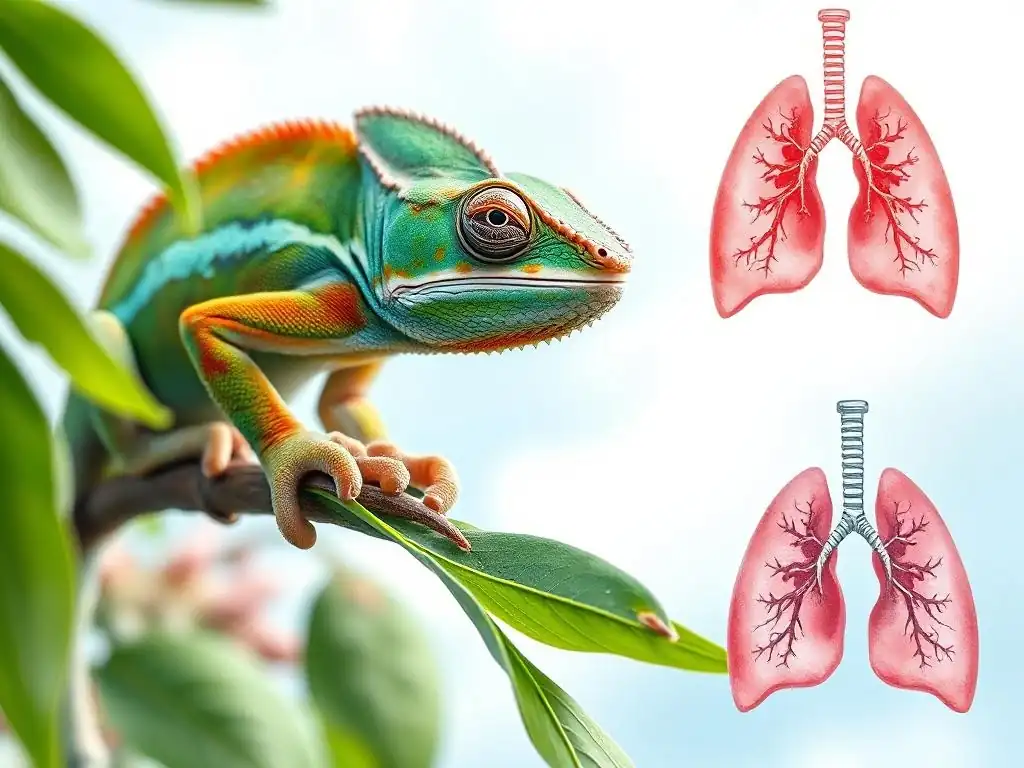
Preventing reptile respiratory infections is paramount to ensuring the long-term health and well-being of your scaled companion. A proactive approach, focusing on husbandry best practices, significantly reduces the risk of these often serious illnesses. Remember, early intervention is key when dealing with reptile respiratory infection treatment, so prevention is the best medicine. This section details crucial steps you can take to minimize the chances of your reptile contracting a respiratory infection. Let's dive into the specifics.
Maintaining Optimal Humidity and Temperature for Reptile Respiratory Health
Maintaining the correct humidity and temperature levels within your reptile's enclosure is fundamental to preventing respiratory infections. These environmental factors directly impact the reptile's immune system and respiratory function. Deviations from the ideal range can weaken their defenses, making them more susceptible to pathogens.
For example, insufficient humidity can lead to dehydration and thickened mucus membranes, hindering the reptile's ability to clear its respiratory tract. Conversely, excessively high humidity can create a breeding ground for bacteria and fungi, increasing the risk of infection. Always research the specific humidity and temperature requirements for your reptile species.
Employ accurate thermometers and hygrometers to monitor these parameters regularly and adjust accordingly using appropriate humidifiers, heating pads, or other climate control devices. Consistent monitoring is vital; even minor fluctuations can have a significant impact on your reptile's respiratory health. Think of it as providing a microclimate that mirrors their natural habitat, supporting their natural defenses against respiratory illnesses.
Regularly cleaning and disinfecting the enclosure is also crucial. A clean environment minimizes the presence of pathogens that can trigger respiratory infections. Remember to use reptile-safe disinfectants and allow the enclosure to thoroughly dry before reintroducing your reptile.
Ensuring Proper Ventilation in Reptile Enclosures
Proper ventilation is another critical aspect of preventing reptile respiratory infections. Poor ventilation leads to stagnant air, trapping moisture and potentially harmful gases, such as ammonia from waste products. This stagnant, contaminated air can irritate the respiratory system and significantly increase the risk of infection.
The ideal ventilation system allows for a consistent exchange of fresh air while maintaining the appropriate temperature and humidity levels. Avoid excessive drafts, as these can cause stress and potentially lead to chilling, weakening the immune system. The type of ventilation system required varies depending on the size and type of enclosure, as well as the species of reptile. Some enclosures benefit from passive ventilation through screened tops or vents, while others may require active ventilation using fans.
Always ensure that the ventilation system is designed to prevent drafts and maintain a safe and healthy environment for your reptile. Regularly check for any blockages in the ventilation system, as these can quickly compromise air quality and increase the risk of respiratory problems. A well-ventilated enclosure is a significant step towards preventing reptile respiratory infection treatment later down the line.
Preventing Stress and Reducing Exposure to Pathogens
Stress significantly weakens a reptile's immune system, making it more vulnerable to infections, including respiratory infections. Stress can stem from various sources, including improper handling, overcrowding, inadequate environmental conditions, and interactions with other animals. Minimizing stress is crucial for maintaining a strong immune response.
Handle your reptile gently and only when necessary. Provide ample space in the enclosure, allowing for adequate movement and exploration. Maintain a clean and stable environment, ensuring that the temperature, humidity, and lighting are within the optimal range for your reptile's species. Avoid introducing new reptiles or other animals into the enclosure without proper quarantine procedures.
Quarantine helps to prevent the introduction of pathogens that could trigger respiratory infections. Regularly inspect your reptile for any signs of illness, such as lethargy, loss of appetite, or abnormal respiratory sounds. Early detection allows for prompt intervention and increases the chances of a successful outcome. A stress-free environment, combined with careful hygiene practices, contributes significantly to a healthy and resilient reptile, less susceptible to respiratory ailments and reducing the need for reptile respiratory infection treatment.
Quarantine Procedures for New Reptiles to Prevent Respiratory Infections
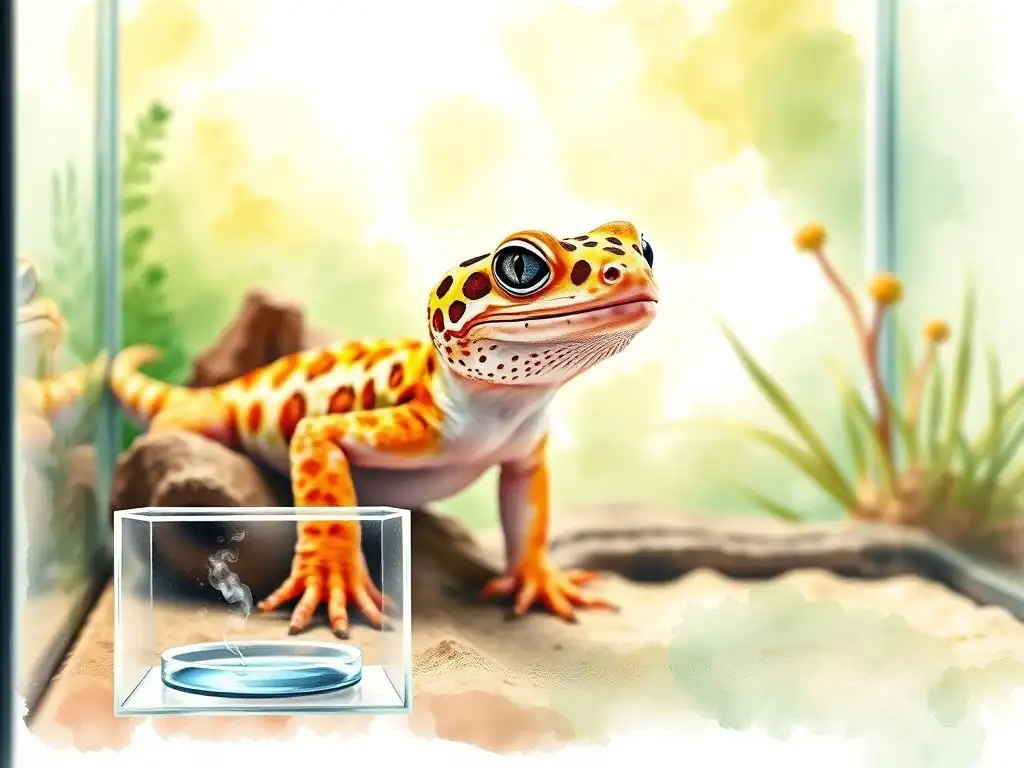
Introducing a new reptile into your collection carries a significant risk of introducing respiratory infections. A strict quarantine period is crucial for preventing the spread of disease to your existing reptiles. This period should ideally last for at least 30-60 days, depending on the species and its apparent health. During quarantine, the new reptile should be housed in a completely separate room, away from all other reptiles, to minimize cross-contamination. This isolation prevents the rapid spread of airborne pathogens that can cause respiratory infections.
The quarantine enclosure should be thoroughly disinfected before the new reptile arrives, using a reptile-safe disinfectant. Avoid using harsh chemicals that could harm the reptile. After disinfection, allow ample time for the enclosure to air out completely before introducing the reptile. Regular monitoring of the reptile's health is essential during this period. Observe its breathing patterns, looking for any signs of labored breathing, wheezing, or gasping.
Changes in appetite, lethargy, or nasal discharge should also be noted and reported to a veterinarian specializing in reptiles immediately. Any abnormalities could signal a developing respiratory infection that needs prompt treatment to prevent its spread. Careful observation during quarantine is a proactive measure to protect both the new reptile and your existing collection. Remember, prevention is always better than cure when dealing with contagious respiratory illnesses in reptiles.
Importance of Regular Veterinary Checkups for Reptile Respiratory Health
Regular veterinary checkups are paramount in maintaining the respiratory health of your reptiles. Preventative care is far more effective and less costly than treating established infections. Annual checkups, or more frequently for younger or at-risk reptiles, allow a veterinarian to detect subtle changes in respiratory function before they escalate into serious illness. These checkups should include a thorough physical examination, focusing on the reptile's respiratory system. The vet will assess breathing patterns, listen for abnormal sounds, and examine the nasal passages for any signs of discharge or inflammation.
Early detection of respiratory issues is crucial because many infections can progress rapidly in reptiles. A seemingly minor issue can quickly deteriorate into a life-threatening condition if left untreated. Regular veterinary visits enable early intervention, increasing the chances of successful treatment and reducing the severity of the infection. Moreover, during these checkups, the veterinarian can provide personalized advice on husbandry practices, including proper temperature and humidity levels, which significantly impact respiratory health.
They can also address any questions you may have regarding your reptile's environment and behavior, contributing to a healthier and more comfortable life for your pet. Investing in regular veterinary care is an investment in your reptile's overall well-being and longevity, especially when it comes to preventing and managing respiratory infections. The cost of preventative care is significantly less than the cost of treating a severe respiratory infection.
Advanced Case Studies in Reptile Respiratory Disease Management

This section delves into specific cases demonstrating the complexities and nuances of reptile respiratory infection treatment. Understanding these case studies provides valuable insights into diagnosis, treatment strategies, and the importance of proactive veterinary care in achieving successful outcomes for reptile respiratory health. Successful management often requires a multi-faceted approach incorporating supportive care alongside targeted therapies. Remember, early intervention is crucial for improving prognosis.
Case Study 1: Treatment of Bacterial Pneumonia in a Bearded Dragon
A three-year-old bearded dragon ( Pogona vitticeps) presented with lethargy, anorexia, and open-mouth breathing. Auscultation revealed crackles and wheezes in the lungs, indicative of pneumonia. Radiographic imaging confirmed the presence of fluid accumulation in the lungs, consistent with bacterial pneumonia. Initial bloodwork showed elevated white blood cell counts, further supporting the diagnosis.
Treatment involved a course of injectable antibiotics (specific antibiotic pending veterinary consultation and bacterial culture results), along with supportive care. Supportive care included:
- Environmental Optimization: Maintaining a proper thermal gradient (basking spot temperature 100-110°F, cool side 80-85°F) and humidity levels (40-50%) to support respiratory function.
- Fluid Therapy: Subcutaneous fluid administration to combat dehydration.
- Nutritional Support: Offering easily digestible, high-quality insects dusted with calcium and vitamin supplements. Hand-feeding was necessary due to the dragon's anorexia.
- Respiratory Support: The use of a nebulizer with saline solution was considered to help loosen respiratory secretions; however, [Specific nebulizer protocol and frequency pending veterinary recommendation].
The bearded dragon showed significant improvement within a week, with reduced respiratory distress and increased appetite. The antibiotic therapy continued for a full course, and follow-up radiographs confirmed resolution of the pneumonia. This case highlights the importance of prompt veterinary intervention and comprehensive supportive care in treating bacterial pneumonia in reptiles.
Case Study 2: Management of Fungal Respiratory Infection in a Leopard Gecko
A five-year-old leopard gecko ( Eublepharis macularius) presented with chronic sneezing, nasal discharge, and occasional wheezing. Initial examination revealed a slightly thickened nasal passage. Fungal culture of the nasal discharge confirmed the presence of Aspergillus fumigatus, a common cause of fungal respiratory infections in reptiles.
Treatment focused on antifungal medication. [Specific antifungal medication and dosage pending veterinary consultation and fungal culture sensitivity results]. Environmental modifications were also crucial, focusing on improved ventilation to reduce humidity and minimize fungal growth. This included:
- Improved Ventilation: Replacing the substrate with paper towels to facilitate cleaning and reduce moisture buildup.
- UVB Lighting: Ensuring adequate UVB exposure to support calcium metabolism and immune function.
- Temperature Gradient: Maintaining a consistent temperature gradient to enhance overall health.
The leopard gecko responded well to the antifungal treatment, with a gradual reduction in respiratory symptoms over several weeks. Regular monitoring and follow-up cultures were essential to ensure complete eradication of the fungus. This case emphasizes the importance of environmental control in managing fungal respiratory infections. Prolonged treatment is often necessary, and relapse is possible if environmental conditions are not adequately addressed.
A young corn snake ( Pantherophis guttatus) exhibited lethargy, anorexia, and mild respiratory distress. Clinical signs were consistent with a viral respiratory infection, although definitive diagnosis is challenging due to the limited diagnostic tools available for reptile viruses.
Treatment in this case focused primarily on supportive care, as there is no specific antiviral therapy for most reptile viruses. Supportive care included:
- Hydration: Providing regular access to fresh water and, if necessary, subcutaneous fluids.
- Nutritional Support: Offering small, easily digestible meals to maintain energy levels.
- Environmental Optimization: Maintaining optimal temperature and humidity levels to aid in recovery.
- Immune Support: [Specific immune-boosting supplements pending veterinary recommendation]. While evidence-based data on the effectiveness of these supplements in reptiles is limited, some veterinarians may choose to use them as adjunctive therapy.
The corn snake's condition gradually improved over several weeks, demonstrating the resilience of the immune system in some cases of viral respiratory infections. While a complete cure cannot always be guaranteed with viral infections, supportive care can significantly improve the chances of recovery and minimize the duration of illness. This case illustrates the importance of focusing on supportive measures when dealing with viral respiratory infections in reptiles, where specific antiviral treatments are often unavailable. Careful observation and monitoring for secondary bacterial infections are also crucial.
When to Seek Emergency Veterinary Care for Reptile Respiratory Issues
Recognizing when your reptile needs immediate veterinary attention for respiratory problems is crucial. Delaying treatment can significantly worsen the condition and reduce the chances of a full recovery. While minor respiratory issues might resolve on their own with supportive care (such as maintaining proper humidity and temperature), certain signs indicate an urgent need for professional help. This section focuses on identifying those critical situations demanding immediate veterinary intervention for optimal reptile respiratory infection treatment.
Recognizing Life-Threatening Respiratory Symptoms in Reptiles
Several symptoms signal a life-threatening respiratory emergency in reptiles. These aren't just minor inconveniences; they represent a serious threat to your pet's well-being and require immediate veterinary care. These symptoms often indicate severe respiratory distress, possibly due to a severe infection or other underlying conditions. Early intervention is key to improving the prognosis.
- Open-mouth breathing: While some reptiles might exhibit occasional open-mouth breathing, persistent and labored open-mouth breathing is a major red flag. This indicates the reptile is struggling to get enough oxygen. The severity is often indicated by the extent of mouth opening and the visible effort involved in breathing. A lethargic reptile exhibiting this symptom is at higher risk.
- Cyanosis: This refers to a bluish discoloration of the gums, tongue, or other mucous membranes. It's a clear indicator of severely reduced oxygen levels in the blood, a critical life-threatening situation. Immediate veterinary attention is absolutely necessary.
- Severe lethargy and weakness: A drastic reduction in activity levels, accompanied by noticeable weakness and inability to right themselves, suggests a critical illness. This often accompanies severe respiratory infections and indicates a significant compromise in the reptile's overall health.
- Excessive mucus production: While some mucus is normal, excessive, thick, or discolored mucus (yellow, green, or bloody) from the nose or mouth indicates a serious infection that requires prompt and aggressive treatment.
- Wheezing or gasping sounds: Audible wheezing or gasping sounds during respiration are indicative of severe airway obstruction or inflammation. These sounds are often accompanied by distress and should never be ignored.
Finding a Qualified Reptile Veterinarian for Advanced Care
Finding a veterinarian experienced in reptile care is paramount for effective reptile respiratory infection treatment. Not all veterinarians have the specialized knowledge and equipment to diagnose and treat reptile respiratory illnesses properly. Seeking care from a general practitioner without reptile expertise can lead to misdiagnosis and ineffective treatment, potentially jeopardizing your pet's life.
The search for a qualified reptile veterinarian requires diligence. Consider the following factors:
- Specialization: Look for veterinarians who specifically advertise reptile expertise or are members of organizations focused on reptile health.
- Experience: Inquire about their experience with the specific reptile species you own. Different species have varying respiratory systems and sensitivities.
- Diagnostic capabilities: Ensure they have access to advanced diagnostic tools, such as radiography (X-rays) and blood testing, essential for accurate diagnosis.
- Treatment options: Discuss their treatment approaches. Do they offer advanced therapies like nebulization or medications specifically tailored to reptiles?
- Client reviews: Check online reviews and testimonials from other reptile owners to gauge their reputation and effectiveness.
Importance of Rapid Intervention for Severe Respiratory Infections in Reptiles
Rapid intervention is crucial in managing severe reptile respiratory infections. The longer a severe respiratory infection goes untreated, the greater the risk of irreversible damage to the lungs and other organs. This can lead to chronic respiratory problems, secondary infections, and ultimately, death. Prompt veterinary care significantly improves the prognosis and chances of a full recovery.
The delay in treatment can lead to several negative consequences:
- Increased severity of infection: Untreated infections can rapidly progress, causing more extensive lung damage and compromising overall health.
- Secondary infections: Weakened immune systems resulting from severe respiratory infections make reptiles vulnerable to secondary bacterial or fungal infections.
- Organ damage: Prolonged hypoxia (lack of oxygen) can cause irreversible damage to vital organs, including the heart, brain, and kidneys.
- Increased mortality risk: Delayed treatment significantly increases the risk of mortality, especially in severe cases.
Early diagnosis and treatment are paramount for successful reptile respiratory infection treatment. Don't hesitate to seek immediate veterinary care if you observe any of the life-threatening symptoms described above. Remember, proactive care is often the difference between a full recovery and a tragic outcome.
Frequently Asked Questions
What are the common signs of a reptile respiratory infection?
Signs can include lethargy, wheezing, gaping mouth breathing, and nasal discharge. If you notice any of these, consult a veterinarian specializing in reptiles immediately.
How is a reptile respiratory infection diagnosed?
Diagnosis often involves a physical examination, radiographs (X-rays), and possibly lab tests to identify the specific pathogen. Your vet will determine the best course of action.
What are the treatment options for reptile respiratory infections?
Treatment depends on the severity and underlying cause. Options may include antibiotics, antifungals, supportive care (like humidity and temperature adjustments), and environmental modifications.
Can I treat my reptile's respiratory infection at home?
No, home treatment is generally not recommended. Reptile respiratory infections can be serious and require professional veterinary care for proper diagnosis and treatment.
How can I prevent respiratory infections in my reptile?
Maintaining a clean and properly humidified enclosure, providing a balanced diet, and avoiding stress are crucial for preventing respiratory infections. Regular veterinary check-ups are also recommended.
Final Reflection: Breathing New Life into Herpetology
The silent struggle of reptile respiratory infections is far from a niche concern; it's a critical issue impacting the health and well-being of millions of captive reptiles worldwide. The prevalence of these infections, often stemming from inadequate husbandry and environmental factors, underscores the urgent need for advanced care and treatment strategies discussed throughout this article. Ignoring these issues not only condemns individual animals to suffering but also threatens the conservation efforts of vulnerable species.
The journey of understanding and treating reptile respiratory infections has been a fascinating, albeit challenging, one. The subtle signs, the complexities of diagnosis, and the ever-evolving treatment protocols highlight the dedication and expertise required in this field. The greatest danger for most of us is not that our aim is too high and we miss it, but that it is too low and we reach it.
This quote, often attributed to Michelangelo, resonates deeply with the ongoing pursuit of improved reptile respiratory care. We must continually strive for excellence, pushing the boundaries of our knowledge to ensure the best possible outcomes for these often misunderstood creatures.
Now, consider your own role in this ongoing narrative. Are you a reptile owner, a veterinarian, a researcher, or simply an animal lover? Regardless, you hold a piece of the puzzle. Take the knowledge gained here and apply it – whether it's through improved husbandry practices, advocating for better veterinary care, or simply spreading awareness among fellow enthusiasts. Let us collectively breathe new life into the field of herpetology, ensuring a healthier future for reptiles everywhere.
Unlock Your Reptile's Respiratory Potential
Thanks for exploring the world of reptile respiratory health! You've gained valuable insights into advanced care and treatment, knowledge that can significantly improve your reptile's life. Now, let's put that knowledge into practice.
- Schedule a Veterinary Check-up: Arrange a wellness exam for your reptile to address any potential respiratory concerns. Early detection is crucial for successful treatment.
- Share Your Knowledge: Spread the word about reptile respiratory health by sharing this article with other reptile owners. Let's create a healthier community for our scaly friends!
- Enhance Your Reptile's Environment: Research environmental enrichment strategies to improve your reptile's overall well-being and reduce stress, a major factor in respiratory problems. A stimulating and comfortable environment can significantly contribute to their health.
What steps will you take to ensure your reptile's respiratory health?