
How to Keep Your Adult Dog Interested in Their Food

Welcome to PetCareWorld, your ultimate guide to a happier, healthier life for your beloved pet! Are you facing the frustrating challenge of an adult dog turning up their nose at mealtime? Discover innovative solutions to combat adult dog food boredom and reignite your canine companion's enthusiasm for their meals. Dive into our expert advice and learn how to keep your furry friend engaged and nourished – read on to unlock the secrets to a happier, healthier eating experience for your dog!
- Understanding Adult Dog Food Boredom: Why Your Dog Isn't Eating
- Adult Dog Food Boredom Solutions: Revitalizing Mealtimes
- Optimizing Adult Dog Feeding Strategies for Improved Interest
- Addressing Underlying Health Issues Affecting Adult Dog Appetite
- Maintaining Long-Term Adult Dog Food Interest: Prevention Strategies
- When to Seek Professional Veterinary Help for Adult Dog Food Issues
-
Frequently Asked Questions
- Why is my adult dog suddenly losing interest in their food?
- What are some simple ways to make my adult dog's food more appealing?
- Are there any food puzzles or toys that can help combat boredom during mealtimes?
- My dog is a picky eater. What are some strategies for addressing this?
- How can I ensure my adult dog is getting the right nutrition even if they're bored with their food?
- Final Reflection: Nourishing the Bond: Beyond the Bowl
- Rediscover Your Dog's Dinner Delight!
Understanding Adult Dog Food Boredom: Why Your Dog Isn't Eating
Adult dog food boredom, a common issue among canine companions, isn't simply about picky eating; it's a sign that something is amiss in your dog's nutritional routine. This comprehensive guide delves into the reasons behind adult dog food aversion, exploring the subtle signs, the health implications of dietary monotony, and practical solutions to reignite your dog's enthusiasm for mealtimes. We'll cover everything from identifying the symptoms of food boredom to understanding the underlying causes and implementing effective strategies to ensure your adult dog receives the proper nutrition they need to thrive.
Ignoring food boredom can lead to nutritional deficiencies and other health problems, so understanding and addressing this issue is crucial for responsible pet ownership. This article will provide you with the knowledge and tools necessary to tackle adult dog food boredom effectively, ensuring your furry friend enjoys their meals and maintains optimal health.
We'll explore various solutions, focusing on strategies that are both safe and enjoyable for your canine companion. 🐶
Identifying Signs of Food Boredom in Adult Dogs
Recognizing the signs of food boredom in your adult dog is the first step towards addressing the issue. It's not always as obvious as outright refusal to eat. Instead, subtle behavioral changes often indicate a loss of interest in their food. These signs can include:
- Decreased appetite: Your dog may eat less than usual, leaving a significant portion of their food uneaten. This isn't necessarily about being full; it's about a lack of interest in the food itself.
- Picky eating: Your dog might only eat the most appealing parts of their food, leaving the rest untouched. They might meticulously sort through their kibble, choosing only certain pieces.
- Changes in eating habits: They might suddenly start eating more slowly than usual, or perhaps they're taking longer breaks between meals.
- Weight loss or gain: Unintended weight fluctuations, either loss or gain, can be a symptom of an unbalanced diet, often stemming from food boredom. Consistent monitoring of your dog's weight is crucial.
- Increased begging or scavenging: If your dog is constantly begging for scraps or scavenging for food, this could indicate that their regular food isn't satisfying their nutritional needs or appealing to their palate.
- Lethargy or lack of energy: Nutritional deficiencies resulting from food boredom can manifest as lethargy and reduced energy levels. A healthy diet is essential for a dog's vitality.
Understanding these subtle cues is crucial. Keeping a detailed record of your dog's eating habits, including meal times, food intake, and any changes in behavior, can help you identify patterns and address the problem effectively.
The Impact of Dietary Monotony on Adult Dog Health
The long-term effects of dietary monotony on an adult dog's health can be severe. A consistently unappetizing diet can lead to:
- Nutritional deficiencies: A lack of variety in food can result in missing out on crucial vitamins and minerals, potentially leading to various health problems.
- Weakened immune system: Proper nutrition is vital for a strong immune system. A monotonous diet can compromise the immune system, making your dog more susceptible to illness.
- Poor coat and skin condition: Nutritional deficiencies often manifest as dull, dry coat and skin problems like itching and flaking.
- Dental problems: A diet lacking in proper texture can contribute to dental issues.
- Gastrointestinal issues: A lack of dietary fiber and variety can lead to digestive problems like constipation or diarrhea.
- Obesity or weight loss: An unbalanced diet can either lead to obesity due to overeating to compensate for lack of nutrients or weight loss due to insufficient calorie intake.
It's important to remember that a balanced and varied diet is paramount to maintaining your adult dog's overall health and well-being. A lack of variety can have cascading effects on multiple bodily systems. Regular veterinary check-ups are crucial to monitor your dog's health and address any potential nutritional deficiencies.
Common Causes of Adult Dog Food Aversion
Several factors contribute to adult dog food aversion. Understanding these underlying causes is key to developing effective solutions:
- Taste and texture fatigue: Eating the same food day after day can simply become boring for your dog. Their taste buds, just like ours, crave variety.
- Underlying medical conditions: Dental problems, gastrointestinal issues, or other health problems can make eating difficult or unappealing. Always consult a veterinarian to rule out any underlying medical conditions.
- Stress or anxiety: Stress can significantly impact a dog's appetite. Changes in routine, environmental stressors, or even separation anxiety can cause a decrease in food intake.
- Previous negative experiences: A bad experience with a particular food, such as vomiting or diarrhea, can lead to a lasting aversion to that food.
- Food allergies or sensitivities: Certain ingredients might trigger allergic reactions or sensitivities, leading to discomfort and a refusal to eat. Identifying and eliminating these allergens is crucial.
- Improper food storage: Improperly stored food can lose its flavor and nutritional value, making it less appealing to your dog.
Addressing adult dog food boredom requires a multifaceted approach, carefully considering these potential causes and implementing solutions tailored to your dog's individual needs. The next section will delve into practical strategies to help your dog regain their appetite and enjoy mealtimes once more.
Adult Dog Food Boredom Solutions: Revitalizing Mealtimes
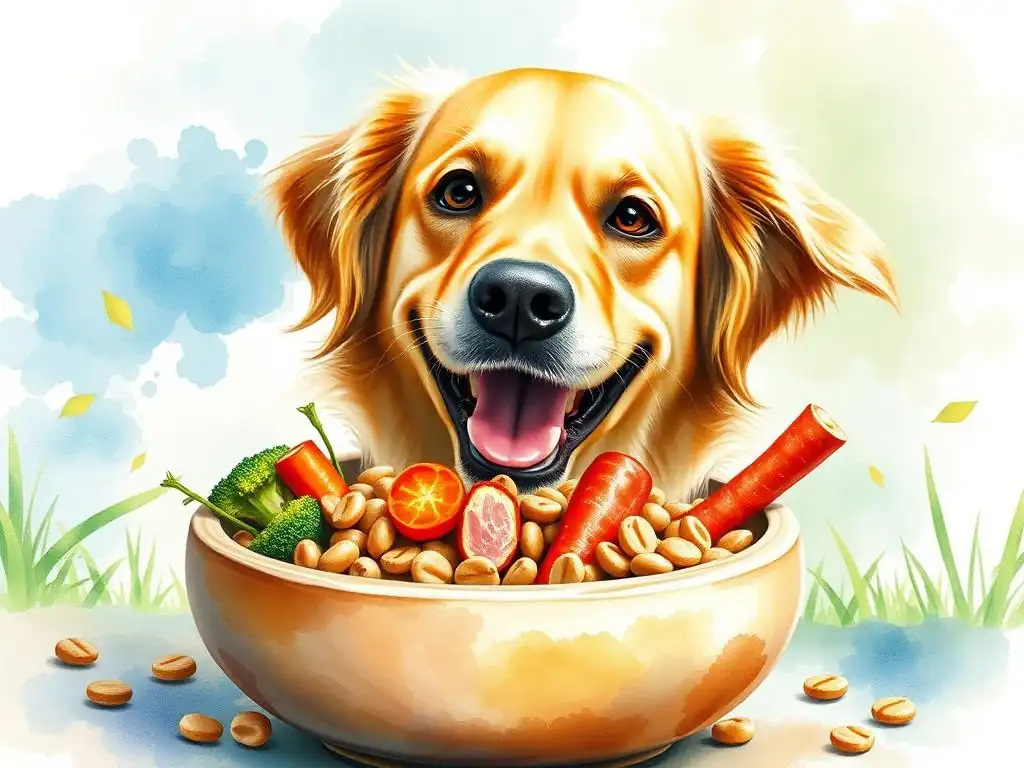
Adult dogs, much like humans, can experience food boredom. This can manifest as decreased appetite, leaving food uneaten, or even picky eating habits. Addressing adult dog food boredom is crucial for maintaining their nutritional intake and overall health. This section explores effective strategies to reignite your canine companion's enthusiasm for mealtimes, focusing on solutions tailored to the specific needs of adult dogs. We'll examine ways to enhance both the taste and texture of their food, ensuring a more appealing and enjoyable dining experience. Remember, a happy, well-fed dog is a healthy dog!
Enhancing the Taste and Texture of Adult Dog Food
One of the simplest ways to combat adult dog food boredom is by making their meals more appealing. This doesn't necessarily mean switching to a completely different food; often, subtle changes can make a significant difference. Consider these techniques:
- Temperature: Many dogs prefer their food at a slightly warmer temperature. Try warming up their kibble slightly (avoiding overheating) or serving wet food at room temperature. A lukewarm meal can release more aromas, making it more enticing.
- Toppings: A small amount of plain, unsweetened yogurt or a sprinkle of low-sodium chicken broth can add flavor and moisture without significantly altering the nutritional balance. Always check the ingredients to ensure there are no harmful additives.
- Presentation: Believe it or not, the way you present the food can impact your dog's interest. Try using different bowls, spreading the food out, or even hiding kibble in a puzzle feeder to make mealtimes more engaging. This adds a playful element to their routine.
Adding Flavor Boosters to Adult Dog Food: Safe and Effective Options
While commercial flavor enhancers exist, it's crucial to choose options that are safe and beneficial for your adult dog. Avoid anything containing artificial colors, flavors, or preservatives. Here are some naturally enriching options:
| Flavor Booster | Benefits | Precautions |
|---|---|---|
| Plain, Unsweetened Yogurt | Probiotics for gut health, creamy texture | Ensure it's low in sugar and fat; check for xylitol |
| Cooked, Plain Chicken/Fish | Excellent source of protein | Ensure it's thoroughly cooked and boneless |
| Blueberries | Rich in antioxidants | Offer in moderation; seeds can be a choking hazard |
| Pumpkin Puree (plain) | Fiber for digestion | Avoid pumpkin pie filling; use plain, canned pumpkin |
Remember to introduce any new flavor booster gradually, monitoring your dog's reaction for any signs of digestive upset. Always consult your veterinarian before making significant changes to your dog's diet, especially if they have pre-existing health conditions. A gradual transition minimizes the risk of stomach upset.
Exploring Different Food Textures for Adult Dogs: Kibble, Wet Food, Raw
Variety is key when it comes to preventing food boredom. Adult dogs can benefit from a mix of textures to keep their meals exciting. Let's explore the advantages and disadvantages of each:
- Kibble: The most common option, kibble offers convenience and a good balance of nutrients. However, it can become monotonous for some dogs. Consider rotating between different kibble brands or flavors to add variety.
- Wet Food: Wet food offers a more palatable and moisture-rich option, which can be particularly beneficial for dogs with dental issues or those who tend to drink less water. It's often more expensive than kibble.
- Raw Food: Raw food diets are gaining popularity, but they require careful planning and preparation to ensure nutritional balance and safety. Incorrect preparation can lead to bacterial contamination. Consult with a veterinary nutritionist before switching to a raw food diet to ensure it meets your dog's specific needs. Always prioritize food safety when preparing raw food for your canine companion. This is vital for avoiding potential health issues. 🐾
By incorporating these strategies, you can effectively combat adult dog food boredom and ensure your furry friend enjoys their meals, leading to a healthier and happier life. Remember that consistency and patience are key to success!
Optimizing Adult Dog Feeding Strategies for Improved Interest
Adult dog food boredom is a common issue, often leading to picky eating and nutritional deficiencies. Addressing this requires a multifaceted approach that goes beyond simply changing the brand of kibble. This section explores effective strategies to re-engage your adult dog with their meals, ensuring they receive the necessary nutrients for a healthy and happy life.
We'll examine techniques to make mealtime more stimulating and enjoyable, thereby combating the monotony that often leads to food aversion. Understanding your dog's individual preferences and adapting your feeding strategy accordingly is crucial for long-term success in managing adult dog food boredom. Remember, a happy, healthy dog starts with a happy, healthy appetite!
Creating a Stimulating Mealtime Environment for Adult Dogs
A significant factor contributing to adult dog food boredom is a monotonous feeding routine. Simply placing the food bowl down in the same spot every day can quickly become predictable and unappealing. To combat this, consider these changes:
- Vary the location: Move the food bowl to different areas of the house. This simple change introduces novelty and makes mealtimes more exciting. Try feeding your dog in a different room, near a window with a view, or even outside (weather permitting).
- Introduce new textures: While you shouldn't drastically alter your dog's diet without veterinary consultation, adding a small amount of plain yogurt, a sprinkle of cooked sweet potato, or a few blueberries can add textural interest to their food. Always ensure any additions are safe for dogs and given in moderation.
- Change the bowl: Some dogs become bored with the same food bowl. Experiment with different bowl types – slow feeders, puzzle feeders (discussed further below), or even simply switching to a different material or shape can make a difference.
- Create a calming atmosphere: Ensure your dog feels safe and relaxed during mealtimes. Avoid distractions like loud noises or other pets vying for attention. A quiet, comfortable environment can significantly improve their eating experience.
Puzzle Feeders for Adult Dogs: Engaging Their Minds While They Eat
Puzzle feeders are a fantastic solution for combating adult dog food boredom. These interactive feeders require dogs to work for their food, stimulating their minds and making mealtimes a more engaging activity. This mental stimulation not only combats boredom but also provides valuable enrichment and can help reduce anxiety in some dogs.
The benefits extend beyond simply addressing picky eating. Puzzle feeders:
- Slow down eating: This is particularly beneficial for dogs who gobble their food too quickly, leading to digestive issues.
- Provide mental enrichment: The challenge of retrieving the food provides mental stimulation, keeping your dog occupied and engaged.
- Burn calories: The effort involved in using a puzzle feeder can contribute to a slightly increased calorie burn.
Choosing the right puzzle feeder depends on your dog's size, skill level, and personality. Start with simpler puzzles and gradually increase the difficulty as your dog masters each level. Always supervise your dog while using a puzzle feeder, especially initially, to ensure they understand how to use it safely.
Rotating Food Types and Brands to Prevent Adult Dog Food Boredom
Variety is key when it comes to preventing adult dog food boredom. While a complete and balanced diet is paramount, rotating between different food types and brands can help keep your dog interested in their meals. This doesn't mean drastically changing your dog's diet frequently, but rather incorporating some variety over time.
Here's how to approach this strategically:
- Gradual transitions: When switching brands or types of food, always do so gradually to avoid digestive upset. Mix the new food with the old food, slowly increasing the proportion of the new food over several days.
- Consult your vet: Before making significant changes to your dog's diet, consult with your veterinarian to ensure the new food meets their nutritional needs and is appropriate for their age, breed, and health status. They can provide guidance on suitable options and help you create a safe and effective rotation plan.
- Consider homemade options (with caution): Under veterinary guidance, you might incorporate small amounts of homemade dog food to add variety. However, it's crucial to ensure the homemade food is nutritionally balanced to avoid deficiencies. This is not a substitute for commercial dog food unless specifically recommended by a veterinary nutritionist.
Remember, consistency and patience are key when implementing these strategies. It may take time to find the perfect combination that works for your adult dog, but the rewards of a happy, healthy eater are well worth the effort. Addressing adult dog food boredom proactively contributes to their overall well-being and strengthens your bond.
Implementing a Schedule to Prevent Adult Dog Food Boredom
Regular feeding times are crucial for establishing a routine and preventing your adult dog from becoming disinterested in their food. A predictable schedule helps regulate their digestive system and creates an anticipation for mealtimes, making the food itself more appealing. Instead of leaving food out all day, which can lead to overeating and a diminished appreciation for mealtimes, stick to a consistent schedule—typically twice a day, morning and evening—allowing for a controlled intake.
This approach also helps in monitoring their food consumption, enabling early detection of potential health issues like decreased appetite, which could signal underlying problems. Remember to adjust feeding times to fit your lifestyle, but maintain consistency as much as possible. Consistency is key; even weekends should follow a similar schedule to avoid disrupting your dog’s internal clock and potentially impacting their appetite.
A well-structured routine helps prevent boredom and promotes healthy eating habits. Consider using a timer or setting reminders on your phone to ensure you stay on schedule, especially during busy periods. This simple strategy contributes significantly to maintaining your adult dog's interest in their meals.
The benefits extend beyond just preventing food boredom. A regular feeding schedule can improve your dog's digestion, reducing the risk of gastrointestinal upset. By avoiding free feeding, you also gain better control over their calorie intake, assisting in weight management and preventing obesity, a common problem in adult dogs. Furthermore, a consistent routine enhances the bond between you and your dog, as mealtimes become a predictable and positive interaction.
The act of feeding becomes a routine moment of connection, reinforcing the positive association with you and their food. By thoughtfully planning your dog's feeding schedule, you're not just addressing food boredom; you're actively contributing to their overall health and well-being. This simple change in approach can make a world of difference in your dog's eating habits and their overall happiness.
Addressing Underlying Health Issues Affecting Adult Dog Appetite

Adult dogs, like humans, can experience changes in appetite due to underlying health problems. Before exploring behavioral solutions for food boredom, it's crucial to rule out any medical conditions that might be contributing to a decreased interest in food. Ignoring potential health issues can lead to further complications and negatively impact your dog's overall well-being.
This section focuses on identifying potential health problems and the importance of veterinary consultation. Addressing these issues is paramount before implementing dietary changes aimed at combating food boredom. Remember, a healthy dog is a happy dog, and a happy dog is more likely to enjoy their meals.
Recognizing Signs of Underlying Health Problems Affecting Appetite
Several health issues can manifest as a decreased appetite in adult dogs. These signs can be subtle, so attentive observation is key. Some common indicators include:
- Weight loss: Unexplained weight loss, even with consistent food intake, is a significant red flag. This could indicate underlying metabolic disorders, digestive issues, or even cancer.
- Lethargy and decreased activity: If your adult dog seems unusually tired or less playful than usual, it could be a sign of illness. Reduced energy levels often accompany decreased appetite.
- Vomiting and diarrhea: Gastrointestinal problems frequently impact appetite. Persistent vomiting or diarrhea requires immediate veterinary attention.
- Changes in bowel movements: Constipation or diarrhea can be indicative of various health problems, directly influencing food intake.
- Dental problems: Painful teeth or gums can make eating uncomfortable, leading to a reduced appetite. Regular dental checkups are crucial for adult dogs.
- Increased thirst: Excessive thirst (polydipsia) can be a symptom of kidney disease or diabetes, both of which can affect appetite.
- Changes in urination: Frequent or excessive urination (polyuria) can also point to underlying medical conditions that impact appetite.
- Behavioral changes: Increased aggression, anxiety, or unusual hiding behaviors might accompany underlying health problems, indirectly affecting eating habits.
Careful monitoring of these symptoms is crucial. Early detection significantly increases the chances of successful treatment and a return to a healthy appetite. Don't hesitate to seek professional help if you notice any of these signs in your dog. A proactive approach is always best when it comes to your pet's health.
Consulting Your Veterinarian: Ruling Out Medical Causes for Food Aversion
If your adult dog exhibits any of the signs mentioned above, a veterinary consultation is essential. Your veterinarian will perform a thorough physical examination, potentially including blood tests, urinalysis, and imaging (X-rays, ultrasound) to diagnose any underlying medical conditions. This is a critical step in determining whether the decreased appetite stems from a health problem or simply food boredom. It is crucial to fully understand your dog's health status before implementing any dietary modifications.
Ignoring potential health issues can lead to more serious problems down the line, and timely intervention is key. Remember, your veterinarian is your best resource for assessing and managing your dog's health. They can provide tailored advice based on your dog's specific needs and breed.
Dietary Adjustments for Adult Dogs with Health Conditions
Once underlying health problems are identified and addressed by your veterinarian, dietary adjustments might be necessary. These adjustments should always be made under veterinary guidance, as incorrect dietary choices can exacerbate existing conditions. For example:
- Kidney disease: Dogs with kidney disease often require a diet low in phosphorus and protein.
- Diabetes: Diabetic dogs need a diet controlled in carbohydrates and tailored to their insulin needs.
- Pancreatitis: Dogs with pancreatitis often need a low-fat diet.
- Allergies: Dietary changes are crucial for managing food allergies, often requiring elimination diets to identify the offending allergen.
- Gastrointestinal issues: Dogs with digestive problems may benefit from easily digestible foods, often with added fiber for regularity.
The type of dietary adjustment will depend entirely on the specific health condition. Your veterinarian will work with you to develop a nutrition plan that supports your dog's health and helps them regain a healthy appetite. This careful approach ensures that any dietary changes contribute positively to your dog's overall well-being and don't unintentionally worsen their condition. Remember, a tailored approach is crucial for effectively managing your dog's health and nutrition.
Maintaining Long-Term Adult Dog Food Interest: Prevention Strategies
Maintaining your adult dog's enthusiasm for mealtimes is crucial for their overall health and well-being. A sudden aversion to food can signal underlying health problems, so proactive strategies are key. Addressing "adult dog food boredom solutions" proactively is far easier than dealing with a full-blown food refusal. This section focuses on preventative measures to keep your canine companion happily munching away.
Gradual Food Changes to Prevent Sudden Aversion
Sudden shifts in your dog's diet can lead to food neophobia – a fear of new foods. This often manifests as a sudden refusal to eat. To avoid this, implement gradual changes. Instead of abruptly switching to a new brand or recipe, gradually introduce the new food by mixing it with the old food over a period of 7-10 days.
Start with a small amount of the new food (25%) mixed with the old food (75%). Gradually increase the proportion of the new food each day, until you're feeding 100% of the new food. This slow transition allows your dog's digestive system to adjust and minimizes the risk of digestive upset and food rejection.
For example, if you're switching from brand A to brand B, on day one, mix 25% brand B with 75% brand A. On day three, increase to 50% brand B and 50% brand A. Continue this gradual increase until you're exclusively feeding brand B. Observe your dog closely during this transition. If you notice any signs of digestive distress (diarrhea, vomiting), slow down the transition process.
This careful approach ensures a smooth transition and significantly reduces the chances of your dog developing an aversion to their food.
Involving Your Dog in the Food Selection Process
Believe it or not, even adult dogs can get bored with the same old routine. One effective "adult dog food boredom solution" is to involve your dog in choosing their food, within reason, of course. This doesn't mean letting them choose from the pantry! Instead, consider offering a variety of flavors or textures within their approved diet. You can rotate between different protein sources (chicken, beef, lamb), kibble shapes and sizes, or even add in small amounts of healthy, dog-safe toppers like plain cooked sweet potato or green beans.
Think of it like a human choosing their meals – variety is the spice of life! This controlled variety keeps mealtimes exciting and prevents monotony, reducing the risk of food boredom. Keep a detailed record of what you feed your dog, noting any preferences or aversions they might display. This information will be invaluable in the long run, allowing you to tailor their diet to their specific tastes and needs. Remember, even small changes can make a big difference!
Monitoring Your Dog's Eating Habits for Early Detection of Issues
Regular monitoring of your dog's eating habits is crucial for early detection of potential problems. Pay attention to changes in their appetite, such as sudden decreases or increases in food consumption, changes in their stool consistency, or any signs of discomfort during or after eating. Keep a food diary to track their daily intake, noting any changes in their behavior around mealtimes.
| Day | Food Type | Amount Eaten | Stool Consistency | Other Observations |
|---|---|---|---|---|
| Monday | Kibble A | Full bowl | Firm | Enthusiastic eater |
| Tuesday | Kibble A | Half bowl | Slightly soft | Seemed less interested |
| Wednesday | Kibble A + 1 tsp sweet potato | Full bowl | Firm | Ate with more enthusiasm |
A sudden drop in appetite, coupled with other symptoms like lethargy or vomiting, could indicate an underlying health issue requiring veterinary attention. Early detection is key to swift treatment and a better prognosis. Don't hesitate to consult your veterinarian if you notice any significant changes in your dog's eating habits or overall health. Remember, a healthy appetite is a sign of a happy and healthy dog. Proactive monitoring and management are key components of any successful "adult dog food boredom solutions" strategy.
Ensuring Fresh Water Availability at All Times
Access to fresh, clean water is paramount for a dog's overall health and well-being, and it significantly impacts their appetite. Dehydration can lead to lethargy, decreased food intake, and even serious health problems. A dog that's dehydrated simply might not feel interested in eating, even if the food itself is appealing. Therefore, ensuring a constant supply of fresh water is a crucial preventative measure against food boredom.
This means more than just filling a bowl once a day; you need to monitor the water level regularly and replace it with fresh water several times throughout the day, especially during hot weather or after periods of intense activity. Consider using multiple water bowls, strategically placed throughout your home, to make sure your dog always has easy access to hydration. A fountain-style water bowl can also be beneficial, as the running water tends to be more appealing to dogs than still water, encouraging them to drink more frequently. Regular cleaning of the water bowl is also essential to prevent the growth of bacteria and algae, which can deter your dog from drinking and potentially cause illness.
Think of it as a proactive step in maintaining your dog's overall health and preventing appetite issues stemming from dehydration. Always ensure the water is fresh and clean, and consider using a water filter for your dog's bowl if you have concerns about water quality in your area. A well-hydrated dog is a happy dog, and a happy dog is more likely to show consistent interest in their food. Neglecting this simple aspect of care can inadvertently contribute to food boredom.
When to Seek Professional Veterinary Help for Adult Dog Food Issues
Adult dog food boredom, while often manageable at home, can sometimes signal underlying health problems. Ignoring these signs can lead to serious complications, so understanding when to seek veterinary intervention is crucial. This section focuses on recognizing situations requiring immediate veterinary attention and the importance of building a strong relationship with your veterinarian for ongoing care related to your adult dog's nutritional needs. Effective management of "adult dog food boredom solutions" often involves a collaborative approach between pet owner and vet.
Situations Requiring Immediate Veterinary Attention
Several warning signs indicate a need for immediate veterinary attention concerning your adult dog's food intake. These aren't just about picky eating; they point to potential health issues requiring prompt professional assessment. Don't delay if you observe any of the following:
- Sudden and significant weight loss: A dramatic decrease in body weight, coupled with decreased appetite, could signal a serious underlying illness, such as cancer, diabetes, or kidney disease. This requires immediate veterinary examination.
- Vomiting and/or diarrhea: Persistent vomiting or diarrhea, especially if accompanied by lethargy or dehydration, necessitates a vet visit. These symptoms could indicate a gastrointestinal issue, infection, or toxicity.
- Lethargy and weakness: A noticeable decrease in your dog's energy levels, combined with decreased appetite, may indicate a serious health problem. This could be related to various conditions, including infections or organ dysfunction.
- Changes in bowel movements: Significant changes in stool consistency (e.g., prolonged constipation or severe diarrhea), frequency, or color should be evaluated by a veterinarian.
- Excessive thirst (polydipsia) and urination (polyuria): Increased water consumption and urination can be a symptom of several medical conditions like diabetes or kidney disease. These require immediate attention.
Remember, early detection is key to successful treatment. Ignoring these warning signs could worsen the condition and complicate treatment. Always err on the side of caution and contact your veterinarian if you have any concerns. Proactive care is an essential aspect of addressing "adult dog food boredom solutions" holistically.
Understanding Your Dog's Individual Needs and Preferences
Addressing "adult dog food boredom solutions" effectively requires a nuanced understanding of your dog's individual needs and preferences. Simply switching food isn't always the answer; it's about tailoring their diet and feeding routine to their unique characteristics. Factors like breed, age, activity level, and underlying health conditions all play a significant role.
For example, a highly active working breed will have different nutritional requirements than a senior dog with joint problems. Similarly, a dog with allergies will need a food tailored to avoid those allergens. Careful observation of your dog's eating habits, including preferences for textures, flavors, and even the time of day they eat, can provide valuable insights.
Consider keeping a detailed food journal. Note down the type of food, the amount eaten, the time of feeding, and any observed changes in behavior or health. This detailed record can help you identify patterns and potential issues. This data is invaluable when discussing your dog's dietary needs with your veterinarian. Understanding your dog's individual needs is a cornerstone of effective "adult dog food boredom solutions."
Building a Strong Relationship with Your Veterinarian for Ongoing Care
A proactive approach to your adult dog's health is paramount, especially when addressing issues like food boredom. Building a strong, trusting relationship with your veterinarian is essential for long-term success in managing your dog's nutritional well-being. Regular check-ups, open communication, and a willingness to collaborate on a tailored approach are key.
Regular veterinary check-ups allow for early detection of potential health issues, enabling timely intervention and preventing problems from escalating. These check-ups also provide an opportunity to discuss any concerns regarding your dog's appetite, weight, or overall health, including strategies for addressing "adult dog food boredom solutions."
Don't hesitate to ask questions and share your observations with your vet. They can help you interpret your dog's behavior and provide personalized advice, including recommendations for dietary adjustments, supplements, or additional testing if necessary. A strong veterinarian-client relationship is the foundation for effective and responsible pet care, contributing significantly to successful management of adult dog food boredom.
Frequently Asked Questions
Why is my adult dog suddenly losing interest in their food?
Several factors can contribute to this, including dental issues, a change in routine, or underlying health problems. Consult your veterinarian to rule out any medical concerns.
What are some simple ways to make my adult dog's food more appealing?
Try adding a small amount of low-sodium broth or plain, unsweetened yogurt. You can also warm the food slightly to enhance its aroma.
Are there any food puzzles or toys that can help combat boredom during mealtimes?
Yes! Interactive food bowls and treat-dispensing toys can make mealtime a fun and engaging experience, combating boredom and encouraging mental stimulation.
My dog is a picky eater. What are some strategies for addressing this?
Maintain a consistent feeding schedule, offer high-quality food, and avoid free-feeding. Consider consulting with a veterinarian or a certified animal behaviorist for personalized advice.
How can I ensure my adult dog is getting the right nutrition even if they're bored with their food?
Consult your vet to ensure your dog's diet is balanced and appropriate for their age and breed. Supplementing with healthy treats can help, but never replace a complete and balanced diet.
Final Reflection: Nourishing the Bond: Beyond the Bowl
The simple act of feeding our canine companions transcends mere sustenance; it's a cornerstone of our relationship, a daily ritual woven into the fabric of our lives. Failing to recognize and address food boredom in adult dogs can lead to significant health and behavioral issues, impacting not only their well-being but the strength of the human-animal bond itself. This is a problem far more prevalent than many pet owners realize.
The journey of understanding canine nutrition and the subtle nuances of their palates has been a deeply enriching one for me. It's highlighted the importance of viewing our dogs as individuals with unique needs and preferences, not just as recipients of commercially produced kibble. A dog is the only thing on earth that loves you more than he loves himself.
– Josh Billings. This quote speaks to the profound connection we share with our furry friends, a connection that is nurtured, in part, by ensuring their nutritional happiness. Ignoring their food preferences can subtly erode this bond, leaving both dog and owner feeling frustrated and disconnected.
So, as you reflect on the strategies discussed – from rotating food types and incorporating puzzle feeders to exploring homemade options and consulting with your veterinarian – remember that this is more than just about solving a feeding problem. It's about actively participating in your dog's well-being, strengthening your connection, and ensuring they experience joy in even the simplest of daily routines.
Take the time to observe your dog's eating habits, listen to their subtle cues, and tailor their meals to their individual needs. You'll not only see a happier, healthier dog, but you'll also deepen the bond that makes the companionship so rewarding.
Rediscover Your Dog's Dinner Delight!
Thank you for learning how to keep your furry friend excited about mealtimes! We hope you found helpful tips to revitalize their appetite. Now, let's put that knowledge into action:
- Experiment with new food toppers: Adding a small amount of plain yogurt, cooked sweet potato, or a sprinkle of nutritional yeast to their kibble can make a big difference. Observe your dog's response and adjust accordingly. This is key to rediscovering their love for food.
- Share your successes (and challenges!): Let's build a community! Share your dog's food journey in the comments below. What worked well? What didn't? Your experience can help other pet parents.
- Try a new feeding method: Consider using a puzzle feeder, slowing down their eating speed, or adjusting mealtimes to see if it improves their appetite.
Ready to see those happy mealtime faces? What delicious topping will you try first?