
Understanding Reptile Ecdysis: The Science Behind Shedding

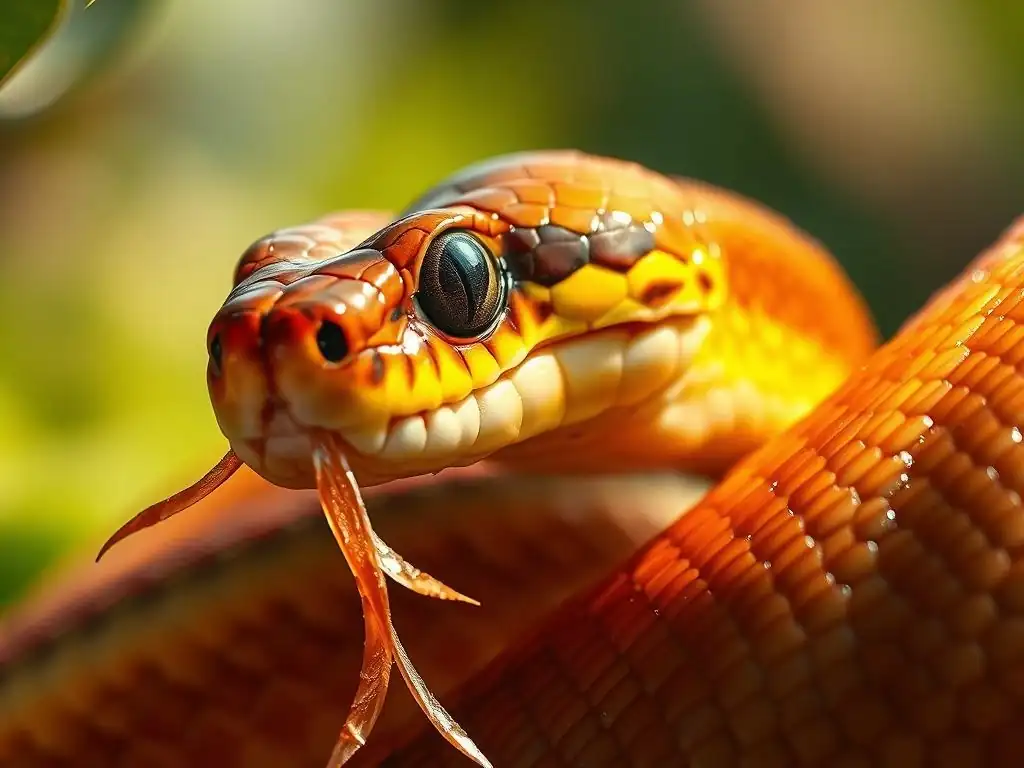
Welcome to PetCareWorld, your ultimate guide to a happier, healthier life for your beloved animal companions! Are you fascinated by the intricate biology of your scaly friends? Then delve into our comprehensive guide on the reptile shedding process explained, uncovering the secrets behind ecdysis and ensuring the smooth, healthy molting of your reptile. Discover the science behind this crucial process and learn how to best support your pet's well-being during this transformative time. Let's explore the amazing world of reptile care together!
- Reptile Shedding Process Explained: A Comprehensive Guide
- Reptile Shedding: Species-Specific Considerations
- Understanding Reptile Shedding: Frequently Asked Questions (FAQ)
- Maintaining Optimal Reptile Health Through Proper Shedding Management
- Frequently Asked Questions
- Final Reflection: The Enduring Mystery of a Reptile's Renewal
- Unlock Your Reptile's Shedding Secrets!
Reptile Shedding Process Explained: A Comprehensive Guide
Reptiles, unlike mammals, don't continuously shed skin cells. Instead, they undergo a fascinating process called ecdysis, a periodic shedding of their entire outer skin layer. Understanding this process is crucial for responsible reptile ownership, as problems with shedding can indicate underlying health issues. This comprehensive guide delves into the biology of reptile shedding, explores common problems, and provides practical solutions to ensure the health and well-being of your scaly companion.
We will examine the reptile shedding process explained in detail, covering everything from the underlying skin structure to preventative care strategies. This information is vital for pet owners seeking to provide optimal care and recognize potential health concerns related to this natural, yet critical, biological function. Successfully navigating the intricacies of reptile ecdysis empowers owners to proactively address potential issues and maintain the vibrant health of their reptiles.
The Biology of Ecdysis in Reptiles
Understanding the Reptile Skin Structure and its Function
Reptilian skin is composed of several layers. The outermost layer, the stratum corneum, is the part that is shed during ecdysis. This layer is comprised of keratin, a tough, fibrous protein that provides protection against abrasion, dehydration, and infection. Unlike mammalian skin, reptilian skin lacks sweat glands and hair follicles. The underlying layers of the skin continuously produce new cells, pushing the older, keratinized cells outwards. This process is essential for growth and the replacement of damaged skin. The intricate structure of the skin is perfectly designed for its function: protection against environmental hazards and the prevention of water loss in various climates. 1
The Stages of Reptile Shedding: From Initiation to Completion
Reptile shedding is a complex process that typically involves several distinct stages. It begins with the separation of the old stratum corneum from the underlying epidermis. This is followed by a period of increased hydration, where the reptile's body absorbs water to facilitate the loosening of the old skin. Next, the old skin begins to peel, often starting around the snout and eyes.
The process can take anywhere from a few days to several weeks, depending on the species, age, and health of the reptile. Finally, the shedding is complete, revealing vibrant, healthy new skin underneath. During this time, reptiles may exhibit behavioral changes, such as increased basking or seeking humid hideouts. Careful observation during this period is crucial to detect any signs of difficulty shedding.
Common Reptile Shedding Problems and Their Solutions
Problems with shedding, also known as dysecdysis, can indicate a variety of underlying health issues. Early detection and appropriate intervention are crucial to prevent serious complications.
Difficulty Shedding (Dysecdysis): Causes and Treatments
Dysecdysis can be caused by several factors, including improper humidity, inadequate temperature gradients, nutritional deficiencies, and underlying medical conditions. Symptoms include retained skin, especially around the toes, tail, or head; dull, cloudy eyes; and lethargy. Treatment depends on the underlying cause and may involve adjusting environmental conditions, providing supplemental vitamins and minerals, and implementing supportive care. In severe cases, veterinary intervention may be necessary. The severity of dysecdysis can range from minor skin retention to life-threatening complications.
Retained Scutes and Scales: Identification and Management
Retained scutes and scales are common manifestations of dysecdysis. These are hardened skin sections that fail to shed properly. They can restrict movement, impede circulation, and create entry points for infection. Careful removal of retained scutes and scales may be required, preferably under the guidance of a veterinarian experienced with reptiles. Improper removal can cause injury and further complications. Prevention is key, focusing on proper husbandry and environmental control.
Infections Related to Incomplete Shedding
Incomplete shedding can leave the reptile vulnerable to bacterial or fungal infections. These infections can manifest as localized redness, swelling, or discharge. Treatment typically involves topical or systemic antibiotics or antifungals, prescribed by a veterinarian. Early intervention is crucial to prevent the spread of infection and potential systemic complications. Prompt and correct treatment is essential for a positive outcome.
Preventing Shedding Problems in Reptiles: Proactive Care
Proactive care is essential to prevent shedding problems. This involves maintaining appropriate environmental conditions, including proper humidity and temperature gradients. Providing a suitable substrate that allows for proper hydration is also critical. A balanced diet rich in vitamins and minerals supports healthy skin and shedding. Regular veterinary check-ups are recommended to detect and address any underlying health issues that could contribute to shedding problems. Careful observation of your reptile's behavior and appearance during the shedding cycle allows for early detection and intervention, ultimately ensuring its overall well-being.
1 Further research is needed to provide more specific details on the cellular structure and function of reptile skin.
Reptile Shedding: Species-Specific Considerations
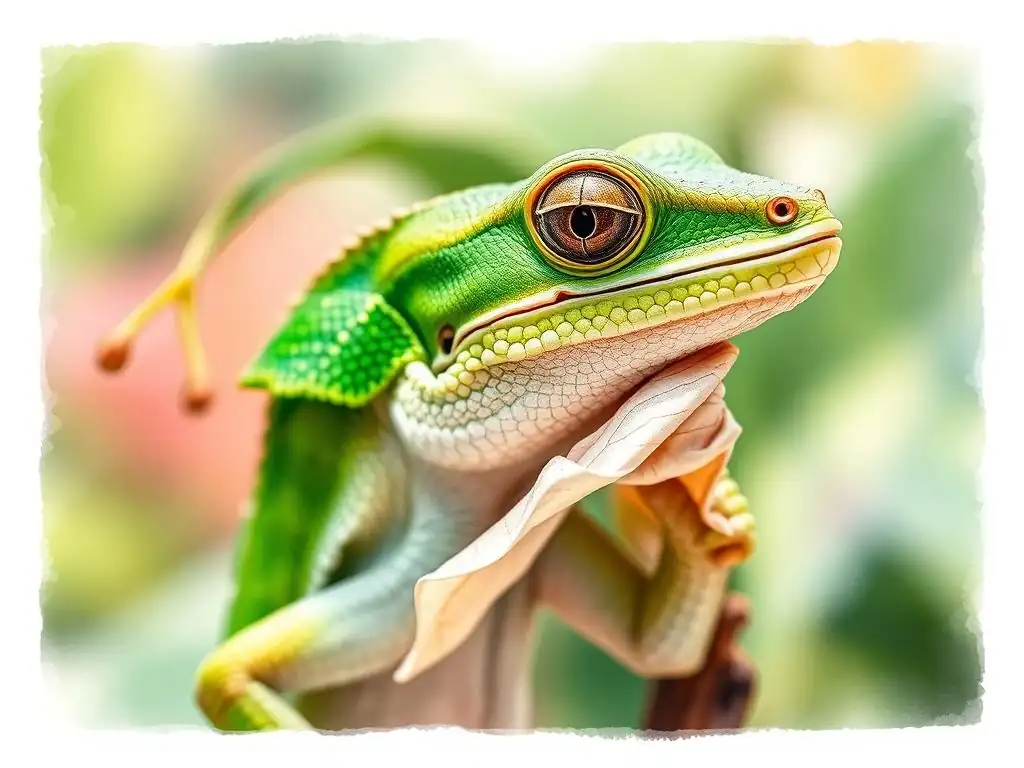
Reptile shedding, or ecdysis, is a crucial physiological process, but its specifics vary significantly across different species. Understanding these variations is key to providing optimal care and recognizing potential problems. The reptile shedding process explained below highlights the unique challenges and solutions for different reptile groups. Failure to understand these species-specific nuances can lead to complications, impacting your reptile's health and well-being. Proper husbandry, including appropriate humidity and temperature, is paramount for successful shedding. Let's delve into the specifics for various reptile groups.
Shedding in Snakes: Unique Challenges and Solutions
Snakes shed their skin in one piece, a process that can be challenging, especially for larger specimens. The old skin, called the exuvia, peels away from the head, proceeding down the body in a single, continuous piece. Problems often arise when the shed is incomplete or difficult to remove. This can lead to retained scutes (scales), resulting in painful constriction and potential infection. Several factors can contribute to difficulty shedding in snakes:
- Insufficient Humidity: Low humidity is a primary culprit. Dry air causes the old skin to adhere tightly, making shedding difficult and painful. Maintaining appropriate humidity levels, often through regular misting or the use of humidifiers, is crucial. The required humidity level varies significantly by species – for example, a corn snake needs significantly less humidity than a ball python.
- Improper Substrate: Certain substrates can dry out quickly or cling to the snake's skin, hindering the shedding process. Appropriate substrates such as paper towels or cypress mulch are generally recommended. Avoid using sand or other materials that can become embedded in the shed.
- Underlying Health Issues: Metabolic bone disease (MBD), dehydration, or parasitic infections can all negatively impact shedding. If your snake is consistently experiencing difficulty shedding, a veterinary examination is essential to rule out underlying health problems.
A snake struggling to shed might exhibit rubbing against objects, lethargy, cloudy eyes, or dull coloring. If you observe these signs, carefully inspect the snake for retained scutes. Do not attempt to forcibly remove the shed – this can cause serious injury. Instead, increase humidity, provide a soaking area, and consult a reptile veterinarian. A vet might recommend a gentle soak to help loosen the stuck skin. Remember, prevention is key – maintaining proper environmental conditions and providing a balanced diet will significantly reduce the likelihood of shedding issues.
Shedding in Lizards: Variations in the Process
Lizards exhibit greater diversity in their shedding patterns compared to snakes. Some shed their skin in pieces, while others shed it in larger sections, sometimes even in one piece. The frequency of shedding varies considerably depending on the species and age of the lizard. Younger lizards shed more frequently than adults, as they grow rapidly. Common issues include stuck shed on the toes and around the eyes. Proper humidity is again crucial, but the specific requirements differ greatly between species. For instance, a leopard gecko requires less humidity than a bearded dragon.
The process of shedding in lizards can be observed in several stages: The skin first begins to dull and lose its vibrancy, signaling that a shed is imminent. Then, the lizard might exhibit increased rubbing behavior against surfaces. Finally, the old skin peels away, revealing brighter, healthier skin underneath.
- Stuck Shed on Toes: This is a common problem. If you observe stuck shed on your lizard's toes, a gentle soak in lukewarm water can help. However, avoid forcing the shed, as this could damage delicate tissues.
- Eye Shedding: Similarly, stuck shed around the eyes can cause problems. Again, a gentle soak, and perhaps the application of a small amount of eye lubricant (after consulting a vet), might be helpful. Never attempt to pull the shed away from the eyes.
- Dysecdysis: Severe shedding disorders, termed dysecdysis, often indicate underlying health problems such as vitamin deficiencies, parasites, or metabolic disorders. Professional veterinary attention is essential in cases of dysecdysis.
Careful observation and proactive husbandry are vital to prevent and address shedding issues in lizards. Regular monitoring of humidity, temperature, and the lizard's overall health will significantly improve the chances of a successful shed.
Shedding in Turtles and Tortoises: Shell Shedding and Care
Turtles and tortoises undergo a unique shedding process, involving the shedding of scutes (the individual plates that make up their shells) rather than the entire shell at once. This shedding occurs gradually, with individual scutes being shed over time. The process is often subtle, and you might not even notice it unless you are carefully examining your pet regularly. Problems can arise when shedding is incomplete or causes damage to the underlying shell. Unlike snakes and lizards, the scutes are not shed in one continuous piece.
The health of the shell is directly related to the turtle or tortoise's overall health. Dietary deficiencies and improper husbandry can lead to abnormal shedding patterns and shell damage. A proper diet, rich in calcium and vitamin D3, is essential for healthy shell growth and shedding.
- Shell Rot: This serious condition can result from inadequate hygiene or poor water quality and can significantly impact the shedding process. Shell rot is characterized by soft, eroded areas on the shell.
- Scutal Loss: This can occur due to trauma or disease. If you observe scutal loss, veterinary attention is critical.
- Nutritional Deficiencies: A diet lacking in essential nutrients can lead to abnormal shell formation and shedding.
Maintaining appropriate temperature and humidity is important but less critical for successful shedding compared to snakes and lizards. The focus should be on providing a healthy diet and ensuring proper hygiene. Regular veterinary check-ups are recommended to address any potential issues early on. The frequency of shedding will vary depending on the species and the age of the animal. Younger turtles and tortoises, like younger lizards, will shed more frequently.
Understanding Reptile Shedding: Frequently Asked Questions (FAQ)
This section addresses common queries regarding reptile shedding, providing clarity on the process and potential complications. Understanding the reptile shedding process explained here will empower you to better care for your scaly companion. We'll delve into the frequency of shedding, indicators of a healthy shed, and steps to take if your reptile encounters difficulties.
How Often Do Reptiles Shed Their Skin?
The frequency of reptile shedding, or ecdysis, varies significantly depending on the species, age, and overall health of the reptile. Younger reptiles, experiencing rapid growth, shed more frequently than adults. For example, a juvenile leopard gecko might shed every 2-3 weeks, while an adult might shed only every 6-8 weeks or even less frequently. Larger species, like certain snakes, may shed only a few times a year.
Several factors influence shedding frequency. A reptile kept in an optimal environment with proper humidity and temperature will generally shed more regularly and easily. Conversely, suboptimal conditions can lead to irregular shedding or difficulty shedding. Dietary deficiencies can also play a role, impacting the health and integrity of the skin, resulting in incomplete or problematic sheds.
Here's a table summarizing the approximate shedding frequency for some common reptile species:
| Reptile Species | Approximate Shedding Frequency (Adult) | Notes |
|---|---|---|
| Leopard Gecko | Every 6-8 weeks | More frequent shedding in juveniles. |
| Bearded Dragon | Every 4-6 weeks | Can vary based on age and health. |
| Corn Snake | Every 4-6 weeks | Frequency can decrease with age. |
| Ball Python | Every 6-8 weeks | More frequent shedding in younger snakes. |
| Crested Gecko | Every 2-4 weeks | Highly variable, depends on diet and environment. |
Remember, these are just general guidelines. Observing your reptile's individual shedding pattern is crucial for identifying any potential problems. If you notice significant deviations from the expected frequency or any signs of difficulty shedding, consult a veterinarian specializing in reptiles.
What are the Signs of a Healthy Shed?
A healthy shed is characterized by a complete and smooth process, leaving behind a single, intact piece of shed skin. The skin should come off easily, without any stuck or retained scales. The underlying skin should be bright, vibrant, and free from any discoloration or abnormalities. The shed skin itself should be a uniform color and texture, reflecting the healthy condition of the underlying skin.
Here's a checklist of signs indicating a healthy shed:
- ✅ Complete Shed: The entire skin is shed in one piece or a few large pieces.
- ✅ Easy Removal: The shed skin comes off easily, without any struggle or stuck areas.
- ✅ Uniform Color and Texture: The shed skin is consistent in color and texture, lacking any discoloration or abnormalities.
- ✅ Bright, Healthy Underlying Skin: The new skin underneath is bright, vibrant, and free from any sores, lesions, or discoloration.
- ✅ Regular Shedding Frequency: The shedding occurs at regular intervals appropriate for the age and species of the reptile.
The absence of these signs might indicate underlying health issues, requiring veterinary attention. A retained shed, for example, can lead to serious complications if not addressed promptly.
What to Do if Your Reptile is Having Trouble Shedding?
Difficulty shedding, or dysecdysis, can manifest in various ways, including retained eye caps, stuck scales, or incomplete shedding. This often stems from improper humidity levels, inadequate basking temperatures, or underlying health problems. Prompt intervention is crucial to prevent infections or other complications.
If you notice your reptile struggling to shed, you should first assess its environment. Ensure appropriate humidity levels using a reliable hygrometer. You can also try increasing humidity temporarily using a humid hide or by misting the enclosure. A warm soak in lukewarm water (around 80-85°F) can help soften the skin, making it easier to shed.
However, never attempt to peel off the shed skin yourself. This can cause injury and infection. If the shedding problem persists despite environmental adjustments and warm soaks, consult a veterinarian experienced in reptile care immediately. They can diagnose any underlying issues and recommend appropriate treatment. Early intervention is key to ensuring your reptile's continued health and well-being. Remember, a healthy reptile shedding process is a sign of overall good health.
What is the Best Way to Support Healthy Shedding?
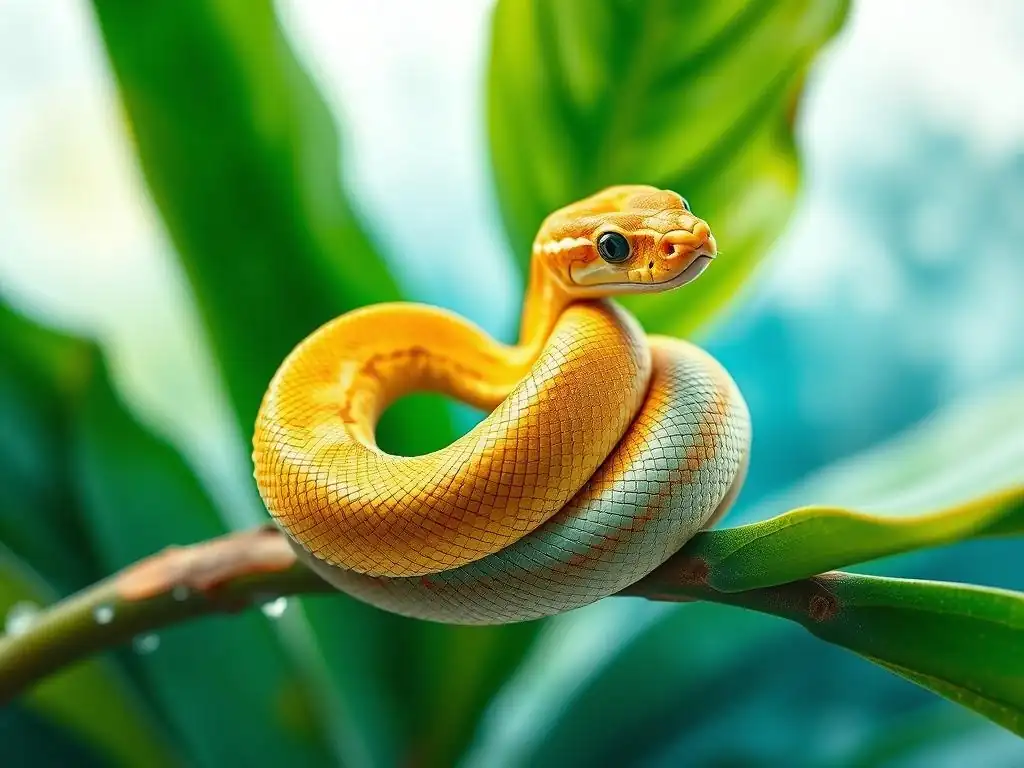
Providing optimal environmental conditions is paramount for healthy reptile shedding. This includes maintaining the correct temperature and humidity levels specific to your reptile's species. A poorly managed environment can lead to incomplete shedding, retained scutes (scales), and subsequent infections. For instance, insufficient humidity can cause the old skin to stick, making shedding difficult and painful for the reptile.
Conversely, excessively high humidity can lead to fungal or bacterial infections. Researching the specific needs of your reptile species is crucial. Many online resources and herpetological guides detail the ideal temperature and humidity ranges for various reptile species. Always use accurate thermometers and hygrometers to monitor these parameters.
Beyond environmental control, providing a suitable substrate is essential. Certain substrates, like very coarse sand or gravel, can cause injury during shedding and hinder the process. Smoother substrates, such as paper towels or reptile-specific carpet, are generally preferred, especially during shedding periods. These materials offer a less abrasive surface, reducing the risk of injury and facilitating the removal of the old skin. Regular cleaning of the enclosure is also critical in preventing bacterial or fungal growth, which can complicate shedding and lead to infections.
Finally, a balanced and nutritious diet plays a vital role in supporting healthy shedding. Nutritional deficiencies can weaken the skin and impair the shedding process. Ensure your reptile's diet is tailored to its specific needs, providing the appropriate calcium, vitamins, and other essential nutrients. Consulting a reptile veterinarian or experienced reptile keeper can help determine the best diet for your pet, ensuring it receives all the necessary elements for a smooth and successful shedding cycle. Regular veterinary checkups are also recommended to monitor overall health and address any potential nutritional deficiencies early on.
When to Seek Veterinary Assistance for Shedding Problems?
While minor shedding issues are relatively common, certain signs indicate a need for professional veterinary intervention. Difficulty shedding, or dysecdysis, can be a symptom of underlying health problems. If your reptile struggles to shed its skin, leaving large portions stuck to its body, veterinary attention is necessary. This can be particularly problematic around the eyes, toes, or tail, potentially causing blindness, loss of digits, or necrosis (tissue death). Observe for stuck skin that remains for extended periods, typically more than a week after the shedding process should have been complete.
Another critical sign requiring veterinary care is the presence of retained scutes or scales. These are pieces of old skin that fail to shed properly, often becoming embedded in the new skin. This can lead to infections and discomfort. Similarly, any signs of infection, such as redness, swelling, discharge, or unusual behavior, warrant immediate veterinary attention.
These symptoms can indicate underlying conditions that are inhibiting the shedding process and require prompt treatment. Furthermore, if you observe any abnormalities in your reptile's skin, such as discoloration, lesions, or unusual growths, veterinary examination is essential to rule out more serious health issues. Early intervention can often prevent more significant problems and ensure your reptile's well-being. Remember that prevention is key; maintaining optimal environmental conditions and a balanced diet can significantly reduce the risk of shedding problems.
Maintaining Optimal Reptile Health Through Proper Shedding Management
Maintaining a healthy reptile requires a deep understanding of their unique biological processes, and shedding, or ecdysis, is a crucial aspect of their well-being. The reptile shedding process explained below highlights the importance of proper management to prevent complications and ensure a thriving pet. A successful shed indicates a healthy reptile, while difficulties can signal underlying health issues.
This section focuses on the key factors influencing the shedding process and how to optimize them for your reptile companion. Understanding these factors is critical for responsible reptile ownership, contributing to a longer, healthier life for your scaled friend. We will explore the nutritional and environmental influences on shedding, as well as the critical role of humidity.
Nutritional Factors Affecting Reptile Shedding
Proper nutrition is paramount for successful ecdysis. A diet deficient in essential vitamins and minerals, particularly calcium and vitamin D3, can lead to incomplete shedding, resulting in retained scutes (scales), dysecdysis, and potentially serious health problems. Calcium is the building block of reptile bones and scales, while vitamin D3 is essential for calcium absorption. A deficiency in either can manifest as dull, brittle scales, difficulty shedding, and even metabolic bone disease (MBD).
For example, a bearded dragon fed solely on insects lacking sufficient calcium supplementation will likely experience shedding problems. Similarly, a leopard gecko fed a diet lacking in calcium-rich insects or commercial supplements may develop retained scutes. These issues can lead to infections, impaired mobility, and even death if left untreated. Therefore, providing a balanced diet tailored to your reptile's specific needs is crucial for optimal shedding.
This includes providing a varied diet rich in live insects (crickets, roaches, etc. ), supplemented with appropriate calcium and vitamin D3 powders. Always consult reputable sources or a veterinarian specializing in reptiles to determine the correct supplementation regimen for your specific species. Regular veterinary check-ups are also essential to monitor your reptile's overall health and ensure proper nutritional intake.
Environmental Factors Affecting Reptile Shedding
Beyond nutrition, the environment plays a significant role in successful reptile shedding. Temperature gradients within the enclosure are crucial. Reptiles are ectothermic, meaning they rely on external sources of heat to regulate their body temperature. An inadequate temperature gradient can hinder the shedding process, as proper thermoregulation is essential for enzymatic activity involved in skin cell turnover.
Consider a corn snake kept at a consistently low temperature. This can slow down its metabolism, affecting the shedding cycle and increasing the risk of dysecdysis. Conversely, extremely high temperatures can also negatively impact shedding, causing dehydration and potentially burning the delicate new skin. Providing a suitable temperature gradient, with basking spots and cooler areas, allows your reptile to thermoregulate effectively, optimizing the shedding process.
The substrate type also plays a role; loose substrates, such as coconut fiber or cypress mulch, can aid in shedding by providing a rough surface to help the reptile rub off old skin. Avoid smooth substrates, which can impede the shedding process and lead to retained scutes. Regular cleaning of the enclosure is also essential to prevent bacterial or fungal infections that can complicate shedding.
The Role of Humidity in Reptile Shedding
Humidity is arguably the most critical environmental factor influencing reptile shedding. The old skin must be properly hydrated to facilitate easy separation from the underlying new skin. Insufficient humidity leads to dry, brittle skin that adheres firmly, making shedding difficult and painful. This can result in retained eye caps (spectacles), stuck shed on the tail, toes, or body, and ultimately, dysecdysis.
For instance, a leopard gecko kept in a dry environment is highly susceptible to retained shed. This can lead to infections, constricted blood flow to the affected areas, and even limb loss in severe cases. Maintaining appropriate humidity levels, typically between 40-70%, depending on the species, is achieved through proper substrate selection, misting, and the use of humidifiers. Regular monitoring of humidity levels with a hygrometer is essential.
You should observe your reptile closely during the shedding process. Signs of difficulty, such as lethargy, rubbing against surfaces, or visible retained shed, require immediate attention and may necessitate adjustments to humidity levels or veterinary intervention. Remember, a successful shed is a sign of a healthy reptile, and proper humidity management is key to achieving this.
The Importance of Proper Substrate for Shedding
The substrate, or bedding, you choose for your reptile's enclosure plays a crucial role in the success of their shedding process. An inappropriate substrate can hinder shedding, leading to retained scutes (scales), dysecdysis (difficult or incomplete shedding), and potentially serious health complications. The ideal substrate should be absorbent enough to maintain humidity but not so damp as to promote bacterial or fungal growth, which can exacerbate skin problems during and after shedding.
For example, paper towels are a popular choice for young or delicate reptiles, or those undergoing particularly challenging sheds. Their smooth, non-adhesive surface prevents the shed skin from sticking and tearing, minimizing the risk of injury. However, paper towels are not ideal for all reptiles, especially larger species or those requiring higher humidity levels. They lack the ability to retain moisture effectively and may need frequent changes, increasing your workload.
Alternatively, reptile-specific substrates like cypress mulch or coconut fiber offer a more natural environment while maintaining appropriate humidity levels. These substrates provide a slightly textured surface that can aid in the shedding process, allowing the shed skin to separate more easily. However, careful monitoring is still essential to ensure the substrate remains clean and appropriately moist.
Overly damp substrates can lead to infections, while excessively dry substrates can make shedding more difficult. Regular cleaning and substrate replacement are paramount to prevent the buildup of harmful bacteria or fungi. The frequency of substrate replacement will depend on the species of reptile, the type of substrate used, and the size of the enclosure; some may require weekly changes, while others may need monthly replacements.
Regular observation of your reptile's enclosure and its inhabitant is key to maintaining a healthy environment conducive to successful shedding. The choice of substrate should always be tailored to the specific needs of your reptile species.
Frequently Asked Questions
What is reptile shedding (ecdysis)?
Reptile shedding, or ecdysis, is the process where reptiles shed their outer skin layer as they grow. This is a natural and essential part of their life cycle. It's crucial for their health and growth.
How often do reptiles shed their skin?
Shedding frequency varies depending on the reptile species and its age. Young, growing reptiles shed more frequently than adults. Some species shed every few weeks, while others may shed only a few times a year.
What are the signs that my reptile is about to shed?
Signs include dulling of colors, a cloudy or opaque appearance to the skin, and sometimes increased drinking. You may also notice a change in their behavior, such as becoming less active.
What should I do to help my reptile during shedding?
Provide a humid environment to help the old skin loosen. Avoid handling your reptile during the shedding process. Supplements like calcium and vitamin D3 can also support healthy shedding.
What should I do if my reptile has difficulty shedding?
If shedding is incomplete or problematic, consult a veterinarian specializing in reptiles. They can identify any underlying issues and provide appropriate treatment to help your reptile.
Final Reflection: The Enduring Mystery of a Reptile's Renewal
Understanding the reptile shedding process is not merely a scientific pursuit; it's a window into the remarkable adaptability and resilience of life itself. The intricate choreography of ecdysis, from the subtle hormonal signals to the final triumphant sloughing of old skin, reveals a fundamental biological process with implications far beyond the reptile world. This process, often overlooked, speaks volumes about the power of renewal and the constant cycle of growth and transformation inherent in all living things.
The impact of observing this process, both in the wild and in captivity, has profoundly shaped my understanding of the delicate balance within ecosystems and the importance of respecting the natural rhythms of all creatures. The shedding of the skin is not death, but a rebirth.
This simple statement, though not directly about reptiles, encapsulates the profound significance of ecdysis. It's a constant reminder that change, even seemingly drastic change, can be a source of strength and renewal, a testament to the enduring power of life to adapt and overcome.
Consider the implications of this process for your own life. Just as a reptile sheds its old skin to accommodate growth, are you willing to shed old habits, limiting beliefs, or outdated perspectives that hinder your own progress? Embrace the shedding process; embrace the change. Observe the meticulous care reptiles take in their shedding, and learn from their dedication to self-care and renewal. Let the reptile's journey inspire you to shed what no longer serves you and step into a brighter, more vibrant future.
Unlock Your Reptile's Shedding Secrets!
Thank you for exploring the fascinating world of reptile shedding! You've gained valuable insights into this process and its importance for your reptile's health. Ready to put this knowledge into action?
- Optimize your reptile's environment: Carefully evaluate your reptile's enclosure, ensuring appropriate humidity levels, a proper temperature gradient, and suitable climbing structures to facilitate shedding. This is the most crucial step you can take!
- Share your successes: Join our PetCareWorld community forum and share your experiences, tips, and photos of successful sheds. Let's collaborate to ensure healthy and happy reptiles.
- Further your knowledge: Explore detailed reptile care guides and online forums dedicated to shedding issues for more in-depth information.
What specific changes will you make today to support your reptile's next shed?