
Advanced Scent Work: Unleashing Your Dog’s Natural Abilities

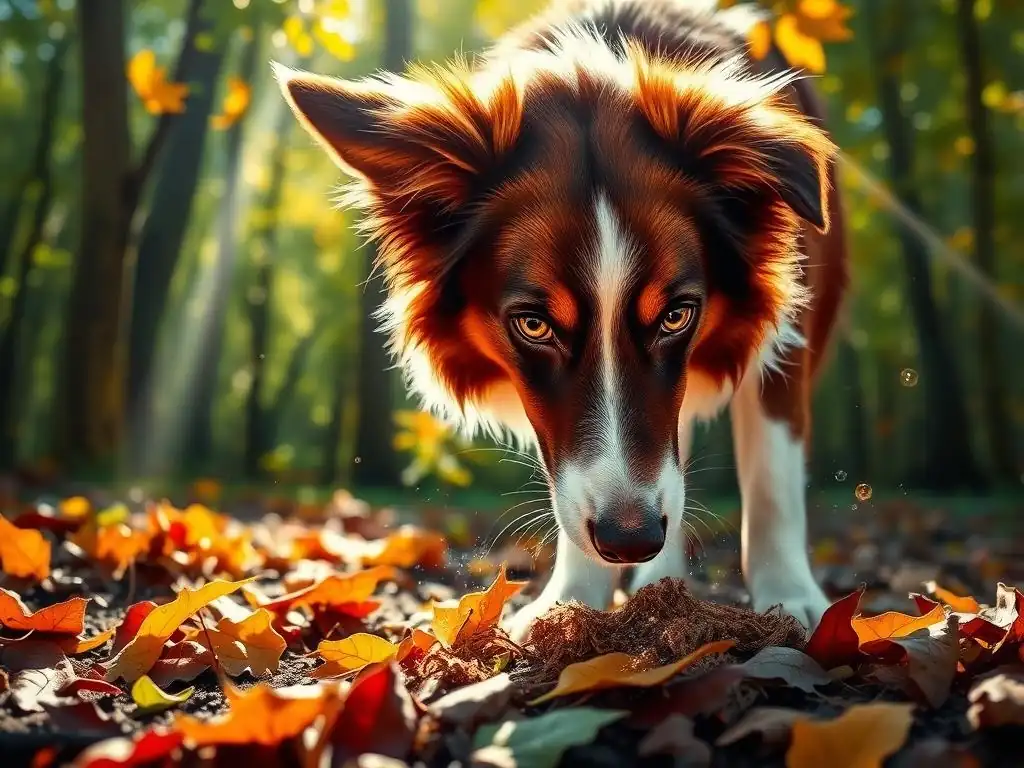
Welcome to PetCareWorld, your ultimate guide to a happier, healthier life for your beloved companion! Are you ready to unlock your dog's incredible potential? Our comprehensive Dog Scent Work Training Guide will show you how to unleash your canine's natural sniffing abilities, transforming playtime into an engaging and rewarding experience. Discover the secrets to successful scent work training and embark on an exciting journey of discovery with your furry friend – read on to learn more!
- Understanding Canine Olfactory Capabilities: The Basis of Scent Work Training
- Introducing Your Dog to Scent Work: A Step-by-Step Guide
- Advanced Scent Work Techniques: Building on the Foundation
- Troubleshooting Common Challenges in Scent Work Training
- Competition Scent Work: Taking Your Dog's Skills to the Next Level
- Resources for Continued Learning: Dog Scent Work Training Guide Enhancements
-
Frequently Asked Questions
- What is scent work, and why is it good for my dog?
- What are the basic requirements for starting scent work training?
- How do I introduce my dog to scent work?
- What are some common mistakes to avoid during scent work training?
- Where can I find more information on advanced scent work techniques for my dog?
- Final Reflection: Unlocking the Nose Knows: A Partnership for Life
- Unleash Your Dog's Super Sniffer: Start Their Scent Work Journey Today!
Understanding Canine Olfactory Capabilities: The Basis of Scent Work Training
Canine scent work, far from being a mere trick, is a deeply rewarding activity that taps into your dog's innate abilities and strengthens the bond between you. This comprehensive guide delves into the fascinating world of advanced scent work training, providing you with the knowledge and techniques to unleash your dog's natural olfactory prowess.
We'll explore the science behind a dog's exceptional sense of smell, compare it to human capabilities, and discuss breed predispositions to help you determine if scent work is the perfect activity for you and your canine companion. This guide serves as your ultimate resource for understanding and implementing effective dog scent work training, helping you achieve advanced levels of proficiency with your furry friend.
It's a journey of discovery, patience, and rewarding interaction, transforming your dog's natural abilities into a fun and enriching activity for both of you. Prepare to embark on this exciting adventure as we unlock the secrets to advanced dog scent work training – your ultimate "Dog scent work training guide"!
The Power of a Dog's Nose: Superior Scent Detection Explained
Dogs possess an olfactory system far surpassing that of humans. While humans have approximately 5 million olfactory receptors, dogs boast an astounding 220 million or more, depending on breed. 1 This vast difference translates to a significantly heightened ability to detect and discriminate between even the faintest of scents. The olfactory bulb, the part of the brain responsible for processing smells, is also proportionally larger in dogs than in humans, further enhancing their sensory capacity. This biological advantage allows dogs to detect scents at incredibly low concentrations, identifying and tracking sources imperceptible to the human nose. Consider this: a dog can detect a single drop of blood in a swimming pool! Understanding this incredible sensory power is the cornerstone of effective scent work training. The key is to leverage this natural ability, creating engaging exercises that challenge and reward your dog's exceptional olfactory skills. This detailed understanding allows for more effective training strategies, tailoring exercises to your dog's specific abilities and preferences.
Comparing Canine and Human Senses: Why Scent Work is Ideal
The stark contrast between canine and human olfactory capabilities highlights why scent work is such a uniquely suitable activity for dogs. While we rely heavily on sight and hearing, dogs' primary mode of sensory input is smell. This difference in sensory dominance explains why dogs find scent work so intrinsically motivating.
It's not merely a "trick" but a deeply engaging activity that allows them to utilize their most powerful sense. Imagine trying to perform a task based solely on your weakest sense; it wouldn't be very fulfilling. For dogs, scent work is the equivalent of a stimulating brain teaser, a challenge perfectly aligned with their natural abilities.
This inherent engagement translates into a more enthusiastic and focused learning process, making training smoother and more rewarding for both you and your dog. The inherent reward system built into scent work – the excitement of the find! – makes it a highly effective and enjoyable training method.
Breeds Predisposed to Scent Work: Choosing the Right Canine Partner
While any dog can be trained in scent work with the right guidance and patience, certain breeds exhibit a natural predisposition towards it. Breeds historically used for tracking, hunting, and detection often show exceptional olfactory skills and a strong drive to work with their noses. Examples include Bloodhounds, German Shepherds, Labrador Retrievers, and Beagles. These breeds frequently demonstrate an intense focus and a natural inclination to follow scents, making the training process comparatively easier.
However, it's important to remember that individual dogs within a breed can vary greatly in their aptitude and enthusiasm. Even within a breed known for its scent-tracking abilities, some dogs may show more interest and aptitude than others. The most important factor is your dog's individual temperament and willingness to engage in the activity.
Observing your dog's natural behaviors and reactions to scents can help you gauge their potential for success in scent work. Ultimately, the best canine partner for scent work is a dog who enjoys the challenge and finds the activity intrinsically rewarding. Remember, patience and positive reinforcement are key regardless of breed.
1 Note: The exact number of olfactory receptors varies depending on the breed and individual dog. This figure represents an average range.
Introducing Your Dog to Scent Work: A Step-by-Step Guide
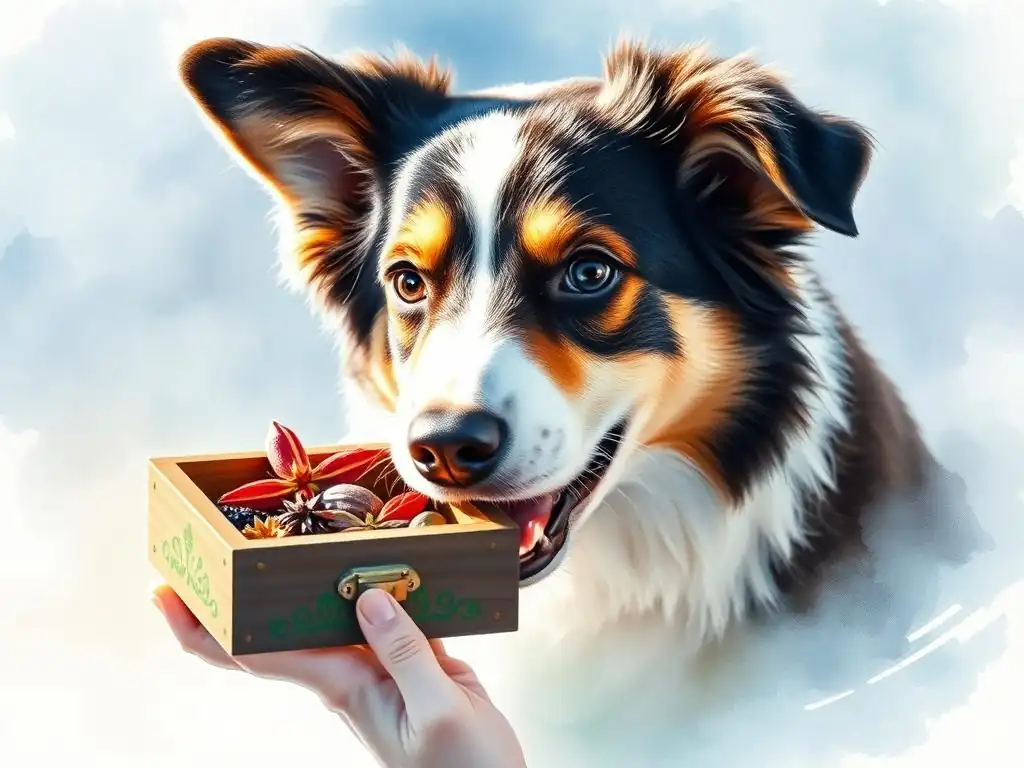
This section details how to introduce your canine companion to the fascinating world of scent work, transforming your dog's natural sniffing abilities into a rewarding and engaging activity. This guide focuses on building a solid foundation, emphasizing positive reinforcement and gradual progression to avoid overwhelming your dog. Remember, patience and consistency are key to success in any dog scent work training guide.
Starting with Basic Scent Discrimination: Easy Scent Work Exercises
Before introducing a specific target scent, it's crucial to establish your dog's understanding of scent discrimination. This involves teaching your dog to differentiate between different odors. Begin with easily distinguishable scents, such as a small piece of kibble versus a small piece of a different treat.
Start in a controlled environment, like a quiet room. Place one treat under a container (e.g., a small bowl turned upside down) and the other treat under a similar, but distinct container. Use clear verbal cues such as "Find the treat!" Guide your dog to sniff and reward them enthusiastically with praise and a high-value reward when they correctly identify the desired treat. Gradually increase the difficulty by increasing the number of containers, using similar-smelling containers, and increasing the distance between the containers and your dog. 🎉
Remember to keep the training sessions short and positive. If your dog becomes frustrated, take a break and return later. A frustrated dog will not learn effectively. A good scent work training guide emphasizes the importance of avoiding pressure and focusing on building confidence.
Introducing the Target Scent: Building Association and Motivation
Once your dog masters basic scent discrimination, introduce the target scent—the scent you'll use in more advanced scent work exercises. Common target scents include essential oils (like clove or anise) diluted with a carrier oil, or even a specific toy or article of clothing.
Start with a high-value reward, associating it strongly with the target scent. For example, place a small amount of the target scent on a treat or toy before giving it to your dog. Repeat this process multiple times, building a positive association. Then, hide a small amount of the target scent in a readily accessible location, and encourage your dog to find it.
Use enthusiastic praise and your chosen reward when they succeed. The goal here is to build excitement and motivation around finding the target scent. This is a crucial aspect of any successful dog scent work training guide.
Positive Reinforcement Techniques: Rewards and Motivation in Scent Training
Positive reinforcement is the cornerstone of effective scent work training. This means rewarding your dog for desired behaviors, such as sniffing effectively and locating the target scent. Avoid punishment; it can create fear and anxiety, hindering your dog's learning process.
The type of reward should be tailored to your dog's preferences. Some dogs are highly motivated by food, while others prefer praise, toys, or even specific games. The key is to use rewards consistently, making them a highly anticipated part of the training sessions. Vary your rewards to keep the sessions engaging and prevent your dog from becoming bored. A successful dog scent work training guide will cover a range of reward strategies, from small, frequent treats to occasional larger rewards for exceptional performance.
Remember to always end each session on a positive note, even if your dog doesn't find the scent every time. The focus is on building a positive association with the activity itself. This builds confidence and enthusiasm, making future sessions more productive and enjoyable for both you and your dog. 🐕
Handling Distractions: Building Focus and Concentration During Training
Distractions are inevitable during dog scent work training. A successful scent work dog needs exceptional focus and the ability to ignore competing stimuli. Building this concentration takes patience and a strategic approach. We'll explore techniques to mitigate distractions and reinforce your dog's focus on the target scent.
One crucial aspect is controlling the training environment. Initially, practice in a quiet, low-distraction area, perhaps an enclosed room or a sparsely populated park at off-peak hours. Gradually introduce more distractions as your dog masters the basics. Start with minimal distractions like a gentle breeze or distant sounds, then progress to more challenging environments with increased visual and auditory stimuli. This controlled introduction prevents overwhelming your dog and allows for steady progress.
Positive reinforcement is key in managing distractions. When your dog successfully ignores a distraction and focuses on the scent, immediately reward them with high-value treats, praise, or their favorite toy. This positive association helps them understand that ignoring distractions is beneficial and rewarding. Never punish your dog for reacting to distractions; this can create anxiety and hinder their learning. Instead, redirect their attention gently back to the scent work task.
The use of a "leave it" command can be incredibly helpful. Teach your dog a solid "leave it" cue before beginning scent work, rewarding them for ignoring tempting objects or sounds. During scent work sessions, use the "leave it" command to help your dog ignore distractions and focus on the task at hand. This helps solidify the concept of ignoring irrelevant stimuli.
Another effective strategy is to use a variety of training locations. By training in different environments, your dog learns to generalize their scent work skills and adapt to varying levels of distraction. This adaptability is vital for competition or real-world scent detection scenarios. Consider training in your home, backyard, park, and even different rooms within your house, gradually increasing the level of distractions in each location.
Remember to break down the training into manageable sessions. Keep the sessions short and focused, avoiding prolonged exposure to high levels of distraction. Your dog's attention span is finite; by keeping sessions brief and rewarding, you maintain their engagement and prevent frustration. Frequent, shorter training sessions are generally more effective than infrequent, long ones, especially when dealing with distractions. Regular practice will gradually build your dog's focus and concentration, making them a more successful scent work dog.
Advanced Scent Work Techniques: Building on the Foundation
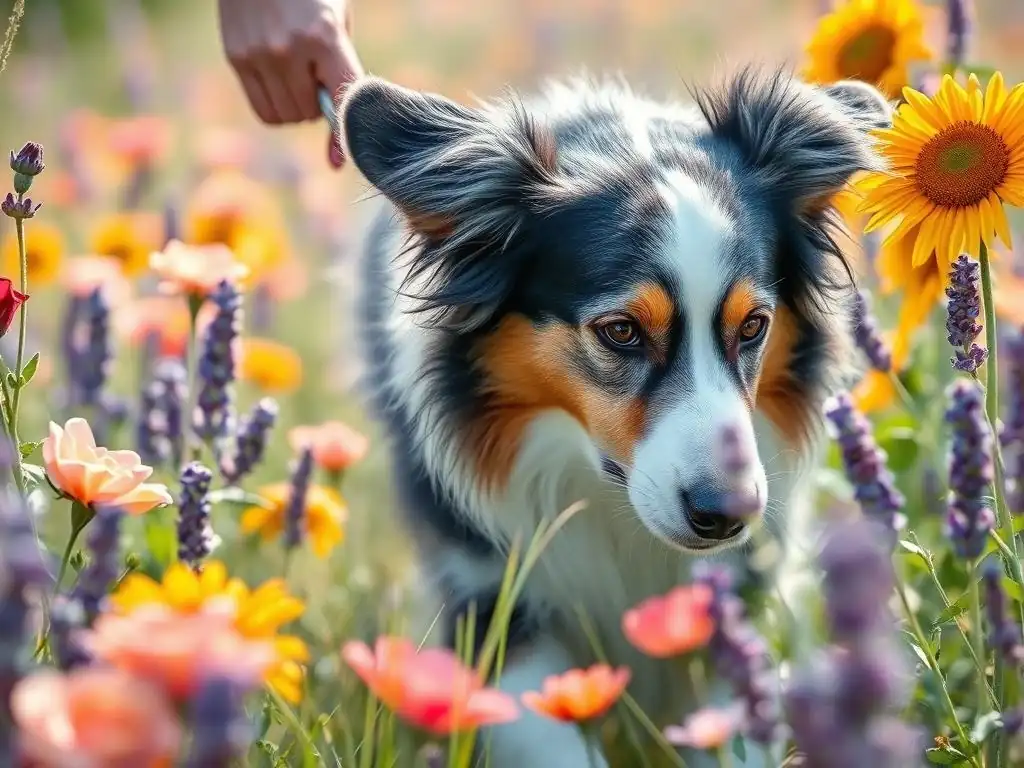
This section delves into advanced scent work techniques, building upon the fundamental skills your dog has already mastered in basic scent work training. We'll explore ways to challenge your canine companion and further refine their olfactory prowess, transforming them into highly skilled scent detection experts. Remember, patience and positive reinforcement remain crucial throughout this advanced training.
Consistent, rewarding sessions are key to success in building a strong working relationship with your dog and fostering their enthusiasm for scent work. This guide will focus on progressively increasing the difficulty of the tasks, leading to a more challenging and rewarding experience for both you and your dog. This approach ensures your dog maintains motivation and avoids becoming bored or frustrated.
Increasing Difficulty: Introducing More Complex Scents and Environments
Once your dog reliably finds a single, easily identifiable scent (like their favorite toy's scent) in a simple environment, it's time to increase the challenge. This involves introducing more complex scents and varied environments. Start by adding a second scent, perhaps a different toy or a small piece of a different food item. Ensure the scents are clearly distinguishable to your dog initially. You can gradually increase the complexity by:
- Blending Scents: Introduce subtle blends of familiar scents. For example, mix a small amount of your dog's favorite food with another less appealing scent. This helps your dog focus on the target scent despite distractions.
- Varying Concentrations: Use varying amounts of the target scent. A weaker concentration requires your dog to work harder and use their nose more effectively.
- Changing Environments: Move from an indoor, controlled environment to an outdoor space with more distractions like wind, other animals, and competing scents. This gradually builds your dog's ability to focus amidst distractions.
- Introducing Distractions: Strategically place distracting scents near the target scent. This will test your dog's ability to discriminate and filter out irrelevant olfactory information.
For example, if you're using a specific food item, begin with a strong concentration, then gradually reduce the amount used over several training sessions. Observe your dog's performance closely. If they struggle, revert to a higher concentration until they regain confidence. Remember to celebrate their successes with enthusiastic praise and rewards! 🐾
Advanced scent work involves teaching your dog to locate hidden scents in increasingly challenging locations. This requires developing advanced search strategies. Start by strategically hiding the scent in more complex locations, such as under furniture, inside containers, or within piles of objects. This encourages your dog to utilize a more thorough and systematic search pattern. Consider these strategies:
- Systematic Searches: Encourage your dog to systematically search the area, covering every inch of ground. This could involve teaching them specific search patterns like a grid search or a spiral search.
- Multi-Level Searches: Hide scents at different heights and depths, forcing your dog to explore vertically as well as horizontally.
- Scent Trails: Create longer scent trails, leading your dog to the ultimate target. This builds their ability to follow a scent over a distance.
- Delayed Searches: Hide the scent and allow some time to pass before releasing your dog. This tests their ability to maintain focus and follow the scent even when it's less fresh.
Remember to start slowly and gradually increase the difficulty of the hiding places. Always provide clear and consistent cues and reward your dog generously for their successful finds. Positive reinforcement is key to building their confidence and motivation. For instance, initially hide the scent in plain sight, then gradually make it more challenging, praising and rewarding each successful search.
Scent Discrimination: Teaching Your Dog to Differentiate Between Scents
Scent discrimination is a crucial aspect of advanced scent work. It involves teaching your dog to distinguish between multiple similar scents and identify a specific target scent. This requires patience, precision, and a systematic approach. Begin by using two clearly distinct scents, then gradually introduce scents that are more similar. This could be done using different types of food, essential oils, or even different individuals' scents.
Here's how to approach scent discrimination training:
| Step | Description | Example |
|---|---|---|
| Introduction | Introduce two distinct scents, one as the target and the other as a distractor. | Target: Beef jerky; Distractor: Chicken jerky |
| Differentiation | Reward your dog only when they correctly identify the target scent. | Reward only when sniffing the beef jerky. |
| Gradual Increase | Slowly introduce more similar scents, increasing the difficulty. | Target: Beef jerky; Distractors: Beef liver, ham |
| Complex Mixtures | Introduce scents in a mixed environment, making the task more challenging. | Hide scents amongst other items or in a cluttered area |
Remember to always keep training sessions short, positive, and rewarding. This approach ensures your dog stays engaged and motivated throughout the process. A consistent and rewarding training experience will yield the best results in developing your dog's scent discrimination abilities. This will undoubtedly elevate your dog scent work to a higher level of expertise.
Expanding Search Areas: Outdoor Scent Work and Real-World Applications
Moving beyond the controlled environment of indoor scent work is a crucial step in developing your dog's scent detection skills. Outdoor scent work presents a multitude of challenges and rewards, pushing your canine companion to utilize their olfactory prowess in a more complex and stimulating way. The transition requires careful planning and a gradual increase in difficulty. Begin by selecting a small, enclosed outdoor area, perhaps a fenced yard or a designated section of a park, to maintain some control over the environment. Introduce distractions gradually, starting with minimal interference and slowly introducing more complex scents and environmental factors.
One effective method is to start with a single, easily identifiable scent in a small area. Gradually increase the search area, introducing more complex terrain – grass, dirt, pavement – to challenge your dog's ability to track the scent across different surfaces. Remember to always reward your dog's efforts, regardless of whether they find the scent immediately.
Positive reinforcement is vital to maintaining motivation and building confidence during these more challenging exercises. The transition to larger, more open areas should be a slow and deliberate process, ensuring your dog remains focused and successful at each step. Losing your dog's focus and introducing frustration can be detrimental to their training progress.
Real-world applications of outdoor scent work are numerous and beneficial. For instance, dogs trained in scent detection can be used for search and rescue operations, locating missing persons or finding lost pets. Many working dogs are trained to detect specific substances, such as narcotics or explosives, making them valuable assets in law enforcement and security. Even for pet dogs, mastering outdoor scent work can be a fun and enriching activity, strengthening the bond between owner and dog while providing valuable mental stimulation.
Consider incorporating scent work into your dog's daily walks, turning ordinary outings into engaging training sessions. This provides valuable socialization opportunities while simultaneously refining your dog’s scent tracking abilities. Remember that consistent, positive reinforcement and a gradual increase in difficulty are key to success.
The transition from controlled indoor environments to the dynamic complexity of outdoor scent work requires patience, observation, and a deep understanding of your dog's capabilities. It's not just about finding the scent; it's about building confidence, resilience, and a strong working relationship. By focusing on positive reinforcement and gradually increasing the challenges, you can help your dog reach their full potential and enjoy the rewarding experience of advanced scent work.
Remember to celebrate successes, no matter how small, and adjust your training methods as needed to suit your dog's individual learning style and pace. This personalized approach is essential for maximizing your dog's potential and ensuring a positive and enriching training experience for both of you. 🐶
Troubleshooting Common Challenges in Scent Work Training
Scent work, while incredibly rewarding for both dog and owner, presents unique challenges. This section addresses common hurdles encountered during advanced scent work training and provides practical strategies to overcome them, turning frustration into further success in your "Dog scent work training guide". Remember, patience and consistency are key!
Lack of Motivation: Addressing Boredom and Maintaining Enthusiasm
Maintaining your dog's enthusiasm for scent work is crucial, especially as you progress to more complex exercises. A bored or unmotivated dog will struggle to focus and perform at their best. This is often manifested as decreased engagement, refusal to search, or a general lack of interest in the scent work itself.
Several factors can contribute to a decline in motivation. Repetitive training methods, a lack of variety in scents, or an overly demanding training schedule can all lead to boredom. Similarly, if your dog isn't receiving adequate rewards – both in the form of high-value treats and enthusiastic praise – they may lose interest.
To address this, incorporate the following strategies into your "Dog scent work training guide":
- Vary the training environment: Avoid always training in the same location. Introduce new scents in different environments to keep your dog mentally stimulated and engaged.
- Change up the scents: Use a variety of scents, both familiar and unfamiliar, to keep your dog challenged and prevent boredom. Consider rotating scents regularly.
- Adjust the difficulty level: If your dog is struggling, make the exercises easier. Gradually increase the difficulty as their skills improve. Avoid pushing them too hard, too fast.
- Increase the reward value: Experiment with different rewards to find what motivates your dog the most. This might include higher-value treats, favorite toys, or even a game of fetch.
- Introduce puzzle feeders: Outside of training sessions, puzzle feeders can provide mental stimulation and maintain your dog's interest in scent-based activities. This builds on their natural foraging instincts.
- Short, frequent sessions: Instead of long, exhausting training sessions, opt for shorter, more frequent sessions to maintain focus and prevent burnout.
Distraction Issues: Strategies for Managing Environmental Distractions
Environmental distractions are a common problem in scent work, especially for dogs who are easily distracted. Squirrels, birds, other dogs, and even interesting smells can disrupt your dog's focus and compromise their ability to successfully complete a scent work exercise. This is a significant challenge, even for experienced scent work teams.
Here’s how to tackle distraction issues:
- Start in controlled environments: Begin training in quiet, distraction-free environments before gradually introducing more distractions. This controlled introduction allows your dog to build confidence and focus before facing tougher challenges.
- Use a high-value reward: A highly motivating reward can help your dog overcome distractions. The reward should be significantly more appealing than anything else in the environment.
- Desensitization and counter-conditioning: Gradually expose your dog to distractions while rewarding calm behavior. This helps to associate distractions with positive experiences, rather than fear or anxiety.
- Practice with distractions: Once your dog is comfortable in a controlled setting, gradually introduce distractions, starting with low-level distractions and progressing to higher-level distractions.
- Use a long line: A long line gives you more control over your dog and allows you to guide them away from distractions. It’s a safety net that allows for more freedom in training but keeps the dog under your control.
- Train in varied locations: Don’t just train in your backyard. Gradually introduce more complex and challenging environments to build resilience to distractions.
Scent Identification Problems: Fine-tuning Your Dog's Scent Detection Skills
Even with diligent training, some dogs might struggle with accurately identifying specific scents. This could be due to a variety of factors, including the dog's individual abilities, the intensity of the scent, or even the way the scent is presented.
Here’s how to fine-tune your dog's scent detection:
- Ensure clear scent trails: Make sure the scent trails are strong and clearly defined. Avoid using scents that are too faint or diluted. Consider using higher concentrations of the target scent to begin with.
- Positive reinforcement: Consistent, positive reinforcement is crucial for successful scent identification. Reward even small successes.
- Use multiple scent sources: Provide your dog with multiple scent sources, including the target scent and several distractor scents. This helps your dog to learn to discriminate between different scents.
- Increase the difficulty gradually: Start with easy scent identification tasks and gradually increase the difficulty as your dog's skills improve. Don’t overwhelm your dog with overly complex tasks.
- Practice regularly: Consistent practice is essential for improving your dog's scent detection skills. Regular short sessions are more effective than infrequent long sessions.
- Consider professional guidance: If you are encountering persistent difficulties, consider seeking guidance from a professional dog trainer experienced in scent work. They can provide personalized advice and help you address specific challenges. A fresh perspective can be invaluable.
Remember, every dog learns at their own pace. Be patient, persistent, and celebrate every success along the way! With consistent effort and the right strategies, you can help your dog develop exceptional scent detection skills, transforming your training into a rewarding and enjoyable experience for both of you.
Building Confidence: Encouraging Persistence and Success in Scent Work
Scent work, while incredibly rewarding, can be challenging for both dog and handler. Building your dog's confidence is paramount to success. A dog who lacks confidence might hesitate to search thoroughly, give up easily, or exhibit signs of stress like excessive panting or lip licking. Addressing these confidence issues requires a multifaceted approach focusing on positive reinforcement, careful management of the training environment, and understanding your dog's individual needs.
One crucial aspect is positive reinforcement. Instead of focusing on correcting mistakes, celebrate even the smallest successes. Did your dog sniff a target for a second longer than usual? Reward that! Did they approach a scent hide with less hesitation? Reward generously! This positive approach builds a positive association with the scent work itself, making it a fun and enjoyable activity. Remember to use high-value rewards tailored to your dog's preferences – it might be a favorite toy, a delicious treat, or enthusiastic praise.
Another key element is managing the training environment. Start with simple, controlled environments where distractions are minimal. A quiet room or a small, enclosed area is ideal for initial training. Gradually introduce more distractions as your dog gains confidence. Avoid overwhelming your dog with too many challenges at once; small, incremental steps are key. If your dog is struggling, reassess the difficulty level and simplify the exercise. It's better to have many small victories than one overwhelming failure.
Furthermore, understanding your dog's individual learning style is crucial. Some dogs are visual learners, while others respond better to auditory cues. Adjust your training methods accordingly. If your dog seems frustrated, try a different approach. Perhaps changing the type of reward, the scent itself, or the location of the hides can make a significant difference. Remember to observe your dog's body language carefully; this will provide invaluable insights into their emotional state and help you tailor your training accordingly. A dog showing signs of stress needs a break and a return to simpler exercises.
Finally, remember that patience is key. Building confidence takes time and consistency. Don't get discouraged if your dog doesn't master a skill immediately. Celebrate progress, no matter how small, and continue to provide positive reinforcement and supportive training. With patience, understanding, and a focus on positive reinforcement, you can help your dog develop the confidence needed to excel in scent work. 🎉 The journey is as important as the destination, and every step forward builds a stronger bond between you and your canine companion.
Competition Scent Work: Taking Your Dog's Skills to the Next Level
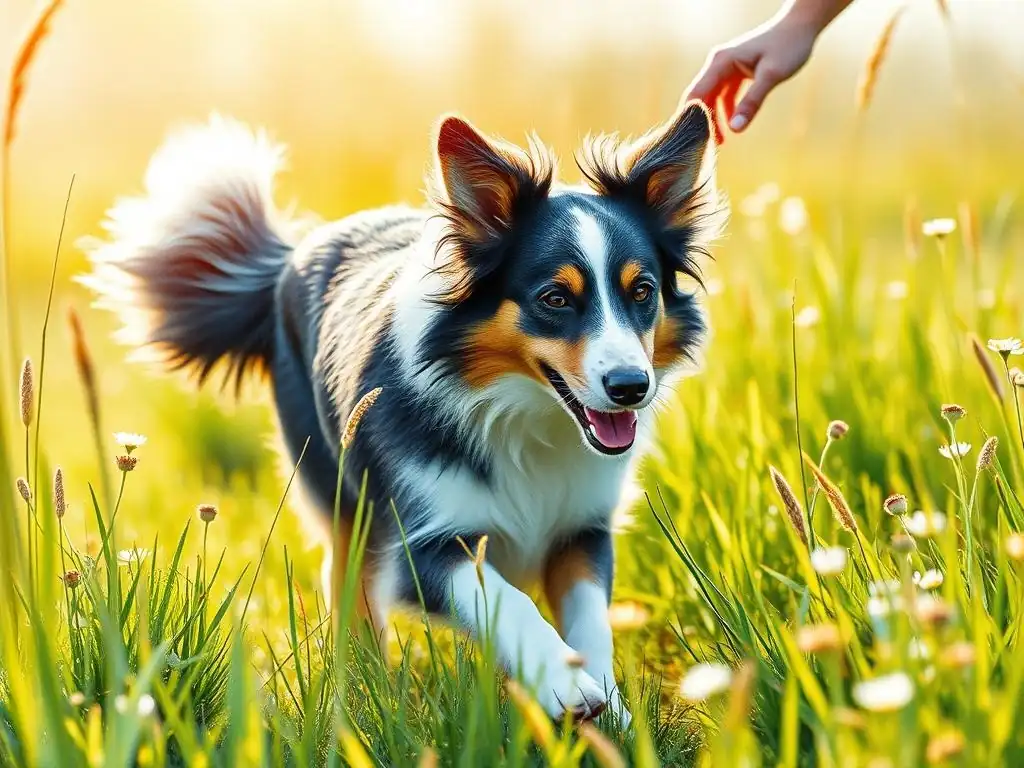
This section delves into the exciting world of competitive scent work for dogs, building upon the foundational skills covered in earlier sections of this Dog scent work training guide. We'll explore the rules, regulations, and strategies needed to successfully navigate scent work competitions and help your canine companion shine. Remember, patience and positive reinforcement are key throughout this advanced training phase.
Introduction to Scent Work Competitions: Rules and Regulations
Participating in scent work competitions offers a rewarding challenge for both dog and handler. However, understanding the rules and regulations is crucial for success. These vary slightly depending on the specific organization (e.g., NACSW, UK Scentwork) but generally involve locating a specific scent (often birch, anise, or clove) hidden in a designated area.
The competition typically unfolds in a series of progressively challenging searches. Early searches might involve a simple room search, while later searches could include more complex environments with multiple containers or outdoor areas. Time limits are often imposed, adding another layer of complexity. Points are awarded based on accuracy and speed. Failure to locate the scent within the time limit, or indicating a false positive, results in point deductions.
Important Note: Prior to participating, thoroughly review the specific rules and regulations of the competition organization you plan to join. Many offer detailed rulebooks and sample searches online. Familiarizing yourself with these details will eliminate surprises and allow you to focus on your dog's performance.
Preparing for Competition: Training and Conditioning for Success
Competition-level scent work demands a higher level of training and conditioning than casual scent work. Your dog needs to be not only proficient at detecting the target scent but also able to maintain focus and control in potentially distracting environments. This requires a structured training program that incorporates:
- Advanced Search Techniques: Introduce more complex search areas, including outdoor environments with varying terrain and distractions. Practice searches with multiple containers and objects to enhance your dog's ability to discriminate the target scent.
- Distraction Training: Gradually introduce distractions – other dogs, people, noises, and different scents – to build your dog's resilience and focus. This ensures they can maintain concentration even amidst the chaos of a competition.
- Physical Conditioning: Scent work competitions can be physically demanding, especially for larger dogs or those competing in outdoor searches. Incorporate regular exercise into your training routine to build stamina and endurance. Consider activities like swimming, hiking, or agility training.
- Mental Conditioning: Just as important as physical conditioning is mental preparation. Use positive reinforcement methods consistently to build your dog's confidence and enthusiasm for the task. Avoid pressure and maintain a positive, encouraging atmosphere during training sessions.
| Training Element | Description | Frequency |
|---|---|---|
| Advanced Search | Complex environments, multiple containers | 2-3 times per week |
| Distraction Training | Gradual introduction of distractions (other dogs, noises, etc.) | 1-2 times per week |
| Physical Conditioning | Exercise to build stamina and endurance (swimming, hiking) | Daily, at least 30 minutes |
| Mental Conditioning | Positive reinforcement, confidence building | Every training session |
Competition Strategies: Optimizing Your Dog's Performance
On the day of the competition, a well-defined strategy is crucial for success. This involves more than just your dog's scent detection skills; it encompasses your role as the handler.
- Pre-Competition Preparation: Arrive early to allow your dog time to acclimate to the environment. A calm and relaxed dog performs better. Ensure your dog has had adequate water and rest.
- Clear Communication: Use clear and consistent hand signals and verbal cues to guide your dog during the search. Maintain a calm and encouraging demeanor to avoid inadvertently adding pressure.
- Observation and Adjustment: Pay close attention to your dog's behavior during the search. If they seem hesitant or confused, adjust your strategy accordingly. Don't hesitate to take a break if needed.
- Post-Competition Review: Regardless of the outcome, take time to review your performance and identify areas for improvement. This continuous learning process is essential for ongoing success in competitive scent work. Analyze what worked well and what could be improved in future competitions. This feedback loop is crucial for refining your techniques and maximizing your team's potential. Consider keeping a training journal to track progress and identify patterns. This detailed approach will allow for a more strategic and successful approach to future competitions. 🐕🏆
Remember, successful competitive scent work is a collaborative effort between dog and handler. By focusing on proper training, conditioning, and strategic planning, you can unleash your dog's natural abilities and achieve remarkable results in the world of canine scent work competitions.
The Benefits of Competitive Scent Work: Mental and Physical Stimulation
Competitive scent work offers a multitude of benefits for both the dog and the handler, extending far beyond the simple act of finding a hidden scent. For dogs, it provides unparalleled mental and physical stimulation, addressing crucial needs often overlooked in traditional training methods. The constant engagement required to locate the target odor keeps their minds sharp, preventing boredom and the behavioral issues that can stem from under-stimulation.
This is particularly crucial for highly intelligent breeds known for their keen noses, such as Bloodhounds, Beagles, and German Shepherds, who might otherwise become restless or destructive without sufficient mental challenge. Think of it as a mental workout, strengthening their cognitive abilities and problem-solving skills.
Furthermore, scent work provides a significant amount of physical exercise, albeit often in a less strenuous way than a vigorous run in the park. The sniffing process itself requires the dog to move around, explore their environment, and engage their muscles. The search for hidden scents can involve navigating various terrains, climbing over obstacles (depending on the competition level), and even requiring extended periods of focused sniffing.
This low-impact activity is ideal for dogs of all ages and fitness levels, providing a gentle but effective way to maintain physical health and fitness. For senior dogs or those recovering from injuries, scent work can be a fantastic way to stay active without putting excessive strain on their joints.
The mental stimulation offered by scent work is particularly valuable in preventing or mitigating anxiety and stress in dogs. The focused concentration required to track and identify a scent acts as a natural calming mechanism, diverting their attention from potentially stressful stimuli. Success in finding the target odor also boosts their confidence and self-esteem, fostering a positive and rewarding experience.
This positive reinforcement plays a crucial role in building a strong bond between the dog and handler, further strengthening their relationship. The shared experience of participating in a competition reinforces teamwork and cooperation, creating a truly enriching and fulfilling activity for both participants. The combined mental and physical workout contributes to a healthier, happier, and more well-adjusted canine companion.
Resources for Continued Learning: Dog Scent Work Training Guide Enhancements
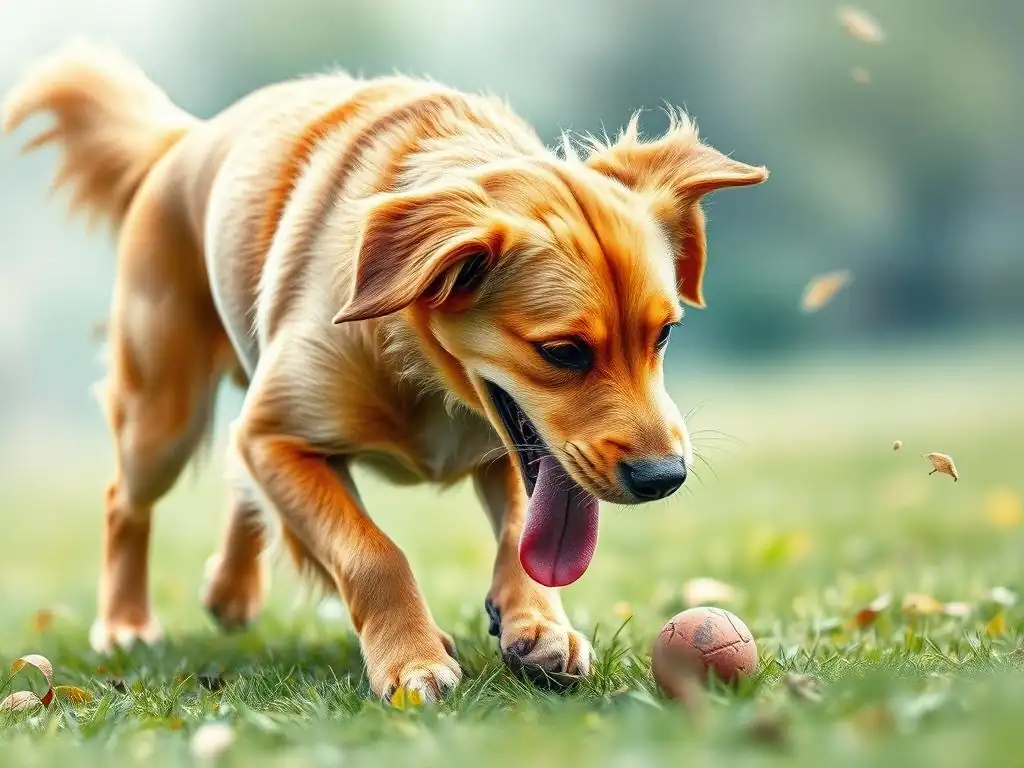
This section provides a roadmap for continued learning and skill development in dog scent work, expanding on the foundational techniques discussed earlier. Successfully navigating the world of advanced scent work requires dedication, consistent practice, and access to high-quality resources. This guide will help you find the tools and support necessary to enhance your and your dog's scent work journey. Remember, consistent, positive reinforcement remains key throughout this advanced training. The goal is to build upon your dog's natural abilities and further refine their scent detection skills.
Recommended Training Aids and Equipment: Essential Tools for Scent Work
Beyond the basics of scent containers and hiding spots, advanced scent work training benefits from specialized equipment designed to challenge and refine your dog's skills. The right tools can significantly improve training efficiency and accuracy. Consider these additions to your training arsenal:
- Scent Dispersal Devices: These help create more consistent and controlled scent trails, crucial for advanced exercises. They allow for precise dilutions and controlled release of scents, making the training more predictable and challenging for your dog. This precise control allows for better tracking of progress and identification of areas needing improvement.
- Multiple Scent Kits: Moving beyond single-scent hides, multiple scent kits allow for complex searches involving distinct odors. This introduces the challenge of discrimination, forcing your dog to focus and differentiate between various scents in a controlled environment. Start with two scents, gradually increasing the number as your dog's skills develop.
- Variable Terrain Training Areas: Moving beyond your backyard is essential for advanced scent work. Diverse terrains – grass, dirt, pavement, etc. – present different scent challenges, helping your dog develop adaptability and robustness in their search strategies.
- Timer: Precise timing is important for tracking your dog's progress and identifying areas for improvement. A simple kitchen timer can help you monitor search times and assess efficiency.
- Scent Storage: Proper storage of your scent materials is critical to maintaining their potency and consistency. Airtight containers, labeled clearly, help prevent contamination and ensure reliable scent delivery during training.
Online Resources and Communities: Connecting with Other Scent Work Enthusiasts
The online world offers a wealth of resources and supportive communities for dog scent work enthusiasts. Connecting with others can provide invaluable support, insights, and motivation.
- Specialized Forums and Online Groups: Many online forums and social media groups are dedicated to dog scent work. These provide a platform to share experiences, ask questions, and receive advice from experienced trainers and fellow enthusiasts. The collaborative nature of these communities fosters a sense of camaraderie and shared learning.
- Webinars and Online Workshops: Many professional trainers offer webinars and online workshops focusing on advanced scent work techniques. These provide structured learning opportunities, often incorporating interactive elements and opportunities for feedback.
- YouTube Channels: Numerous YouTube channels feature videos demonstrating advanced scent work techniques, providing visual demonstrations of different exercises and strategies. These resources can be particularly helpful for visualizing complex maneuvers and techniques.
Books and Articles on Advanced Scent Work Techniques: Deepening Your Knowledge
Expanding your theoretical knowledge is crucial for refining your training methods. Several resources delve into the intricacies of advanced scent work, offering insights into canine olfaction and advanced training methodologies.
- Specialized Training Manuals: Look for manuals specifically designed for advanced scent work, covering topics such as scent discrimination, complex search patterns, and problem-solving in challenging scenarios. These resources often provide detailed training plans and progressive exercises.
- Scientific Articles on Canine Olfaction: Understanding the science behind canine scent detection can enhance your understanding of your dog's abilities and limitations. Researching articles on canine olfaction will provide valuable insights into the physiological processes involved in scent detection.
- Books on Dog Behavior and Learning Theory: A solid grasp of dog behavior and learning theory is essential for effective training. These resources provide a foundation for understanding your dog's motivations, learning styles, and potential challenges. This understanding is crucial for tailoring your training approach to your specific dog's needs and abilities.
Remember, patience and persistence are key to success in advanced scent work training. By utilizing these resources and consistently practicing, you and your canine companion can unlock a world of rewarding challenges and achievements. Enjoy the journey of developing your dog’s exceptional natural abilities!
Frequently Asked Questions
What is scent work, and why is it good for my dog?
Scent work is a canine activity that utilizes your dog's natural olfactory abilities. It provides mental stimulation, physical exercise, and strengthens the bond between you and your dog. It's also a great way to channel their energy.
What are the basic requirements for starting scent work training?
You'll need a few safe, scent-containing objects (like cotton squares with essential oils), a designated training area, and high-value rewards (treats your dog loves). A positive and patient approach is crucial.
How do I introduce my dog to scent work?
Start with simple hide-and-seek games using treats. Gradually introduce new scents and increase the difficulty of the searches. Always focus on positive reinforcement.
What are some common mistakes to avoid during scent work training?
Avoid using punishment or correction. Keep training sessions short and fun to maintain your dog's engagement. Don't overwhelm your dog with too many new scents at once.
Where can I find more information on advanced scent work techniques for my dog?
PetCareWorld offers a comprehensive Dog Scent Work Training Guide with advanced techniques. You can also find helpful videos and articles on our site and explore local scent work classes.
Final Reflection: Unlocking the Nose Knows: A Partnership for Life
The power of scent work extends far beyond simple tricks; it's a profound connection between human and canine, a testament to the incredible abilities our dogs possess, and a vital tool for enriching their lives. This exploration into advanced scent work training has highlighted not only the impressive olfactory capabilities of dogs, but also the rewarding partnership that blossoms through dedicated training. The benefits – improved mental stimulation, strengthened bonds, and a deeper understanding of your canine companion – are undeniable.
The impact of scent work on the human-animal bond is truly transformative. It's more than just teaching a skill; it's fostering a deeper level of communication and trust. The dog is the most remarkable creature in the world. He is the only one that loves you more than he loves himself.
– Josh Billings. This quote speaks to the heart of the relationship we build through scent work, a relationship built on mutual respect, understanding, and shared accomplishment. The joy witnessed during a successful search, the unwavering focus, and the pride in their accomplishment – these are the moments that solidify the unique connection we share with our canine partners.
Now, consider how you can integrate these techniques into your own dog's life. Perhaps start with a simple hide-and-seek game, gradually increasing the complexity. Embrace the journey of discovery, celebrating each small victory along the way. Remember, the goal isn't just to train a scent-detecting dog, but to nurture a stronger, more fulfilling relationship with your best friend. Unleash your dog's natural abilities, and unlock a world of shared joy and understanding.
Unleash Your Dog's Super Sniffer: Start Their Scent Work Journey Today!
Thanks for joining us on this exciting journey into the world of scent work! You've now learned how to harness your dog's amazing natural abilities. Ready to put this knowledge into action?
Here's how to get started:
- Start with a simple hide-and-seek game: Hide your dog's favorite toy or treat in increasingly challenging spots around your home. This will build their confidence and focus.
- Gradually introduce your dog to new environments: Take them to parks, fields, or even a friend's backyard. The variety will keep them engaged and hone their skills.
- Share your scent work journey! Tell us about your dog's progress and any exciting discoveries they make in the comments below.
What amazing scents will your dog discover next?