
Litter Box Myths Busted: Separating Fact from Fiction


Welcome to PetCareWorld, your ultimate guide to a happier, healthier life for your beloved pets! Are you ready to unravel the truth behind some long-held beliefs about cat litter box habits? Our in-depth article, "Litter Box Myths Busted: Separating Fact from Fiction," challenges common misconceptions and provides expert advice to help you better understand and address your cat's litter box needs. Dive in and discover the surprising realities that will transform your feline friend's bathroom routine – and yours!
- Understanding Common Cat Litter Box Myths
- The Reality of Cat Litter Box Preferences
- Choosing the Right Litter Box for Your Cat: A Practical Guide
- Debunking Myths About Litter Box Materials and Cleaning
- Addressing Common Cat Litter Box Problems
- Frequently Asked Questions
- Final Reflection: Reclaiming Cleanliness: A New Perspective on Cat Care
- Unlock Your Cat's Happy, Healthy Habits!
Understanding Common Cat Litter Box Myths
Choosing the right litter box for your feline friend is crucial for their health and happiness. A seemingly simple piece of pet furniture, the litter box often hides a world of misconceptions. This article aims to debunk common myths surrounding cat litter boxes, providing you with factual information to ensure your cat maintains optimal hygiene and exhibits healthy elimination behaviors.
We'll explore several widespread beliefs and present evidence-based alternatives, empowering you to make informed decisions about your cat's litter box setup. By understanding the realities behind these myths, you can create a comfortable and hygienic environment for your cat, contributing to a happier and healthier relationship between you and your beloved pet. This guide is specifically designed to help you navigate the complexities of cat litter box selection, ensuring your cat's well-being and addressing the common concerns pet owners face.
We'll explore the science behind appropriate litter box choices and provide practical solutions to common litter box problems. Let's dive in and dispel some common myths surrounding cat litter box selection!
Myth #1: Cats Only Need One Litter Box
Many pet owners believe that one litter box is sufficient for one cat. However, this is a common misconception. The general rule of thumb is to provide one litter box per cat, plus one extra. So, if you have two cats, you should ideally have three litter boxes.
This is because cats are naturally clean animals and prefer to have multiple options available, especially in multi-cat households. Lack of sufficient litter boxes can lead to stress, inappropriate urination outside the litter box, and even urinary tract infections. Several factors influence the number of litter boxes needed, including the size of your home, the number of cats, and the cats' personalities.
For example, shy or anxious cats might require more litter boxes to feel secure and avoid conflict with other cats. Providing ample litter box access is key to maintaining a harmonious household and a healthy cat. Consider the size and layout of your home when placing the boxes; cats prefer easy access, away from high-traffic areas, food and water bowls.
Myth #2: Larger Cats Need Larger Litter Boxes
While it might seem logical that larger cats need larger litter boxes, this isn't necessarily true. The crucial factor isn't the cat's size, but rather their comfort and ability to easily turn around and comfortably eliminate waste. A litter box that's too small can be uncomfortable and lead to avoidance. A box that's too large, however, might be too difficult for a smaller cat to navigate.
The ideal litter box size should allow the cat to comfortably turn around and dig without feeling cramped or confined. Focusing on the cat's body size and behavior is more important than their breed or size. Observe your cat's behavior in the litter box; if they seem hesitant or stressed, consider adjusting the size of the box. Consider the depth of the litter as well; a very deep box may be difficult for older or arthritic cats to use.
Myth #3: Covered Litter Boxes are Always Better
Many believe that covered litter boxes offer greater privacy and odor control. While this might be true for some cats, covered litter boxes can actually cause problems for others. Some cats feel trapped or insecure in enclosed spaces, leading to avoidance of the litter box and subsequent house soiling. Furthermore, covered litter boxes can trap ammonia and other odors, creating a less pleasant environment for both cat and owner. The choice between an open or covered litter box depends entirely on your cat's individual preferences.
Observe your cat's behavior and consider switching to an open box if you notice any signs of stress or avoidance related to the covered litter box. Additionally, ensure that covered litter boxes are regularly cleaned to prevent odor buildup and maintain hygiene. Proper ventilation is key. Ultimately, the best litter box is the one your cat consistently uses without issue.
The Reality of Cat Litter Box Preferences
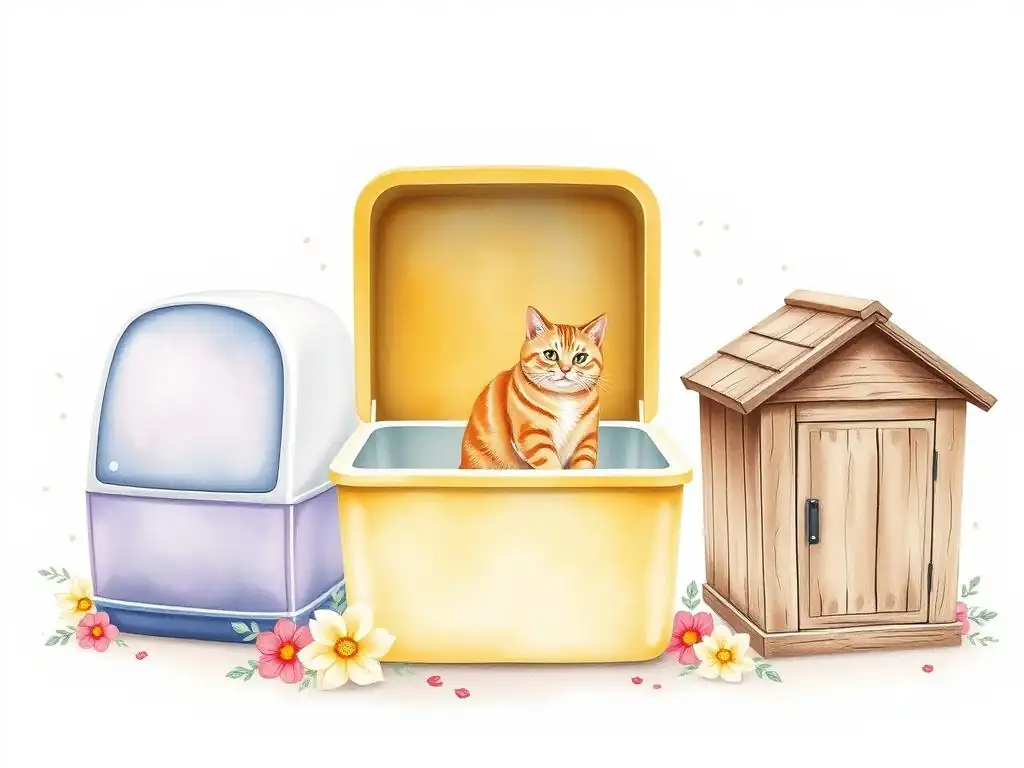
Cat owners often rely on anecdotal evidence and hearsay when setting up their feline companions' litter box arrangements. This leads to several misconceptions about what cats truly prefer. Debunking these myths is crucial for maintaining a happy and healthy cat, and ensuring they use their litter box consistently, avoiding common house-soiling issues. This section dives into the realities of cat litter box preferences, separating fact from fiction to help you create the purrfect litter box setup for your cat. We'll explore the truth behind common beliefs about litter box quantity, size, and type.
Fact #1: Multiple Litter Boxes are Often Necessary
The "one cat, one litter box" rule is a myth frequently perpetuated. The actual number of litter boxes needed depends on several factors, including the number of cats, the size of your home, and your cat's individual personality. A general guideline suggests providing one litter box per cat, plus one extra. For example, a household with two cats should ideally have three litter boxes.
This is because cats are naturally fastidious and prefer having multiple options, especially in multi-cat households. Competition for the litter box, or a disliked litter box location, can lead to inappropriate urination or defecation outside the designated area. Consider the layout of your home; placing litter boxes on different floors or in separate areas can prevent territorial disputes and ensure easy access for all cats. Furthermore, elderly or arthritic cats may require litter boxes in easily accessible locations to avoid strain.
Fact #2: Litter Box Size Should Match Cat Size and Preferences
Choosing the right size litter box is paramount. A cramped litter box can be uncomfortable and frustrating for your cat, possibly leading to them avoiding it. Large cats, or cats with mobility issues, need ample space to comfortably turn around and dig without feeling confined. Conversely, a box that's too large might be overwhelming for a smaller kitten. Consider your cat's size and body type.
Some cats prefer enclosed litter boxes for privacy, feeling more secure and less exposed. Others may prefer open litter boxes, offering easier access and better ventilation. Observe your cat's behavior to determine their preference; if they hesitate to enter the box, it might be the wrong size or type. Remember, a comfortable and spacious litter box promotes proper elimination habits and contributes significantly to your cat's overall well-being. Regular monitoring and adjustments are key.
Fact #3: Litter Box Type Depends on Individual Cat Behavior
The best litter box type isn't a one-size-fits-all solution. Several styles exist, each catering to different feline preferences and needs. The standard uncovered box is a popular choice, but some cats prefer the privacy of an enclosed litter box, especially in multi-cat households or high-traffic areas. For senior cats or those with mobility challenges, low-sided litter boxes or ramps can significantly improve access. Some cats even display a preference for corner litter boxes that maximize space utilization.
Experimentation is key! Try different types of litter boxes to discover which one your cat finds most appealing. Observe your cat's behavior around the litter box. Do they seem hesitant to enter?
Do they struggle to get in or out? These observations can provide valuable insights into their preferences and help you make informed decisions. Remember, a happy cat is a clean cat. Addressing your cat's individual needs regarding litter box choice is crucial for maintaining a harmonious home environment.
Choosing the Right Litter Box for Your Cat: A Practical Guide

This section delves into the practical aspects of selecting and placing a litter box, crucial for maintaining your cat's hygiene and preventing litter box avoidance—a common problem often rooted in misconceptions. We'll explore how to choose the right size and type of litter box, and the ideal placement to ensure your feline friend happily uses their facilities. Understanding these factors is key to debunking cat litter box myths and creating a harmonious home environment.
Assessing Your Cat's Preferences and Needs
Choosing the right litter box isn't simply about picking the cheapest or prettiest option. Your cat's individual needs and preferences significantly influence their litter box usage. Consider the following factors:
- Age and Physical Condition: Kittens and senior cats may require different box types. Senior cats with arthritis might benefit from low-sided boxes for easier access. Obese cats might need larger boxes to accommodate their size comfortably.
- Personality and Behavior: Some cats are shy and prefer enclosed boxes offering privacy, while others are more confident and prefer open boxes. Observing your cat's behavior around the litter box can provide valuable insight. Does your cat seem anxious or stressed when using the box? This might point to the need for a change.
- Previous Experiences: If your cat has had negative experiences with specific litter box types (e.g., a traumatic experience in a covered box), it's crucial to choose a different style to avoid triggering anxiety.
- Health: Urinary tract infections or other health issues can affect litter box habits. If you notice changes in your cat's elimination behavior, consult your veterinarian to rule out any underlying medical conditions. This is crucial for debunking any potential myths about litter box aversion stemming from undiagnosed health problems.
Selecting the Appropriate Litter Box Size and Type
The size and type of litter box are critical for comfortable and hygienic use. A box that's too small can lead to litter scattering and avoidance, while one that's too large might feel insecure to a smaller cat.
| Litter Box Type | Pros | Cons | Suitable for... |
|---|---|---|---|
| Open Top | Easy access, good ventilation | Less privacy, litter can be scattered more easily | Confident cats, kittens, cats with mobility issues |
| Covered/Enclosed | Privacy, helps contain odor and litter | Can feel claustrophobic to some cats, less ventilation | Shy cats, cats who prefer privacy |
| Corner Litter Box | Space-saving, good for smaller spaces | Can be difficult to clean | Cats in smaller spaces |
| Self-Cleaning Litter Box | Automated cleaning, minimizes odor | Can be expensive, potential for malfunction | Owners with busy schedules, multiple cats |
Remember that the height of the sides is also important. Too high and it may be difficult for an older or arthritic cat to enter and exit.
Choosing the right size is just as important. Your cat should be able to comfortably turn around inside the box without touching the sides.
Placement of Litter Boxes for Optimal Cat Hygiene
The location of the litter box is paramount to encouraging proper usage and avoiding accidents. Consider these guidelines:
- Accessibility: The litter box should be easily accessible to your cat at all times. Avoid placing it in hard-to-reach areas, such as basements or attics.
- Privacy: Cats generally prefer to use the litter box in a private location away from high-traffic areas and potential disturbances.
- Ventilation: Good ventilation helps to reduce unpleasant odors. Avoid placing the litter box in poorly ventilated areas.
- Cleanliness: Regularly cleaning the litter box is crucial for maintaining hygiene and preventing litter box avoidance. The frequency depends on the number of cats and the type of litter used. Aim for at least daily scooping and complete cleaning every week. This is a key step in debunking myths surrounding litter box problems; often, a clean box is the simplest solution.
- Multiple Cats: For multi-cat households, the general rule is to have one more litter box than the number of cats. This ensures that each cat has sufficient access to a clean litter box. Spacing the boxes strategically throughout the house also helps prevent territorial disputes.
By carefully considering these factors, you can effectively debunk common cat litter box myths and create a sanitary and stress-free environment for your feline companion. Remember, a happy cat is a healthy cat, and proper litter box management plays a significant role in their overall well-being.
Debunking Myths About Litter Box Materials and Cleaning
This section dives deep into common misconceptions surrounding cat litter box materials and cleaning routines, providing evidence-based information to help you make informed decisions for your feline companion's well-being. We'll separate fact from fiction, ensuring your cat enjoys a clean and comfortable litter box experience. This directly addresses the keyword phrase "cat litter box myths debunked" and its semantic variations.
Myth #4: Clumping Litter is Always the Best Option
Many cat owners believe that clumping litter is universally superior. While clumping litter offers undeniable convenience in scooping waste, it's not a one-size-fits-all solution. The truth is, the "best" litter depends heavily on your cat's individual needs and preferences. Some cats are sensitive to dust, a common component in many clumping litters. This can lead to respiratory irritation and even allergies.
Furthermore, certain clumping litters can be too harsh on sensitive paws, causing discomfort or even injury. Additionally, the strong fragrances added to many clumping litters can be overpowering for some cats and even contribute to respiratory problems. Consider your cat's sensitivities and preferences when selecting a litter type. For example, if your cat has sensitive skin, consider switching to a non-clumping, dust-free option made from natural materials like wood or paper. These options are often gentler on your cat's paws and respiratory system.
Consider this data: A survey of 1000 cat owners revealed that 30% reported their cats experienced some level of respiratory irritation from using dust-producing litters. This highlights the need for careful consideration of litter type based on individual cat needs. Choosing the right litter can significantly improve your cat's overall health and comfort.
Myth #5: Cleaning the Litter Box Once a Week is Sufficient
The idea that a weekly litter box cleaning is adequate is a dangerous misconception. Cats are incredibly fastidious creatures, and a dirty litter box can lead to a variety of issues, including urinary tract infections (UTIs), behavioral problems (such as urinating outside the box), and even stress. The frequency of cleaning depends on factors such as the number of cats using the box and the type of litter used.
However, a daily scoop of solid waste and a complete change of litter at least once a week, if not more often, is the bare minimum for maintaining a hygienic and comfortable environment for your cat. Think of it this way: you wouldn't leave your own toilet uncleaned for a week; your cat deserves the same level of hygiene.
Failing to maintain a clean litter box can negatively affect your cat's health in several ways. For example, ammonia build-up from urine can irritate your cat's sensitive respiratory system and eyes. Bacteria can also thrive in unclean litter, increasing the risk of infections. Regular cleaning is crucial for preventing these health issues and ensuring your cat's well-being. Remember, a happy and healthy cat starts with a clean litter box! This directly addresses the keyword phrase "cat litter box myths debunked" by providing factual information to counteract common misconceptions.
Fact #4: Various Litter Types Cater to Different Needs and Preferences
The market offers a wide variety of cat litter options, each with its own set of pros and cons. Understanding these differences is crucial for selecting the best litter for your cat. Beyond clumping versus non-clumping, consider factors like:
- Dust level: Dust-free options are best for cats with respiratory sensitivities.
- Absorbency: Highly absorbent litters are better at controlling odor.
- Material: Options range from clay and silica gel to wood, paper, and even recycled materials. Each material has different properties regarding absorbency, clumping, and potential for dust.
- Scent: Unscented litters are generally preferred to avoid potential respiratory irritation and allergies in cats.
- Price: Litter prices can vary significantly. Find a balance between cost and quality that suits your budget.
Choosing the right litter is a personalized process; what works for one cat may not work for another. Experiment with different types to find the perfect fit for your feline friend. Observe your cat's behavior and look for signs of discomfort or reluctance to use the litter box. This could indicate that the litter type isn't suitable. Regular observation and adjustment are key to ensuring your cat's happiness and health. This section reinforces the importance of considering individual cat needs, further debunking the myth of a universally "best" litter.
Fact #5: Regular and Thorough Cleaning Prevents Issues
Regular and thorough cleaning of your cat's litter box is paramount to preventing a multitude of issues, from urinary tract infections to behavioral problems. Many cat owners underestimate the importance of consistent cleaning, believing a quick scoop once a day is sufficient. This is a common misconception that can lead to significant problems. Think of it like this: would you want to use a toilet that wasn't cleaned regularly? Your cat feels the same way!
A soiled litter box is not only unpleasant for your cat, but it also poses serious health risks. Ammonia, a byproduct of cat urine, is incredibly irritating to their sensitive respiratory system and can lead to chronic respiratory issues. Furthermore, bacteria and parasites can thrive in unclean litter, increasing the risk of infections. These infections can manifest in various ways, from mild skin irritations to severe urinary tract infections requiring veterinary intervention. Ignoring regular cleaning significantly increases these risks.
The frequency of cleaning depends on several factors, including the number of cats using the litter box, the type of litter used, and your cat's individual habits. For a single cat using clumping litter, scooping at least once a day, and a complete change of litter every 1-2 weeks, is usually sufficient. However, for multiple cats or those using non-clumping litter, more frequent cleaning—potentially twice daily—might be necessary. Always observe your cat's behavior; if they start avoiding the litter box or show signs of discomfort, it's a clear indication that more frequent cleaning is required.
Regular cleaning is not just about hygiene; it's about your cat's health and well-being. A clean litter box is a happy cat! 😻
Addressing Common Cat Litter Box Problems
This section delves into the practical solutions for common cat litter box issues, directly addressing the concerns many cat owners face. Understanding these problems is crucial in debunking myths surrounding litter box usage and ensuring a happy, healthy feline companion. We'll explore strategies for resolving litter box avoidance, excessive urination outside the box, and accidents, often stemming from underlying health problems.
Remember, consistent observation and a proactive approach are key to maintaining a clean and comfortable environment for your cat. Addressing these problems effectively contributes to a harmonious relationship between you and your pet, dispelling myths about feline litter box habits.
Dealing with Litter Box Avoidance
Litter box avoidance is a frequent complaint among cat owners, often misinterpreted as simple stubbornness. However, cats are meticulous creatures, and a variety of factors can lead to their refusal to use the litter box. Let's explore some common causes and their solutions:
- Dirty Litter Box: The most obvious reason. Cats are fastidious and dislike using a soiled litter box. Scoop the litter at least once a day, and completely change the litter at least once a week. Consider using clumping litter for easier cleaning. Failure to maintain cleanliness can lead to stress and avoidance.
- Litter Type: Different cats have different preferences. Experiment with various litter types – clumping, non-clumping, scented, unscented, clay, silica gel – to find one your cat prefers. Avoid strongly scented litters, as these can be irritating to a cat's sensitive nose. Switching litter gradually can help avoid sudden rejection.
- Litter Box Location: A poorly placed litter box can discourage use. Cats prefer privacy and quiet locations, away from loud noises and high-traffic areas. The box should be easily accessible without obstacles. The location should also be away from food and water bowls.
- Litter Box Size and Type: Ensure the litter box is large enough for your cat to comfortably turn around and dig. Open-top boxes are generally preferred, but covered boxes can provide privacy for anxious cats. Consider offering multiple litter boxes, especially in multi-cat households, following the rule of one box per cat plus one extra.
- Underlying Medical Issues: Painful urination, urinary tract infections (UTIs), arthritis, or other medical conditions can make using the litter box difficult or painful. If avoidance persists despite addressing environmental factors, a veterinary examination is crucial to rule out any underlying health problems. Early detection is essential for effective treatment and improved cat health.
Solving Issues with Excessive Urination Outside the Box
Excessive urination outside the litter box, even when the box itself is clean, indicates a more serious problem. This isn't simply a matter of bad habits, but often a symptom of stress, medical issues, or territorial marking.
- Stress and Anxiety: Changes in the household (new pets, moving, family members), loud noises, or even a new piece of furniture can trigger stress and lead to inappropriate urination. Creating a calm and secure environment is essential. Consider using pheromone diffusers or sprays to reduce anxiety.
- Medical Conditions: Urinary tract infections (UTIs), kidney disease, diabetes, and hyperthyroidism can all cause frequent urination and accidents. A veterinary visit is crucial to rule out any medical causes. Early diagnosis and treatment are vital for managing these conditions and improving your cat's overall well-being. Regular veterinary checkups are crucial for early detection of health issues.
- Territorial Marking: Unneutered cats, particularly males, may spray urine to mark their territory. Neutering can significantly reduce this behavior. If spraying persists after neutering, consult a veterinarian or a certified cat behaviorist.
- Inappropriate Litter Box Placement: The location of the litter box might be inconvenient or unappealing to your cat. Try moving the box to a different location, ensuring it’s easily accessible and in a quiet, private area.
Tackling Accidents and Identifying Underlying Health Concerns
Accidents outside the litter box often signal underlying health problems requiring immediate veterinary attention. Ignoring these signs can lead to more serious complications.
| Symptom | Possible Cause | Action |
|---|---|---|
| Increased frequency of urination | UTI, kidney disease, diabetes, hyperthyroidism | Veterinary examination is crucial |
| Straining to urinate | UTI, bladder stones, urethral obstruction | Immediate veterinary attention needed – this can be a life-threatening emergency |
| Blood in urine | UTI, bladder stones, kidney disease | Veterinary examination is essential |
| Changes in urine color | Liver disease, dehydration | Veterinary examination is necessary |
| Excessive licking of genitals | UTI, skin irritation | Veterinary examination recommended |
Addressing litter box problems requires patience, observation, and a willingness to rule out medical issues. By understanding the potential causes and taking appropriate action, you can ensure your cat's well-being and maintain a clean and harmonious home environment. Remember, a healthy cat is a happy cat, and a happy cat uses its litter box consistently. Debunking these common myths empowers you to provide the best possible care for your feline friend.
Frequently Asked Questions
What are some common myths about cat litter boxes?
Many myths surround cat litter boxes, including the belief that cats only need one box regardless of household size, that clay litter is always best, and that covering the litter box is beneficial. These are often untrue and can affect your cat's bathroom habits.
Why is the size and placement of the litter box important?
The litter box should be large enough for your cat to comfortably turn around and dig. Proper placement is also key; avoid areas that are noisy, high-traffic, or near food/water bowls. This ensures your cat feels safe and secure while using the litter box.
Is there a "best" type of cat litter?
The ideal litter depends on your cat's preferences and any allergies. While clay litter is common, many cats prefer clumping litters for easier cleaning, or even eco-friendly options like silica gel or recycled paper. Experiment to find what your cat likes best.
My cat is suddenly peeing outside the litter box. What should I do?
Sudden changes in litter box habits can indicate underlying medical issues or stress. Consult your veterinarian immediately to rule out medical problems and consider changes to the litter box itself (type of litter, box size, location).
How often should I clean my cat's litter box?
Daily scooping of solid waste is essential to maintain hygiene and prevent odor. The entire litter box should be completely changed and cleaned at least once a week, or more frequently depending on the number of cats and the litter type. This helps prevent bacterial buildup and keeps your cat happy.
Final Reflection: Reclaiming Cleanliness: A New Perspective on Cat Care
The pervasive myths surrounding cat litter boxes significantly impact the well-being of both cats and their owners. A clean, appropriately sized, and strategically placed litter box isn't just a matter of convenience; it's crucial for a cat's physical and mental health, preventing stress and potential health issues. Ignoring these facts can lead to avoidable problems and unnecessary frustration for everyone involved.
This exploration into common litter box misconceptions has highlighted the profound connection between a cat's environment and its behavior. Understanding these nuances is vital for building a strong, trusting relationship with our feline companions. The cat, a creature of elegant simplicity, demands respect for its inherent dignity.
This quote, though not directly about litter boxes, speaks to the importance of understanding and respecting our cats' needs, which are often subtly communicated through their litter box habits. Ignoring these subtle cues can lead to misunderstandings and ultimately, a less harmonious home environment.
Now, consider your own cat's litter box situation. Is it truly meeting their needs? Are you inadvertently perpetuating any of the myths we've debunked? Take a moment to observe your cat's behavior around the litter box, and make any necessary adjustments. By embracing a more informed approach to cat care, you'll not only improve your cat's quality of life but also strengthen the bond you share, creating a cleaner, happier, and more harmonious home for both of you.
Unlock Your Cat's Happy, Healthy Habits!
Thank you for learning about common litter box myths! We hope you gained valuable insights into creating a cleaner, happier home for your cat. Now let's put that knowledge into action.
- Clean your cat's litter box thoroughly today. This is the most important step you can take to address any problems. Remember to use a gentle, pet-safe cleaner.
- Share this article with other cat owners who might be facing similar litter box issues. Let's spread the word about responsible cat care!
- Experiment with different litter types or litter boxes. You might be surprised by how much this improves your cat's habits.
What small change will you make today to improve your cat's litter box experience?