
The Impact of Water Hardness on Aquatic Turtle Health

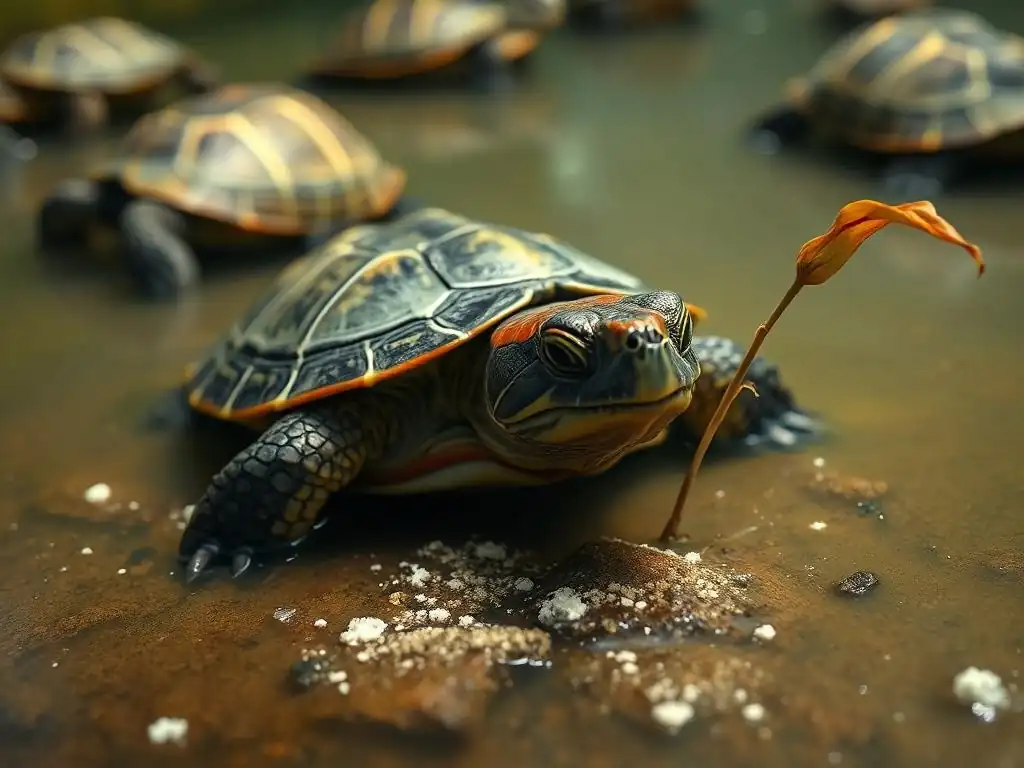
Welcome to PetCareWorld, your ultimate guide to a happier, healthier life for your beloved companions! Are you concerned about the well-being of your aquatic turtle? Discover the often-overlooked impact of hard water on their delicate health. Dive into our insightful article, "The Impact of Water Hardness on Aquatic Turtle Health," and unlock the secrets to ensuring your shelled friend thrives. Learn how to identify and address potential problems, and provide the best possible care for your aquatic turtle. Let's explore the world of reptile care together!
- Understanding Water Hardness and its Effects on Aquatic Turtles
- Hard Water Aquatic Turtle Problems: Shell and Bone Development
- Hard Water Aquatic Turtle Problems: Kidney and Organ Function
- Hard Water Aquatic Turtle Problems: Skin and Shell Health
- Solutions for Hard Water Aquatic Turtle Problems
- Choosing the Right Water for Your Aquatic Turtle
- Long-Term Management of Hard Water Issues in Aquatic Turtle Care
- Frequently Asked Questions
- Final Reflection: The Silent Threat of Hard Water to Our Aquatic Companions
- Unlock Your Turtle's Healthiest Life: Simple Steps to Softer Water
Understanding Water Hardness and its Effects on Aquatic Turtles
Maintaining a healthy environment for your aquatic turtle involves much more than just providing food and a spacious tank. Water quality plays a crucial role in their overall well-being, and one often overlooked aspect is water hardness. This comprehensive guide delves into the impact of hard water on aquatic turtle health, exploring the chemistry behind it and offering practical advice for ensuring your shelled companion thrives.
Understanding the effects of hard water on your aquatic turtle is paramount to preventing various health issues and ensuring a long, healthy life for your pet. We'll examine how to identify hard water, understand its chemical composition and its potential negative effects on your turtle, and offer solutions to mitigate these problems, directly addressing common concerns associated with the keyword "Hard water aquatic turtle problems."
What is Water Hardness and How is it Measured?
Water hardness refers to the mineral content, primarily calcium and magnesium, dissolved in water. These minerals originate from the water's interaction with rocks and soil as it flows through the ground. The higher the concentration of these minerals, the harder the water. Water hardness is typically measured in grains per gallon (gpg), parts per million (ppm) or milligrams per liter (mg/L). These measurements directly correlate, allowing for easy conversion between units. For example:
| Unit | Conversion to ppm | Typical Hardness Levels |
|---|---|---|
| Grains per gallon (gpg) | 17.1 ppm | 0-60 ppm (Soft), 61-120 ppm (Moderately Hard), 121-180 ppm (Hard), >180 ppm (Very Hard) |
| Parts per million (ppm) | 1 ppm | See above |
| Milligrams per liter (mg/L) | 1 mg/L | See above |
Understanding these measurements is crucial for determining whether your turtle's water is appropriately soft or hard. Many aquatic turtles are sensitive to excessively hard water.
Identifying Hard Water in Your Turtle's Habitat
Identifying hard water in your turtle's tank isn't always straightforward. While some visual clues might indicate a problem (e.g., scale buildup on tank equipment), a reliable method is to use a water hardness test kit. These kits, readily available at pet stores and online, provide accurate measurements of your water's hardness level.
Additionally, you can test your tap water before adding it to the tank to understand its baseline hardness. Remember to test the water regularly, as the hardness level can fluctuate depending on your water source and other factors. Ignoring this simple step could lead to significant health problems for your turtle.
The Chemistry of Hard Water: Minerals and Their Impact
Hard water's primary components, calcium and magnesium, are essential minerals. However, excessive levels can negatively impact aquatic turtles. High calcium and magnesium concentrations can:
- Interfere with osmoregulation: This is the process by which turtles regulate the balance of water and salts in their bodies. Hard water can strain this delicate balance, leading to dehydration or electrolyte imbalances.
- Cause mineral deposits: These deposits can accumulate on the turtle's shell and skin, potentially hindering growth and causing infections. The build-up can also clog filters and other equipment.
- Affect water pH: High mineral content can alter the pH of the water, potentially making it too alkaline for your turtle. An unsuitable pH can stress your turtle and make it more susceptible to disease.
- Irritate the eyes and skin: High mineral content can irritate the sensitive skin and eyes of aquatic turtles, leading to discomfort and potential health problems. 🐢
The precise mineral composition varies greatly depending on the water source. Therefore, regular water testing and adjustments are crucial for maintaining an optimal environment for your aquatic turtle. Remember, proactive water management is key to preventing hard water related problems and ensuring your turtle’s long-term health.
Hard Water Aquatic Turtle Problems: Shell and Bone Development
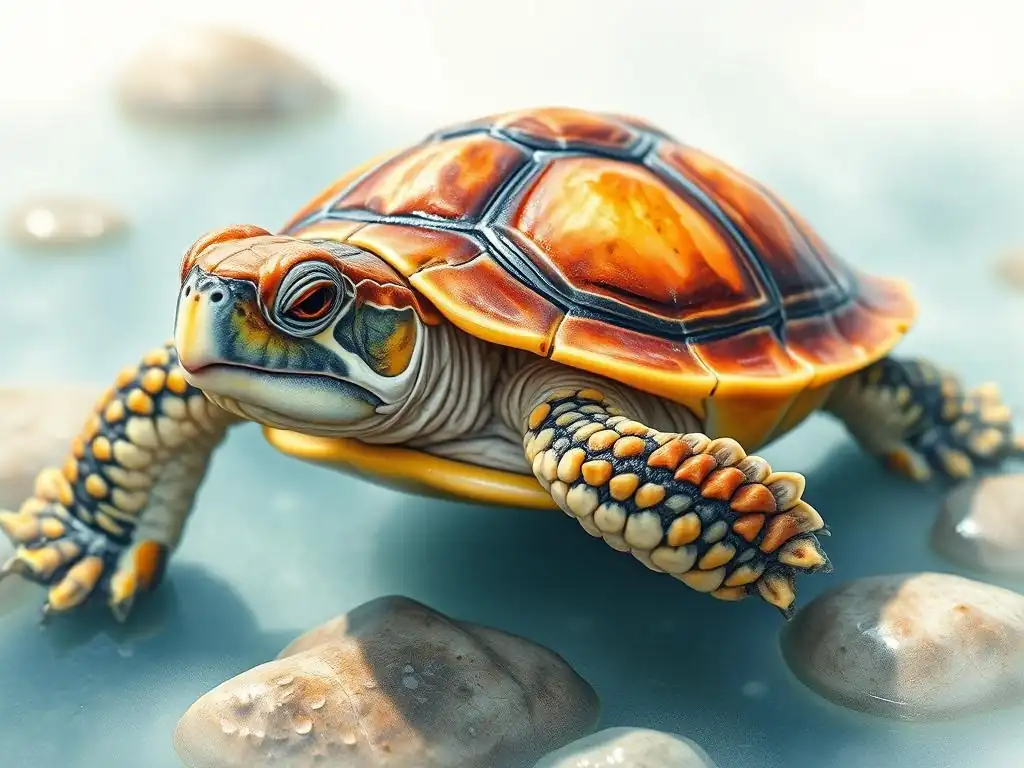
Hard water, characterized by high mineral content, particularly calcium and magnesium carbonates, presents several challenges to the health and well-being of aquatic turtles. While calcium is essential for strong shells and bones, excessive amounts in hard water can lead to a complex interplay of benefits and drawbacks, ultimately impacting the turtle's overall health. Understanding the intricacies of this relationship is crucial for responsible aquatic turtle care.
The problems associated with hard water are multifaceted and often subtle, making early detection and intervention critical for preventing long-term health issues. This section will delve into the specific ways hard water affects shell and bone development in aquatic turtles, highlighting the importance of water quality management in maintaining healthy reptiles.
Calcium and Shell Formation in Aquatic Turtles
Calcium is the cornerstone of strong, healthy shells in aquatic turtles. It's a vital component of the shell's bony layer, the scutes, providing structural integrity and protection. Aquatic turtles absorb calcium primarily through their diet, supplemented by absorption across their skin and possibly through ingestion of substrate. However, the bioavailability of calcium – how easily it's absorbed – is significantly impacted by water chemistry.
Hard water, while rich in calcium, may not always provide readily available calcium for absorption. The high mineral content can interfere with the absorption process, leading to a situation where the turtle has access to calcium but struggles to utilize it effectively. This can result in slower shell growth, weaker shells prone to cracking or pyramiding, and ultimately, an increased susceptibility to various shell diseases. For optimal shell development, a balance must be struck.
While sufficient calcium is crucial, the form in which it's presented and the ease of absorption are equally important. This means that simply having hard water doesn't guarantee healthy shell development; careful monitoring and supplementation may still be necessary. The ideal calcium levels for aquatic turtles vary based on species and age, highlighting the need for species-specific care guidelines.
The Role of Hard Water in Shell Deformities
Shell deformities in aquatic turtles, such as pyramiding (irregular, bumpy shell growth), are often linked to nutritional deficiencies, but water quality, specifically water hardness, plays a significant, often overlooked role. While a lack of calcium contributes directly to poor shell development, excessive minerals in hard water can indirectly affect shell formation. The build-up of minerals can interfere with the normal processes of shell growth and remodeling, potentially leading to irregular patterns and deformities.
Furthermore, hard water can sometimes contain heavy metals or other contaminants that further compromise shell health. These contaminants can accumulate in the turtle's body and disrupt metabolic processes, exacerbating the negative effects of hard water. Studies have shown a correlation between water hardness and the prevalence of certain shell deformities in captive aquatic turtles, indicating that water quality management should be a key consideration in preventing these problems.
Regular water testing and appropriate filtration are crucial steps in mitigating the risk of shell deformities associated with hard water. Addressing the root cause, be it mineral imbalance or other contaminants, is key to successful treatment and prevention.
Preventing Metabolic Bone Disease (MBD) in Aquatic Turtles with Soft Water
Metabolic Bone Disease (MBD) is a serious condition in reptiles characterized by weakened bones and shells due to calcium and vitamin D3 deficiencies. While hard water can contribute to MBD indirectly by hindering calcium absorption, soft water presents a different but equally significant challenge. Soft water lacks sufficient calcium and minerals essential for proper bone development. Aquatic turtles living in soft water environments are at a considerably higher risk of developing MBD.
The lack of readily available calcium makes it difficult for them to build and maintain healthy bones and shells. Therefore, maintaining appropriate calcium levels in soft water is crucial. This necessitates regular supplementation of calcium and Vitamin D3 through diet and specialized reptile supplements. Unlike the challenges posed by hard water, addressing MBD in turtles kept in soft water requires a proactive approach focused on providing sufficient dietary calcium and vitamin D3 alongside appropriate UVB lighting to facilitate vitamin D3 synthesis.
Regular veterinary check-ups are also recommended to monitor bone density and overall health. The prevention of MBD in aquatic turtles kept in soft water requires a more direct and deliberate approach to calcium and vitamin D3 supplementation compared to managing the complexities associated with hard water. Understanding these differences is vital for ensuring the well-being of aquatic turtles, regardless of water hardness.
Hard Water Aquatic Turtle Problems: Kidney and Organ Function
Hard water, characterized by high mineral content (primarily calcium and magnesium), presents significant challenges to the health of aquatic turtles. While calcium is essential for shell development and overall bone health, excessive levels can lead to a cascade of negative consequences, primarily impacting kidney function and overall organ health. Understanding the intricacies of how hard water affects these vital systems is crucial for responsible aquatic turtle care.
Ignoring these issues can lead to serious, and often fatal, health problems. This section will explore the specific ways hard water contributes to kidney and organ problems in aquatic turtles, focusing on the dangers of mineral overload. Proactive water quality management is paramount to mitigating these risks.
The Effects of Hard Water Minerals on Turtle Kidneys
The kidneys of aquatic turtles, like those of other vertebrates, play a vital role in filtering waste products from the blood and maintaining electrolyte balance. However, prolonged exposure to hard water forces the kidneys to work overtime to process the excess minerals. This increased workload can lead to several detrimental effects:
- Kidney Stone Formation: High calcium and magnesium concentrations in hard water can promote the formation of kidney stones. These stones can obstruct urine flow, causing pain, infections, and ultimately kidney failure. The size and number of stones can vary greatly, depending on the severity and duration of exposure to hard water. Smaller stones may pass unnoticed, while larger ones can cause significant blockage and require veterinary intervention.
- Nephritis (Kidney Inflammation): The constant strain on the kidneys from filtering excess minerals can lead to nephritis, a condition characterized by inflammation of the kidney tissue. This inflammation can impair kidney function, reducing its ability to filter waste and regulate electrolytes. Chronic nephritis can progress to kidney failure.
- Mineral Deposits in Kidney Tissue: Excessive mineral accumulation within the kidney tissue itself can lead to impaired functionality. This can result in a gradual decline in kidney function, manifesting as various health problems. The accumulation can be microscopic, initially causing subtle changes, but eventually leading to significant organ damage.
The severity of these effects depends on several factors, including the species of turtle, the hardness of the water, and the duration of exposure. Regular monitoring of water parameters and proactive measures to soften the water are essential for preventing kidney damage.
Hard Water and Potential for Urinary Tract Issues
Beyond kidney problems, hard water can contribute to a range of urinary tract issues in aquatic turtles. The high mineral content can irritate the urinary tract lining, leading to:
- Urinary Tract Infections (UTIs): The irritation caused by hard water can create a favorable environment for bacterial growth, increasing the risk of UTIs. These infections can cause pain, inflammation, and potentially lead to more serious complications if left untreated. Symptoms can include lethargy, loss of appetite, and changes in urination patterns.
- Bladder Stones: Similar to kidney stones, bladder stones can form due to the high mineral content of hard water. These stones can obstruct urine flow from the bladder, causing discomfort and potential infection.
- Cystitis (Bladder Inflammation): Chronic irritation from hard water can lead to cystitis, an inflammation of the bladder lining. This condition can cause pain, frequent urination, and potentially lead to more severe complications.
Recognizing the symptoms of kidney problems related to hard water is crucial for early intervention. Unfortunately, many early symptoms are subtle and easily overlooked. However, as the condition progresses, more noticeable signs may appear, including:
- Lethargy and Weakness: A noticeable decrease in activity levels and overall weakness are common signs of kidney dysfunction. The turtle may spend more time resting and be less responsive to stimuli.
- Loss of Appetite and Weight Loss: Reduced appetite and subsequent weight loss are often observed as kidney function declines. The body’s inability to properly process nutrients contributes to this symptom.
- Changes in Urination: Changes in the frequency, volume, or color of urine can indicate kidney problems. Increased frequency or decreased volume may be observed. The urine may also appear cloudy or discolored.
- Swollen Limbs or Body: Fluid retention due to impaired kidney function can lead to swelling in the limbs or body. This is a particularly serious symptom and requires immediate veterinary attention.
- Shell Deformities: While not a direct symptom of kidney problems, severe and prolonged kidney dysfunction can impact calcium metabolism, potentially leading to shell deformities in growing turtles.
Early detection and treatment are vital for improving the prognosis. Regular veterinary checkups, coupled with diligent water quality monitoring, are essential for maintaining the health of your aquatic turtle. Remember, proactive care is the best defense against hard water-related health issues.
Hard Water Aquatic Turtle Problems: Skin and Shell Health
Hard water, characterized by high mineral content (primarily calcium and magnesium), presents several significant challenges to the health and well-being of aquatic turtles. Understanding these issues is crucial for responsible turtle ownership and preventing serious health complications. The most readily apparent problems manifest in the turtle's skin and shell. This section will explore the detrimental effects of hard water on these vital aspects of your aquatic turtle's anatomy. Ignoring these issues can lead to long-term health problems and reduced lifespan for your pet.
Mineral Buildup on Shell and Skin
One of the most visible consequences of hard water for aquatic turtles is the buildup of mineral deposits on their shells and skin. This accumulation can appear as unsightly white or yellowish crusts, significantly impacting the aesthetic appeal and, more importantly, the health of your turtle. The minerals in hard water precipitate out of solution and adhere to the turtle's shell, interfering with its natural respiration and preventing proper hydration. This can lead to a condition called shell rot, a bacterial or fungal infection that thrives in damp, mineral-encrusted environments.
The process begins subtly. Initially, you might notice a slight dulling of the shell's natural luster. Over time, however, the deposits become more substantial, potentially leading to cracking, flaking, and even erosion of the shell's surface. Similarly, mineral buildup on the skin can obstruct the pores, hindering the turtle's ability to regulate its body temperature and absorb vital nutrients. Severe cases can result in dehydration, skin infections, and impaired mobility.
Regular observation is key. Monitor your turtle's shell and skin for any signs of unusual discoloration, roughness, or crusting. Early detection significantly improves the chances of successful treatment and prevention of more serious health complications. Regular cleaning of the shell with a soft brush and appropriate solution can help mitigate the problem, but addressing the underlying water hardness issue is paramount.
Hard Water and Increased Risk of Infections
The high mineral content in hard water creates an ideal breeding ground for harmful bacteria and fungi. These microorganisms thrive in environments with high levels of dissolved minerals, increasing the risk of infections in your aquatic turtle. The mineral deposits on the shell and skin act as a physical barrier, trapping moisture and providing a haven for pathogenic organisms. This creates a vicious cycle: hard water leads to mineral buildup, which in turn increases the risk of infection, further compromising the turtle's health.
This increased susceptibility to infection can manifest in several ways. Shell rot, as mentioned earlier, is a common consequence. Other potential infections include skin infections, eye infections, and respiratory infections. These infections can be difficult to treat, requiring intensive veterinary care and potentially leading to long-term health problems or even death if left untreated. The severity of the infection is often directly related to the level of mineral buildup and the duration of exposure to hard water. Regular water changes and appropriate filtration are crucial in minimizing the risk of infection.
Maintaining Optimal Water Quality for Healthy Skin and Shell
Maintaining optimal water quality is crucial for preventing hard water aquatic turtle problems. This involves several key strategies:
- Regular Water Changes: Frequent partial water changes help dilute the mineral concentration and remove accumulated waste, reducing the risk of mineral buildup and infection. The frequency of water changes depends on the tank size and the number of turtles, but generally, 25-50% of the water should be replaced weekly.
- Water Filtration: A high-quality filter is essential for removing particulate matter and dissolved minerals from the water. Consider using a filter specifically designed for aquatic turtle tanks, capable of handling the volume and mineral content of your water.
- Water Treatment: Several water treatment options can help mitigate the effects of hard water. Reverse osmosis (RO) filters effectively remove most minerals, while water softeners reduce the hardness but may alter the water's pH, potentially requiring additional adjustments. Always consult with a veterinarian or reptile specialist before implementing any water treatment method.
- Diet: A balanced diet plays a crucial role in maintaining healthy skin and shell. Ensure your turtle receives adequate calcium and other essential nutrients through a varied diet. This can help to offset some of the negative effects of hard water, although it doesn't replace the need for proper water management.
By proactively addressing water quality and providing proper care, you can significantly reduce the risk of hard water-related problems and ensure the health and longevity of your aquatic turtle. Remember, prevention is always better than cure when it comes to reptile health. 🐢
Solutions for Hard Water Aquatic Turtle Problems
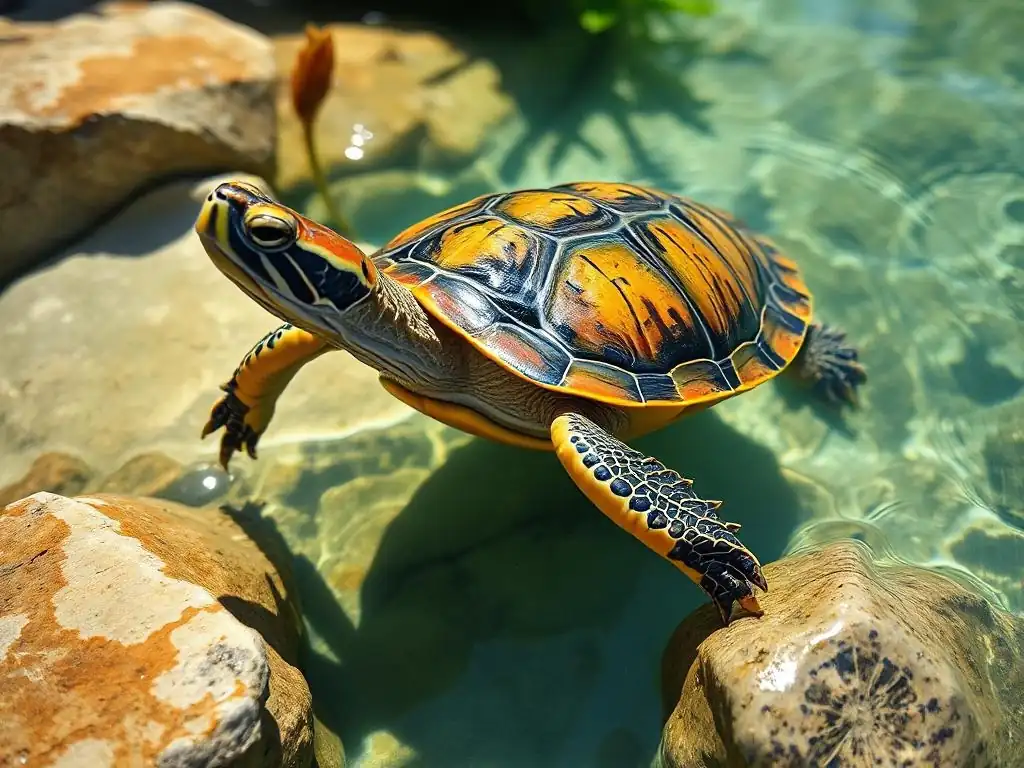
Hard water, characterized by high mineral content (primarily calcium and magnesium), presents several challenges to the health and well-being of aquatic turtles. Understanding these challenges and implementing appropriate solutions is crucial for responsible pet ownership. This section explores effective strategies to mitigate the negative impacts of hard water on your aquatic turtle's environment. Successfully addressing hard water aquatic turtle problems requires a multifaceted approach, combining water treatment with diligent tank maintenance.
Water Softening Methods for Aquatic Turtle Tanks
Several methods exist for softening the water in your aquatic turtle tank, each with its own advantages and drawbacks. The optimal approach will depend on factors such as the severity of the hard water issue, the size of your tank, and your budget.
One common method involves using commercially available water softening resins. These resins effectively remove calcium and magnesium ions, thereby reducing water hardness. However, it’s crucial to choose a resin specifically designed for aquarium use, as some resins may release harmful substances into the water. Regular monitoring of water parameters, including pH and mineral levels, is vital when using this method. Furthermore, these resins require periodic regeneration or replacement, adding to the ongoing maintenance.
Another option involves using water softening filter media within your existing filtration system. These media often incorporate materials like zeolite or other ion-exchange resins. This method offers a more integrated approach to water softening, but it’s essential to ensure the filter media is compatible with your existing filtration system and doesn’t interfere with beneficial bacteria colonies crucial for biological filtration.
Using Reverse Osmosis (RO) or Deionized Water
Reverse osmosis (RO) and deionized (DI) water offer a more thorough solution for significantly reducing water hardness. RO systems filter out a high percentage of minerals and impurities, while DI systems remove virtually all ions. Using RO or DI water allows you to create a water environment much closer to the natural preferences of many aquatic turtle species. However, this approach necessitates careful monitoring of water parameters, as the water will lack essential minerals that are beneficial for the turtle's health.
Therefore, you'll need to remineralize the water by adding appropriate mineral supplements, carefully following recommended dosages to avoid imbalances. This is a more involved method, requiring additional equipment and diligent monitoring. Incorrect remineralization can be detrimental to your turtle.
The cost of RO/DI systems and the ongoing expense of replacement filters are also important considerations. Weighing these factors against the potential health benefits for your turtle is crucial before adopting this method.
Regular Water Changes and Filtration Strategies
Even with water softening techniques, regular water changes and effective filtration remain paramount in maintaining a healthy aquatic turtle environment. Partial water changes, typically 25-50% of the tank volume, should be performed weekly or bi-weekly to remove accumulated waste products and excess minerals. The frequency of water changes will depend on the size of the tank, the number of turtles, and the efficiency of the filtration system.
A robust filtration system is crucial for removing particulate matter, reducing the buildup of harmful substances, and maintaining water quality. Consider using a combination of mechanical, biological, and chemical filtration to address various aspects of water quality. Regular cleaning and maintenance of the filter media are essential to ensure the system operates effectively. A well-maintained filter will significantly aid in reducing the overall impact of hard water and preventing the accumulation of harmful compounds.
Remember, consistent monitoring of water parameters using a reliable test kit is essential regardless of the water softening method employed. Regular checks help ensure the water remains within the optimal range for your aquatic turtle's health and well-being. Addressing hard water aquatic turtle problems proactively will contribute to a longer, healthier life for your pet. 🐢
Choosing the Right Water for Your Aquatic Turtle
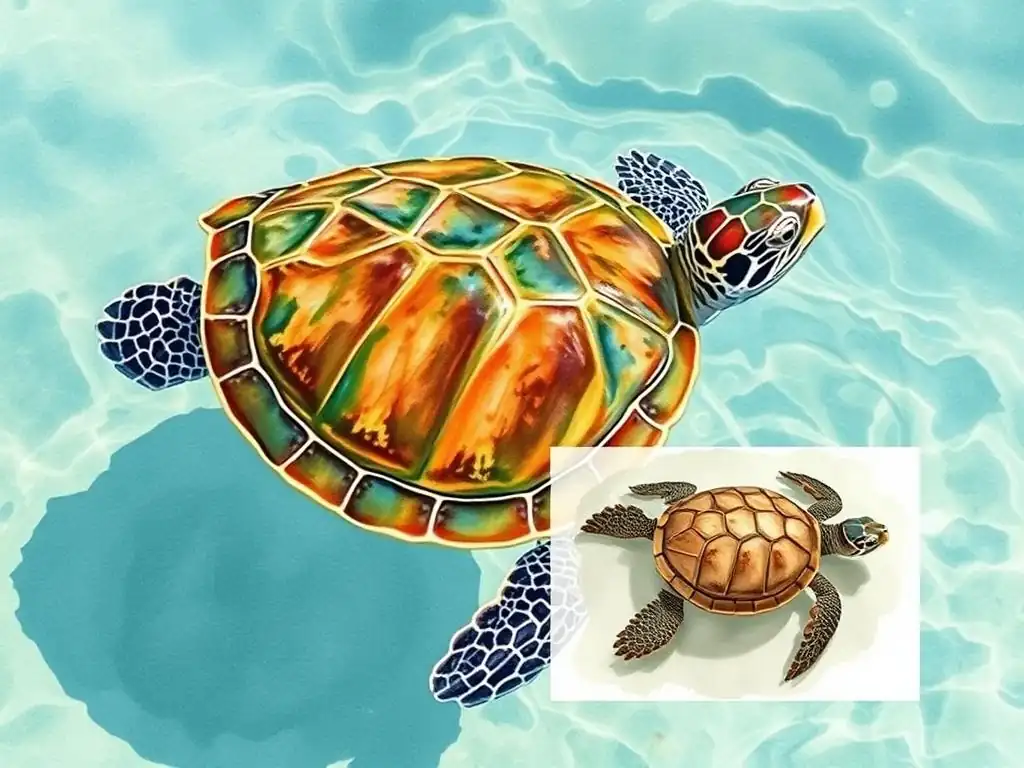
Selecting the appropriate water for your aquatic turtle is crucial for its overall health and well-being. Many turtle species thrive in specific water conditions, and deviations from these can lead to various health problems. Ignoring water quality can manifest in several ways, contributing significantly to the prevalence of "hard water aquatic turtle problems". Understanding your turtle's specific needs and the characteristics of your tap water is the first step towards providing optimal care.
Different species have different tolerances; for instance, some prefer softer water while others can handle harder water. However, even for species that tolerate harder water, excessively hard water can still lead to health issues. The key is to strike a balance and maintain water parameters within a healthy range.
Researching your specific turtle species' requirements is paramount before bringing it home and setting up its habitat. Consider factors like their natural habitat and the water conditions found there. This research will provide a baseline for understanding their ideal water parameters.
Testing Your Water Hardness: Importance and Methods
Regular water hardness testing is essential for proactive aquatic turtle care. Neglecting this crucial step can contribute directly to "hard water aquatic turtle problems". Hard water, characterized by high mineral content (primarily calcium and magnesium), can lead to several issues. These include mineral deposits on the turtle's shell, impacting its growth and aesthetics; irritated skin and eyes due to mineral build-up; and even potential kidney problems in the long term. Several methods exist for testing water hardness:
- DIY Test Strips: These readily available kits provide a quick and relatively inexpensive way to measure general hardness. However, they often lack the precision of other methods and may only give a broad range.
- Liquid Test Kits: These offer more accurate readings compared to test strips, providing a more precise measurement of water hardness in parts per million (ppm) or grains per gallon (gpg).
- Professional Water Testing: Submitting a water sample to a professional laboratory yields the most accurate and comprehensive results, including detailed mineral analysis. This is particularly useful for identifying specific minerals contributing to hardness and for pinpointing the root cause of potential problems.
The frequency of testing depends on several factors, including the source of your water, the type of filter you use, and the size of your turtle's enclosure. As a general guideline, testing at least once a month is recommended. Keeping a detailed log of your water hardness readings over time can help you identify trends and adjust your water management strategy accordingly. This proactive approach minimizes the risk of "hard water aquatic turtle problems" before they arise.
Adjusting Water Hardness to Optimal Levels
Once you've determined your water hardness, you can take steps to adjust it to the optimal range for your specific turtle species. If your water is too hard, several methods can help soften it:
- Reverse Osmosis (RO) Water: RO filters effectively remove minerals, significantly reducing water hardness. Using RO water as a base and then adding minerals back to achieve the desired level is a common practice among experienced turtle keepers.
- Water Changes: Regular partial water changes with softened water gradually reduce the overall hardness of the tank. The frequency of water changes will depend on your tank size and the level of hardness.
- Water Softeners: While effective, home water softeners may introduce chemicals or sodium, which can be detrimental to your turtle. If using a water softener, carefully research the suitability for aquatic turtles and follow manufacturer instructions diligently.
If your water is too soft, you can increase its hardness by adding:
- Calcium Carbonate: This readily available supplement gradually raises the water's hardness and provides essential calcium for your turtle's shell development. Use it carefully and monitor water parameters closely.
- Cuttlebone: A natural source of calcium, cuttlebone can be added to the tank to provide a slow release of calcium into the water. This also serves as a supplemental calcium source for your turtle to consume directly.
Remember to always make gradual adjustments to avoid shocking your turtle. Monitor water parameters closely after any changes and adjust accordingly. Proactive management and regular testing are key to avoiding "hard water aquatic turtle problems".
Maintaining a Healthy Aquatic Environment for Your Turtle
Maintaining a healthy aquatic environment is crucial for preventing and managing "hard water aquatic turtle problems". Beyond water hardness, other factors significantly impact your turtle's health:
- Water Temperature: Maintaining the correct water temperature is essential for your turtle's metabolism and overall well-being. Use a reliable thermometer and heater to maintain a consistent temperature.
- Filtration: A properly sized and maintained filter removes waste products and helps maintain water quality. Regular filter cleaning is essential to prevent the buildup of harmful bacteria.
- UVB and UVA Lighting: These lights are vital for your turtle's calcium absorption and overall health. Ensure your lights are of sufficient strength and replace them regularly as recommended.
- Substrate: Choose a substrate that is safe for your turtle and that doesn't contribute to water hardness or harbor harmful bacteria.
- Diet: A balanced diet rich in calcium and other essential nutrients supports your turtle's health and helps prevent shell problems.
By meticulously addressing all aspects of your turtle's environment, you greatly reduce the chances of encountering common health issues associated with poor water quality. Regular observation of your turtle, combined with diligent water testing and maintenance, will ensure a long and healthy life for your aquatic companion. Remember, proactive care is the best way to prevent and address "hard water aquatic turtle problems".
Long-Term Management of Hard Water Issues in Aquatic Turtle Care
Addressing hard water's negative impact on your aquatic turtle requires a multifaceted, long-term approach. Simply changing the water isn't enough; you need a sustained strategy to mitigate the effects of minerals like calcium and magnesium, which contribute to hard water. This involves consistent monitoring, proactive veterinary care, and dietary adjustments. Ignoring these steps can lead to serious health complications for your shelled friend. The goal is to create an environment that minimizes the negative effects of hard water while providing optimal living conditions. Remember, prevention is key in avoiding many "hard water aquatic turtle problems".
Monitoring Your Turtle's Health
Regular observation is crucial for detecting early signs of hard water-related issues. Keep a close eye on your turtle's shell for signs of pyramiding (irregular shell bumps), which is a common indicator of poor water quality and mineral imbalances. Also, monitor their appetite, activity levels, and overall behavior. Changes in these areas can signal underlying health problems. Maintaining a detailed log of your turtle's behavior and any observed changes is beneficial for tracking trends and identifying potential issues early.
For example, a sudden decrease in appetite combined with lethargy might indicate a problem exacerbated by hard water. This proactive approach allows for timely intervention, preventing minor issues from escalating into major health concerns. Don't hesitate to consult a reptile veterinarian if you notice any abnormalities. Early detection significantly improves the chances of successful treatment and a return to optimal health. 🐢
Regular Veterinary Checkups for Aquatic Turtles
Preventative veterinary care is paramount in managing hard water's impact on your aquatic turtle's health. Regular checkups allow your veterinarian to monitor your turtle's overall health, assess shell condition, and detect any subtle signs of mineral imbalance or related problems before they become significant. These checkups should include blood work to evaluate kidney function and electrolyte levels, which are directly affected by mineral build-up. The frequency of these visits should be determined by your veterinarian based on your turtle's age, breed, and any pre-existing conditions.
However, at a minimum, annual checkups are recommended. During these visits, discuss any concerns you have regarding your turtle's environment and any observed changes in their behavior. Your veterinarian can provide personalized advice and guidance based on your specific situation, helping you proactively address potential "hard water aquatic turtle problems".
Adjusting Your Turtle's Diet to Compensate for Hard Water
Hard water can interfere with your aquatic turtle's ability to properly absorb calcium and other essential minerals from their diet. To counteract this, you might need to adjust their feeding regimen. This may involve supplementing their diet with calcium-rich foods or using commercially available calcium supplements specifically formulated for reptiles.
The specific needs will vary depending on the species of turtle and the severity of the hard water issue. For example, you might increase the frequency of feeding calcium-rich foods like cuttlebone or add a calcium powder to their regular food. It's crucial to consult with a reptile veterinarian or a herpetologist to determine the appropriate type and amount of supplementation for your turtle.
Over-supplementation can be just as harmful as insufficient supplementation. A balanced approach is key to ensuring your turtle receives the necessary nutrients for optimal shell development and overall health, mitigating the negative consequences of living in hard water. Remember, a well-balanced diet is a cornerstone of preventative care in addressing "hard water aquatic turtle problems".
Frequently Asked Questions
What are the effects of hard water on aquatic turtles?
Hard water can lead to several problems for aquatic turtles, including scale buildup, reduced shell growth, and difficulty shedding. Minerals in hard water can also affect their digestive system.
How can I tell if my turtle's water is too hard?
You can use a water hardness test kit available at most pet stores. Alternatively, you can get your water tested by a local aquarium specialist or your vet. Look for signs of scale buildup on your turtle as well.
Symptoms include dull, rough shells, difficulty shedding skin, constipation, and lethargy. Visible scale buildup is a clear indicator.
How can I soften the water for my aquatic turtle?
You can use a water softener, reverse osmosis filter, or add a water conditioner specifically designed to reduce hardness. Always follow the product instructions carefully.
What type of water is best for aquatic turtles?
The ideal water is slightly hard to moderately hard, but always check the specific requirements for your turtle species. Avoid using extremely hard or soft water. Regularly monitor and adjust your water parameters.
Final Reflection: The Silent Threat of Hard Water to Our Aquatic Companions
The escalating impact of water hardness on aquatic turtle health is not merely an academic concern; it's a critical issue demanding immediate attention from every turtle keeper. Ignoring the subtle yet significant effects of hard water can lead to preventable suffering and even death for these fascinating creatures. We've explored the multifaceted ways in which mineral buildup affects their shells, skin, and overall well-being, highlighting the urgent need for proactive water management.
The pervasive nature of hard water, coupled with the often-unseen consequences for aquatic turtles, underscores the importance of responsible pet ownership. Understanding the chemistry of our water sources is no longer a luxury, but a necessity for providing optimal care. The welfare of an animal is not merely a matter of providing food and shelter; it is a matter of providing a life worthy of its nature.
This quote resonates deeply, reminding us that our commitment to these creatures extends beyond basic needs to encompass a thorough understanding of their environmental requirements.
You, the reader, now possess the knowledge to make informed decisions about your aquatic turtle's care. Take the time to test your water, understand its hardness, and adjust accordingly. Don't let the silent threat of hard water compromise the health and happiness of your shelled companion. Empower yourself to become a better caregiver, ensuring a long and thriving life for your aquatic turtle. The future of these magnificent creatures rests, in part, on the choices we make today.
Unlock Your Turtle's Healthiest Life: Simple Steps to Softer Water
Thanks for joining us on this journey into aquatic turtle care! You've learned how water hardness significantly impacts your turtle's health. Now let's put that knowledge to work!
- Regular Water Testing is Key: Use a reliable test kit to monitor your turtle's water hardness frequently. This is essential for maintaining a healthy environment.
- Softening Your Turtle's Water: Install a water softener, or explore natural methods such as adding peat moss to gently adjust the water's hardness.
- Share Your Successes: We'd love to hear about your water hardness management strategies! Share your experiences and tips in the comments below – your advice could be invaluable to other turtle owners.
What simple step will you take today to ensure your aquatic turtle thrives in perfectly balanced water?