
Urinary Blockage in Cats: A Critical Emergency

Welcome to PetCareWorld, your ultimate guide to a happier, healthier life for your beloved pets! We're passionate about providing the best pet care advice, and right now, that means addressing a critical issue: Cat urinary blockage. Is your feline friend exhibiting concerning symptoms? Discover crucial information on emergency treatment and learn how to prevent this life-threatening condition in our in-depth article, "Urinary Blockage in Cats: A Critical Emergency." Don't wait – your cat's well-being depends on it.
- Recognizing the Signs of Feline Urinary Tract Obstruction (Futo)
- Understanding the Causes of Cat Urinary Blockage
- Cat Urinary Blockage Emergency Treatment: Immediate Actions
- Veterinary Treatment for Feline Urinary Obstruction
- Long-Term Management and Prevention of Cat Urinary Blockage
- The Cost of Cat Urinary Blockage Treatment
- Frequently Asked Questions
- Final Reflection: The Urgent Need for Cat Urinary Blockage Awareness
- Unlock Your Cat's Comfort: Take Action Now!
Recognizing the Signs of Feline Urinary Tract Obstruction (Futo)
Feline urinary tract obstruction (FUTO), often called a urinary blockage in cats, is a life-threatening emergency requiring immediate veterinary attention. This condition occurs when a cat's urethra becomes blocked, preventing the passage of urine. The inability to urinate leads to a rapid buildup of toxins in the bloodstream, causing severe pain and potentially fatal consequences within hours.
This article serves as a crucial guide for cat owners, outlining the warning signs, advanced symptoms, and how to differentiate urinary blockage from other cat health issues, ultimately empowering you to act swiftly and save your cat's life. Understanding the subtle and severe signs of FUTO is paramount to ensuring your feline friend receives timely and life-saving treatment.
Early intervention significantly improves the chances of a positive outcome, emphasizing the importance of recognizing this critical emergency. This guide focuses specifically on the emergency treatment aspects of cat urinary blockages, providing vital information for cat owners to act quickly and effectively.
Early Warning Signs of Cat Urinary Blockage
Early detection is key in managing cat urinary blockage. While the initial symptoms might seem minor, they are crucial indicators of a potential emergency. Pay close attention to any changes in your cat's behavior or urination habits. These early warning signs can include:
- Straining to urinate: Your cat may spend an extended time in the litter box, exhibiting intense effort without producing urine or only producing a small amount. This is a critical sign often overlooked.
- Frequent attempts to urinate: Observe if your cat is visiting the litter box more often than usual, but with minimal or no results. This increased frequency is indicative of the body trying to compensate for the obstruction.
- Crying or vocalization while urinating: Unusual meows or cries accompanying urination attempts are a clear sign of discomfort and pain.
- Licking the genital area excessively: This is a common sign of irritation and discomfort in the urinary tract.
- Changes in urine appearance: While not always present in the early stages, changes in urine color (darker or bloody) or odor can also be indicative of a problem. [Specific urine color changes pending further research]
- Slightly increased thirst: The body may attempt to compensate for the lack of urination by increasing water intake.
Advanced Symptoms: When to Seek Immediate Veterinary Care
As the urinary blockage progresses, the symptoms become more severe and life-threatening. If you observe any of the following symptoms, seek immediate veterinary care:
- Inability to urinate: This is the hallmark sign of a complete urinary blockage. Your cat will be unable to produce any urine despite repeated attempts.
- Lethargy and weakness: The buildup of toxins in the bloodstream causes significant fatigue and weakness. Your cat may become unresponsive or listless.
- Vomiting: This is a common symptom resulting from the body's attempt to eliminate toxins.
- Loss of appetite: The pain and discomfort associated with the blockage can significantly reduce your cat's appetite.
- Depression and hiding: Your cat may become withdrawn, hiding away from its usual interactions.
- Painful abdomen: Gently palpate your cat's abdomen. If it feels distended or your cat reacts painfully to touch, this is a critical sign.
- Increased respiratory rate: The body attempts to compensate for the toxic build-up leading to increased breathing.
Distinguishing Urinary Blockage from Other Cat Health Issues
Several other health problems can mimic the symptoms of a urinary blockage. However, it's crucial to recognize that a urinary blockage is a life-threatening emergency. While some overlap exists, a veterinarian can accurately diagnose the condition. Some conditions that might present similar symptoms include:
| Condition | Symptoms | Key Differences from Urinary Blockage |
|---|---|---|
| Lower Urinary Tract Infection (UTI) | Frequent urination, straining, bloody urine, pain while urinating | Often produces some urine; less severe lethargy and systemic effects initially |
| Kidney Disease | Increased thirst, increased urination, lethargy, weight loss | Gradual onset, less acute pain, often accompanied by other kidney symptoms |
| Cystitis | Painful urination, increased frequency, blood in urine | May produce some urine; less severe systemic effects initially |
| Diabetes Mellitus | Increased thirst, increased urination, weight loss, lethargy | Gradual onset, often accompanied by other diabetic symptoms |
Remember, when in doubt, always err on the side of caution. The potential consequences of delaying treatment for a urinary blockage are far too severe. Immediate veterinary attention is crucial for the best possible outcome. 😻
Understanding the Causes of Cat Urinary Blockage

Feline urinary tract obstruction (FUTO), commonly known as a cat urinary blockage, is a life-threatening emergency requiring immediate veterinary attention. Delaying treatment can lead to severe complications, including kidney failure and death. Understanding the underlying causes is crucial for prevention and prompt response. This section delves into the multifaceted etiology of cat urinary blockage, focusing on crystal formation, infections, lifestyle factors, and breed predispositions. Effective management of cat urinary blockage emergency treatment hinges on recognizing these contributing factors.
Crystal Formation and Urinary Tract Infections (UTIs) in Cats
The most common cause of urinary blockage in cats is the formation of crystals in the urine. These crystals, composed of minerals like struvite or calcium oxalate, can aggregate to form stones that obstruct the urethra, the tube that carries urine out of the bladder. The exact mechanisms driving crystal formation are complex and not fully understood, but several factors play significant roles. Dehydration is a major contributor, as concentrated urine provides a more favorable environment for crystal growth.
Dietary factors, particularly high levels of magnesium, phosphorus, and certain proteins, also influence crystal formation. Furthermore, urinary tract infections (UTIs) can exacerbate the problem. Bacterial infections can alter urine pH, making it more conducive to crystal formation and potentially leading to inflammation and swelling that further obstructs the urethra. Early detection and treatment of UTIs are vital in preventing urinary blockages.
A study published in the Journal of Feline Medicine and Surgery showed a strong correlation between diet and struvite crystal formation in cats. Cats fed diets high in magnesium and phosphorus exhibited a significantly higher incidence of struvite crystals compared to cats fed diets formulated to minimize these minerals. This highlights the importance of choosing appropriate, veterinary-recommended cat food to mitigate the risk of crystal formation and subsequent urinary blockage. Early detection through regular veterinary checkups, including urinalysis, is crucial for timely intervention and preventing severe complications.
Stress and Lifestyle Factors Contributing to Feline Urinary Blockage
Beyond physiological factors, stress and lifestyle significantly influence the risk of feline urinary blockage. Stress, whether due to changes in the home environment (new pets, moving, family changes), or even subtle shifts in routine, can disrupt the delicate hormonal balance in cats, leading to increased urine concentration and a greater propensity for crystal formation. Lack of access to fresh water and insufficient hydration contribute to concentrated urine, further increasing the risk of blockage. Obesity and a sedentary lifestyle are also implicated, as these factors can affect urinary tract health and function.
Maintaining a stress-free environment, providing ample fresh water, and ensuring regular exercise are crucial preventative measures. Addressing stress triggers and promoting a relaxed atmosphere can dramatically reduce the risk of urinary blockage. The impact of stress on the urinary system is often underestimated, yet it plays a significant role in the development of this life-threatening condition.
Breed Predisposition and Genetic Factors
While not all cats are equally susceptible, certain breeds exhibit a higher predisposition to feline urinary blockage. Persian cats, for instance, are frequently reported to have a higher incidence of urinary tract issues. This increased susceptibility may be attributed to genetic factors influencing urinary tract anatomy or physiology. Although specific genes haven't been definitively identified, research suggests a potential genetic component. However, it's important to note that breed predisposition doesn't negate the importance of other contributing factors.
Even cats of less prone breeds can develop urinary blockages if they experience stress, dehydration, or an underlying UTI. Understanding breed-specific risks can help tailor preventative strategies, but comprehensive care remains essential for all cats. Further research is needed to fully elucidate the genetic basis of breed predisposition to urinary blockage in cats. This will allow for more targeted preventative measures and improved management strategies.
Cat Urinary Blockage Emergency Treatment: Immediate Actions
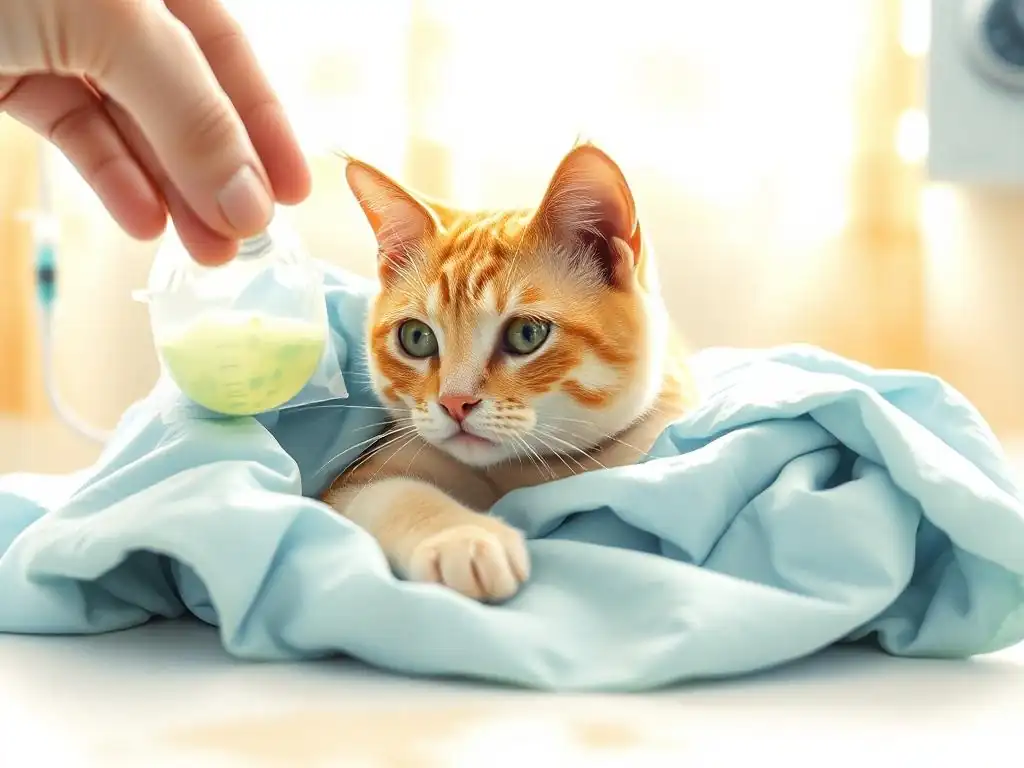
Feline urinary tract obstruction (FUTO) or urinary blockage is a life-threatening emergency requiring immediate veterinary attention. Delaying treatment can lead to severe complications, including kidney failure and death. Recognizing the signs early and taking swift action is crucial for your cat's survival. This section focuses on the immediate steps you should take when you suspect your cat is experiencing a urinary blockage. Remember, this information is for emergency guidance only and does not replace professional veterinary care.
Assessing the Severity of the Blockage at Home
Assessing your cat's condition at home can help you gauge the urgency of the situation and prepare for transport to the veterinary clinic. Look for these key indicators:
- Straining to urinate: This is often a primary symptom. Your cat may repeatedly enter the litter box, squat, and strain, but produce little or no urine. Observe the frequency and intensity of this behavior.
- Frequent attempts to urinate: Even small amounts of urine produced indicate some degree of blockage. However, the frequency suggests the blockage is partially obstructing the flow.
- Vocalization: Cats in pain often vocalize excessively, especially during attempts to urinate. Meows, yowls, or cries should be considered a serious warning sign.
- Lethargy and weakness: A blocked cat will quickly become lethargic, weak, and may lose its appetite. This is a significant indicator of dehydration and the severity of the blockage.
- Vomiting: Vomiting is a common symptom of a urinary blockage, often associated with the buildup of toxins in the bloodstream due to kidney malfunction.
- Pain: Gentle palpation of the abdomen might reveal a distended bladder. However, avoid excessive handling as this could cause your cat additional stress and pain.
The severity is often indicated by the combination of these signs. A cat showing multiple severe symptoms (prolonged straining, no urination, extreme lethargy, vomiting) requires immediate veterinary attention. Even if you observe only a few mild symptoms, it's vital to contact your veterinarian as soon as possible. Early intervention significantly improves the chances of a successful outcome.
First Aid for a Cat with a Urinary Blockage: What to Do and What Not To Do
Time is of the essence in cat urinary blockage emergencies. While you prepare for transport, there are a few things you can do, and equally importantly, things you should absolutely avoid:
What to Do:
- Keep your cat calm and quiet: Stress exacerbates the situation. Create a quiet, dark, and comfortable space for your cat.
- Provide warmth: A blocked cat is often dehydrated and hypothermic. A warm blanket or heating pad (on a low setting) can help.
- Offer fresh water: Encourage your cat to drink, but don't force it. Dehydration worsens the situation.
- Contact your veterinarian immediately: Explain the symptoms clearly and follow their instructions. They may advise you on temporary measures before you arrive.
- Prepare for transport: Gather your cat's carrier, medical records (if available), and any medications your cat is currently taking.
What NOT to Do:
- Do not attempt to treat the blockage at home: This is extremely dangerous and could cause further harm.
- Do not give your cat any medications without veterinary consultation: Many over-the-counter medications are toxic to cats.
- Do not delay veterinary care: Every minute counts in this emergency.
Transporting Your Cat to the Veterinary Clinic Safely
Getting your cat to the veterinary clinic safely and quickly is paramount. Here's how to ensure a smooth and stress-free journey:
- Use a secure carrier: A sturdy carrier will prevent your cat from escaping and protect it during transport. Line the bottom with absorbent material in case of vomiting or urination.
- Keep the carrier secure: Fasten the carrier properly in your vehicle to prevent it from shifting during travel.
- Drive carefully: Avoid sudden stops or turns. A calm, steady drive will minimize stress on your cat.
- Keep your cat warm: Maintain a comfortable temperature inside the vehicle.
- Inform the veterinary clinic you are on your way: Let them know you're bringing in a cat with a suspected urinary blockage so they can prepare.
Remember, a cat urinary blockage is a critical situation. Swift action, calm handling, and immediate veterinary care are crucial for your cat's survival and recovery. The information provided here is for guidance only; always consult with a veterinarian for diagnosis and treatment. The sooner you seek professional help, the better the chances of a positive outcome.
Veterinary Treatment for Feline Urinary Obstruction
This section details the crucial veterinary interventions necessary for managing a cat urinary blockage, a life-threatening condition requiring immediate professional care. Delaying treatment can lead to severe complications, including kidney failure and death. Understanding the diagnostic process and treatment options is vital for pet owners facing this emergency. The speed and effectiveness of veterinary intervention directly impact the cat's prognosis and long-term health. Remember, this is not a substitute for professional veterinary advice. Always seek immediate veterinary care if you suspect your cat has a urinary blockage.
Diagnosis: Tests and Procedures to Identify the Blockage
Diagnosing a feline urinary obstruction involves a series of tests to confirm the blockage, identify the cause, and assess the cat's overall health. The veterinarian will begin with a thorough physical examination, paying close attention to the abdomen for signs of distension and pain. The cat's hydration status will also be carefully evaluated. Dehydration is a common and serious complication of urinary blockage.
The following diagnostic procedures are commonly employed:
- Urinalysis: A sample of urine (if obtainable) is analyzed to determine its composition, checking for crystals, bacteria, blood, and other abnormalities that may indicate the underlying cause of the blockage. This test helps determine the type of crystals present, crucial for tailoring future preventative measures.
- Blood Tests: Blood work provides essential information about the cat's overall health, including kidney function (BUN and creatinine levels), electrolyte balance, and hydration status. Elevated BUN and creatinine levels indicate kidney damage, a serious consequence of prolonged urinary obstruction.
- Abdominal Ultrasound: This non-invasive imaging technique allows the veterinarian to visualize the urinary tract, confirming the presence of a blockage and assessing the size and condition of the bladder and kidneys. Ultrasound can also help identify any other abnormalities within the abdomen.
- Radiographs (X-rays): X-rays may be used to identify radiopaque stones (stones that are visible on X-rays) within the urinary tract. However, not all stones are radiopaque, so ultrasound is often a more comprehensive imaging tool.
The results of these tests provide a comprehensive picture of the cat's condition, guiding the veterinarian in selecting the most appropriate treatment strategy. The severity of the blockage, the presence of kidney damage, and the underlying cause of the obstruction all influence the treatment plan.
Emergency Cat Urinary Blockage Treatment Options
Treatment for feline urinary obstruction is primarily focused on relieving the blockage and stabilizing the cat's condition. This is a critical emergency, and prompt veterinary intervention is paramount. The most common treatment options include:
- Urinary Catheterization: This procedure involves inserting a catheter into the urethra to relieve the blockage and drain the urine from the bladder. This provides immediate relief and prevents further damage to the kidneys. The catheter may need to remain in place for several days, depending on the severity of the blockage and the cat's response to treatment.
- Fluid Therapy (IV fluids): Intravenous fluids are essential to correct dehydration, flush out toxins, and support kidney function. Dehydration is a common and serious complication of urinary blockage, and aggressive fluid therapy is crucial to restoring hydration.
- Surgery: In some cases, surgery may be necessary to remove stones or address anatomical abnormalities that are contributing to the blockage. This may involve cystotomy (incision into the bladder to remove stones) or urethrostomy (surgical creation of a new opening in the urethra).
- Medication: Medications may be used to manage pain, reduce inflammation, and treat underlying infections. Analgesics help alleviate discomfort, while anti-inflammatory drugs can help reduce swelling in the urinary tract. Antibiotics may be prescribed if a bacterial infection is present.
The choice of treatment will depend on several factors, including the severity of the blockage, the presence of kidney damage, and the underlying cause of the obstruction. The veterinarian will carefully weigh the risks and benefits of each treatment option before making a decision.
Post-Treatment Care and Prevention of Recurrence
Following successful treatment for a urinary blockage, careful post-treatment care is essential to prevent recurrence and ensure the cat's long-term health. This includes:
- Dietary Changes: Dietary management is crucial in preventing future blockages. The veterinarian may recommend a prescription diet specifically formulated to reduce the formation of crystals and stones. These diets often have altered mineral content and pH levels. Following the prescribed diet meticulously is vital.
- Increased Water Intake: Encouraging increased water intake helps dilute the urine and reduce the risk of crystal formation. Providing multiple water sources, using a water fountain, or adding water to the cat's food can help.
- Monitoring: Regular veterinary check-ups are necessary to monitor the cat's kidney function, urine composition, and overall health. Early detection of any problems can help prevent future blockages.
- Stress Reduction: Stress can exacerbate urinary tract problems. Creating a calm and comfortable environment for the cat can help minimize stress and contribute to better overall health.
Preventing recurrence of feline urinary blockage requires a multi-faceted approach, combining dietary changes, increased water intake, regular veterinary check-ups, and stress reduction. By diligently following the veterinarian's recommendations, pet owners can significantly reduce the risk of this life-threatening condition. Remember, early detection and prompt veterinary intervention are key to successful management and a positive prognosis for your feline companion. 😻
Long-Term Management and Prevention of Cat Urinary Blockage
Successfully navigating a cat urinary blockage emergency is only the first step. Long-term management and preventative measures are crucial to minimizing the risk of recurrence. This involves a multifaceted approach focusing on dietary adjustments, stress reduction, and consistent veterinary care. Ignoring these preventative strategies significantly increases the likelihood of future blockages, potentially leading to more severe health complications and even death for your feline companion. The goal is to create a healthier urinary environment for your cat, reducing the chances of crystals forming and causing blockages. This section details key strategies for achieving this.
Dietary Changes to Prevent Future Blockages
Dietary modifications are often the cornerstone of preventing recurrent urinary blockages in cats. The specific dietary changes will depend on the underlying cause of the blockage, which your veterinarian will determine through urinalysis and other diagnostic tests. However, some common recommendations include:
- Increased Water Intake: Encouraging your cat to drink more water is paramount. This can be achieved through the use of water fountains, offering different types of water bowls (ceramic, stainless steel), adding a small amount of low-sodium broth to their food (always consult your vet first! ), or even placing their water bowl in a different location to stimulate interest. Dehydration is a major contributor to crystal formation.
- Prescription Diets: Your veterinarian may recommend a prescription diet specifically formulated to prevent the formation of urinary crystals and stones. These diets often have a controlled pH level and mineral content designed to dissolve existing crystals or prevent new ones from forming. These diets are usually available only through veterinary clinics. Examples include diets aimed at managing struvite crystals or oxalate crystals, depending on the type of blockage experienced.
- Wet Food Transition: Switching to a primarily wet food diet can significantly increase your cat's water intake. Wet food contains a higher percentage of moisture than dry kibble. A gradual transition is recommended to avoid digestive upset. Aim for a ratio of at least 70% wet food to 30% dry food, or higher if tolerated.
- Avoiding Foods High in Magnesium: Certain foods contain high levels of magnesium, which can contribute to the formation of struvite crystals. Your veterinarian can advise on specific foods to avoid or limit in your cat's diet.
Stress Reduction Techniques for Cats
Stress is a significant factor contributing to urinary tract issues in cats. Chronic stress can weaken the immune system, making your cat more susceptible to infections and urinary problems. Implementing stress-reduction techniques is therefore vital in preventing future blockages. These techniques can significantly improve your cat's overall well-being.
- Creating a Safe and Enriching Environment: Provide ample hiding places, scratching posts, and vertical space for climbing. A stable and predictable routine helps reduce anxiety. Consider using pheromone diffusers or sprays (like Feliway) to calm your cat.
- Multi-Cat Households: If you have multiple cats, ensure each cat has its own resources (food bowls, water bowls, litter boxes, scratching posts, sleeping areas) to minimize competition and territorial disputes. The ideal number of litter boxes is one more than the number of cats.
- Positive Reinforcement Training: Positive reinforcement training can build a stronger bond between you and your cat, reducing stress and anxiety. This involves rewarding desired behaviors with treats or praise, rather than punishment.
- Addressing Underlying Behavioral Issues: If your cat exhibits signs of stress or anxiety (e.g., excessive grooming, hiding, aggression), consult with a veterinary behaviorist to address the root cause and develop a tailored behavior modification plan.
Regular Veterinary Checkups and Monitoring
Regular veterinary checkups are essential for long-term management and prevention of cat urinary blockage. These checkups allow for early detection of any potential problems and prompt intervention before they escalate into a crisis.
- Urinalysis: Regular urinalysis is crucial to monitor the pH level and detect the presence of crystals or other abnormalities in your cat's urine. The frequency of urinalysis will depend on your cat's history and risk factors.
- Bloodwork: Bloodwork can help assess your cat's overall health and identify any underlying medical conditions that could contribute to urinary tract issues.
- Ultrasound: In some cases, an ultrasound may be recommended to visualize the urinary tract and identify any blockages or abnormalities.
- Early Intervention: Early detection of problems through regular veterinary checkups allows for timely intervention, potentially preventing a full-blown urinary blockage emergency. This is far less stressful and costly than dealing with a severe blockage. Proactive care is significantly more effective and humane.
The Cost of Cat Urinary Blockage Treatment
Cat urinary blockage is a life-threatening emergency requiring immediate veterinary intervention. The associated costs can be substantial, varying significantly depending on the severity of the blockage, the cat's overall health, and the location and services offered by the veterinary clinic. Understanding the potential financial implications is crucial for responsible pet ownership and proactive planning. This section will detail the various expenses associated with treating feline urinary tract obstructions (FUO), also known as feline lower urinary tract disease (FLUTD), emphasizing the importance of preparedness.
Emergency Veterinary Care Expenses
Emergency veterinary care for a cat with a urinary blockage is expensive. The initial visit often includes diagnostic tests such as blood work (complete blood count or CBC, and blood chemistry profile), urinalysis, and abdominal radiographs (X-rays) to assess the extent of the blockage and the cat's overall health. These tests alone can easily cost between $300 and $800, depending on the complexity and number of tests required. Further diagnostics like ultrasound may be necessary, adding to the expense.
Beyond diagnostics, immediate treatment is crucial. This typically involves catheterization to relieve the blockage, which can cost anywhere from $100 to $300 depending on the duration and complexity. Fluid therapy (intravenous fluids) is often necessary to correct dehydration and electrolyte imbalances, adding another $100-$300 to the bill. In severe cases, hospitalization may be required for several days, significantly increasing the cost with daily monitoring and medication. Hospitalization fees can range from $50 to $200 or more per day. Additional expenses may include medications to alleviate pain and reduce inflammation, such as anti-inflammatories or antibiotics.
The total cost of emergency care for a cat with a urinary blockage can easily exceed $1000, and in complex cases, can reach several thousand dollars. This doesn't include potential complications that may arise, such as infection or surgery, further escalating the expenses.
Long-Term Management Costs
Even after the immediate crisis is resolved, long-term management is often necessary to prevent future blockages. This can involve dietary changes, with prescription diets formulated to prevent the formation of urinary crystals and stones, often costing significantly more than regular commercial cat food. These specialized diets can cost upwards of $50-$80 per bag, and may be necessary for the cat's entire life.
Regular veterinary check-ups are essential to monitor the cat's urinary health and detect potential problems early. These check-ups, including urinalysis and other necessary tests, will add to the ongoing costs. Depending on the frequency and the tests performed, these costs can range from $100 to $300 per year. In certain cases, ongoing medication may be required to manage underlying conditions contributing to urinary tract issues.
Pet Insurance and Financial Planning
Given the potentially high costs associated with treating cat urinary blockages, pet insurance is a wise investment. A comprehensive pet insurance policy can significantly alleviate the financial burden of emergency veterinary care, covering a substantial portion of the diagnostic testing, treatment, hospitalization, and medication costs. It's important to carefully review policy details and coverage limits before purchasing a plan to ensure adequate protection.
Even with pet insurance, responsible financial planning is crucial. Setting aside a dedicated savings account specifically for unexpected veterinary expenses is highly recommended. Regular contributions to this fund, even small amounts, can significantly mitigate the financial stress associated with a feline urinary blockage emergency. This proactive approach ensures that you can provide your cat with the best possible care without jeopardizing your financial stability.
Consider building an emergency fund that can cover at least 1-2 months of your cat’s average monthly expenses. This includes food, litter, preventative care, and unexpected veterinary emergencies. Planning ahead can ease stress and ensure your cat receives prompt and appropriate care.
Frequently Asked Questions
What is a urinary blockage in cats?
A urinary blockage is a life-threatening emergency where a cat's urethra becomes completely or partially obstructed, preventing the passage of urine. This can quickly lead to severe pain, kidney damage, and death if not treated immediately.
What are the symptoms of a cat urinary blockage?
Symptoms include straining to urinate, lethargy, vocalizing in pain, licking the genital area excessively, and producing little to no urine. Immediate veterinary attention is crucial if you observe these signs.
What causes urinary blockages in cats?
Common causes include crystals or stones forming in the urine, inflammation, and tumors. Male cats are far more prone to blockages due to their narrower urethra. Diet and hydration play a significant role in prevention.
What is the emergency treatment for a cat urinary blockage?
Emergency treatment usually involves immediate catheterization to relieve the blockage, followed by fluid therapy to flush the system and address dehydration. Pain management and further diagnostics to determine the underlying cause are also essential.
How can I prevent urinary blockages in my cat?
Prevention focuses on managing diet, ensuring adequate water intake, and regular veterinary checkups. Special prescription diets can help dissolve crystals and prevent further blockages. Maintaining a healthy weight is also important.
Final Reflection: The Urgent Need for Cat Urinary Blockage Awareness
The silent suffering of a cat experiencing urinary blockage is a stark reminder of our responsibility as pet owners. This critical emergency, often arriving without warning, demands immediate veterinary intervention to prevent irreversible damage and, tragically, death. The information presented in this article underscores the urgency of recognizing the symptoms and seeking immediate treatment.
The emotional toll of witnessing a beloved feline companion struggle with this painful condition is immense. The fear, helplessness, and subsequent relief upon successful treatment leave an indelible mark. This experience highlights the crucial role of preventative care, early detection, and swift action. The bond between a human and an animal is one of the purest and most profound relationships we can experience.
This bond compels us to act decisively when our furry friends are in need. Understanding the intricacies of feline urinary tract health, as detailed in this article, is a vital step in fulfilling that responsibility.
You, as a caring pet owner, now possess the knowledge to recognize the warning signs of urinary blockage. Remember the information shared here – the symptoms, the potential causes, and the life-saving importance of immediate veterinary care. Take proactive steps: schedule regular check-ups with your veterinarian, maintain a healthy diet for your cat, and ensure access to fresh water at all times. By being informed and prepared, you can significantly reduce the risk of this devastating emergency and ensure the well-being of your beloved companion.
Unlock Your Cat's Comfort: Take Action Now!
Thank you for learning about urinary blockages in cats. Understanding this critical issue is the first step to ensuring your feline companion's well-being. Now, let's put that knowledge into action.
- Schedule a veterinary appointment immediately if your cat shows any signs of urinary distress, such as straining to urinate, crying while urinating, or producing only small amounts of urine. Prompt veterinary care is crucial. Don't delay.
- Increase your cat's water intake. Providing fresh, clean water in multiple locations, or using a cat water fountain, can help prevent future blockages.
- Share this important information with other cat owners—you could save a life!
What steps will you take today to protect your cat's urinary health?