
Ball Python Parasites: Protecting Your Snake from Internal and External Threats

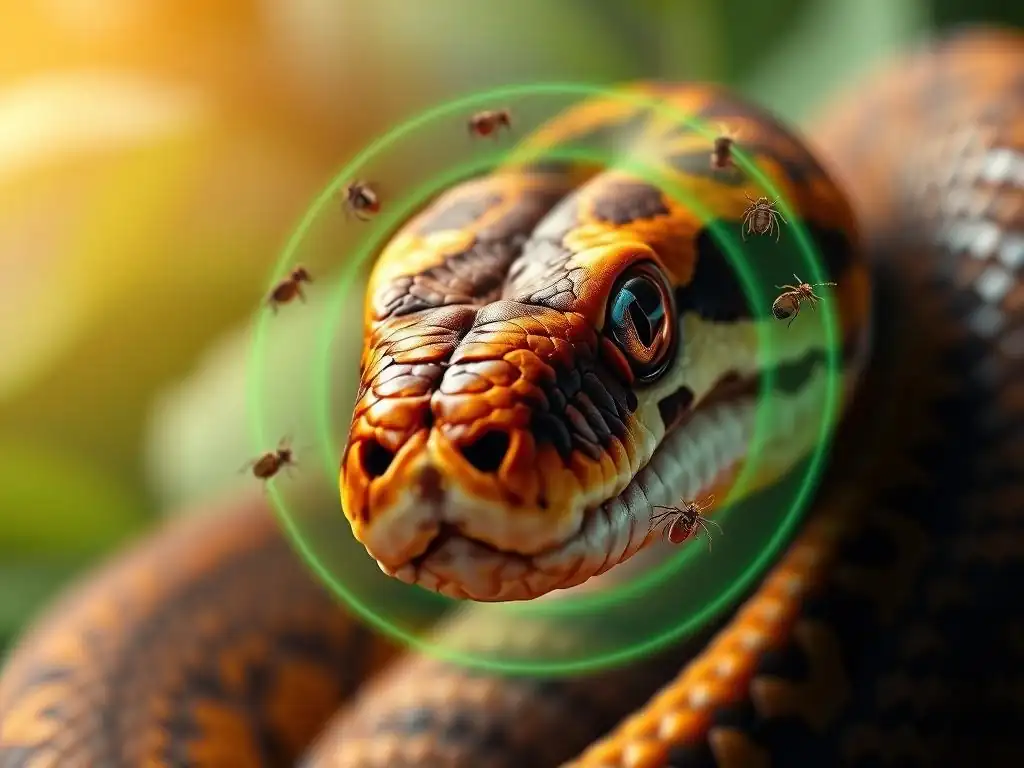
Welcome to PetCareWorld, your ultimate guide to a happier, healthier life for your beloved companions! Are you ready to unlock the secrets to thriving pet ownership? Then delve into our expert advice, starting with our comprehensive Ball python parasite prevention guide. Discover how to proactively protect your scaly friend from internal and external threats, ensuring a long and vibrant life for your reptile. Learn the essential strategies and preventative measures that will keep your ball python thriving – read on to explore the world of reptile care and beyond!
- Understanding Ball Python Parasite Risks: A Prevention Guide
-
Ball Python Parasite Prevention: Proactive Measures
- Maintaining a Clean and Hygienic Ball Python Enclosure
- Proper Diet and Nutrition for Parasite Prevention
- Regular Health Checkups and Veterinary Care for Ball Pythons
- Quarantine New Ball Pythons to Prevent Parasite Introduction
- Maintaining a Clean and Hygienic Environment to Minimize Parasite Risk
- Implementing a Robust Feeding and Handling Protocol to Reduce Parasite Transmission
- Treating Ball Python Parasites: Effective Strategies
- Preventing Future Ball Python Parasite Infections
- Ball Python Parasite Prevention: Frequently Asked Questions
- Resources for Ball Python Owners: Further Information on Parasite Control
-
Frequently Asked Questions
- What are common internal parasites in ball pythons?
- How can I prevent external parasites on my ball python?
- What are the signs of a parasitic infection in my ball python?
- How often should I take my ball python for a fecal exam?
- What preventative measures can I take to minimize the risk of parasites?
- Final Reflection: A Symbiotic Future: Protecting Our Ball Pythons
- Ready to Empower Your Ball Python's Health?
Understanding Ball Python Parasite Risks: A Prevention Guide
Ball pythons, beloved for their docile nature and stunning patterns, are unfortunately susceptible to various internal and external parasites. Ignoring parasite prevention can lead to significant health problems, impacting your snake's quality of life and potentially even resulting in death. This comprehensive guide provides crucial information on identifying, preventing, and treating common parasites in ball pythons, empowering you to become a more informed and proactive reptile owner. We'll delve into the specifics of both internal and external parasites, equipping you with the knowledge to keep your scaly companion healthy and thriving.
This guide serves as your ultimate resource for effective ball python parasite prevention, helping you understand the risks and implement practical strategies to protect your beloved pet. Remember, proactive prevention is always far better than reactive treatment. 🐍
Common Internal Parasites in Ball Pythons
Internal parasites, often microscopic, can wreak havoc on your ball python's digestive system and overall health. Some of the most prevalent internal parasites include nematodes (roundworms), cestodes (tapeworms), and coccidians. These parasites can cause a range of symptoms, from mild digestive upset to severe weight loss and even death if left untreated. Nematodes, for example, can cause intestinal blockage and malnutrition, while tapeworms can lead to significant nutrient deficiencies. Coccidians, microscopic protozoa, can cause severe diarrhea and dehydration.
The severity of the infestation often depends on the number of parasites present and the overall health of the snake. Regular fecal examinations are crucial for early detection and prompt treatment. Early identification is key to successful treatment and preventing further complications. Accurate diagnosis requires a veterinary examination and laboratory analysis of your snake's fecal sample.
Identifying Symptoms of Internal Parasite Infestation
Recognizing the signs of internal parasite infestation is crucial for timely intervention. While some infestations may be asymptomatic in their early stages, several telltale signs should raise your concern. These include:
- Weight loss: A noticeable decrease in body weight despite adequate feeding is a major red flag.
- Lethargy: A decrease in activity levels and overall sluggishness.
- Diarrhea or changes in bowel movements: This can range from watery stools to more frequent defecation.
- Poor appetite: A reluctance to eat or a significant decrease in food intake.
- Bloated abdomen: In some cases, a swollen abdomen may be visible.
- Dehydration: Sunken eyes and loss of skin elasticity are indicative of dehydration, often a consequence of parasitic infections.
If you observe any of these symptoms, it's crucial to consult a veterinarian specializing in reptiles immediately. Early diagnosis and treatment are vital for a positive outcome. Don't delay seeking professional help; prompt action can save your ball python's life.
Common External Parasites Affecting Ball Pythons
While internal parasites pose a significant threat, external parasites can also cause discomfort and health problems for your ball python. These include mites, ticks, and lice. Mites, particularly Ophidiaseius mites, are a common concern for ball pythons and can cause significant skin irritation and secondary infections. Ticks, while less common, can attach to the snake's skin and feed on its blood, leading to anemia and weakness. Lice, similar to mites, can cause itching and irritation.
Regular visual inspections of your snake's skin are essential for detecting these external parasites. Careful examination of the scales, particularly in the folds and crevices of the skin, is crucial. Any signs of irritation, redness, or visible parasites necessitate immediate veterinary attention. Treatment typically involves specialized topical medications or dips prescribed by your veterinarian. Maintaining a clean and hygienic enclosure is also critical in preventing external parasite infestations.
Recognizing Signs of External Parasite Infestation
External parasites, while less common than internal parasites in ball pythons, can still significantly impact their health and well-being. Identifying an infestation early is crucial for effective treatment and preventing further complications. Several signs can indicate the presence of external parasites like mites or ticks. These aren't always immediately obvious, requiring attentive observation from the owner.
One of the most common signs is visible parasites themselves. Carefully examine your ball python's skin, paying close attention to the scales and crevices around the head, neck, and vent. Mites, for example, are tiny and might appear as small, moving specks. Ticks, on the other hand, are larger and easier to spot, often clinging to the skin. A magnifying glass can be incredibly helpful in this process, allowing for closer inspection of even the smallest parasites.
Beyond visible parasites, behavioral changes can also indicate an infestation. A ball python suffering from external parasites may exhibit excessive scratching or rubbing against surfaces in its enclosure. This behavior is a natural attempt to alleviate the irritation and discomfort caused by the parasites. You might also observe restlessness or lethargy, as the constant itching and irritation can disrupt their normal behavior patterns. Changes in appetite are also possible, with affected snakes potentially refusing food or displaying reduced feeding interest.
Furthermore, skin abnormalities can be a telltale sign. Infestations can cause skin irritation, leading to redness, inflammation, or even scabbing. Look for areas of unusual discoloration or scaling. The skin might appear dry, flaky, or unusually dull. In severe cases, secondary bacterial or fungal infections can develop, further complicating the condition and highlighting the urgency of treatment. Regularly inspecting your snake's skin is paramount for early detection of such problems. A healthy ball python's skin should be smooth, shiny, and free from any visible abnormalities. Any deviation from this norm warrants careful examination.
Finally, remember that consistent monitoring is key to early parasite detection. Regularly handling your snake allows you to detect subtle changes in its behavior or physical condition that might otherwise go unnoticed. This proactive approach is crucial for effective prevention and treatment, ensuring your ball python remains healthy and vibrant. Remember to always handle your snake gently and with care to avoid causing unnecessary stress or injury.
Ball Python Parasite Prevention: Proactive Measures
Preventing parasites in your ball python is crucial for its health and longevity. A proactive approach, focusing on hygiene, nutrition, and veterinary care, is far more effective than treating infestations. This section details key preventative measures to minimize the risk of parasitic infections in your beloved reptile. This guide will help you create a robust ball python parasite prevention strategy, significantly reducing the chances of encountering these unwelcome guests.
Maintaining a Clean and Hygienic Ball Python Enclosure
Maintaining a pristine enclosure is paramount in ball python parasite prevention. Parasites thrive in unsanitary conditions, so regular cleaning is not just a good practice—it's a necessity. Neglecting hygiene dramatically increases the risk of infestation.
This involves a multi-pronged approach:
- Substrate Management: Regularly replace the substrate (e.g., aspen shavings, cypress mulch) to eliminate accumulated waste and potential parasite eggs. Aim for complete substrate changes every 2-4 weeks, depending on the size of the enclosure and the amount of waste produced. Thoroughly clean the enclosure before adding fresh substrate.
- Water Dish Hygiene: Clean and disinfect the water dish daily. Standing water is a breeding ground for bacteria and parasites. Replace the water with fresh, clean water at least once a day.
- Enclosure Cleaning: Once a month, perform a thorough cleaning of the entire enclosure. This involves removing all items (water dish, hides, branches), scrubbing the enclosure with a reptile-safe disinfectant (avoid harsh chemicals), rinsing thoroughly with warm water, and allowing it to dry completely before replacing the items.
- Spot Cleaning: Daily spot cleaning is essential. Remove fecal matter and urates immediately to prevent parasite proliferation. This simple step significantly reduces the chances of infestation.
- Quarantine New Items: Before introducing any new items (decorations, hides, etc.) into the enclosure, quarantine them for at least 24 hours. This helps to prevent introducing parasites from external sources.
Proper Diet and Nutrition for Parasite Prevention
A balanced and nutritious diet plays a significant role in boosting your ball python's immune system, making it more resistant to parasite infestations. Nutritional deficiencies can weaken the immune system, making your snake more susceptible to infection.
- High-Quality Prey: Feed your ball python appropriately sized, high-quality prey items. Frozen-thawed rodents are generally preferred over live prey to minimize the risk of introducing parasites. Ensure the prey is properly thawed before feeding.
- Dietary Diversity (Within Reason): While ball pythons primarily consume rodents, offering a varied diet (within the bounds of their natural diet) can contribute to overall health and immune function. However, always prioritize appropriately sized prey items.
- Supplementation: While not a direct parasite preventative, proper supplementation can improve overall health. Consult with a reptile veterinarian to determine the appropriate calcium and vitamin D3 supplementation for your snake. Over-supplementation can be harmful, so follow veterinary guidance carefully.
Regular Health Checkups and Veterinary Care for Ball Pythons
Regular veterinary checkups are essential for early detection of parasites and other health issues. Early detection significantly increases the chances of successful treatment and prevents the spread of parasites.
- Annual Checkups: Schedule at least one annual checkup with a veterinarian experienced in reptile care. This allows for proactive parasite screening and overall health assessment.
- Immediate Veterinary Attention: If you notice any signs of parasitic infection (e.g., lethargy, weight loss, changes in defecation, skin lesions), seek immediate veterinary attention. Early intervention is crucial for effective treatment.
- Fecal Examinations: Regular fecal examinations can detect internal parasites before they cause significant health problems. Your veterinarian can advise on the frequency of fecal exams based on your snake’s age and health history. This is a vital component of proactive ball python parasite prevention.
Remember, consistent diligence in maintaining a clean enclosure, providing a nutritious diet, and scheduling regular veterinary checkups is the best strategy for preventing parasitic infestations in your ball python. A healthy and well-cared-for snake is far less likely to succumb to parasitic infections. This comprehensive approach to ball python parasite prevention will contribute to a long and healthy life for your reptile companion.
Quarantine New Ball Pythons to Prevent Parasite Introduction

Quarantine is the cornerstone of any effective ball python parasite prevention strategy. Introducing a new snake directly into your established collection carries a significant risk of introducing parasites, potentially infecting your existing healthy reptiles. A dedicated quarantine enclosure, separate from your main snake collection, is crucial. This prevents cross-contamination and allows you to monitor the new snake for any signs of illness or parasites before integrating it into your established environment.
The quarantine period should ideally last for at least 30-60 days, allowing sufficient time for any potential parasites to manifest. During this period, meticulous observation is key. Look for changes in behavior, appetite, shedding patterns, or any visible signs of parasites like mites or ticks. Regular fecal examinations are also highly recommended during quarantine to detect internal parasites like nematodes or coccidians.
Failing to quarantine a new ball python can lead to widespread infection within your collection, resulting in significant veterinary costs and potential loss of animals. The investment in a separate quarantine setup is a small price to pay for the peace of mind and protection it offers. Remember, preventing an infestation is far easier and less costly than treating one.
Maintaining a Clean and Hygienic Environment to Minimize Parasite Risk
Maintaining impeccable hygiene within your ball python's enclosure is paramount in preventing parasite infestations. Regular and thorough cleaning is not just about aesthetics; it's a crucial preventative measure. This includes replacing substrate frequently (at least every 2-4 weeks, depending on the type and moisture level), disinfecting all surfaces with a reptile-safe disinfectant (avoiding harsh chemicals that could harm your snake), and washing all enclosure furnishings like water bowls, hides, and branches in hot, soapy water.
Failing to maintain a clean environment creates an ideal breeding ground for parasites. Accumulated waste, uneaten food, and decaying matter provide a perfect habitat for parasites to thrive and multiply. A clean enclosure also reduces stress on your snake, bolstering its immune system and making it less susceptible to parasitic infections.
Consider using paper towels or reptile-specific substrates that are easily disposable and replaceable to simplify the cleaning process. Remember, consistency is key; regular cleaning is far more effective than infrequent, deep cleans. Even small amounts of accumulated waste can contribute to parasite proliferation.
Implementing a Robust Feeding and Handling Protocol to Reduce Parasite Transmission
Proper feeding and handling practices play a vital role in minimizing the risk of parasite transmission to your ball python. Always thaw frozen rodents completely before feeding to prevent the introduction of parasites from the prey itself. Avoid handling your snake immediately before or after feeding to prevent accidental ingestion of parasites from your hands. Thoroughly wash your hands before and after handling your snake to remove any potential contaminants.
Also, ensure that all feeding utensils are cleaned and disinfected after each feeding to prevent cross-contamination. Regularly inspect your frozen rodents for any signs of parasites before feeding. Infected prey animals are a common source of parasite transmission.
While it's not always possible to guarantee parasite-free prey, taking these precautions significantly reduces the risk. Moreover, proper handling minimizes the risk of introducing parasites from the environment onto your snake. A well-maintained feeding and handling protocol is an essential component of a comprehensive parasite prevention strategy.
Treating Ball Python Parasites: Effective Strategies
This section delves into the practical aspects of treating parasitic infestations in ball pythons. Early detection and swift intervention are crucial for successful treatment and preventing long-term health complications. Remember, always consult a qualified reptile veterinarian before initiating any treatment regimen for your ball python. Self-treating can be dangerous and may worsen the situation. This guide provides information for educational purposes only and should not be considered a substitute for professional veterinary care.
Diagnosing and Identifying Specific Parasites in Ball Pythons
Accurate diagnosis is the cornerstone of effective ball python parasite treatment. Several methods are employed by veterinarians to identify the specific parasite affecting your snake. These include:
- Fecal Examination: This is a standard procedure where a sample of your ball python's feces is microscopically examined for the presence of parasite eggs or oocysts. This helps identify internal parasites like nematodes (roundworms), cestodes (tapeworms), and coccidia (protozoa). The number of eggs detected can indicate the severity of the infestation. For example, a high egg count might suggest a more aggressive treatment plan is necessary.
- Physical Examination: A thorough physical exam by a veterinarian is essential. They will look for signs of parasitic infection, such as weight loss, lethargy, loss of appetite, diarrhea, or visible external parasites. Some external parasites, like mites, might be directly observed during this examination.
- Blood Tests: In some cases, blood tests may be necessary to assess the overall health of the ball python and determine the extent of the parasitic infection. This can help gauge the snake's response to treatment and monitor its recovery. For instance, low red blood cell counts might indicate a significant blood parasite infestation.
The identification of the specific parasite is crucial because treatment protocols vary depending on the type of parasite. Misdiagnosis can lead to ineffective treatment and potentially harm your ball python.
Treatment Options for Internal Parasites in Ball Pythons
Treatment for internal parasites typically involves administering medications prescribed by your veterinarian. These medications are often broad-spectrum antiparasitics, designed to target a range of internal parasites. The specific medication and dosage will depend on the identified parasite and the severity of the infestation.
Common treatment options include:
| Medication Type | Target Parasites | Administration Method | Potential Side Effects |
|---|---|---|---|
| Broad-spectrum anthelmintics | Nematodes, cestodes, and sometimes coccidia | Oral (often via syringe) | Vomiting, diarrhea, lethargy |
| Coccidiostats | Coccidia | Oral (often via syringe) | Reduced appetite, temporary weight loss |
Treatment duration usually spans several weeks, requiring consistent medication administration. Your veterinarian will provide detailed instructions on how to administer the medication correctly and safely to your ball python. Regular fecal exams are crucial to monitor the effectiveness of the treatment and ensure the parasites are eradicated. Failure to complete the full course of medication can lead to re-infestation and the development of drug-resistant parasites.
Treatment for External Parasites in Ball Pythons
External parasites, such as mites, are treated differently than internal parasites. Treatment options for external parasites often involve topical applications or environmental control measures.
- Mite Treatment: Mites are a common external parasite in ball pythons. Treatment usually involves applying a veterinarian-approved miticide to the snake's skin. This might involve carefully applying a topical solution or using a medicated bath. Environmental sanitation is also vital to prevent re-infestation. This includes thoroughly cleaning and disinfecting the enclosure, including substrate, hides, and water bowls. Regular cleaning and disinfection of the environment are crucial for preventing future infestations. Failure to address the environmental factors can lead to re-infestation even after successful treatment of the snake.
- Environmental Control: Maintaining a clean and dry enclosure is a preventative measure against external parasites. Regularly checking your ball python for any signs of parasites is crucial for early detection and prompt treatment. Early intervention significantly improves the chances of a successful outcome and minimizes potential harm to your pet. Remember, a proactive approach to parasite prevention is always better than reactive treatment.
Post-Treatment Care and Monitoring for Ball Pythons
Post-treatment care is crucial for ensuring the complete eradication of parasites and preventing reinfection in your ball python. Following your veterinarian's instructions meticulously is paramount. This often involves continued monitoring of your snake's health and hygiene for several weeks, sometimes even months, after the initial treatment. Regular fecal examinations are typically recommended to confirm the parasite's elimination.
The frequency of these checks will depend on the type of parasite and the severity of the initial infestation, as determined by your vet. Don't hesitate to contact your veterinarian if you notice any unusual signs or symptoms, even seemingly minor ones. Early detection of any relapse is key to successful long-term parasite management.
One vital aspect of post-treatment care involves maintaining a clean and sanitary environment for your ball python. Thorough cleaning and disinfection of the enclosure are essential to prevent reinfection. This includes replacing substrate, cleaning water bowls, and disinfecting all surfaces within the enclosure using a reptile-safe disinfectant. Remember to always thoroughly rinse the enclosure after disinfection to remove any residual disinfectant that could harm your snake. Maintaining appropriate temperature and humidity levels within the enclosure also plays a vital role in supporting your snake's immune system, which is essential for resisting future parasite infestations.
Nutritional support is also a critical component of post-treatment care. Ensure your ball python receives a balanced and nutritious diet to aid its recovery and strengthen its immune system. This might involve adjusting the feeding schedule or the type of prey offered, depending on your snake's condition and your veterinarian's recommendations. Observe your snake's feeding behavior carefully and report any changes in appetite or digestion to your veterinarian immediately.
A healthy appetite is a good indicator of recovery, but any deviation from the norm warrants attention. Remember, patience and consistent monitoring are crucial during this phase. A proactive approach to post-treatment care significantly increases the chances of a complete recovery and minimizes the risk of future parasite problems. Your diligent care will contribute to your ball python's overall well-being and longevity.
Preventing Future Ball Python Parasite Infections
Preventing parasite infestations in your ball python requires a proactive and multifaceted approach. This isn't just about treating existing problems; it's about establishing a robust preventative strategy that minimizes the risk of future infections. A healthy, well-cared-for ball python is less susceptible to parasites. This section details crucial steps you can take to safeguard your snake's health and well-being. Consistent diligence is key to successful ball python parasite prevention.
Ongoing Hygiene Practices to Minimize Parasite Risks
Maintaining impeccable hygiene within your ball python's enclosure is paramount in preventing parasite infestations. This involves a rigorous cleaning schedule and careful attention to detail. Neglecting hygiene is a significant risk factor for many parasitic infections.
- Regular Enclosure Cleaning: Thoroughly clean and disinfect the enclosure at least once a week. This includes removing all substrate, feces, and uneaten food. Use a reptile-safe disinfectant, carefully rinsing and drying the enclosure before replacing the substrate. [Specific disinfectant recommendations pending].
- Substrate Selection: Opt for substrates that are easy to clean and less likely to harbor parasites. Paper towels or reptile-specific carpet are generally preferred over wood shavings or soil, which can retain moisture and bacteria.
- Water Dish Hygiene: Change the water in the water dish daily. Clean the dish thoroughly with soap and water, and disinfect it regularly. Stagnant water is a breeding ground for bacteria and parasites.
- Handling Hygiene: Always wash your hands thoroughly before and after handling your ball python. This prevents the transfer of parasites from other surfaces or animals to your snake. Wearing gloves during cleaning and handling can provide an extra layer of protection.
- Quarantine New Additions: Any new animals introduced to your collection should be quarantined for at least 30 days before being housed with other reptiles. This allows time to observe for any signs of illness or parasites before they can potentially infect other animals.
Dietary Considerations for Long-Term Parasite Prevention
A well-balanced diet plays a crucial role in bolstering your ball python's immune system, making it more resistant to parasitic infections. Providing high-quality food, appropriately sized for your snake, is crucial.
- Prey Selection: Source your prey (mice, rats) from reputable breeders who maintain hygienic practices and regularly check for parasites. Frozen-thawed rodents are generally safer than live feeding, minimizing the risk of introducing parasites through the prey.
- Food Preparation: Always thaw frozen rodents completely before feeding them to your ball python. Never refreeze thawed prey. Improper thawing can promote bacterial growth.
- Nutritional Balance: Ensure your ball python receives a balanced diet to support optimal immune function. Consult a veterinarian or experienced reptile keeper for guidance on appropriate feeding schedules and prey sizes based on your snake's age and size. A deficient diet weakens the immune system, leaving the snake more vulnerable.
Recognizing and Addressing Recurring Parasite Issues
Despite preventative measures, some ball pythons may experience recurring parasite issues. Early detection and prompt veterinary intervention are essential in such cases. Ignoring recurring problems can lead to more severe health complications.
- Regular Veterinary Checkups: Schedule annual veterinary checkups for your ball python. These checkups allow for early detection of parasites and other health problems. A veterinarian can perform fecal exams and other diagnostic tests to identify and treat infections.
- Monitoring for Symptoms: Be vigilant in monitoring your ball python for any signs of parasitic infection, such as lethargy, weight loss, changes in appetite, skin lesions, or unusual bowel movements. Early detection significantly improves the chances of successful treatment.
- Treatment and Prevention: Follow your veterinarian's instructions carefully regarding treatment protocols. This may involve medication and/or further hygiene adjustments to your enclosure. Even after successful treatment, continue with preventative measures to minimize the risk of re-infection. Recurring infestations may indicate underlying issues needing investigation. Understanding the cause of repeated infections is vital for long-term parasite prevention in your ball python.
Ball Python Parasite Prevention: Frequently Asked Questions
This section addresses common concerns regarding parasite prevention in ball pythons, offering practical advice to maintain your snake's health and well-being. A proactive approach to parasite prevention is crucial for a thriving ball python; early detection and intervention are key to successful treatment. This guide provides essential information for responsible ball python ownership, acting as a comprehensive resource for preventing and managing parasitic infestations. Remember, consulting a veterinarian specializing in reptiles is always recommended for any suspected or confirmed parasitic infection.
How often should I check my ball python for parasites?
Regular visual inspections are vital for early parasite detection in your ball python. While you might not see parasites directly, you can observe signs of their presence. Ideally, you should perform a thorough check at least once a month. This involves carefully examining your snake's skin, looking for any unusual bumps, lesions, or discoloration. Pay close attention to the areas around the vent and scales. Additionally, monitor your snake's behavior and droppings. Changes in appetite, lethargy, or unusual fecal matter can be indicators of a potential parasite infestation.
A more detailed examination should be conducted quarterly or semi-annually, focusing on subtle signs. This might involve a gentle palpation of the snake's body to check for unusual lumps or firmness, though this should be done with extreme care to avoid stressing your reptile. Remember, early detection significantly improves the chances of successful treatment and minimizes the risk of complications. The frequency of checks may need to increase if your ball python exhibits any concerning symptoms. Keeping detailed records of your observations can be invaluable in tracking your snake's health and identifying potential issues early.
Consider creating a simple checklist to help you remember each aspect of the examination:
- Skin inspection (color, texture, lesions)
- Scale condition (shedding issues, abnormalities)
- Vent area examination
- Behavioral changes (lethargy, appetite changes)
- Fecal matter analysis (consistency, color, presence of parasites)
What are the signs of a serious parasite infection?
Recognizing the signs of a serious parasite infection in your ball python is crucial for prompt veterinary intervention. While minor infestations might show subtle symptoms, severe infections can lead to significant health problems and even death. Therefore, it’s essential to understand the warning signs.
Several indicators suggest a potentially serious issue:
- Significant weight loss: A noticeable decrease in body weight despite consistent feeding is a major red flag. Parasites deprive your snake of essential nutrients, leading to emaciation.
- Severe lethargy and weakness: A ball python that is unusually sluggish, unresponsive, or unable to climb is displaying a serious symptom. This indicates the infection is significantly impacting its energy levels.
- Respiratory distress: Difficulty breathing, open-mouth breathing, or wheezing are critical signs requiring immediate veterinary attention. Lung parasites can cause severe respiratory problems.
- Bloody or severely abnormal feces: The presence of blood or significant deviations from the normal consistency and color of your snake's feces indicates potential internal damage and a severe infection.
- Visible external parasites: While less common for internal parasites, a large number of visible external parasites like mites or ticks can indicate an underlying systemic issue and necessitate veterinary intervention.
These symptoms warrant immediate veterinary consultation. Delaying treatment can lead to irreversible damage and significantly reduce your snake's chances of survival. Remember, early intervention is key to successful treatment and minimizing the impact of a serious parasitic infection. Don't hesitate to seek professional help if you observe any of these alarming signs.
Can I treat my ball python's parasites at home?
No, attempting to treat your ball python's parasites at home is strongly discouraged. While some minor external parasite issues might seem treatable with readily available products, it is crucial to consult a veterinarian experienced in reptile care before administering any treatment. Improper treatment can be harmful or even fatal to your ball python. A veterinarian can accurately diagnose the type of parasite, assess the severity of the infection, and prescribe the appropriate medication and dosage. They can also provide guidance on supportive care to help your snake recover.
Self-treating can lead to several complications:
- Incorrect diagnosis: Misidentifying the parasite can lead to ineffective treatment and allow the infection to worsen.
- Incorrect dosage: Administering the wrong dosage of medication can be toxic to your snake.
- Adverse reactions: Some medications can cause severe adverse reactions in reptiles.
- Delayed treatment: Attempting home remedies can delay proper veterinary care, leading to worse outcomes.
Your veterinarian will be able to provide a tailored treatment plan, including medication, supportive care, and monitoring to ensure your ball python's recovery. Remember, your snake's health is paramount, and seeking professional veterinary care is always the safest and most effective approach. Prevention is always better than cure, so maintaining a clean and hygienic environment for your ball python is crucial to minimize the risk of parasite infestation.
How can I prevent re-infection after treatment?
Successfully treating a ball python for parasites is only half the battle; preventing re-infection is crucial for your snake's long-term health and well-being. Re-infection can occur through various pathways, highlighting the importance of a multi-pronged preventative approach. A critical step is meticulous cleaning and disinfection of the enclosure. This isn't just about a quick wipe-down; it requires a thorough process.
Remove all substrate, thoroughly scrub all surfaces with a reptile-safe disinfectant, paying close attention to corners and crevices where parasites might hide. Allow the enclosure to dry completely before replacing the substrate with fresh, clean material. Consider using paper towels as a temporary substrate during treatment and cleaning to facilitate easier sanitation.
Beyond the enclosure, hygiene practices are paramount. Always wash your hands thoroughly before and after handling your ball python or interacting with its enclosure. This prevents the accidental transfer of parasites from other surfaces or even your own skin. Regularly disinfect any equipment used in your snake's care, including feeding tongs, water bowls, and temperature gauges. Even seemingly insignificant items can harbor parasites. Remember, consistent diligence is key.
Furthermore, quarantine is essential for any new reptiles introduced to your collection. Even if a new snake appears healthy, parasites might not be immediately apparent. Keeping new arrivals isolated for several weeks allows for observation and treatment before introducing them to your established ball pythons. This prevents the spread of parasites and protects your existing snakes. This precautionary measure is a significant investment in the overall health of your reptile collection.
Finally, maintaining a clean and stress-free environment is vital. Overcrowding can increase the risk of parasite transmission. Ensure your ball python's enclosure provides adequate space, appropriate temperature and humidity levels, and a balanced diet. Stress weakens a snake's immune system, making it more susceptible to parasitic infections.
A healthy, well-cared-for ball python is far less likely to succumb to parasites, emphasizing the importance of preventative care alongside targeted treatment. Regular fecal examinations, even after treatment, can help detect early signs of re-infection and allow for prompt intervention. This proactive approach, combining rigorous hygiene, quarantine, and optimal environmental conditions, significantly reduces the risk of future infestations.
Resources for Ball Python Owners: Further Information on Parasite Control
This section provides crucial resources to help you effectively prevent and manage parasites in your ball python. A proactive approach is key to maintaining your snake's health and well-being. Remember, early detection and treatment are vital in preventing serious complications. This information complements the preventative measures discussed earlier in the article and empowers you to take control of your ball python's parasite prevention.
Recommended Veterinarians Specializing in Reptiles
Finding a veterinarian experienced in reptile care is paramount for your ball python's health. Many general practitioners lack the specific knowledge needed to diagnose and treat reptile parasites effectively. A specialist can provide accurate diagnosis, recommend appropriate treatment, and offer valuable guidance on preventative care. When searching, look for veterinarians who explicitly state their expertise in reptilian medicine or herpetology.
Consider the following factors when choosing a reptile veterinarian:
- Experience: How long have they been practicing reptile medicine?
- Reputation: Check online reviews and ask for recommendations from other reptile owners.
- Facilities: Do they have the necessary equipment for proper diagnosis and treatment?
- Accessibility: Is their practice conveniently located and do they have reasonable appointment availability?
Remember to always confirm the veterinarian's experience with ball pythons specifically, as their needs may differ slightly from other snake species. Thorough research is essential to finding the best possible care for your pet. Don't hesitate to call several clinics and ask questions about their experience with ball pythons and parasite treatment before making a decision. This proactive approach can significantly impact your snake's health.
Reputable Online Resources for Ball Python Care
Supplementing your veterinarian's advice with reliable online information can be incredibly beneficial. However, it's crucial to discern credible sources from unreliable ones. Look for websites and forums maintained by experienced reptile keepers, herpetologists, or veterinary professionals. Avoid sites offering unsubstantiated claims or promoting unproven treatments.
Key indicators of a reputable online resource include:
- Authoritative Sources: Look for content backed by scientific research or veterinary expertise.
- Transparency: Reputable sites clearly state the qualifications and experience of their authors.
- Accuracy: The information presented should be consistent with established knowledge in reptile care.
- Community Involvement: Active and moderated forums can provide valuable peer-to-peer support and information sharing. However, always critically evaluate the information shared within forums.
Prioritize websites and forums dedicated to reptile care, offering specific information on ball pythons and parasite prevention. Avoid sites focusing on general pet care that may lack the nuanced understanding of reptile-specific needs. Remember, your veterinarian remains the ultimate authority on your ball python's health.
Reliable Suppliers of Parasite Prevention Medications
Acquiring parasite prevention medications requires caution. Only purchase medications from reputable suppliers that can provide proof of their products' authenticity and efficacy. Avoid purchasing medications from untrusted sources, as counterfeit or improperly stored medications can be ineffective or even harmful to your ball python.
Consider these factors when selecting a supplier:
- Licensing and Accreditation: Ensure the supplier is licensed to sell veterinary medications.
- Product Information: Verify that the product information is clear, accurate, and includes dosage instructions.
- Customer Reviews: Check customer reviews to gauge the supplier's reputation and reliability.
- Veterinarian Recommendation: Your veterinarian may be able to recommend trusted suppliers.
Always consult your veterinarian before administering any medication to your ball python. They can help you determine the appropriate medication, dosage, and administration method. Never self-medicate your reptile; incorrect treatment can lead to serious health complications. The correct medication, obtained from a trustworthy source and administered under veterinary guidance, is a critical part of a comprehensive ball python parasite prevention plan. This proactive approach ensures your snake's continued health and well-being.
Frequently Asked Questions
What are common internal parasites in ball pythons?
Ball pythons can be affected by various internal parasites, including nematodes, cestodes, and coccidia. These parasites can cause significant health problems if left untreated. Regular fecal exams are crucial.
How can I prevent external parasites on my ball python?
Proper hygiene is key. Regularly disinfect the enclosure and avoid contact with wild animals. Inspect your snake regularly for any signs of mites or ticks.
What are the signs of a parasitic infection in my ball python?
Symptoms can vary but may include weight loss, lethargy, diarrhea, or unusual skin changes. If you notice any of these, consult a veterinarian immediately.
How often should I take my ball python for a fecal exam?
It's recommended to have a fecal exam performed at least once a year, or more frequently if you notice any concerning symptoms. This allows for early detection and treatment of parasites.
What preventative measures can I take to minimize the risk of parasites?
Maintain a clean and well-maintained enclosure, source your food from a reputable supplier, and quarantine any new animals before introducing them to your existing pets. This significantly reduces the risk of parasitic infection.
Final Reflection: A Symbiotic Future: Protecting Our Ball Pythons
The health of our beloved ball pythons is inextricably linked to our understanding and proactive management of parasitic threats. Ignoring these threats, however small they may seem, risks the well-being of these magnificent creatures and undermines the responsible pet ownership we strive for. The consequences of inaction can be devastating, impacting not only individual snakes but also the wider community of reptile enthusiasts.
The fight against parasites is a continuous journey, a testament to the evolving relationship between humans and the animals we share our lives with. Understanding the lifecycle of these microscopic invaders, and implementing preventative measures, is not just a matter of hygiene; it's a demonstration of our commitment to their welfare. The best medicine is prevention,
a timeless adage that rings especially true in the world of reptile husbandry. This article has hopefully provided you with the tools and knowledge to actively participate in this ongoing conversation about responsible reptile care, fostering a healthier future for our ball pythons.
Now, consider your own ball python's environment. Are you confident in your preventative measures? Take a moment to review the information presented, and identify even one small change you can implement to enhance your snake's health and well-being. This small step, multiplied across the community of ball python keepers, will contribute to a healthier and more vibrant future for these captivating creatures. Let's work together to ensure the continued health and happiness of our scaly companions.
Ready to Empower Your Ball Python's Health?
Thank you for learning about protecting your ball python from parasites! We hope you feel confident in your ability to keep your scaly friend thriving. Let's put this new knowledge into action:
- Schedule a preventative parasite checkup with your veterinarian. This is crucial for maintaining your ball python's health and happiness. Don't wait for symptoms to appear!
- Thoroughly clean and disinfect your ball python's enclosure. Replace the substrate to minimize the risk of re-infestation.
- Share this article with other reptile enthusiasts! Help spread awareness and protect more ball pythons.
What surprising parasite prevention tip has been most helpful in caring for your reptile?