
Cat Play and Cognitive Function: Keeping Your Feline's Mind Sharp

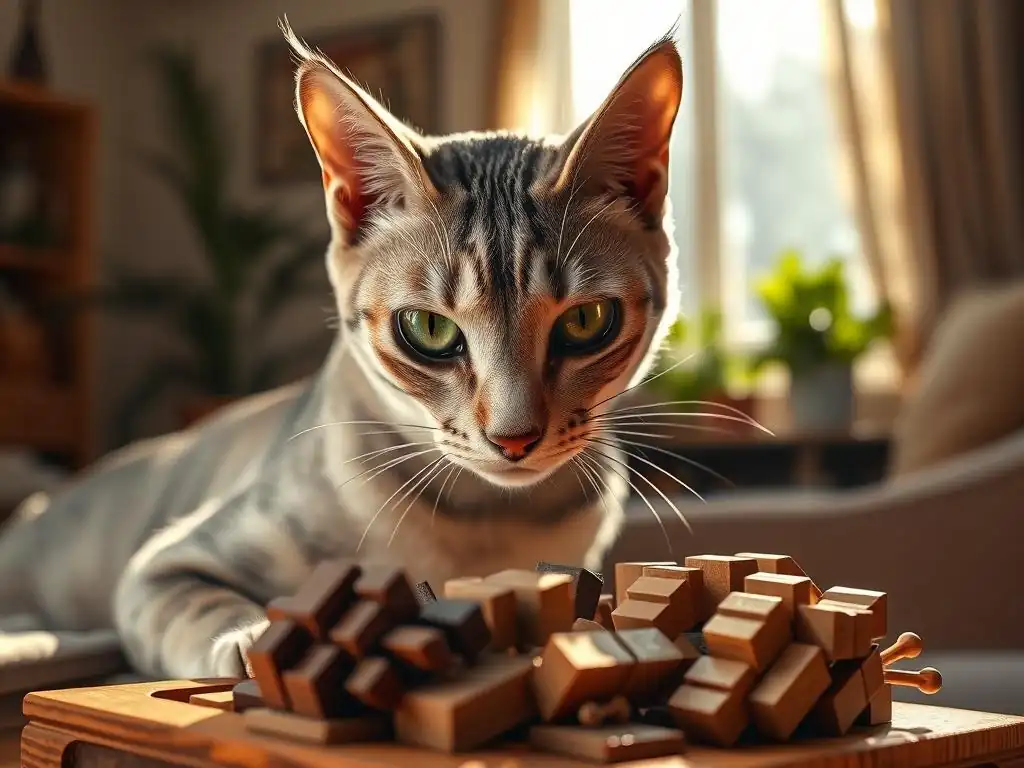
Welcome to PetCareWorld, your ultimate guide to a happier, healthier life for your beloved pets! Are you looking for ways to keep your feline companion mentally stimulated and engaged? Discover how enriching playtime can significantly Improve Cat Cognitive Function and unlock your cat's full potential. Dive into our expert guide on "Cat Play and Cognitive Function: Keeping Your Feline's Mind Sharp" and uncover the secrets to a sharper, more vibrant cat. Let's embark on this journey together to ensure your furry friend thrives!
- Understanding Your Cat's Cognitive Needs
- Enhancing Cognitive Function Through Play: Interactive Games
- Types of Play to Improve Cat Cognitive Function
- Creating a Stimulating Environment for Cognitive Health
- The Role of Social Interaction in Cognitive Stimulation
- Monitoring Your Cat's Cognitive Health
- Frequently Asked Questions
- Final Reflection: Unlocking Your Cat's Brilliant Mind
- Unleash Your Cat's Inner Genius: Playtime Power-Up!
Understanding Your Cat's Cognitive Needs
Cats, despite their often independent nature, possess complex cognitive abilities and require mental stimulation to thrive. Just like humans, felines need activities that challenge their minds, preventing boredom and promoting overall well-being.
This article delves into the crucial role of play in maintaining and improving your cat's cognitive function, focusing on how interactive play can combat age-related cognitive decline and keep your feline companion mentally sharp throughout their life. We'll explore the signs of cognitive decline, discuss age-related changes, and offer practical strategies to enhance your cat's mental agility, ultimately improving their quality of life and strengthening your bond.
Ignoring your cat's cognitive needs can lead to behavioral problems and a decline in their overall happiness, so understanding how to stimulate their minds is a vital aspect of responsible pet ownership. This guide will equip you with the knowledge and tools to provide enriching experiences that benefit your cat's cognitive health and contribute to a happier, healthier life for your beloved companion.
The Importance of Mental Stimulation for Cats
Mental stimulation is paramount for a cat's overall health and happiness. A bored cat is often a destructive cat, prone to exhibiting undesirable behaviors like excessive scratching, inappropriate urination, or vocalization. Providing mental enrichment helps prevent these problems by engaging their natural instincts and keeping them actively involved. The benefits extend beyond behavioral improvements; mental stimulation can also:
- Reduce stress and anxiety: Engaging activities provide an outlet for pent-up energy and reduce feelings of boredom and frustration.
- Improve problem-solving skills: Puzzles and interactive toys challenge your cat's intellect, sharpening their cognitive skills.
- Enhance learning and memory: New and challenging play sessions stimulate the brain, improving memory retention and learning capabilities.
- Strengthen the human-animal bond: Interactive play sessions create opportunities for bonding and positive interaction, strengthening your relationship with your cat.
Failing to provide adequate mental stimulation can lead to a decline in cognitive function, manifesting in symptoms similar to those seen in age-related cognitive decline. Therefore, incorporating regular mental enrichment into your cat's daily routine is crucial for maintaining their overall well-being. 😻
Signs of Cognitive Decline in Cats
Recognizing the signs of cognitive decline in cats is crucial for early intervention and providing appropriate support. While aging is a natural process, a sudden or significant change in behavior might indicate a decline in cognitive function. These changes can be subtle at first, but observing your cat's routine carefully can help you identify potential problems. Some common signs include:
- Disorientation: Your cat may seem lost or confused in familiar environments, even their own home. They may bump into objects or appear unsure of their surroundings.
- Changes in sleep patterns: Increased daytime sleeping or nighttime restlessness can be indicators of cognitive dysfunction.
- Changes in elimination habits: Inappropriate urination or defecation outside the litter box can be a sign of cognitive decline, often overlooked.
- Decreased interaction: A previously affectionate cat may become less interactive, withdrawing from social interaction with you or other pets.
- Changes in appetite: Loss of appetite or increased appetite can be observed in cats experiencing cognitive decline.
- Vocalization changes: Increased meowing or vocalization, especially at night, can be a symptom.
If you notice several of these signs, it's important to consult your veterinarian. Early diagnosis can help manage the symptoms and improve your cat's quality of life.
Age-related cognitive decline (also known as feline cognitive dysfunction syndrome or FCDS) is a common condition in older cats, similar to Alzheimer's disease in humans. The symptoms often gradually worsen over time and can significantly impact a cat's quality of life. While aging is inevitable, understanding the symptoms of FCDS can help you provide appropriate care and support. Recognizing these symptoms early can make a difference in managing the condition:
- Increased sleepiness: Older cats naturally sleep more, but excessive daytime sleeping and reduced activity levels can indicate FCDS.
- Changes in personality: A once playful cat might become withdrawn, less affectionate, or more fearful.
- House soiling: Inappropriate urination or defecation is a common symptom, often due to disorientation or forgetfulness.
- Vocalization changes: Increased meowing, especially at night, or changes in vocal tone can be observed.
- Decreased grooming: A decline in grooming habits can lead to a matted coat and skin problems.
- Getting lost in familiar places: Cats with FCDS may seem confused or disoriented in their own homes.
Remember, these symptoms can also be indicative of other health issues. Therefore, a veterinary examination is essential to rule out other possible causes and develop an appropriate management plan. Providing a stimulating and supportive environment can significantly improve the quality of life for cats experiencing age-related cognitive decline.
Enhancing Cognitive Function Through Play: Interactive Games
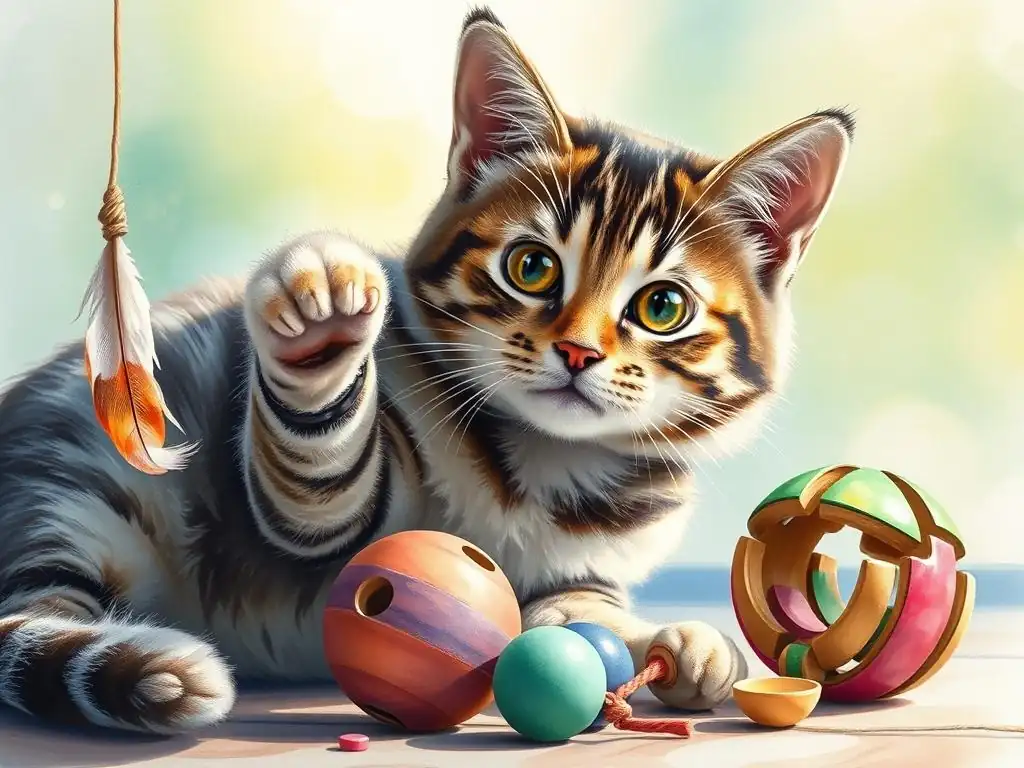
Enhancing your cat's cognitive function through play isn't just about providing entertainment; it's about stimulating their minds and preventing age-related cognitive decline. Regular engagement in interactive games can significantly improve mental acuity, keeping your feline friend sharp and alert well into their senior years. This section explores various methods to achieve this crucial aspect of feline well-being, focusing on interactive games designed to challenge and engage your cat's natural instincts. We'll delve into specific examples and strategies to maximize the cognitive benefits of playtime.
The key to success lies in understanding your cat's individual preferences and adapting your approach accordingly. Remember, the goal is to create a stimulating environment that keeps your cat mentally active and engaged. This is crucial for preventing boredom and improving overall quality of life, ultimately helping to improve cat cognitive function.
Puzzle Feeders for Cognitive Enrichment
Puzzle feeders are a fantastic way to improve cat cognitive function by transforming mealtimes into engaging mental exercises. These feeders require cats to work for their food, stimulating problem-solving skills and encouraging natural foraging behaviors. The act of manipulating the puzzle to access food provides mental stimulation, keeping your cat mentally active and engaged. Several types of puzzle feeders exist, catering to different skill levels and preferences. Some examples include:
- Treat Balls: These simple, rolling balls dispense treats as they're batted around, offering a moderate level of challenge. They are ideal for cats who are new to puzzle feeders.
- Sliding Puzzles: These puzzles require cats to manipulate slides or levers to release treats, providing a more complex challenge for experienced puzzle solvers.
- Maze Feeders: These feeders present a maze-like structure that the cat must navigate to reach the hidden treats, demanding higher problem-solving skills.
The benefits extend beyond just mental stimulation. Puzzle feeders can also help manage weight by slowing down eating speed, preventing overeating, and promoting healthier eating habits. Introducing puzzle feeders gradually is key to success. Start with simpler puzzles and gradually increase the difficulty as your cat masters each challenge. Observe your cat's behavior and adjust the puzzle accordingly to maintain their engagement and prevent frustration. Remember to always supervise your cat during playtime with puzzle feeders to ensure their safety. Regular use of puzzle feeders can significantly contribute to improving cat cognitive function.
Interactive Toys to Stimulate Problem-Solving Skills
Interactive toys go beyond simple chase-and-pounce games. These toys require your cat to actively participate in solving a puzzle or completing a task to receive a reward – often a treat or a favorite toy. This active engagement is key to stimulating problem-solving skills and maintaining mental sharpness. Examples of such toys include:
- Treat-Dispensing Toys: These toys hide treats within compartments that require manipulation to access. The complexity can vary, offering a range of challenges for cats of different skill levels.
- Remote-Controlled Toys: These toys allow for interactive play, even when you're not directly engaging with your cat. The unpredictable movement keeps them mentally alert and engaged.
- Puzzle Boxes: These more advanced toys require a series of actions to unlock a hidden treat, providing a significant cognitive challenge.
The design of these toys often incorporates elements of surprise and unpredictability, preventing boredom and maintaining a high level of engagement. This element of surprise is crucial for stimulating the cat's natural hunting instincts and keeping them mentally sharp. The consistent challenge presented by these toys promotes the development of problem-solving skills, which are vital for maintaining cognitive function throughout their lives. Regular use of these interactive toys is another excellent strategy for improving cat cognitive function.
Rotating Toys to Prevent Boredom and Maintain Interest
Preventing boredom is crucial for maintaining cognitive function in cats. A cat's environment should be stimulating and engaging, and rotating their toys is a simple yet effective way to achieve this. The novelty of new toys keeps them mentally alert and curious, preventing the monotony that can lead to cognitive decline. Here's how to effectively rotate your cat's toys:
- Regular Rotation Schedule: Establish a schedule for rotating toys, perhaps switching out a few toys every week or two. This prevents your cat from becoming too familiar with any single toy.
- Variety is Key: Offer a diverse range of toys, including those that cater to different play styles – chasing, pouncing, batting, and manipulating. This variety ensures continuous mental stimulation.
- Hidden Toys: Store some toys away for a period and then reintroduce them later. The reappearance of a "forgotten" toy can create excitement and renew interest.
This strategy of toy rotation not only prevents boredom but also helps to keep your cat engaged and stimulated. The introduction of new stimuli strengthens neural pathways, contributing directly to improved cognitive function. By constantly presenting new challenges and exciting experiences, you can actively work towards improving cat cognitive function. Regularly assessing your cat's interaction with their toys and adapting your approach based on their preferences is essential for maximizing the benefits of this strategy.
Types of Play to Improve Cat Cognitive Function
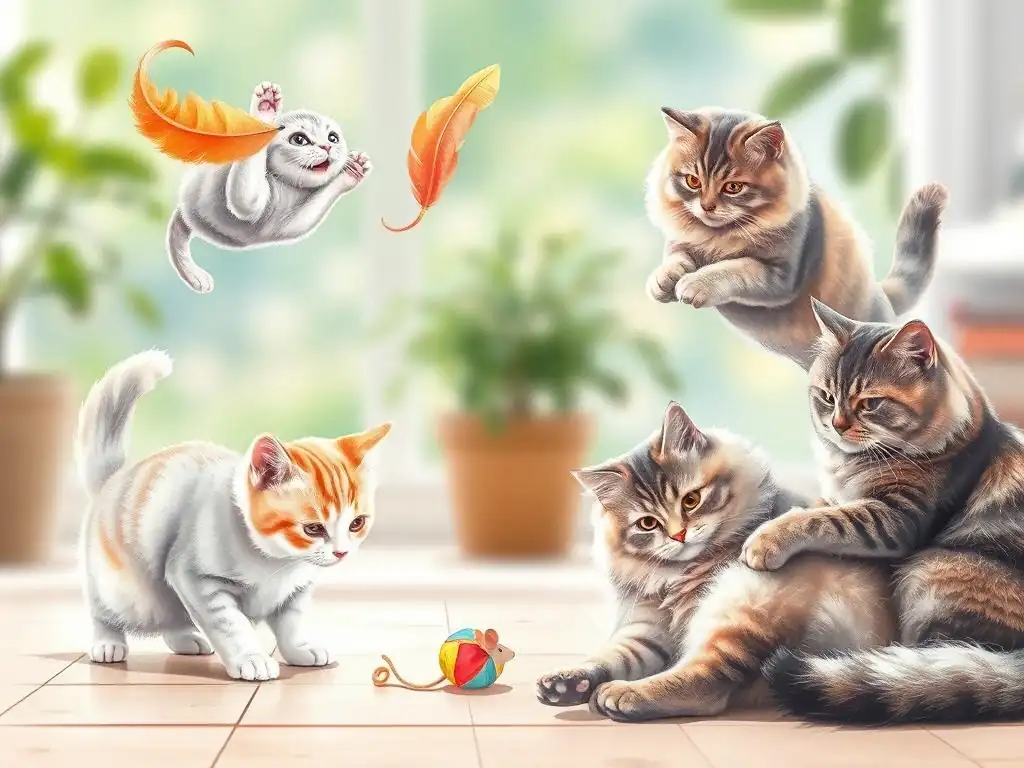
Cats, despite their reputation for independent behavior, require mental stimulation to maintain optimal cognitive function and overall well-being. Just like humans, felines benefit from engaging activities that challenge their minds and keep them alert. Failing to provide sufficient mental enrichment can lead to behavioral issues such as boredom, anxiety, and even cognitive decline in senior cats. Therefore, incorporating various types of play into your cat's daily routine is crucial to improve cat cognitive function. This section will delve into the different types of play that can significantly benefit your feline companion.
Solo Play: Engaging Toys for Independent Fun
Solo play is essential for providing your cat with opportunities for self-directed entertainment and problem-solving. This type of play allows your cat to explore its natural hunting instincts without relying on your constant interaction. The key is to choose toys that offer a degree of challenge and unpredictability.
Here are some examples of excellent solo play toys:
- Puzzle feeders: These toys dispense treats or kibble only when your cat manipulates them correctly, stimulating their problem-solving skills. The level of difficulty can be adjusted based on your cat's abilities. This is a fantastic way to improve cat cognitive function gradually.
- Interactive toy mice or balls: These toys, often with catnip inside, encourage chasing, pouncing, and batting, mimicking natural hunting behaviors. The unpredictability of their movement keeps your cat engaged and entertained for longer periods.
- Crinkle balls or tunnels: The crinkling sound and enclosed space of tunnels provide sensory stimulation and a sense of security, allowing for independent play and exploration.
It's important to rotate toys regularly to prevent boredom. Cats can quickly lose interest in toys they've become overly familiar with. A variety of textures, sounds, and scents will keep your cat mentally stimulated and engaged. Observe your cat's play style to understand their preferences and adjust your toy selection accordingly. Remember to always supervise your cat during playtime, especially with small toys that could pose a choking hazard.
Interactive Play: Boosting Engagement and Bonding
Interactive play goes beyond simply providing toys; it involves actively engaging with your cat through play sessions. This type of play strengthens the bond between you and your cat while providing crucial mental stimulation. Interactive play is vital for improving cat cognitive function and promoting a strong, healthy relationship.
Consider these interactive play ideas:
- Wand toys: These simulate the movement of prey, encouraging your cat to stalk, chase, and pounce. Vary the speed and direction of the toy to maintain your cat's interest and challenge their hunting skills.
- Laser pointers: While fun, use laser pointers sparingly and always ensure your cat has a "catch" at the end of the chase to avoid frustration. The constant chasing without reward can be detrimental to their mental health.
- Fetch: Some cats enjoy fetch! Use a toy that’s lightweight and easy for them to carry. Positive reinforcement with treats or praise will help build their enthusiasm.
The duration of interactive play sessions should be tailored to your cat's energy levels and age. Shorter, more frequent sessions are often more effective than one long session. Remember to end the session on a positive note, leaving your cat wanting more. This type of positive interaction significantly contributes to improving cat cognitive function and enhancing your bond. Observe your cat's body language; if they seem tired or disinterested, it's time to end the session.
Environmental Enrichment: Creating a Stimulating Space for Your Cat
Environmental enrichment plays a crucial role in stimulating a cat's mind and preventing boredom. By creating a stimulating environment, you provide your cat with opportunities for exploration, problem-solving, and self-amusement, all contributing to improving cat cognitive function.
Here are several ways to enrich your cat's environment:
- Climbing structures: Cat trees, shelves, and window perches provide vertical space for exploration and observation, mimicking their natural climbing behavior. This verticality is crucial for a cat's physical and mental well-being.
- Hiding places: Cardboard boxes, tunnels, and cat beds offer safe and secure spaces for your cat to retreat and rest. These spaces provide a sense of security and control, reducing stress and anxiety.
- Rotating toys and objects: Regularly changing the arrangement of toys and objects in your cat's environment keeps them engaged and prevents boredom. This simple act of rearranging can stimulate their curiosity and exploration instincts.
- Interactive food puzzles: Scatter kibble around the room, or hide treats in puzzle toys. This encourages foraging behavior and mental stimulation. This helps to improve cat cognitive function by mimicking the natural hunting process.
Remember, a stimulating environment is not just about adding things; it's about creating a space that caters to your cat's natural instincts and preferences. Observe your cat's behavior to understand what they enjoy and adjust their environment accordingly. A well-enriched environment greatly contributes to a happy, healthy, and mentally stimulated cat. Providing a stimulating environment is a vital part of holistic cat care and is an effective way to improve cat cognitive function.
Creating a Stimulating Environment for Cognitive Health
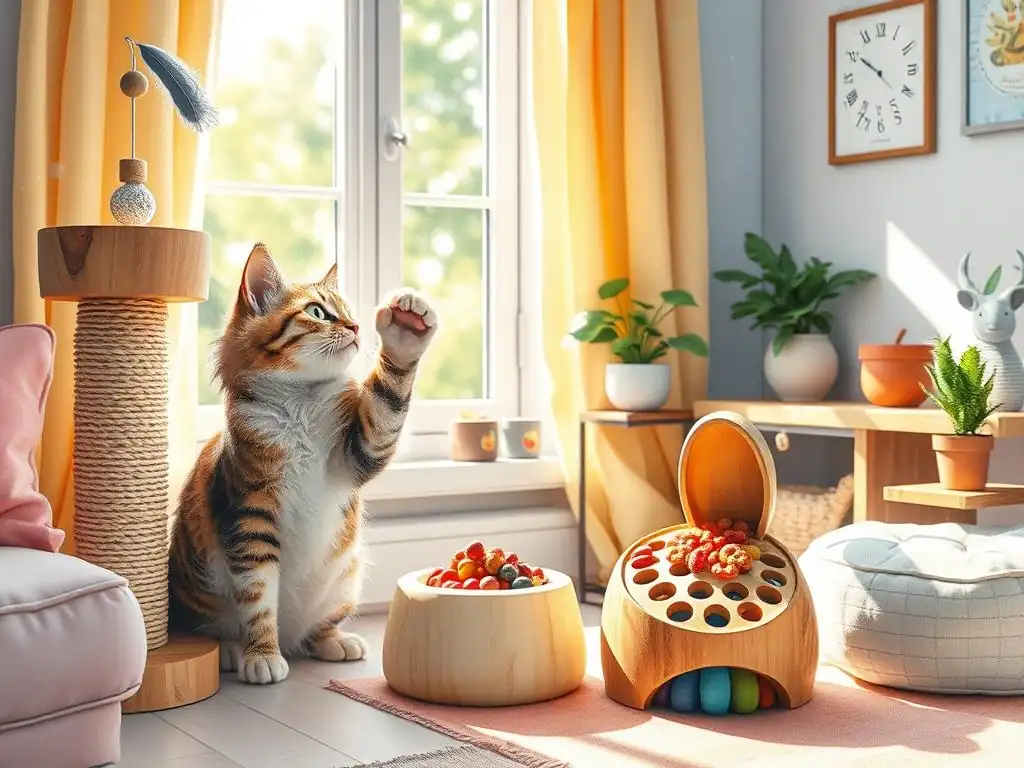
A stimulating environment is crucial for improving cat cognitive function. Just like humans, cats need mental stimulation to stay sharp and engaged. A lack of mental enrichment can lead to boredom, anxiety, and even cognitive decline in older cats.
By providing a variety of stimulating activities and environments, you can significantly improve your cat's cognitive health and overall well-being. This section focuses on designing a space that caters to your cat's natural instincts and encourages exploration, problem-solving, and play, ultimately contributing to improved cognitive function and a happier, healthier feline companion. We will explore several key elements that contribute to a stimulating and enriching environment.
Vertical Space and Climbing Opportunities
Cats are naturally arboreal creatures; they love to climb and survey their surroundings from elevated positions. Providing vertical space, such as cat trees, shelves, or window perches, gives your cat opportunities for exploration and observation. This verticality mimics their natural hunting behavior and provides a sense of security. The act of climbing itself is a form of physical exercise that contributes to overall health, indirectly benefiting cognitive function.
Consider the height and structure of your cat's climbing opportunities. Taller structures allow for better vantage points and more challenging climbs, stimulating both physical and mental activity. Multiple levels and interconnected platforms encourage exploration and problem-solving as your cat navigates the space.
For instance, a cat tree with multiple levels, scratching posts, and dangling toys will engage your cat far more than a simple flat surface. Data from studies on feline enrichment consistently show a correlation between environmental complexity and decreased signs of boredom and anxiety, thereby indirectly supporting cognitive function. A richer, more varied environment leads to a more stimulated and engaged cat.
Hiding Spots and Exploration Areas
Cats are naturally curious and enjoy exploring and investigating their surroundings. Providing hiding spots and exploration areas allows them to satisfy this innate instinct. This can include tunnels, boxes, or even simple spaces under furniture. These areas provide a sense of security and control, reducing stress and anxiety, which are detrimental to cognitive health. The act of exploring and discovering new things stimulates their minds and keeps them mentally engaged.
The design of these spaces is important. Tunnels should be of varying lengths and diameters to provide a challenge and encourage exploration. Boxes should be placed strategically to offer different viewpoints and opportunities for observation. Rotating the location of these items regularly keeps things fresh and prevents boredom.
A simple cardboard box, for example, can be a source of immense entertainment, providing a safe haven and a space for playful hiding and pouncing. This simple enrichment technique can significantly boost your cat's cognitive engagement, improving their overall mental well-being. Remember, even small changes in their environment can make a big difference in their cognitive stimulation.
Scent Enrichment: Utilizing Catnip and Other Aromas
Scent plays a crucial role in a cat's sensory experience and can be a powerful tool for cognitive stimulation. Catnip, in particular, is a well-known stimulant for many cats, triggering playful behavior and a sense of exhilaration. However, not all cats react to catnip, and other aromatic plants and herbs can also offer sensory enrichment.
Using catnip strategically can enhance play sessions and provide a rewarding sensory experience. Consider incorporating catnip into toys or placing small amounts in strategic locations within their play areas. This can provide a rewarding stimulus, encouraging exploration and interaction. Beyond catnip, exploring other safe, non-toxic herbs and plants can also provide a variety of scents to stimulate your cat’s olfactory senses.
This variety helps prevent habituation and keeps the sensory experience fresh and engaging. Remember to always supervise your cat when introducing new scents to ensure their safety and well-being. A diverse range of smells, introduced thoughtfully and safely, contributes to a more enriched environment, thus enhancing cognitive stimulation and improving overall cat cognitive function.

Social interaction plays a crucial role in improving cat cognitive function. Cats, despite their often independent nature, are social animals and benefit significantly from appropriate interaction, both with humans and, in many cases, other cats. A stimulating social environment helps prevent cognitive decline and promotes mental agility. This isn't just about playtime; it's about building bonds and fostering a sense of security and belonging, which are key components of feline well-being.
Studies have shown a correlation between enriched social environments and reduced instances of age-related cognitive dysfunction in cats. The consistent presence of a loving human companion, engaging in activities like gentle petting, brushing, or even just quiet companionship, can significantly contribute to a cat's cognitive health. This consistent positive interaction provides crucial mental stimulation and strengthens the human-animal bond.
Multi-Cat Households: Managing Interactions for Mental Well-being
Multi-cat households offer unique opportunities for cognitive enrichment. However, careful management is vital to ensure positive interactions and avoid stress or conflict, which can negatively impact cognitive function. Introducing cats gradually, providing ample resources (food bowls, water fountains, litter boxes, scratching posts), and creating separate spaces for each cat to retreat to are crucial steps.
Observe their body language carefully; signs of stress, such as flattened ears, tucked tail, or hissing, indicate a need for intervention. Providing vertical space, such as cat trees or shelves, allows cats to avoid unwanted interactions and maintain a sense of control over their environment. Puzzle feeders can also be strategically placed to encourage interaction without competition.
Rotating toys and creating different play areas can further stimulate their minds and prevent boredom, a major contributor to cognitive decline. Successfully managing a multi-cat household creates a stimulating and enriching environment that actively improves cat cognitive function. Consider consulting a veterinary behaviorist if you encounter persistent challenges in managing interactions.
Introducing New Toys and Challenges Gradually
Introducing new toys and challenges gradually is key to maximizing their cognitive benefits and preventing stress or avoidance. Sudden changes can overwhelm a cat, leading to anxiety and reduced engagement. Start with one new toy or puzzle at a time, allowing the cat to explore it at its own pace. Positive reinforcement, such as treats or praise, encourages engagement and creates positive associations with the new item.
Gradually increase the difficulty of puzzles or the complexity of the toys, ensuring the cat remains challenged but not frustrated. Observe your cat's reactions; if it shows signs of stress or disinterest, it's important to step back and reintroduce the item later, or perhaps choose a less challenging option. Variety is key, so rotate toys regularly to prevent boredom and maintain engagement. This gradual approach ensures that the introduction of new stimuli actively improves cat cognitive function without creating unnecessary anxiety.
The Benefits of Regular Play Sessions
Regular play sessions are essential for improving cat cognitive function. Playtime stimulates both physical and mental activity, engaging the cat's senses and problem-solving skills. Interactive play, such as using wands or laser pointers (used responsibly, never aiming at the eyes! ), encourages hunting instincts and provides excellent exercise.
Puzzle feeders, which require the cat to work for its food, stimulate problem-solving abilities and provide mental stimulation. These activities are far more beneficial than simply leaving a cat with a pile of toys; active engagement is crucial. The frequency and duration of play sessions should be adjusted to suit the cat's age, energy levels, and preferences. Kittens require more frequent, shorter sessions, while older cats may benefit from longer, less intense interactions.
Regular playtime not only improves cognitive function but also strengthens the bond between cat and owner, providing valuable social interaction that further enhances mental well-being. Remember to always end play sessions on a positive note, leaving the cat feeling satisfied and engaged. This ensures that play remains a positive and enriching experience, actively contributing to improved cat cognitive function.
Monitoring Your Cat's Cognitive Health
Maintaining your cat's cognitive well-being is crucial for their overall health and happiness. Just like humans, cats experience age-related cognitive decline, often manifesting as changes in their behavior and interaction with their environment. Proactive monitoring allows for early intervention and can significantly improve their quality of life as they age. Regular observation and awareness of subtle shifts in your feline companion's routine are key to recognizing potential cognitive issues. This section outlines how to monitor your cat's cognitive health effectively and identify potential problems early on. Early detection is key to improve cat cognitive function and maintain their well-being.
Observing Play Behavior and Engagement Levels
A significant indicator of cognitive health in cats is their level of engagement in play. Young, healthy cats are typically playful and curious, actively seeking out interactive activities. As cats age, a decrease in playfulness can be a subtle yet important sign of cognitive decline. Monitor your cat's play sessions, noting changes in their enthusiasm and participation.
Consider these observations:
- Frequency: How often does your cat initiate play? A noticeable decrease in the frequency of play sessions, especially compared to their younger years, could be a cause for concern.
- Intensity: How vigorously does your cat engage in play? A reduction in the intensity of play, with shorter sessions and less energetic movements, may suggest cognitive changes.
- Type of Play: Do they still enjoy their favorite toys? A shift in toy preferences or a complete loss of interest in previously beloved toys might indicate cognitive decline. A healthy cat will display a variety of play styles, from stalking to pouncing.
- Response to Stimuli: How readily does your cat respond to interactive play? A delayed or diminished response to your attempts to engage them in play could indicate cognitive impairment.
For example, a cat who used to enthusiastically chase feather wands for 20 minutes might now only show interest for a few minutes before losing interest entirely. This reduced engagement could be an early sign of cognitive decline. Keeping a detailed record of these changes over time can provide valuable information for your veterinarian.
Identifying Signs of Cognitive Dysfunction
Beyond changes in play behavior, several other signs can suggest cognitive dysfunction in cats. These signs can be subtle and easily overlooked, so it's crucial to pay close attention to your cat's overall behavior and routine. Some common indicators include:
- Disorientation: Does your cat seem confused or lost in familiar environments? Do they get stuck in corners or seem unable to navigate their home as easily as before?
- Changes in Sleep-Wake Cycle: Is your cat sleeping more than usual during the day or exhibiting unusual nocturnal activity? Significant changes in their sleep patterns can be a sign of cognitive decline.
- Changes in Appetite and Thirst: Has your cat's appetite or thirst changed significantly? Sudden increases or decreases in food or water intake should be investigated.
- House Soiling Accidents: Is your cat having more accidents in the house, despite previously being reliably litter-trained? This can be a sign of cognitive decline, particularly if there's no underlying medical reason.
- Vocalization Changes: Has your cat become more vocal than usual, perhaps meowing excessively or at unusual times? This can sometimes indicate confusion or disorientation.
- Changes in Social Interaction: Has your cat become less interactive or withdrawn? A decrease in affectionate behavior or a change in their response to your interaction could indicate cognitive impairment.
Remember, these are just some potential indicators; a combination of several of these signs is often more suggestive of cognitive dysfunction than a single instance. It's important to consider your cat's individual personality and baseline behavior when evaluating these changes.
When to Consult a Veterinarian Regarding Cognitive Issues
If you notice any of the above signs, it's crucial to consult your veterinarian. While some changes in behavior are normal with age, significant alterations warrant professional evaluation. Your veterinarian can conduct a thorough examination to rule out any underlying medical conditions that might be contributing to the changes in your cat's behavior.
Early diagnosis of cognitive dysfunction is vital, as it allows for the implementation of strategies to manage the condition and improve your cat's quality of life. Treatment options may include dietary changes, environmental enrichment, and in some cases, medication. Don't hesitate to seek professional help if you are concerned about your cat's cognitive health; early intervention can make a significant difference in their well-being.
Regular veterinary check-ups, especially for senior cats, are crucial for maintaining their health and addressing any cognitive concerns promptly. This proactive approach is key to improve cat cognitive function and ensure a happy, healthy life for your feline companion. 😻
Frequently Asked Questions
How does play improve my cat's cognitive function?
Playing with your cat stimulates their brain, enhancing mental alertness and reducing boredom. Engaging in interactive play exercises problem-solving skills and keeps their minds sharp.
What types of play are best for improving cognitive function?
Puzzle feeders challenge their problem-solving abilities, while interactive toys that require chasing or pouncing offer physical and mental stimulation. Varying the types of play keeps things interesting.
My cat is older; is it still beneficial to focus on cognitive stimulation?
Absolutely! Senior cats benefit greatly from cognitive enrichment. It can help delay age-related cognitive decline and improve their overall quality of life. Adapt play to their physical abilities.
How much playtime is sufficient for cognitive benefits?
Aim for at least two interactive play sessions per day, each lasting 10-15 minutes. Short, frequent sessions are often more effective than one long session. Observe your cat’s cues for when they’re tired.
What if my cat seems disinterested in playing?
Try different toys and play styles. Start with short, engaging sessions to re-introduce the fun. Consult your veterinarian to rule out any underlying medical conditions that could be affecting your cat's behavior.
Final Reflection: Unlocking Your Cat's Brilliant Mind
Enriching your cat's playtime isn't just about entertainment; it's a vital cornerstone of maintaining their cognitive health and overall well-being. The simple act of engaging your feline companion in stimulating play can significantly impact their quality of life, combating age-related cognitive decline and fostering a stronger bond between you and your beloved pet.
The profound impact of play on a cat's cognitive development and longevity is often underestimated. We've explored how interactive play, puzzle feeders, and environmental enrichment can actively challenge their minds, preventing boredom and stimulating crucial neural pathways. A cat's mind is a fascinating landscape, full of curiosity and intelligence. By providing opportunities for exploration and engagement, we unlock their full potential.
This quote encapsulates the essence of our exploration—that enriching a cat's life through play is not merely a pastime, but a crucial act of care and respect for their inherent intelligence.
Now, consider your own cat. What kind of play currently enriches their lives? Are there new puzzles or interactive toys you could introduce to further challenge their minds? Take a moment to reflect on the ways you can enhance your cat's cognitive health, and remember that every playful interaction is an investment in their happiness and longevity. Let's work together to ensure our feline companions live long, fulfilling lives, filled with joy and mental stimulation.
Unleash Your Cat's Inner Genius: Playtime Power-Up!
Thanks for exploring feline cognitive health with us! You've learned how important playtime is for keeping your cat mentally stimulated and happy. Now let's put that knowledge into practice.
- Create a new enriching activity this week: Instead of the usual toy, try a puzzle feeder, a cardboard box maze, or a simple game of hide-and-seek with treats. This is a crucial step in boosting your cat's cognitive abilities.
- Share your cat's favorite playtime moments: Let's build a community of dedicated cat owners! Post a photo or video on social media – we'd love to see your furry friend enjoying some mental exercise.
- Establish a daily playtime routine. Even 15 minutes a day can make a big difference!
What exciting new game will you and your cat discover?