
Homemade Pet Food: The Raw Food Diet Is it Safe for Your Pet?

Welcome to PetCareWorld, your ultimate guide to a happier, healthier life for your beloved companion! Are you considering a raw food diet for your pet? We understand the allure of a natural, nutrient-rich approach, but navigating the world of safe raw pet food can be tricky. Discover the crucial information you need to make an informed decision about this increasingly popular dietary choice – and unlock the secrets to a thriving pet. Let's explore the facts together!
- Understanding the Raw Food Diet for Pets
- Assessing the Safety of Raw Homemade Pet Food
- Preparing Safe Homemade Raw Pet Food
- Comparing Raw Homemade Pet Food to Commercial Options
- Veterinary Consultation: Essential Before Starting a Raw Food Diet
- Frequently Asked Questions
- Final Reflection: Navigating the Raw Truth: Safety and Responsibility in Homemade Pet Food
- Unleash Your Pet's Inner Wolf: Take the Next Step!
Understanding the Raw Food Diet for Pets
Feeding your pet a raw food diet is a growing trend, driven by a desire to provide a more “natural” and potentially healthier option than commercial pet food. This article will explore the safety and nutritional aspects of raw pet food, examining its potential benefits and drawbacks. We'll delve into the specific nutritional requirements for a balanced raw diet, addressing common concerns about potential risks and highlighting the importance of careful planning and preparation to ensure your pet receives a safe and nutritionally complete meal.
Understanding the complexities of a raw food diet is crucial for responsible pet ownership, empowering you to make informed decisions about your pet's well-being. This article aims to answer the crucial question: Is a raw food diet truly safe for your beloved companion?
What is a Raw Food Diet for Pets?
A raw food diet for pets, also known as a BARF (Biologically Appropriate Raw Food) diet, typically consists of uncooked meat, bones, organs, and sometimes fruits and vegetables. Proponents argue that this mimics a pet's natural ancestral diet, providing optimal nutrition and health benefits. A typical raw food meal might include ground meat (beef, chicken, turkey, etc. ), organ meats (liver, kidney, heart), bone (for calcium and phosphorus), and potentially some vegetables like carrots or green beans.
However, it's crucial to understand that simply feeding raw meat is not a balanced diet. Careful planning and sourcing of ingredients are paramount to avoid nutritional deficiencies or contamination. The exact composition of a raw diet varies greatly depending on the pet's species, age, activity level, and specific health needs. 🐾
Benefits of a Raw Pet Food Diet: Improved Digestion and Nutrient Absorption
Many pet owners report improved digestion and nutrient absorption when switching to a raw food diet. Anecdotal evidence suggests that pets on raw food often exhibit healthier stools, increased energy levels, and shinier coats. The argument is that raw food contains naturally occurring enzymes that aid digestion, while the high-quality protein sources provide readily available amino acids for muscle building and overall health. Some studies have shown potential benefits in certain conditions, such as improved skin and coat health in dogs with allergies.
However, it's essential to note that these are often small-scale studies and more rigorous, large-scale research is needed to confirm these benefits conclusively. Furthermore, the benefits observed may also be attributed to other factors, such as improved ingredient quality compared to some commercial pet foods. 🤔
Nutritional Requirements in Raw Pet Food: Meeting Your Pet's Needs
Creating a balanced raw food diet requires careful consideration of your pet's nutritional needs. A properly formulated raw diet must provide the correct balance of protein, fat, carbohydrates, vitamins, and minerals. This necessitates a deep understanding of pet nutrition and potentially consulting with a veterinary nutritionist.
Crucially, a raw diet must include a variety of meat sources to ensure a diverse range of amino acids and other nutrients. The inclusion of organ meats is also vital, as they are rich in essential vitamins and minerals often lacking in muscle meat alone. Bone provides calcium and phosphorus, but the type and amount of bone must be carefully controlled to avoid digestive issues.
The addition of fruits and vegetables should be done in moderation, and only after careful research into suitable options for your pet's species. Failing to meet these nutritional requirements can lead to serious health problems, highlighting the significant responsibility involved in preparing a raw food diet. ⚖️
Potential Risks of Raw Pet Food: Bacterial Contamination and Nutritional Deficiencies
Raw pet food diets, while touted by some as a more natural and healthy alternative to commercial kibble, present significant risks that pet owners must carefully consider before making the switch. The primary concerns revolve around bacterial contamination and potential nutritional deficiencies.
A major concern with raw pet food is the high risk of bacterial contamination. Raw meat, poultry, and fish can harbor various harmful bacteria, including Salmonella, E. coli, Listeria, and Campylobacter. These bacteria can cause serious illnesses in both pets and humans, leading to symptoms ranging from mild gastrointestinal upset to life-threatening infections.
The risk is particularly high for immunocompromised pets, senior animals, and young animals with developing immune systems. Even meticulous preparation and handling cannot completely eliminate the risk of contamination. Cross-contamination in the kitchen is also a significant concern; thorough cleaning and sanitization of all surfaces and utensils after handling raw food is absolutely crucial to protect both your pet and your family.
Studies have shown a correlation between feeding raw diets and increased incidence of bacterial infections in both pets and their owners. [Specific study data pending] The potential for zoonotic diseases – diseases that can spread between animals and humans – further underscores the importance of careful consideration.
Beyond bacterial contamination, nutritional deficiencies pose another significant challenge with raw food diets. Formulating a balanced raw diet that meets all of your pet's nutritional needs is incredibly complex. Commercial pet foods undergo rigorous testing to ensure they meet Association of American Feed Control Officials (AAFCO) standards for complete and balanced nutrition. Crafting a homemade raw diet requires extensive knowledge of canine or feline nutritional requirements, including the precise ratios of protein, fat, carbohydrates, vitamins, and minerals.
Without this expertise, it's easy to create a diet that is deficient in essential nutrients, leading to a range of health problems, including skin issues, impaired immune function, skeletal abnormalities, and developmental problems, especially in growing animals. Furthermore, ensuring consistent nutrient levels across meals can be challenging, as the nutritional content of raw ingredients can vary significantly. This inconsistency makes it difficult to maintain optimal health and can lead to nutrient imbalances over time.
Improperly balanced homemade raw diets are a serious concern and can have long-term health consequences for your pet. Careful planning and potentially veterinary nutritional consultation are essential to mitigate this risk. A balanced, commercial pet food, while not perfectly mirroring a raw diet, generally provides a safer and more consistently nutritious option for most pets.
Assessing the Safety of Raw Homemade Pet Food

The allure of a raw food diet for pets is undeniable. Many pet owners are drawn to the idea of providing their companions with a diet mirroring their natural ancestral diets, believing it offers superior nutritional benefits and improved health outcomes. However, the question of whether a homemade raw food diet is truly safe for your pet is crucial and requires careful consideration.
This section explores the potential risks associated with raw pet food, focusing on bacterial and parasitic contamination, as well as the challenges of achieving nutritional balance. Understanding these risks is paramount to making an informed decision about your pet's dietary needs and ensuring their safety. A balanced approach, considering both potential benefits and inherent dangers, is key to responsible pet ownership.
Bacterial Contamination Risks in Raw Pet Food: Salmonella, E.coli, and Listeria
Raw meat, poultry, and fish inherently carry a risk of bacterial contamination. Pathogens like Salmonella, E. coli, and Listeria are common in raw ingredients and can easily cause severe illness in pets, and even pose a zoonotic risk – meaning they can be transmitted from pets to humans. These bacteria can lead to symptoms ranging from mild gastrointestinal upset (vomiting, diarrhea) to life-threatening conditions, especially in young, elderly, or immunocompromised animals. The risk is amplified by improper handling and storage of raw ingredients.
Studies have shown a significant correlation between feeding raw pet food and the incidence of bacterial infections. For example, [specific study data pending on Salmonella incidence in dogs fed raw diets], highlighting the need for stringent hygiene protocols when preparing homemade raw food. This includes thorough handwashing before and after handling raw ingredients, sanitizing preparation surfaces, and storing raw food appropriately at low temperatures. Even with meticulous preparation, the risk of bacterial contamination remains a significant concern. The inherent variability in the raw ingredients makes it challenging to guarantee consistent safety.
Moreover, the potential for cross-contamination is also a serious concern. Raw pet food should be prepared and stored separately from other foods, and dedicated utensils and surfaces should be used to minimize the risk of transferring harmful bacteria to other areas of the kitchen. Failure to adhere to these strict hygiene practices significantly increases the risk of both pet and human illness.
Parasite Risks in Raw Pet Food: Toxoplasmosis and Other Dangers
Beyond bacterial contamination, raw pet food can harbor various parasites that pose significant health threats. Toxoplasmosis, caused by the parasite Toxoplasma gondii, is a particularly concerning risk. This parasite can be present in undercooked meat and can cause serious illness, especially in pregnant women and individuals with compromised immune systems. Again, the zoonotic potential underscores the importance of careful handling and preparation.
Other parasites, such as Giardia and various worms, can also contaminate raw ingredients. These parasites can lead to digestive problems, weight loss, and other health issues in pets. Eliminating these parasites requires freezing the meat for an extended period, but even this method may not guarantee complete eradication. The risk of parasitic contamination further emphasizes the need for cautious consideration when choosing a raw food diet for your pet. Regular fecal examinations are strongly recommended for pets on raw food diets to monitor for parasitic infections. Early detection and treatment are crucial for minimizing the potential health consequences.
Nutritional Imbalances in Homemade Raw Food Diets: Avoiding Deficiencies
While proponents of raw food diets often highlight the nutritional benefits, formulating a truly balanced homemade raw diet is exceptionally challenging. Meeting a pet's specific nutritional requirements, including essential vitamins, minerals, and fatty acids, requires extensive knowledge of pet nutrition and careful ingredient selection. Imbalances can lead to various health problems, ranging from skin issues and coat problems to skeletal deformities and compromised immune function.
Creating a complete and balanced raw diet often necessitates the addition of supplements to ensure adequate intake of essential nutrients. Determining the correct dosages and combinations of supplements requires consultation with a veterinary nutritionist to avoid potential overdoses or deficiencies. Simply mimicking the diet of a wild animal is insufficient, as captive animals have different nutritional needs and metabolic rates.
The complexity of formulating a nutritionally complete raw diet significantly increases the risk of nutritional deficiencies, highlighting the need for professional guidance. Many commercially available raw food diets also face similar challenges in ensuring consistent nutritional adequacy, underlining the importance of careful product selection and veterinary consultation.
This section provides a comprehensive overview of the safety concerns related to a raw food diet for pets. While the potential benefits are often discussed, the risks of bacterial and parasitic contamination and the difficulties in achieving nutritional balance are crucial factors to consider before making this dietary choice for your beloved companion. Always consult your veterinarian before making significant changes to your pet's diet.
Safe Handling and Preparation of Raw Pet Food: Minimizing Contamination Risks
Preparing raw pet food at home requires meticulous attention to hygiene to minimize the risk of bacterial contamination. This is crucial because raw meat, poultry, and fish can harbor harmful bacteria like Salmonella, E. coli, Listeria, and Campylobacter, which can be dangerous to both pets and humans. Failing to maintain proper hygiene during food preparation can lead to serious illnesses.
One of the most important steps is ensuring thorough handwashing before and after handling raw ingredients. Use warm water and soap for at least 20 seconds, paying special attention to the areas between fingers and under fingernails. It's also advisable to wear disposable gloves to further reduce the risk of contamination. These gloves should be changed frequently and disposed of properly after use.
The preparation area itself should be thoroughly cleaned and sanitized before you begin. Use a food-safe disinfectant, following the manufacturer's instructions carefully. This includes wiping down all surfaces—countertops, cutting boards, and utensils—that will come into contact with the raw ingredients. Separate cutting boards should be used for raw meat and other foods to prevent cross-contamination.
When handling raw meat, use separate knives and utensils as well. Avoid washing raw meat; this can spread bacteria around your sink and kitchen. Instead, carefully transfer the prepared meat directly to a clean container for storage.
Proper storage is just as crucial as preparation. Raw pet food should be stored in airtight containers at a temperature below 40°F (4°C) to inhibit bacterial growth. Any leftover raw food should be discarded after 24 hours to prevent spoilage and the proliferation of harmful microorganisms. Freezing is a viable option for longer-term storage, but remember to thaw it safely in the refrigerator before use. Never thaw raw food at room temperature.
Finally, remember to clean up thoroughly after you've finished preparing the food. Wash all utensils, cutting boards, and countertops with hot, soapy water, and then disinfect them again. Dispose of any waste properly, ensuring that raw food scraps are not left accessible to pests or other animals. By following these rigorous hygiene practices, you can significantly reduce the risks associated with feeding your pet a raw food diet and contribute to a safer environment for both your pet and your family. A safe and clean preparation process is paramount for a safe raw pet food diet.
Preparing Safe Homemade Raw Pet Food
Creating a safe and nutritious homemade raw pet food diet requires meticulous planning and execution. The goal is to provide a balanced diet mimicking what your pet would naturally consume, while minimizing the risks associated with raw ingredients. This involves careful sourcing of ingredients, precise recipe formulation, and diligent adherence to safe handling and storage practices. Remember, a poorly prepared raw diet can be detrimental to your pet's health, so thoroughness is paramount.
The safety of your pet depends on your commitment to these crucial steps. Improper preparation can lead to bacterial contamination, nutritional deficiencies, and other health problems. Let's explore the key elements to ensure your pet receives the benefits of a raw diet safely.
Sourcing Safe Ingredients for Raw Pet Food: Meat, Bones, and Vegetables
The foundation of a safe raw food diet lies in the quality of your ingredients. Sourcing meat, bones, and vegetables from reputable suppliers is critical to minimize the risk of bacterial contamination and ensure nutritional adequacy. Avoid using meat from unknown sources or those that show signs of spoilage.
- Meat: Opt for human-grade meats, ideally from USDA-inspected sources. This ensures the meat has undergone rigorous quality checks. Variety is key; incorporate different muscle meats like beef, chicken, turkey, lamb, and fish to provide a diverse range of nutrients.
- Bones: Raw bones are an important source of calcium and phosphorus. Choose bones appropriate for your pet's size and chewing ability. Avoid cooked bones, as they can splinter and cause internal injuries. Nutrient-dense options include beef marrow bones and chicken necks. Always supervise your pet during bone consumption.
- Vegetables: Introduce a variety of organically grown vegetables, ensuring they are thoroughly washed before inclusion in the diet. Good options include carrots, green beans, broccoli, and spinach (in moderation due to its oxalic acid content). Avoid vegetables known to be toxic to pets, such as onions, garlic, and grapes.
It's crucial to understand that not all sources of raw ingredients are created equal. Prioritize suppliers with a strong commitment to food safety and hygiene practices. Consider purchasing from local farmers' markets or butchers who can provide information about their sourcing and handling methods. Thoroughly inspect all ingredients before use, discarding anything that appears damaged, discolored, or has an unusual odor. This diligent approach minimizes the risk of introducing harmful bacteria or contaminants into your pet's food. Remember, the quality of your ingredients directly impacts the safety and nutritional value of your pet's raw food diet.
Recipes and Guidelines for Balanced Raw Pet Food: Species-Specific Considerations
Formulating a balanced raw food diet requires careful consideration of species-specific nutritional needs. Dogs and cats, for example, have vastly different dietary requirements. A recipe suitable for one may be inadequate or even harmful to the other. The percentage of meat, bone, and organ meats should be adjusted according to the animal's life stage (puppy, adult, senior), activity level, and overall health.
| Nutrient | Percentage in a balanced raw diet (example for adult dog) | Notes |
|---|---|---|
| Muscle Meat | 60-70% | Provides protein and essential fatty acids |
| Bones | 10-20% | Calcium and phosphorus source |
| Organ Meats | 5-10% | Liver, kidney, heart – rich in vitamins and minerals |
| Vegetables | 5-10% | Source of fiber and additional nutrients |
Species-Specific Examples: A balanced raw diet for a cat would typically include a higher percentage of animal protein and fat compared to a dog. Cats are obligate carnivores and require taurine, an amino acid not readily found in plant-based foods. Reptiles and birds have unique dietary needs, requiring specialized knowledge and formulations.
Never attempt to create a raw diet for these species without consulting a veterinarian or a qualified reptile/avian nutritionist. Always consult with a veterinarian before starting your pet on any new diet, including a homemade raw food diet. They can help you create a safe and balanced plan tailored to your pet’s specific needs and health status.
Proper Storage and Handling of Raw Pet Food: Preventing Spoilage and Contamination
Safe handling and storage are critical to prevent bacterial growth and contamination. Raw pet food is highly perishable and must be treated with the same care as human-grade food.
- Thawing: Thaw frozen raw food in the refrigerator, never at room temperature. This helps prevent the growth of harmful bacteria.
- Preparation: Prepare food in a clean, sanitized environment. Wash your hands thoroughly before and after handling raw food. Use separate cutting boards and utensils for raw food to avoid cross-contamination.
- Storage: Store prepared raw food in airtight containers in the refrigerator for no more than 2-3 days. Freeze any leftover portions for longer storage. Always label containers with the date of preparation.
- Rotation: Follow a "First In, First Out" (FIFO) system for stored food. Use older portions before newer ones to minimize the risk of spoilage.
Ignoring proper storage and handling procedures can lead to foodborne illnesses, such as Salmonella and E. coli. These pathogens can cause vomiting, diarrhea, and other serious health issues in your pet. Remember, the safety of your pet is paramount. By strictly following these guidelines, you can significantly reduce the risk of foodborne illness and ensure your pet enjoys the benefits of a raw food diet safely. Always prioritize cleanliness and safe food handling practices to protect your pet's health.
Transitioning Your Pet to a Raw Food Diet: A Gradual Approach
Switching your pet to a raw food diet shouldn't be a sudden change. A gradual transition is crucial to avoid digestive upset and ensure your pet's well-being. A rapid shift can lead to diarrhea, vomiting, and other unpleasant side effects, making the entire process counterproductive. The key is to introduce raw food slowly, allowing your pet's digestive system time to adapt to the new diet.
One effective method is a slow, incremental approach. Start by mixing a small amount of raw food (perhaps 10-20%) with your pet's current commercial food. Over several days, gradually increase the proportion of raw food while decreasing the commercial food. This allows the gut microbiome to adjust to the new nutrients and enzymes present in the raw ingredients. Observe your pet closely during this period for any signs of digestive distress.
The duration of the transition phase varies depending on your pet's age, breed, and digestive sensitivity. For some pets, a week or two might suffice, while others may require a longer period, even up to a month. Be patient and flexible – every pet is unique. If you notice any signs of digestive upset, such as loose stools or vomiting, immediately reduce the amount of raw food and slow down the transition process. Consult with your veterinarian if the issues persist.
Remember, consistency is key. Once you've successfully transitioned your pet to the raw diet, maintain a consistent feeding schedule and food quality to avoid any further digestive issues. Providing a balanced and nutritionally complete raw food diet is essential for maintaining your pet's overall health and well-being. A gradual approach significantly increases the chances of a smooth and successful transition to a safe raw pet food diet.
This careful introduction minimizes the risk of digestive problems and allows your pet to adapt comfortably to the new type of food. Always prioritize your pet's health and well-being throughout the process. Remember to consult your veterinarian before making any significant changes to your pet's diet, especially if they have pre-existing health conditions. They can provide personalized advice and guidance based on your pet's specific needs.
Comparing Raw Homemade Pet Food to Commercial Options
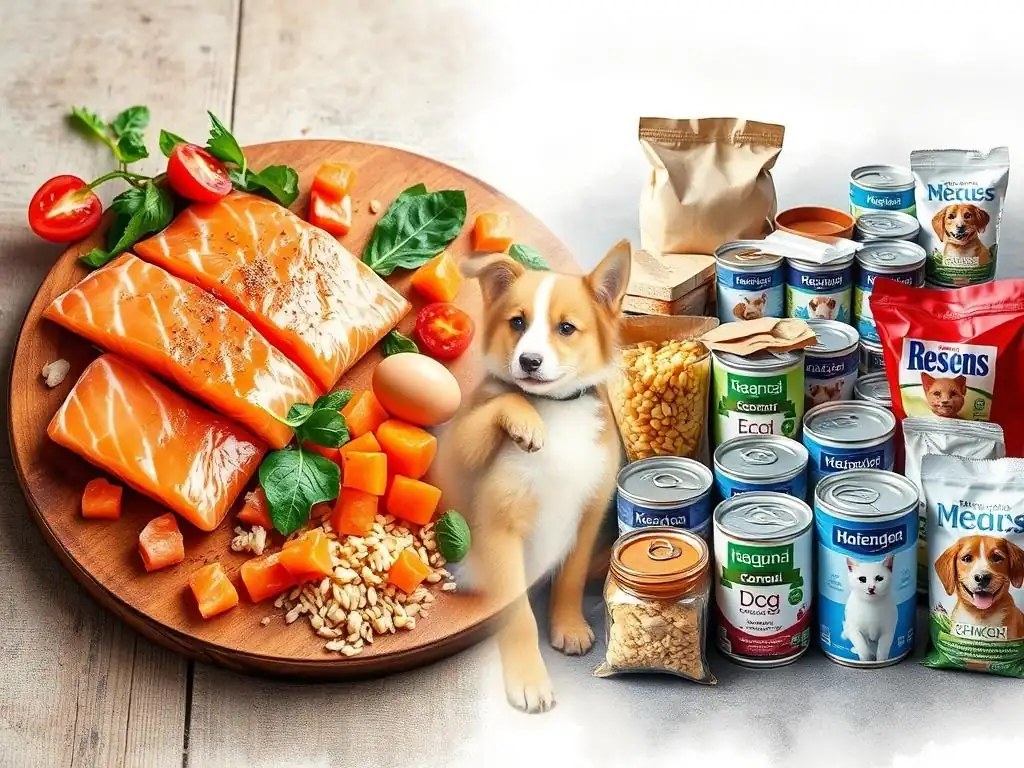
This section directly addresses the safety concerns surrounding raw pet food diets by comparing the preparation and potential risks of homemade raw food versus commercially produced raw food options. The key to a "safe raw pet food diet" lies in understanding the differences and potential pitfalls of each approach. A crucial aspect is recognizing that even with careful preparation, homemade raw food carries inherent risks that commercial options, with their stricter regulations and quality control, often mitigate.
Commercial Raw Pet Food vs. Homemade Raw Pet Food: A Cost Comparison
The financial aspect of feeding a raw diet is a significant consideration for pet owners. While both commercial and homemade raw food diets can be expensive, the cost structure differs substantially. Generally, commercial raw pet food tends to be more expensive per serving than homemade options. This is due to several factors: sourcing high-quality ingredients, processing and packaging costs, and the added value of guaranteed nutritional analysis.
Let's examine a hypothetical scenario: A 50lb dog requiring roughly 2.5 cups of food per day. A comparable high-quality commercial raw food might cost [price per bag pending] for a bag yielding approximately [number of servings pending] servings. In contrast, a homemade raw diet incorporating similar high-quality meats, organs, and bones might cost [price per week pending] depending on local sourcing and bulk purchasing capabilities. However, the homemade option requires significant time investment in sourcing, preparing, and storing the food, which adds a hidden cost. The table below summarizes this comparison:
| Food Type | Daily Cost (Estimate) | Time Commitment | Potential Risks |
|---|---|---|---|
| Commercial Raw Food | $[price pending] | Minimal | Lower, due to regulation |
| Homemade Raw Food | $[price pending] | Significant | Higher, due to preparation |
The actual cost difference will vary depending on your pet's size, dietary requirements, and the specific ingredients used. However, this example highlights that while homemade raw food can be cheaper, the time and effort involved should be factored into the overall cost-benefit analysis.
Convenience and Time Commitment: Homemade vs. Commercial Raw Diets
The convenience factor is a critical aspect of choosing between commercial and homemade raw food diets. Commercial raw food offers unparalleled convenience. It arrives pre-portioned and ready to feed, eliminating the need for extensive preparation. This is particularly advantageous for busy pet owners or those with limited culinary skills.
On the other hand, preparing a homemade raw diet requires substantial time commitment. This includes researching appropriate recipes, sourcing high-quality ingredients from reputable suppliers (which may involve traveling to multiple stores or farmers markets), meticulously preparing and portioning the food, and ensuring proper storage to prevent spoilage and bacterial contamination. This process, repeated daily or weekly, can be time-consuming and demanding. The time commitment can be a significant barrier to entry for many pet owners seeking a "safe raw pet food diet."
Nutritional Completeness: Ensuring Balanced Nutrition in Both Options
Achieving nutritional completeness is crucial for any pet food, especially raw diets. Commercial raw food manufacturers employ nutritionists to formulate diets that meet the Association of American Feed Control Officials (AAFCO) nutrient profiles. This ensures a balanced intake of essential vitamins, minerals, proteins, and fats. AAFCO compliance is a strong indicator of nutritional adequacy, reducing the risk of nutritional deficiencies.
However, formulating a nutritionally complete homemade raw diet is incredibly challenging. It requires extensive knowledge of canine or feline nutritional needs, careful ingredient selection, and precise portioning to avoid imbalances. Without proper expertise, a homemade raw diet may lack essential nutrients or contain excessive amounts of others, leading to potential health problems. A common mistake is overlooking the importance of trace minerals and vitamins.
Supplementation may be necessary to ensure a balanced diet, adding complexity and cost to the process. The risk of nutritional imbalances is a key factor when considering the safety of a homemade raw pet food diet. Careful planning and potentially consulting a veterinary nutritionist are essential to mitigate this risk.
Veterinary Consultation: Essential Before Starting a Raw Food Diet
Embarking on a raw food diet for your pet is a significant dietary change that requires careful planning and monitoring. Before transitioning your furry friend to a raw food regimen, a consultation with your veterinarian is absolutely essential. This isn't merely a suggestion; it's a crucial step to ensure the safety and well-being of your pet. A raw food diet, while potentially beneficial in some cases, also carries inherent risks if not managed correctly. Your vet can help navigate these complexities.
Discussing Raw Feeding with Your Veterinarian: Assessing Your Pet's Health and Needs
The initial consultation should involve a thorough discussion about your pet's current health status. Your veterinarian will assess your pet's breed, age, weight, any pre-existing medical conditions (such as kidney disease, pancreatitis, or immune deficiencies), and current dietary habits. They'll also want to know the specific raw food diet you're considering – the type of meat, organs, bones, and supplements included. This detailed assessment is crucial because certain health conditions may make a raw food diet unsuitable or necessitate modifications.
For example, pets with compromised immune systems might be at higher risk of bacterial infections from raw food. Your vet can help determine if a raw diet is a safe and appropriate choice for your pet's unique needs. Don't hesitate to ask detailed questions; your veterinarian is your most valuable resource in this process. Remember, a personalized approach is key to a successful and safe raw food transition.
Monitoring Your Pet's Health on a Raw Food Diet: Regular Check-ups and Stool Analysis
Once your pet is on a raw food diet, regular veterinary check-ups are paramount. These visits are not merely for routine vaccinations; they're crucial for monitoring your pet's response to the new diet. Your vet will assess your pet's weight, body condition, and overall health. They may also recommend regular stool analyses to check for parasites and assess the digestibility of the raw food. Consistent monitoring allows for early detection of any potential problems, such as nutrient deficiencies or digestive issues.
Early intervention is key to preventing more serious health complications. Think of these check-ups as an investment in your pet's long-term health and well-being. Regular monitoring helps ensure the raw food diet is truly beneficial and not inadvertently causing harm. Don't skip these important appointments!
Addressing Potential Issues: Addressing Digestive Upsets or Allergic Reactions
Even with careful planning and veterinary oversight, some pets may experience digestive upsets or allergic reactions when transitioning to a raw food diet. These issues can manifest in various ways, including vomiting, diarrhea, changes in stool consistency, or skin problems. It's vital to document these symptoms meticulously and report them to your veterinarian immediately.
They can help determine the cause of the issue – whether it's a food intolerance, an imbalance in the diet, or a bacterial infection – and recommend appropriate adjustments. This might involve modifying the raw food recipe, introducing new ingredients gradually, or adding supplements to address any nutrient deficiencies. Remember, patience is key.
Transitioning to a raw food diet is a process, and finding the optimal balance may require adjustments along the way. Don't be discouraged by initial challenges; work closely with your vet to resolve any problems and ensure your pet thrives on their new diet. A successful raw food diet is a collaborative effort between you and your veterinarian.
Frequently Asked Questions
Is a raw food diet safe for my pet?
A raw food diet can be safe for your pet, but it requires meticulous preparation and handling to minimize the risk of bacterial contamination. Consult your veterinarian before making any significant dietary changes.
What are the benefits of a homemade raw food diet?
Some pet owners believe raw food offers improved digestion, shinier coats, and increased energy levels. However, these benefits are not scientifically proven for all pets.
What are the risks associated with a raw food diet?
Risks include bacterial contamination (Salmonella, E.coli), nutritional deficiencies if not properly balanced, and the potential for introducing parasites.
How do I ensure a balanced homemade raw food diet?
Creating a balanced raw diet is complex. It's crucial to consult with a veterinarian or veterinary nutritionist to develop a plan that meets your pet's specific needs. Supplementation may be necessary.
What are the best ingredients for a homemade raw food diet for my pet?
Appropriate ingredients include high-quality meat, organ meats, bone, and small amounts of vegetables and fruits. Avoid ingredients like grapes, onions, and chocolate, which are toxic to pets.
The debate surrounding raw pet food diets remains fiercely contested, yet the search for healthier alternatives for our beloved companions continues to grow. The potential benefits are alluring, but understanding the inherent risks is paramount to making informed decisions that prioritize your pet's well-being. This isn't just about convenience; it's about responsible pet ownership.
The journey of researching and writing this article has profoundly impacted my understanding of the complexities surrounding raw feeding. It's clear that the potential rewards—improved coat condition, increased energy levels, and potentially even a longer lifespan—are often touted by enthusiastic advocates. However, the potential dangers, including bacterial contamination and nutritional deficiencies, cannot be ignored. The best laid plans of mice and men often go awry,
and this adage rings particularly true when dealing with the delicate balance of a pet's nutritional needs. The responsibility lies with us, the pet owners, to carefully weigh the pros and cons and to prioritize safety above all else.
Ultimately, the decision of whether or not to feed your pet a raw diet is a deeply personal one. This article serves as a guide, not a definitive answer. I urge you to engage in thorough research, consult with your veterinarian, and carefully assess your own capabilities before embarking on this path.
Remember, your pet's health and happiness are irreplaceable, and a well-informed decision is the cornerstone of responsible pet ownership. Take the time to understand the risks, and if you choose to feed a raw diet, do so with meticulous attention to detail and a commitment to your pet's safety.
Unleash Your Pet's Inner Wolf: Take the Next Step!
Thanks for exploring the exciting world of raw pet food with us! You've learned about the potential benefits and considerations of this diet. Ready to put this knowledge into practice?
Here's how to get started:
- Start Slowly: Gradually transition your pet to a raw food diet, following the guidelines in this article. Closely monitor their response and adjust as needed. A slow transition is crucial for a safe and successful outcome.
- Join Our Community: Share your experiences and recipes in the comments below! We'd love to hear about your pet's journey to a healthier life and build a supportive network of raw-feeding pet owners.
- Learn More: Explore additional resources on our website for in-depth information on nutrition and recipes tailored to your pet's breed and individual needs.
What delicious raw meal will you prepare for your furry friend first?