
Seasonal Enrichment: Adapting Your Cat's Environment for Every Time of Year

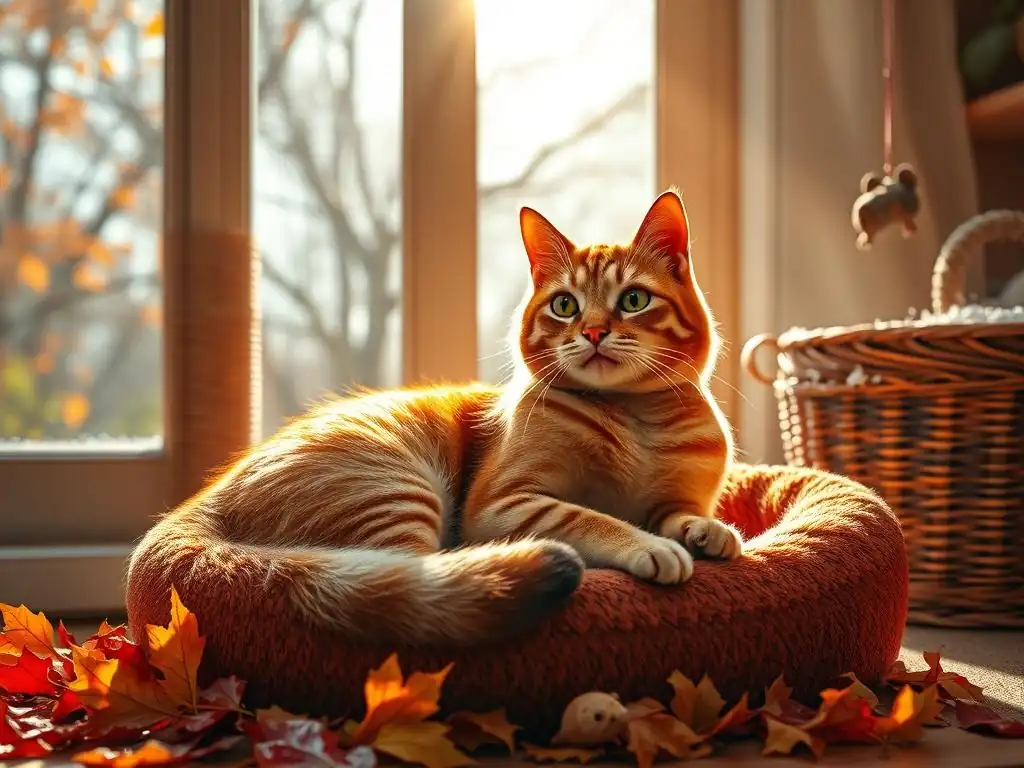
Welcome to PetCareWorld, your ultimate guide to a happier, healthier life for your beloved pets! Are you ready to unlock the secrets to keeping your feline friend content year-round? Discover how simple seasonal adjustments can transform your cat's environment and enrich their lives, fostering a more stimulating and fulfilling existence. Dive into our expert guide on Cat Enrichment Seasonal Adjustments and learn how to create a purrfectly tailored space for your cat, no matter the season.
- Springtime Enrichment for Cats: Welcoming Warmer Weather
- Summer Enrichment for Cats: Beating the Heat and Staying Entertained
- Autumn Enrichment for Cats: Preparing for Cooler Temperatures
- Winter Enrichment for Cats: Staying Warm and Active During Cold Months
- Year-Round Cat Enrichment: Maintaining a Stimulating Environment
- Creating a Multi-Sensory Environment for Your Cat: Enhancing Wellbeing Through All Seasons
- Addressing Seasonal Changes in Your Cat's Behavior: Recognizing and Responding to Shifts
-
Frequently Asked Questions
- How does weather affect my cat's need for enrichment?
- What are some seasonal enrichment ideas for fall and winter?
- How can I adjust my cat's enrichment for spring and summer?
- What are some common mistakes people make when adjusting cat enrichment seasonally?
- Are there any safety considerations when adjusting my cat's environment seasonally?
- Final Reflection: Embracing the Rhythms of Enrichment
- Unleash Your Cat's Inner Explorer: Seasonal Adventures Await!
Springtime Enrichment for Cats: Welcoming Warmer Weather
Spring's arrival brings a renewed sense of energy and activity to the world around us, and our feline companions are no exception. This season presents a fantastic opportunity to refresh your cat's environment and provide stimulating enrichment activities that cater to their natural instincts and changing needs. Failing to adapt your cat’s environment to the seasonal changes can lead to boredom, lethargy, and even behavioral problems.
This comprehensive guide explores practical and engaging ways to enhance your cat's springtime experience, focusing on increasing activity levels, ensuring safe outdoor adventures (if applicable), and creating a fresh, stimulating home environment. We'll cover everything from selecting the right toys to spring-cleaning your home in a cat-friendly way, ensuring your feline friend thrives throughout this vibrant season.
By implementing these seasonal adjustments, you'll not only enrich your cat's life but also strengthen your bond with your beloved companion. Let's dive into the delightful world of springtime cat enrichment!
Increasing Activity Levels with Spring Toys and Games
As the days grow longer and the weather warms, cats naturally become more active. Capitalize on this increased energy by introducing new and engaging toys and games. Consider incorporating toys that mimic natural prey, such as feathered wands, interactive puzzle feeders, or toy mice. These toys stimulate your cat's hunting instincts, providing both physical and mental stimulation.
Remember to rotate toys regularly to prevent boredom. A simple game of chase with a laser pointer or a crumpled piece of paper can also provide hours of entertainment. Don't forget the importance of puzzle feeders, which challenge your cat mentally while providing a rewarding treat. These are especially beneficial for indoor cats who may have limited opportunities for hunting and foraging.
Consider incorporating a variety of textures and materials in your toy selection to keep things interesting. For example, a combination of soft plush toys, crinkly paper balls, and sturdy rubber toys will provide a well-rounded enrichment experience. Remember to always supervise playtime and ensure that all toys are safe and durable.
Outdoor Cat Enrichment: Safe and Stimulating Spring Adventures
For cats with access to a secure outdoor space, springtime offers a wealth of enriching opportunities. However, safety is paramount. Before letting your cat outdoors, ensure your garden is free from hazards such as toxic plants, pesticides, and sharp objects. Creating a dedicated catio or enclosed outdoor space can provide a safe and stimulating environment for exploration.
Consider adding climbing structures, scratching posts, and hiding places to encourage natural behaviors. Planting cat-friendly herbs like catnip or cat grass can also add an element of interest and provide a natural source of enrichment. Providing a bird feeder or a shallow water dish can also provide hours of entertainment for your cat.
Remember to monitor your cat closely when they are outdoors and to provide plenty of shade and fresh water, especially during warmer days. Always ensure that your cat is wearing a well-fitted collar and ID tag in case they manage to escape. If you are unsure about letting your cat outdoors unsupervised, consider a harness and leash for supervised outdoor excursions.
Spring Cleaning and Cat-Friendly Spaces: A Fresh Start for Your Feline Friend
Spring cleaning is a great way to refresh your home and create a more stimulating environment for your cat. However, it’s crucial to do so in a way that prioritizes your cat's safety and well-being. Before you begin, securely relocate your cat to a safe and quiet room to prevent stress and accidental exposure to cleaning products. Use pet-friendly cleaning products that are free from harsh chemicals and toxins.
Thoroughly clean and disinfect all surfaces, including scratching posts, bedding, and food and water bowls. Consider adding some new cat furniture or rearranging existing furniture to create new and interesting spaces for exploration and play. Remember to replace worn-out bedding and toys.
A fresh, clean environment can do wonders for your cat's mood and overall well-being. Make sure to put away cleaning supplies and toxic substances securely after cleaning. A clean and organized home is a happy home, for both you and your cat!
Summer Enrichment for Cats: Beating the Heat and Staying Entertained
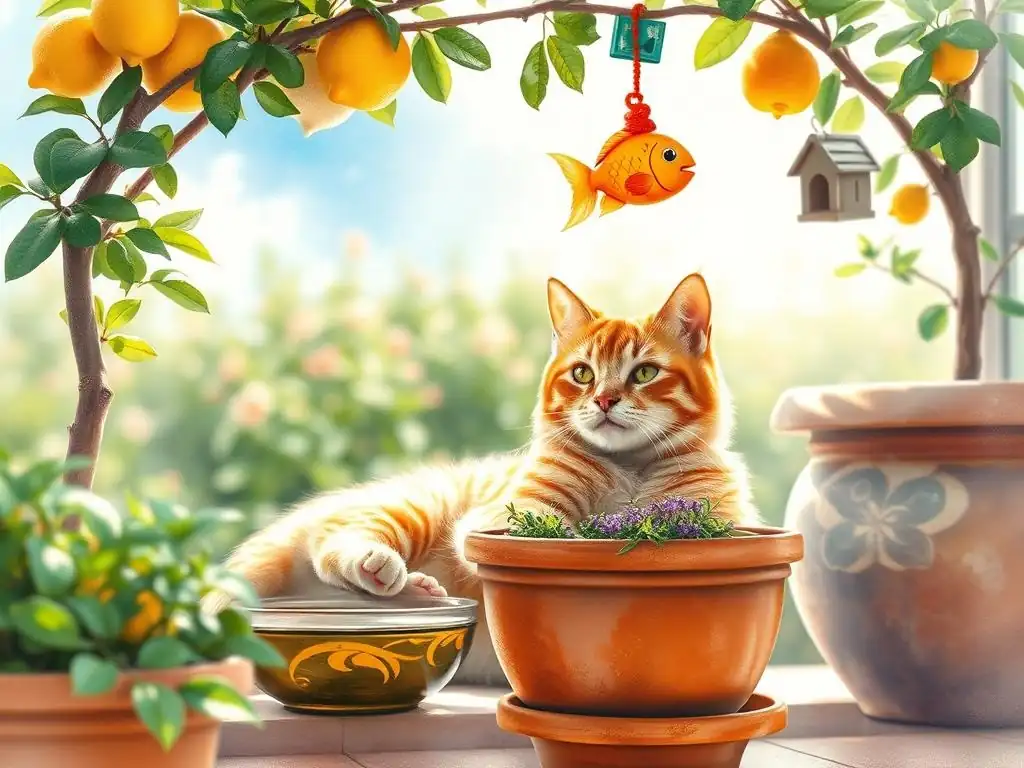
Summer presents unique challenges and opportunities for cat enrichment. The heat can significantly impact a cat's activity levels and overall well-being, requiring adjustments to their environment and routine to ensure their comfort and continued engagement. Providing ample opportunities for play and relaxation is crucial during the warmer months to prevent boredom and stress, which can manifest in undesirable behaviors. Effective summer cat enrichment focuses on mitigating heat stress while maintaining stimulating and engaging activities. This section will delve into specific strategies to achieve this balance. Remember, a happy, enriched cat is a healthy cat, regardless of the season.
Hydration and Cooling Strategies for Summer Cats
Maintaining adequate hydration is paramount during summer. Cats, unlike dogs, don't always drink enough water, especially when it's hot. Dehydration can quickly lead to heatstroke, a life-threatening condition. Here are some practical strategies to encourage increased water intake:
- Multiple Water Sources: Place water bowls in various locations throughout the house, including shaded areas and near your cat's favorite napping spots. Consider using multiple types of bowls – some cats prefer certain shapes or materials.
- Fountains: Water fountains can be very effective. The running water often entices cats to drink more. Clean the fountain regularly to prevent bacterial growth.
- Flavor Enhancers: While not recommended as a primary hydration source, occasionally adding a tiny amount of unsweetened cat broth or tuna juice (in very small quantities) can make the water more appealing. Avoid adding anything sugary or salty.
- Ice Cubes: Freezing tuna juice or broth in ice cube trays provides a refreshing treat and helps increase water intake. Supervise your cat to ensure they don't swallow large chunks of ice.
- Wet Food: Wet food has a higher water content than dry food and contributes significantly to daily hydration. Increase the proportion of wet food in their diet during hot weather.
Summer Safety: Protecting Your Cat from Heatstroke and Sun Exposure
Heatstroke is a serious threat to cats, especially those with underlying health conditions. Recognizing the symptoms is crucial for prompt intervention. Symptoms can include excessive panting, lethargy, drooling, vomiting, and staggering. If you suspect heatstroke, immediately move your cat to a cool, shaded area, apply cool (not cold) compresses to their paws and belly, and seek veterinary attention immediately. Prevention is key:
- Limit Sun Exposure: Keep your cat indoors during the hottest parts of the day, especially if you have direct sunlight entering your home. Close curtains or blinds to reduce the temperature.
- Never Leave Your Cat in a Parked Car: Even on a mildly warm day, the temperature inside a parked car can rise to dangerous levels within minutes.
- Provide Shade Outdoors: If your cat spends time outdoors, ensure they have access to plenty of shade, such as under bushes or trees. A cat house or shelter designed for outdoor use can also provide refuge from the sun and heat.
- Monitor Your Cat: Pay close attention to your cat's behavior during hot weather. Any signs of distress should be taken seriously.
Indoor Enrichment Ideas for Hot Summer Days: Interactive Games and Puzzles
Maintaining a stimulating environment for your cat during hot summer days is crucial to prevent boredom and inactivity. Here are some interactive enrichment ideas suitable for indoor use:
- Puzzle Feeders: These feeders require your cat to work for their food, stimulating their natural hunting instincts and providing mental enrichment. The effort involved helps to tire them out without excessive physical exertion in the heat.
- Interactive Toys: Feather wands, laser pointers, and toy mice can provide engaging playtime without requiring extensive physical activity. Keep play sessions short and sweet to avoid overheating.
- Window Perches: A window perch allows your cat to enjoy the view and the breeze without direct sun exposure. This provides a stimulating environment without requiring extra energy expenditure.
- Rotating Toys: Keep your cat engaged by regularly rotating their toys. This prevents boredom and maintains their interest in their playthings.
- Catnip Toys: Catnip can be a great way to stimulate your cat and provide a relaxing activity, especially on hot days. Rotate the catnip toys to keep things fresh and engaging.
Remember, adapting your cat's environment for seasonal changes requires careful planning and observation. By implementing these strategies, you can ensure your feline friend stays happy, healthy, and entertained throughout the summer months. Regular monitoring and adjusting your approach based on your cat's individual preferences is key to successful seasonal cat enrichment. Prioritizing your cat's safety and comfort is paramount in providing optimal cat enrichment and addressing the specific challenges posed by seasonal adjustments.
Autumn Enrichment for Cats: Preparing for Cooler Temperatures
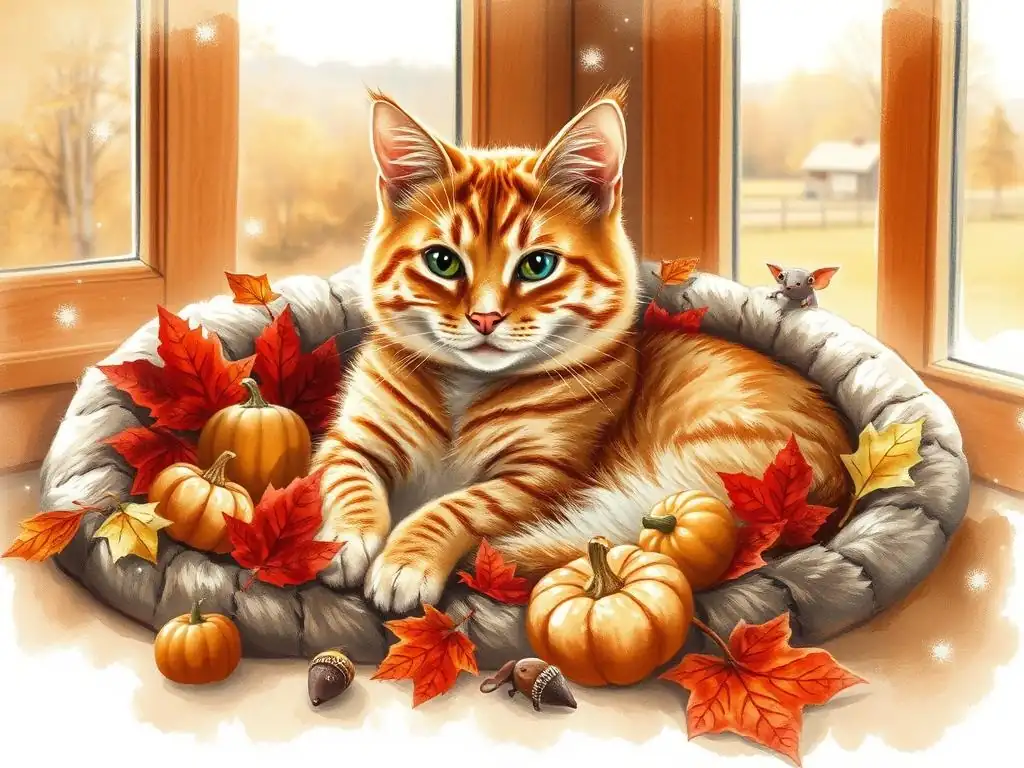
Autumn brings a shift in temperature and daylight hours, impacting your cat's behavior and comfort. Providing seasonal enrichment means adapting to these changes to maintain your feline friend's well-being and prevent boredom. This section focuses on practical strategies to ensure your cat enjoys a stimulating and cozy autumn. The key to successful cat enrichment seasonal adjustments is understanding your cat's individual needs and preferences.
Adjusting Your Cat's Diet for Fall: Essential Nutrients for the Season
As the weather cools, cats may naturally increase their food intake to stay warm. However, it's crucial to ensure their diet remains balanced and provides the necessary nutrients for the season. Consider supplementing their regular food with foods rich in antioxidants to boost their immune system during cold and flu season.
Pumpkin puree (plain, canned, without added spices) is a great source of fiber and vitamins, aiding digestion and promoting healthy bowel movements. Adding a small amount to their regular food can be beneficial. Furthermore, consider increasing their fat intake slightly—a small amount of added fish oil or a higher-fat protein source can help them maintain their body temperature effectively.
Remember to consult your veterinarian before making significant dietary changes, especially if your cat has pre-existing health conditions. Monitoring your cat's weight is also crucial to avoid overfeeding, a common issue during autumn and winter. A slight increase in appetite is normal, but drastic changes warrant a vet visit.
Cozy and Comfortable Spaces for Autumn: Creating a Safe Haven
Cats seek warmth and security during colder months. Providing cozy and comfortable spaces is a vital aspect of cat enrichment seasonal adjustments. This doesn't just mean a warm bed; consider creating multiple, varied resting spots throughout your home. Think strategically placed cat beds near sunny windows (allowing for natural warmth), soft blankets, and even heated cat beds for particularly chilly nights.
Elevated cat beds offer a sense of security and a vantage point to survey their territory. These options provide a range of temperature and comfort levels, allowing your cat to choose what suits them best at any given moment. Remember to regularly clean and refresh bedding to maintain hygiene and prevent the build-up of allergens that could trigger respiratory issues, especially important during allergy season. A clean and comfortable environment is crucial for your cat's overall well-being.
Autumnal Sensory Enrichment: Exploring New Textures and Scents
Autumn offers a wealth of sensory enrichment opportunities for your cat. Introduce new textures through blankets with different weaves, scratching posts made of natural materials like sisal or cardboard, or even a simple cardboard box filled with crinkled paper. These offer tactile stimulation and encourage natural behaviors like scratching and exploring. The change in scents is also a significant seasonal shift.
Introduce subtle, cat-safe scents that evoke the feeling of autumn. For example, a small amount of catnip or a sprinkle of dried lavender (always ensure it's safe for cats) can stimulate their sense of smell and encourage play. You can also incorporate autumnal-themed toys, such as small, crinkle-filled pumpkins (ensure they are made of non-toxic materials). Remember, moderation is key; overwhelming your cat with too many new stimuli at once can be counterproductive.
Introducing new textures and scents gradually helps to avoid stress and ensures a positive experience. Observe your cat's reactions carefully and tailor your enrichment activities to their individual preferences. This careful approach is key to successful cat enrichment seasonal adjustments.
Winter Enrichment for Cats: Staying Warm and Active During Cold Months
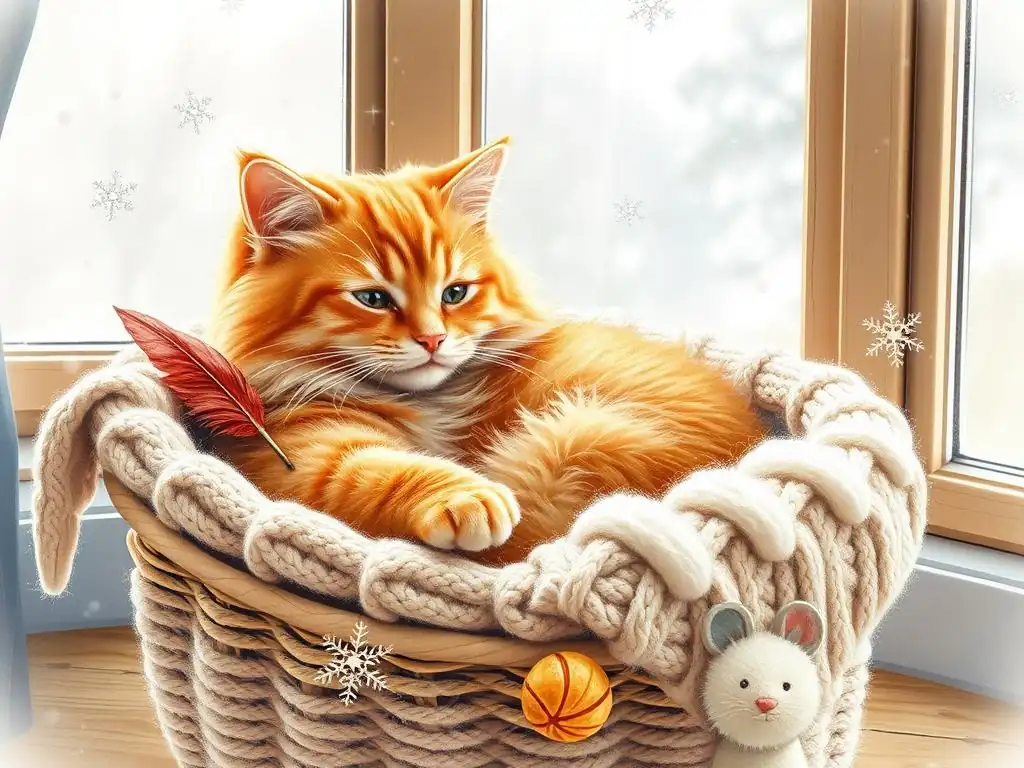
Winter presents unique challenges to cats, requiring adjustments to their environment to ensure their comfort and continued engagement. While many cats are perfectly content to nap the day away, maintaining their physical and mental well-being during the shorter, colder days is crucial for their overall health. This section focuses on strategies to provide optimal winter enrichment for your feline companion, addressing their thermal needs and stimulating their minds through engaging activities.
Proper seasonal adjustments to your cat's environment are key to preventing winter blues and ensuring a happy and healthy cat throughout the colder months. We’ll explore practical solutions to keep your cat warm, active, and safe during the holiday season.
Keeping Cats Warm During Winter: Temperature Regulation and Cozy Bedding
Cats, despite their furry coats, are still susceptible to cold temperatures. Maintaining a comfortable indoor temperature is paramount, especially for senior cats, kittens, or cats with underlying health conditions. While the ideal temperature varies depending on the cat's breed and individual preferences, aiming for a range of 68-72°F (20-22°C) is a good starting point. Observe your cat's behavior – if they're constantly seeking out warm spots or shivering, the temperature might be too low.
Providing ample, cozy bedding is also essential. Consider offering a variety of options:
- Soft, plush beds: These provide warmth and comfort, mimicking the feeling of a cat's natural sleeping spots.
- Heated beds: For particularly cold climates or sensitive cats, heated beds can provide extra warmth and comfort. Always supervise their use and ensure the bed is appropriately sized and safe for your cat.
- Warm, sunny spots: Cats naturally gravitate towards sunny spots for warmth. Ensure these areas are easily accessible and safe for your cat.
- Cat caves or tunnels: These enclosed spaces provide a sense of security and warmth, making them ideal for cats who prefer to snuggle in tight spaces.
Remember, even with added warmth, monitor your cat for signs of hypothermia, such as lethargy, weakness, or difficulty breathing. If you notice any of these signs, consult your veterinarian immediately.
Winter Enrichment Activities: Indoor Play and Mental Stimulation
The shorter days and colder weather can lead to decreased activity levels in cats. Combatting this requires creative indoor enrichment strategies to keep them mentally and physically stimulated. This is especially important to prevent boredom and potential behavioral problems associated with inactivity. Here are some ideas:
- Interactive toys: Feather wands, laser pointers (used responsibly to avoid eye strain), and puzzle feeders can provide hours of entertainment. Vary the toys regularly to prevent boredom.
- Climbing structures: Cat trees or shelves allow cats to explore different vertical spaces, satisfying their natural climbing instincts.
- Window perches: These offer a vantage point for bird watching and other stimulating outdoor observations, even on the coldest days.
- Puzzle feeders: These provide mental stimulation and encourage natural foraging behavior. They are particularly helpful in preventing obesity due to their slow-feeding nature.
- Rotating toys: Keep a variety of toys available and rotate them regularly to maintain your cat's interest and prevent boredom. This simple strategy can significantly impact their engagement.
Remember to schedule regular playtime sessions, even if it’s just for a few minutes each day. This interaction helps strengthen your bond with your cat and ensures they remain active and engaged.
Holiday Safety for Cats: Avoiding Hazards During Festive Seasons
The holiday season brings festive decorations and treats, but many pose potential dangers to cats. Taking precautions to ensure your cat's safety is crucial during this time. Here's how to create a safe holiday environment:
- Christmas trees: Secure the tree firmly to prevent tipping, and avoid using tinsel or ornaments that could be ingested.
- Holiday plants: Many popular holiday plants, such as poinsettias and holly, are toxic to cats. Keep these plants out of reach or choose cat-safe alternatives.
- Food and treats: Many holiday foods are toxic to cats, such as chocolate, onions, and grapes. Keep these foods out of reach and supervise your cat during meals.
- Candles and fireplaces: Keep candles and fireplaces out of reach to prevent burns or fires.
- Electrical cords and wires: Cats are naturally curious and may chew on electrical cords, posing a shock hazard. Secure cords and keep them out of reach.
The holiday season should be a joyful time for both you and your cat. By taking these simple precautions, you can ensure a safe and enriching experience for your furry friend throughout the winter months. Remember, proactive measures are key to ensuring their well-being during this festive period. 😻
Year-Round Cat Enrichment: Maintaining a Stimulating Environment
Maintaining a stimulating environment for your cat is crucial for their physical and mental well-being, regardless of the season. A lack of enrichment can lead to behavioral problems such as excessive grooming, destructive scratching, or even aggression. Thinking about cat enrichment seasonal adjustments ensures your feline friend stays happy and healthy year-round. This involves proactively adjusting your cat's environment and play routines to cater to their natural instincts and changing energy levels.
Consistent Enrichment Strategies for Cat Wellbeing
Providing consistent enrichment means incorporating a variety of activities into your cat's daily routine. This isn't just about playing with them; it's about creating an environment that encourages natural behaviors. Think about providing opportunities for climbing, scratching, hiding, and exploring. A good strategy involves a combination of:
- Vertical Space: Cats love heights! Cat trees, shelves, and window perches allow them to survey their territory and feel secure. Consider the placement of these items; changing their location can provide a novel experience for your cat.
- Scratching Posts: Essential for maintaining your cat's claws and preventing them from scratching your furniture. Offer a variety of textures and styles.
- Hiding Places: Cardboard boxes, tunnels, or even a simple blanket fort provide safe spaces where your cat can retreat and feel secure. These are especially important during stressful times or when introducing new pets or people.
- Interactive Toys: Puzzle feeders, toy mice, and feather wands engage your cat's hunting instincts and provide mental stimulation. The key here is to rotate these regularly, preventing boredom.
Remember, consistency is key. Even small, regular enrichment activities can make a significant difference in your cat's overall happiness and well-being. This is a cornerstone of effective cat enrichment seasonal adjustments.
Rotating Toys and Activities to Prevent Boredom
Cats, like humans, can get bored with the same old routine. To combat this, it's essential to regularly rotate your cat's toys and activities. This keeps them engaged and prevents them from becoming disinterested. A simple strategy is to:
- Store toys out of sight: Keep a collection of toys in a designated area and rotate them every few weeks. This makes familiar toys feel new and exciting again.
- Introduce new toys periodically: This can be as simple as a new cardboard box or a slightly different type of toy mouse.
- Vary play styles: Don't always use the same type of toy or play method. Try different textures, sounds, and levels of interaction. Sometimes, a simple game of chase around the house can be more stimulating than a fancy toy.
- Consider puzzle feeders: These feeders require your cat to work for their food, providing both mental and physical stimulation. They are a particularly good option for preventing boredom when you are away from home.
Regular rotation of toys and activities is a crucial component of effective cat enrichment seasonal adjustments. It ensures your cat remains mentally stimulated and prevents behavioral problems associated with boredom.
Monitoring Your Cat's Behavior for Signs of Boredom or Stress
Regularly monitoring your cat's behavior is essential to ensure their enrichment strategies are effective. Signs of boredom or stress can include:
- Excessive grooming: This can lead to hair loss or skin irritation.
- Destructive scratching: This is often a sign of frustration or stress.
- Changes in appetite: A sudden increase or decrease in appetite can indicate a problem.
- Increased vocalization: Excessive meowing or yowling can be a sign of boredom or stress.
- Aggression: While less common, aggression can be a manifestation of underlying stress or boredom.
- Lethargy: A significant decrease in activity levels may suggest your cat is unhappy or unwell.
If you notice any of these signs, re-evaluate your cat's environment and enrichment activities. You may need to adjust their routine, introduce new toys, or provide more opportunities for exploration and play. Remember, each cat is an individual, and what works for one may not work for another. Paying close attention to your cat's behavior is key to providing the best possible care and preventing problems before they arise. This is a critical aspect of successful cat enrichment seasonal adjustments. Careful observation allows for proactive adjustments to maintain your cat's happiness and well-being.
Creating a Multi-Sensory Environment for Your Cat: Enhancing Wellbeing Through All Seasons
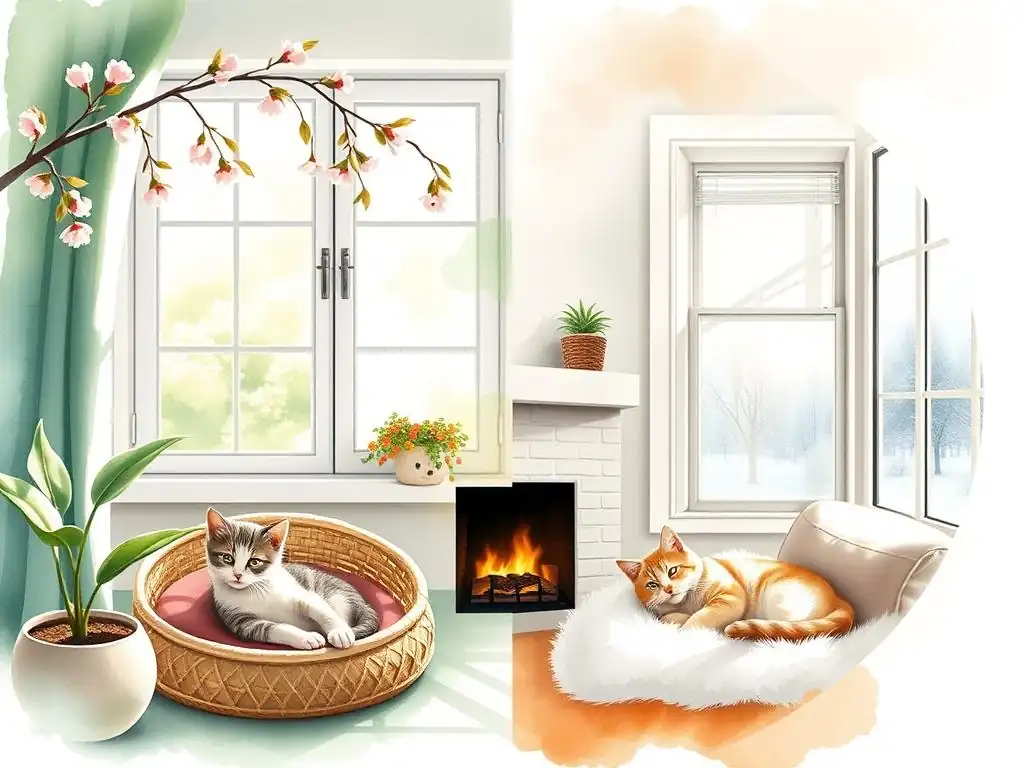
This section delves into the crucial aspect of creating a stimulating and enriching environment for your feline companion, tailored to the changing seasons. Seasonal variations significantly impact a cat's behavior and activity levels, and providing appropriate enrichment helps maintain their physical and mental well-being year-round. We will explore how to adjust your cat's environment to meet their sensory needs throughout the year, focusing on visual, auditory, and tactile stimulation. This approach to cat enrichment seasonal adjustments ensures your cat remains happy, healthy, and engaged, regardless of the weather outside.
Visual Enrichment: Engaging Your Cat's Sight
Cats are highly visual creatures. Optimizing their visual environment is key to seasonal enrichment. In the warmer months, consider adding outdoor elements to their indoor space. This could involve placing a bird feeder near a window to provide captivating movement, or installing a catio to offer a safe, supervised outdoor experience. Remember to always prioritize your cat's safety; ensure the catio is secure and free from escape routes.
During the shorter days of autumn and winter, you can counteract the reduced natural light with strategically placed lamps. These don't need to be bright; soft, warm lighting can create a cozy atmosphere. Consider adding visually stimulating toys like moving toys with flashing lights (always supervise interaction with these) or puzzle feeders that require your cat to solve a visual challenge to access their food. Rotating these toys regularly keeps your cat engaged and prevents boredom. Seasonal decorations, such as autumn leaves (non-toxic!) or winter-themed toys, can also add visual interest.
Auditory Enrichment: Stimulating Sounds and Music for Cats
Sound plays a surprisingly important role in cat enrichment. While some cats are sensitive to loud noises, many find certain sounds calming or stimulating. In spring and summer, the natural sounds of birds singing or gentle rain can be incorporated into your cat's environment by playing recordings of these sounds at low volumes. Never play sounds at a volume that would be distressing to your cat. Observe their reactions carefully.
During colder months, when the environment is quieter, you can introduce calming music specifically designed for cats. Numerous studies have indicated that certain frequencies and musical styles have a positive effect on feline behavior, reducing stress and anxiety. Experiment with different types of music to see what your cat responds to best. You could also use soundscapes featuring gentle nature sounds, like crackling fireplaces or flowing water, to create a relaxing atmosphere during the cold, dark winter months. Remember that consistency is key; your cat will benefit from a regular routine of auditory enrichment.
Tactile Enrichment: Providing Textures Your Cat Will Love
Tactile stimulation is another crucial element of cat enrichment. Cats enjoy exploring different textures, and providing a variety of materials can greatly enhance their environment. In warmer months, you can add cool surfaces, like a marble tile or a chilled ceramic plate, for your cat to lie on. This provides a pleasant contrast to warmer temperatures. Alternatively, you can use natural materials like grass or catnip for added stimulation and play.
As the weather turns colder, provide warm and cozy textures such as soft blankets, plush toys, or even a heated cat bed. Consider using different materials, such as fleece, corduroy, or faux fur, to offer varied tactile experiences. These textures offer comfort and security during the colder months, providing a sense of warmth and safety. Regularly rotating these textures can keep your cat's interest piqued and prevent boredom. Remember to always supervise your cat with new textures to ensure safety and prevent ingestion of potentially harmful materials.
Remember that consistent monitoring of your cat's responses to different types of enrichment is crucial. Adjust your approach based on their preferences and ensure that all enrichment activities are safe and enjoyable. By thoughtfully adapting your cat's environment to the changing seasons, you can provide them with a stimulating and enriching life, strengthening your bond and ensuring their overall happiness.
Olfactory Enrichment: Introducing New and Interesting Scents
Cats, despite their reputation for being primarily visual creatures, possess a highly developed sense of smell. Olfactory enrichment plays a crucial role in stimulating their brains and keeping them engaged, especially during seasonal changes. The familiar scents of home can become monotonous, so introducing new and interesting aromas can significantly boost your cat's mental stimulation. This is especially important during periods of seasonal change, when their routines might be disrupted, or the weather might limit their outdoor exploration.
One effective way to provide olfactory enrichment is through the use of catnip. However, remember that not all cats react to catnip. For those that do, offering fresh catnip, perhaps in a new toy or a small, shallow bowl, can provide a delightful and stimulating experience. Be mindful of the quantity you provide, as overexposure can lead to a lessened effect. Alternatively, you can explore other safe, cat-friendly herbs like valerian root or silvervine. These herbs offer different aromatic profiles and can provide a novel sensory experience for your feline companion.
Beyond herbs, consider introducing other safe scents into your cat's environment. For example, a small sprig of lavender (placed out of reach to prevent ingestion) can offer a calming aroma, particularly beneficial during stressful times like thunderstorms or fireworks. However, always research thoroughly before introducing any new scent to ensure its safety for your cat. Essential oils, for instance, are extremely toxic to cats and should never be used.
Instead, focus on natural, plant-based scents that are readily available and pose no risk to your pet's health. Remember that even seemingly harmless scents might cause reactions in sensitive cats, so introduce them gradually and monitor your cat's reaction closely. The goal is to provide a stimulating, yet safe, olfactory environment.
A subtle change in scent can often be the key to improving your cat's mood and engagement during seasonal transitions. Pay close attention to your cat's responses to gauge their preferences and tailor your approach accordingly. Remember, the key to successful olfactory enrichment is variety and moderation.
Addressing Seasonal Changes in Your Cat's Behavior: Recognizing and Responding to Shifts
Cats, despite their seemingly independent nature, are sensitive creatures affected by environmental changes, including seasonal shifts. Understanding how these changes impact your feline companion is crucial for providing optimal care and ensuring their well-being. Seasonal variations in daylight hours, temperature, and even the availability of certain prey (if your cat hunts) can all contribute to behavioral modifications. These shifts can manifest in subtle ways, such as changes in appetite, sleep patterns, or activity levels, or more dramatically, through increased vocalization, aggression, or even self-destructive behaviors.
Recognizing these subtle cues is the first step in proactively addressing potential seasonal anxieties and ensuring your cat remains happy and healthy throughout the year. Proactive cat enrichment, tailored to the season, is key to mitigating these potential issues and promoting a harmonious co-existence. This section will delve into specific seasonal behavioral changes and strategies for effective management.
Ignoring these changes can lead to chronic stress in your cat, potentially resulting in health problems down the line. Therefore, attentive observation and timely intervention are paramount for responsible pet ownership. The successful management of seasonal cat behavioral changes requires a holistic approach, combining environmental adjustments with careful monitoring of your cat's overall health.
Common Seasonal Behavioral Changes in Cats
Cats exhibit a variety of behavioral changes across different seasons. For instance, during shorter days of autumn and winter, many cats experience increased sleepiness and a reduction in overall activity. This is often linked to decreased exposure to sunlight, which impacts their internal biological clock and melatonin production.
Conversely, the longer days of spring and summer can lead to increased energy levels and playfulness, potentially resulting in more demanding behaviors. Some cats may become more vocal during certain seasons, perhaps due to hormonal fluctuations or a heightened sensitivity to environmental changes. Here's a table summarizing some common seasonal behavioral changes:
| Season | Common Behavioral Changes | Potential Causes |
|---|---|---|
| Spring | Increased activity, playfulness, vocalization, grooming | Longer daylight hours, hormonal changes, increased activity outdoors |
| Summer | Increased thirst, seeking cooler areas, less appetite | Heat stress, dehydration |
| Autumn | Decreased activity, increased sleep, changes in appetite | Shorter daylight hours, hormonal changes |
| Winter | Increased sleep, seeking warmth, potential for anxiety/depression | Cold temperatures, lack of sunlight, reduced outdoor time |
It's important to note that these are generalized observations; individual cats may react differently based on their breed, personality, and individual experiences. Observing your cat's specific patterns and noting any significant deviations from their usual behavior is crucial for identifying potential problems early. Consistent monitoring allows for timely intervention and prevents minor issues from escalating into more serious behavioral problems. Remember, even small changes can be indicative of underlying stress or discomfort.
Strategies for Managing Seasonal Anxiety in Cats
Managing seasonal anxiety in cats requires a multi-pronged approach focusing on environmental enrichment and behavioral modification. Providing a safe and stimulating environment is critical. This includes ensuring access to comfortable resting places, both warm and cool depending on the season, and plenty of opportunities for play and exploration. Consider these strategies:
- Providing adequate lighting: During shorter days, supplemental lighting can help regulate your cat's circadian rhythm and reduce seasonal depression. Consider using full-spectrum light bulbs that mimic natural sunlight.
- Interactive play sessions: Engaging your cat in interactive play sessions, especially during periods of reduced activity, can help burn excess energy and alleviate boredom. Use a variety of toys to keep things interesting.
- Environmental enrichment: Rotate toys regularly and provide puzzle feeders to stimulate their minds and keep them engaged. This is especially important during periods of low activity.
- Creating a safe space: Ensure your cat has a safe, quiet retreat where they can feel secure and escape from any potential stressors. A cat bed or a quiet corner can work wonders.
- Dietary adjustments: Consult with your veterinarian about possible dietary changes to support your cat's overall well-being during periods of seasonal stress. Specific supplements may be beneficial.
Remember, consistency is key. Implementing these strategies consistently throughout the year will help your cat adapt more easily to seasonal changes and reduce the likelihood of developing anxiety. Regular interaction and attention demonstrate your love and support, fostering a strong bond and a sense of security. A happy, secure cat is less likely to experience undue stress during seasonal transitions.
When to Consult a Veterinarian Regarding Seasonal Behavioral Issues
While many seasonal behavioral changes are relatively minor and manageable with environmental adjustments, some situations warrant professional veterinary attention. If you notice significant changes in your cat's behavior, such as persistent lethargy, drastic changes in appetite, excessive vocalization, aggression, self-mutilation, or elimination outside the litter box, it's crucial to consult a veterinarian. These symptoms could indicate an underlying medical condition, hormonal imbalance, or a more serious behavioral issue requiring professional intervention.
A veterinarian can conduct a thorough examination, rule out any medical causes, and recommend appropriate treatment or behavioral modification strategies. Early intervention is vital in preventing these issues from becoming chronic and impacting your cat's overall quality of life. Don't hesitate to seek professional help if you're concerned about your cat's well-being.
Your veterinarian is your best resource for ensuring your cat receives the appropriate care and support. Early diagnosis and treatment are key to improving your cat's comfort and happiness throughout the year.
Frequently Asked Questions
How does weather affect my cat's need for enrichment?
Changes in weather directly impact your cat's activity levels and environmental preferences. Cold weather might mean they want warmer, cozier spaces, while hot weather might require more cooling enrichment options.
What are some seasonal enrichment ideas for fall and winter?
Consider adding warm bedding, puzzle feeders filled with tasty treats to keep them occupied indoors, and interactive toys to combat the shorter daylight hours. Window perches are great for bird watching!
How can I adjust my cat's enrichment for spring and summer?
Spring and summer call for more outdoor opportunities, if safe and supervised. Provide cooling mats, water features, and plenty of shade to combat the heat. Indoor plants (non-toxic!) can add visual interest.
What are some common mistakes people make when adjusting cat enrichment seasonally?
A common mistake is neglecting to adapt enrichment to the changing weather. Also, failing to provide sufficient stimulation during shorter winter days or excessive heat in summer can lead to boredom and stress.
Are there any safety considerations when adjusting my cat's environment seasonally?
Always supervise your cat during outdoor activities, and ensure all new toys and items are safe and non-toxic. Be mindful of potential hazards like seasonal plants and chemicals.
Final Reflection: Embracing the Rhythms of Enrichment
Seasonal adjustments to your cat's environment aren't just a trend; they're a vital component of providing a truly enriching and fulfilling life for your feline companion. Failing to acknowledge the impact of changing seasons on our cats can lead to boredom, stress, and even health problems. This oversight is a disservice to the complex and sensitive creatures we share our homes with.
The subtle shifts in light, temperature, and even the availability of outdoor stimuli profoundly affect a cat's behavior and well-being. It's a reminder that even seemingly small changes in our routines can have a ripple effect on their lives. The greatest gift you can give your cat is a life filled with joy and stimulation.
This simple statement underscores the importance of proactive enrichment, tailored to the ever-changing rhythm of the seasons. By understanding and responding to these seasonal cues, we can foster a deeper bond with our cats and contribute to their overall happiness.
Now, consider your own cat. Think about how their behavior shifts throughout the year. Are there specific activities or toys they gravitate towards during certain seasons? Take this opportunity to actively engage with your cat's needs, designing a stimulating environment that caters to their unique preferences and the changing seasons. By embracing the principles of seasonal enrichment, you'll not only enhance your cat's quality of life but also deepen your connection with this amazing creature, fostering a bond built on understanding, respect, and a shared appreciation for the beauty of each passing season.
Unleash Your Cat's Inner Explorer: Seasonal Adventures Await!
Thank you for joining us on this journey to create a truly enriching environment for your feline friend! You've learned how simple changes can significantly improve your cat's happiness throughout the year. Now, let's put that knowledge into practice.
- Prioritize one seasonal enrichment activity: Choose one of the ideas from the article—such as creating a sunny basking spot, crafting autumn-themed scent diffusers, or providing winter-themed toys—and implement it today! Observe your cat's reaction and share your experience in the comments!
- Share your cat's seasonal adventures! Take a picture of your cat enjoying their enriched environment and share it on social media using #PetCareWorldSeasonalJoy.
- Continue exploring! Discover more seasonal enrichment ideas for cats by searching "seasonal cat enrichment" online.
Ready to make this year the most exciting yet for your beloved kitty? What small change will you make to bring extra joy to your cat's world this season?