
Tortoise Enrichment Activities: Keeping Your Pet Mentally Stimulated

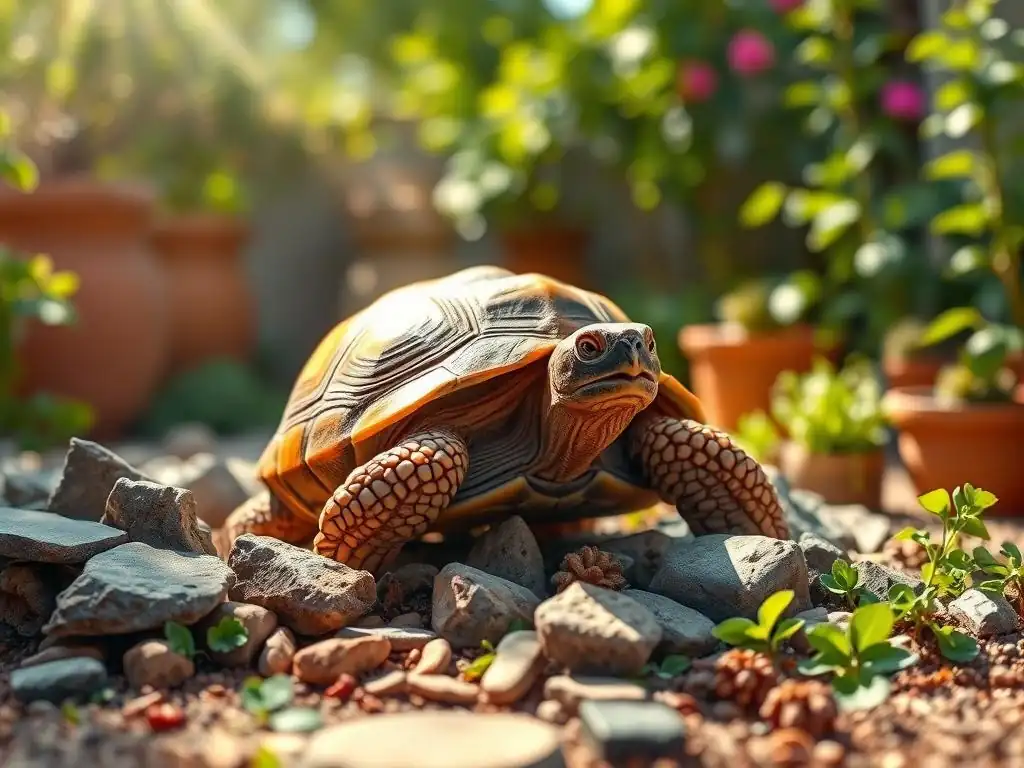
Welcome to PetCareWorld, your ultimate guide to a happier, healthier life for your beloved companions! Are you ready to unlock the key to a thriving tortoise? Discover a world of Tortoise Enrichment Activities ideas designed to keep your shelled friend mentally stimulated and engaged. Dive in and explore innovative ways to enrich your reptile's life – you might be surprised by what you learn!
- Understanding Tortoise Enrichment Needs
- Creative Tortoise Enrichment Activities Ideas
- DIY Tortoise Enrichment Projects
- Social Enrichment for Tortoises
- Maintaining a Stimulating Environment: Ongoing Enrichment
- Choosing Safe and Appropriate Enrichment Items for Tortoises
- Troubleshooting Common Tortoise Enrichment Challenges
-
Frequently Asked Questions
- What are the benefits of providing enrichment activities for my tortoise?
- What kind of enrichment activities are suitable for tortoises?
- How much time should I dedicate to tortoise enrichment activities daily?
- Are there any dangers I should be aware of when providing enrichment for my tortoise?
- Where can I find more information on tortoise enrichment activities?
- Final Reflection: Unlocking the Joyful Minds of Our Shelled Companions
- Unleash Your Tortoise's Inner Explorer!
Understanding Tortoise Enrichment Needs
Tortoises, often perceived as slow-moving and low-maintenance pets, actually require significant mental stimulation to thrive. Contrary to popular belief, these fascinating reptiles are not simply content to bask in the sun and graze all day. A lack of enrichment can lead to a variety of behavioral and health problems, significantly impacting their quality of life.
This article delves into the crucial role of enrichment activities for tortoises, exploring the signs of boredom, the positive impact on their well-being, and offering practical ideas to keep your shelled companion happy and healthy. We'll cover a range of enrichment strategies, suitable for various tortoise species and ages, ensuring your tortoise enjoys a stimulating and engaging environment.
Understanding and implementing these enrichment techniques is key to responsible tortoise ownership and contributes to a longer, healthier, and happier life for your pet. Let's explore how to provide the best possible care for your tortoise, going beyond the basics of food and shelter.
The Importance of Mental Stimulation for Tortoises
Tortoises, despite their seemingly simple lifestyle, possess complex cognitive abilities. Just like any other animal, they require mental stimulation to prevent boredom and maintain their overall well-being. A stimulating environment prevents the development of stereotypical behaviors, such as repetitive pacing or excessive digging, which are often indicators of a lack of enrichment. Providing a variety of experiences keeps their minds engaged, promoting natural behaviors like foraging and exploration.
This mental stimulation is crucial for maintaining their physical health as well; a bored tortoise is more susceptible to stress-related illnesses. Studies [specific information pending] have shown a correlation between enriched environments and improved immune function in tortoises. Providing a stimulating environment is not just about keeping your tortoise entertained; it's a fundamental aspect of responsible and ethical pet ownership. A mentally stimulated tortoise is a healthier, happier tortoise.
Signs of Boredom in Tortoises
Recognizing the signs of boredom in your tortoise is the first step towards providing adequate enrichment. While not always obvious, several behavioral changes can indicate a lack of mental stimulation. These can include:
- Repetitive Pacing: Constantly walking back and forth along the same path.
- Excessive Digging: Intense and persistent digging, often in inappropriate areas.
- Lethargy and Lack of Appetite: A noticeable decrease in activity levels and food intake.
- Self-Mutilation: In severe cases, a bored tortoise might exhibit self-harm behaviors.
- Aggression: Increased aggression towards tank mates or handlers.
Observing your tortoise's behavior regularly is essential. Any significant changes from their normal routine should prompt you to reassess their environment and introduce new enrichment activities. Early intervention is crucial in preventing these behaviors from becoming ingrained habits. Remember, a happy and stimulated tortoise will exhibit natural behaviors such as active exploration, healthy appetite, and a general sense of alertness. If you notice any of the above signs, it's time to enrich your tortoise's environment.
The Impact of Environmental Enrichment on Tortoise Health
Environmental enrichment has a profound and multifaceted impact on tortoise health. A stimulating environment directly contributes to:
- Reduced Stress Levels: A varied and engaging environment minimizes stress, a major factor in many tortoise illnesses. Stress can suppress the immune system, making tortoises more vulnerable to disease.
- Improved Digestive Health: Enrichment activities, such as foraging for food, encourage natural behaviors that promote healthy digestion.
- Stronger Immune System: Studies suggest a link between environmental enrichment and a stronger immune response in reptiles [specific information pending].
- Increased Lifespan: By reducing stress and promoting overall well-being, enrichment contributes to a longer and healthier lifespan for your tortoise.
- Prevention of Stereotypical Behaviors: Providing a stimulating environment helps prevent the development of repetitive, abnormal behaviors, often a sign of underlying distress.
Investing time and effort in enriching your tortoise's environment is an investment in their overall health and well-being. It's not merely about providing a visually appealing habitat; it's about creating a stimulating and engaging space that caters to your tortoise's natural instincts and cognitive needs. A healthy and happy tortoise is a testament to responsible and attentive care.
Creative Tortoise Enrichment Activities Ideas
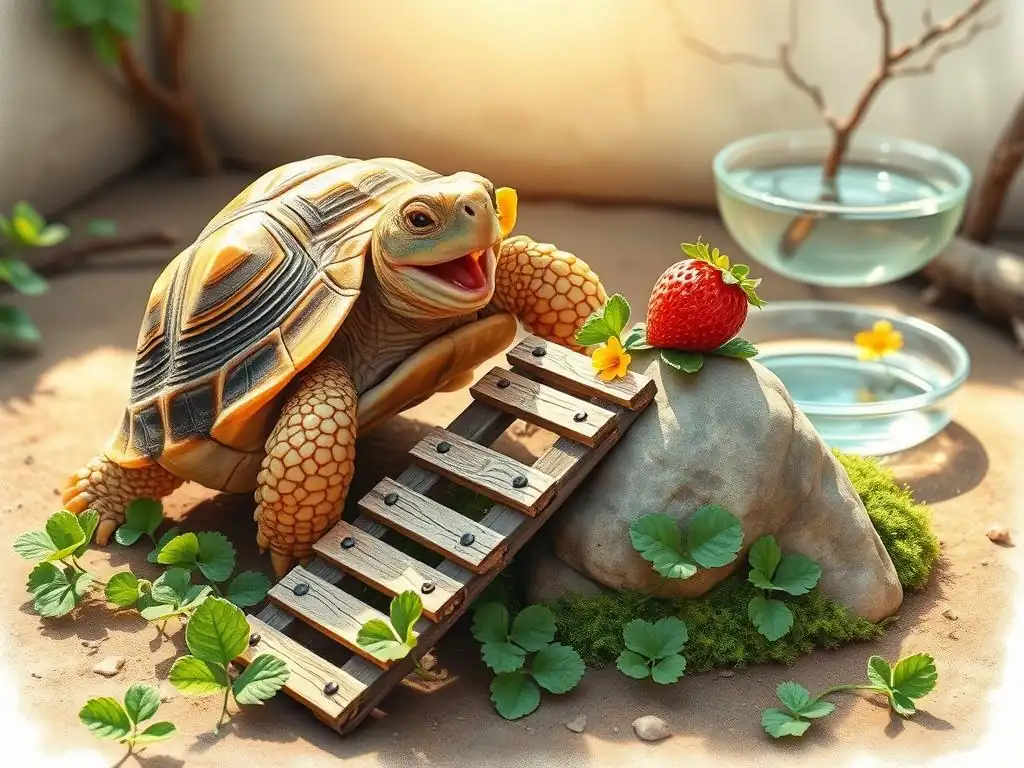
This section delves into practical and engaging enrichment activities designed to stimulate your tortoise's mind and body. A bored tortoise is an unhealthy tortoise; providing mental and physical stimulation is crucial for their well-being. These activities cater to their natural instincts and help prevent behavioral problems often associated with a lack of enrichment. Remember to always prioritize safety and supervise your tortoise during any enrichment activity.
Creating a Stimulating Habitat: Substrate and Hiding Places
A stimulating habitat is the cornerstone of tortoise enrichment. The substrate itself plays a vital role. Avoid smooth surfaces; instead, opt for a varied substrate that allows for digging and exploration. A mix of topsoil, sand, and leaf litter mimics their natural environment, providing opportunities for burrowing and foraging. The depth of the substrate should be sufficient to allow your tortoise to fully bury itself, providing security and a sense of control.
Varying the substrate's composition over time adds a novel element to their environment. For example, introducing small, smooth stones can provide tactile stimulation and a different texture to explore. This constant mild change prevents habitat monotony.
Hiding places are equally important. Tortoises are naturally shy creatures and require secure areas where they can retreat when feeling threatened or stressed. Offer a variety of hiding spots, including:
- Natural materials: Pieces of bark, large rocks, and hollowed-out logs.
- Commercial hides: Ceramic hides, cork bark hides, and half-logs specifically designed for reptiles.
- Live plants: Safe, non-toxic plants offer visual appeal, potential foraging opportunities (if the tortoise is inclined to eat them), and additional hiding spaces. Remember to research plant toxicity thoroughly before introduction.
The placement of these hides should also be varied. Some should be in the warmer basking area, while others should be in cooler, more shaded areas, allowing your tortoise to thermoregulate effectively. This provides additional environmental stimulation and choice, enhancing their overall well-being. Regularly rotate the hiding places to maintain novelty and prevent boredom.
Introducing Novel Objects: Safe and Engaging Toys for Tortoises
While tortoises don't play in the same way as dogs or cats, they are still curious creatures and can benefit from the introduction of novel objects. These should always be thoroughly cleaned and made of non-toxic materials. Avoid anything small enough to be swallowed, as this poses a significant choking hazard.
Safe and engaging toys can include:
- Smooth, large stones: These offer tactile stimulation and can be pushed around.
- Small, shallow bowls: These can be filled with water or food, providing additional enrichment.
- Pieces of wood: These can be gnawed on, providing both mental and physical stimulation. Ensure the wood is untreated and safe for consumption.
- Safe, non-toxic plants: These can add visual interest and provide potential foraging opportunities. Always research plant toxicity before introducing them to your tortoise's enclosure.
Remember to introduce new objects gradually, monitoring your tortoise's reaction carefully. If it seems stressed or avoids the object, remove it. Rotate toys regularly to maintain novelty and prevent boredom. This ensures ongoing mental stimulation and prevents the development of repetitive, potentially unhealthy behaviors. 🐢
Foraging Activities: Enhancing Natural Instincts
Foraging is a crucial aspect of a tortoise's natural behavior. In the wild, they spend a significant portion of their day searching for food. Mimicking this natural behavior through foraging activities is essential for their physical and mental well-being.
Instead of simply placing food in a bowl, scatter it around the enclosure. You can even hide it under leaves, rocks, or in small tunnels to make it more challenging. This encourages natural foraging behaviors and prevents boredom.
Here are some ideas for foraging enrichment:
- Scatter feeding: Distribute small portions of food throughout the enclosure.
- Hidden treats: Hide pieces of food under leaves or rocks.
- Foraging boxes: Create small boxes or containers with holes for the tortoise to explore and find food.
- Puzzle feeders: Use puzzle feeders specifically designed for reptiles to challenge your tortoise and provide mental stimulation.
The type of food offered can also be varied. Offer a diverse range of safe and appropriate vegetables and weeds to stimulate their natural foraging instincts. Remember to always provide a balanced diet suitable for your tortoise's species. By incorporating these foraging activities into your tortoise's routine, you can significantly enhance its physical and mental health, preventing boredom and promoting a more natural and fulfilling life. Regularly evaluate and adjust your enrichment strategy to ensure your tortoise remains engaged and stimulated.
Environmental Manipulation: Varying the Habitat for Mental Stimulation
Providing a stimulating environment is crucial for tortoise enrichment. Simply providing food and water isn't enough; tortoises need mental challenges to thrive. Environmental manipulation offers a fantastic way to achieve this. Instead of a static habitat, consider regularly altering the setup to keep your tortoise engaged. This could involve rearranging the basking spot, moving hiding places, or introducing new climbing structures. The key is to introduce changes gradually to avoid stressing your pet.
For example, a tortoise accustomed to a basking spot on the left side of its enclosure might find a sudden shift to the right side intriguing, prompting exploration. Similarly, moving a favorite hiding log or adding a small, safe incline can create a novel experience. Remember to always prioritize safety; ensure new additions are secure and won't pose a risk of injury or escape. Avoid introducing sharp objects or anything that could potentially harm your tortoise.
The frequency of these changes should be tailored to your tortoise's personality and species. Some tortoises are more adventurous and will appreciate more frequent changes, while others may prefer a slower pace. Observe your tortoise's behavior; if it seems stressed or hesitant after a change, revert back to the previous setup and try again at a later time. The goal is to stimulate, not overwhelm.
A gradual introduction of new elements, along with careful observation of your pet's responses, is key to successful environmental enrichment. This approach to tortoise enrichment not only provides mental stimulation but also enhances their physical activity levels, contributing to their overall health and well-being. Remember to document your changes and your tortoise's reactions to refine your enrichment strategy over time. This iterative approach will lead to a more engaging and stimulating environment for your shelled companion.
DIY Tortoise Enrichment Projects
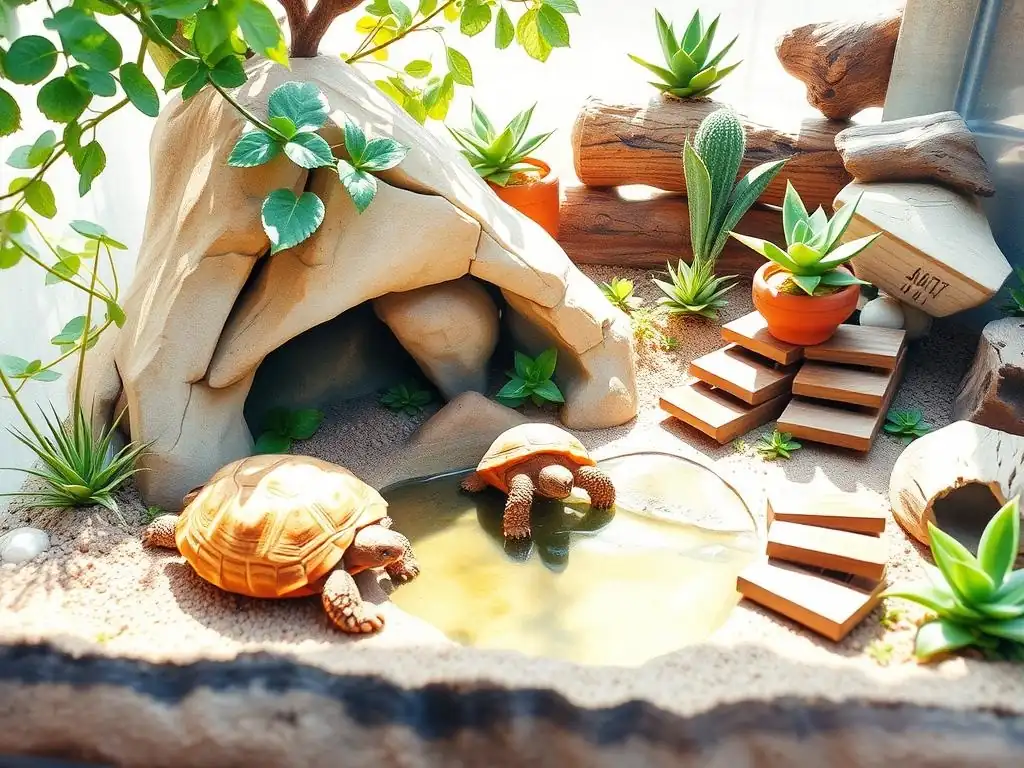
This section focuses on practical, affordable ways to enrich your tortoise's environment using readily available materials. Stimulating your tortoise's mind is crucial for its overall well-being, preventing boredom and promoting natural behaviors. These DIY projects offer a fantastic opportunity to bond with your pet while providing essential mental stimulation. Remember, safety is paramount; always supervise your tortoise during enrichment activities and ensure all materials are non-toxic and tortoise-safe. The key to successful tortoise enrichment is variety – rotate activities regularly to keep things interesting!
Building a Tortoise Maze
A simple maze provides hours of entertainment for your tortoise. It encourages natural foraging behaviors and provides a stimulating environment. The complexity of the maze can be adjusted based on your tortoise's size and agility.
Here's how to build a basic tortoise maze:
- Materials: Cardboard boxes (various sizes), non-toxic paint (optional), safe, non-toxic glue, small treats (e.g., chopped vegetables, fruits appropriate for your tortoise species).
- Construction: Cut and assemble cardboard boxes to create a winding path with several dead ends and a final "reward" area. You can paint the maze for added visual stimulation (ensure the paint is completely dry and non-toxic before introducing your tortoise). Securely glue the boxes together to prevent collapse.
- Placement: Place the maze in a safe, supervised area of your tortoise's enclosure. Scatter treats throughout the maze, leading to a larger reward at the end.
- Variations: Use different types of cardboard for textural variety. Consider adding small, safe obstacles like smooth rocks or shallow ramps to increase the challenge. Always monitor your tortoise while it navigates the maze to ensure it doesn't become stressed or injured.
Creating a Multi-Level Habitat
Tortoises are naturally inclined to explore different levels and elevations. A multi-level habitat mimics their natural environment and provides opportunities for climbing and exploring, improving their physical and mental health.
Consider these elements for a multi-level habitat:
- Elevated Platforms: Use large, flat, stable rocks or sturdy, tortoise-safe wood platforms of varying heights. Ensure the surfaces are smooth and free of sharp edges. Avoid using materials that can splinter or become moldy.
- Ramps: Provide gentle ramps to help your tortoise navigate between levels safely. These can be made from smooth, flat stones or pieces of wood.
- Hiding Spots: Include hiding places at each level to provide security and reduce stress. These could be small caves, overturned flowerpots, or other tortoise-safe shelters.
- Substrate: Maintain appropriate substrate on each level, ensuring proper drainage and hygiene.
- Safety: Secure all elements to prevent collapse or injury. Regularly inspect the setup for any potential hazards. The height of the levels should be appropriate for your tortoise's size and climbing ability. Avoid excessively high levels that could lead to falls.
Designing a Foraging Board
Foraging boards are an excellent way to provide mental stimulation and encourage natural foraging behaviors. They involve hiding treats within a variety of textures and materials, requiring your tortoise to work for its food. This mimics their natural search for food in the wild.
Here's how to create a simple foraging board:
- Base: Use a sturdy, flat surface such as a large piece of wood or a sturdy plate.
- Materials: Use a variety of safe materials with different textures, such as cork bark, small rocks, terracotta pots (ensure they are clean and free of glaze), and pieces of wood. These should be securely attached to the base.
- Treats: Hide small, appropriate treats (cut vegetables, fruits, pellets) under and within the materials on the foraging board.
- Placement: Place the foraging board in a safe area of the enclosure.
- Variety: Change the materials and the hiding places regularly to keep your tortoise engaged and prevent boredom. This will help to keep your tortoise's mind sharp and encourage natural foraging behaviors. 🐢 Consider adding small, shallow containers to hold treats, adding another layer of complexity.
Remember that observing your tortoise's interactions with these enrichment activities is crucial. Adjust the complexity and types of activities based on your tortoise's preferences and abilities. Consistent enrichment is key to a happy and healthy tortoise!
Tortoises, despite their often solitary nature in the wild, can benefit from carefully managed social interaction. This is especially true for younger tortoises, who may exhibit more playful and interactive behaviors. However, introducing tortoises to each other requires careful consideration and planning to avoid stress and potential injury. The key is to observe their body language closely and understand the subtle signs of aggression or discomfort. Successful social enrichment hinges on creating a safe and stimulating environment where interaction is optional, not forced.
Safe Interactions with Other Tortoises (if applicable)
Introducing tortoises to each other should be a gradual process. Never suddenly place them together. Instead, start by allowing them to smell each other through a barrier, such as a mesh screen, for several days. This allows them to become accustomed to each other's scent without direct contact. Observe their reactions; if they exhibit signs of aggression such as hissing, biting, or shell ramming, immediate separation is crucial.
If initial interactions seem positive, a supervised introduction in a large, neutral enclosure is the next step. This enclosure should provide ample space for each tortoise to retreat if needed, and should be devoid of any objects that could cause injury during a potential scuffle. Provide multiple hiding places, food and water sources, and basking spots to reduce competition.
The size and species of the tortoises are important factors. Generally, it's safer to house similar-sized and species tortoises together. However, even within the same species, individual personalities can vary greatly, and some tortoises are simply more solitary than others. Forcing social interaction can lead to stress, injuries, and even death. If any aggression is observed, immediate separation is necessary. Continuous monitoring is essential during the introduction period, and even after successful integration.
Remember that not all tortoises thrive in social environments. Some are inherently more solitary and may become stressed by the presence of other tortoises. Observing your tortoise's behavior is paramount to determining whether social interaction is beneficial or detrimental to their well-being. Prioritizing their individual needs is crucial.
Handling and Interaction: Positive Reinforcement Techniques
Handling your tortoise should always be a positive experience, promoting a sense of trust and reducing stress. Avoid sudden movements or loud noises, which can frighten them. Gentle, slow movements are key. Positive reinforcement techniques can be used to encourage desired behaviors during handling. For example, offering a small treat, like a piece of their favorite vegetable, immediately after handling can create a positive association with the interaction.
Example Positive Reinforcement Schedule:
A sample schedule might involve handling your tortoise for a brief period (e.g., 5 minutes) three times a week. Immediately following each handling session, provide a small, healthy treat. Over time, gradually increase the duration of the handling session as your tortoise becomes more comfortable.
Never force interaction. If your tortoise withdraws or shows signs of stress (e.g., rapid breathing, retracting into its shell), stop immediately and give it space. Respect its boundaries and allow it to approach you at its own pace. The goal is to build a bond based on trust and mutual respect, not dominance. Consistent, patient handling, combined with positive reinforcement, will foster a more comfortable and enriching relationship with your tortoise. Remember, patience is crucial in building a positive relationship with your pet. Forcing interaction can lead to fear and distrust, undermining the goal of enrichment.
Maintaining a Stimulating Environment: Ongoing Enrichment
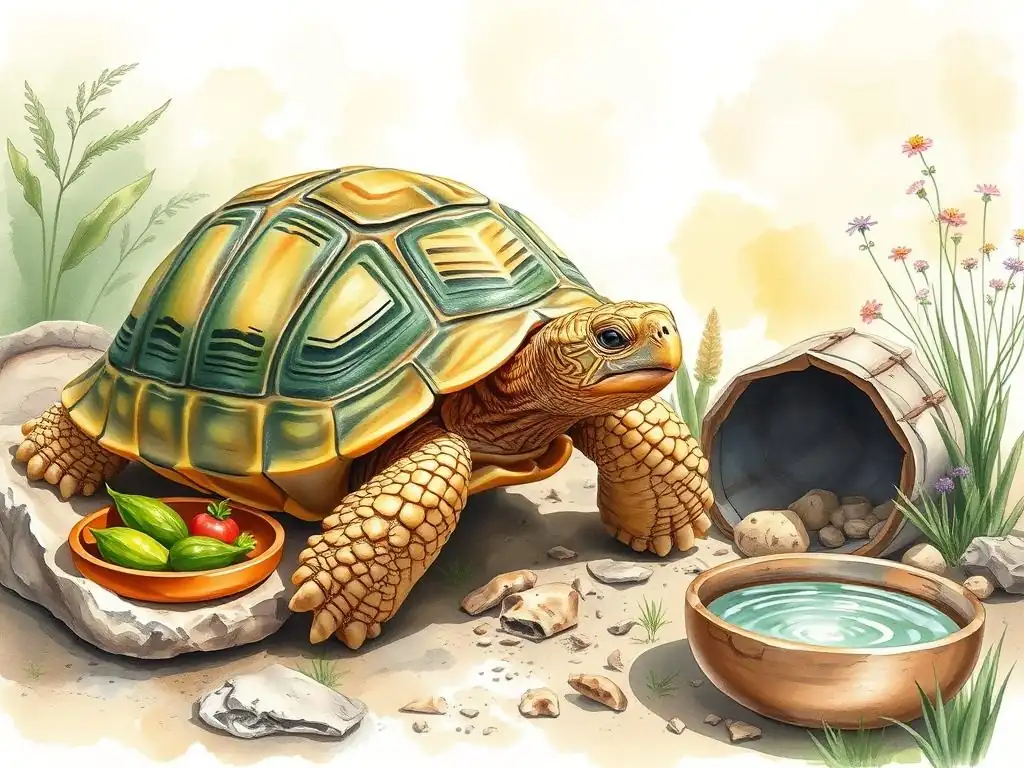
Providing a stimulating environment for your tortoise isn't a one-time event; it's an ongoing process requiring consistent effort and observation. Think of enrichment as a dynamic system, constantly evolving to meet your tortoise's changing needs and preferences. The key to successful tortoise enrichment lies in variety and thoughtful adaptation. Neglecting this crucial aspect can lead to boredom, lethargy, and even health problems in your shelled companion. Let's explore some key strategies for maintaining a consistently stimulating environment.
Regular Habitat Changes and Rotations
Regularly altering your tortoise's habitat is a simple yet highly effective enrichment technique. This doesn't necessitate a complete overhaul every week; instead, focus on subtle changes that introduce novelty. For example:
- Rotating basking spots: Move the basking lamp or heat rock to a different location within the enclosure. This encourages exploration and prevents the formation of worn paths.
- Rearranging hide boxes and shelters: Shifting the position of hides provides new perspectives and encourages your tortoise to explore different areas of its enclosure. Try adding a new hide every few weeks to keep things fresh.
- Introducing temporary features: Introduce temporary features like a small, shallow dish of water (supervise to prevent drowning) or a smooth, flat rock for climbing, then remove them after a few days. This provides novelty without overwhelming your tortoise.
- Substrate variation: Consider having different textures of substrate in different areas of the enclosure. For example, a mix of soil and sand in one area and coconut fiber in another will provide varied digging and exploring opportunities.
Remember, the goal is to gently introduce changes to maintain interest without causing undue stress. Observe your tortoise's behavior closely and adjust the frequency and intensity of these changes based on its response. A tortoise that readily explores new areas is thriving, while one that consistently avoids changes may need more gradual adjustments.
Introducing New Scents and Textures
Tortoises, despite their seemingly slow pace, have surprisingly sensitive senses. Introducing novel scents and textures can significantly enhance their environment and stimulate their natural behaviors.
- Scent enrichment: This can be achieved safely by introducing small quantities of non-toxic, natural materials. For example, a small piece of untreated wood, a few sprigs of safe, non-toxic herbs (ensure they are tortoise-safe! ), or even a small, clean rock from a different location can provide new olfactory experiences. Always research thoroughly to ensure the safety of any introduced material.
- Textural enrichment: Provide a variety of surface textures within the enclosure. This might include rough stones, smooth tiles, bark chips, or even sections of different types of substrate. This allows your tortoise to engage its sense of touch and explore different tactile experiences. Consider adding a shallow dish of slightly damp sphagnum moss for a different texture.
Remember to introduce new scents and textures gradually, monitoring your tortoise's reaction carefully. If your tortoise shows signs of distress or avoids the new elements, remove them immediately. The goal is enrichment, not stress.
Monitoring Your Tortoise's Behavior and Adjusting Enrichment Accordingly
The success of any enrichment program relies heavily on observation and adaptation. Regularly monitor your tortoise's behavior to gauge the effectiveness of your enrichment strategies. Look for signs of engagement, such as:
- Active exploration: Does your tortoise actively explore its enclosure, investigating new objects and areas?
- Increased activity levels: Is your tortoise more active and alert than it was previously?
- Healthy appetite: Is your tortoise maintaining a healthy appetite and weight?
- Normal defecation: Is your tortoise eliminating waste regularly?
If you notice a decline in any of these areas, it may be a sign that your enrichment efforts are insufficient or that your tortoise needs a change. Adjust the frequency and type of enrichment accordingly. Keep a detailed record of what you try and how your tortoise responds. This will help you refine your approach over time and create a truly stimulating and enriching environment for your beloved pet.
Remember, every tortoise is an individual, and what works for one may not work for another. The key is to be observant, patient, and adaptable. This tailored approach ensures you provide the best possible care for your unique tortoise.
Choosing Safe and Appropriate Enrichment Items for Tortoises
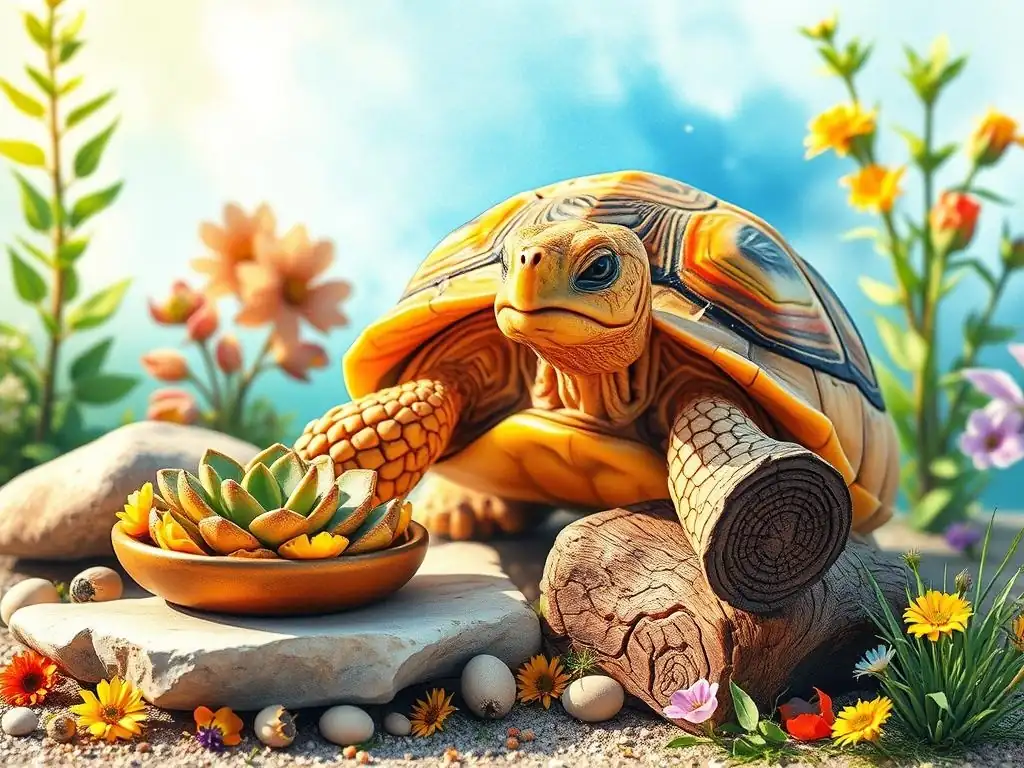
Providing enriching experiences for your tortoise is crucial for their physical and mental well-being. However, selecting the right items is paramount to ensure their safety and prevent accidental harm. Tortoises, being naturally inquisitive creatures, will interact with their environment extensively, making careful selection of enrichment crucial for preventing ingestion of hazardous materials or injuries from inappropriate items.
This section will guide you through choosing safe and suitable enrichment items, minimizing risks and maximizing the benefits for your shelled companion. Finding the perfect balance between stimulating your tortoise and keeping them safe is key to their happiness and longevity. Remember, responsible enrichment is about minimizing risks while maximizing opportunities for natural behaviors.
Avoiding Toxic Materials
Many common household items can be toxic to tortoises. It's crucial to avoid anything made from treated wood (pressure-treated lumber contains arsenic and other harmful chemicals), painted materials (paints and varnishes often contain lead or other toxins), or plastics that may leach harmful chemicals. Similarly, certain plants are toxic to tortoises, so careful research is necessary before introducing any vegetation into their enclosure. Here's a quick checklist of materials to avoid:
- Treated wood: Absolutely avoid using any wood treated with preservatives.
- Painted or varnished items: These can contain lead and other heavy metals.
- Certain plastics: Some plastics can leach harmful chemicals. Opt for tortoise-safe alternatives.
- Toxic plants: Research thoroughly before introducing any plants to the enclosure. Many common garden plants are poisonous.
- Metal objects with sharp edges: These can cause injuries.
Remember, when in doubt, leave it out! Prioritize natural materials like untreated wood, slate, and safe rocks. Always err on the side of caution to ensure your tortoise's safety. The health and safety of your tortoise should always be the top priority when selecting enrichment items.
Selecting Appropriate Sizes and Textures
The size and texture of enrichment items are equally important for safety and stimulation. Items should be large enough to prevent accidental ingestion but not so large as to pose a physical obstacle or create dangerous hiding places. Furthermore, textures should be varied to stimulate your tortoise's natural foraging and exploration behaviors. Consider these points:
- Size: Items should be too large to be swallowed easily. For example, a small tortoise shouldn't have access to rocks that could be a choking hazard.
- Texture: Offer a variety of textures – smooth, rough, bumpy – to provide sensory stimulation. This mimics their natural environment.
- Weight: Heavier items can provide a sense of security and stability for burrowing tortoises.
- Shape: Avoid items with sharp points or edges. Rounded shapes are generally safer.
For example, a large, smooth flat stone provides a basking area, while a rough piece of bark offers a different texture for exploration. Providing varied textures and sizes will keep your tortoise engaged and stimulated. Proper selection minimizes risks associated with size and texture mismatch.
Regularly Inspecting and Replacing Enrichment Items
Regular inspection and replacement of enrichment items is essential to maintain a safe and stimulating environment for your tortoise. Over time, items can become damaged, worn down, or contaminated. This can lead to hazards such as sharp edges, splinters, or the accumulation of bacteria. Here's a schedule for maintenance:
| Item Type | Inspection Frequency | Replacement Frequency |
|---|---|---|
| Wood pieces | Weekly | Every 3-6 months |
| Rocks and stones | Monthly | As needed (if damaged) |
| Hiding places | Weekly | Every 6-12 months |
| Substrate | Weekly | Every 2-4 months |
Regular cleaning and disinfection are also crucial. Thoroughly clean all enrichment items with a tortoise-safe disinfectant regularly to prevent the build-up of harmful bacteria. Proactive maintenance ensures a safe and stimulating environment for years to come. This routine contributes significantly to your tortoise's long-term health and well-being. Remember, prevention is key to avoiding potential hazards and maintaining a thriving environment for your pet. 🐢
Troubleshooting Common Tortoise Enrichment Challenges
Keeping tortoises mentally stimulated is crucial for their well-being, but implementing enrichment activities isn't always smooth sailing. This section addresses common hurdles and offers practical solutions to ensure your tortoise thrives. Remember, patience and observation are key to successful tortoise enrichment. The goal is to create a stimulating, yet safe, environment that caters to your tortoise's specific needs and personality. Understanding your tortoise's individual preferences is paramount in overcoming these challenges.
Dealing with Picky Eaters
Many tortoise owners struggle with getting their shelled companions to try new foods, a common obstacle when introducing diverse enrichment items. Tortoises, by nature, can be creatures of habit. However, a varied diet is essential for their health. Forcing new foods often backfires, leading to stress and refusal. Instead, try these strategies:
- Gradual Introduction: Don't overwhelm your tortoise with a sudden change. Introduce new foods alongside familiar favorites, gradually increasing the proportion of the new food over time. A small amount of a new leafy green next to their usual dandelion greens is a good starting point.
- Presentation Matters: The way you present food can influence a tortoise's acceptance. Vary the placement of food items within the enclosure. Try offering food on different substrates (e.g., a small rock, a piece of wood) to make foraging more interesting.
- Mimicking Natural Foraging: Tortoises are natural foragers. Scatter food items across the enclosure rather than placing them all in one bowl. This encourages natural exploration and searching behavior. Consider creating "hidden" food spots beneath logs or rocks.
- Positive Reinforcement: If your tortoise shows any interest in a new food, even just a sniff, reward them with a small amount of their favorite treat. This positive association can encourage future acceptance.
- Variety is Key: Offer a wide array of safe and appropriate plant materials. This includes different types of grasses, weeds, flowers, and succulents. Remember to research the specific dietary needs of your tortoise species.
Remember, even if your tortoise rejects a new food initially, don't give up. Persistence and patience are crucial in overcoming picky eating habits. Consult a veterinarian or reptile specialist if you have concerns about your tortoise's diet.
Addressing Signs of Stress or Boredom
Recognizing signs of stress or boredom in your tortoise is vital for adjusting enrichment strategies. A stressed or bored tortoise might exhibit these behaviors:
- Lethargy: Reduced activity levels and a lack of interest in their surroundings are significant warning signs.
- Abnormal Shell Growth: Poor diet and stress can affect shell growth, resulting in abnormalities.
- Weight Loss or Gain: Significant changes in weight can indicate dietary or health issues, often linked to stress.
- Self-Mutilation: In extreme cases, tortoises may exhibit self-mutilation behaviors, such as biting their limbs.
- Excessive Hiding: While tortoises naturally seek shelter, excessive hiding could suggest a need for more environmental security or stimulation.
If you observe any of these signs, consider the following:
- Environmental Assessment: Evaluate your tortoise's enclosure for potential stressors. Is it adequately sized? Is the temperature and humidity appropriate? Are there any potential hazards?
- Enrichment Review: Are you providing sufficient opportunities for exploration, foraging, and social interaction (if appropriate for the species)? Are the enrichment items varied and engaging?
- Veterinary Consultation: Rule out any underlying medical conditions that might be contributing to the stress or boredom.
Addressing stress and boredom requires a multi-faceted approach. Creating a secure, stimulating environment and providing opportunities for natural behaviors are crucial steps in ensuring your tortoise's well-being.
Adapting Enrichment to Different Tortoise Species and Ages
Tortoise enrichment needs vary significantly depending on the species and age of the reptile. What works for a young Hermann's tortoise might not be appropriate for an adult Sulcata tortoise. Consider these factors:
| Tortoise Species | Enrichment Considerations |
|---|---|
| Hermann's Tortoise | Smaller enclosures, focus on hiding spots and foraging opportunities in smaller spaces. |
| Russian Tortoise | Similar to Hermann's, but may appreciate slightly larger spaces for basking. |
| Sulcata Tortoise | Requires significantly larger enclosures, with ample space for roaming and digging. |
| Greek Tortoise | Similar to Hermann's and Russian tortoises, but may enjoy more climbing opportunities. |
Age also plays a critical role:
- Hatchlings: Need smaller enclosures with shallow water dishes and readily available food. Avoid complex structures that could pose a risk.
- Juveniles: Can handle slightly more complex enclosures and enrichment items, but still require supervision.
- Adults: Can tolerate more challenging environments and enrichment activities, including larger climbing structures and more intricate hiding places.
Remember to research the specific needs of your tortoise species and age group. Improper enrichment can lead to injuries or stress. Always prioritize the safety and well-being of your tortoise when designing and implementing enrichment activities. Observing your tortoise's behavior is key to adapting your enrichment strategy to their individual needs. A healthy and happy tortoise is an active and engaged tortoise.
Frequently Asked Questions
What are the benefits of providing enrichment activities for my tortoise?
Providing enrichment for your tortoise is crucial for its physical and mental well-being. It prevents boredom, reduces stress, and promotes natural behaviors, leading to a happier, healthier pet.
What kind of enrichment activities are suitable for tortoises?
Tortoises enjoy activities that stimulate their senses. This includes exploring different textures, like bark chips or moss, digging in substrate, and having access to various hiding spots.
How much time should I dedicate to tortoise enrichment activities daily?
The amount of time varies depending on the tortoise's age and species. Aim for at least 30 minutes to an hour of engaging activities daily, spreading them out throughout the day.
Are there any dangers I should be aware of when providing enrichment for my tortoise?
Yes, ensure all materials are non-toxic and safe for consumption. Avoid sharp objects or anything that could cause injury. Always supervise your tortoise during enrichment activities.
Where can I find more information on tortoise enrichment activities?
PetCareWorld offers a wealth of resources! Explore our website for in-depth guides and expert advice on tortoise care, including specific enrichment ideas tailored to different species and ages.
Final Reflection: Unlocking the Joyful Minds of Our Shelled Companions
The simple act of providing enrichment for our pet tortoises is not merely about keeping them busy; it's about nurturing their inherent intelligence and ensuring their well-being. A stimulated tortoise is a happy, healthy tortoise, a fact that resonates deeply with responsible pet owners today, as we increasingly understand the complex needs of our animal companions. Ignoring this crucial aspect of tortoise care is akin to neglecting a vital part of their overall health.
The impact of enriching a tortoise's environment extends far beyond the immediate. It's about fostering a deeper connection with these often-misunderstood creatures, recognizing their capacity for learning and exploration. The more we learn about animals, the more we realize how much they have to teach us.
This quote rings true when observing the curiosity and individual personalities that emerge when tortoises are given the opportunity to engage with their surroundings in meaningful ways. The subtle shifts in their behavior, the increased activity, and even the playful interactions they might exhibit, all speak volumes about the importance of providing stimulating environments.
Now, consider your own tortoise. What new challenges can you introduce? What unexplored corners of their enclosure can you transform into exciting adventures? Take the time to observe your shelled friend, to understand their individual preferences, and to create a world that fosters their natural instincts. By embracing the principles of enrichment, you're not just providing a better life for your tortoise; you're embarking on a journey of discovery and connection that will enrich your own life as well.
Unleash Your Tortoise's Inner Explorer!
Thanks for exploring tortoise enrichment with us! We hope you've found some inspiring ideas to keep your shelled friend happy and healthy. Ready to put your new knowledge into practice?
- Create a stimulating habitat today: Begin by adding a new element from the article to your tortoise's enclosure. Even a small change can significantly improve their well-being!
- Share your tortoise's adventures! Post a picture of your pet enjoying their enhanced habitat on social media using #TortoiseEnrichmentChallenge. Let's inspire other tortoise owners!
- Continue learning! Research different tortoise-safe plants to create a diverse and engaging environment.
What exciting enrichment activity will you try first to make your tortoise's life even more fulfilling?