
Exotic Pet Adoption vs. Purchase: Understanding Your Options

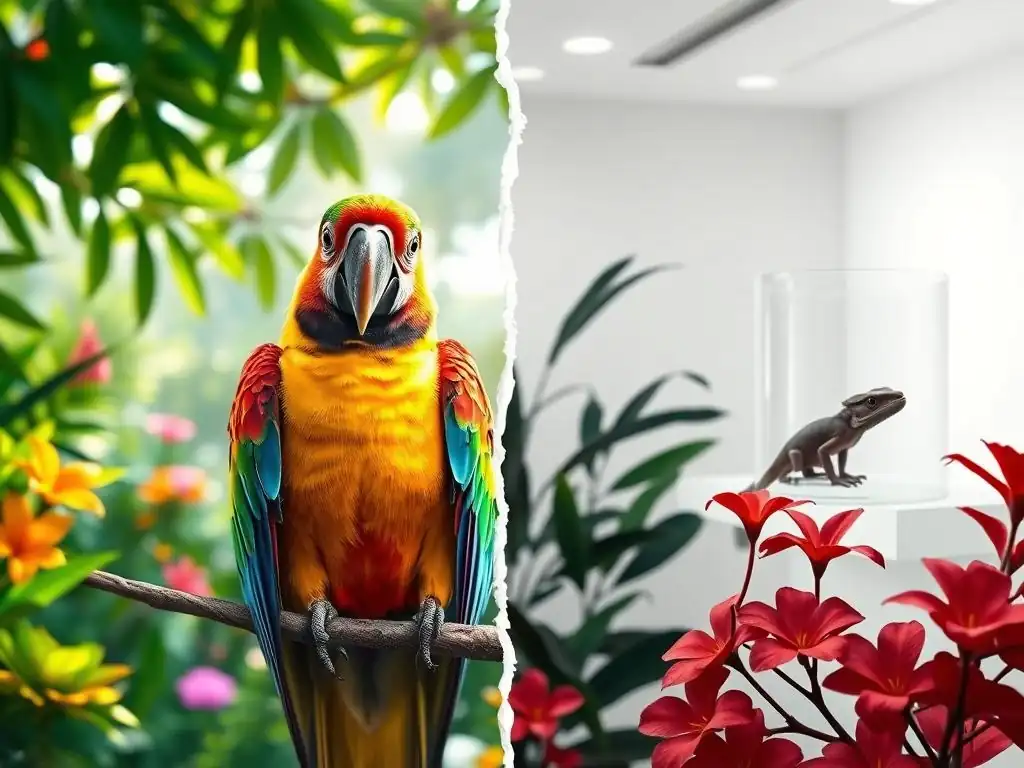
Welcome to PetCareWorld, your ultimate guide to a happier, healthier life for your beloved companion! Are you considering expanding your family with a unique and captivating creature? Then our in-depth article on "Adopt or Buy Exotic Pet" is your essential starting point. Discover the crucial differences between adoption and purchase, and learn how to make the best decision for you and your future exotic pet. Uncover the secrets to responsible exotic pet ownership and embark on a journey filled with fascinating insights and practical advice – explore now!
- Choosing Between Adoption and Purchase: Exotic Pet Acquisition
- Adopting an Exotic Pet: A Compassionate Choice
- Purchasing an Exotic Pet: Considerations and Risks
- Comparing Adoption and Purchase: A Side-by-Side Look at "Adopt or Buy Exotic Pet"
- Making the Right Choice: Adopt or Buy Exotic Pet?
-
Frequently Asked Questions
- What are the benefits of adopting an exotic pet?
- What are the potential drawbacks of adopting an exotic pet?
- Where can I find exotic pets for adoption?
- What factors should I consider when deciding between adopting or buying an exotic pet?
- What are the legal considerations regarding exotic pet ownership?
- Final Reflection: Choosing Compassion: The Future of Exotic Pet Ownership
- Unlock a World of Unconditional Love: Adopt Your Exotic Companion Today!
Choosing Between Adoption and Purchase: Exotic Pet Acquisition

Bringing an exotic pet into your home is a significant decision, demanding careful consideration of various factors beyond simple preference. This guide explores the key differences between adopting and purchasing an exotic pet, helping you make an informed choice aligned with your ethical values and practical capabilities. We'll delve into the ethical implications of exotic pet ownership, analyze the financial commitments involved in both adoption and purchase, and highlight the potential advantages and disadvantages of each path. Ultimately, the goal is to empower you to become a responsible and informed exotic pet owner, ensuring the well-being of your chosen companion.
Choosing between adoption and purchase isn't just about acquiring a pet; it's about embracing a long-term commitment to its care and contributing to responsible exotic pet ownership practices. The decision should be based on a thorough understanding of your capabilities, resources, and ethical considerations. Let's explore your options.
The Ethical Considerations of Exotic Pet Ownership
The ethical implications of owning an exotic pet are multifaceted and often overlooked. Before even considering adoption or purchase, it's crucial to understand the responsibility you're undertaking. Many exotic animals are sourced from unsustainable practices, contributing to the depletion of wild populations and the disruption of delicate ecosystems. Purchasing an exotic pet, especially without thorough research into its origin, can inadvertently support these harmful activities.
Adopting an exotic pet from a reputable rescue organization, on the other hand, can be a more ethical choice. Rescues often take in animals confiscated from illegal trafficking operations, or those surrendered by owners who can no longer care for them. By adopting, you're providing a second chance for an animal in need while simultaneously reducing the demand for animals bred or captured in the wild.
However, ethical considerations extend beyond the acquisition process. Exotic pet ownership demands a significant commitment to providing proper care, including specialized diets, housing, and veterinary attention. Failing to meet these needs constitutes a significant ethical lapse. Before committing to any exotic pet, honestly assess your capacity to provide a lifetime of appropriate care. This includes understanding potential health issues common to the species, the financial implications of veterinary care, and the possibility of unexpected behavioral challenges. Remember, responsible ownership is paramount.
Consider these questions:
- Am I prepared for the long-term commitment involved?
- Can I provide appropriate housing, enrichment, and veterinary care?
- Have I researched the specific needs of this species thoroughly?
- Am I certain I can handle potential behavioral challenges?
- Am I adopting from a reputable rescue, ensuring the animal's welfare?
Choosing the ethical path requires careful self-reflection and a commitment to responsible exotic pet ownership. The welfare of the animal should always be the primary concern.
Understanding the Costs Involved in Exotic Pet Adoption and Purchase
The financial commitment associated with exotic pet ownership is often underestimated. Both adoption and purchase involve a range of ongoing costs that can significantly impact your budget. While the initial acquisition cost may seem like the largest expense, it's only the beginning. Veterinary care, specialized diets, appropriate housing, and enrichment activities are ongoing expenses that can vary dramatically depending on the species.
Purchase: Purchasing an exotic pet directly from a breeder or seller often involves a higher upfront cost compared to adoption. However, you may have more control over the animal's age, health history (though not always guaranteed), and lineage. But be wary of hidden costs. Prices can fluctuate widely depending on the species' rarity, age, and health.
Adoption: Adoption fees from reputable rescue organizations are typically lower than purchase prices. However, adopted animals may require additional veterinary care due to pre-existing conditions or trauma. The rescue organization should provide some level of information about the animal’s history and health, but unforeseen medical expenses can still arise.
Regardless of whether you adopt or purchase, expect significant ongoing costs including:
| Expense Category | Approximate Annual Cost Range (USD) 1 | Notes |
|---|---|---|
| Veterinary Care | $500 - $2000+ | Varies greatly by species and potential health issues. |
| Specialized Diet | $200 - $1000+ | Depends on the animal's dietary needs and the cost of specialized food. |
| Housing & Enrichment | $100 - $500+ | Costs vary widely depending on the species and its housing requirements. |
| Supplies (substrate, etc.) | $50 - $200+ | Ongoing costs for bedding, cleaning supplies, and other necessary items. |
1 These are broad estimates and can vary significantly based on the specific species, location, and individual animal needs. Consult with a veterinarian and experienced exotic pet keepers for more accurate cost projections. Remember to always factor in unexpected veterinary expenses. The costs associated with owning an exotic pet can be substantial, so careful financial planning is essential.
Adopting an Exotic Pet: A Compassionate Choice
Adopting an exotic pet offers a rewarding alternative to purchasing one from a breeder or pet store. It's a compassionate choice that directly contributes to reducing the number of animals in need and provides a loving home for a creature that might otherwise face hardship. Choosing adoption over buying supports ethical breeding practices and helps combat the irresponsible breeding and sale of exotic animals, often leading to overcrowded shelters and neglected animals.
This section will explore the benefits of adoption and guide you through the process of finding and adopting an exotic pet responsibly. Remember, adopting an exotic pet is a significant commitment, requiring careful consideration of your lifestyle, resources, and the specific needs of the animal.
The decision to adopt should be based on a thorough understanding of the animal's requirements and your ability to provide a suitable environment. This isn't just about acquiring a pet; it's about providing a lifelong home and care.
Finding Reputable Exotic Pet Adoption Agencies
Locating a trustworthy exotic pet adoption agency is crucial. Avoid organizations with questionable practices; unethical breeding or inadequate care can lead to unhealthy or traumatized animals. Reputable agencies will prioritize the well-being of their animals, conducting thorough health checks and providing detailed information about each pet's history and needs.
Look for agencies that are transparent about their operations, allowing you to visit the facility and interact with the animals before making a decision. Many agencies also offer support and guidance after adoption, providing resources and answering questions to help you successfully integrate your new pet into your life. Checking online reviews and seeking recommendations from other exotic pet owners can also be helpful in identifying reputable agencies.
Remember, a good agency will prioritize responsible placement and ensure the long-term well-being of the animals in their care. This commitment to responsible pet placement is a key indicator of a reputable agency. Thorough research is key to finding the right fit for you and your potential new pet.
The Adoption Process: Preparing Your Home and Yourself
Adopting an exotic pet involves more than just filling out an application. It necessitates careful preparation to ensure the animal's successful transition into your home. Before even contacting an adoption agency, assess your living situation: Do you have the appropriate enclosure, temperature control, lighting, and enrichment for the specific species you're interested in? Research the species' dietary needs, ensuring you can provide a balanced and appropriate diet. Financial preparedness is also vital; exotic pets often require specialized veterinary care, which can be expensive.
Consider setting aside funds for unexpected veterinary bills. Furthermore, carefully consider your lifestyle. Do you have the time for daily care, including cleaning the enclosure, feeding, and interacting with your pet? Some exotic pets require extensive handling and socialization, while others prefer a more hands-off approach.
Honest self-assessment is crucial in determining your suitability as a caregiver. The agency will likely interview you and assess your suitability before allowing you to adopt. Be prepared to answer questions about your experience with exotic pets, your living situation, and your commitment to providing long-term care. Thorough preparation significantly increases the chances of a successful and fulfilling adoption experience, benefiting both you and your new exotic companion.
Commonly Adopted Exotic Pets: Species Overview and Care Requirements
Several exotic pets are frequently available for adoption. Understanding their specific needs is paramount. For example, certain reptile species, like leopard geckos, are popular choices for beginners due to their relatively low maintenance requirements compared to other lizards. However, even leopard geckos need specific temperature gradients, appropriate substrate, and a diet of live insects. Other commonly adopted reptiles might include bearded dragons, requiring more space and specific UV lighting.
Among birds, smaller parrot species like cockatiels are sometimes available for adoption, but their social needs and lifespan should be carefully considered. Remember, adopting any animal is a long-term commitment. Before adopting, research the specific care requirements of the species you're interested in. This includes dietary needs, enclosure size and setup, environmental enrichment, and veterinary care.
Failing to provide appropriate care can negatively impact the animal's health and well-being. Consider consulting with experienced exotic pet keepers or veterinary specialists before making your decision. This careful consideration will ensure a successful and harmonious relationship with your adopted exotic companion for many years to come. Remember to always prioritize the animal's welfare throughout the adoption process and beyond.
Purchasing an Exotic Pet: Considerations and Risks

Choosing to purchase rather than adopt an exotic pet involves a unique set of considerations and potential risks that prospective owners must carefully evaluate. While acquiring a pet directly from a breeder or supplier offers a degree of control over lineage and initial health, it also carries significant responsibilities and potential financial burdens. Understanding these aspects is crucial to making an informed decision and ensuring the well-being of the animal.
The emotional and financial commitment involved in exotic pet ownership should never be underestimated, regardless of the acquisition method. This section will delve into the key aspects of purchasing an exotic pet, highlighting potential pitfalls and offering guidance for responsible ownership.
Finding a Responsible Exotic Pet Breeder or Supplier
Locating a reputable breeder or supplier is paramount when purchasing an exotic pet. Irresponsible breeding practices can lead to animals with genetic defects, health problems, and compromised temperaments. Thorough research is essential. Look for breeders and suppliers who prioritize the health and well-being of their animals above profit. Signs of a responsible breeder include:
- Open and transparent facilities: A willingness to show you their breeding facilities and allow you to observe the animals' living conditions.
- Health testing and veterinary care: Documentation of regular veterinary checkups and genetic testing for common health issues within the species.
- Knowledge and experience: A demonstrated understanding of the specific needs of the animal, including dietary requirements, environmental enrichment, and potential health concerns.
- Socialization and handling: Animals that are well-socialized and comfortable with human interaction.
- Post-purchase support: A willingness to answer questions and provide guidance after the sale.
Avoid breeders or suppliers who are unwilling to provide information about their breeding practices or the animals' health history. Remember, a responsible breeder cares about the long-term well-being of their animals and will not hesitate to share information with potential owners. Purchasing an exotic pet from an irresponsible source can lead to significant problems down the line, including expensive veterinary bills and emotional distress. Always prioritize ethical and responsible sourcing.
The Purchase Process: Health Checks and Legal Requirements
The purchase process for exotic pets often involves more than simply selecting an animal. A responsible buyer should always insist on a thorough health check conducted by a veterinarian specializing in exotic animals. This is crucial to identify any potential health issues before bringing the animal home. Furthermore, understanding and complying with all applicable local and national laws and regulations regarding the ownership of exotic pets is critical.
These regulations vary widely depending on location and species. Some exotic pets require special permits or licenses, and failure to comply with these regulations can result in significant penalties. Before purchasing any exotic pet, research the specific legal requirements in your area.
The purchase itself should include detailed documentation, such as:
- Health certificate: A veterinarian's confirmation of the animal's health status.
- Species identification: Accurate documentation confirming the species and subspecies of the animal.
- Breeding records (if applicable): Information about the animal's lineage and parents' health.
- Sales agreement: A legally binding contract outlining the terms of the sale, including guarantees and responsibilities.
Potential Health Issues and Associated Costs in Purchased Exotic Pets
Exotic pets, due to their often specialized needs and sometimes delicate nature, can be prone to various health issues. These can range from common ailments to more serious, and potentially life-threatening conditions. The costs associated with veterinary care for exotic pets can be significantly higher than those for more common domestic animals, due to the specialized expertise and often limited availability of veterinary professionals experienced in treating these species. Potential health issues and associated costs should be carefully considered before purchasing an exotic pet.
Some common health problems seen in exotic pets include:
| Health Issue Category | Specific Examples | Potential Costs |
|---|---|---|
| Parasitic Infections | Internal and external parasites | Varies greatly depending on treatment required |
| Nutritional Deficiencies | Metabolic bone disease (MBD), vitamin deficiencies | Can be significant, requiring long-term treatment |
| Infectious Diseases | Bacterial, viral, and fungal infections | Often high, including hospitalization and medication |
| Genetic Disorders | Inherited conditions | Can be extremely high, with limited treatment options |
Remember, responsible exotic pet ownership involves a significant financial commitment, extending beyond the initial purchase price to cover ongoing costs such as food, housing, veterinary care, and enrichment. Failing to adequately budget for these expenses can lead to neglect and compromise the animal's well-being. Thorough research and planning are essential before bringing any exotic pet into your home. The decision to "adopt or buy exotic pet" should be based on a complete understanding of the animal’s needs and your ability to provide for them responsibly.
Comparing Adoption and Purchase: A Side-by-Side Look at "Adopt or Buy Exotic Pet"

This section delves into the crucial decision of adopting versus purchasing an exotic pet, examining the key differences to help you make an informed choice. The "adopt or buy exotic pet" question hinges on several factors beyond simple cost. Let's explore these factors in detail.
Cost Comparison: Adoption Fees vs. Purchase Prices
The financial aspect is a significant consideration when deciding whether to adopt or buy an exotic pet. While purchasing often involves a higher upfront cost, adoption fees are typically lower. However, the long-term costs can vary greatly depending on the species and individual animal's needs.
Purchasing an exotic pet directly from a breeder or seller usually involves a substantial initial investment. Prices can range dramatically based on factors like the animal's age, rarity, lineage (in the case of certain breeds), and health. For example, a rare species of gecko might cost several hundred dollars, while a more common species like a leopard gecko might cost significantly less. Moreover, you'll likely need to factor in the cost of initial setup, including a suitable enclosure, specialized lighting, heating equipment, and substrate, which can add hundreds, if not thousands, of dollars to your initial outlay.
Adoption, on the other hand, typically involves a much lower upfront fee, often ranging from $50 to $200, depending on the organization and the animal's specific needs. This fee often covers the animal's initial veterinary care, including parasite treatment and vaccinations where applicable. However, potential adopters should be prepared for unexpected veterinary expenses down the line. Remember that adopting an exotic pet might still necessitate purchasing specialized equipment and supplies.
Health Considerations: Adopting vs. Buying a Healthy Exotic Pet
Ensuring your exotic pet's health is paramount, and the approach to health differs between adoption and purchase. Both options present unique challenges and considerations.
Buying from a reputable breeder often offers some assurance of the animal's health history, as responsible breeders typically provide health certificates and maintain meticulous records. They are more likely to be knowledgeable about the specific health concerns of the species and to have taken preventative measures. However, even with reputable breeders, unforeseen health problems can still arise.
Adopting an exotic pet from a rescue organization or shelter presents a different set of health considerations. While reputable organizations strive to provide adequate care, the animal's history may be less clear. It's crucial to thoroughly vet the adoption agency and ask detailed questions about the animal's health, including any known illnesses, treatments, or behavioral issues. Be prepared for potential health issues that might require significant veterinary care, including potential pre-existing conditions that may not be immediately apparent. A thorough veterinary checkup upon adoption is essential.
Time Commitment: Adoption and Purchase Considerations
The time commitment required for caring for an exotic pet is substantial, irrespective of whether you adopt or buy. However, the nature of this commitment might vary slightly.
Purchasing a young exotic pet often involves a longer-term commitment, as you'll be responsible for its care for many years to come. This includes daily care routines, such as feeding, cleaning the enclosure, monitoring its health, and providing enrichment activities. The time commitment also involves ongoing learning about the specific needs of the species, as their requirements can be complex and demanding.
Adopting an older exotic pet might mean a shorter-term commitment, especially if the animal has a shorter lifespan. However, it is crucial to consider the animal's existing health and behavioral issues, which might require more specialized care and attention. Adopting an older animal with pre-existing health concerns could mean more frequent vet visits and potentially higher veterinary costs. Regardless of age, the commitment to providing proper care remains substantial and shouldn't be underestimated. A responsible owner dedicates significant time to understanding and meeting their exotic pet's needs.
Making the Right Choice: Adopt or Buy Exotic Pet?

Choosing between adopting or purchasing an exotic pet is a significant decision impacting the animal's well-being and your own experience as a pet owner. This decision hinges on several interconnected factors, extending beyond the initial acquisition cost. Understanding these nuances will help you make an informed choice that aligns with your capabilities and the needs of the exotic animal. The "adopt or buy exotic pet" question requires careful consideration of both short-term and long-term implications.
Factors to Consider When Choosing Adoption or Purchase
Several key factors influence the decision to adopt or buy an exotic pet. These factors often intertwine, making a holistic assessment crucial. Let's explore them in detail:
- Cost: Purchasing an exotic pet often involves a higher upfront cost compared to adoption. This includes the initial purchase price, which can vary significantly depending on the species, age, and breeder. Adoption fees are typically lower, but ongoing veterinary care for rescued animals can sometimes be more expensive due to pre-existing conditions. Consider not only the initial cost but also the projected lifetime expenses, including food, housing, veterinary care, and enrichment.
- Health and Temperament: Reputable breeders typically provide health guarantees and detailed information about the animal's lineage and temperament. While this isn't always a guarantee of a perfectly healthy or well-tempered animal, it offers more predictability. Adopted animals may have unknown health histories, potentially requiring more extensive veterinary care. Their temperament might also be less predictable, requiring patience and specialized training. Understanding the potential challenges associated with each option is vital.
- Species Availability: The availability of specific exotic pet species varies greatly between adoption and purchase routes. Certain species are rarely available through rescue organizations, while others are more commonly found in shelters due to relinquishment. Your desired species might dictate whether adoption or purchase is a more viable option.
- Ethical Considerations: Supporting responsible breeders contributes to the conservation of certain species and discourages unethical breeding practices. Adopting an exotic pet directly contributes to reducing the number of animals in shelters and potentially saves a life. Weighing the ethical implications of your choice is a crucial step in responsible pet ownership.
- Legal Requirements: Remember that owning exotic pets comes with legal responsibilities. Research the local and national regulations concerning the species you are considering. These regulations can impact both adoption and purchase options, potentially restricting certain species or requiring permits. Failure to comply with these regulations can result in penalties.
Long-Term Commitment to Your Exotic Pet's Wellbeing
Adopting or buying an exotic pet is a substantial long-term commitment. This commitment extends far beyond the initial acquisition; it encompasses the animal's entire lifespan, which can vary greatly depending on the species. The following points highlight the importance of this long-term perspective:
- Lifespan and Specialized Care: Exotic pets have diverse lifespans and require specialized care. Some species may live for decades, demanding consistent attention and resources throughout their lives. Understanding the specific needs of your chosen species—including dietary requirements, housing specifications, and enrichment strategies—is paramount. Failure to meet these needs can lead to health problems and behavioral issues.
- Veterinary Care: Exotic pet veterinary care can be expensive and specialized. Finding a veterinarian experienced with your chosen species is crucial. Regular checkups, preventative care, and treatment for illnesses can significantly impact your long-term budget. Unexpected illnesses or injuries can lead to substantial veterinary bills.
- Enrichment and Socialization: Exotic pets require appropriate environmental enrichment to prevent boredom and behavioral problems. This includes providing stimulating habitats, opportunities for exploration, and interaction that aligns with their natural behaviors. Socialization, where appropriate for the species, is equally important for their overall well-being. Neglecting these aspects can lead to stress, depression, and even aggression.
- Unexpected Challenges: Even with careful planning, unexpected challenges can arise. Accidents, illnesses, and behavioral issues are all possibilities. Being prepared for these contingencies, both financially and emotionally, is vital for responsible exotic pet ownership. This preparedness significantly contributes to a successful and fulfilling relationship with your exotic companion.
Remember, responsible exotic pet ownership requires thorough research, careful planning, and a deep understanding of the animal's needs. The decision to adopt or buy should be made thoughtfully, considering all the factors discussed to ensure a positive experience for both you and your exotic pet.
Frequently Asked Questions
What are the benefits of adopting an exotic pet?
Adopting an exotic pet often means you're saving a life. You'll also likely pay lower fees than purchasing from a breeder, and contribute to reducing the number of animals in shelters.
What are the potential drawbacks of adopting an exotic pet?
Adopted exotic pets may have pre-existing health issues or behavioral problems. They may also require specialized care that you need to be prepared for.
Where can I find exotic pets for adoption?
Many animal shelters and rescue organizations specialize in exotic animals. You can also check online databases and connect with breeders who may have animals needing rehoming.
What factors should I consider when deciding between adopting or buying an exotic pet?
Consider your experience level, the animal's specific needs, and your financial resources. Research the species thoroughly before making a decision.
What are the legal considerations regarding exotic pet ownership?
It's crucial to check your local and state laws regarding exotic pet ownership. Some species are restricted or require permits before you can legally own them.
Final Reflection: Choosing Compassion: The Future of Exotic Pet Ownership
The ethical considerations surrounding exotic pet ownership are no longer a niche concern; they are a critical conversation impacting animal welfare and biodiversity on a global scale. The choices we make – to adopt or purchase – directly influence the lives of these unique creatures and the sustainability of their populations in the wild. Our decisions have consequences that ripple far beyond our own homes.
The emotional weight of responsible exotic pet ownership is immense. It requires a deep understanding of the animal's specific needs, a commitment to providing a species-appropriate environment, and a willingness to dedicate significant time and resources to their care. The greatness of a nation and its moral progress can be judged by the way its animals are treated.
- Mahatma Gandhi. This quote underscores the interconnectedness of our treatment of animals and the reflection of our values as a society. The increasing awareness of the ethical implications of exotic pet ownership signals a positive shift towards a more compassionate and responsible approach.
Consider the impact of your choices. Will you contribute to the unsustainable breeding practices that often fuel the exotic pet trade, or will you choose to give a deserving animal a second chance at a loving home? You have the power to make a difference. By prioritizing adoption over purchase, you actively combat the exploitation of wild animals and support organizations dedicated to their rescue and rehabilitation. Choose compassion, choose responsibility, choose adoption.
Unlock a World of Unconditional Love: Adopt Your Exotic Companion Today!
Thank you for exploring the exciting world of exotic pet ownership with us! We hope you've gained a clearer understanding of the adoption process. Now, let's put that knowledge into action. Ready to find your perfect feathered, scaled, or furry friend?
- Prioritize adoption: Start by searching local rescues and shelters specializing in exotic animals. Many wonderful creatures are waiting for loving homes!
- Connect with your community: Share this article and spark conversations about responsible exotic pet ownership with your friends and family.
- Research thoroughly: Before bringing any animal home, thoroughly research specific breeds and their unique care requirements. Understanding their needs is crucial for their well-being.
What qualities are you seeking in your exotic companion, and how will you ensure a happy and healthy life for them?