
Litter Box Training: How to Use Positive Reinforcement Effectively

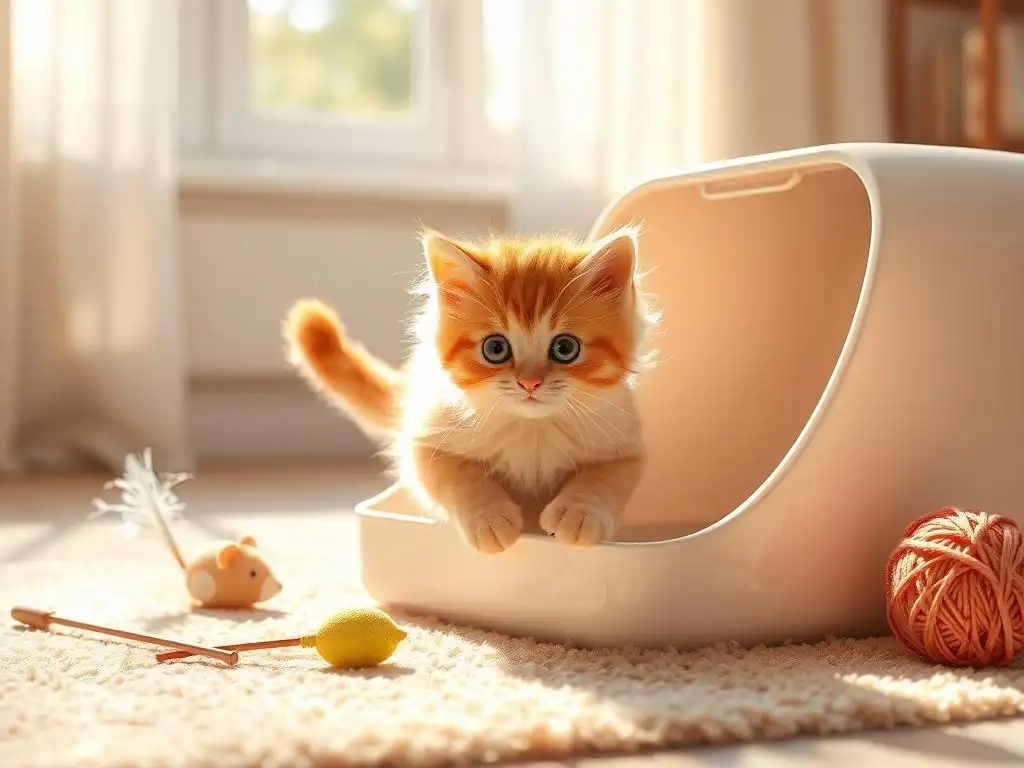
Welcome to PetCareWorld, your ultimate guide to a happier, healthier life for your beloved companions! Are you ready to unlock the secrets to successful litter box training? Discover how positive reinforcement can transform your cat's bathroom habits and strengthen your bond. Dive into our expert guide on "Positive Reinforcement Litter Box Training" and learn the techniques that will leave you and your feline friend purring with satisfaction. Let's embark on this rewarding journey together!
- Understanding Positive Reinforcement in Litter Box Training
- Preparing for Successful Litter Box Training
- Step-by-Step Guide to Positive Reinforcement Litter Box Training
- Troubleshooting Common Litter Box Problems
- Maintaining Good Litter Box Habits
- Advanced Techniques for Positive Reinforcement Litter Box Training
- When to Seek Professional Help
- Frequently Asked Questions
- Final Reflection: The Lasting Power of Positive Reinforcement in Litter Box Training
- Unlock Your Cat's Litter Box Potential!
Understanding Positive Reinforcement in Litter Box Training
Litter box training is a crucial aspect of cat ownership, ensuring a clean and harmonious home environment for both you and your feline companion. While punishment-based methods might seem like a quick fix, they often lead to behavioral problems, stress, and a damaged bond between you and your cat.
This guide focuses on positive reinforcement, a humane and highly effective training technique that builds a positive association with the litter box, resulting in a well-trained and happy cat. We'll explore the principles of positive reinforcement, its advantages in litter box training, and dispel some common misconceptions, providing you with a comprehensive understanding of how to successfully train your cat using this rewarding method.
Mastering positive reinforcement litter box training is not just about achieving a clean house; it's about fostering a strong, trusting relationship with your cat. This approach builds confidence in your cat and allows them to learn at their own pace, resulting in a more relaxed and contented pet.
What is Positive Reinforcement?
Positive reinforcement, in the context of litter box training (and pet training in general), involves rewarding desired behaviors to increase their likelihood of occurring again. Unlike punishment, which focuses on eliminating undesirable actions, positive reinforcement focuses on building good habits. For litter box training, this means rewarding your cat immediately after they successfully eliminate in their litter box.
This reward could be anything your cat finds highly motivating, such as a tasty treat, verbal praise ("Good kitty! "), or even a favorite toy. The key is consistency and timing; the reward must be given immediately after the desired behavior to effectively reinforce the connection.
The more consistent you are, the quicker your cat will learn to associate the litter box with positive experiences. Think of it as teaching your cat that using the litter box is inherently rewarding. This approach avoids creating fear or anxiety, which can hinder the training process and damage your relationship with your cat.
Benefits of Positive Reinforcement for Litter Box Training
Employing positive reinforcement in litter box training offers numerous advantages over punishment-based methods. These benefits extend beyond simply achieving successful litter box use; they contribute to a healthier and happier relationship with your cat.
- Reduced Stress and Anxiety: Punishment can scare your cat and create anxiety around the litter box, potentially leading to accidents outside the designated area. Positive reinforcement, on the other hand, creates a positive and relaxed environment, making the litter box a safe and comfortable place.
- Stronger Bond: Rewarding your cat for good behavior strengthens the bond between you. This positive interaction fosters trust and improves communication, creating a more harmonious living environment.
- Faster Learning: Cats are more likely to repeat behaviors that are associated with positive experiences. Positive reinforcement speeds up the learning process, leading to faster and more efficient litter box training.
- Improved Cat Well-being: A cat that is confidently using its litter box is a happier and healthier cat. This contributes to their overall well-being and reduces the risk of stress-related illnesses.
- Long-term Success: Positive reinforcement leads to more sustainable results. Once your cat associates the litter box with positive rewards, they are more likely to continue using it consistently throughout their life.
Common Misconceptions about Positive Reinforcement
Despite its effectiveness, some misconceptions surround positive reinforcement litter box training. Addressing these misconceptions is crucial for successful implementation.
- "It's too slow": While it might not yield immediate results like punishment, positive reinforcement is ultimately more efficient in the long run because it builds a positive association. Punishment often leads to setbacks and requires more time to correct the underlying issues.
- "My cat won't understand": Cats are highly intelligent and capable of learning through association. Consistent positive reinforcement clearly communicates the desired behavior.
- "It's just giving treats": While treats are a common reward, positive reinforcement encompasses a broader range of rewards tailored to your cat's preferences, including praise, petting, and playtime. The key is to identify what motivates your cat.
- "It's spoiling my cat": Rewarding desired behaviors does not spoil your cat; it strengthens your bond and teaches them appropriate actions. It's about positive communication, not indulgence.
Understanding these misconceptions and embracing the benefits of positive reinforcement will pave the way for a successful and stress-free litter box training experience for both you and your cat. Remember, patience and consistency are key to achieving long-term success. 😻
Preparing for Successful Litter Box Training
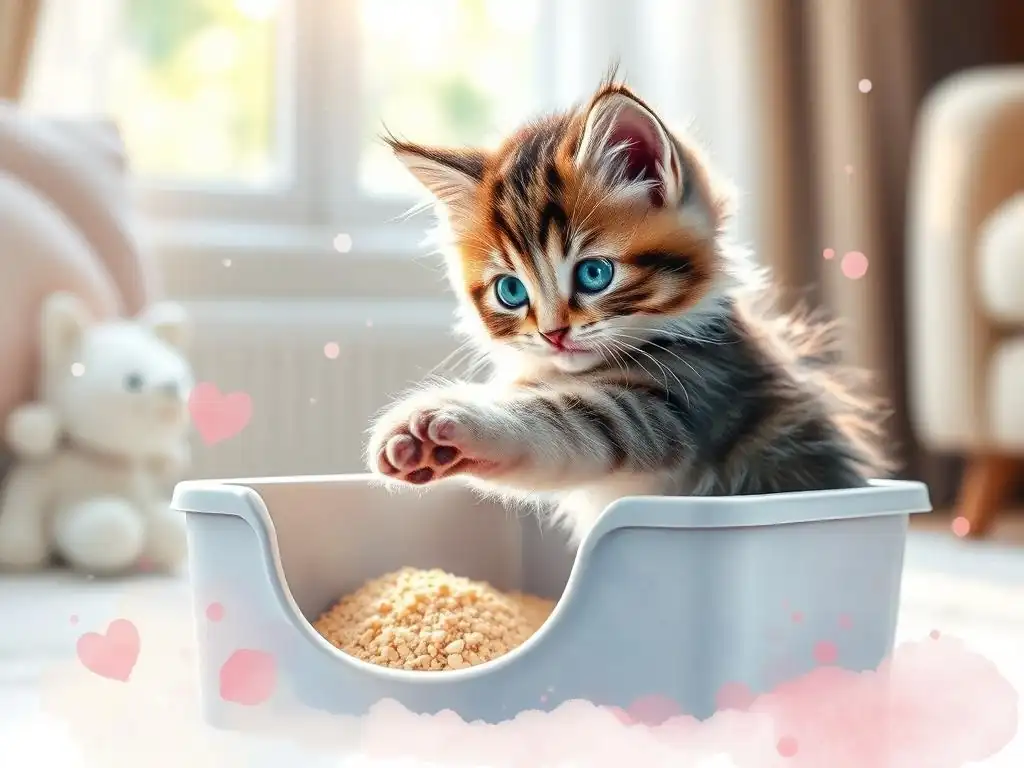
This section focuses on the crucial preparatory steps before initiating positive reinforcement litter box training for your feline companion. Success hinges not just on the training methods themselves, but also on creating the optimal environment and selecting the appropriate tools. A well-prepared environment significantly increases the likelihood of a smooth and stress-free transition to litter box usage. This proactive approach minimizes potential setbacks and fosters a positive learning experience for your cat. Remember, patience and consistency are key elements in positive reinforcement litter box training.
Choosing the Right Litter Box and Litter
Selecting the appropriate litter box and litter type is paramount for successful positive reinforcement litter box training. The wrong choice can lead to avoidance and frustration, hindering the entire process. Consider these factors:
- Box Size: The litter box should be large enough for your cat to comfortably turn around and eliminate without feeling cramped. A cramped space can deter them from using the box. For larger breeds, consider an extra-large box. For kittens, a smaller box might be more suitable initially, gradually increasing the size as they grow.
- Box Material: Plastic litter boxes are common and relatively inexpensive. However, some cats prefer uncovered boxes made of other materials, such as ceramic or stainless steel, for better hygiene and odor control. Experiment to find your cat's preference.
- Litter Type: The type of litter can significantly affect your cat's acceptance. Clay litter is a common choice, but some cats prefer clumping litter for better odor control. Others may prefer unscented or low-dust options to avoid respiratory irritation. Always introduce new litter gradually to avoid upsetting your cat's sensitive sense of smell. Consider testing different litters to find the best one for your cat's preference and your household's needs. Many cats are sensitive to strong scents, so avoid heavily scented litters.
- Number of Litter Boxes: The general rule of thumb is one litter box per cat, plus one extra. This ensures ample access, especially in multi-cat households. Multiple boxes placed strategically around the house can prevent accidents.
Ideal Litter Box Placement in Your Home
The location of the litter box significantly impacts your cat's willingness to use it. Poor placement can lead to accidents outside the box, even with the best positive reinforcement techniques. Here’s what to keep in mind:
- Accessibility: The litter box should be easily accessible to your cat at all times. Avoid placing it in areas that are difficult to reach, such as in a closet or behind furniture. Ensure there are no obstacles that might prevent your cat from reaching the box easily.
- Privacy: Cats value privacy when eliminating. Avoid placing the litter box in high-traffic areas or near loud noises. A quiet, secluded corner is usually ideal. Consider placing it in a less frequented room, such as a utility room or bathroom.
- Cleanliness: Regular cleaning is essential. No cat wants to use a dirty litter box. Scoop the litter at least once daily, or more frequently if necessary, and completely change the litter regularly, according to the manufacturer’s instructions. This reduces odors and keeps the box inviting. A clean litter box is crucial for positive reinforcement litter box training, ensuring your cat associates the box with a pleasant experience.
- Avoid Conflicting Locations: Never place the litter box near your cat’s food and water bowls. This can be very off-putting for your cat.
Creating a Calm and Inviting Environment
A calm and stress-free environment is crucial for successful positive reinforcement litter box training. Stress can disrupt a cat's natural elimination habits, leading to accidents. Here's how to create a supportive atmosphere:
- Minimize Stressors: Identify and reduce potential stressors in your cat's environment. This could include loud noises, unfamiliar people, or other pets. A peaceful environment encourages your cat to feel secure and comfortable using the litter box.
- Positive Associations: Associate the litter box with positive experiences. Place a favorite toy or treat near the litter box to create positive associations. This helps your cat view the box as a safe and rewarding place.
- Consistent Routine: Establish a consistent daily routine. Cats thrive on predictability. A regular feeding and playtime schedule can help reduce stress and make them more likely to use the litter box consistently. Regular routines help create stability and comfort.
- Patience and Understanding: Remember that accidents happen. Do not punish your cat for accidents. Instead, focus on positive reinforcement and create a supportive and patient environment. This approach will yield better long-term results. Punishment can create fear and anxiety, making the training process more difficult. 😻
Step-by-Step Guide to Positive Reinforcement Litter Box Training

This section details a practical, step-by-step approach to litter box training using positive reinforcement, a humane and effective method for establishing desirable behaviors in your feline companion. Remember, patience and consistency are key to success in positive reinforcement litter box training. Every cat learns at their own pace, and celebrating small victories along the way is crucial.
Introducing Your Cat to the Litter Box
The initial introduction of your cat to their litter box is paramount. A positive first experience significantly increases the likelihood of successful litter box training. Avoid forcing your cat into the box; instead, make it an inviting and appealing space.
Several strategies can enhance this introduction:
- Placement is Key: Choose a quiet, easily accessible location away from high-traffic areas and food/water bowls. Cats prefer privacy when eliminating.
- Litter Type Matters: Experiment with different litter types to find one your cat prefers. Some cats are sensitive to scent, texture, or clumping properties. Consider unscented clay litter as a starting point.
- Box Size and Type: Ensure the litter box is large enough for your cat to comfortably turn around in. Open-top boxes are generally preferred, though covered boxes can offer a sense of security for some cats.
- Initial Encouragement: Gently place your cat near the litter box and offer positive verbal reinforcement ("Good kitty!") as they sniff or approach it. Do not force them inside.
- Scent Introduction: If your cat is hesitant, try placing a small amount of their used litter in the new box to familiarize them with the scent. This can act as a powerful attractant.
Remember, creating a positive association with the litter box is crucial. Avoid punishment at all costs; it can lead to fear and anxiety, making training far more difficult. Focus on rewarding desirable behaviors.
Rewarding Successful Litter Box Use
Rewarding successful litter box use is the cornerstone of positive reinforcement litter box training. Immediate and consistent rewards strengthen the association between the behavior (using the litter box) and the positive consequence (the reward).
Here's how to effectively reward your cat:
- Timing is Everything: Rewards must be given immediately after your cat successfully uses the litter box. A delay diminishes the effectiveness of the reinforcement.
- Variety in Rewards: Offer a variety of rewards to keep your cat engaged. This could include:
- High-value treats (small pieces of cooked chicken or tuna – avoid anything salty or sugary)
- Verbal praise ("Good job!") and gentle petting
- Interactive play sessions
- Consistency is Crucial: Reward every successful use of the litter box, consistently. Inconsistency weakens the learning process.
- Track Progress: Keep a record of your cat's litter box use (a simple chart can be helpful). This allows you to monitor progress and identify any potential problems.
Data suggests that cats respond best to immediate, positive feedback. A simple "Good cat!" coupled with a small treat immediately after successful elimination is often highly effective.
Handling Accidents and Setbacks
Accidents will happen, even with the most diligent training. The key is to react calmly and avoid punishing your cat. Punishment will only create fear and anxiety, hindering the training process and potentially leading to more accidents.
Here's how to handle accidents effectively:
- Clean Thoroughly: Clean up accidents immediately using an enzymatic cleaner designed to eliminate odors. Cats are highly sensitive to scent, and residual odors can attract them back to the same spot.
- Avoid Punishment: Never punish your cat for accidents. This will only create negative associations with the litter box and make training harder.
- Investigate the Cause: Accidents can indicate underlying medical issues (urinary tract infection, kidney disease), stress, or discomfort with the litter box itself. Consult a veterinarian if accidents persist.
- Adjust Your Approach: If accidents continue, re-evaluate your training strategy. Consider adjusting the litter type, box location, or the frequency of rewards. You might need to increase the frequency of positive reinforcement or make the litter box more accessible.
A proactive approach, focusing on positive reinforcement and addressing potential issues promptly, is crucial for successful positive reinforcement litter box training. Remember, patience and understanding are key to building a strong, positive relationship with your cat.
Gradually Increasing the Difficulty
Once your cat consistently uses the litter box in the initial, simple setup, it's time to gradually increase the difficulty. This prevents setbacks and ensures your cat continues to associate the litter box with positive reinforcement. The key is to make changes incrementally, allowing your cat ample time to adjust to each step before moving on. Don't rush the process; patience is paramount in positive reinforcement litter box training. A sudden change in environment or routine can undo all your hard work.
For instance, if you started with the litter box in a quiet, easily accessible location, you might next try moving it a few feet. Observe your cat's behavior closely. If they hesitate or seem confused, move the box back to its original spot and wait a few more days before attempting the move again. Positive reinforcement, such as treats or praise, should be generously given when your cat successfully uses the box in its new, slightly more challenging location.
Another aspect of increasing the difficulty involves altering the litter box itself. Perhaps you started with a large, uncovered box with familiar litter. You could then experiment with a slightly smaller box, or one with a hood (if your cat tolerates it). Similarly, you can gradually introduce a different type of litter, but only one change at a time to isolate any potential issues.
Always monitor your cat's reaction and revert to the previous setup if they seem stressed or avoid using the box. Remember, the goal is to make the transition as smooth as possible, building confidence and positive associations with the litter box at each stage. This method ensures success in positive reinforcement litter box training, avoiding potential accidents and frustrations. Careful observation and a gradual approach are crucial for long-term success.
A common mistake is to make too many changes at once. This can overwhelm your cat and lead to accidents outside the litter box. Remember, consistency and patience are key to successfully using positive reinforcement in litter box training. Each small step forward reinforces the positive association, ultimately leading to reliable litter box use. Celebrate each success, no matter how small, and maintain a positive and encouraging atmosphere during the entire process. This will make the process significantly smoother for both you and your feline friend.
Troubleshooting Common Litter Box Problems
This section delves into common issues pet owners face during positive reinforcement litter box training and provides practical solutions. Remember, patience and consistency are key to success. Successfully employing positive reinforcement litter box training hinges on understanding and addressing potential setbacks. Let's examine some frequent challenges and how to overcome them.
Cat Urinating Outside the Litter Box: Identifying the Cause
Inappropriate urination is a common problem, often stemming from underlying medical conditions or environmental factors. Before assuming it's a behavioral issue, a veterinary checkup is crucial. Urinary tract infections (UTIs), kidney disease, diabetes, and even stress can trigger this behavior. A thorough examination will rule out any medical causes.
If the vet gives your cat a clean bill of health, then we can start looking at environmental factors. Consider these possibilities:
- Litter Box Cleanliness: Cats are fastidious. A dirty litter box is a major deterrent. Aim for daily scooping and a complete litter change at least weekly. The size and type of litter box are also important. Does your cat have enough space to comfortably move around in the box? Does the type of litter (clay, clumping, silica) suit their preferences? Experiment with different litter types to see if that improves the situation.
- Litter Box Location: Is the litter box located in a quiet, easily accessible area, away from loud noises and high-traffic zones? Cats prefer privacy. Consider moving the litter box to a less stressful location.
- Number of Litter Boxes: The general rule of thumb is one litter box per cat, plus one extra. Multiple cats might need multiple litter boxes to avoid competition and territorial disputes.
- Stress and Anxiety: Changes in the household, new pets, or even loud noises can trigger stress, leading to inappropriate urination. Identify potential stressors and work to minimize them. Using pheromone diffusers (like Feliway) can help reduce anxiety.
Dealing with Excessive Scratching Around the Litter Box
Scratching around the litter box can indicate several issues. It's not always about the litter itself; it could be the box, the location, or even a medical condition causing discomfort.
- Litter Box Material: Some cats dislike the texture or material of their litter box. Try switching to a different type of litter box—plastic, cardboard, or even a covered box. Observe your cat's reaction to the change. Does the new box feel more comfortable and encourage appropriate use?
- Litter Box Size and Type: A litter box that's too small or too large can also lead to scratching. Ensure the box is spacious enough for your cat to comfortably turn around and eliminate without feeling confined. If you're using a covered litter box, consider whether your cat prefers an open one.
- Underlying Medical Conditions: Arthritis, hip dysplasia, or other painful conditions can make it uncomfortable for a cat to use the litter box. A veterinary examination is necessary to rule out any underlying medical reasons for the scratching.
- Training Reinforcement: If the scratching is a behavioral issue, focus on positive reinforcement. Reward your cat immediately after they use the litter box correctly, using treats, praise, or a favorite toy. This helps them associate the litter box with positive experiences.
Addressing Medical Issues Affecting Litter Box Habits
As mentioned previously, medical problems can significantly impact a cat's litter box habits. Ignoring potential health issues can worsen the problem and cause unnecessary stress for both you and your cat.
| Medical Condition | Symptoms | Treatment |
|---|---|---|
| Urinary Tract Infection (UTI) | Frequent urination, straining, blood in urine | Antibiotics prescribed by a veterinarian |
| Kidney Disease | Increased thirst, frequent urination, weight loss | Veterinary care, dietary changes, medication |
| Diabetes | Increased thirst, frequent urination, weight loss | Insulin therapy, dietary management |
| Arthritis | Stiffness, difficulty jumping, pain | Pain management, joint supplements, physical therapy |
| Hyperthyroidism | Increased thirst, frequent urination, weight loss | Medication to regulate thyroid hormone levels |
It's crucial to remember that these are just some common medical issues. If you suspect a medical problem, immediately consult your veterinarian for a proper diagnosis and treatment plan. Early detection and intervention are vital for a positive outcome and to prevent further complications. Ignoring potential health problems can lead to more serious conditions and make litter box training even more challenging. Positive reinforcement training is most effective when your cat is healthy and comfortable. 😻
Maintaining Good Litter Box Habits
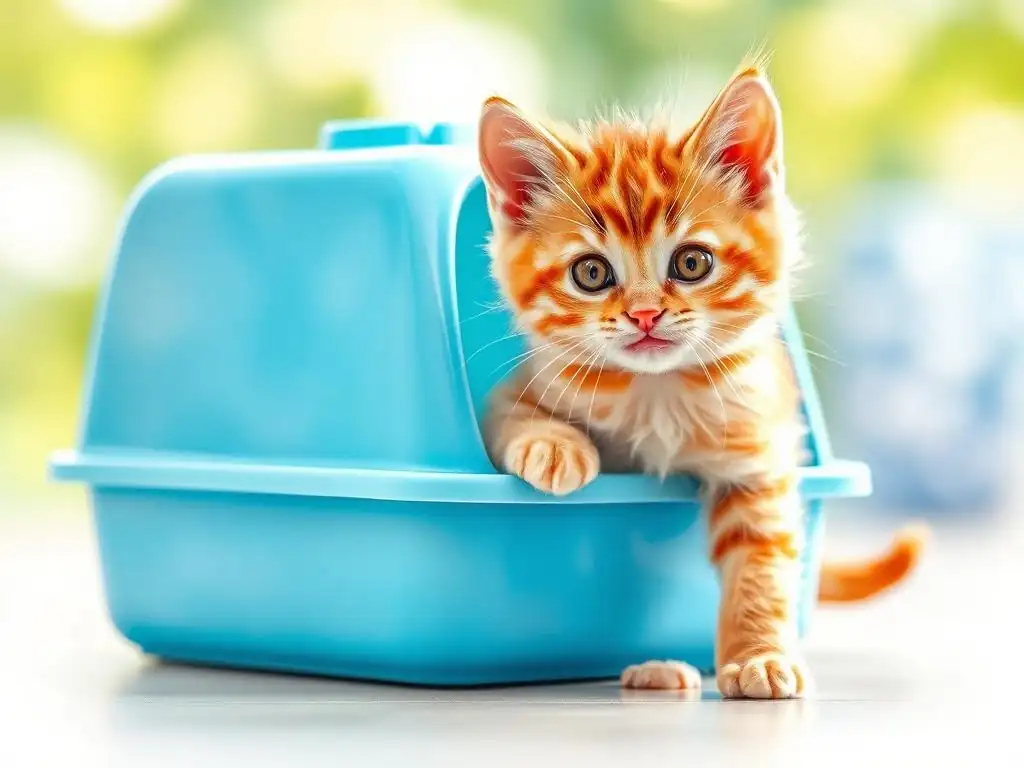
Successfully litter box training your cat using positive reinforcement isn't a one-time event; it requires consistent effort and monitoring to ensure your feline friend maintains good habits. Think of it as a long-term commitment to a positive and rewarding relationship with your cat, built on mutual understanding and trust. This section details how to keep your cat happily using their litter box for years to come. Consistent positive reinforcement litter box training is key to long-term success.
Consistent Routine and Reinforcement
Maintaining a consistent routine is crucial for reinforcing positive litter box behavior. Cats thrive on predictability. Sticking to a regular schedule for feeding, playtime, and litter box cleaning helps establish a reliable pattern that your cat will come to associate with their elimination needs.
This consistency extends to your positive reinforcement techniques. Rewarding your cat immediately after they successfully use the litter box, regardless of the time of day, is essential. This immediate positive association strengthens the desired behavior. Don't rely on inconsistent rewards; a sporadic approach will be far less effective. Consider using a clicker for training, pairing it immediately with a small treat. The clicker provides a consistent auditory signal marking the exact moment of the desired behavior.
Think of it like this: if you reward your cat with a treat 10 minutes after they use the box, they might not connect the treat with the action. Immediate reward is paramount.
Here's a sample daily routine that incorporates positive reinforcement:
| Time of Day | Activity | Reinforcement |
|---|---|---|
| Morning (7:00 AM) | Feed your cat | Small amount of wet food |
| Mid-morning (10:00 AM) | Observe litter box; clean if needed | Praise and gentle petting if clean and used |
| Afternoon (2:00 PM) | Playtime | Feather wand, interactive toy, positive attention |
| Evening (6:00 PM) | Feed your cat | Small amount of dry food |
| Night (10:00 PM) | Final litter box check; clean if needed | Praise and gentle petting if clean and used |
Remember, even small, consistent rewards are more effective than large, infrequent ones. The goal is to create a strong positive association between the litter box and positive experiences.
Monitoring Your Cat's Litter Box Habits
Regularly monitoring your cat's litter box habits is essential for early detection of potential problems. This proactive approach allows you to address any issues before they escalate into significant behavioral problems. Pay close attention to these aspects:
- Frequency: Note how often your cat uses the litter box. Changes in frequency could signal illness, stress, or other underlying issues.
- Amount: Observe the quantity of waste. Significant changes could indicate dietary problems or health concerns.
- Appearance: Check the consistency and appearance of the waste. Diarrhea or constipation can be signs of underlying health problems.
- Litter Box Cleanliness: A dirty litter box is a major deterrent for cats. Aim to scoop the litter box at least once a day, and completely change the litter weekly, depending on the litter type and your cat's habits. This is crucial for positive reinforcement litter box training; a clean box encourages use.
- Location: Ensure the litter box is easily accessible and located in a quiet, private area away from food and water bowls.
Keeping a detailed log of your cat's litter box usage can be incredibly helpful, especially if you notice any changes in their behavior. A simple notebook or spreadsheet can track these important details. This detailed record will be invaluable if you need to consult a veterinarian or feline behaviorist.
Addressing Changes in Litter Box Behavior
If you notice any changes in your cat's litter box habits, such as accidents outside the box, don't immediately resort to punishment. Punishment is counterproductive and can damage your relationship with your cat. Instead, investigate the potential causes:
- Medical Issues: Urinary tract infections, kidney disease, and other medical conditions can affect your cat's ability to control their bladder and bowels. A vet visit is crucial if you suspect a medical issue.
- Stress or Anxiety: Changes in the household, new pets, or even a new piece of furniture can cause stress. Identify and address potential stressors in your cat's environment. Consider using calming pheromone diffusers or sprays.
- Litter Box Issues: An unclean litter box, the wrong type of litter, or an inconvenient location can all lead to accidents. Experiment with different litter types and locations to find what works best for your cat. The size and type of litter box are also important factors.
- Dietary Changes: Sudden changes in your cat's diet can sometimes lead to digestive upset and accidents. Introduce any new food gradually.
Remember, consistent positive reinforcement litter box training, coupled with careful monitoring and prompt attention to any changes in behavior, will help maintain your cat's good litter box habits for many happy years. Patience and understanding are key to success.
Advanced Techniques for Positive Reinforcement Litter Box Training
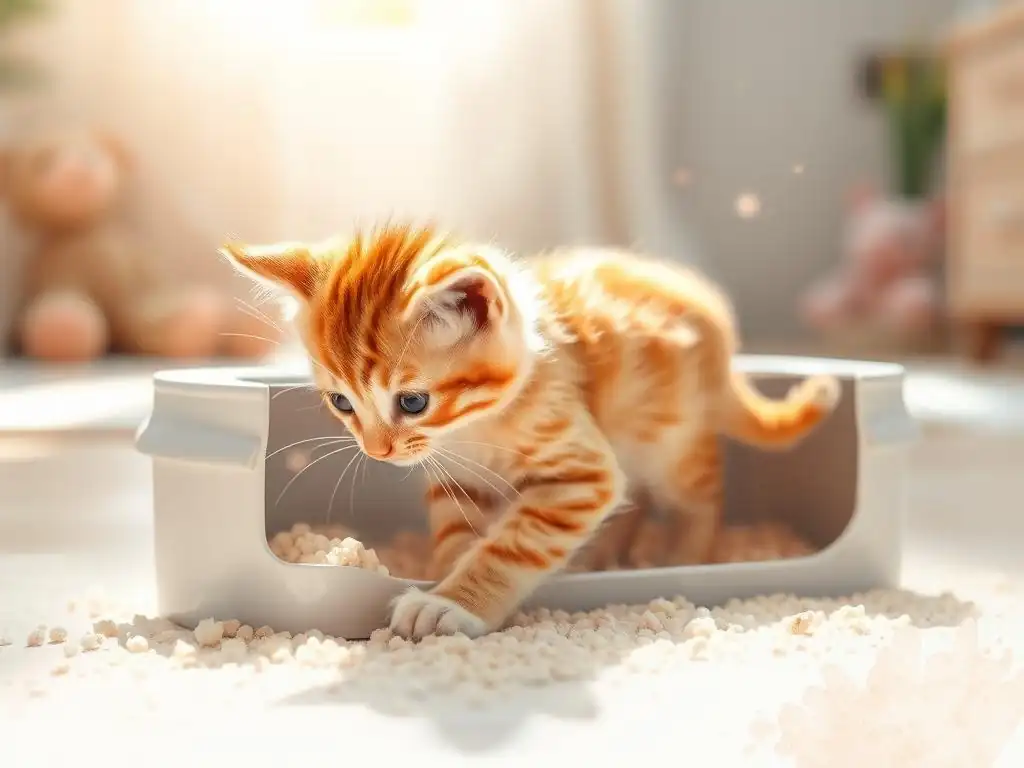
This section delves into more sophisticated methods to solidify your cat's litter box training using positive reinforcement. Moving beyond the basics, these techniques leverage precision and consistency to achieve exceptional results. Remember, patience and understanding are key components of successful litter box training, regardless of the method employed. The goal is to build a strong, positive association between the litter box and reward, minimizing accidents and maximizing success. This ensures your feline friend learns to use the litter box reliably and happily.
Using Clicker Training for Litter Box Success
Clicker training, often used with dogs, is surprisingly effective for cats too. It provides precise timing for rewarding desired behaviors. The clicker acts as a marker, signaling the exact moment your cat performs the correct action (entering the litter box, eliminating, covering waste). This precise timing is crucial for effective learning.
To begin, pair the clicker with a high-value treat (small pieces of cooked chicken or tuna work well). Click the clicker immediately before offering the treat. Repeat this several times until your cat associates the click with a positive reward.
Once your cat understands the clicker, start associating it with litter box use. Click the clicker the instant your cat steps into the litter box. Immediately follow the click with a treat. Gradually increase the criteria for a click; first reward just entering the box, then reward eliminating, and finally reward covering waste. Consistency and patience are essential. Don't get discouraged if it takes time; some cats are quicker learners than others.
Remember to maintain a positive and calm demeanor throughout the process. Any stress or negativity can hinder your cat's learning. The key is to make the experience enjoyable for both you and your feline companion. With consistent practice, clicker training can significantly enhance the effectiveness of your positive reinforcement litter box training strategy.
Incorporating Treats and Praise Effectively
While treats are powerful motivators, praise plays a vital role in reinforcing positive behavior. Your cat will respond to the tone of your voice. Use enthusiastic and upbeat praise, combined with gentle petting, to strengthen the positive association with the litter box.
The type and frequency of treats are important considerations. Small, easily digestible treats are ideal. Avoid giving large treats that could upset your cat's stomach. The timing of the treat is crucial – it should immediately follow the desired behavior (using the litter box). Experiment with different treats to find your cat's favorites. Some cats prefer wet food, while others might prefer dry kibble or commercial cat treats.
Here’s a sample schedule:
| Time of Day | Activity | Treat Type | Praise Type |
|---|---|---|---|
| Morning | Cat uses litter box | Small piece of tuna | "Good kitty! So proud!" |
| Midday | Cat uses litter box | Dry kibble | "Yes! That's my good cat!" |
| Evening | Cat uses litter box | Small piece of chicken | "Excellent! You're amazing!" |
This structured approach helps reinforce the desired behavior consistently throughout the day. Remember to adjust the schedule and treat types based on your cat's preferences and response.
Creating a Positive Association with the Litter Box
The litter box itself should be a positive space for your cat. Ensure it's clean, accessible, and located in a quiet, stress-free area. Avoid placing the litter box near noisy appliances or high-traffic areas. A stressed cat is less likely to use the litter box reliably.
Consider the type of litter you use. Some cats are sensitive to certain types of litter, which can lead to avoidance. Experiment with different litters to find one your cat prefers. The depth of the litter should also be considered; some cats prefer a deeper layer, while others prefer a shallower one.
Regular cleaning is paramount. Scoop the litter box at least once a day, and completely change the litter regularly (frequency depends on the number of cats and litter type). A clean litter box is far more appealing to your cat than a dirty one. A clean and comfortable litter box directly contributes to a positive association and reduces the likelihood of accidents. Regular maintenance is a crucial, often overlooked, aspect of successful positive reinforcement litter box training.
When to Seek Professional Help
Successfully litter box training your cat using positive reinforcement is usually achievable with patience and consistency. However, sometimes, despite your best efforts, your feline friend might struggle, exhibiting behaviors that indicate a need for professional intervention. Understanding when to seek help is crucial for your cat's well-being and to prevent further complications. Ignoring underlying medical or behavioral issues can worsen the problem and negatively impact your cat's happiness. This section will guide you on identifying those situations and finding the right professional to assist you.
Recognizing Signs Your Cat Needs Veterinary Attention
Before jumping to behavioral conclusions, it's essential to rule out any underlying medical conditions that might be causing your cat's litter box issues. Many health problems can manifest as changes in urination or defecation habits. These include, but are not limited to:
- Urinary Tract Infections (UTIs): UTIs are common in cats and can cause frequent urination, straining to urinate, blood in the urine, and even accidents outside the litter box. Painful urination can lead to a cat avoiding the litter box.
- Kidney Disease: Chronic kidney disease can lead to increased thirst and urination, potentially resulting in more frequent accidents.
- Diabetes: Diabetes can also cause increased thirst and urination, leading to similar litter box problems.
- Constipation or Diarrhea: Gastrointestinal issues can make it difficult for your cat to reach or use the litter box effectively, resulting in accidents.
- Arthritis or Mobility Issues: Older cats or those with arthritis may struggle to access the litter box, leading to them eliminating elsewhere.
If you notice any of these symptoms, or if your cat suddenly starts having litter box problems, a visit to the veterinarian is paramount. A thorough examination can identify the underlying cause and help determine the appropriate treatment. Early diagnosis and treatment are key to improving your cat's health and resolving the litter box issue. Remember, a healthy cat is more likely to successfully undergo litter box training. Don't hesitate to seek veterinary care—it's a crucial step in ensuring the best possible outcome.
Finding a Certified Cat Behaviorist
If your vet rules out any medical issues, and your cat continues to struggle with litter box training, seeking the help of a certified cat behaviorist might be the next step. A certified cat behaviorist possesses specialized knowledge and experience in feline behavior and can provide tailored solutions to address specific behavioral problems.
Finding a qualified professional is vital. Look for a behaviorist who is certified by a reputable organization, such as the International Association of Animal Behavior Consultants (IAABC) or the American College of Veterinary Behaviorists (ACVB). These certifications ensure a certain level of training and expertise.
A certified cat behaviorist can help you identify the root cause of the litter box problem, which could range from stress and anxiety to underlying learned behaviors. They’ll work with you to develop a customized behavior modification plan, often incorporating positive reinforcement techniques alongside other strategies. Remember, patience and consistency are key, even with professional guidance. Working with a behaviorist is a collaborative process, and their expertise can significantly improve your chances of success.
Understanding the Role of a Veterinarian in Litter Box Issues
While a certified cat behaviorist addresses behavioral aspects, the veterinarian plays a crucial role in diagnosing and treating any underlying medical conditions that could contribute to litter box problems. The veterinarian's expertise is essential in ruling out medical causes before focusing on behavioral interventions.
Your vet will conduct a thorough physical examination, potentially including blood and urine tests, to identify any health issues. They can also provide guidance on medication if necessary to manage any underlying medical conditions. Furthermore, your vet can collaborate with the cat behaviorist to create a comprehensive plan that addresses both the medical and behavioral elements of the problem.
It's important to remember that a holistic approach is often the most effective way to tackle litter box issues. Working closely with both your veterinarian and a certified cat behaviorist ensures that you're addressing all potential contributing factors and maximizing the chances of a positive outcome for your cat. Effective communication between these professionals is crucial for a successful resolution.
Frequently Asked Questions
How does positive reinforcement work in litter box training?
Positive reinforcement focuses on rewarding desired behaviors. When your pet uses the litter box correctly, immediately give them a treat or praise. This associates the box with positive experiences, encouraging repeat use.
What kind of rewards are best for litter box training?
Use high-value treats your pet loves, paired with enthusiastic praise. The reward should be immediate and consistent to create a strong association. Avoid punishment; it can be counterproductive.
My pet had an accident outside the litter box. What should I do?
Avoid punishing your pet. Clean the accident thoroughly using an enzymatic cleaner to eliminate odors. Instead, focus on increasing positive reinforcement when they do use the litter box correctly.
How many litter boxes should I provide?
The general rule is one box per cat, plus one extra. Consider the size of your home and the number of pets. Multiple boxes offer more convenience and reduce territorial issues.
How long does positive reinforcement litter box training take?
The time it takes varies depending on the pet, their age, and previous experiences. Consistency is key; some pets learn quickly, while others may need more time and patience. Remain consistent and celebrate small victories!
Final Reflection: The Lasting Power of Positive Reinforcement in Litter Box Training
The successful litter box training of a pet isn't merely about cleanliness; it's a cornerstone of a strong, trusting relationship built on mutual understanding and respect. This understanding, fostered through consistent positive reinforcement, translates far beyond the litter box, shaping the overall bond between pet and owner and impacting the well-being of both.
The impact of positive reinforcement extends far beyond the immediate goal of litter box success. It cultivates a positive learning environment where our pets associate us with safety, comfort, and reward, rather than fear or punishment. This approach fosters a deeper connection, leading to a more confident and well-adjusted animal. The best way to find yourself is to lose yourself in the service of others.
– Mahatma Gandhi. While seemingly unrelated to litter box training, this quote speaks to the heart of the matter: by focusing on rewarding desired behaviors, we build a stronger bond based on mutual respect and understanding, enriching the lives of both pet and owner.
Now, consider the lessons learned within these pages. Think about how you can apply the principles of positive reinforcement not just to litter box training, but to other aspects of your pet's life and even your own interactions with others. Embrace patience, consistency, and the power of reward, and watch as your relationship with your beloved companion blossoms into something truly special. The journey of training is a journey of connection, and the rewards are immeasurable.
Unlock Your Cat's Litter Box Potential!
Thank you for learning about positive reinforcement litter box training! We hope you found helpful advice for creating a happier, cleaner home for you and your cat. Now, let's put that knowledge into action.
Here are a few steps you can take today:
- Start using positive reinforcement techniques – begin gradually, maintain consistency, and celebrate every success! This is crucial for a happy, well-trained cat.
- Keep a record of your cat's progress. Tracking successes and setbacks will help you refine your training and acknowledge milestones.
- Share your experiences—both triumphs and challenges—with other PetCareWorld members in the comments section. Let's build a supportive community of cat lovers!
Ready to transform your litter box experience? What positive reinforcement technique will you try with your cat today?