
Decoding Parrot Screaming: Understanding the Reasons and Finding Solutions

Welcome to PetCareWorld, your ultimate guide to a happier, healthier life for your beloved companion! Are you puzzled by your parrot's persistent squawking? Discover the surprising reasons behind excessive screaming in our in-depth article, "Decoding Parrot Screaming: Understanding the Reasons and Finding Solutions." Learn how to decipher your feathered friend's vocalizations and unlock the secrets to a more harmonious home. Dive in and uncover the solutions you've been searching for!
-
Why Parrots Scream Excessively: Understanding the Root Causes
- Identifying Different Types of Parrot Screams: A Comprehensive Guide
- Underlying Medical Reasons for Excessive Screaming in Parrots
- Parrot Screaming and Boredom: Recognizing the Signs
- Loneliness and Lack of Social Interaction: A Common Cause of Parrot Screaming
- Stress and Anxiety as Triggers for Excessive Vocalization in Parrots
-
Effective Strategies to Reduce Parrot Screaming: Practical Solutions
- Training Techniques to Manage Screaming Behavior in Parrots
- Enrichment Activities to Keep Your Parrot Engaged and Happy
- Creating a Calming and Stimulating Environment for Your Parrot
- The Importance of a Consistent Routine to Reduce Anxiety and Screaming
- Addressing Underlying Medical Issues to Minimize Vocalization
- When to Seek Professional Help for Parrot Screaming
- Preventing Future Screaming Episodes in Parrots: Proactive Measures
- Frequently Asked Questions
- Final Reflection: The Unspoken Language of Screaming Parrots
- Unlock Your Parrot's Happy Sounds: Take Action Today!
Why Parrots Scream Excessively: Understanding the Root Causes
Parrot screaming is a common complaint among parrot owners, often leading to frustration and even the rehoming of these intelligent and engaging birds. Understanding why your parrot screams excessively is crucial to addressing the problem effectively. This isn't simply about silencing your feathered friend; it's about deciphering their communication and ensuring their overall well-being.
This comprehensive guide will delve into the various reasons behind excessive screaming, providing you with the knowledge to identify the root cause and implement appropriate solutions. We'll explore everything from medical conditions to environmental factors and behavioral issues, equipping you with the tools to foster a happier, healthier, and quieter home for your parrot. Ignoring excessive screaming can lead to a strained relationship with your bird and potentially neglect crucial underlying health issues.
By understanding the context of their vocalizations, you can build a stronger bond and create a more harmonious living environment for both you and your parrot. Let's embark on this journey to decode your parrot's screams and discover the path to a calmer coexistence.
Identifying Different Types of Parrot Screams: A Comprehensive Guide
Parrot screams aren't all created equal. Understanding the nuances of their vocalizations is the first step in addressing the underlying cause. A high-pitched, piercing shriek might indicate fear or pain, while a repetitive, rhythmic squawk could signify boredom or frustration. Consider these examples:
- High-pitched shrieks: Often signify fear, pain, or a feeling of being threatened. This type of scream requires immediate attention to rule out medical issues or environmental stressors.
- Loud, repetitive squawks: May indicate boredom, loneliness, or a lack of stimulation. This type of screaming often occurs during periods of inactivity.
- Soft chirps and whistles: Generally indicate contentment and communication. These sounds are not considered excessive screaming.
- Aggressive squawking: This may be a sign of territorial behavior, especially if directed at other pets or people.
Observing the context of the scream – what your parrot is doing, who is around, and the environment – is key to understanding its meaning. Keeping a detailed log of screaming episodes, including the time of day, duration, and accompanying behaviors, can be incredibly helpful in identifying patterns and potential triggers. Think of it as a "parrot scream diary"! 📝
Underlying Medical Reasons for Excessive Screaming in Parrots
Before jumping to behavioral conclusions, it's crucial to rule out any underlying medical conditions. Excessive screaming can be a symptom of various health problems, including:
| Medical Condition | Symptoms |
|---|---|
| Pain | High-pitched shrieks, lethargy, changes in appetite |
| Ear Infection | Head shaking, tilting, and excessive vocalizations |
| Respiratory Issues | Difficulty breathing, wheezing, and altered vocalizations |
| Hormonal Imbalances | Changes in behavior, including increased aggression and screaming |
| Neurological Disorders | Uncoordinated movements, seizures, and unusual vocalizations |
A veterinary checkup is essential if your parrot is exhibiting excessive screaming, particularly if it's accompanied by other concerning symptoms. Early diagnosis and treatment can significantly improve your parrot's quality of life and reduce excessive vocalizations. Remember, a healthy parrot is a less likely to scream excessively. 🦜
Parrot Screaming and Boredom: Recognizing the Signs
Boredom is a significant contributor to excessive screaming in parrots. These highly intelligent birds require mental and physical stimulation to thrive. A parrot left alone for extended periods, lacking engaging toys or social interaction, is more likely to resort to screaming to alleviate boredom and express frustration.
Signs of boredom-related screaming include:
- Increased screaming during periods of inactivity or solitude.
- Destructive behavior, such as feather plucking or chewing on furniture.
- Lethargy and lack of interest in usual activities.
- Repetitive behaviors, such as swaying or rocking.
Providing ample opportunities for mental and physical enrichment is crucial. This includes:
- A variety of toys that challenge their problem-solving skills.
- Regular interaction and playtime with their owner.
- Opportunities for foraging and exploration.
- A stimulating environment with plenty of visual and auditory input.
Remember, a bored parrot is a screaming parrot! Investing time and effort in enriching your parrot's environment will not only reduce excessive screaming but also contribute to their overall happiness and well-being. A stimulated parrot is a happy parrot! 🎉
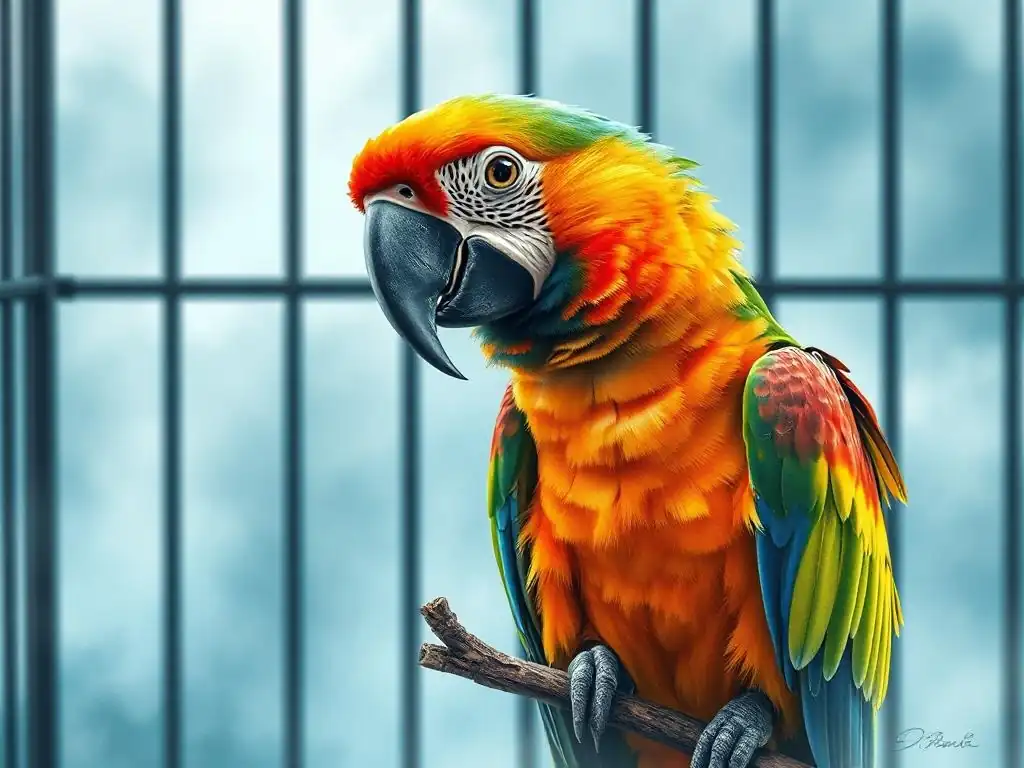
Parrots are highly social creatures, naturally thriving in flocks where they engage in constant communication and interaction. When kept in isolation or without sufficient social interaction, they can experience profound loneliness, leading to excessive screaming. This vocalization isn't simply a noise; it's a desperate attempt to connect, to communicate their distress and loneliness. Imagine being completely alone, with no one to talk to, no one to share your day with – the frustration and anxiety would likely manifest in some way, and for a parrot, that often translates to loud, persistent screaming.
This problem is particularly acute for parrots kept in small cages with minimal environmental enrichment. A barren cage offers little stimulation, exacerbating feelings of isolation and boredom. The screaming becomes a way to fill the void, a desperate plea for attention and companionship.
Owners might unintentionally reinforce this behavior by responding to the screaming, even negatively, as any attention, good or bad, provides a form of interaction. The key is to proactively address the loneliness. This requires significant changes to the parrot's environment and daily routine, focusing on providing ample opportunities for interaction, both with their human companions and, ideally, with other birds.
This could involve increasing playtime, offering more stimulating toys, and even considering a second compatible parrot as a companion. Remember, a happy, well-adjusted parrot is far less likely to resort to excessive screaming. Ignoring the screaming while simultaneously enriching their environment and increasing interaction is a more effective solution than punishment.
Stress and Anxiety as Triggers for Excessive Vocalization in Parrots
Stress and anxiety are significant contributors to excessive screaming in parrots. These intelligent birds are highly sensitive to their environment and react strongly to changes or perceived threats. A sudden loud noise, a change in routine, a new person in the house, or even a rearranged cage can trigger a stress response, manifesting as increased vocalization. Think of it like a human experiencing a panic attack; the overwhelming feelings are expressed outwardly, often through vocalizations.
Parrots can also experience anxiety related to their environment. Lack of security, insufficient space, or an environment lacking in enrichment can all contribute to a chronic state of anxiety. This can be seen in birds who consistently scream when left alone, even when in a seemingly comfortable environment. They may feel vulnerable and unsafe. Understanding the specific triggers for your parrot's anxiety is crucial in developing effective solutions.
Observe your bird carefully, noting the circumstances surrounding episodes of excessive screaming. Is it linked to specific times of day? Certain people? Specific events?
Once you identify the triggers, you can begin to develop strategies to mitigate their impact. This might involve desensitization techniques, providing a safe and secure environment, or introducing calming techniques such as playing calming music or using pheromone diffusers. A calm and predictable routine can also significantly reduce anxiety levels. Ultimately, addressing the underlying stress and anxiety is paramount to reducing excessive screaming, creating a happier and healthier bird.
Effective Strategies to Reduce Parrot Screaming: Practical Solutions

Parrot screaming, while a natural behavior, can become excessive and disruptive. Understanding the underlying causes is crucial, but equally important is implementing effective strategies to mitigate the problem. This section focuses on practical solutions you can implement to reduce excessive screaming in your feathered friend. Remember, consistency and patience are key to success. Addressing "why parrots scream excessively" requires a multi-pronged approach, combining training, environmental enrichment, and a calm, stimulating home environment.
Training Techniques to Manage Screaming Behavior in Parrots
Training your parrot to reduce screaming involves positive reinforcement techniques. Focus on rewarding quiet behavior rather than punishing screaming. This positive approach is far more effective in the long run and strengthens your bond with your bird.
Here's a breakdown of effective training techniques:
- Identify Triggers: Keep a detailed log of when your parrot screams most frequently. Is it during specific times of day? When you leave the room? When other people are around? Identifying these triggers is the first step to addressing the behavior. For example, if screaming occurs when you leave for work, you can gradually desensitize your parrot to your departures.
- Positive Reinforcement: Reward quiet behavior with praise, treats, or preferred toys. The moment your parrot is quiet, even for a short period after a screaming episode, immediately reward them. This teaches them that quietness leads to positive outcomes.
- "Quiet" Cue: Establish a clear cue word, such as "Quiet," and associate it with rewarding quiet behavior. Say the word "Quiet" when your parrot is quiet and immediately follow it with a reward. Over time, your parrot will associate the word with positive reinforcement.
- Ignoring Screaming: While rewarding quiet behavior is crucial, it's equally important to ignore the screaming itself. Do not give your parrot any attention—positive or negative—when they are screaming. This removes the reinforcement they might be seeking. This can be challenging, especially with loud screaming, but consistency is vital.
- Desensitization: If the screaming is triggered by specific events (like leaving the house), gradually expose your parrot to those triggers while maintaining a calm and quiet environment. Start with short exposures and gradually increase the duration as your parrot remains calm.
- Professional Help: If you're struggling to manage your parrot's screaming behavior, consider seeking guidance from an avian veterinarian or a certified avian behaviorist. They can provide personalized advice and training strategies based on your parrot's specific needs and behaviors. They can help you pinpoint the root cause of the excessive screaming and develop a tailored plan.
Enrichment Activities to Keep Your Parrot Engaged and Happy
A bored parrot is more likely to scream. Providing ample mental and physical stimulation is crucial for reducing excessive vocalization. Think of it as preventing boredom-induced screaming.
Here are some enrichment ideas:
- Foraging Toys: Parrots are naturally inquisitive and enjoy foraging. Provide toys that require them to work for their food, mimicking their natural behaviors. This keeps them mentally engaged and reduces boredom.
- Variety of Toys: Rotate toys regularly to prevent boredom. A diverse range of toys—chewing toys, puzzle toys, climbing toys, and interactive toys—keeps your parrot stimulated and entertained.
- Interactive Play: Spend quality time interacting with your parrot daily. Play games, talk to them, and provide social interaction. This strengthens your bond and provides mental stimulation.
- Out-of-Cage Time: Allow your parrot supervised time outside of their cage each day. This provides opportunities for exploration, exercise, and interaction with you and their environment. Ensure a safe, parrot-proofed area.
- Social Interaction: Parrots are social creatures. If possible, provide opportunities for interaction with other parrots (under careful supervision and with proper introductions to avoid aggression).
Creating a Calming and Stimulating Environment for Your Parrot
The environment plays a significant role in your parrot's behavior. A calm, stimulating, and secure environment can significantly reduce screaming.
Consider these factors:
- Location: Place the cage in a location that is not overly stimulating or noisy. Avoid areas with high traffic or sudden loud noises. A quiet corner of a room is often ideal.
- Light and Temperature: Ensure adequate lighting and a comfortable temperature. Avoid extreme temperatures or sudden changes in temperature, which can stress your parrot.
- Visual Stimulation: Provide visual stimulation with colorful toys, mirrors (used cautiously to avoid obsessive behavior), and safe perches.
- Auditory Stimulation: Play calming music or nature sounds at a low volume. Avoid loud or jarring noises.
- Routine: Maintain a consistent daily routine, providing predictability and security for your parrot. This can reduce anxiety, a common cause of excessive screaming.
Remember, addressing "why parrots scream excessively" is a process that requires patience, understanding, and a commitment to providing a safe, enriching, and stimulating environment for your parrot. By implementing these strategies, you can significantly reduce your parrot's screaming and create a harmonious home for both of you. 🦜
The Importance of a Consistent Routine to Reduce Anxiety and Screaming

Parrots thrive on routine and predictability. A lack of consistent daily structure can lead to anxiety, frustration, and ultimately, excessive screaming. Think of it like this: imagine you woke up every day to a completely different schedule – different meal times, different bedtimes, different activities. You'd likely feel stressed and disoriented, right? Parrots are no different. A chaotic environment triggers their stress response, manifesting as vocalizations, including screaming.
Establishing a consistent daily routine provides your parrot with a sense of security and control. This routine should encompass feeding times, playtime, interaction time, sleep schedules, and even cage cleaning. For example, feeding your parrot at the same time each day helps regulate its digestive system and reduces the likelihood of begging or screaming for food outside of those designated times. Similarly, a consistent sleep schedule ensures adequate rest, reducing stress levels and, consequently, excessive screaming.
Remember to be patient; establishing a new routine takes time and consistency. Don't expect immediate results, but be persistent in maintaining the schedule. Even small, consistent changes can make a significant difference over time. For instance, if your parrot typically screams around 6:00 PM, try implementing a calming routine before that time – perhaps a quiet playtime session or a gentle interaction – to help ease the transition into the evening.
Addressing Underlying Medical Issues to Minimize Vocalization
Excessive screaming in parrots can sometimes be a symptom of an underlying medical condition. While behavioral issues are the most common cause, ruling out any potential health problems is crucial. A seemingly simple thing like ear infection can cause significant discomfort and lead to increased vocalization. Other potential medical causes include hormonal imbalances, respiratory infections, and even digestive issues. Pain, discomfort, or illness can significantly increase a parrot's stress levels, leading to increased screaming as a way to express distress.
It's essential to schedule a veterinary checkup with an avian veterinarian if your parrot's screaming is sudden, severe, or accompanied by other symptoms like lethargy, changes in appetite, or unusual droppings. A thorough examination, including blood tests and possibly X-rays, can help identify any potential medical problems. Early diagnosis and treatment are key to resolving any underlying medical issues and minimizing vocalization.
Remember, treating the underlying cause is crucial; simply addressing the screaming behavior without addressing the root cause will likely only provide temporary relief. Early intervention with appropriate veterinary care can prevent the problem from worsening and improve your parrot's overall health and well-being, leading to a calmer and more content bird.
When to Seek Professional Help for Parrot Screaming
Excessive screaming in parrots, while sometimes a normal behavior, can quickly become a significant problem impacting both the bird's well-being and the owner's quality of life. Understanding when professional intervention is crucial is vital for addressing the underlying causes and finding effective solutions. This section will outline key indicators that suggest it's time to seek help from a qualified avian veterinarian or parrot behaviorist. Ignoring persistent or escalating screaming can lead to further behavioral issues and potentially harm the bird's psychological health. Remember, early intervention often leads to more successful outcomes.
Recognizing When Behavior Modification is Necessary
Parrot screaming isn't always a cause for immediate alarm. Occasional squawks or excited calls are normal. However, excessive screaming, defined as frequent, loud, and prolonged vocalizations that disrupt your daily life and potentially the bird's, warrants attention. Consider these scenarios:
- Frequency and Duration: If your parrot screams for extended periods (more than 30 minutes at a time) multiple times a day, it's a clear sign of a potential problem. A single, short scream is different from a prolonged, high-pitched shriek.
- Intensity and Tone: Pay attention to the type of scream. A frantic, high-pitched scream often indicates distress or fear, unlike a playful chirp or call. A sudden change in the usual vocalization patterns should also raise concern.
- Lack of Response to Training: If you've tried basic training techniques to modify the screaming behavior (e.g., positive reinforcement, ignoring attention-seeking screams) and haven't seen any improvement, professional help is essential. This suggests underlying issues requiring specialized intervention.
- Impact on Your Life: Honest self-assessment is crucial. Is the screaming significantly impacting your sleep, work, social life, or overall well-being? If it's causing stress and negatively affecting your relationship with your parrot, seeking professional help is justified. Your mental health is just as important.
- Co-occurring Behavioral Issues: Excessive screaming is often accompanied by other behavioral problems such as feather plucking, aggression, or self-mutilation. These are warning signs of deeper-seated issues that require expert diagnosis and treatment.
Finding a Qualified Avian Veterinarian or Parrot Behaviorist
Locating a qualified professional specializing in avian care is paramount. A general veterinarian may not possess the specific expertise needed to address complex parrot behavioral problems. Look for professionals with specific experience in avian medicine and parrot behavior. Key factors to consider when choosing a professional include:
- Board Certification: Check if the veterinarian or behaviorist holds board certifications from relevant organizations, demonstrating advanced training and expertise in avian medicine and behavior.
- Experience with Parrots: Prioritize professionals with documented experience handling and treating parrots specifically. Experience with similar cases is invaluable.
- Reviews and Recommendations: Seek recommendations from other parrot owners or consult online reviews to gauge the professional's reputation and effectiveness. Word-of-mouth referrals are often a good starting point.
- Approach and Philosophy: Choose a professional whose approach aligns with your values and expectations. Do they prioritize positive reinforcement methods? Do they communicate clearly and patiently?
- Availability and Accessibility: Consider the professional's availability for appointments, follow-up consultations, and potential emergency situations. Geographic proximity is also a factor.
Working with a Professional to Develop a Personalized Management Plan
Once you've found a qualified professional, collaboration is key. Expect a comprehensive assessment of your parrot's behavior, including a thorough history of the screaming problem, its frequency, and any associated behavioral issues. The professional will likely perform a physical examination to rule out any underlying medical conditions that may be contributing to the screaming.
The development of a personalized management plan will be tailored to your parrot's specific needs and your living situation. This plan may involve:
- Behavioral Modification Techniques: These may include positive reinforcement training, desensitization and counter-conditioning, environmental enrichment, and addressing potential triggers.
- Medical Interventions: If underlying medical issues are identified, medication or other treatments may be recommended to alleviate discomfort or address hormonal imbalances.
- Environmental Adjustments: Changes to the parrot's cage, environment, and daily routine may be necessary to reduce stress and provide more stimulation.
- Ongoing Monitoring and Support: Regular follow-up appointments are crucial to track progress, adjust the management plan as needed, and provide ongoing support and guidance. The process requires patience and consistent effort from both you and the professional. Remember, solving excessive screaming often requires a holistic and long-term approach.
Preventing Future Screaming Episodes in Parrots: Proactive Measures
Excessive screaming in parrots is often a symptom of underlying issues, not an inherent trait. Addressing these underlying issues is key to preventing future screaming episodes. A proactive approach focuses on understanding your parrot's needs and providing a stimulating and enriching environment. This preventative care is crucial for both your parrot's well-being and your own sanity! Ignoring the problem often leads to escalating screaming and potential behavioral issues.
Choosing the Right Parrot for Your Lifestyle
The very first step in preventing excessive screaming lies in responsible pet ownership. Many potential parrot owners are unaware of the significant commitment involved. Parrots are highly intelligent, social creatures with long lifespans (often exceeding 50 years!). Choosing a species that matches your lifestyle, experience level, and living situation is paramount.
A small, quiet species like a budgie might be better suited for apartment living or a first-time bird owner, while a larger, more vocal species like an Amazon parrot requires considerable experience and a larger, more stimulating environment. Consider factors such as the parrot's vocalizations during different times of day, their energy levels, and their need for interaction.
Thorough research before acquiring a parrot is essential to prevent future behavioral problems, including excessive screaming. Don't underestimate the importance of understanding the specific needs of different parrot species; a poorly matched parrot and owner often leads to frustrated birds and distressed humans.
Early socialization is crucial for a well-adjusted parrot. Parrots who are properly socialized from a young age are less likely to develop behavioral problems, including excessive screaming, in adulthood. This involves exposing them to a variety of sights, sounds, and experiences in a controlled and positive manner. This might include gentle handling, interaction with other birds (if appropriate and supervised), and exposure to different environments and people.
Early training is equally important. Teaching your parrot basic commands such as "step up," "quiet," and "come" provides them with structure and builds a strong bond. Positive reinforcement methods, using rewards such as treats and praise, are much more effective than punishment. Consistent training sessions, even short ones, can significantly reduce unwanted behaviors, including excessive screaming. Remember, a well-trained parrot is a happy parrot, and a happy parrot is a quiet parrot!
Maintaining a Strong Bond with Your Parrot Through Consistent Interaction
A strong bond between owner and parrot is perhaps the most effective preventative measure against excessive screaming. Parrots are social animals that crave attention and interaction. Neglect or lack of stimulation can lead to frustration and behavioral problems, including excessive screaming. Daily interaction, even brief periods of playtime or conversation, helps to build trust and strengthen the bond.
This interaction should be tailored to your parrot's individual needs. Some parrots thrive on physical affection, while others prefer mental stimulation through puzzles or training. Observe your parrot’s behavior to understand what it enjoys most. Providing a variety of enrichment activities, such as toys, foraging opportunities, and opportunities for exploration, also contributes to a happy and well-adjusted bird, reducing the likelihood of excessive screaming. Remember, a bored parrot is a screaming parrot! 🧸 Consistent, positive interaction helps build a strong, trusting relationship that fosters a calmer, less stressed bird.
Ongoing Enrichment and Mental Stimulation for Your Parrot
Parrots are highly intelligent creatures, and a lack of mental stimulation can lead to frustration and, consequently, excessive screaming. Think of it like this: a bored child is much more likely to misbehave than a child engaged in a stimulating activity. The same principle applies to parrots. Providing consistent enrichment is crucial for preventing future screaming episodes. This isn't just about throwing toys in a cage; it's about creating a dynamic and engaging environment that caters to your parrot's natural instincts.
One effective strategy is to rotate toys regularly. Parrots, like humans, can get bored with the same old things. By introducing new toys every few weeks, you keep their minds sharp and prevent them from becoming fixated on destructive behaviors or vocalizations out of boredom. Consider a variety of textures, shapes, and materials. Toys that encourage foraging, problem-solving, and chewing are particularly beneficial. Foraging toys, for instance, mimic the natural search for food in the wild, providing mental stimulation and a sense of accomplishment.
Beyond toys, consider incorporating other forms of enrichment. This could involve interactive playtime with you, such as training sessions or simply spending time talking and interacting. Parrots thrive on social interaction and a strong bond with their human companions. Remember, quality time is key. Even 15-20 minutes of focused interaction can significantly improve your parrot's mood and reduce the likelihood of screaming.
Furthermore, providing opportunities for exploration is essential. This could involve allowing your parrot supervised time outside its cage in a safe, parrot-proofed area. This allows them to explore new sights, sounds, and smells, providing a significant boost to their mental stimulation. Always ensure the environment is safe and free from hazards before letting your parrot out of its cage.
Regular environmental changes, such as rearranging perches or moving toys to different locations, can also keep your feathered friend engaged and prevent boredom. Remember, a stimulated parrot is a happy parrot, and a happy parrot is far less likely to resort to excessive screaming. Consider adding new branches, foraging baskets, or puzzle feeders to keep your parrot actively engaged throughout the day. The key is variety and consistency.
Frequently Asked Questions
Why does my parrot scream excessively?
Parrot screaming can stem from various reasons, including boredom, lack of attention, fear, or medical issues. Addressing the underlying cause is crucial to reducing screaming.
What are some common causes of excessive screaming in parrots?
Insufficient mental stimulation, poor diet, inappropriate cage size, and lack of socialization are all common culprits. A vet check is also recommended to rule out any underlying health problems.
How can I reduce my parrot's screaming?
Try providing enrichment activities, increased interaction, and a consistent routine. Positive reinforcement training can also be very effective in managing unwanted behaviors.
Is screaming always a sign of distress in parrots?
Not always. While it can indicate distress, screaming can also be a way for parrots to communicate, attract attention, or simply express themselves. Context is key to understanding the reason.
What should I do if my parrot's screaming is excessive and persistent?
Consult an avian veterinarian to rule out any medical conditions. A certified avian behaviorist can also provide tailored solutions and training strategies to address the screaming behavior.
Final Reflection: The Unspoken Language of Screaming Parrots
Understanding parrot vocalizations, particularly excessive screaming, is not merely about managing noise; it's about deciphering a complex communication system and fostering a deeper bond with these intelligent creatures. The prevalence of parrot ownership, coupled with the frequent frustration surrounding their loud calls, underscores the urgent need for a more nuanced understanding of their behavior. Ignoring the problem only perpetuates a cycle of misunderstanding and potential neglect.
The impact of this lack of understanding extends far beyond the individual bird and owner. Many parrots end up relinquished to shelters or rehoming centers due to their perceived "problem" behavior, highlighting a critical gap in education and empathy. The greatest danger for most of us is not that our aim is too high and we miss it, but that it is too low and we reach it.
- Michelangelo. This quote resonates deeply because many parrot owners settle for a less-than-ideal relationship, failing to reach the potential for a truly enriching connection with their feathered companions. We must strive for more than mere coexistence; we must aim for genuine understanding and partnership.
You, the reader, now possess a greater understanding of the reasons behind parrot screaming. Consider the information presented – the importance of enrichment, the impact of social needs, and the subtle cues that often precede a vocal outburst. Take the time to observe your parrot, to listen not just to the screams, but to the silences, the chirps, and the subtle shifts in body language. By actively seeking to understand your parrot's communication, you can build a stronger, more harmonious relationship, transforming a frustrating experience into a rewarding journey of mutual respect and understanding.
Unlock Your Parrot's Happy Sounds: Take Action Today!
Thanks for exploring the world of parrot communication! We hope you gained valuable insights into why your parrot might be screaming and discovered some practical solutions. Now it's time to put that knowledge into action.
- Try one new communication strategy this week: Whether it's adjusting their environment, increasing playtime, or trying a new training technique, even small changes can make a big difference. Focus on this for positive change.
- Share your parrot's unique personality and communication style with our community in the comments below! We love hearing your stories and learning from your experiences.
- Enrich your parrot's environment with a new toy or a foraging challenge. This will keep them engaged and mentally stimulated, reducing frustration and excessive vocalizations.
Ready to create a more harmonious home for your parrot? What's the first step you'll take to address their screaming?