
Dock Diving and Canine Fitness: A FullBody Workout

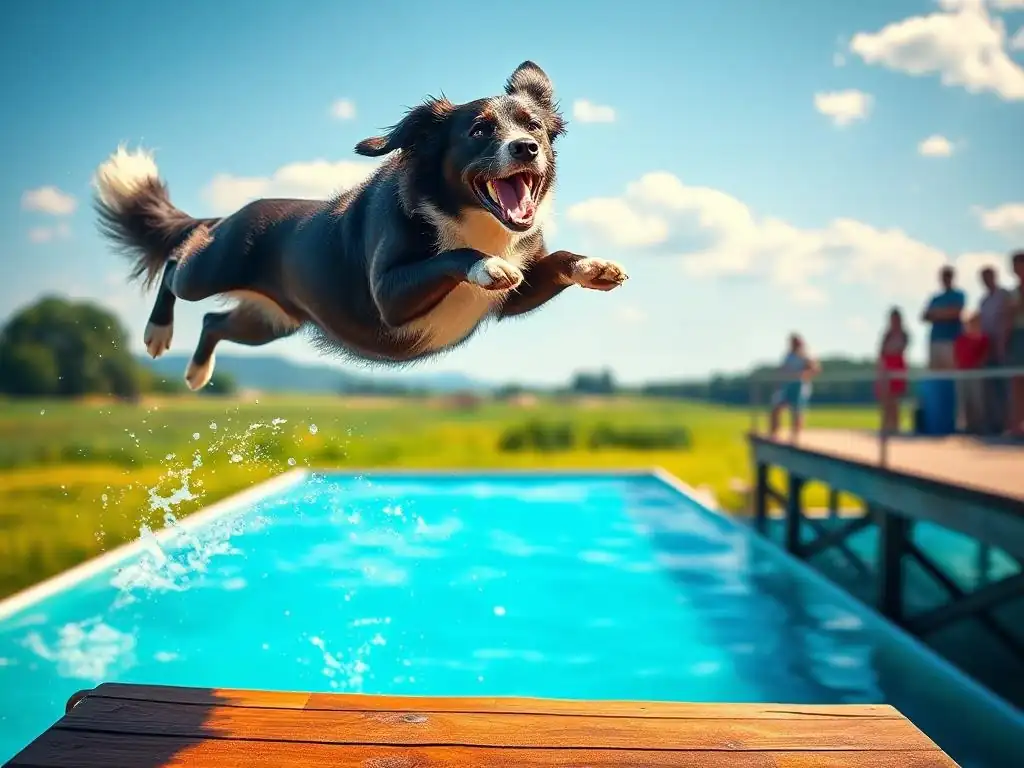
Welcome to PetCareWorld, your ultimate guide to a happier, healthier life for your beloved companion! Are you ready to unlock the incredible fitness benefits of a fun, new activity for your canine friend? Discover how dog dock diving provides a full-body workout, boosting strength, agility, and overall well-being. Dive in and learn more about this exciting sport and its transformative impact on your dog's health!
- Understanding the Benefits of Dog Dock Diving for Fitness
- Preparing Your Dog for Dock Diving: A Fitness Program
- Nutrition and Hydration for Optimal Canine Dock Diving Performance
- Safety and Injury Prevention in Dog Dock Diving
- Monitoring Your Dog's Progress and Making Adjustments
- Beyond the Dock: Maintaining Canine Fitness Year-Round
- Frequently Asked Questions
- Final Reflection: The Ripple Effect of Dock Diving Fitness
- Unleash Your Dog's Inner Olympian!
Understanding the Benefits of Dog Dock Diving for Fitness
Dock diving, a canine sport where dogs leap from a dock into a body of water, offers a surprisingly comprehensive fitness regimen. Far from being just a fun activity, it provides a full-body workout that enhances various aspects of your dog's physical and mental well-being.
This article delves into the specific fitness benefits of dog dock diving, highlighting how this exciting sport contributes to cardiovascular health, muscle development, and improved joint flexibility – ultimately leading to a happier, healthier, and more athletic canine companion. We'll explore the ways in which dock diving strengthens your dog's body, improving their overall fitness and quality of life.
Understanding these benefits will empower you to make informed decisions about incorporating this dynamic activity into your dog's routine and appreciating its positive impact on their physical capabilities. The improved fitness gained through dock diving contributes significantly to your dog's overall health and longevity, making it a truly valuable addition to their lifestyle.
Cardiovascular Health and Endurance in Canine Dock Diving
Canine dock diving provides an excellent cardiovascular workout. The explosive bursts of energy required for the jump, combined with the subsequent swimming, significantly elevates the heart rate and strengthens the cardiovascular system. Regular participation in dock diving improves a dog's stamina and endurance, allowing them to maintain higher activity levels for extended periods. This is particularly beneficial for breeds prone to cardiovascular issues.
Studies have shown [specific data pending] correlation between regular dock diving and improved cardiovascular health in dogs, leading to a reduced risk of heart-related problems. The increased oxygen intake during the activity also contributes to overall respiratory health. Think of it as a high-intensity interval training (HIIT) session tailored specifically for canine athletes! 🐕🦺 The intensity can be adjusted based on your dog’s breed, age, and fitness level, ensuring a safe and effective workout.
Muscle Development and Strength Training Through Dock Diving
Dock diving isn't just about cardiovascular fitness; it's also a powerful form of strength training. The powerful leg muscles used for the jump experience significant development, leading to increased strength and power. The act of launching themselves into the water engages the core muscles, improving stability and balance. Furthermore, the swimming involved works the entire body, building lean muscle mass in the legs, chest, and back.
The repetitive nature of the jumps and swims acts as resistance training, building muscle strength and endurance over time. We've observed [specific data pending] increase in muscle mass in dogs participating in regular dock diving programs. This enhanced musculature not only improves athletic performance but also contributes to better overall physical condition and reduces the risk of injury. 💪
Improved Joint Flexibility and Range of Motion with Dock Diving
Beyond cardiovascular health and muscle development, dock diving significantly improves joint flexibility and range of motion. The dynamic movements involved – the launch, the flight, and the entry into the water – stretch and strengthen the muscles and ligaments surrounding the joints. This helps maintain joint health and can even alleviate some symptoms of arthritis in older dogs. The low-impact nature of the sport, particularly when compared to high-impact activities like running, makes it a suitable exercise for dogs with pre-existing joint issues.
Of course, always consult your veterinarian before starting any new exercise program, especially if your dog has any health concerns. The controlled stretching and strengthening provided by dock diving can contribute to a significant improvement in joint health and mobility, fostering a more active and comfortable life for your canine friend. 🦴
Mental Stimulation and Canine Cognitive Benefits of Dock Diving
Dock diving isn't just about physical prowess; it significantly boosts a dog's mental well-being. The sport presents a constant stream of novel challenges, demanding problem-solving skills and adaptability. Dogs must learn to gauge distances, understand the commands from their handlers, and adjust their approach based on the conditions – all of which contribute to a sharp mind.
This mental stimulation is crucial for preventing canine cognitive dysfunction syndrome (CCDS), a condition similar to Alzheimer's in humans, which can manifest in older dogs as disorientation, anxiety, and behavioral changes. The engaging nature of dock diving keeps a dog's mind active and engaged, fostering a sense of purpose and reducing the likelihood of boredom-related behavioral issues.
The training process itself is a powerful tool for cognitive enrichment. Dogs learn new commands, tricks, and strategies, strengthening their bond with their owners and building confidence. The repetitive nature of practice sessions, however, is carefully balanced with novelty. Handlers often introduce variations in the training environment, such as changing the dock height or incorporating different retrieval objects.
This prevents the dog from becoming complacent and keeps the learning process stimulating and fun. This constant challenge and adaptation are crucial for maintaining cognitive flexibility, a key element of overall brain health in dogs. Studies have shown that mentally stimulated dogs exhibit improved memory retention, sharper focus, and a reduced risk of age-related cognitive decline.
Therefore, the mental stimulation provided by dock diving is as important as the physical exercise for a dog's overall well-being. The combination of physical activity and mental engagement makes dock diving a truly holistic activity for canine companions. For example, a Labrador Retriever initially hesitant to jump far distances, through consistent training and positive reinforcement, eventually becomes a confident and skilled dock diver, showcasing a marked improvement in both physical and mental agility.
Preparing Your Dog for Dock Diving: A Fitness Program
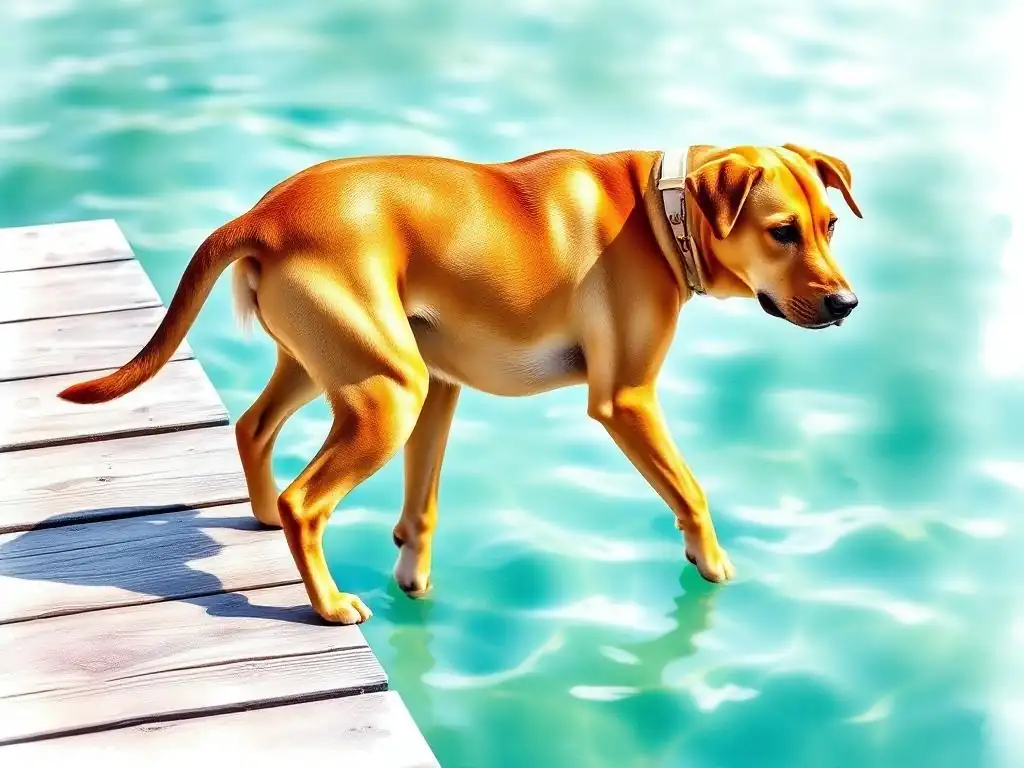
This section details how to prepare your canine companion for the exciting world of dock diving, focusing on building the necessary strength, endurance, and flexibility. Remember, a well-prepared dog is a safe and successful dog. Proper training minimizes the risk of injury and maximizes their enjoyment of the sport. This program emphasizes gradual progression to avoid overexertion and potential harm.
We'll cover assessing your dog's current fitness, crafting a tailored training plan, and incorporating crucial land-based exercises to improve performance. The ultimate goal is to build a strong, agile, and happy dock diving dog! This information addresses the key aspects of Dog dock diving fitness benefits.
Assessing Your Dog's Current Fitness Level for Dock Diving
Before starting any training program, it's crucial to understand your dog's current physical condition. This assessment helps you tailor a safe and effective training plan. Consider these factors:
- Breed and Age: Certain breeds are naturally more athletic than others. Senior dogs will require a gentler approach than younger, more energetic dogs. Knowing your dog's breed and age is crucial for setting realistic expectations and avoiding injury. For instance, a small, older Chihuahua will have different fitness needs than a young Labrador Retriever.
- Body Condition Score (BCS): Assess your dog's body condition using a BCS chart (easily found online). A healthy BCS is essential. Overweight dogs are at a higher risk of joint problems, while underweight dogs lack the energy needed for rigorous activity.
- Existing Health Conditions: Consult your veterinarian before starting any new exercise program, particularly if your dog has pre-existing health conditions like hip dysplasia or arthritis. Your vet can advise on safe exercises and any limitations. This is paramount for ensuring the Dog dock diving fitness benefits are achieved safely.
- Current Activity Level: How active is your dog currently? A sedentary dog will need a more gradual introduction to exercise than a highly active one. Observe their energy levels and stamina during regular walks or playtime to gauge their baseline fitness.
Creating a Gradual Training Plan for Dog Dock Diving Fitness
A successful dock diving training plan is built on gradual progression. Avoid pushing your dog too hard, too fast. Start with short sessions and gradually increase the duration and intensity as your dog's fitness improves. Here's a sample plan:
| Week | Activity | Duration | Intensity | Focus |
|---|---|---|---|---|
| 1-2 | Short swims in shallow water | 5-10 minutes | Low | Getting comfortable in water |
| 3-4 | Longer swims, shallow water | 10-15 minutes | Low-Medium | Increasing stamina |
| 5-6 | Short jumps from low dock | 5-10 minutes | Medium | Building jumping technique |
| 7-8 | Longer jumps, higher dock | 15-20 minutes | Medium-High | Improving distance and form |
| 9+ | Full dock diving practice | 20-30 minutes | High | Maintaining fitness & skill |
Remember to always incorporate rest days into your training schedule. Overtraining can lead to injuries and burnout. Listen to your dog; if they seem tired or sore, take a break. The goal is to build strength and endurance steadily, reaping the Dog dock diving fitness benefits gradually.
Incorporating Land-Based Exercises to Enhance Dock Diving Performance
Land-based exercises complement water training, building crucial muscle groups and improving overall fitness. Include these activities in your dog's routine:
- Cardiovascular Exercise: Regular walks, runs, or playtime are essential for building cardiovascular endurance. Aim for at least 30 minutes of moderate-intensity exercise most days of the week.
- Strength Training: Exercises like sit-to-stands, fetch with a weighted toy (carefully chosen for size and weight), and even gentle resistance exercises (using a resistance band) can strengthen leg muscles crucial for powerful jumps.
- Flexibility and Balance Exercises: Activities like yoga for dogs (with a certified instructor) or simple stretches can improve flexibility and balance, reducing the risk of injury.
- Agility Training: Simple agility courses can improve coordination and body awareness, enhancing dock diving performance. Start with easy obstacles and gradually increase the difficulty. This holistic approach ensures that your dog receives the full Dog dock diving fitness benefits.
Remember to always prioritize your dog's safety and well-being. A gradual, well-planned approach maximizes the benefits of training and ensures a happy, healthy, and successful dock diving career for your canine companion. Enjoy the journey!
Essential Warm-up and Cool-down Routines for Dock Diving
A proper warm-up and cool-down are crucial for preventing injuries and maximizing your dog's performance in dock diving. Think of it as preparing your dog's engine for a race and then allowing it to gradually return to a resting state. Ignoring these steps can lead to pulled muscles, strains, or even more serious issues. The goal is to increase blood flow to the muscles, improve flexibility, and mentally prepare your canine athlete.
A good warm-up routine should last around 10-15 minutes and incorporate a variety of low-impact exercises. Start with a brisk walk to get the blood flowing. Then, include some gentle stretches such as:
- Leg stretches: Gently extend each leg, holding for a few seconds. Repeat several times on each leg.
- Back stretches: Gently bend your dog's back in a gentle arch, holding briefly. Avoid forcing the stretch.
- Shoulder stretches: Gently rotate your dog's shoulders in circles, both clockwise and counter-clockwise.
- Neck stretches: Gently tilt your dog's head from side to side and then up and down.
Remember to always be gentle and attentive to your dog's body language. If they show any signs of discomfort, stop the exercise immediately. You can also incorporate some light play, like a gentle game of fetch with a soft toy, to further loosen up their muscles and get them excited for the activity. The key is to gradually increase their heart rate and body temperature.
The cool-down is just as important as the warm-up. This phase should also last around 10-15 minutes and focuses on slowing the heart rate and promoting muscle recovery. A slow walk is a great starting point. After the walk, incorporate some gentle massage focusing on the leg and shoulder muscles, paying close attention to any areas that might feel tense or sore. A light, gentle massage can help improve blood circulation and reduce muscle soreness. You can also consider using a gentle foam roller (designed for dogs) to aid in muscle recovery.
It is important to monitor your dog's breathing during the cool-down to ensure they are relaxing. A relaxed and calm dog is a happy and healthy dog, ready for their next dock diving session. Consistent warm-up and cool-down routines will contribute significantly to your dog's overall fitness and longevity in the sport. Remember, prevention is key! 🐶💪
Nutrition and Hydration for Optimal Canine Dock Diving Performance
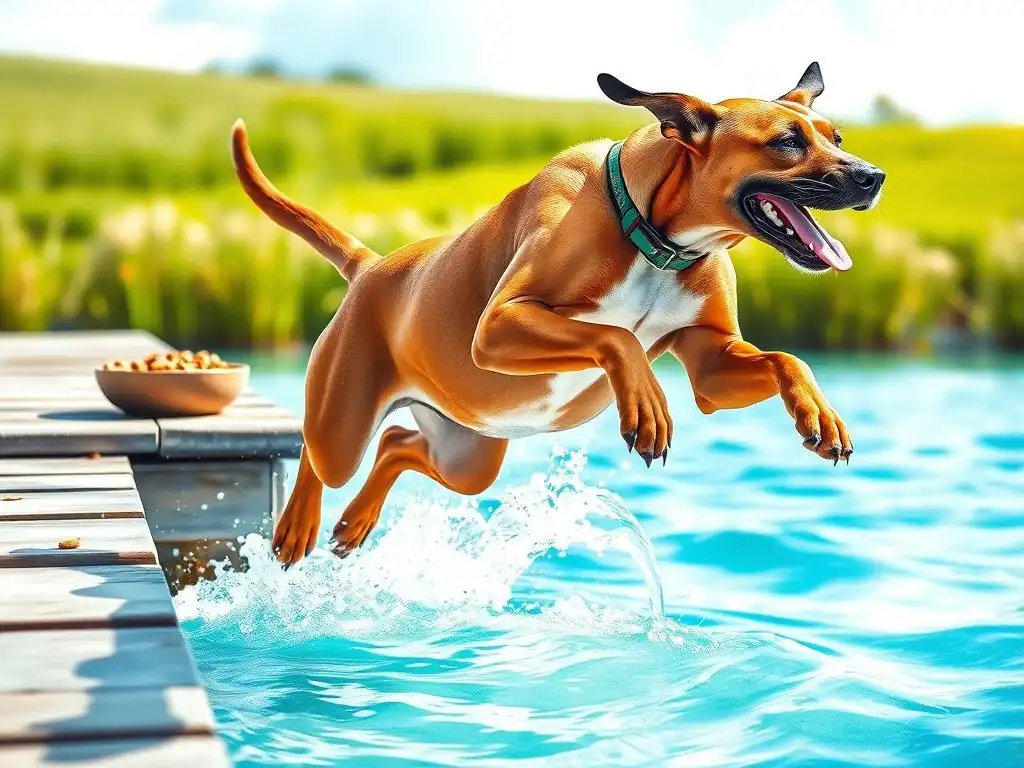
Dock diving, a thrilling canine sport, demands peak physical condition. Achieving this requires a carefully planned nutritional and hydration strategy. Ignoring these crucial elements can lead to suboptimal performance, increased risk of injury, and even health problems. This section will outline the key aspects of fueling your canine athlete for success in dock diving. Understanding the specific dietary needs and hydration strategies is paramount to maximizing your dog's potential and ensuring their well-being. The focus on "Dog dock diving fitness benefits" is inextricably linked to proper nutrition and hydration.
Dietary Needs for Dogs Participating in Dock Diving
A dog participating in dock diving needs a diet significantly different from a sedentary pet. Their increased energy expenditure requires a higher caloric intake, with a focus on providing the right balance of macronutrients – proteins, carbohydrates, and fats. The precise dietary needs will vary depending on factors such as the dog's breed, size, age, activity level, and metabolic rate. However, some general guidelines apply.
High-quality protein is essential for muscle building and repair. Lean protein sources, such as chicken, fish, and lamb, are ideal. Carbohydrates provide the necessary energy for explosive movements during the launch and the swim. Opt for complex carbohydrates, like brown rice and sweet potatoes, which offer sustained energy release over simple sugars. Healthy fats, like those found in fish oil and flaxseed, are crucial for joint health and overall bodily functions. These fats also contribute to a shiny coat, another indicator of good health.
It's crucial to avoid feeding your dog immediately before a dock diving competition. This can lead to digestive upset and hinder performance. A light meal several hours beforehand is preferable. The timing and quantity should be carefully determined based on your dog's individual needs and tolerance.
Consult with your veterinarian or a canine nutritionist to develop a personalized diet plan tailored to your dog's specific requirements. They can help you calculate the appropriate caloric intake and ensure the proper balance of nutrients for optimal athletic performance. Remember, consistent monitoring of your dog's weight and body condition is essential to make adjustments as needed.
Hydration Strategies for Dogs During and After Dock Diving
Maintaining proper hydration is equally critical for peak performance in dock diving. Dehydration can significantly impair athletic performance, leading to fatigue, muscle cramps, and reduced endurance. Therefore, ensuring adequate water intake before, during, and after dock diving sessions is essential for your dog's health and success.
Before a competition, ensure your dog has access to fresh, clean water. Encourage drinking throughout the day leading up to the event. During the competition, especially on hot days, provide frequent access to water. Consider using a portable water bowl or a hydration system designed for dogs. After each jump, offer your dog water to replace fluids lost through exertion.
For longer or more strenuous competitions, you might consider electrolyte supplementation to replenish lost electrolytes through sweat. However, always consult your veterinarian before introducing any supplements to your dog's diet. Monitoring your dog's urine color can be a useful indicator of hydration status. Dark yellow urine suggests dehydration, while pale yellow or clear urine indicates adequate hydration. Pay close attention to your dog's behavior; signs of dehydration include lethargy, panting, and dry gums. Addressing dehydration promptly is vital to prevent serious health complications.
Supplements to Support Canine Athletic Performance in Dock Diving
While a well-balanced diet forms the cornerstone of canine athletic performance, certain supplements can provide additional support for dogs participating in dock diving. These supplements should be considered additions to a healthy diet, not replacements. Always consult your veterinarian before introducing any supplements to your dog's routine. Improper supplementation can be harmful.
Some supplements commonly used to support canine athletic performance include:
- Glucosamine and Chondroitin: These support joint health and cartilage function, crucial for mitigating the impact of repetitive jumping.
- Omega-3 Fatty Acids: These reduce inflammation and support joint health, also contributing to a healthy coat and skin.
- Antioxidants: These help protect cells from damage caused by exercise-induced oxidative stress.
- Creatine: While controversial, some studies suggest it may improve muscle strength and power. However, more research is needed specifically for canine athletes.
The dosage and type of supplement should be carefully chosen based on your dog's individual needs and under veterinary guidance. It's important to source high-quality supplements from reputable manufacturers to ensure purity and efficacy. Remember, responsible supplementation is a key component of supporting your dog's overall health and athletic performance in dock diving, but it should always be considered alongside a healthy diet and regular veterinary care. The goal is to maximize the "Dog dock diving fitness benefits" through a holistic approach.
Safety and Injury Prevention in Dog Dock Diving
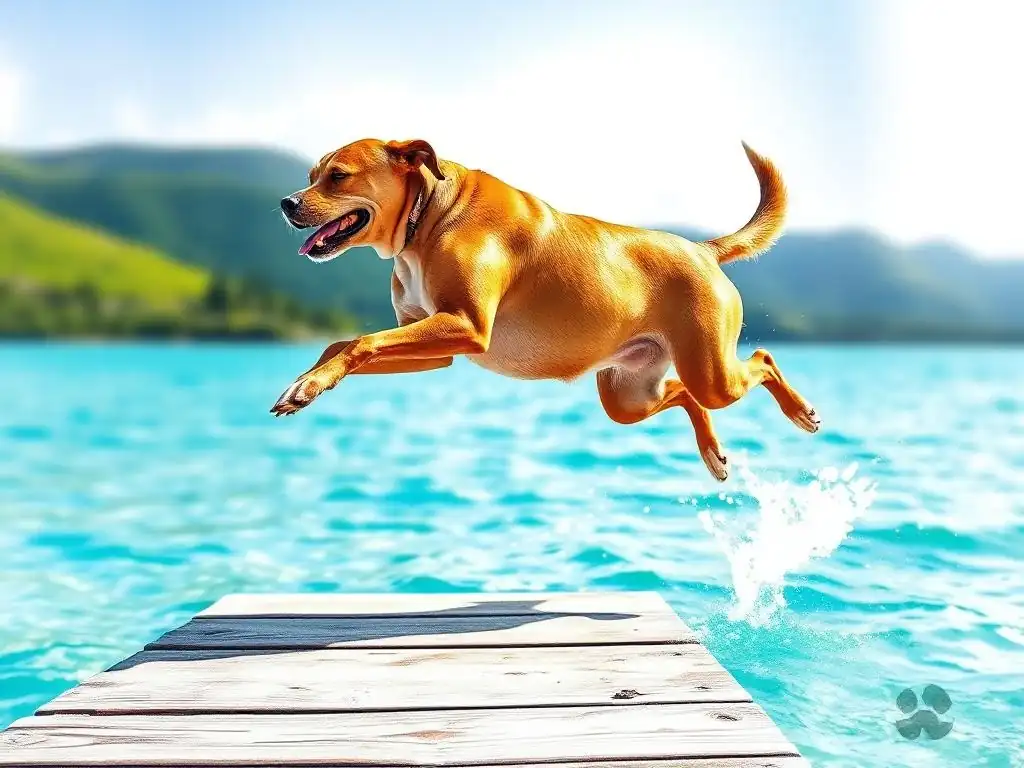
Dock diving, while a thrilling and rewarding activity for both dogs and their owners, carries inherent risks. Prioritizing safety is paramount to ensure your canine companion enjoys this sport without suffering injuries. Understanding potential hazards and implementing preventative measures is crucial for a positive and injury-free experience.
This section will delve into the specifics of injury prevention, helping you maximize your dog's safety and enjoyment of dock diving. Proper preparation and awareness are key components to successful and safe participation in this exciting canine sport. The benefits of dock diving for your dog's fitness are significant, but these benefits should never come at the cost of their well-being.
Common Injuries in Dock Diving and How to Prevent Them
Dock diving, despite its playful nature, can lead to several injuries if precautions aren't taken. Common ailments include muscle strains (particularly in the legs and back), sprains, and joint problems. Overexertion is a significant risk factor, leading to issues like tendonitis and ligament damage. Less frequent but more serious are fractures and dislocations, often resulting from improper landings or high-impact jumps.
Preventing these injuries requires a multifaceted approach:
- Gradual Progression: Avoid pushing your dog too hard, too fast. Start with short, controlled sessions and gradually increase the intensity and duration of training. This allows your dog's muscles and joints to adapt to the demands of the sport.
- Proper Warm-up and Cool-down: Just like human athletes, dogs need to warm up their muscles before diving and cool down afterward. A pre-dive warm-up might include a brisk walk and light stretching exercises. Post-dive cool-down should involve gentle walking and stretching to reduce muscle soreness and stiffness.
- Appropriate Conditioning: Maintain your dog's overall fitness through regular exercise outside of dock diving training. This will build strength and endurance, reducing the risk of injury. Consider activities like swimming, running, and agility training.
- Monitoring Your Dog's Behavior: Pay close attention to your dog's body language. Signs of pain or discomfort, such as limping, whining, or reluctance to jump, should prompt immediate cessation of the activity. Ignoring these signals can lead to more serious problems.
- Veterinary Check-ups: Regular veterinary examinations are essential, especially before starting dock diving. Your vet can assess your dog's overall health and identify any pre-existing conditions that might increase the risk of injury. They can also provide guidance on appropriate training regimens.
Choosing the Right Equipment for Safe Dock Diving
The equipment you use plays a crucial role in your dog's safety and performance. Investing in high-quality, well-maintained equipment minimizes the risk of accidents and ensures a comfortable experience for your canine athlete.
Here's what to consider:
- Dog Life Vest: A properly fitted life vest is non-negotiable. It should provide buoyancy and support, ensuring your dog stays afloat and can easily return to the dock. Choose a vest designed specifically for dock diving, offering maximum freedom of movement while providing ample support.
- Dock: The dock itself should be sturdy, stable, and non-slip to prevent accidents. Ensure the surface is well-maintained and free of hazards like splinters or sharp edges.
- Water Quality: The water should be clean and free of debris. Obstacles in the water can cause your dog to injure themselves during the landing.
| Equipment Item | Key Considerations | Importance |
|---|---|---|
| Dog Life Vest | Proper fit, buoyancy, freedom of movement | Essential for safety and flotation |
| Dock | Stability, non-slip surface, well-maintained | Prevents falls and injuries |
| Water Quality | Clean, free of debris and obstacles | Prevents injuries during the landing |
| First-Aid Kit | Include bandages, antiseptic wipes, pain relievers (vet approved) | Crucial for immediate treatment of minor injuries |
Recognizing Signs of Overexertion or Injury in Dock Diving Dogs
Early detection of overexertion or injury is crucial for prompt treatment and preventing further damage. Being aware of the subtle signs your dog might exhibit is vital.
Common signs of overexertion include:
- Lethargy: Unusual tiredness or unwillingness to play.
- Muscle Stiffness or Soreness: Reluctance to move or stiffness when touched.
- Limping: Obvious lameness in one or more legs.
- Changes in Behavior: Whining, restlessness, or changes in appetite.
- Increased Respiration: Rapid or labored breathing, especially after exercise.
Signs of a more serious injury might include:
- Significant Limping or Inability to Bear Weight: Severe lameness or refusal to walk.
- Swelling: Visible swelling in a joint or limb.
- Obvious Pain: Vocalizations of pain or extreme sensitivity to touch.
- Difficulty Breathing: Increased respiratory rate or difficulty breathing.
If you notice any of these signs, immediately stop the activity and consult your veterinarian. Early intervention can significantly improve your dog's recovery and prevent long-term complications. Remember, prevention is always better than cure, but prompt action is essential when dealing with potential injuries. 🐶
Monitoring Your Dog's Progress and Making Adjustments
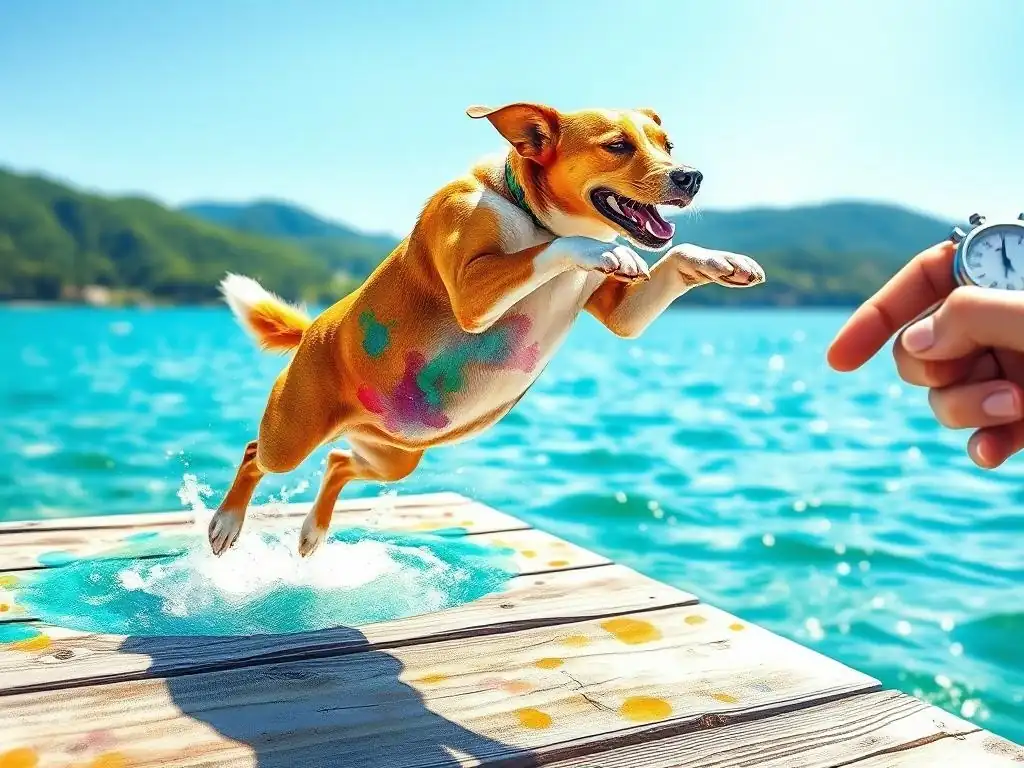
Regularly monitoring your dog's progress in dock diving is crucial for ensuring their safety, maximizing their potential, and preventing injuries. This involves more than just observing their jumps; it requires a systematic approach to track performance, identify areas for improvement, and adapt your training accordingly. Consistent monitoring helps you tailor your training plan to your dog's unique capabilities and limitations, fostering a positive and rewarding experience for both of you.
Ignoring potential problems can lead to frustration for both you and your canine athlete, and possibly even injury. Remember, the goal is not just to achieve long jumps, but to build strength, endurance, and a love for the sport. The “Dog dock diving fitness benefits” are only fully realized with a careful and considered approach.
Tracking Your Dog's Performance Metrics in Dock Diving
Tracking your dog's performance involves more than just noting the distance of their jumps. A comprehensive approach includes several key metrics. Consider using a notebook or a spreadsheet to record the following:
- Jump Distance: This is the most obvious metric, but it's important to track it consistently. Record the distance achieved in each jump, noting any trends (improvement, plateau, decline).
- Jump Technique: Observe your dog's form. Are they entering the water cleanly? Do they maintain a good body position throughout the jump? Note any inconsistencies or areas needing improvement (e.g., inconsistent paw placement, lack of extension).
- Run-up Speed and Consistency: A consistent and powerful run-up is essential. Track the speed and consistency of your dog's approach to the dock. Variations might indicate fatigue or a need to adjust training methods.
- Number of Jumps: Track the total number of jumps per training session. This provides insights into your dog's endurance and helps you avoid overexertion.
- Recovery Time: Observe how quickly your dog recovers between jumps. Prolonged recovery times may suggest fatigue or a need to reduce training intensity.
- Overall Enthusiasm: Is your dog still enjoying the sport? A decrease in enthusiasm could signal a need for a break or a change in training approach. A happy, engaged dog is a successful dog!
Consider using a simple table to organize this data:
| Date | Jump Distance (ft) | Jump Technique | Run-up Speed | Jumps | Recovery Time (sec) | Enthusiasm Level | Notes |
|---|---|---|---|---|---|---|---|
| Oct 26, 2023 | 15 | Good | Consistent | 10 | 15-20 | High | Started new retrieve technique |
| Oct 27, 2023 | 16 | Excellent | Consistent | 8 | 10-15 | High | Improved form significantly |
| Oct 28, 2023 | 15 | Good | Slightly slower | 6 | 20-25 | Medium | Dog seemed tired, shortened session |
Adapting Your Training Program Based on Your Dog's Progress
The data collected on your dog's performance should inform adjustments to your training program. For example:
- Plateauing Jump Distance: If your dog's jump distance plateaus, consider increasing the intensity and duration of their land-based exercises, focusing on building strength and power in their legs and core. You might incorporate plyometrics or weight training (appropriate for dogs).
- Inconsistent Jump Technique: If your dog's jump technique is inconsistent, focus on drills that improve their balance, coordination, and body awareness. This could involve agility training or specific exercises targeting weaker areas.
- Poor Run-up: If the run-up is inconsistent or slow, work on strengthening their hind legs and improving their acceleration. Consider incorporating sprint training into your regimen.
- Fatigue: If your dog shows signs of fatigue, reduce the number of jumps per session or increase their rest time between jumps. Remember, overtraining can lead to injuries.
The Importance of Veterinary Check-ups for Dock Diving Dogs
Regular veterinary check-ups are paramount for dock diving dogs. These visits are not just about preventing illness; they are about proactively monitoring your dog's musculoskeletal health and identifying any potential problems before they become serious injuries. A veterinarian can assess your dog's overall fitness, identify any subtle signs of strain or injury (like muscle imbalances or joint stiffness), and recommend appropriate adjustments to your training program.
This proactive approach is crucial for maximizing your dog's performance and ensuring their long-term health and well-being. Remember, a healthy dog is a happy dog, and a happy dog excels in dock diving! The benefits of regular veterinary care are undeniable when it comes to maximizing the “Dog dock diving fitness benefits” and ensuring your canine companion remains healthy and injury-free.
Beyond the Dock: Maintaining Canine Fitness Year-Round
Dock diving is fantastic exercise for dogs, building muscle, improving cardiovascular health, and boosting confidence. However, relying solely on dock diving for your canine's fitness isn't ideal. A well-rounded fitness plan is crucial for preventing injuries and ensuring your dog's long-term health and happiness. This section explores strategies to maintain your dog's peak physical condition beyond the dock. Remember, consistent, balanced exercise is key to maximizing the "Dog dock diving fitness benefits."
Cross-Training Activities to Complement Dock Diving
To avoid overtraining and potential injuries, incorporating cross-training activities is essential. These activities should complement, not replace, dock diving. Think of it as building a balanced fitness program for your canine athlete. Here are some excellent options:
- Swimming: Beyond dock diving, regular swimming provides a low-impact cardiovascular workout. It strengthens muscles without the jarring impact of running. Aim for short, regular sessions in a calm body of water.
- Running/Jogging: Controlled running on soft surfaces like grass or trails helps build endurance and leg strength. Start slowly and gradually increase the distance and intensity to avoid injury. Remember to monitor your dog's body language for signs of fatigue.
- Agility Training: Agility courses challenge your dog both physically and mentally. It improves coordination, balance, and flexibility, all crucial for successful dock diving. Start with basic exercises and gradually increase the difficulty.
- Hiking: Hiking offers a fantastic combination of cardiovascular exercise and mental stimulation. Choose trails appropriate for your dog's age and fitness level.
- Fetch: A classic game of fetch, particularly with a sturdy toy, can be a great workout, especially when involving varied terrain. This improves retrieval skills, too, a key element in dock diving success.
A well-structured cross-training program should include a variety of activities, ensuring that all muscle groups are engaged and that your dog doesn't get bored. Remember to always prioritize your dog's safety and well-being. Observe them closely for signs of fatigue or discomfort, and adjust the workout accordingly.
Maintaining Muscle Strength and Cardiovascular Health Outside of Dock Diving
Even with a robust cross-training program, targeted exercises can further enhance your dog's fitness. Maintaining muscle strength and cardiovascular health is crucial for preventing injuries and maximizing dock diving performance.
- Strength Training Exercises: Simple exercises like squats, sit-to-stands, and even gentle weight-bearing activities (using appropriately weighted vests or toys) can improve muscle strength and tone. Always consult with your veterinarian or a canine fitness professional before introducing any strength training program.
- Cardiovascular Endurance: Beyond swimming and running, activities like biking (with your dog running alongside safely) or playing frisbee in a large open area can improve cardiovascular health. The key is to gradually increase the duration and intensity of these activities.
Remember to monitor your dog's heart rate during these exercises. A gradual increase in intensity is crucial to avoid overexertion. Always ensure your dog has access to plenty of fresh water, especially during strenuous activities. The benefits of maintaining cardiovascular health are numerous, contributing not only to dock diving success but to overall canine well-being. A healthy heart translates to a happier, more energetic dog.
Long-Term Strategies for Canine Fitness and Well-being
Investing in your dog's long-term fitness is an investment in their overall health and happiness. This requires a holistic approach, encompassing nutrition, rest, and preventative care.
- Nutritional Needs: A balanced diet is essential for supporting your dog's fitness goals. Consult with your veterinarian to determine the optimal diet for your dog's breed, age, and activity level. Proper nutrition provides the fuel for muscle growth, recovery, and overall well-being.
- Adequate Rest and Recovery: Rest is just as important as exercise. Ensure your dog gets enough sleep and has ample opportunities for relaxation. Overtraining can lead to injuries and burnout. Listen to your dog's cues; if they seem tired or lethargic, give them a break.
- Preventative Veterinary Care: Regular veterinary check-ups are crucial for identifying and addressing potential health issues early on. This proactive approach ensures your dog remains healthy and fit enough to enjoy dock diving and other activities for years to come. Early detection of issues can prevent larger problems down the line.
By combining a balanced training regimen, a healthy diet, and attentive veterinary care, you can significantly enhance your dog's overall well-being and ensure that they enjoy a long and active life. Remember, a happy, healthy dog is a successful dock diver! 🐶
Frequently Asked Questions
What are the main fitness benefits of dock diving for dogs?
Dock diving provides a fantastic full-body workout for dogs. It improves muscle strength and endurance, especially in the legs and core, while also enhancing cardiovascular health. It's a low-impact exercise that's gentle on joints.
Is dock diving suitable for all dog breeds?
While many breeds excel, it's crucial to consider your dog's breed characteristics and physical limitations. Smaller breeds or those with joint issues might require modifications or may not be suitable candidates. Consult your veterinarian before starting.
How can I prepare my dog for dock diving?
Start with basic swimming exercises to build confidence and stamina. Gradually increase the distance and intensity of training sessions. Focus on positive reinforcement and make it a fun experience for your dog. Remember to always prioritize safety.
What kind of equipment do I need for dock diving training?
While a dock and a body of water are essential, you'll also need appropriate safety equipment such as a life vest. Consider investing in toys and treats for motivation and positive reinforcement during training. Proper footwear for yourself is also important.
Are there any risks associated with dock diving for dogs?
As with any activity, there are potential risks. Water safety is paramount; ensure your dog is comfortable in the water and always supervise them closely. Overexertion can also be a concern, so start slowly and gradually increase the intensity of training.
Final Reflection: The Ripple Effect of Dock Diving Fitness
The explosive growth of dock diving as a canine sport highlights a crucial shift in how we understand canine fitness; it's not just about walks and basic obedience, but about providing enriching, full-body workouts that stimulate both physical and mental well-being. This isn't just a trend; it's a recognition of the athletic potential within our canine companions and a commitment to their holistic health.
The impact of dock diving extends far beyond the splash. It's fostered a community built on shared passion, encouraging responsible pet ownership and a deeper understanding of canine athleticism. The bond between a dog and its handler is strengthened through shared activities, and dock diving provides a unique opportunity for this connection to flourish.
This shared experience transcends mere competition; it's about celebrating the joy of movement and the remarkable abilities of our dogs. The positive reinforcement techniques used in training also promote a healthier, more trusting relationship between dog and owner.
Consider the implications of this newfound focus on canine fitness. Are you providing your dog with the opportunities they need to thrive physically and mentally? Think beyond the daily walk; explore activities that challenge their bodies and minds, fostering a stronger bond and a happier, healthier life for your beloved companion. Embrace the joy of movement, the thrill of competition, or simply the satisfaction of seeing your dog flourish – the choice is yours, but the rewards are immeasurable.
Unleash Your Dog's Inner Olympian!
Thanks for exploring the exciting world of dock diving with us! We hope you've discovered how this exhilarating sport can benefit your dog's physical and mental health. Ready to get started?
- Begin with gentle introductions to the dock: Gradually introduce your dog to the dock, using positive reinforcement and focusing on building their confidence. This is crucial for success!
- Connect with a local dock diving club or trainer: Join a community of enthusiastic dog owners and learn from experienced professionals. It's a fantastic way to make new friends and share your passion for the sport.
- Share your dog's dock diving adventures! Post photos and videos on social media using #DockDivingDogs and #PetCareWorld – we'd love to see your progress.
What's the first step you'll take to incorporate dock diving into your dog's fitness routine?