
Cat Breeds That Adapt Well to MultiPet Households for Families

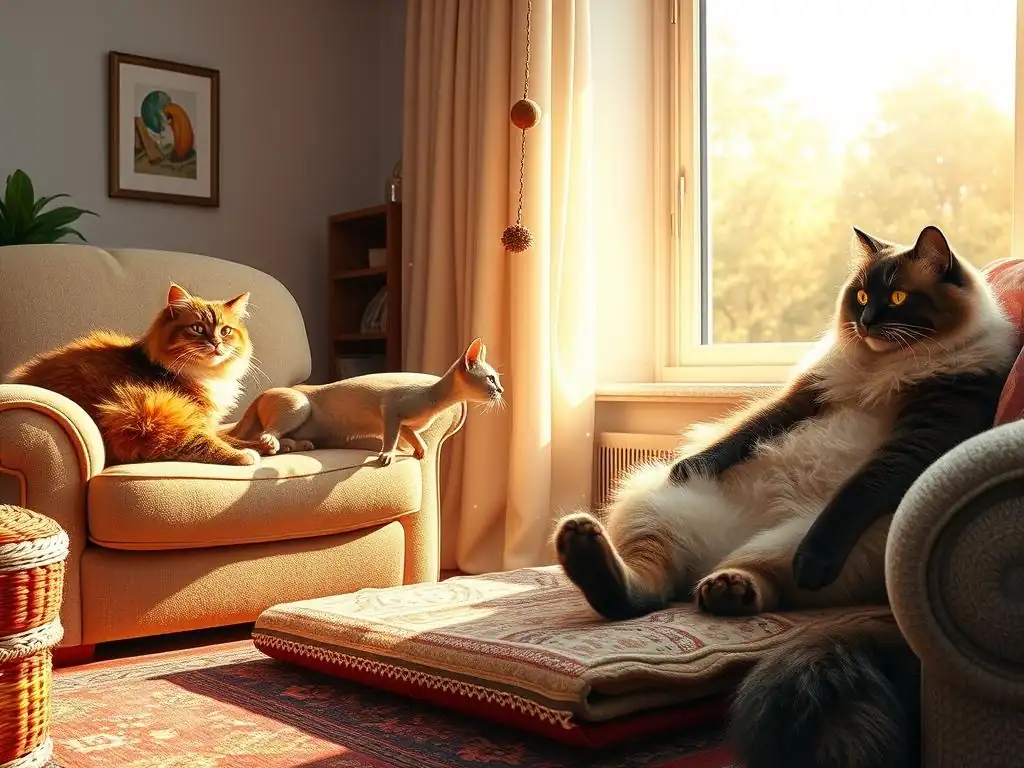
Welcome to PetCareWorld, your ultimate guide to a happier, healthier life for your beloved companions! Are you considering adding a feline friend to your multi-pet home? Discover which cat breeds thrive in bustling households, ensuring a harmonious and joyful coexistence for all. Learn about the best cat breeds for multi-pet homes and unlock the secrets to successful multi-pet family life – read on to find the purrfect match for your family!
- Best Cat Breeds for Multi-Pet Homes: Finding the Purrfect Companion
- Top Cat Breeds for Families with Multiple Pets
- Other Cat Breeds Suitable for Multi-Pet Homes
- Tips for Introducing a New Cat to a Multi-Pet Household
- Addressing Potential Conflicts and Behaviors
-
Frequently Asked Questions
- What cat breeds are best suited for multi-pet homes?
- How can I introduce a new cat to my existing pets?
- Are there any breeds that are not recommended for multi-pet homes?
- What are the signs of conflict between cats in a multi-pet household?
- What resources are available to help manage a multi-cat household?
- Final Reflection: Harmony in the Household: Choosing the Purrfect Multi-Pet Companion
- Ready to Welcome a Purrfect New Friend?
Best Cat Breeds for Multi-Pet Homes: Finding the Purrfect Companion
Choosing the right feline friend for your family can be an exciting, albeit sometimes daunting, experience. Adding a cat to an already established multi-pet household presents unique challenges, requiring careful consideration of temperament, personality, and breed characteristics. This comprehensive guide explores the best cat breeds known for their adaptability and compatibility with other animals, helping you find the purrfect companion to enrich your multi-pet family.
We'll delve into the specific challenges faced by cats in multi-pet environments and provide expert advice on selecting a breed that thrives in such a dynamic setting. Ultimately, our goal is to help you make an informed decision that ensures a harmonious and happy home for all your beloved pets.
This guide aims to help you navigate the complexities of introducing a new cat into your existing pet family, focusing on breeds known for their tolerance and social skills, ultimately leading to a thriving multi-pet household. Remember, responsible pet ownership includes understanding the needs of all your animals and creating an environment where they can all flourish.
Understanding the Challenges of Multi-Pet Households for Cats
Introducing a new cat into a home already populated by other animals, whether cats or dogs, presents several potential challenges. Cats, by nature, can be territorial and possessive, especially regarding resources like food, water, litter boxes, and sleeping areas. Competition for these resources can lead to stress, aggression, and even injury. Furthermore, cats communicate differently than dogs; subtle signs of feline stress, such as hissing, flattened ears, or a tucked tail, might be easily missed by owners unfamiliar with feline body language. Successfully integrating a new cat requires careful planning and observation.
A common issue is resource guarding, where a resident pet aggressively defends its perceived territory or belongings from the newcomer. This can manifest as growling, swatting, or even biting. The introduction process needs to be gradual and controlled, allowing the cats to acclimate to each other's scents and presence without direct confrontation. Providing ample resources – multiple food and water bowls, litter boxes, scratching posts, and resting areas – can significantly minimize competition and reduce stress.
Early intervention and proper socialization are crucial for preventing and addressing any conflicts that may arise. Ignoring early warning signs can lead to escalating tensions and more serious behavioral problems. Understanding feline communication and body language is key to recognizing and addressing potential issues before they escalate.
Selecting the Right Cat Breed for a Harmonious Multi-Pet Home
Not all cat breeds are created equal when it comes to living in a multi-pet environment. Some breeds are naturally more tolerant, sociable, and adaptable than others. Choosing a breed known for its calm demeanor and playful nature can significantly increase the chances of a smooth integration. Breeds that have been historically known for their good temperament with other animals include:
- Abyssinian: Known for their playful and affectionate nature, Abyssinians are often described as dog-like in their loyalty and enthusiasm for interaction, making them generally good with other pets.
- Ragdoll: These gentle giants are known for their laid-back personalities and tolerance, often accepting other animals in the household with ease.
- Maine Coon: Their friendly and patient nature makes them suitable for multi-pet households, provided proper introductions are made.
- Bengal: While known for their energetic nature, Bengals can adapt well to multi-pet homes if properly socialized from a young age. Early exposure to other animals is vital for this breed.
- Birman: These cats are known for their sweet and docile personalities, making them generally well-suited to a multi-pet home.
Remember that even within a breed, individual personalities can vary. Adopting a cat from a shelter or rescue organization allows you to meet the cat and assess its temperament before bringing it home, increasing the likelihood of a successful integration. 😻 Careful observation and a gradual introduction process are key to ensuring a harmonious multi-pet household, regardless of the breed you choose.
Top Cat Breeds for Families with Multiple Pets

This section delves into specific cat breeds renowned for their adaptability and amiable nature within multi-pet households. Choosing the right feline companion for a family already sharing their home with other animals requires careful consideration. The key lies in selecting breeds known for their tolerant and playful personalities, minimizing the potential for inter-species conflict and ensuring a harmonious household.
We'll examine several breeds that consistently demonstrate excellent compatibility with other pets, making them ideal choices for families seeking to expand their furry family. Remember, while breed temperament provides a good indication, individual cat personalities can vary. Early socialization and proper introductions remain crucial for a successful multi-pet dynamic.
Ragdoll Cats: Gentle Giants of the Feline World
Ragdolls are frequently cited as one of the best cat breeds for multi-pet homes. Their famously docile and affectionate nature makes them exceptionally well-suited to environments with other animals. Their laid-back personalities often lead to peaceful co-existence, even with boisterous canine companions.
Ragdoll Temperament and Socialization in Multi-Pet Homes
Ragdolls are known for their gentle and tolerant dispositions. They are often described as "dog-like" in their affection and willingness to follow their human companions around. This inherent calmness translates well into multi-pet households. However, early socialization is still vital.
Introducing a Ragdoll kitten to other pets gradually and under supervision allows for a smoother integration process. Positive reinforcement training, rewarding calm interactions between the cat and other animals, further solidifies harmonious relationships. Studies have shown that early exposure to diverse stimuli significantly improves a cat's adaptability and reduces the likelihood of aggression later in life. [Specific study data pending].
Ragdoll Care and Grooming Tips for Multi-Pet Households
While Ragdolls are generally healthy and low-maintenance, their long, luxurious coats require regular grooming to prevent matting. In a multi-pet household, this grooming routine becomes even more important to avoid the spread of parasites or the entanglement of fur from other animals. Regular brushing, ideally several times a week, is recommended.
Additionally, maintaining a clean and spacious environment is crucial to prevent territorial disputes, which can be exacerbated by excessive shedding. Providing ample scratching posts and play areas can help channel the animals' energies and reduce stress. A well-maintained litter box, easily accessible to all cats, is also essential for maintaining hygiene and preventing conflict over resources.
Abyssinian Cats: Playful and Adaptable Companions
Abyssinians are another breed frequently mentioned among the best cat breeds for multi-pet homes. Their active and playful personalities, coupled with their intelligent and adaptable nature, make them suitable companions for other animals. Unlike some breeds that prefer solitary existence, Abyssinians thrive on interaction, which extends to other pets.
Abyssinian Personality and Compatibility with Other Pets
Abyssinians are known for their curious and energetic personalities. They are often described as playful and mischievous, engaging in interactive games with both humans and other animals. This inherent sociability often translates into a harmonious relationship with other pets. Their intelligence allows them to quickly learn and adapt to the dynamics of a multi-pet household. However, proper introduction and supervision are still necessary, especially during the initial stages of integration. Providing plenty of toys and interactive games can help channel their energy and prevent boredom, which can sometimes lead to unwanted behavior.
Abyssinian Health and Activity Levels in Multi-Pet Environments
Abyssinians are generally healthy cats, but their high activity levels necessitate a stimulating environment. A multi-pet household, with its inherent activity and interaction, can actually benefit an Abyssinian's well-being. The presence of other pets can provide opportunities for play and social interaction, preventing boredom and potential behavioral issues. However, it's essential to ensure that all animals have access to sufficient resources, including food, water, and resting areas, to prevent competition and stress.
Regular veterinary check-ups are recommended to monitor their health and address any potential issues that might arise from living in a multi-pet environment. Maintaining a clean and spacious environment is crucial for the health of all pets, preventing the spread of illness and parasites. Providing opportunities for both individual playtime and group interaction ensures a stimulating and harmonious home for all.
Maine Coon Cats: Large and Loving Family Cats
Maine Coon cats are renowned for their gentle nature and adaptability, making them excellent additions to multi-pet households. Their large size and impressive coats are often the first things people notice, but beneath that majestic exterior lies a surprisingly tolerant and playful personality. These gentle giants often get along well with other cats, dogs, and even smaller animals, provided proper introductions and socialization are implemented.
Many owners report their Maine Coons engaging in playful interactions with their canine or feline companions, demonstrating a remarkable capacity for peaceful coexistence. This breed's inherent patience and calm demeanor contribute significantly to their success in multi-pet environments.
However, it's crucial to remember that each cat is an individual, and while the breed's temperament is generally tolerant, early socialization and careful introductions are paramount to ensure harmonious relationships within the household. Early exposure to various animals and a consistent, positive environment are key to fostering a well-adjusted and sociable Maine Coon.
Maine Coon Temperament and Tolerance of Other Animals
Maine Coons are generally known for their easygoing and friendly personalities. They are often described as “gentle giants,” possessing a calm and patient temperament that makes them well-suited for homes with multiple pets. Their tolerance extends beyond just their own kind; many Maine Coons happily coexist with dogs of various sizes and temperaments.
Of course, careful introductions are essential. A gradual process, allowing the animals to sniff each other under supervision, is recommended before allowing unsupervised interaction. Observe their body language carefully; signs of stress, such as flattened ears, hissing, or excessive grooming, should prompt immediate separation and a slower pace of introduction.
Positive reinforcement, such as treats and praise, during these introductions can significantly improve the chances of a successful integration. Success stories abound of Maine Coons forming close bonds with other animals, playing together, and even grooming each other, showcasing their adaptability and inherent sociability. However, remember to always supervise interactions, especially during the initial stages, to prevent any potential conflicts.
Maine Coon Grooming and Care in Multi-Pet Households
The Maine Coon's long, luxurious coat requires regular grooming, even more so in a multi-pet household. The increased interaction with other animals can lead to more shedding and potential matting. Daily brushing is recommended to prevent tangles and mats, reducing the likelihood of skin irritation and improving the overall health of their coat. This is especially important in homes with multiple pets, as the increased activity and play sessions can contribute to more shedding and potential matting.
Regular grooming sessions also provide an opportunity to check for fleas, ticks, or any other skin irritations that might arise from interactions with other animals. Investing in high-quality grooming tools designed for long-haired cats is advisable. Furthermore, regular vet checkups are crucial to monitor the Maine Coon's overall health and address any potential issues promptly.
A healthy Maine Coon is more likely to be a happy and tolerant member of a multi-pet family. Consider the additional grooming needs when assessing the commitment required for owning a Maine Coon in a multi-pet environment. The extra time spent grooming will be repaid in the form of a healthy, happy cat who contributes positively to your multi-pet household.
Other Cat Breeds Suitable for Multi-Pet Homes
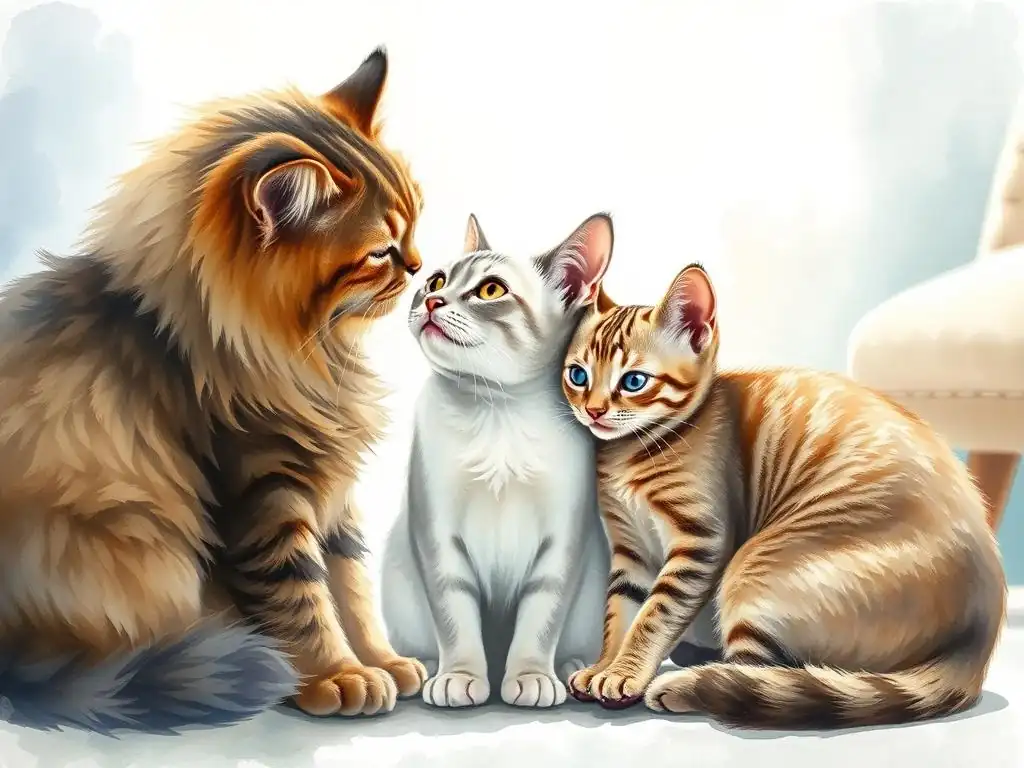
This section explores additional cat breeds known for their adaptability and sociability, making them excellent choices for multi-pet households. While the previously discussed breeds are popular choices for families with multiple pets, several other breeds also possess the temperament and characteristics necessary to thrive in a bustling, multi-animal environment. Remember, proper introduction and socialization are crucial regardless of breed. Choosing the best cat breed for a multi-pet home ultimately depends on the individual personalities of both the cats and other pets involved.
Siamese Cats: Intelligent and Sociable Breeds
Siamese cats are renowned for their intelligence, striking appearance, and affectionate nature. Their inherent sociability often translates to a positive experience when introduced to other animals, particularly if the introduction is managed carefully and gradually. They are known for their vocalizations—a characteristic that can be both endearing and potentially challenging depending on the tolerance levels of other household pets.
Siamese Cats' Social Needs and Interaction with Other Pets
Siamese cats thrive on interaction and attention. This inherent need for companionship can be a significant advantage in a multi-pet home. They often bond strongly with other cats, dogs, and even some smaller animals, provided they're introduced appropriately. However, early socialization is key.
Kittens raised with other animals are more likely to adapt seamlessly to a multi-pet environment than adult Siamese cats who haven't had similar experiences. Providing ample space, resources (food, water, litter boxes), and engaging toys can minimize potential competition and stress. Early and gradual introduction is paramount to ensure a positive interaction. Observing their body language—relaxed posture, slow blinks, gentle play—is crucial to assess their comfort levels and adjust the interaction accordingly.
Bengal Cats: Active and Playful Companions
Bengal cats, known for their striking coat resembling a leopard's spots, are active and playful breeds. Their energetic nature can be a great match for multi-pet homes where other animals also appreciate a good game of chase or interaction. However, their high energy levels mean they require a significant amount of stimulation and playtime to avoid boredom and potential behavioral issues.
Bengal Cat Temperament and Suitability for Multi-Pet Homes
While generally friendly and sociable, Bengal cats' independent streak means they might not always be overtly affectionate towards other pets. Their playful nature can, however, lead to enjoyable interactions. The key is to ensure that all pets have access to their own safe spaces and resources, preventing competition and territorial disputes. Providing plenty of climbing structures, toys, and interactive games can keep a Bengal cat happily engaged, reducing the likelihood of conflict with other pets. Proper introduction, similar to Siamese cats, is essential.
Begin with supervised, short interactions and gradually increase the time spent together as they become more comfortable with each other's presence. Monitoring their body language closely will help you gauge their comfort levels and make necessary adjustments. Remember that every cat is an individual, and even within a breed, temperament can vary significantly. Careful observation and patience are essential for successful integration into a multi-pet household.
Tips for Introducing a New Cat to a Multi-Pet Household
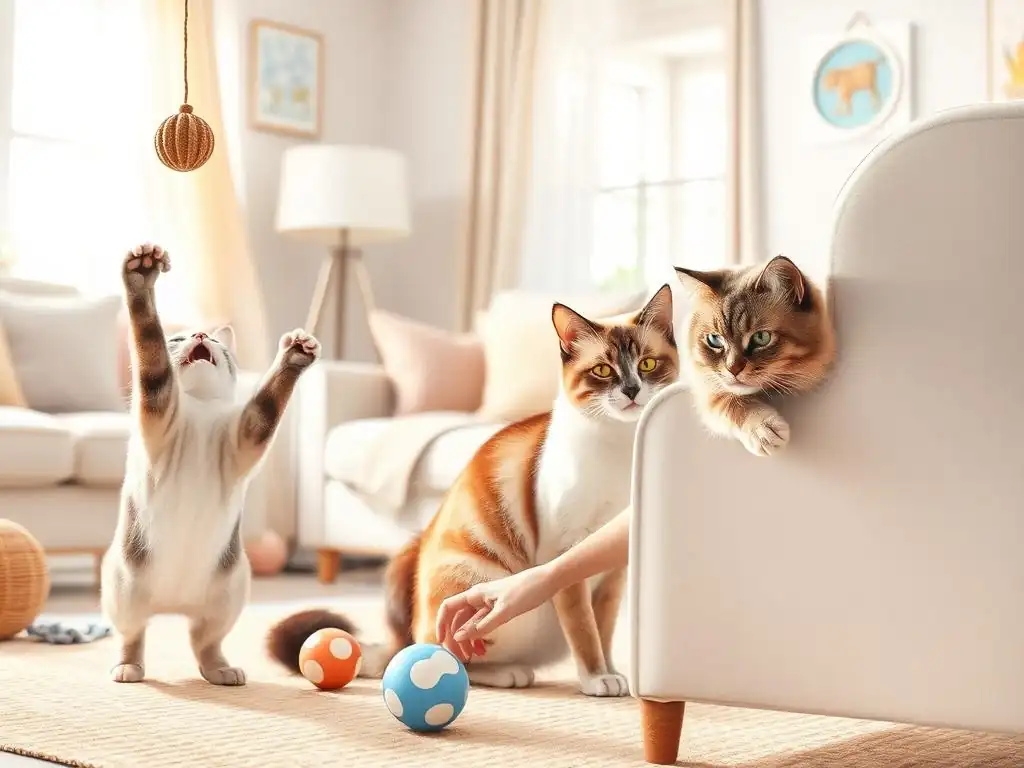
This section focuses on successfully integrating a new feline friend into an existing multi-pet household. Successfully introducing a new cat requires patience, careful planning, and a proactive approach to minimize stress for all involved. Remember, the goal is a harmonious co-existence, not immediate best-friends status. Finding the best cat breeds for multipet homes is just the first step; proper introduction is crucial for long-term success.
Gradual Introduction and Monitoring Techniques
Introducing a new cat to resident pets should be a gradual process, allowing for slow acclimation and minimizing potential conflict. Avoid abrupt introductions; instead, employ a phased approach. Initially, keep the new cat completely separate from existing pets. This might involve confining the newcomer to a spare room, a bathroom, or a catio—a secure outdoor enclosure. This allows the cats to get used to each other's scents without direct interaction.
After a few days of separate confinement (the duration depends on the personalities of the animals involved—some might adjust quicker than others), allow brief, supervised scent exchanges. This could involve swapping bedding or toys between the cats' spaces, allowing them to investigate each other's smells indirectly. Monitor their reactions closely. Signs of stress might include hissing, flattened ears, puffed-up fur, or excessive grooming.
Next, progress to visual introductions through a door or screen. This allows the cats to see each other without the possibility of physical contact. Again, observe their reactions carefully. If they show signs of aggression or extreme fear, extend the duration of separate confinement and scent exchange before attempting visual introductions again.
Finally, allow carefully supervised, controlled interactions in a neutral space, ideally a large room with plenty of escape routes for the new cat. Keep the meeting short and positive, rewarding calm behavior with treats and praise. Always ensure there's a safe haven—a high perch or a hiding place—for the new cat to retreat to if it feels overwhelmed. Remember, patience is key in this process.
It's crucial to monitor their interactions closely during each stage, ensuring the introduction proceeds smoothly. Keep a log noting their behaviors—positive and negative—to track progress and make adjustments as needed. This meticulous approach dramatically increases the chances of a successful introduction, even with breeds not typically known for their tolerance in multi-pet environments.
Creating a Safe and Comfortable Environment for All Pets
Creating a safe and comfortable environment for all pets is paramount for a successful multi-pet household. This involves providing adequate resources for each animal, minimizing competition, and establishing clear boundaries.
Consider the following:
- Multiple Food and Water Bowls: Place food and water bowls in separate locations to avoid competition. This is especially important if your existing pets are territorial about their resources.
- Separate Litter Boxes: Provide at least one litter box per cat, plus one extra. This minimizes competition and potential stress. Consider using different types of litter boxes to cater to individual preferences.
- Vertical Space: Cats are naturally adept climbers, and providing plenty of vertical space—cat trees, shelves, window perches—gives them individual territories and reduces conflict.
- Designated Safe Spaces: Create quiet, secure spaces where each cat can retreat and feel safe, free from the pressure of interactions with other pets. These safe zones should be readily accessible.
- Individual Playtime: Dedicate individual playtime sessions for each cat to ensure they receive adequate attention and stimulation. This helps prevent boredom and potential aggression stemming from competition for attention.
Remember, creating a balanced and enriching environment is essential for the well-being of all your feline companions. This approach is highly effective in creating a peaceful and harmonious multi-cat household, regardless of the breeds involved. The ultimate goal is a happy, healthy home for all your pets. By prioritizing their individual needs and creating a supportive environment, you significantly increase the chances of a successful and enriching multi-pet household.
Addressing Potential Conflicts and Behaviors
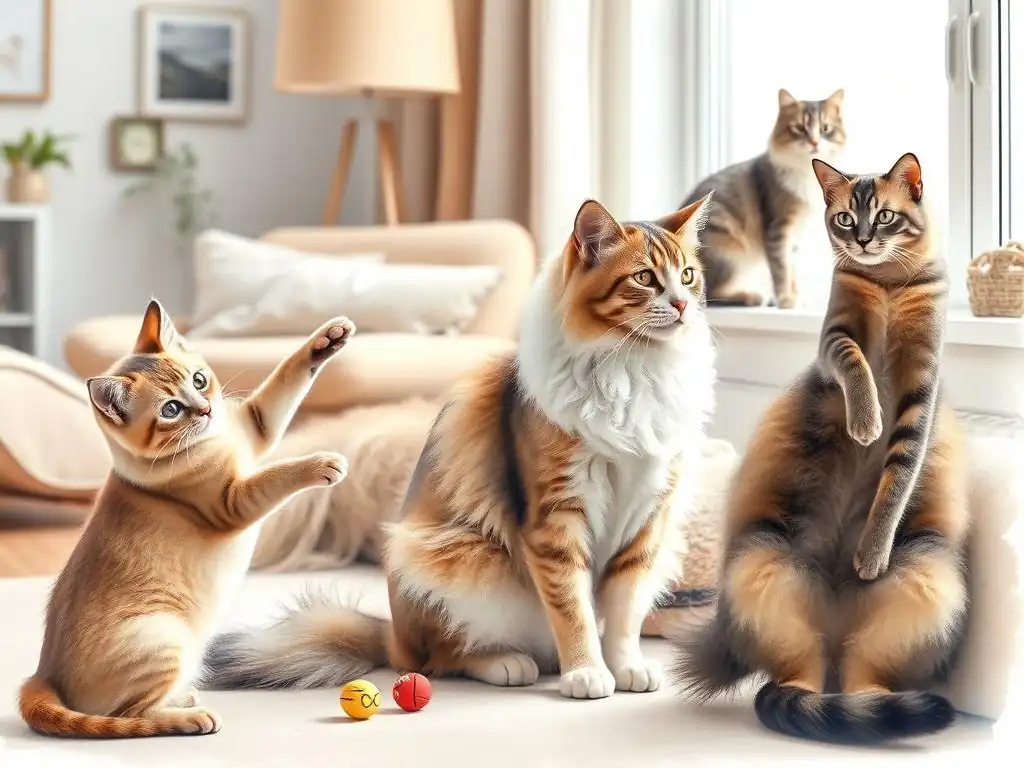
This section delves into the potential behavioral challenges and conflicts that can arise when introducing a new cat into a multi-pet household, specifically focusing on breeds known for their adaptability. Understanding these potential issues proactively is crucial for a smooth transition and a harmonious home environment for all feline residents. Successfully integrating a new cat requires patience, careful planning, and a deep understanding of feline social dynamics. Choosing a breed predisposed to amicable interactions significantly improves the chances of success. The "best cat breeds multipet homes" often exhibit traits that minimize the risk of territorial disputes and aggression.
Common Challenges and Solutions for Multi-Pet Households
Introducing a new cat to an existing feline (or even canine) family can trigger a range of behavioral issues. Common challenges include:
- Territorial disputes: Existing cats may view the newcomer as a threat to their resources (food, water, litter boxes, resting places), leading to hissing, growling, chasing, and even physical fights. This is especially true if resources are limited. Solution: Provide ample resources, strategically placed throughout the home to minimize competition. Multiple food and water bowls, litter boxes (one more than the number of cats), and various scratching posts are essential. Slow introduction techniques, like scent-swapping (rubbing a blanket on each cat before introduction), are also highly recommended.
- Stress and anxiety: The newcomer, and even resident cats, may experience stress from the change in their environment and social dynamics. This can manifest as changes in appetite, increased grooming, hiding, or even inappropriate urination. Solution: Create safe spaces for each cat, such as high perches or enclosed areas where they can retreat and feel secure. Feliway diffusers, which release calming pheromones, can also help reduce stress levels. Patience and consistent positive reinforcement are key during this adjustment period.
- Play aggression: While play is vital for cats, it can sometimes escalate into aggressive interactions, especially if not properly managed. This is more likely if cats are not properly socialized or if the introduction process is rushed. Solution: Supervised play sessions can help cats burn off excess energy and bond. Using interactive toys that encourage independent play can also help reduce the likelihood of conflict.
- Resource guarding: Cats can become possessive of their food, toys, or even sleeping spots. This can lead to aggressive behaviors when another cat approaches. Solution: Provide separate feeding stations and ensure each cat has access to their own resources. Positive reinforcement training can help cats learn to share resources without conflict.
The success rate of integrating a new cat into a multi-pet home is significantly influenced by the careful management of these common challenges. A proactive and patient approach is essential to establishing a peaceful and harmonious environment for all cats.
Seeking Professional Help When Needed
Despite best efforts, some multi-pet households may experience persistent conflicts or behavioral issues that require professional intervention. Don't hesitate to seek help from a veterinarian or a certified cat behaviorist if:
- Aggression persists despite implementing solutions.
- A cat's stress levels remain high, impacting their health or well-being.
- Urinary tract infections or other health problems arise, potentially linked to stress or anxiety.
- You are unsure how to address the specific behavioral issues you are observing.
A professional can provide a thorough assessment, identify the root cause of the problem, and develop a tailored behavior modification plan. They can also offer valuable guidance on training techniques and environmental enrichment to create a more harmonious multi-cat household. Early intervention is often key to preventing long-term behavioral problems. Remember, seeking professional help is not a sign of failure but rather a proactive step towards ensuring the well-being of all your feline companions. A happy, healthy multi-pet household is achievable with careful planning and, when necessary, expert assistance.
Frequently Asked Questions
What cat breeds are best suited for multi-pet homes?
Many breeds adapt well! Friendly and tolerant breeds like Ragdolls, Maine Coons, and Bengals are often good choices. However, individual cat personalities vary, so careful introduction is key.
How can I introduce a new cat to my existing pets?
A slow and gradual introduction is crucial. Start with separate spaces, allowing scent swapping, then supervised, short interactions. Positive reinforcement with treats helps build positive associations.
Are there any breeds that are not recommended for multi-pet homes?
Some breeds with a more dominant or independent nature might struggle. However, early socialization and careful introduction can improve chances of success even with these breeds.
What are the signs of conflict between cats in a multi-pet household?
Watch for hissing, growling, flattened ears, puffed-up fur, or avoidance behaviors. Resource guarding (food, water, toys, resting places) is another common issue.
What resources are available to help manage a multi-cat household?
PetCareWorld offers expert advice and guides on cat introductions, conflict resolution, and creating an environment where all cats feel safe and secure. Consider consulting a veterinarian or a certified cat behaviorist for personalized guidance.
Final Reflection: Harmony in the Household: Choosing the Purrfect Multi-Pet Companion
The quest for the ideal feline addition to a multi-pet home is more than just finding a friendly face; it's about building a harmonious household ecosystem. Finding the right cat breed can significantly impact the overall well-being and happiness of all your furry family members, reducing stress and increasing the joy of shared living. This is particularly crucial in today's world, where more and more people are embracing multi-pet households.
The journey of integrating a new cat into an existing pet family is a testament to the power of careful selection and understanding of feline personalities. Successfully navigating this process highlights the importance of breed-specific traits and temperament. It's not just about avoiding conflict; it's about fostering a supportive and enriching environment for all involved. The best mirror is an old friend.
This rings true for choosing a cat; a well-chosen breed can reflect the existing dynamics of your home, enhancing the positive aspects and mitigating potential challenges.
So, as you consider adding a new furry friend to your already bustling household, remember the lessons learned here. Don't just focus on aesthetics; delve into the temperament and social needs of different breeds. Consider the unique personalities of your existing pets and choose a cat that complements, rather than competes with, their established dynamics. You have the power to create a thriving multi-pet family, filled with purrs, playful interactions, and the undeniable joy of shared companionship. Embrace the challenge, research diligently, and watch as your home transforms into a haven of harmonious co-existence.
Ready to Welcome a Purrfect New Friend?
Thank you for exploring the joys of multi-pet households and feline companionship! You've learned how to find the perfect cat breed for your family. Now, let's put that knowledge to use!
- First step: Research the cat breeds discussed in this article and visit your local animal shelter or rescue organization. Many wonderful cats, awaiting loving homes, are just as adaptable as purebreds! Remember to prepare your current pets for the arrival of a new family member.
- Share this article with other pet lovers considering adding a cat to their multi-pet home. Let's help more animals find their forever homes.
- Join the PetCareWorld community forums to discuss your experiences introducing a new cat to your existing pets—we'd love to hear your stories!
What breed best suits your family's lifestyle and the needs of your current pets?