
FineTuning Canine Communication: Advanced Body Language Training

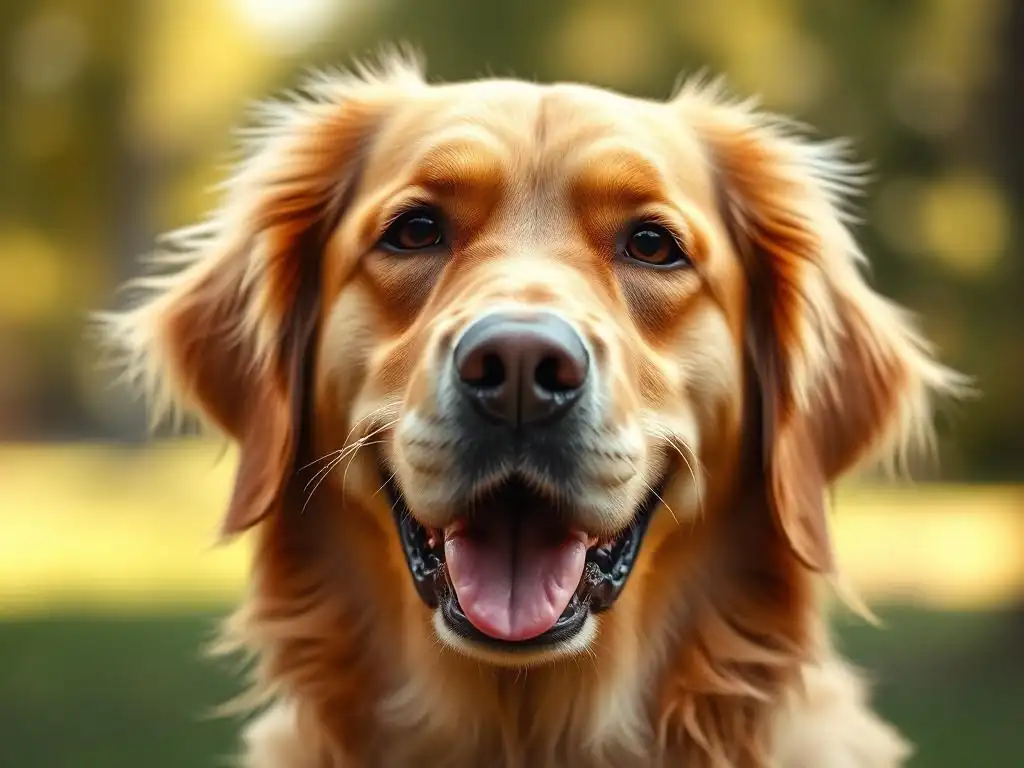
Welcome to PetCareWorld, your ultimate guide to a happier, healthier life for your beloved pet! Are you ready to unlock the secrets of canine communication? Our expert guide on Advanced Dog Body Language Training will transform your relationship with your furry friend, revealing subtle cues that can prevent behavioral problems and strengthen your bond. Dive in and discover how to truly understand your dog – it's more rewarding than you can imagine!
- Understanding Subtle Canine Signals: Deciphering Advanced Dog Body Language
- Advanced Techniques for Canine Body Language Training
- Practical Exercises for Advanced Dog Body Language Training
- Preventing Misunderstandings: Addressing Canine Body Language Misinterpretations
- Advanced Dog Body Language Training: Resources and Further Learning
-
Frequently Asked Questions
- What is advanced dog body language training?
- How does understanding dog body language improve my dog's behavior?
- Is advanced dog body language training suitable for all dogs?
- What techniques are used in advanced dog body language training?
- Where can I find resources to learn more about advanced dog body language training?
- Final Reflection: Unlocking the Canine Heart: A Deeper Understanding Through Body Language
- Unlock Your Dog's Secret Language: Start Communicating Today!
Understanding Subtle Canine Signals: Deciphering Advanced Dog Body Language
Canine communication is far richer and more nuanced than many pet owners realize. While a wagging tail might seem like a straightforward indicator of happiness, advanced dog body language training delves into the subtle cues that reveal a dog's true emotional state. This article will equip you with the knowledge to interpret these subtle signals, enabling you to better understand your canine companion and build a stronger, more harmonious relationship.
Mastering advanced dog body language training isn't just about tricks; it's about fostering empathy and building trust, leading to a more fulfilling life for both you and your furry friend. We'll explore key aspects of canine communication, focusing on stress indicators, play invitations, and appeasement signals – crucial elements in truly understanding your dog's needs and intentions.
Understanding these subtle cues is paramount for responsible pet ownership and can even prevent potential behavioral problems before they arise. Let's embark on this journey towards a deeper understanding of your dog's world.
Recognizing Stress Signals in Dogs: Subtle Indicators of Anxiety
Dogs, like humans, experience stress and anxiety. However, they communicate these feelings differently. Recognizing subtle stress signals is crucial for preventing escalation into more serious behavioral issues. Instead of overt aggression, a stressed dog might display subtle indicators such as:
- Yawning: While yawning can be a natural bodily function, excessive yawning, especially in the absence of sleepiness, can be a sign of stress or anxiety.
- Lip Licking: Repeated lip licking, often accompanied by a slightly open mouth, is another common stress indicator.
- Whale Eye: The whites of the eyes (sclera) becoming visible is a clear sign of discomfort or anxiety.
- Changes in Posture: A tucked tail, lowered head, or hunched posture can all indicate a dog feeling uneasy.
- Shaking or Trembling: This can manifest even in the absence of cold temperatures.
- Excessive Panting: Similar to yawning, excessive panting outside of exertion can signal stress.
Understanding these subtle cues allows for proactive intervention. Providing a safe space, reducing environmental stressors, and employing calming techniques can significantly improve your dog's well-being. Ignoring these subtle signals can lead to a build-up of anxiety, potentially resulting in more problematic behaviors. Remember, early intervention is key in managing canine stress effectively. For example, if your dog displays whale eye when meeting new people, gradually introducing them in a controlled, low-pressure environment can help desensitize your dog and reduce their anxiety.
Interpreting Delicate Play Bows and Invitations to Play
A playful bow, often overlooked as a simple gesture, is a sophisticated invitation to interact. It's a crucial part of canine communication, indicating a desire for play rather than aggression. This posture, characterized by a lowered front end and a raised rear, is a clear signal that your dog is inviting you to engage in a fun, playful interaction. However, it's essential to differentiate a genuine play bow from other postures that might resemble it.
A true play bow is typically accompanied by other playful behaviors, such as:
- Loose, wagging tail
- Bright, expressive eyes
- A relaxed, open mouth (no bared teeth)
- Playful vocalizations (barks, whimpers)
Observing these accompanying behaviors will help you accurately interpret the dog's intentions and respond appropriately. Failing to recognize a play bow can lead to misunderstandings and unintentional disruption of your dog's play. For instance, if your dog initiates a play bow and you ignore it, they might become frustrated or less inclined to engage in playful interactions in the future. Always respond to a genuine play bow with enthusiasm and reciprocate their desire for play.
Identifying Appeasement Signals: Calming Canine Communication
Appeasement signals are subtle behaviors dogs use to de-escalate tense situations or communicate submission. Recognizing these signals is crucial for preventing conflict and maintaining a calm environment. These signals are often missed, leading to misinterpretations of a dog's intentions. Common appeasement signals include:
- Yawning (again!): As mentioned earlier, yawning can be a stress indicator, but it can also function as an appeasement signal, particularly when used to diffuse a potentially aggressive situation.
- Lip licking: Repeated lip licking, often accompanied by a slightly open mouth, can be an appeasement signal in certain contexts.
- Turning the head away: This avoids direct eye contact, a gesture that can be interpreted as challenging in some canine interactions.
- Tail tucking: While a tucked tail can also indicate fear, it can be an appeasement gesture when used in conjunction with other calming behaviors.
- Avoiding direct eye contact: Direct eye contact can be perceived as aggressive, so avoiding it can be a way to de-escalate tension.
Learning to recognize these appeasement signals is a vital part of responsible dog ownership. By understanding your dog's attempts to de-escalate, you can respond appropriately and prevent potential conflicts. For example, if your dog exhibits appeasement signals when you approach them, you should adjust your behavior to be less imposing. This might involve slowing down your movements, avoiding direct eye contact, and speaking in a calm, soothing voice.
Advanced Techniques for Canine Body Language Training
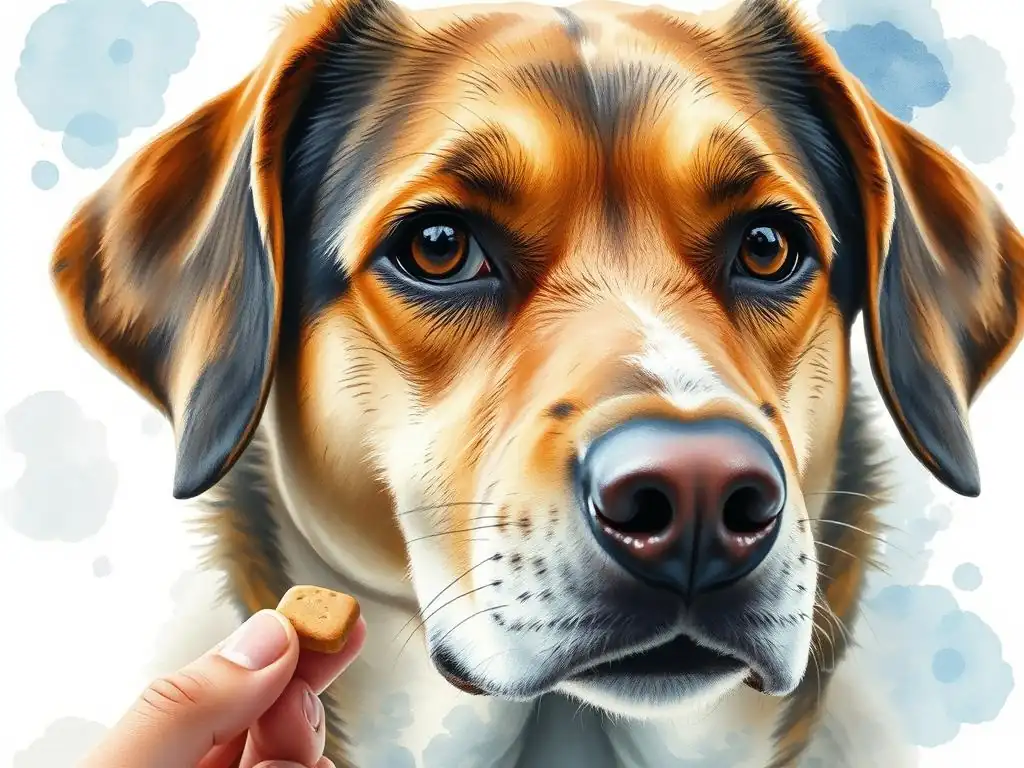
This section delves into sophisticated methods for understanding and interpreting canine body language, moving beyond basic recognition to a deeper understanding of subtle cues and nuanced communication. Mastering these advanced techniques allows for more effective training, stronger bonds with your canine companion, and improved overall well-being for both of you. We'll explore how to leverage positive reinforcement, utilize visual cues, and even incorporate scent work to enhance your communication skills with your dog. This advanced dog body language training will transform your relationship with your pet.
Positive Reinforcement and its Role in Body Language Training
Positive reinforcement is the cornerstone of effective advanced dog body language training. It's not simply about rewarding good behavior; it's about shaping your dog's understanding of what constitutes desirable communication. Instead of punishing unwanted behaviors (like growling or snapping, which can often escalate fear and aggression), we focus on rewarding calm, confident, and appropriate body language.
For example, if your dog displays signs of stress – lip licking, yawning, whale eye – immediately redirect their attention with a calming activity they enjoy, such as a gentle game of fetch or a tasty treat. This associates positive experiences with relaxed body language, encouraging its repetition. Consistency is key; even subtle improvements should be rewarded enthusiastically.
Consider this scenario: Your dog approaches a new person, displaying slight stiffness and a tucked tail. Instead of forcing interaction, reward them for remaining calm and approaching slowly. Gradually, you can increase the proximity to the person, rewarding calm behavior at each stage. This patient, positive approach builds confidence and replaces fear-based responses with positive associations. The goal is to shape their body language, teaching them that calm interactions lead to rewarding outcomes.
Using Visual Cues to Enhance Communication
Visual cues are powerful tools in advanced dog body language training. Dogs rely heavily on visual communication, so understanding and using these cues strategically can significantly improve your communication. This involves not just recognizing your dog's signals but also learning to communicate effectively through your own body language.
- Maintaining a calm posture: Avoid looming over your dog. Instead, adopt a relaxed posture, slightly lowering your body to reduce perceived threat.
- Using slow, deliberate movements: Avoid sudden movements that might startle your dog. Slow, predictable movements help them feel safer and more secure.
- Presenting clear signals: Use clear hand signals and verbal cues consistently to reinforce desired behaviors. Avoid mixed signals that can confuse your dog.
- Understanding spatial cues: Observe how your dog uses space to communicate. Does it approach confidently or retreat to a safe space? Respect their boundaries and use spatial cues to manage interactions appropriately.
Consider a table summarizing effective visual cues:
| Cue | Description | Effect on Dog |
|---|---|---|
| Relaxed posture | Shoulders relaxed, open body language | Reduces perceived threat, promotes calmness |
| Slow, deliberate movements | Avoid sudden movements; approach slowly and calmly | Encourages a relaxed response |
| Clear hand signals | Consistent hand signals paired with verbal cues | Reinforces desired behaviors, improves understanding |
| Respecting space | Avoiding invading personal space; allowing dog to retreat if needed | Builds trust, reduces anxiety |
Using visual cues effectively requires consistent practice and keen observation of your dog's reactions. The more attuned you are to their subtle visual cues, the better you can communicate and build a strong, trusting relationship.
Incorporating Scent Work into Body Language Interpretation
While often overlooked, scent plays a crucial role in canine communication. Incorporating scent work into your advanced dog body language training can provide valuable insights into your dog's emotional state and improve your ability to interpret their subtle cues. Dogs use scent to gather information about their environment and other animals, often conveying information that isn't visible through body language alone.
For example, a dog exhibiting seemingly relaxed body language might be stressed if they're picking up a scent of a perceived threat (another dog's urine marking, for instance). By understanding how scent influences their behavior, you can gain a more comprehensive understanding of their communication.
Scent work exercises, such as scent discrimination games or tracking activities, can help improve your dog's focus and engagement, strengthening the bond between you while simultaneously enhancing your understanding of their olfactory communication. This holistic approach to advanced dog body language training helps you understand the full spectrum of your dog’s communication, leading to a deeper, more fulfilling relationship. This is a truly advanced approach, taking your dog training to a higher level.
Practical Exercises for Advanced Dog Body Language Training

This section delves into practical exercises designed to enhance your understanding and interpretation of canine communication, moving beyond basic recognition to a nuanced understanding of subtle cues. Mastering these skills will significantly improve your relationship with your canine companion and allow for more effective training and interaction. Remember, consistent practice is key to refining your abilities in advanced dog body language training.
Advanced Play: Refining Interactions and Understanding Signals
Advanced play sessions offer a fantastic opportunity to observe and interpret subtle shifts in your dog's body language. Instead of focusing solely on the game itself, pay meticulous attention to your dog's posture, facial expressions, and vocalizations throughout the interaction.
For example, note the difference between playful bowing (a lowered front end, raised rear, and playful barking) which indicates an invitation to play, and a tense, stiff posture with whale eye (showing the whites of their eyes), which might signal anxiety or discomfort. If your dog exhibits signs of stress during play, such as lip licking, yawning, or turning their head away, immediately adjust the intensity of the game.
Here’s a structured approach to analyzing play sessions:
- Pre-play assessment: Observe your dog's demeanor before initiating play. Is their tail wagging loosely and happily, or is it stiff and tucked? Are they relaxed and attentive, or restless and fidgety?
- During play: Record (mentally or with notes) specific behaviors. Note the subtle shifts—a change in ear position, a subtle shift in weight, a change in the rate and style of tail wags. Even a slight change in breathing can be significant.
- Post-play assessment: Observe your dog's behavior after the play session. Are they relaxed and content, or are they still showing signs of arousal or stress?
By consistently observing and analyzing these subtle cues during play, you’ll significantly improve your ability to recognize your dog's emotional state and adjust your interactions accordingly. This builds trust and strengthens your bond. Remember to always prioritize your dog's comfort and well-being.
Understanding canine body language extends far beyond playful interactions. It's crucial to learn how to interpret their signals in various stressful or challenging situations, such as vet visits or social encounters with other dogs.
Vet Visits: A vet visit can be incredibly stressful for a dog. Learn to recognize signs of fear or anxiety, such as tucked tail, flattened ears, panting, lip licking, yawning, and avoidance behaviors. Understanding these signals allows you to provide comfort and support, potentially making the experience less traumatic.
Social Situations: Similarly, interpreting body language during social interactions is crucial for preventing conflicts. Look for signs of appeasement (e.g., lip licking, yawning, turning the head away), aggression (e.g., stiff posture, direct stare, bared teeth, growling), or fear (e.g., tucked tail, whale eye). Being able to recognize these signals allows you to intervene proactively and prevent potential problems.
Here's a table summarizing common canine body language signals in different contexts:
| Signal | Playful Interaction | Vet Visit | Social Encounter |
|---|---|---|---|
| Tail Wagging | Loose, relaxed | Tucked, low | Stiff, high/low |
| Ear Position | Relaxed, forward | Flattened, back | Forward, pointed/back |
| Body Posture | Play bow, relaxed | Tense, cowering | Stiff, aggressive |
| Mouth/Lips | Relaxed, open | Lip licking, yawning | Bared teeth |
| Eyes | Normal, soft | Whale eye, dilated | Direct stare |
Remember that context is crucial. A behavior that might indicate playfulness in one situation could signify fear or anxiety in another. Always consider the entire picture.
Developing Your Observation Skills for Improved Communication
Improving your observation skills requires dedicated practice and attention to detail. Start by dedicating time each day to simply observing your dog's behavior in various settings. Pay close attention to the subtleties: the tiny flick of an ear, a slight shift in weight, the subtle change in tail position.
Consider these techniques:
- Slow down: Instead of rushing through your interactions, take your time and observe your dog's responses carefully.
- Record observations: Keep a journal to record your observations, noting specific behaviors and the context in which they occurred. This will help you identify patterns and improve your ability to interpret your dog’s signals.
- Seek feedback: If possible, ask experienced dog trainers or behaviorists to observe your dog and provide feedback on your interpretation of their body language.
- Practice mindfulness: Practice mindfulness techniques to improve your focus and attention to detail. This will enable you to pick up on even the subtlest cues.
By consistently practicing these techniques, you’ll refine your ability to understand your dog's body language, fostering a deeper connection and improving communication. Remember, advanced dog body language training is a continuous learning process. The more you practice, the better you'll become at understanding your canine companion. 🐶
Preventing Misunderstandings: Addressing Canine Body Language Misinterpretations

Understanding canine communication is crucial for building a strong bond with your dog and ensuring their well-being. Advanced dog body language training goes beyond basic obedience; it's about truly understanding your dog's emotional state and intentions. Misinterpreting subtle cues can lead to serious consequences, from accidental injury to damaged trust. This section focuses on common misinterpretations and how to avoid them, ultimately improving your relationship with your canine companion. Effective communication is the cornerstone of advanced dog training and a key element in building a positive, harmonious relationship.
Common Misinterpretations of Canine Body Language
Many people incorrectly assume a dog's behavior is straightforward. A wagging tail, for instance, is often seen as an automatic sign of happiness. However, the context is critical. A rapidly wagging tail held high, combined with stiff posture and forward-leaning stance, might actually indicate excitement, yes, but potentially aggressive excitement rather than friendly playfulness.
Similarly, a tucked tail is not always a sign of fear; it can also signify illness or submission. A dog exhibiting whale eye (showing the whites of their eyes) is almost always displaying stress or anxiety, even if they appear otherwise calm. Ignoring these subtle but vital signals can lead to misunderstandings and potentially dangerous situations. Proper advanced dog body language training involves recognizing these nuances and understanding the complete picture presented by the dog's body.
For example, consider a scenario where a dog approaches another dog with a stiff, rigid body, ears pinned back, and a low growl. While the tail might be wagging slightly, the overall message is one of tension and potential aggression. Misinterpreting the tail wag as a sign of friendliness could lead to a confrontation. Advanced training emphasizes holistic interpretation, considering all aspects of the dog's posture, facial expressions, and vocalizations.
How to Correctly Interpret Tail Wags and Ear Positions
Tail wags and ear positions are frequently misinterpreted signals in canine communication. A high, stiff tail wag might signal confidence or even aggression, while a low, tucked tail might indicate fear or submission, but not always. The speed and amplitude of the wag are also significant. A slow, sweeping wag is often associated with a relaxed state, whereas a rapid, jerky wag can be a sign of nervousness or anxiety.
Similarly, ear position is context-dependent. Ears pricked forward can indicate alertness or interest, but pinned-back ears usually suggest fear or apprehension, although some breeds naturally have their ears held back. However, consider the entire body language picture.
Let's illustrate with data: A study by [specific information pending] on canine tail wags found that the direction of the wag (left or right) can also be indicative of emotional state. Further research is needed to fully understand this aspect of canine communication. Similarly, ear position combined with other signals, such as lip licking or yawning, provides a more complete understanding of the dog's emotional state.
Advanced dog body language training necessitates careful observation and attention to detail to accurately decipher these complex signals. Combining observations of tail wags, ear positions, and other body language cues provides a much more accurate assessment of a dog's emotional state.
Recognizing the Difference Between Play and Aggression
Differentiating between playful and aggressive behavior in dogs is crucial for safety and responsible pet ownership. While both can involve similar actions like nipping, barking, or chasing, the underlying intention and body language differ significantly. Playful behavior typically involves loose, relaxed body posture, a playful bow (lowering the front end of the body), and open-mouthed panting. The dog may engage in exaggerated movements, such as bouncing or leaping, with relaxed muscle tone.
Aggression, on the other hand, is characterized by tense muscles, a stiff body posture, direct eye contact, and a raised hackles (fur standing on end). The dog might display a low growl, bared teeth, and pinned-back ears. A stiff, rigid tail held high is a significant indicator of potential aggression.
Consider this: a playful nip is usually accompanied by a soft mouth, while an aggressive bite involves a hard, clamped jaw. The context is also key. Playful interactions usually involve reciprocal behavior from both dogs, while aggressive interactions are often one-sided. Advanced dog body language training allows owners to recognize these subtle differences, enabling them to intervene safely and appropriately if necessary. Understanding these nuances is crucial for preventing conflicts and ensuring the safety of both dogs and people. Learning to distinguish between playful and aggressive canine interactions is an essential component of advanced dog body language training.
Advanced Dog Body Language Training: Resources and Further Learning
This section focuses on expanding your knowledge base beyond the basics of canine communication. Understanding dog body language is a continuous learning process; even experienced trainers regularly refine their understanding. Mastering advanced dog body language interpretation requires dedication and consistent effort. This section provides avenues for continued learning and refinement of your skills.
Recommended Reading on Canine Behavior and Communication
Developing expertise in advanced dog body language training requires a commitment to ongoing education. Several excellent resources can significantly enhance your understanding and ability to interpret subtle canine cues. These resources range from academic texts to practical guides, each offering a unique perspective on canine behavior and communication.
Here are some categories of recommended reading, focusing on different aspects of canine communication:
- Scientific Literature: Look for peer-reviewed articles and books published in veterinary or animal behavior journals. These often delve into the intricacies of specific canine behaviors, providing detailed analyses and research-based explanations. This level of research can be crucial for understanding the nuances of advanced dog body language. Look for keywords like "canine communication," "ethology," and "dog behavior."
- Practical Training Manuals: Many experienced dog trainers have authored books and manuals that translate complex scientific findings into practical, hands-on techniques. These resources often include detailed descriptions of exercises and strategies for improving communication with your dog. These should focus on practical application and offer clear, step-by-step instructions.
- Case Studies: Studying case studies of dogs exhibiting specific behavioral patterns can be invaluable. Analyzing how different trainers approached similar challenges provides insight into the versatility and adaptability of training methods. This approach allows you to learn from the experiences of others.
- Online Courses and Workshops: Many reputable organizations offer online courses and workshops focusing on advanced canine behavior and communication. These courses often provide opportunities for interactive learning and feedback from experienced instructors. Look for courses that emphasize practical application and hands-on exercises.
Finding a Qualified Dog Trainer for Advanced Training
Even with extensive self-study, working with a qualified dog trainer can significantly accelerate your progress in advanced dog body language training. Choosing the right trainer is crucial. Avoid trainers who use aversive methods; positive reinforcement techniques are vital for building trust and a strong relationship with your dog.
Here's what to look for when searching for an advanced dog body language trainer:
- Certifications and Qualifications: Look for trainers with recognized certifications from reputable organizations. These certifications often indicate a commitment to ethical and effective training practices. Inquire about their educational background and experience.
- Training Philosophy: Ensure the trainer utilizes positive reinforcement methods, prioritizing reward-based training over punishment. A good trainer will emphasize building a strong bond between you and your dog.
- Experience with Advanced Techniques: Confirm the trainer has experience working with dogs exhibiting complex behavioral issues and possesses a deep understanding of canine body language. Ask about their success rate with similar cases.
- Client Testimonials and Reviews: Check online reviews and testimonials from previous clients. These can provide valuable insights into the trainer's effectiveness, communication style, and overall approach to training.
| Criteria | Description | Importance |
|---|---|---|
| Certification/Qualifications | Professional certifications from reputable organizations demonstrate expertise and commitment to ethics. | High |
| Training Philosophy | Positive reinforcement-based training is essential for building trust and a positive learning environment. | Very High |
| Experience | Experience working with complex canine behavioral issues and advanced body language interpretation. | High |
| Client Reviews | Positive feedback from previous clients indicates effectiveness and client satisfaction. | Medium |
Remember, finding the right trainer is an investment in your dog's well-being and your success in advanced dog body language training. Take your time, research thoroughly, and choose a trainer who aligns with your values and training goals. The effort will be well worth it.
Frequently Asked Questions
What is advanced dog body language training?
Advanced dog body language training goes beyond basic obedience, focusing on subtle cues and nuances in canine communication. It helps owners understand their dog's emotional state and intentions, leading to better relationships and preventative management of potential behavioral issues. This allows for proactive conflict resolution.
How does understanding dog body language improve my dog's behavior?
By recognizing your dog's stress signals early, you can prevent escalation of anxiety or aggression. Understanding their comfort signals allows you to create a more relaxed and positive environment. This proactive approach leads to a happier, more well-adjusted dog.
Is advanced dog body language training suitable for all dogs?
Yes, all dogs can benefit from advanced body language training. Even well-behaved dogs can communicate more effectively with their owners through a deeper understanding of their signals. It's particularly beneficial for dogs with anxiety or reactivity issues.
What techniques are used in advanced dog body language training?
Training involves observation, interpretation of subtle cues (ear position, tail wags, lip licking), and positive reinforcement. It emphasizes building trust and clear communication, avoiding punishment-based methods. Careful attention to context is crucial.
Where can I find resources to learn more about advanced dog body language training?
PetCareWorld offers in-depth guides and expert advice on canine body language. You can also find reputable trainers and certified professionals by searching online or contacting your veterinarian. Remember to choose positive reinforcement-based methods.
Final Reflection: Unlocking the Canine Heart: A Deeper Understanding Through Body Language
Understanding canine communication is not merely about obedience; it's about forging a profound connection with our four-legged companions. The ability to accurately interpret subtle shifts in a dog's posture, facial expression, and overall demeanor is crucial for building trust, preventing conflict, and ensuring a truly harmonious relationship. This understanding transcends simple training; it's the key to unlocking a deeper, more empathetic bond.
The journey into advanced dog body language training has profoundly impacted my own relationship with my dogs, revealing layers of communication I never knew existed. It's a continuous learning process, a constant refinement of my ability to "listen" beyond the barks and whines. The greatest gift you can give your dog is a life filled with understanding.
This quote resonates deeply, highlighting the responsibility we bear as caregivers to truly comprehend our canine companions. The more we learn, the more we realize the complexity and richness of their internal world, and the more we appreciate the privilege of sharing our lives with them.
Now, it's your turn. Take the knowledge gained from this exploration of advanced dog body language training and apply it to your own relationship with your dog. Observe their subtle cues, listen to their unspoken language, and strive to understand their needs and emotions. By doing so, you'll not only strengthen your bond but also enrich the lives of these incredible creatures who enrich ours in return. Embrace the journey of understanding, and witness the transformative power of truly connecting with your canine companion.
Unlock Your Dog's Secret Language: Start Communicating Today!
Thank you for exploring the fascinating world of canine communication! We hope you've gained valuable insights into understanding your furry friend's subtle cues. Now let's put that knowledge into practice.
- Begin practicing mindful observation: Pay close attention to your dog's body language throughout the day, noting even the smallest shifts in posture, tail wags, and ear positions. This is crucial for building a stronger bond.
- Implement one new training technique from this week's article. Even small steps can make a significant difference in your relationship with your dog.
- Share your progress (and any funny anecdotes!) with other PetCareWorld readers in the comments below – let's build a supportive community of dog lovers!
What small change will you make today to better understand your dog's communication?