
The Senior Pet's Skin and Coat: What Changes to Expect and How to Care

Welcome to PetCareWorld, your ultimate guide to a happier, healthier life for your beloved companion! Are you noticing changes in your senior dog's skin and coat? Understanding these alterations is crucial for maintaining their comfort and well-being. Discover expert insights and practical advice on Senior dog skin coat changes in our comprehensive guide, and learn how to provide the best care for your aging furry friend. Let's explore the secrets to a thriving senior pet together!
- Understanding Senior Dog Skin Coat Changes: Common Age-Related Issues
- Senior Cat Skin and Coat Changes: Specific Considerations
- Caring for Your Senior Pet's Skin and Coat: Practical Tips
- When to Seek Veterinary Care for Senior Pet Skin Issues
- Frequently Asked Questions
- Final Reflection: The Enduring Bond: Caring for Our Aging Companions
- Rediscover Your Senior Pet's Radiant Coat!
As our beloved canine companions age, their bodies undergo a series of transformations, and their skin and coat are no exception. Just as human skin loses elasticity and becomes drier with age, senior dogs often experience similar changes. Understanding these age-related alterations is crucial for providing optimal care and ensuring their comfort and well-being.
This comprehensive guide explores the common skin and coat changes observed in senior dogs, offering insights into their causes, potential underlying health concerns, and effective management strategies. We'll delve into the specifics of dry skin, hair loss, changes in coat color and texture, and provide practical advice to help you maintain your senior dog's healthy skin and radiant coat.
This information is especially relevant for owners searching for solutions to problems associated with "Senior dog skin coat changes," helping you proactively address potential issues and enhance your dog's quality of life during their golden years. Remember, early detection and appropriate care can significantly impact your senior dog's overall health and happiness.
Dry Skin and Itchiness in Older Dogs: Causes and Solutions
Dry skin and itchiness are incredibly common complaints among senior dogs. Several factors contribute to this irritating problem. The natural aging process leads to a decrease in sebaceous gland activity, resulting in reduced oil production and subsequently, drier skin. This dryness can manifest as flaky skin, excessive scratching, and even skin infections. Underlying health conditions, such as hypothyroidism or allergies, can also exacerbate dry skin and itchiness. Furthermore, certain medications can have a drying effect on the skin.
Addressing dry skin requires a multi-pronged approach. Regular bathing with a gentle, moisturizing shampoo specifically formulated for sensitive skin is essential. Avoid harsh chemicals and frequent bathing, as this can further dry out the skin. Supplementing your dog's diet with omega-3 fatty acids, known for their anti-inflammatory and moisturizing properties, can significantly improve skin health.
Providing adequate hydration through fresh water is also crucial. In cases of severe itching or suspected underlying health problems, consulting a veterinarian is paramount for proper diagnosis and treatment. They may recommend specialized shampoos, topical treatments, or even medication to address the root cause of the dryness and itching. Remember, consistent monitoring and prompt veterinary attention are key to managing this common senior dog skin issue.
Hair Loss and Thinning Coat in Senior Dogs: Diagnosing the Problem
Hair loss and a thinning coat are another hallmark of aging in dogs. This can be attributed to several factors, including hormonal changes, reduced blood circulation to the hair follicles, and nutritional deficiencies. Just as with dry skin, underlying health conditions such as Cushing's disease, hypothyroidism, and certain types of cancer can also contribute to hair loss.
Infections, parasites, and autoimmune disorders should also be considered in the differential diagnosis. The location and pattern of hair loss can often provide clues to the underlying cause. For example, patchy hair loss might indicate a localized infection or allergy, while more widespread thinning could suggest a systemic issue.
Diagnosing the cause of hair loss requires a thorough veterinary examination. This may involve blood tests, skin scrapings to check for parasites, and possibly a skin biopsy. Treatment will depend on the underlying cause, ranging from topical medications and dietary changes to systemic therapies. In some cases, the hair loss may be irreversible, but managing the underlying condition can often prevent further hair loss and improve the dog's overall comfort. Regular veterinary checkups are essential for early detection and management of hair loss in senior dogs, allowing for timely intervention and improved outcomes.
Changes in Coat Color and Texture in Aging Pets: What's Normal and What's Not
As dogs age, their coat may undergo changes in color and texture. Graying is a common occurrence, similar to human hair turning gray with age. However, significant changes in coat color, such as sudden discoloration or patchy pigmentation, could indicate underlying health problems. Similarly, alterations in coat texture, such as increased coarseness or excessive dryness, can also be a sign of underlying medical issues. These changes might be associated with hormonal imbalances, nutritional deficiencies, or even certain types of cancer.
Differentiating between normal age-related changes and potentially problematic alterations requires careful observation and veterinary consultation. While some degree of graying and slight changes in texture are expected with age, sudden or dramatic changes warrant professional attention. A comprehensive veterinary examination, including blood tests and potentially skin biopsies, can help determine the underlying cause of these changes and guide appropriate treatment.
Regular grooming and a balanced diet can help maintain the coat's health, but prompt veterinary intervention is crucial if significant or unusual changes are observed. Early detection of any underlying health problems can significantly improve the prognosis and quality of life for your senior dog.
Skin Infections and Allergies in Senior Pets: Prevention and Treatment
Senior dogs, with their weakened immune systems, are more susceptible to various skin infections and allergies. These conditions can manifest as itchy, inflamed skin, hair loss, and even secondary bacterial or yeast infections. Common culprits include bacterial infections like Staphylococcus, fungal infections like ringworm, and allergic reactions to environmental allergens like pollen, dust mites, or certain foods. The aging process itself can also contribute to a compromised skin barrier, making senior dogs more vulnerable. For instance, a thinning coat allows for easier penetration of irritants, and decreased sebum production leads to drier, more fragile skin.
Effective prevention strategies are crucial. Regular grooming, including gentle brushing to remove loose hair and debris, is paramount. This helps prevent matting, which can trap moisture and bacteria, creating a breeding ground for infection. Maintaining a clean environment is also vital; regular cleaning of bedding and living spaces can significantly reduce exposure to allergens. A high-quality diet rich in omega-3 fatty acids can support skin health and reduce inflammation. These fatty acids play a key role in maintaining a healthy skin barrier and reducing dryness. Supplements containing omega-3s, such as fish oil, can be considered under veterinary guidance.
Treatment for skin infections and allergies in senior dogs often involves a multi-pronged approach. Veterinary intervention is essential for accurate diagnosis and appropriate treatment. This may include topical medications like anti-fungal creams or antibacterial ointments for localized infections. In more severe cases, systemic antibiotics or anti-fungal drugs may be necessary. Allergy management might involve identifying and eliminating environmental allergens or switching to a hypoallergenic diet.
In some cases, your veterinarian may recommend allergy testing to pinpoint specific triggers. Regular veterinary check-ups are especially important for senior dogs to detect and address skin issues early, preventing them from becoming chronic and more difficult to manage. Remember, early intervention is key to minimizing discomfort and preventing complications. Never self-treat; always consult with your veterinarian for any skin concerns in your senior dog. They can provide personalized advice and a tailored treatment plan to ensure the best outcome for your beloved companion.
Senior Cat Skin and Coat Changes: Specific Considerations
Senior cats, like senior dogs, experience a range of skin and coat changes as they age. Understanding these alterations is crucial for providing appropriate care and ensuring their comfort. While many changes are simply part of the natural aging process, others may indicate underlying health issues requiring veterinary attention. Recognizing the subtle differences between normal aging and potential problems is key to proactive pet care.
This section focuses specifically on the unique dermatological challenges faced by older felines, offering insights into common issues and preventative measures. The keyword "Senior dog skin coat changes" is relevant here because many of the principles discussed apply to both canine and feline companions, though the specific manifestations and underlying causes may differ. We will also explore the nuances of feline skin and coat health to provide a comprehensive overview.
Feline Acne and Other Skin Problems in Older Cats
Feline acne, often manifesting as blackheads or pimples around the chin and lower jaw, is more prevalent in senior cats. While not always a serious condition, it can cause discomfort and secondary infections if left untreated. The exact cause isn't fully understood, but factors like hormonal imbalances, diet, and stress may play a role. Regular cleaning of the affected area with a gentle, veterinarian-recommended cleanser can help manage acne.
In more severe cases, topical treatments or antibiotics may be necessary. Other skin problems common in older cats include allergies (food allergies are particularly relevant), fungal infections (like ringworm), and various types of dermatitis. These conditions often present with excessive scratching, hair loss, redness, and skin thickening.
Prompt veterinary examination is crucial to determine the underlying cause and implement appropriate treatment strategies. Early intervention is key to preventing complications and ensuring the best possible outcome for your senior feline companion. A detailed veterinary history, including diet and lifestyle, is crucial for effective diagnosis and treatment planning.
Coat Changes in Senior Cats: Recognizing Early Warning Signs
Changes in a senior cat's coat can serve as early warning signs of underlying health problems. A dull, dry, or brittle coat is a common indicator of nutritional deficiencies, hormonal imbalances, or underlying medical conditions. Excessive shedding or patchy hair loss may signal allergies, parasites (fleas, mites), or even more serious illnesses like hyperthyroidism or kidney disease. Furthermore, changes in coat color or texture can sometimes be an early sign of certain cancers. Regular brushing can help detect these changes early on.
Careful observation of your cat's coat, combined with regular veterinary check-ups, is vital for maintaining their health and well-being. Consider keeping a record of any changes noted, including photographs, to aid in communication with your veterinarian. This proactive approach empowers you to address potential problems before they become serious. Remember to discuss any concerns you have with your veterinarian, even if they seem minor.
Managing Dry Skin and Itchiness in Senior Cats
Dry skin and itchiness are very common in senior cats, often leading to excessive scratching and self-trauma. This can be caused by a variety of factors, including decreased sebum production (the natural oil that keeps skin moisturized), hormonal changes, dietary deficiencies, and environmental factors. Managing this requires a multi-pronged approach. Regular bathing with a gentle, moisturizing shampoo formulated for cats can help alleviate dryness.
Supplementing their diet with omega-3 fatty acids, known for their anti-inflammatory and skin-conditioning properties, can also improve coat health and reduce itchiness. Providing a humidified environment, especially during dry winter months, can also make a significant difference. However, if the itchiness is severe or persistent, it's crucial to consult a veterinarian to rule out underlying medical conditions like allergies or parasites.
It is important to note that excessive scratching can lead to secondary infections, so addressing the underlying cause is paramount. In some cases, your veterinarian may recommend medications to manage the itchiness and prevent further complications. Providing a comfortable and supportive environment is crucial for your senior cat's overall well-being.
Caring for Your Senior Pet's Skin and Coat: Practical Tips
As our beloved pets age, their skin and coat often undergo noticeable changes. Understanding these alterations is crucial for providing appropriate care and maintaining their comfort. Senior dog skin coat changes are common and often involve a decrease in skin elasticity, leading to dryness, increased sensitivity, and a duller coat.
This section focuses on practical, actionable advice to address these common issues and ensure your senior pet maintains a healthy, comfortable skin and coat. We'll explore nutritional adjustments, grooming techniques, and bathing best practices specifically tailored for older animals. Remember, always consult your veterinarian for personalized advice based on your pet's specific health condition and breed.
Nutrition for Healthy Skin and Coat in Senior Pets: Dietary Recommendations
Senior pets, like senior humans, often require dietary adjustments to support their changing needs. Maintaining a healthy skin and coat in older animals relies heavily on proper nutrition. A diet rich in omega-3 and omega-6 fatty acids is essential. These fatty acids play a vital role in maintaining skin barrier function, reducing inflammation, and promoting a shiny coat. Consider adding supplements like fish oil (rich in omega-3s) or flaxseed oil (rich in omega-6s) after consulting your veterinarian. However, avoid overdoing it, as excessive supplementation can lead to adverse effects.
The protein content of your senior pet's food is also crucial. Sufficient protein ensures the body can repair and maintain skin and hair follicles. Look for senior-specific formulas that offer a balanced protein-to-fat ratio, often slightly lower in fat to manage weight and prevent obesity, a common issue in older pets. Always check the ingredient list, opting for foods with high-quality protein sources like chicken, fish, or lamb, and avoiding fillers.
Remember to monitor your pet's weight and adjust food portions accordingly. Obesity puts extra stress on joints and can exacerbate skin conditions. Providing fresh water at all times is also essential for overall hydration and healthy skin. A balanced diet, tailored to your senior pet's specific needs, is a cornerstone of maintaining a healthy skin and coat. Regular veterinary check-ups are crucial to monitor for any nutritional deficiencies or underlying health issues that may affect the skin and coat.
Grooming Your Senior Pet: Techniques for Gentle Care
Grooming your senior pet requires a gentler approach than with younger animals. Their skin is more fragile and prone to injury. Regular brushing is vital, but you should use a soft-bristled brush to avoid irritation. The frequency of brushing will depend on your pet's coat type and length; however, aim for at least several times a week. This helps remove dead hair, distributes natural oils, and stimulates blood circulation in the skin, promoting a healthier coat.
Pay close attention to any skin abnormalities during brushing, such as lumps, bumps, redness, or excessive dryness. Report any such findings to your veterinarian immediately. For long-haired breeds, you might need to consider more frequent grooming to prevent matting, which can trap dirt and moisture, leading to skin irritation and infections. Remember to be patient and gentle; the process should be relaxing for both you and your pet. If your senior pet finds grooming stressful, break the session into shorter, more manageable intervals.
Consider using grooming aids designed for senior pets, such as specialized shampoos and conditioners formulated for sensitive skin. These products often contain soothing ingredients that help hydrate and calm irritated skin. Always test a small area of skin before applying any new product to the entire body to check for allergic reactions. Regular nail trimming is also important, especially for senior pets who may have difficulty moving around and therefore, less natural nail wear.
Bathing Your Senior Pet: Choosing the Right Products and Methods
Bathing your senior pet requires careful consideration. Their skin is more susceptible to dryness and irritation, so frequent bathing should be avoided. Over-bathing can strip the skin of its natural oils, exacerbating dryness and making your pet more vulnerable to skin infections. Aim for bathing your senior pet only when absolutely necessary, perhaps every 4-6 weeks, or as advised by your veterinarian.
When bathing, use lukewarm water and a gentle, pH-balanced shampoo specifically formulated for senior pets or those with sensitive skin. Avoid harsh chemicals and strong fragrances, which can further irritate already sensitive skin. Make sure to thoroughly rinse all shampoo residue to prevent skin irritation. After bathing, gently towel dry your pet's coat, avoiding harsh rubbing. You can also use a hairdryer on a low, cool setting, keeping it at a safe distance to prevent burning.
Consider using a leave-in conditioner after bathing to help moisturize and protect their skin. Again, choose products specifically designed for sensitive skin. After the bath, closely examine your pet’s skin for any signs of irritation or infection. If you notice any redness, swelling, or excessive scratching, consult your veterinarian immediately. Remember, a gentle and considerate approach during bathing is crucial for your senior pet's comfort and well-being. Prioritize their safety and comfort throughout the process.
Supplements for Senior Pet Skin and Coat Health: Exploring Options
As our canine companions age, their nutritional needs evolve. Maintaining a healthy skin and coat often requires additional support beyond a standard senior dog food. Several supplements can help address common age-related skin and coat issues in senior dogs. It's crucial, however, to consult your veterinarian before introducing any new supplements to your dog's diet, especially if they have pre-existing health conditions. They can help determine the appropriate dosage and ensure there are no potential interactions with other medications your dog may be taking.
One popular option is omega-3 fatty acids. These essential fatty acids, found in fish oil or flaxseed oil, possess potent anti-inflammatory properties. They can significantly improve skin hydration, reduce itching and flaking associated with dry skin, and promote a shinier, healthier coat. Studies have shown that omega-3 supplementation can alleviate symptoms of various skin conditions in dogs, including atopic dermatitis. However, the specific dosage will depend on your dog's size, weight, and the severity of their condition. Always follow the recommended dosage on the product label or as advised by your veterinarian.
Another beneficial supplement is vitamin E. This fat-soluble vitamin acts as a powerful antioxidant, protecting cells from damage caused by free radicals. Free radical damage contributes to skin aging and can exacerbate existing skin problems. Vitamin E can improve skin elasticity, reduce inflammation, and contribute to a healthier coat. It's often found in combination with other supplements, such as omega-3 fatty acids, to maximize their benefits. Again, veterinary guidance on appropriate dosage is essential.
Finally, probiotics play a vital role in maintaining gut health, which directly impacts skin health. A healthy gut microbiome supports a strong immune system, better equipped to combat skin infections and irritations. Probiotics can also improve nutrient absorption, ensuring your senior dog is getting the most out of their food and supplements. While not directly targeting the skin and coat, supporting gut health through probiotics is an indirect but effective way to improve overall skin and coat condition in senior dogs. Remember to choose high-quality probiotic supplements specifically formulated for canine use.
Choosing the right supplement can feel overwhelming. Consider factors like your dog's breed, age, weight, and existing health conditions. A detailed discussion with your veterinarian will help you navigate the options and select the best supplements to support your senior dog's skin and coat health. They can also help you monitor your dog's response to the supplements and adjust the regimen as needed. Remember, a holistic approach—combining proper nutrition, regular grooming, and appropriate supplementation—is key to maintaining your senior dog's skin and coat health. 🐶
When to Seek Veterinary Care for Senior Pet Skin Issues
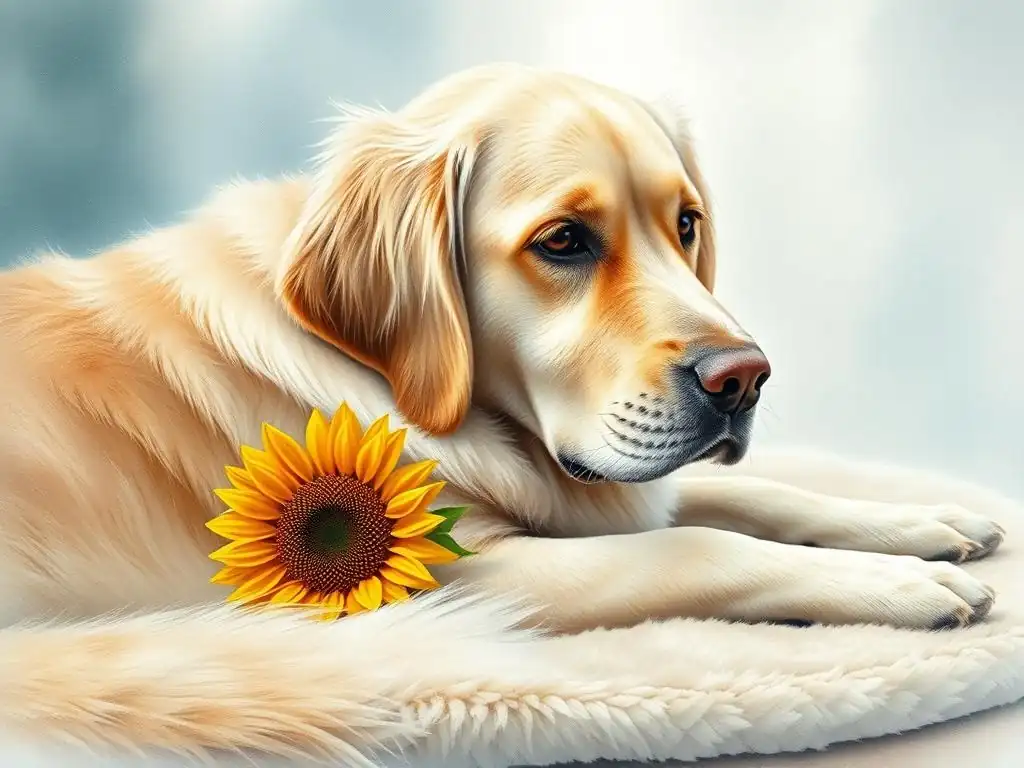
Senior dogs, like senior humans, experience age-related changes that can significantly impact their skin and coat. While some alterations are normal signs of aging, others may indicate underlying health problems requiring immediate veterinary attention. Understanding the difference is crucial for ensuring your senior dog's comfort and well-being. This section will help you discern when a simple grooming adjustment is sufficient and when a vet visit is absolutely necessary.
The key is to monitor changes closely and be proactive. Ignoring seemingly minor issues can lead to more serious complications down the line. Early detection is paramount in treating many senior dog skin coat changes.
Recognizing Serious Skin Conditions in Senior Pets
Several serious skin conditions can manifest in senior dogs, often presenting differently than in younger animals. These conditions can range from relatively manageable issues to life-threatening illnesses. It's imperative to be aware of the symptoms to seek timely veterinary care.
- Infections: Bacterial or fungal infections are more common in older dogs due to weakened immune systems. Signs include excessive scratching, redness, inflammation, hair loss, and a foul odor. Sometimes, you might observe pus or scabs. Persistent licking or chewing in a specific area, despite topical treatments, also warrants a vet visit. A simple skin scraping or culture can help diagnose the specific infection, enabling targeted treatment.
- Allergies: While allergies can affect dogs of any age, they can become more pronounced in senior dogs. These allergies could be triggered by food, environmental factors (pollen, dust mites), or even contact allergens. Symptoms can include intense itching, redness, swelling, and recurrent skin infections. Allergies often manifest as chronic skin problems, requiring ongoing management by your veterinarian.
- Autoimmune Diseases: These diseases occur when the immune system mistakenly attacks the body's own tissues. In senior dogs, autoimmune diseases affecting the skin, such as lupus, can cause chronic inflammation, hair loss, and skin lesions. Diagnosis requires specialized blood tests and often necessitates long-term management with immunosuppressant medications.
- Cancer: Skin cancer, while less common than other types of cancer in dogs, can occur, particularly in older animals with sun exposure. Signs include unusual growths, sores that don't heal, or changes in existing moles or warts. Immediate veterinary attention is critical for diagnosis and potential treatment.
Diagnostic Tests and Treatments for Senior Pet Skin Problems
Diagnosing skin issues in senior dogs often requires a multifaceted approach. Your veterinarian will likely conduct a thorough physical examination, focusing on the skin and coat. They will also consider your dog's overall health and medical history. Several diagnostic tests may be necessary to pinpoint the underlying cause of the problem.
| Test | Purpose |
|---|---|
| Skin Scraping | Detects mites and other parasites. |
| Fungal Culture | Identifies the type of fungus causing infection. |
| Cytology | Examines skin cells under a microscope to detect inflammation or abnormalities. |
| Biopsy | Removes a small tissue sample for microscopic examination to diagnose cancer or other conditions. |
| Blood Tests | Assess overall health, organ function, and detect autoimmune diseases. |
| Allergy Testing (intradermal or blood) | Identifies specific allergens triggering allergic reactions. |
Treatment will vary depending on the diagnosed condition. Options range from topical medications (creams, ointments, shampoos) for minor infections or allergies to oral medications (antibiotics, antifungals, anti-inflammatories) for more serious conditions. In cases of severe infections or autoimmune diseases, your veterinarian may prescribe immunosuppressants. For cancer, treatment options could include surgery, radiation therapy, or chemotherapy. Regular monitoring is crucial to ensure the effectiveness of treatment and manage any potential complications. Remember, proactive care and early intervention are key to improving the outcome for your senior companion. 🐶
Frequently Asked Questions
What are common skin and coat changes in senior dogs?
Senior dogs often experience thinning coat, dry skin, increased shedding, and gray hair. These are often due to hormonal changes and decreased oil production. Consult your vet if you notice significant changes.
Why does my senior dog's coat seem duller?
A dull coat in senior dogs can be caused by poor nutrition, underlying health issues, or reduced sebum production. Ensuring a balanced diet and regular vet checkups are crucial. Supplements may also be beneficial.
How can I improve my senior dog's dry skin?
Regular bathing with a moisturizing shampoo, formulated for sensitive skin, can help. Omega-3 fatty acid supplements can improve skin and coat health. Increasing water intake is also beneficial.
My senior dog is scratching more. Is this normal?
Increased scratching could indicate dry skin, allergies, or parasites. It's vital to rule out medical conditions by consulting your veterinarian. They can help determine the cause and recommend appropriate treatment.
When should I be concerned about skin changes in my senior dog?
Seek veterinary attention if you notice significant hair loss, skin lesions, excessive itching, or foul-smelling skin. These could indicate underlying health problems requiring professional care.
Final Reflection: The Enduring Bond: Caring for Our Aging Companions
The aging process in our canine companions is a poignant reminder of the preciousness of time, and understanding the changes in a senior dog's skin and coat is crucial to ensuring their comfort and well-being. These subtle shifts, often overlooked, can significantly impact their quality of life, highlighting the importance of proactive care and a deep understanding of their evolving needs.
Witnessing the gradual changes in my own senior dog's coat – the thinning fur, the increased dryness – has profoundly impacted my understanding of the aging process. The best mirror is an old friend.
This quote resonates deeply, as our pets, in their aging, reflect back to us the passage of time and the importance of cherishing each moment. Their changing skin and coat serve as a gentle reminder of our shared journey and the responsibility we have to provide the best possible care during their twilight years. It's a privilege to witness their resilience and grace, even as their bodies begin to show the marks of time.
Now, consider your own senior pet. What small changes have you noticed? Are you proactively addressing their skin and coat needs with appropriate nutrition, grooming, and veterinary care? Take a moment to reflect on your relationship with your aging companion. Embrace this opportunity to deepen your bond by providing the attentive care they deserve, ensuring their remaining years are filled with comfort, love, and the unwavering companionship they've always given you. Let's celebrate the enduring bond we share with our furry friends, ensuring their golden years shine as brightly as they deserve.
Rediscover Your Senior Pet's Radiant Coat!
Thank you for learning more about caring for your senior pet's skin and coat! We hope this guide has provided valuable insights to help you better support your furry friend. Now, let's put that knowledge into action:
- Prioritize a skin and coat health check: Schedule a veterinary appointment specifically to address your senior pet's skin and coat health. Proactive care is crucial; don't wait for problems to develop.
- Improve your pet's grooming routine: Consider switching to a shampoo and conditioner specifically formulated for senior pets with sensitive skin. You might also explore natural remedies or different product formulations to see if they improve your pet's coat.
- Share your senior pet's grooming routine and your successes (or challenges!) in the comments below. Let's build a supportive community of pet owners!
What small change will you make this week to improve your senior pet's skin and coat health?