
Helping Children Say Goodbye to a Pet: Meaningful Rituals

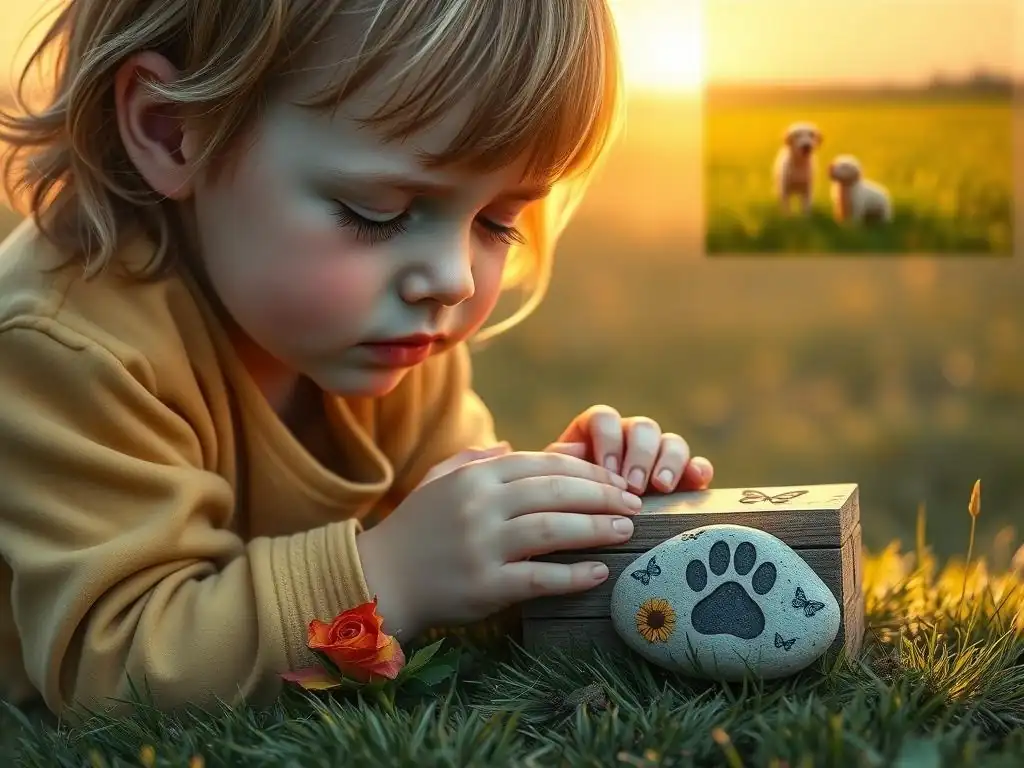
Welcome to PetCareWorld, your ultimate guide to a happier, healthier life for your beloved companions! We understand that the bond between humans and animals is profound, and sometimes, heartbreakingly, temporary. This is why we’re exploring a sensitive yet vital topic: child grieving pet loss rituals. Discover powerful and meaningful ways to help children navigate the difficult emotions surrounding the loss of a pet, and find comfort in shared experiences. Learn practical strategies to ease their grief and honor the special memories they shared. Read on to discover how you can support your child during this challenging time.
- Understanding Child Grief After Pet Loss
- Creating Meaningful Goodbye Rituals for Children
- Practical Steps for Supporting Children Through Pet Loss
- Rituals to Help Children Cope with Pet Loss: Examples
- When to Seek Professional Help for Child Pet Grief
-
Frequently Asked Questions
- How can I help my child cope with the loss of a pet?
- What are some meaningful rituals for children grieving a pet?
- Are there age-appropriate ways to explain pet death to children?
- How can I help my child avoid feeling guilty about their pet's death?
- What resources are available for children grieving pet loss?
- Final Reflection: The Enduring Power of Ritual in Child Grief
- Embrace the Healing: Creating Lasting Memories
Understanding Child Grief After Pet Loss
Saying goodbye to a beloved pet is incredibly difficult, regardless of age. However, children experience pet loss in unique and often challenging ways. This comprehensive guide explores the nuances of child grief following the death of a pet, offering practical strategies and meaningful rituals to help them navigate this painful experience.
We will delve into the specific challenges children face, the stages of grief they may experience, and common emotional and behavioral responses to equip parents and caregivers with the tools they need to provide support and comfort during this difficult time. Understanding the intricacies of child grief related to pet loss is crucial for fostering healthy coping mechanisms and promoting healing.
This article will serve as a resource for parents, educators, and anyone supporting a child dealing with the loss of a cherished animal companion. The focus on "child grieving pet loss rituals" will provide practical steps to help navigate this sensitive topic and offer solace to grieving children.
The Unique Challenges of Child Pet Bereavement
Children often process grief differently than adults. Their understanding of death may be limited, leading to confusion and a range of emotional responses. Unlike adult grief, which often focuses on the practical implications of loss, a child's grief centers more on the immediate absence of their pet and the disruption to their daily routine. They may struggle to understand the finality of death, leading to questions and anxieties that require sensitive and age-appropriate explanations.
Furthermore, children may lack the verbal skills or emotional vocabulary to express their feelings effectively, relying on behavioral changes such as withdrawal, clinginess, or acting out to communicate their distress. The intensity of their grief can be surprisingly profound, given the significant role pets play in a child's life, offering unconditional love, companionship, and a sense of security. 💔 This unique perspective underscores the importance of tailored support and understanding.
Recognizing the Stages of Grief in Children
While the five stages of grief (denial, anger, bargaining, depression, and acceptance) are a helpful framework, it's crucial to remember that children may not experience these stages linearly or in any specific order. They may exhibit signs of several stages simultaneously or cycle through them repeatedly. For example, a child might initially deny their pet's death, then express anger towards those they perceive as responsible, before engaging in bargaining ("If I'd only...", "If only I had..."). Periods of depression, characterized by sadness, withdrawal, and loss of interest in activities, are common. Finally, the acceptance stage, marked by a gradual adjustment to the reality of the loss, may be a long and evolving process. Recognizing these potential stages allows caregivers to anticipate and address the child's emotional needs effectively. It's also important to remember that there is no timeline for grief; each child will process their loss at their own pace.
Common Emotional and Behavioral Responses in Children
Following the loss of a pet, children may display a wide range of emotional and behavioral responses. Some common reactions include:
- Intense sadness and crying: This is a natural response to loss and should be acknowledged and validated.
- Anger and irritability: Children may direct their anger towards family members, friends, or even inanimate objects.
- Withdrawal and isolation: They may become withdrawn, refusing to participate in activities they once enjoyed.
- Changes in sleep and appetite: Sleep disturbances and changes in eating habits are common.
- Regression: Younger children may exhibit regressive behaviors, such as bed-wetting or thumb-sucking.
- Somatic complaints: Physical symptoms like headaches or stomachaches can manifest as a result of emotional distress.
- Increased anxiety: Fear and worry about other potential losses may surface.
Understanding these common responses helps caregivers provide appropriate support and reassurance. Creating a safe space for the child to express their feelings, however they choose to do so, is paramount. Remember to validate their feelings without minimizing their loss. The use of age-appropriate language and activities can also prove beneficial in helping children process their grief.
Creating Meaningful Goodbye Rituals for Children
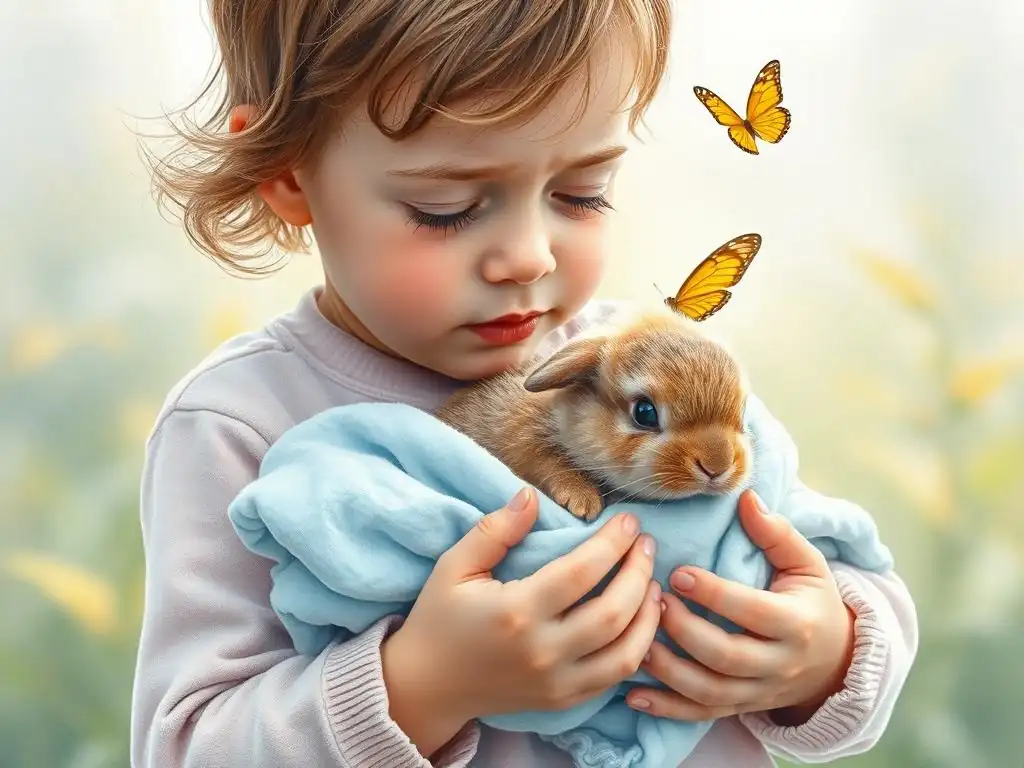
This section focuses on developing healthy coping mechanisms for children experiencing the grief of pet loss. Understanding the nuances of child grief and tailoring farewell rituals accordingly is crucial for their emotional well-being. The process of saying goodbye to a beloved pet can be profoundly impactful on a child's development, shaping their understanding of loss, death, and the cycle of life.
Therefore, creating a meaningful and supportive environment is paramount. The aim is not to erase the sadness, but to provide tools and rituals that allow children to process their emotions in a healthy and constructive way. This involves creating a space for open communication, acknowledging their feelings without minimizing their pain, and providing age-appropriate activities that promote healing.
Helping Children Say Goodbye: Age-Appropriate Rituals
The way a child processes grief is significantly influenced by their age and developmental stage. Younger children (preschool to early elementary) may struggle with abstract concepts like death. Their understanding is often literal, and they may need reassurance that their actions didn't cause the pet's death. For them, simple rituals are best. This could involve a small, informal ceremony with their favorite toys present, drawing pictures of their pet, or creating a small memorial box with cherished mementos. Reading age-appropriate books about death and loss can also help.
Older children (late elementary and beyond) are more capable of understanding the finality of death and may express their grief through more complex emotions. They may benefit from participating in more involved rituals, such as writing letters to their pet, creating a photo album or scrapbook, or planting a tree in the pet's memory. Open conversations about their feelings and memories are crucial for this age group. Allowing them to share their experiences and express their sadness without judgment fosters emotional resilience.
Here's a table summarizing age-appropriate strategies:
| Age Group | Appropriate Rituals | Considerations |
|---|---|---|
| Preschool - Early Elementary | Simple ceremonies, drawing, creating a memory box, reading age-appropriate books. | Reassurance, simple explanations, focus on positive memories. |
| Late Elementary - Middle School | Writing letters, photo albums, planting a tree, creating artwork, attending a pet memorial service. | Open conversations, allowing expression of complex emotions, exploring grief resources. |
Memorializing the Pet: Creative and Therapeutic Activities for Kids
Memorializing a pet provides a tangible way for children to honor their beloved companion and keep their memory alive. Creative activities can be incredibly therapeutic in processing grief. These activities allow children to express their emotions in a non-verbal way, offering a safe outlet for their feelings.
For example, creating a memory jar where each family member writes down a favorite memory of the pet and places it in the jar can be a meaningful activity. Making a collage with photos and artwork is another option. This allows children to visually represent their bond with their pet and cherish the memories they shared. Planting a flower or tree in the pet's memory offers a lasting tribute that continues to grow and evolve, symbolizing the ongoing connection to the pet.
Remember to tailor the activities to the child's interests and abilities. If they enjoy painting, encourage them to create a portrait of their pet. If they are musically inclined, they could compose a song or play a piece of music in memory of their pet. The key is to provide a supportive and creative environment where children can express their grief in a healthy way. The process itself is as important as the final product.
Involving Children in the Pet's Farewell
Involving children in the pet's farewell, whether it's a burial or cremation, can be a significant step in the grieving process. The level of involvement should be tailored to the child's age and maturity level. Younger children might simply participate in a brief ceremony, while older children may wish to be more actively involved in the arrangements.
For example, allowing children to write a note to put in the pet's coffin or choose a special item to bury with their pet can provide a sense of closure. If the pet is being cremated, children could help select an urn or keepsake. It is important to prepare children for what to expect and to answer their questions honestly and openly. Explain the process in simple terms, ensuring they understand what is happening.
Allowing them to express their feelings and participate actively in the farewell can help them feel a sense of control and closure. This active participation can significantly contribute to their healing process. The experience should be approached with sensitivity and understanding, making it a positive step in their journey of healing.
The Importance of Open Communication and Honest Answers
When a beloved pet dies, children often grapple with complex emotions they may struggle to articulate. Open and honest communication is paramount in helping them navigate this difficult time. Avoid euphemisms like "sleeping" or "gone away," as these can be confusing and even frightening for a child who might misinterpret the situation.
Instead, use age-appropriate language to explain that their pet has died and will not be coming back. For younger children, this might involve simple explanations focusing on the pet's body ceasing to function. Older children might benefit from a more detailed, yet still sensitive, explanation of the circumstances surrounding the pet's death.
Remember to validate their feelings; don't minimize their grief by saying things like "You can always get another pet." Let them know it's okay to feel sad, angry, confused, or even relieved, depending on their individual experience with the pet. This acceptance of their diverse emotions is crucial in fostering a safe space for them to process their grief.
The level of detail you provide should be tailored to the child's age and understanding. A five-year-old will require a simpler explanation than a teenager. For instance, you might explain to a younger child that their pet's heart stopped beating, while an older child might understand a more nuanced explanation involving illness or age. Be prepared to answer their questions honestly and patiently, even if they are difficult.
Children often have very insightful questions, and answering them truthfully fosters trust and open communication. If you don't know the answer to a question, it's okay to admit it and find out together. This demonstrates that you're taking their grief seriously and are committed to supporting them through this difficult process. The goal is to create an environment where the child feels comfortable expressing their feelings without judgment or pressure.
This open dialogue forms the foundation for effective grief work and healing. Remember, your honesty and willingness to engage in open conversation are invaluable tools in helping a child cope with the loss of a beloved pet. It helps them build resilience and understand the cycle of life and death in a healthy way.
Practical Steps for Supporting Children Through Pet Loss
Losing a pet is a significant event for children, often their first experience with death and grief. Understanding their unique grieving process is crucial to offering effective support. This section outlines practical steps parents and caregivers can take to help children navigate this difficult time, emphasizing the importance of empathy, patience, and age-appropriate explanations. The key is to validate their feelings without minimizing their loss.
Remember, there's no right or wrong way to grieve; the goal is to provide a safe and supportive environment for the child to process their emotions. Successfully navigating this challenging period builds resilience and emotional intelligence for the future. The focus should be on helping the child understand their feelings and develop healthy coping mechanisms for "child grieving pet loss rituals".
Creating a Safe Space for Expression of Grief
Creating a safe space involves fostering open communication and allowing children to express their grief freely, without judgment. This might involve encouraging them to talk about their pet, share memories, or draw pictures. Avoid dismissing their feelings or telling them to "get over it." Instead, validate their emotions by saying things like, "It's okay to be sad," or "Losing [pet's name] is really hard." Some children might express their grief through anger, withdrawal, or changes in behavior. These are all normal reactions to loss.
Consider creating a memory box or scrapbook where the child can keep photos, toys, or other mementos of their pet. This tangible reminder can be a comfort during difficult moments. Reading stories about pet loss together can also be a helpful way to normalize their feelings and open a dialogue about grief. Remember, the process is individual; some children might need more time and space than others. Observe their cues and adapt your approach accordingly. Providing a consistent routine can also offer a sense of stability and security during this unsettling time.
Encouraging Healthy Coping Mechanisms for Children
Children cope with grief in various ways. Some might express their emotions openly, while others might withdraw or become clingy. Encouraging healthy coping mechanisms is vital to help them process their feelings constructively. Activities like drawing, painting, playing music, or engaging in physical activity can provide healthy outlets for their emotions. Spending time in nature, perhaps visiting a park or playing with other pets (if appropriate), can also be soothing.
It's crucial to avoid forcing children to participate in activities if they are not ready. Respect their pace and allow them to grieve in their own way. Encourage them to talk about their pet and share their memories, but don't pressure them if they are not comfortable. Remember that the goal is to support their emotional well-being, not to "fix" their sadness.
Positive reinforcement and celebrating happy memories of the pet can also help alleviate some of the pain. This process may require significant patience and understanding. The use of creative expression, like writing poems or songs about their beloved pet, can be unexpectedly therapeutic.
Seeking Professional Support When Needed: Resources for Families
While many families can navigate pet loss successfully with support from loved ones, some might need additional help. If a child is exhibiting prolonged or severe symptoms of grief, such as excessive sadness, withdrawal, or changes in appetite or sleep, seeking professional help is essential. A therapist specializing in child grief can provide guidance and support to both the child and the family. Remember, seeking professional assistance is a sign of strength, not weakness. Many resources are available to families dealing with pet loss.
There are also support groups specifically designed for children grieving the loss of a pet. These groups provide a safe space for children to share their experiences with others who understand what they are going through. Connecting with other families facing similar challenges can offer a sense of community and validation. It's also important to remember that parental grief can significantly impact a child's ability to cope with their own loss.
Seeking support for yourself as a parent is just as crucial as seeking support for your child. Remember, many resources exist to help families through this challenging time. Don't hesitate to reach out for help if you feel you need it.
Maintaining a Routine and Providing Comfort
The death of a beloved pet can disrupt a child's routine, leading to increased anxiety and difficulty coping with their grief. Maintaining as much normalcy as possible is crucial during this challenging time. This doesn't mean ignoring their sadness; rather, it involves providing a sense of security and predictability within the altered circumstances. For example, continue with regular bedtimes, mealtimes, and school schedules as much as feasible. If adjustments are necessary, explain them clearly and calmly to the child, emphasizing that these changes are temporary and that things will eventually return to a new normal.
Physical comfort is equally important. Children often express grief through physical manifestations like clinginess, changes in appetite, or sleep disturbances. Offer plenty of hugs, cuddles, and opportunities for quiet time together. Reading stories, watching comforting movies, or engaging in gentle activities like drawing or playing with other pets (if applicable) can provide solace and distraction.
Be mindful of the child's cues; some may prefer solitude, while others crave constant reassurance. Respect their preferences while offering consistent support and affection. Remember, consistent physical affection can be a powerful tool in helping children process their emotions and feel safe. A warm bath, a favorite blanket, or simply sitting quietly together can provide immense comfort.
It's also important to validate their feelings without minimizing their loss. Phrases like, "I know you miss [pet's name] terribly," or "It's okay to feel sad," can help normalize their grief. Avoid clichés like "We can always get another one," which can trivialize their unique bond with their deceased pet. Instead, focus on acknowledging their pain and offering empathetic support. This consistent presence and unwavering support will significantly contribute to the child's ability to navigate their grief. The goal is to help them feel safe, loved, and understood during this incredibly difficult time.
Remembering the Pet: Long-Term Support and Remembrance
While the initial days and weeks following a pet's death are crucial, supporting a child through their grief is a long-term commitment. The pain may lessen over time, but the memory of their beloved pet will likely remain a significant part of their life. Creating meaningful ways to remember their pet can be incredibly beneficial for their healing process.
This could involve creating a memory box filled with photos, drawings, and small keepsakes that belonged to the pet. Alternatively, planting a tree or creating a small memorial garden in the pet's honor can provide a tangible and lasting tribute. The act of creating something beautiful and meaningful can be therapeutic, and provides a focal point for remembering happy memories.
Consider involving the child in the creation of these memorials. This participatory process allows them to express their grief creatively and actively engage in the remembrance of their pet. Encourage them to share stories and memories of their pet, reinforcing the positive aspects of their relationship. Family storytelling sessions can be a particularly powerful way to keep the pet's memory alive. Photos and videos can also be used to revisit happy memories. These visual aids can be especially beneficial for younger children who may struggle to articulate their feelings verbally.
Long-term support might also involve seeking professional help if needed. A child psychologist or grief counselor can provide specialized support and guidance, helping the child process their emotions in a healthy and constructive way. Remember that grieving is a process, not an event.
There is no right or wrong way to grieve, and children's grief can manifest in various ways. Providing consistent love, understanding, and opportunities for remembrance will help children navigate this challenging experience and eventually find healing and acceptance. 💔 The key is to offer ongoing support, allowing them to express their emotions freely and remember their pet in a positive and meaningful way.
Rituals to Help Children Cope with Pet Loss: Examples

Saying goodbye to a beloved pet is difficult for anyone, but the experience can be particularly challenging for children. They may not fully grasp the concept of death, leading to confusion, anger, or prolonged sadness. Meaningful rituals can provide comfort and a healthy outlet for processing their grief. These rituals help children acknowledge their loss, express their emotions, and begin the healing process.
Understanding the child's age and developmental stage is crucial in selecting appropriate rituals that resonate with their understanding and emotional capacity. The goal is to create a supportive and safe space for them to grieve in a way that feels natural and comforting. Remember that there's no right or wrong way to grieve; the most important aspect is to allow the child to express their feelings authentically.
Creating a Memory Box or Scrapbook
A memory box or scrapbook offers a tangible way for children to preserve cherished memories of their pet. This hands-on activity can be a therapeutic process, allowing them to actively participate in remembering the positive aspects of their relationship with their pet. The process itself is important; the act of selecting photos, toys, or other mementos helps them to focus on happy memories rather than dwelling solely on the sadness of loss.
Consider including items like:
- Photos of the pet at different ages and in various activities.
- Favorite toys or collars.
- Handwritten letters or drawings from the child to the pet.
- Small trinkets that remind the child of special moments with the pet.
- A lock of the pet's fur (if available).
The creation of the memory box or scrapbook should be a collaborative effort, involving parents or other trusted adults. This shared experience strengthens family bonds and provides a sense of comfort during a difficult time. The final product serves as a lasting tribute to the pet and provides a source of comfort for the child in the months and years to come. Encourage the child to add to the box or scrapbook over time, as new memories and feelings emerge.
Planting a Tree or Flower in the Pet's Memory
Planting a tree or flower is a symbolic ritual that connects the child's grief with the natural cycle of life and death. The act of planting represents hope, growth, and the enduring nature of love and memory. Choosing a plant that resonates with the child's personality or the pet's characteristics can make the experience even more meaningful. For instance, a vibrant sunflower could represent the pet's joyful spirit, while a sturdy oak tree might symbolize strength and resilience.
The planting process itself can be a shared family activity. The child can help dig the hole, plant the seedling, and water it regularly. This ongoing care provides a sense of purpose and responsibility, helping to channel their grief into a positive action.
Over time, watching the plant grow and flourish can serve as a reminder of the pet's life and the enduring nature of love. This living memorial provides a tangible link to the past, offering solace and a sense of continuity. Consider adding a small plaque or marker with the pet's name and dates to personalize the memorial further.
Writing a Letter or Poem to Their Pet
Writing a letter or poem allows children to express their feelings in a creative and non-judgemental way. This can be especially helpful for children who struggle to articulate their emotions verbally. The act of writing provides a safe space for them to explore their grief, anger, sadness, and even joy associated with their pet's memory. There's no need for perfect grammar or structure; the focus is on honest self-expression.
Encourage the child to include:
- Memories of favorite times spent with their pet.
- Descriptions of the pet's personality and quirks.
- Expressions of love, gratitude, and sadness.
- Any unanswered questions or unresolved feelings.
The letter or poem doesn't need to be shared with anyone else unless the child chooses to do so. The act of writing itself is the primary therapeutic benefit. It allows the child to process their feelings at their own pace and in their own way.
This process can be particularly beneficial for children who are struggling to cope with the loss and may provide a starting point for further conversations about their grief. The finished piece can be kept in the memory box or scrapbook, serving as a lasting testament to their love for their pet. This private ritual can be incredibly powerful in helping children navigate their grief.
Drawing Pictures or Creating Artwork
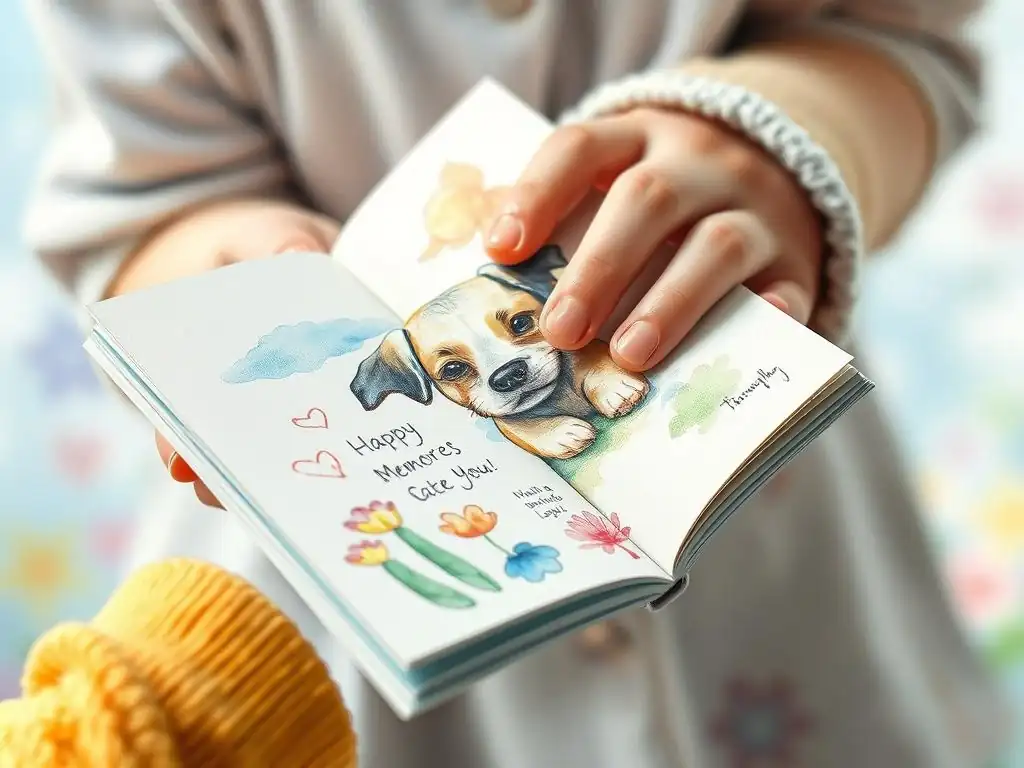
Helping children express their grief through art can be incredibly therapeutic. The act of creating something tangible allows them to externalize their emotions in a safe and controlled manner. Instead of directly confronting the painful feelings of loss, they can channel them into a creative outlet. This could involve drawing pictures of their pet, painting a portrait, sculpting a clay figurine, or even creating a collage using photos and mementos. The artwork doesn't need to be perfect; the process itself is the most important aspect.
Encourage children to use whatever medium they feel most comfortable with and to express themselves freely, without judgment. For younger children, simple drawings of their pet doing their favorite things might suffice. Older children might prefer more complex projects, such as designing a memorial t-shirt or painting a mural dedicated to their beloved animal companion. Remember to preserve these creations; they can become cherished keepsakes that help the child remember their pet fondly in the years to come.
The act of creating and then revisiting these pieces can be a powerful way to process grief over time. Consider framing a particularly meaningful piece of artwork as a permanent reminder of their bond. This tangible representation of their feelings can provide comfort and a sense of closure. It's also a great way to incorporate the pet's memory into the home environment in a positive and uplifting way.
Sharing stories and memories is a vital part of the grieving process for children. It helps them to keep their pet's memory alive and to celebrate the joy and love they shared. Encourage family members to share their favorite anecdotes about the pet, focusing on positive memories rather than dwelling on the sadness of the loss. These stories can be simple, such as recounting a funny incident or describing a special moment spent with the pet. Children can also be encouraged to share their own memories, no matter how small or seemingly insignificant they may seem.
For example, recalling a specific game they played with their pet, a favorite treat they shared, or a comforting cuddle on the sofa can be incredibly powerful. Creating a memory box or scrapbook is another effective way to preserve these precious memories. Include photos, handwritten letters, drawings, and small objects that remind everyone of the pet. This physical representation of their bond becomes a tangible symbol of their love and a source of comfort during difficult times.
Regularly revisiting the memory box can help maintain a connection with the pet and provide a sense of continuity. Consider adding new items to the box over time, such as photos taken on the pet's birthday or anniversaries. These rituals and activities help children understand that their feelings are valid and help them navigate the complex emotions associated with pet loss. The act of remembering and celebrating their pet's life can be a truly healing experience.
When to Seek Professional Help for Child Pet Grief
Understanding when a child's grief over pet loss requires professional intervention is crucial. While sadness and mourning are normal responses, certain signs indicate the need for additional support. Prolonged and intense grief, significantly impacting daily life, warrants professional help. This isn't about judging a child's emotional response but recognizing when their coping mechanisms are overwhelmed.
The intensity and duration of grief vary greatly depending on the child's age, personality, and their relationship with the pet. Younger children may exhibit regression, such as bedwetting or thumb-sucking, while older children might withdraw socially or experience academic difficulties. The key is to observe patterns and changes in behavior rather than focusing on isolated incidents.
Remember, seeking professional help is a sign of strength, not weakness, and it can significantly improve a child's healing process. Early intervention can prevent long-term emotional difficulties associated with unresolved grief. The goal is to help the child navigate their grief healthily and develop healthy coping mechanisms for future loss.
Signs Your Child Needs Additional Support
Several indicators suggest a child's grief needs professional guidance. These signs aren't isolated incidents but rather patterns of behavior that persist over time. For example, intense and prolonged sadness lasting several weeks or months beyond the initial loss, significantly impacting their daily functioning, is a clear warning sign. Changes in sleep patterns, including insomnia or excessive sleeping, often accompany intense grief.
A child may exhibit significant appetite changes, either overeating or refusing food, as a manifestation of their emotional distress. Regression to earlier behaviors, such as thumb-sucking or bedwetting, especially in older children, requires attention. Withdrawal from previously enjoyed activities and social interactions is another major red flag. Difficulty concentrating at school, leading to decreased academic performance, suggests the need for intervention.
Physical symptoms like headaches or stomach aches, without medical explanation, can also be indicative of unresolved grief. Finally, expressions of self-blame or guilt related to the pet's death need careful attention and professional support. Observing these signs attentively will help you determine if professional help is necessary.
Finding Grief Counselors and Therapists Specializing in Pet Loss
Locating a therapist specializing in pet loss for children might require some research, but it's a valuable investment in your child's well-being. Many therapists specializing in child psychology or grief counseling have experience working with children experiencing pet loss. Start by contacting your pediatrician or family doctor; they often have referrals to mental health professionals in your area. Online directories of therapists, often searchable by specialization, can also be a useful resource.
Look for therapists who explicitly mention experience with pet loss or grief counseling for children. Consider contacting several therapists to inquire about their experience and approach. A good therapist will understand the unique bond between children and their pets and will tailor their approach accordingly.
Don't hesitate to ask about their techniques and how they'll support your child through this difficult time. Remember, finding the right fit is crucial for a successful therapeutic experience. The goal is to find a compassionate and skilled professional who can help your child process their grief in a healthy and supportive environment.
Support Groups and Online Communities for Children and Families
Support groups and online communities offer a valuable space for children and families to connect with others experiencing similar losses. These groups provide a safe and understanding environment where children can share their feelings and experiences without judgment. The shared experience can be incredibly comforting and validating, helping children realize they're not alone in their grief.
Many local animal shelters or humane societies offer support groups specifically for children grieving the loss of a pet. Online platforms and forums dedicated to pet loss also provide a space for connecting with others, sharing stories, and finding support. These online communities often offer resources and information related to pet loss and grief, providing additional support for families.
While online communities offer convenience and anonymity, in-person support groups can be particularly beneficial for children, fostering a sense of community and face-to-face connection. The combination of professional help and peer support can significantly aid a child's healing process, offering a holistic approach to navigating pet loss. Remember to always supervise children's online interactions and choose reputable platforms.
Frequently Asked Questions
How can I help my child cope with the loss of a pet?
Helping a child grieve the loss of a pet requires patience and understanding. Acknowledge their feelings, allow them to express their grief openly, and offer comfort and support. Consider creating a special memory box to hold cherished items.
What are some meaningful rituals for children grieving a pet?
Meaningful rituals can provide closure and comfort. Ideas include a pet memorial service, planting a tree in the pet's memory, creating artwork, or writing a letter to their pet. These actions provide a healthy outlet for grief.
Are there age-appropriate ways to explain pet death to children?
Age is a key factor. For younger children, use simple terms and focus on the pet being at peace. Older children can be given more detailed explanations, depending on their maturity and understanding of death. Honesty is important, but tailored to their comprehension.
How can I help my child avoid feeling guilty about their pet's death?
Reassure your child that they are not to blame for the pet's death. Explain that sometimes pets get sick or old and pass away, even with the best care. Focus on the positive memories and the love they shared.
What resources are available for children grieving pet loss?
Many online resources and books offer support and guidance. Consider seeking professional help from a child psychologist or grief counselor if your child is struggling to cope. Pet loss support groups can also provide a valuable sense of community.
Final Reflection: The Enduring Power of Ritual in Child Grief
The death of a beloved pet is a significant loss, impacting children deeply and often unexpectedly. These small, furry, feathered, or scaled companions offer unconditional love and companionship, shaping a child's emotional landscape in profound ways. Understanding how to navigate this grief is crucial for fostering healthy emotional development.
The impact of pet loss on a child's emotional well-being is often underestimated, yet the rituals we create to say goodbye can profoundly shape their coping mechanisms and future ability to process grief. Grief, if not processed, can become a seed of bitterness.
This quote highlights the importance of providing children with healthy outlets for their sorrow, and meaningful rituals offer precisely that – a structured way to express their feelings, honor their pet's memory, and begin the healing process. The memories created through these rituals, whether it's planting a tree, creating a memory box, or holding a small memorial service, become powerful tools in navigating the complex emotions of loss.
You, the reader, now hold the knowledge and tools to help a child navigate this difficult time. Consider the rituals discussed within this article, and adapt them to the unique circumstances and personality of the child. Remember, there is no right or wrong way to grieve; the most important aspect is providing a safe and supportive space for the child to express their feelings and begin the journey toward healing. Let us, as adults, be the guides who help children transform their grief into a testament to the enduring love shared with their beloved pet.
Embrace the Healing: Creating Lasting Memories
Thank you for exploring ways to help children cope with the loss of a beloved pet. We hope the suggestions offered provided comfort and guidance during this difficult time. Now, let's focus on putting those insights into practice.
- Create a cherished memory box: Gather photos, paw prints, and favorite toys to create a tangible tribute your child can revisit whenever they need comfort. This can be a healthy way for them to process their grief.
- Share your experience: Connect with others in our supportive online community. Sharing your journey can offer comfort and strength to you and other families facing similar situations.
- Plant a tree or flower: A living tribute serves as a lasting symbol of love and remembrance, fostering a connection to nature and promoting healing.
What unique ritual have you found particularly comforting in helping your child say goodbye to their pet? Let's share our experiences and build a collective source of support.