



Unexpected Pet Healthcare Costs: A Guide to Budgeting & Planning
🤔 Avoid crippling unexpected pet vet bill costs! PetCareWorld's guide helps you budget and plan for essential and emergency pet healthcare, ensuring…
Read article

Owning a pet brings immense joy, but it also comes with significant financial responsibilities. Navigating the world of pet insurance and healthcare costs can be overwhelming, yet understanding these aspects is crucial for safeguarding both your furry friend’s well-being and your financial stability. 💰🐾 At PetCareWorld, we empower you to make informed decisions, helping you decode complex policies, uncover hidden fees, and build a robust financial plan that ensures your companion receives the best possible care without breaking the bank. Whether you’re weighing the benefits of monthly premiums versus wellness plans or determining if coverage is truly worth the investment, our expert insights pave the way for confident, cost-effective choices. From proactive budgeting strategies to detailed comparisons of savings alternatives, we provide the essential tools you need to turn unexpected vet bills from a source of stress into a manageable part of your pet care routine. 🛡️💡

🤔 Avoid crippling unexpected pet vet bill costs! PetCareWorld's guide helps you budget and plan for essential and emergency pet healthcare, ensuring…
Read article
🤔 Navigating pet insurance can be tricky. This guide clarifies the crucial differences between in-network and out-of-network veterinary care, providing a clear…
Read article
😊 Unexpected vet bills can devastate your finances. PetCareWorld's expert guide offers practical strategies for budgeting and creating a financial safety net…
Read article
🤔 Discover the unexpected financial safeguards and peace of mind offered by pet insurance. Pet insurance benefits explained: protect your beloved companion…
Read article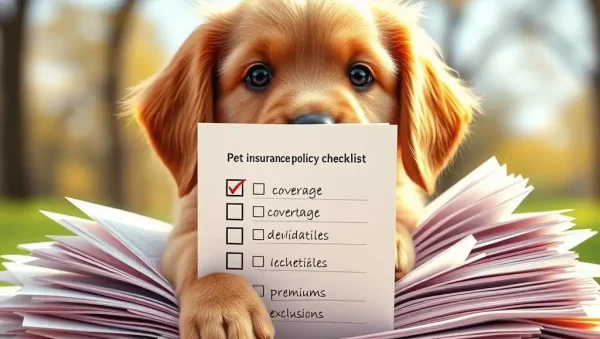
🤔 Deciphering your pet's insurance policy can be tricky. Our comprehensive pet insurance policy checklist simplifies the process, ensuring you understand coverage,…
Read article
🤔 Pet insurance: worthwhile investment or unnecessary expense? PetCareWorld reveals when the cost of pet insurance truly pays off, examining scenarios where…
Read article
😊 Discover PetCareWorld's secrets to affordable pet healthcare! Our expert guide reveals practical tips and strategies to manage pet health costs without…
Read article
🤔 PetCareWorld explores whether pet wellness plans offer a more financially savvy alternative to traditional insurance. Weigh the pros and cons of…
Read article
🤔 Regularly reviewing your pet insurance policy is crucial. PetCareWorld explains how a thorough policy review ensures your pet receives the best…
Read article
🤔 Unexpected pet illnesses strike. PetCareWorld's emergency fund planning guide helps you budget for vet bills, preventing financial stress during critical moments.…
Read articleOwning a pet is one of life’s greatest joys, but unexpected veterinary bills can quickly strain your budget. At PetCareWorld, we help you navigate the complex world of pet healthcare expenses, from routine check-ups to emergency surgeries. Whether you’re a first-time pet parent or a seasoned owner, this guide breaks down insurance policies, savings strategies, and cost-effective alternatives. By understanding your options, you’ll make informed decisions that protect both your pet’s health and your finances, ensuring peace of mind for years to come.
Budgeting for pet care requires more than estimating food and toys—it demands a strategy for unforeseen medical events. Start by researching typical veterinary costs for your pet’s breed and age, then set aside a monthly emergency fund. Experts recommend saving at least $1,000–$2,000 annually for potential accidents or chronic conditions. Additionally, factor in routine expenses like vaccinations, dental cleanings, and parasite prevention. By creating a dedicated pet health savings account, you’ll avoid financial stress when your furry friend needs urgent care, ensuring you can always prioritize their well-being without compromise.
Pet insurance policies vary dramatically, so understanding key terms is crucial. Look for coverage on accidents, illnesses, and hereditary conditions, but always read the fine print for exclusions like pre-existing conditions or breed-specific issues. Compare reimbursement rates (typically 70–90%), annual deductibles, and payout limits. Check if the policy covers diagnostic tests, surgeries, and prescription medications. Also, consider waiting periods and whether you can use any licensed veterinarian. With the right policy, you can offset up to 90% of unexpected bills, turning a potential financial crisis into a manageable monthly premium.
Not every pet owner needs insurance. Alternatives include self-insuring by depositing your monthly premium into a high-yield savings account. Wellness plans offered by veterinary clinics provide discounts on routine care—like vaccinations, spaying, and check-ups—for a fixed annual fee. Some pet owners also use credit cards with 0% intro APR periods for emergencies, though this carries interest risks. For minor illnesses, telemedicine services offer low-cost consultations. Evaluate your pet’s risk profile and your ability to absorb unexpected costs. If your pet is young and healthy, a savings fund may outperform insurance, giving you flexibility without monthly commitments.
Pet insurance proves most valuable for breeds prone to costly conditions (e.g., hip dysplasia in German Shepherds or hyperthyroidism in cats). If your pet faces high lifetime healthcare risks, insurance can save thousands. It’s also worth it if you lack emergency reserves or prefer predictable monthly expenses. However, for healthy, low-risk pets, premiums may exceed payouts over time. Consider your budget tolerance: insurance is a safety net, not a savings plan. Compare average claims vs. premiums—policies covering cancer treatments or chronic conditions offer the best return. Ultimately, the decision hinges on your pet’s health history and your financial resilience.
Most veterinarians recommend having at least $2,000–$3,000 set aside for emergency care. This covers common incidents like fractures, poisoning, or digestive obstructions. If you can consistently save that amount, you might skip insurance. However, if saving is difficult, a low-deductible policy can provide immediate protection. Start by opening a separate savings account and auto-transferring $50–$100 monthly to build your buffer.
No, wellness plans are not insurance; they are prepaid discount packages for routine care, like vaccines, flea control, and annual exams. Insurance covers unexpected accidents and illnesses. Many owners combine both—a wellness plan for predictable costs and insurance for catastrophic events. Always ask your vet clinic for a full list of what the wellness plan includes, as coverage varies widely.
Most pet insurance policies allow you to visit any licensed vet, specialist, or emergency clinic. Some providers offer direct payment to vets, while others reimburse you after you submit a claim. Check if your preferred vet accepts the insurer’s claims process. For exotic pets like reptiles or birds, confirm your policy covers those species, as some plans only cover dogs and cats.
Yes, premiums typically rise as pets get older because their health risks increase. You might see annual increases of 10–30%. To mitigate this, purchase a policy when your pet is young and healthy, locking in lower rates. Some insurers also offer “lifetime” policies that cap age-related increases, but always review the renewal terms for hidden costs.
Most pet insurance policies exclude pre-existing conditions permanently. However, if a condition is cured and symptom-free for 6–12 months, some insurers may cover future issues related to it. Always disclose all medical history honestly—undisclosed conditions can void your entire policy. Alternatively, use a wellness plan or savings fund to manage the costs of ongoing conditions like diabetes or arthritis.