The Impact of Diet on Pet Dental Health: A Nutritional Approach
😊 Discover how your pet's diet directly impacts their dental health. PetCareWorld explores the nutritional approach to preventing and managing common oral…
Read article
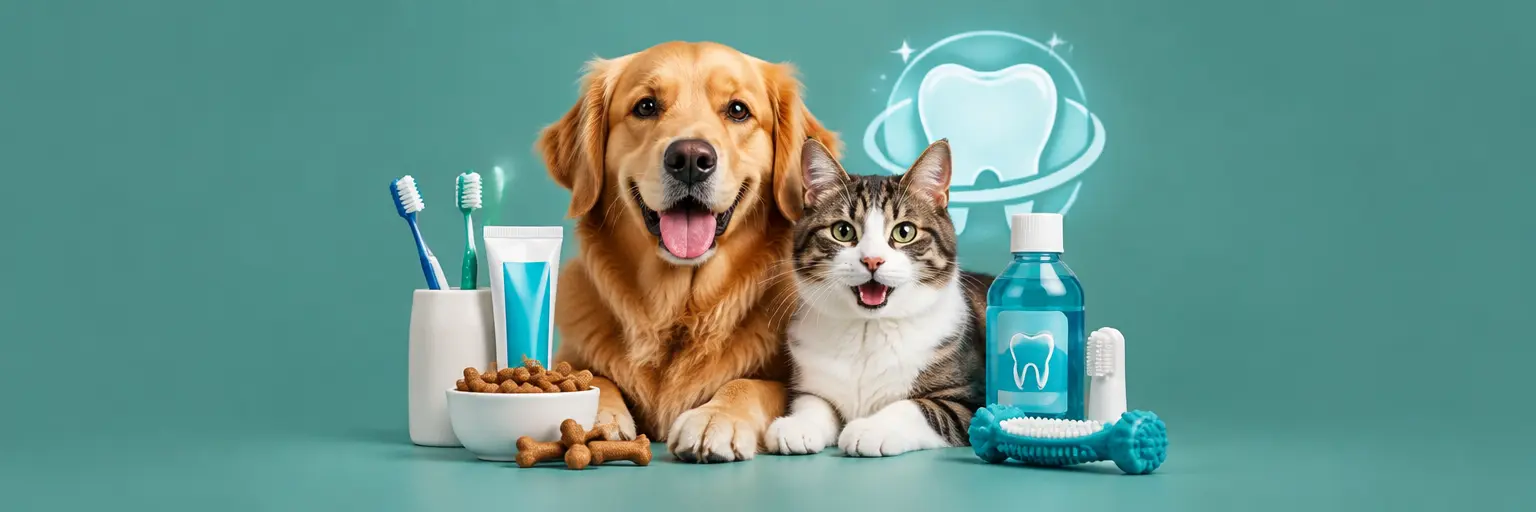
Discover top-rated pet dental care products to keep your furry friend’s smile healthy and breath fresh 🐾. From enzymatic toothpastes and finger brushes to dental chews, water additives, and vet-approved gels, explore effective solutions for plaque control, tartar removal, and gum disease prevention. Prioritizing oral hygiene boosts overall wellness, prevents costly vet visits, and enhances your pet’s quality of life. Find the perfect fit for dogs, cats, and other pets with our expert-curated recommendations and practical tips.

😊 Discover how your pet's diet directly impacts their dental health. PetCareWorld explores the nutritional approach to preventing and managing common oral…
Read article
😊 PetCareWorld offers safe and effective DIY pet teeth cleaning remedies, providing pet owners with expert guidance on maintaining their furry friends'…
Read article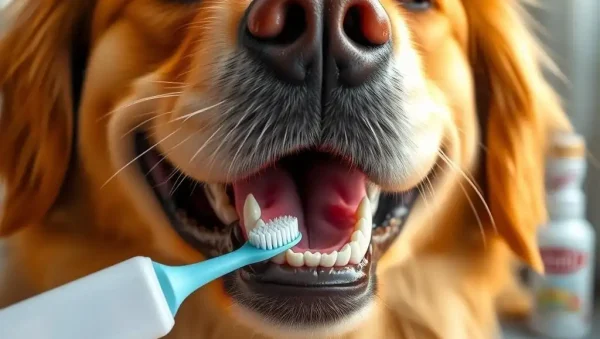
😊 PetCareWorld reveals affordable ways to maintain your pet's pearly whites! Discover cheap pet dental cleaning tips and budget-friendly products to ensure…
Read articleWelcome to our dedicated guide on the top pet dental care products for maintaining optimal oral hygiene. At PetCareWorld, we understand that dental health is a critical yet often overlooked pillar of overall pet wellness. This subcategory is your go-to resource for discovering effective toothbrushes, enzymatic toothpaste, dental chews, water additives, and oral gels designed for dogs, cats, and even exotic pets. Whether you are battling bad breath or preventing periodontal disease, our curated recommendations and expert insights will help you build a proactive dental regimen that keeps your companion’s smile bright and their body healthy.
Enzymatic toothpaste is a cornerstone of any pet dental care kit because it breaks down plaque and tartar without the need for harsh abrasives. Unlike human toothpaste, these formulas are safe to swallow and come in pet-friendly flavors like poultry, malt, and vanilla. Pairing them with a silicone finger brush or a dual-headed toothbrush ensures you can clean hard-to-reach areas, especially along the gumline where gingivitis typically starts. For puppies and kittens, starting with a finger brush helps desensitize them to oral handling, making future brushing sessions stress-free and effective.
When selecting a toothpaste, look for products containing glucose oxidase or lactoperoxidase, which actively reduce oral bacteria. Finger brushes provide better control than traditional brushes for small mouths, but you should replace them every two months or after any sign of wear. For multi-pet households, keep separate brushes per animal to prevent cross-contamination of oral bacteria. By incorporating these tools into a daily routine, you can significantly reduce the risk of dental disease, tooth loss, and costly veterinary cleanings down the line.
Dental chews are a favorite among pet owners because they combine treat time with mechanical plaque removal. Products like veterinary-approved rawhide alternatives, sweet potato chews, and textured dental sticks are designed to scrape away soft plaque while your pet chews. Many premium chews also contain enzymes like dextranase or papain, which further break down bacterial biofilms. For cats, smaller, flexible dental bites or freeze-dried chicken strips can help reduce tartar buildup without adding excessive calories. Always supervise your pet during chewing sessions to prevent choking hazards or ingestion of large fragments.
Not all chews are created equal, so look for the Veterinary Oral Health Council (VOHC) seal on packaging, which guarantees the product meets strict efficacy standards for plaque and tartar control. For dogs prone to aggressive chewing, choose dense, long-lasting options like bully sticks or kangaroo tendons, but avoid antlers or bones that can crack teeth. Incorporate chews into your routine two to three times per week, but remember they are a supplement—not a replacement—for active brushing. For overweight pets, factor the caloric intake of chews into their daily food allowance to maintain a healthy weight.
Water additives and oral rinses are an excellent solution for pets that resist brushing or for owners with busy schedules. These clear, tasteless liquids are added to your pet’s drinking water, and their active ingredients—such as chlorhexidine, zinc chloride, or citrus extracts—help reduce oral bacteria and freshen breath with every sip. Some advanced formulas also contain aloe vera or green tea polyphenols to soothe inflamed gums. For best results, use them daily and refresh the water bowl at least twice a day to maintain potency. This method is particularly beneficial for cats, who are notoriously difficult to brush.
Oral rinses are different from water additives; they are applied directly to the gumline using a syringe or applicator tip. These gels and sprays offer concentrated antibacterial action and can be used after meals or before bedtime. When choosing a rinse, opt for alcohol-free formulations to avoid stinging sensitive oral tissues. While these products are convenient, note that they are less effective at physically removing established plaque than brushing. Therefore, they work best as part of a multi-modal approach, especially for senior pets or those with pre-existing dental conditions. Always consult your vet before introducing new additives, particularly for pets with kidney or liver issues.
Pet toothbrushes come in a surprising variety of shapes and sizes to accommodate different breeds and species. For dogs, long-handled brushes with angled heads allow you to reach the back molars easily, while compact or circular brushes work well for cats and small-breed dogs. You will also find three-sided brushes that clean the outer, inner, and chewing surfaces simultaneously, cutting brushing time in half. Some kits include a dental scaler tool for manual tartar removal, but use these with extreme caution—improper scaling can damage enamel or injure the gumline. Instead, leave deep scaling to veterinary professionals.
When building a dental kit, consider your pet’s temperament and mouth size. For brachycephalic breeds like pugs or Persian cats, short, stubby brushes are easier to maneuver. For fearful pets, start with a soft silicone brush shaped like a thimble that resembles a toy. Many kits now come with dual-ended tools, featuring a brush on one side and a rubber massager on the other, which stimulates blood flow to the gums. Replace toothbrushes every three months or immediately after an illness, as bacteria can accumulate in the bristles. A well-stocked kit also includes dental wipes for quick post-meal cleanups, especially for pets that won’t tolerate a brush.
For pets with advanced gum disease or chronic bad breath, advanced oral gels provide a next-level solution. These products often contain clindamycin or doxycycline (available by prescription) to combat persistent bacterial infections, or natural alternatives like propolis and myrrh extract for mild inflammation. They are applied directly to the affected gum area, forming a protective barrier that prevents food particles from aggravating sore tissues. Some gels also include a numbing agent, like benzocaine, to relieve pain during teething or after dental procedures—these must be used strictly under veterinary guidance to avoid overdose.
Professional-grade options also include dental sprays with chlorhexidine gluconate at concentrations of 0.12% or higher, which you can use post-surgery or for severe halitosis. Additionally, consider dental wipes infused with coconut oil or lauric acid, which offer antibacterial properties while being gentle on sensitive mouths. These advanced products are not a DIY alternative for professional cleanings but act as maintenance tools between veterinary visits. Always monitor your pet for adverse reactions like drooling, vomiting, or changes in appetite when introducing any new topical oral product. If you notice any negative side effects, discontinue use and consult your veterinarian immediately.
Ideally, you should brush your pet’s teeth daily. However, if daily brushing is not feasible, aim for at least three to four times per week. Consistency matters more than intensity—using a quality enzymatic toothpaste and a proper brush for just two minutes each session will significantly reduce plaque buildup. Daily brushing is the gold standard for preventing periodontal disease.
Most dental chews are safe for adult pets, but puppies under six months should have softer, puppy-specific chews to avoid damaging developing teeth. Senior dogs with weakened gums or missing teeth may need extra-soft chews or alternative options like water additives. Always supervise chewing and choose a chew size that is larger than your pet’s mouth to prevent swallowing.
No, water additives are a valuable supplement but not a replacement for brushing. They help reduce bacteria and freshen breath, but they cannot physically remove established plaque or tartar. For best results, use water additives daily alongside brushing two to three times per week. This combined approach provides comprehensive protection against gum disease.
Common signs include persistent bad breath, yellow or brown tartar on teeth, red or swollen gums, bleeding after brushing, difficulty eating, pawing at the mouth, or loose teeth. If you notice any of these symptoms, schedule a veterinary dental check-up. Professional cleanings under anesthesia are often necessary to address deep tartar and prevent tooth loss.
Start slowly by letting your pet taste the toothpaste from your finger, then gently lift the lips for a few seconds and reward with treats. Progress to using a finger brush wrapped in a small amount of toothpaste, then graduate to a full toothbrush. Keep sessions short, positive, and consistent, and always follow with praise or a high-value treat.