Flea & Tick Prevention on a Budget: PetCareWorld's Affordable Solutions
😊 Protect your beloved pets from fleas and ticks without breaking the bank! PetCareWorld reveals affordable, effective prevention strategies, ensuring your furry…
Read article
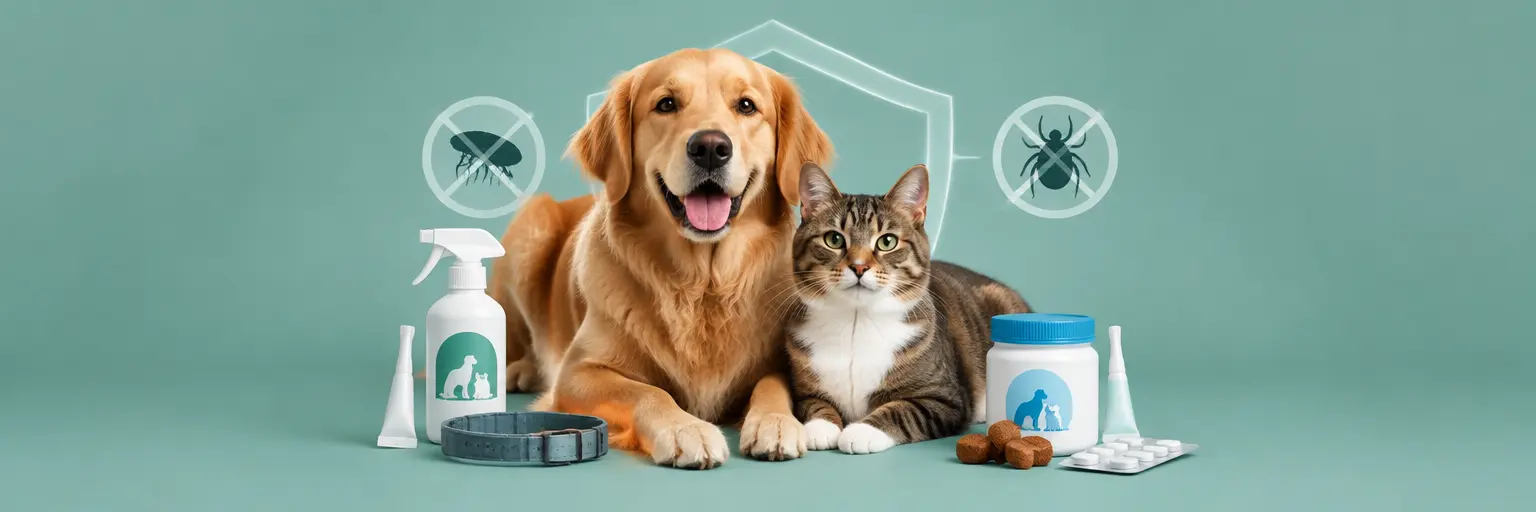
Looking for reliable flea and tick prevention products for your furry friend? 🐾 You’re in the right place. Effective flea and tick control is essential for your pet’s health and comfort, as these pesky parasites can cause skin irritation, allergic reactions, and even transmit serious diseases like Lyme disease or tapeworms. 🦠 Our curated selection focuses on vet-recommended, proven solutions—from topical treatments, oral tablets, and collars to shampoos and home sprays—so you can find the perfect match for your pet’s lifestyle, age, and species. Whether you have a playful puppy, a senior cat, or a multi-pet household, we highlight long-lasting protection, fast-acting formulas, and safe, gentle ingredients that won’t compromise your pet’s well-being. Say goodbye to scratching and hello to peace of mind with year-round, all-season defense that keeps your home and yard flea-free too. Explore our top picks and expert tips to ensure your pet stays happy, healthy, and protected—because prevention is always better than treatment. 🛡️

😊 Protect your beloved pets from fleas and ticks without breaking the bank! PetCareWorld reveals affordable, effective prevention strategies, ensuring your furry…
Read article
😊 Discover PetCareWorld's expert review of the best ecofriendly flea and tick treatments for your beloved pet. We analyze top products, ensuring…
Read article
🤔 PetCareWorld's expert comparison of SpotOn vs. topical flea and tick treatments helps pet owners choose the best preventative solution for their…
Read articleWelcome to PetCareWorld’s dedicated subcategory on effective flea and tick prevention products for pets. Here, we dive deep into the science, safety, and practical application of the most trusted solutions available today. Whether you’re a seasoned pet parent or a new guardian, navigating the myriad of collars, topicals, oral chews, and sprays can be overwhelming. Our goal is to demystify these options, highlight the latest innovations in parasite control, and help you choose the right product based on your pet’s species, age, weight, and lifestyle. From veterinarian-recommended brands to natural alternatives, we cover it all to ensure your furry friend stays happy, itch-free, and healthy all year round.
Topical spot-on treatments remain one of the most popular choices for both cat and dog owners due to their ease of use and extended protection. These liquid formulas, applied directly to the skin between the shoulder blades, work by spreading through the natural oils of your pet’s coat, killing fleas and ticks on contact. Key brands like Frontline Plus, Advantage II, and Revolution offer waterproof formulas that remain effective for up to 30 days, making them ideal for active pets that love swimming or rainy-day walks.
When choosing a spot-on, it’s crucial to select one that targets your pet’s specific weight range and species—never use dog products on cats, as they can be toxic. Expect rapid results: most fleas die within 12 hours of application, and the product also disrupts the flea life cycle by killing eggs and larvae. We recommend rotating between a few different active ingredients (like fipronil, imidacloprid, or selamectin) to prevent resistance buildup in local pest populations. Always read labels for age restrictions (e.g., 8 weeks for puppies, 12 for kittens).
Oral preventatives have surged in popularity thanks to their convenience, palatability, and rapid efficacy. Chewable tablets like NexGard, Bravecto, and Simparica Trio are flavored beef or chicken treats that your pet will happily devour, eliminating the hassle of messy applications. These medications enter the bloodstream, killing fleas before they can lay eggs and ticks after they bite—often within hours. Some oral products also provide broad-spectrum protection against heartworms, roundworms, and hookworms, making them a multi-functional component of your pet’s health plan.
One of the biggest advantages is that oral chews are unaffected by bathing, swimming, or heavy rain, unlike topical options. However, they require a prescription from your veterinarian, as they are systemic drugs that must be dosed precisely based on your pet’s weight and health status. Expect protection that lasts from one month (e.g., Simparica) to up to three months (e.g., Bravecto), reducing the frequency of dosing. Be mindful of potential side effects like mild gastrointestinal upset, and always discuss history of seizures with your vet before starting any isoxazoline-class product.
Modern flea collars have evolved far beyond the old plastic bands of the past. Seresto and other veterinary-grade collars now use a polymer matrix that slowly releases imidacloprid and flumethrin directly onto your pet’s skin and coat for up to 8 months of continuous protection. This is a fantastic option for owners who forget monthly treatments or have multiple pets, as each collar provides long-lasting, water-resistant coverage without the need for monthly maintenance. The active ingredients repel and kill fleas, ticks, and even lice on contact, reducing the need for bites to occur.
For optimal effectiveness, ensure the collar fits snugly—you should be able to fit two fingers between the collar and your pet’s neck. Trim the excess band to prevent hanging, and replace it if it becomes wet for prolonged periods or damaged. While collars are generally safe, they may cause local skin irritation in some animals; monitor for redness or hair loss. They are an excellent choice for pets that object to topicals or pills, and they are cost-effective in the long run when comparing per-month cost to other monthly preventatives.
For pet owners seeking a more holistic approach, natural and herbal flea and tick products offer a gentler line of defense. Options include cedar oil sprays, neem oil-based shampoos, and powders containing diatomaceous earth or citrus extracts. These products typically repel parasites rather than kill them instantly, making them site-specific solutions for pets with sensitive skin, pregnant animals, or households with small children. When used in conjunction with regular grooming and home cleaning, they can reduce the chemical load on your pet while still providing a level of deterrence.
However, it’s vital to manage expectations: natural products are rarely as potent or long-lasting as their pharmaceutical counterparts. They often require reapplication every few days or after exposure to water. We advise using them as a supplementary layer in hot climates or high-infestation areas, not as your sole prevention method. Before trying any herbal remedy, consult your vet to ensure it won’t interact with other medications your pet is taking. Look for certifications like OMRI (Organic Materials Review Institute) to guarantee product purity and quality.
Effective flea and tick control extends beyond your pet—your home environment plays a significant role in preventing re-infestation. Environmental sprays, such as those containing insect growth regulators (IGRs) like pyriproxyfen or methoprene, target flea eggs, larvae, and pupae hiding in carpets, bedding, and upholstery. Products like Vet’s Best Flea and Tick Home Spray combine essential oils with natural IGRs to break the lifecycle without harsh fumes. Treating your home every 2-4 weeks during peak season is essential, especially if your pet has had a recent infestation.
In addition to sprays, consider using flea powders for rugs and a vacuum cleaner with a HEPA filter to physically remove eggs and pupae from your living area. Wash all pet bedding weekly in hot water (above 140°F) to kill remaining stages. For outdoor areas, focus on shady, moist spots where ticks thrive by applying safe yard treatments or spread moisture-absorbing gravel. Remember, treating the environment reduces the rescue population constantly trying to hop onto your pet, making your pet’s topical or oral prevention far more effective and reducing the risk of the cycle continuing.
Oral chewables like Capstar (nitenpyram) are the fastest, killing adult fleas within 30 minutes to 4 hours. However, they provide only 24-48 hours of protection, so they pair well with a longer-term monthly product like NexGard or Frontline to kill all life stages and prevent future infestations.
Absolutely not. Dog products often contain permethrin, which is highly toxic to cats and can cause tremors, seizures, or death. Always purchase species-specific formulas. For multi-pet households, separate them after application until the product dries to prevent transfer.
For monthly topicals like Advantage II, apply every 30 days without fail. For oral chews like Bravecto, dosing is every 12 weeks. In high-risk areas with heavy tick seasons, some vets recommend a shorter interval for topical products, but never exceed label instructions. Consistency is key—missed doses allow fleas to return and lay eggs.
Even natural essential oils (e.g., tea tree, eucalyptus) can be harmful to young animals due to their sensitive skin and developing livers. Most natural products have an age limit (often 12 weeks). Always check the label, and for pets under 8 weeks, rely on mechanical removal with a flea comb and regular bathing with mild dish soap only.
Immediately wash the product off with mild dish soap and warm water to remove as much as possible. Monitor for symptoms like excessive drooling, vomiting, lethargy, or skin irritation. Call your veterinarian or the ASPCA Animal Poison Control (888-426-4435) right away. Report the reaction to the manufacturer and your vet to guide future product choices. Do not reapply any flea product until your pet has been fully cleared.