Avian Vet Second Opinions: When and Why to Seek Additional Expertise
🤔 Unsure about your bird's diagnosis? PetCareWorld explains when a second opinion from an avian vet is crucial for your feathered friend's…
Read article

Finding the right avian veterinarian is one of the most critical decisions you’ll make for your feathered companion’s health and happiness. Unlike cats and dogs, birds have unique anatomical and physiological needs that require specialized knowledge—so a general practitioner simply won’t do. When selecting a qualified avian vet, look for board certification through organizations like the ABVP (American Board of Veterinary Practitioners) in avian practice, as this signals advanced training and expertise. Additionally, consider the clinic’s emergency care availability and whether they offer routine wellness exams, diagnostic imaging, and surgical services tailored to birds. A great avian vet should also prioritize preventive care, including nutritional counseling and parasite screening, while demonstrating a gentle, low-stress handling approach. Don’t hesitate to ask about their experience with your specific bird species—whether it’s a parrot, finch, or raptor—and check for a referral or a tour of the facility to assess cleanliness and equipment.
🤔 Unsure about your bird's diagnosis? PetCareWorld explains when a second opinion from an avian vet is crucial for your feathered friend's…
Read article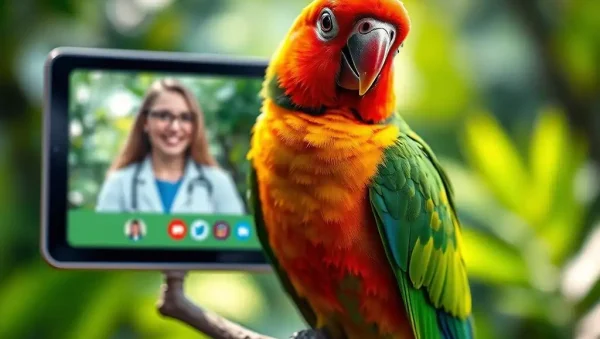
🤔 Discover if bird telehealth vet options offer a convenient and effective alternative to traditional avian veterinary care. PetCareWorld explores the pros…
Read articleBirds are masters of disguise when it comes to illness, often hiding symptoms until a condition is advanced. That’s why choosing a qualified avian veterinarian is one of the most critical decisions you’ll make as a bird owner. Unlike general practice vets, avian specialists undergo extra training in bird anatomy, nutrition, and species-specific diseases. This guide walks you through the essential factors—from credentials and facility checks to emergency availability and communication style—so you can confidently select a vet who will keep your feathered friend thriving for decades.
The first non-negotiable is board certification or equivalent advanced study. In the U.S., look for a Diplomate of the American Board of Veterinary Practitioners (ABVP) with an Avian specialty. This designation means the vet passed rigorous exams beyond standard veterinary school. In other regions, ask about post-graduate avian medicine certificates or memberships in groups like the Association of Avian Veterinarians (AAV). Don’t hesitate to ask directly: “What percentage of your practice is avian?” A vet who sees birds daily is far more adept at spotting subtle signs like a slightly ruffled feather pattern or a change in droppings that signals a budding infection.
Additionally, inquire about their experience with your specific bird species—a budgie is not a macaw, and a chicken is not a cockatoo. Some vets excel with parrots but lack farm or pigeon experience. Ask for references or case examples, and check their continuing education log. Avian medicine evolves quickly, especially regarding nutrition and infectious diseases like Polyomavirus or avian bornavirus. A qualified vet will proudly share recent conferences attended or publications. If they hesitate or give vague answers, treat that as a red flag and keep searching.
Visit the clinic before you need it. A dedicated avian vet should have separate waiting areas or at least staggered appointment times for birds to minimize stress and exposure to predators (cats, dogs). Observe whether staff handle birds with towels or nets gently and calmly. Check that anesthesia equipment is sized appropriately—birds require specialized masks, endotracheal tubes, and heated perches during procedures. The exam room should have proper scales (grams, not pounds), perches of varied diameters, and a quiet, warm environment. Ask to see the treatment area; it should be clean, well-ventilated, and free of strong chemical odors that could harm sensitive avian respiratory systems.
Also, ask about in-house diagnostics. Can they run blood work, radiographs (X-rays), and cultures on-site? Rapid results matter because birds deteriorate quickly. A clinic that sends samples to an external lab is acceptable but may delay critical treatment. Inquire about hospitalization facilities—will your bird stay in a quiet, temperature-controlled incubator if needed? Just as importantly, observe how the vet interacts with your bird during the first visit. Do they let your bird step up willingly, or do they grab? The right vet prioritizes low-stress handling and will often sit and talk with you while observing your bird’s posture and behavior from across the room.
Birds are experts at hiding pain, so an emergency can strike at any hour—a broken blood feather, an egg binding crisis, or sudden lethargy. You must know your vet’s after-hours protocol before an emergency happens. Ask: Do you offer emergency services, or do you partner with a specific 24-hour emergency hospital? If they refer, get the name, address, and phone number of that facility. Then call that hospital to confirm they actually see birds, not just cats and dogs. Some general emergency vets refuse avian cases or lack the equipment (like incubators) to stabilize a critical bird.
Even better, ask about telemedicine or phone triage. Many qualified avian vets offer a call-back service for current clients to help you decide if a visit is needed overnight. Clarify the costs of an emergency visit and any deposit requirements. Also, ask how they handle common after-hours issues like bleeding or suspected poisoning. A good practice will give you a written emergency action plan on the first visit, including first-aid steps you can take at home while traveling to the clinic. Knowing you have a reliable safety net can mean the difference between life and death for your feathered companion.
A truly qualified avian vet is also a teacher. During your first wellness exam, they should spend time discussing diet (pellets vs. seeds), environmental enrichment, cage placement, and toxic hazards (like Teflon fumes or avocado). They should ask about your bird’s daily routine, sleep schedule, and droppings. If they rush through the exam or dismiss your questions, that’s a poor fit. Great avian vets recognize that you are the first line of defense, so they openly share what to monitor at home—like daily weight checks, which can catch illness weeks before visible symptoms.
Also, evaluate how they deliver difficult news. Will they explain treatment options with clear cost breakdowns and success probabilities, or do they push invasive procedures without alternatives? A collaborative vet respects your budget and emotional readiness. Look for a practice that sends follow-up educational emails, provides handouts on bird-proofing your home, or offers free phone consultations post-diagnosis. The best relationships are built on mutual trust—your vet values your observations, and you value their expertise. If you ever feel talked down to or ignored, trust that instinct and find someone who makes you feel empowered as a caregiver.
Avian vet care can be expensive—a wellness exam may run $50–$150, and surgery or hospitalization can escalate quickly. A qualified vet will provide itemized estimates before any procedure and discuss payment options. Ask about membership plans or wellness packages that bundle annual exams, fecal tests, and nail trims for a reduced rate. Some clinics offer third-party financing like CareCredit. Inquire about the cost of common diagnostics—a basic blood panel, for example, should be quoted upfront. Beware of vets who avoid discussing prices or pressure you into unnecessary tests without explanation.
You should also ask about preventable care costs: how much for a wing trim, beak trim, or annual DNA sexing? Understand what’s included in an “exam” fee—does it cover a fecal float or only the physical check? Consider setting up a dedicated savings account for your bird’s health. Many seasoned bird owners recommend budgeting at least $500–$1,000 per year for routine care, plus a buffer for emergencies. A transparent vet will help you prioritize care based on your budget, suggesting which vaccinations (if any) or screenings are truly essential for your species and lifestyle. Ultimately, the cheapest vet isn’t the best value if their recommendations are substandard.
For most pet birds, a wellness exam at least once a year is recommended, but many specialists suggest every six months for older birds or those with chronic conditions like obesity or feather plucking. Annual blood work and fecal tests can catch hidden issues. After the first visit, your vet will advise a schedule based on your bird’s species, age, and risk factors.
A regular vet trained in general animal medicine may rarely see birds. A certified avian vet (ABVP-Avian) has completed a residency or equivalent experience, passed a rigorous board exam, and spends a majority of practice on birds. They understand avian-specific anatomy, diseases, anesthesia protocols, and nutrition—critical because birds are not small dogs or cats.
Only if that hospital explicitly states they have avian capabilities. Most general ERs lack proper equipment—like small anesthesia circuits, heated cages, and species-appropriate medications—and may cause more stress. Always pre-identify an avian-capable emergency facility and keep its contact info visible. If none exists, ask your regular avian vet for their after-hours protocol.
Bring your bird in a secure, well-ventilated carrier, ideally with a familiar perch. Also bring a fresh sample of droppings (within a few hours, kept cool) in a sealed container, plus any previous medical records, a list of foods and supplements you offer, and photos of the cage setup. Write down your top three concerns so you don’t forget them during the visit.
Watch how they handle your bird—gentle, confident restraint without grabbing or excessive force is a good sign. Ask for case examples and whether they have avian-specific surgical equipment. A vet who asks detailed questions about your bird’s environment and droppings demonstrates genuine engagement. Also, check online reviews from other bird owners and ask local bird clubs for recommendations.