Emergency Ready? Inquiring About a Dog Walker's Response Plan
🤔 Is your dog walker prepared for emergencies? PetCareWorld explores crucial questions about their emergency response plan, ensuring your canine companion's safety…
Read article
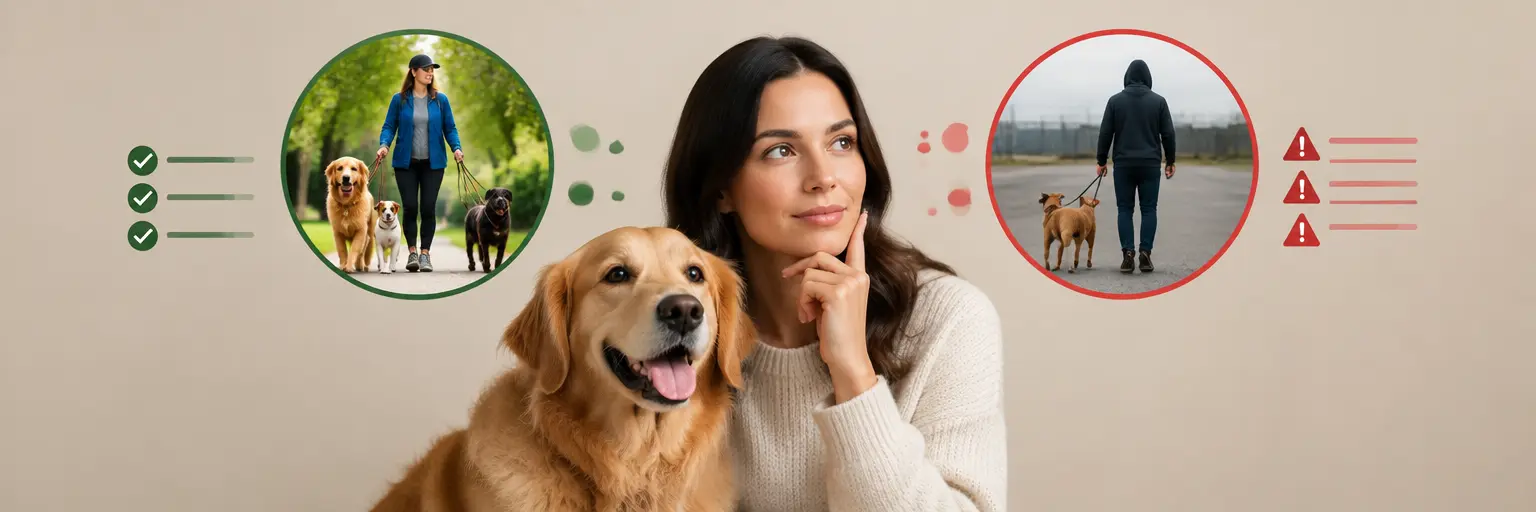
Choosing the right dog walker is one of the most important decisions you’ll make for your furry friend’s happiness and safety, but with so many options, how do you separate a true professional from a potential nightmare? This guide walks you through the essential questions to ask before you hand over your leash, covering everything from emergency protocols to insurance coverage. We’ll also highlight critical red flags—like vague communication or a lack of live GPS tracking—that should make you pause and reconsider. Whether you’re a new pet parent or a seasoned owner, learning how to vet walkers properly ensures your dog gets loving, reliable, and secure care every single walk. Don’t leave your best friend’s wellbeing to chance; arm yourself with the insights you need to make a confident, informed choice. 🐾
🤔 Is your dog walker prepared for emergencies? PetCareWorld explores crucial questions about their emergency response plan, ensuring your canine companion's safety…
Read article
🤔 Considering individual dog walks? PetCareWorld helps you find the perfect fit! Learn what crucial dog walker questions to ask to ensure…
Read articleEntrusting your furry family member to a dog walker is a significant decision. At PetCareWorld, we understand that your dog’s safety, happiness, and routine depend on finding a trustworthy professional. This guide goes beyond surface-level tips, diving deep into the essential questions you must ask and the critical red flags that signal trouble. Whether you are a new pet parent or a seasoned owner, mastering this vetting process ensures your canine companion receives the best possible care, giving you complete peace of mind while you are away. Let’s explore how to choose a walker who treats your dog like their own.
Selecting a dog walker is about more than convenience; it is a matter of safety and well-being. A reputable walker is trained in canine behavior, first aid, and emergency protocols. They understand that every walk involves unpredictable encounters with other dogs, traffic, or wildlife. Without proper vetting, you risk exposure to negligent handlers who may skip leash laws, ignore your dog’s anxiety, or fail to notice health distress. By asking the right questions and observing red flags, you actively minimize risks, ensuring your dog returns home happy, exercised, and safe. This process protects your pet from harm and guards you against liability, creating a professional, accountable relationship that thrives on trust.
Moreover, consistent, positive walking experiences are foundational to your dog’s behavioral health. A skilled walker reinforces your training cues, provides mental stimulation, and manages your dog’s energy appropriately. Conversely, an unvetted walker might inadvertently reinforce pulling, reactivity, or fearfulness. Investing time in vetting directly translates into a more balanced, well-adjusted dog. It also fosters a smoother daily routine, as your pet eagerly anticipates those midday adventures. The bottom line: vetting is not a mere formality—it’s a proactive measure that safeguards your dog’s physical and emotional health, ultimately enriching the bond you share with your canine companion.
Your interview should feel like a two-way conversation, not an interrogation. Start with experience and training by asking: “How long have you been walking dogs professionally?” and “What specific training or certifications do you hold?” Look for credentials like CPR/First Aid certification or memberships in professional pet associations. Next, probe into their daily routine: “How many dogs do you typically walk at once?” and “How do you handle off-leash encounters?” A responsible walker will explain their leash policies and group size limits, usually favoring solo walks or small groups to ensure individual attention. Also, ask about their cancellation policy, backup plans for illness, and how they manage extreme weather. These questions reveal organization, reliability, and proactive care.
Don’t stop at logistics; delve into behavior management. Ask, “How do you correct bad behavior on a walk?” and “What if my dog pulls or shows aggression?” A professional should describe positive reinforcement techniques and clearly state what they will never do (e.g., physical punishment or prong collars). Inquire about their familiarity with your dog’s breed and energy level. For example, a high-energy husky requires a different approach than a senior pug. Finally, request references or reviews from current clients. Speaking directly to other pet owners offers unvarnished insight into reliability and trustworthiness. Combine these questions with your own observations to build a comprehensive picture of their competence and ethics.
Trust your instincts—if something feels off, it usually is. One glaring red flag is a walker who is reluctant to meet you in person or refuses to provide proof of insurance and bonding. Legitimate professionals carry liability coverage to protect themselves and you. Another major warning sign is a lack of questions about your dog. If they don’t ask about medical conditions, behavioral triggers, or emergency contacts, they are not prioritizing your pet’s individual needs. Similarly, be wary of walkers who promise a “pack walk” with ten or more dogs; this often leads to supervision lapses and increased risk of fights or accidents. Inadequate leash handling or visible frustration during a meet-and-greet is an immediate disqualifier.
Equally concerning are vague or inconsistent answers regarding emergency procedures. If a walker cannot clearly explain what they would do if your dog bolts or gets injured, they lack critical preparedness. Red flags also include excessive turnover among their clientele, reluctance to share references, or a history of lost dogs mentioned in online reviews. Pay attention to their body language and attitude—are they dismissive of your concerns or overly casual about safety rules? A professional walker should be professional, communicative, and meticulous. If you notice any of these warning signs, don’t rationalize them away. Your dog’s life depends on your discernment. Always choose someone who demonstrates genuine passion, accountability, and transparent practices from the very first interaction.
Professional protection is non-negotiable in the dog walking industry. Insurance covers medical expenses if your dog injures another animal or person while under the walker’s care, while bonding protects you against theft or property damage. Always ask for proof of current policies and verify their validity with the issuing agency. Beyond insurance, a reputable walker will provide a detailed service contract. This document should outline fees, cancellation terms, walking routes, key handoff procedures, and permission to seek veterinary care in emergencies. Read every clause carefully. A thorough contract demonstrates professionalism and sets clear expectations, preventing misunderstandings down the road. If a walker hesitates to provide paperwork, that’s a significant concern.
Moreover, discuss how they handle your house key or access codes. Security protocols—like using a lockbox or tracking key whereabouts—show they respect your home. Inquire about their communication policy: do they send photo updates or GPS maps after each walk? While not essential, transparent communication is a strong indicator of reliability. Ask about their policy for missed visits, such as if they get stranded or fall ill. Reputable walkers have backup walkers or a team to cover emergencies. Clarify if your contract addresses liability for key loss or unauthorized entry. Ultimately, written agreements and proper insurance protect you, your dog, and the walker, ensuring a professional relationship built on mutual trust and legal clarity.
The meet-and-greet is your opportunity to see practical skills in real time. Schedule a session where you, your dog, and the walker walk together in a neutral, familiar area. Observe how the walker approaches your dog—do they crouch down, wait for the dog to come to them, or rush in excitedly? A calm, patient approach is a positive sign. Hand the leash to the walker and watch their handling technique. Do they keep the leash loose but controlled? Do they maintain awareness of the environment, avoiding hazards like broken glass or aggressive dogs? Throughout the trial, ask them to demonstrate basic commands like “sit” or “leave it.” Their ability to follow through reveals training proficiency and behavioral modification skills.
Assess how your dog reacts to them—does your pet appear relaxed, eager, or anxious? Trust your dog’s instincts; they are often excellent judges of character. Also, test their response to unexpected distractions, like a passing squirrel or a noisy truck. A skilled walker will remain composed, redirecting your dog’s attention without force. During the debrief, ask for their honest observations about your dog’s behavior on the walk. A good walker will offer constructive feedback about leash manners or anxiety indicators, demonstrating attentive observation. Remember to discuss any adjustments they recommend, like using a harness or changing the walking route. A successful trial walk leaves you feeling confident and your dog happy—this is the gold standard for choosing your walker.
The most critical question is about emergency protocols: “What is your exact plan if my dog gets injured or escapes during a walk?” A reputable walker will explain their immediate actions, from calling you to contacting a vet and securing the area. This reveals their preparedness, experience level, and commitment to your dog’s safety above all else.
Ask for a copy of their insurance certificate and bonding documents, then contact the issuing agency to confirm the policies are active. Reputable walkers eagerly provide these details, and you can also check with your local business bureau or professional pet care associations for additional verification and any complaints.
Yes, extremely low pricing often signals inexperience, lack of insurance, or compromised safety standards. Professional walking requires time, insurance costs, and skilled care. Extremely cheap rates usually mean cut corners, larger groups, or inadequate supervision. Compare local averages and prioritize value and safety over saving a few dollars.
Absolutely not. Reputable walkers use positive reinforcement methods and avoid aversive tools that can cause physical and emotional harm. If a walker suggests using shock collars or choke chains, that’s a major red flag indicating outdated, harmful training philosophies. Always choose a force-free, reward-based approach for your dog’s well-being.
Immediately document the injury with photos, contact your vet for a proper assessment, and notify the walker in writing. Review your service contract to see if they have liability clauses. A responsible walker will report the incident transparently, cover reasonable veterinary costs if negligence occurred, and adjust future safety protocols to prevent recurrence.