
Common Mistakes Pet Owners Make When Dealing With Cat Aggression


Welcome to PetCareWorld, your ultimate guide to a happier, healthier life for your beloved companion! Are you struggling with unwanted feline aggression? Discover the common mistakes pet owners make when dealing with aggressive cat behavior and learn how to transform your relationship with your cat. Uncover the secrets to peaceful co-existence and unlock a deeper bond with your furry friend – explore our expert advice and start building a more harmonious home today!
- Understanding the Roots of Feline Aggression: Why Cats Act Out
-
Common Mistakes in Managing Cat Aggression: What Not To Do
- Punishment as a Solution: Why Discipline Worsens Aggressive Cat Behavior
- Ignoring the Problem: The Dangers of Neglecting Aggressive Cat Behavior
- Inconsistent Approaches: The Importance of Consistency in Training and Management
- Lack of Environmental Enrichment: How Boredom Fuels Aggressive Behavior in Cats
- Failure to Provide Adequate Resources: Competition and Resource Guarding in Cats
-
Effective Strategies to Avoid Aggressive Cat Behavior: Positive Reinforcement Techniques
- Positive Reinforcement Training: Rewarding Desired Behaviors in Cats
- Desensitization and Counter-Conditioning: Gradually Reducing Fear and Anxiety
- Creating a Safe and Enriching Environment: Reducing Stress and Promoting Calmness
- Identifying and Addressing Underlying Issues: Tackling the Root Causes of Aggression
- Seeking Professional Help: When to Consult a Veterinarian or Animal Behaviorist
- Preventing Future Aggressive Behavior: Proactive Measures for Cat Owners
-
Frequently Asked Questions
- What are some common mistakes pet owners make when dealing with cat aggression?
- How can I tell if my cat's aggression is due to fear or pain?
- My cat suddenly became aggressive. What should I do?
- What training methods are effective for managing cat aggression?
- Are there specific breeds of cats more prone to aggression?
- Final Reflection: Reclaiming Harmony: Understanding and Preventing Cat Aggression
- Unlock Your Cat's Purrfect Potential: Transform Your Relationship Today!
Understanding the Roots of Feline Aggression: Why Cats Act Out
Feline aggression, while sometimes alarming, is rarely random. Understanding the underlying causes is crucial to effectively managing and mitigating aggressive behaviors in cats. This article aims to equip you with the knowledge to avoid aggressive cat behavior, helping you build a harmonious relationship with your feline companion.
We'll explore common mistakes pet owners make, focusing on recognizing triggers, correctly interpreting body language, and identifying potential underlying medical issues. By addressing these key areas, you can significantly reduce the likelihood of aggressive incidents and create a safer, more peaceful environment for both you and your cat. Ignoring aggressive behaviors can lead to escalating problems, potentially harming both the cat and its owner.
This guide provides practical strategies for preventing and addressing aggression, promoting a healthier and happier bond with your beloved pet. Learning to understand your cat's communication and addressing potential health concerns are key steps in creating a positive and safe living environment.
Identifying Triggers: Recognizing Situations That Elicit Aggressive Behavior in Cats
Cats, unlike dogs, often exhibit aggression subtly at first. Many owners misinterpret these early warning signs, leading to escalation. Common triggers include: resource guarding (food, water, toys, resting places), territorial disputes (new pets, changes in the home environment), fear and anxiety (loud noises, strangers), pain (arthritis, dental issues, infections), and even play-related aggression (over-stimulation).
For example, a cat hissing or flattening its ears might be a clear sign of discomfort or impending aggression. A sudden change in routine, like a new family member or a move, can also significantly impact a cat's behavior and increase the likelihood of aggression. Keeping a detailed log of when and why aggressive incidents occur can help pinpoint specific triggers.
This detailed record can then be used to modify the environment or implement strategies to mitigate the triggers. This proactive approach is far more effective than reacting to aggression after it occurs. Remember, understanding your cat's individual personality and identifying its specific triggers is paramount to successful aggression management.
Misinterpreting Cat Body Language: Avoiding Misunderstandings That Lead to Conflict
Many conflicts arise from a simple misunderstanding of feline communication. Cats don't express themselves in the same way as dogs. While a dog might bark or whine, a cat might display subtle signs of discomfort or distress that are easily overlooked.
For instance, slow blinking is a sign of feline affection and trust, while a puffed tail, flattened ears, and dilated pupils clearly indicate fear or aggression. Ignoring these subtle cues can lead to unintentional provocation and escalate the situation. Similarly, approaching a cat when it’s eating or sleeping can be interpreted as a threat, leading to defensive aggression.
Respecting your cat's personal space and understanding its body language is crucial for preventing aggressive encounters. Learning to recognize these subtle signs can help you avoid triggering unwanted behaviors and create a safer environment for your cat. Consider enrolling in a cat behavior course or consulting with a certified cat behaviorist for more in-depth training.
Underlying Medical Conditions: Ruling Out Physical Causes of Aggression in Cats
Before attributing aggression to behavioral issues, it's vital to rule out any underlying medical conditions. Pain, discomfort, or cognitive decline can significantly alter a cat's behavior, leading to increased irritability and aggression. Conditions such as hyperthyroidism, kidney disease, dental problems, and arthritis can all contribute to aggressive displays. Regular veterinary check-ups are essential for early detection and treatment of such conditions.
A thorough physical examination, including blood tests and urinalysis, can help identify any underlying medical problems. Treating the underlying medical issue often resolves the aggressive behavior, highlighting the importance of proactive veterinary care. Don't assume aggressive behavior is purely behavioral; a veterinary consultation is a crucial first step in addressing the issue comprehensively. Ignoring potential medical causes can lead to unnecessary stress for both the cat and the owner, delaying effective treatment and potentially worsening the situation.
Common Mistakes in Managing Cat Aggression: What Not To Do
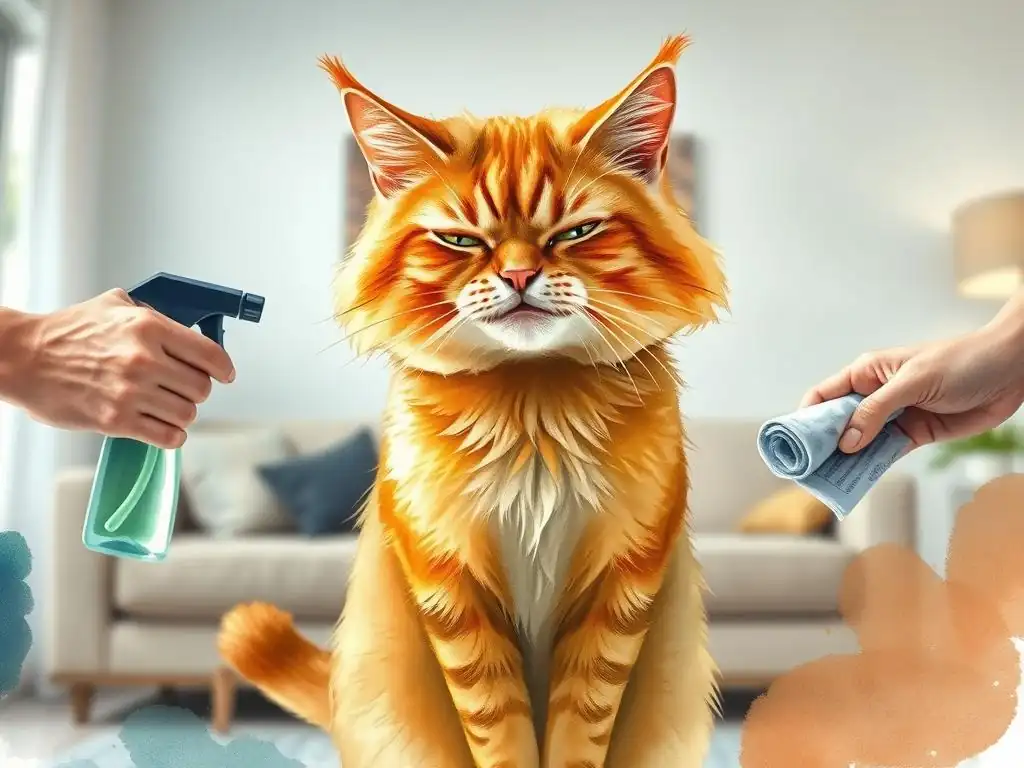
Understanding feline aggression is crucial for responsible pet ownership. Many well-meaning cat owners unintentionally exacerbate aggressive behaviors through misguided approaches. This section highlights common mistakes to avoid when dealing with an aggressive cat, helping you navigate this challenging situation effectively and promoting a harmonious relationship with your feline companion. Successfully avoiding aggressive cat behavior requires patience, understanding, and the right strategies.
Punishment as a Solution: Why Discipline Worsens Aggressive Cat Behavior
Punishing a cat for aggressive behavior is counterproductive and often harmful. Cats don't understand human concepts of punishment in the same way dogs do. Instead of learning to associate their actions with negative consequences, punishment typically leads to increased fear, anxiety, and ultimately, more aggression. This is because the cat may become more fearful and reactive, associating the punishment with the person, rather than the specific behavior.
For example, yelling at a cat that swipes at you will likely only make it more fearful of you and more prone to lashing out defensively in the future. This can even lead to a vicious cycle where the cat's fear triggers more aggression, prompting further punishment and reinforcing the negative pattern. Instead of punishment, focus on understanding why your cat is exhibiting aggression. Underlying medical conditions, territorial issues, or learned behaviors can all contribute to aggressive displays.
This negative reinforcement can manifest in various ways: a cat might become more secretive, hiding when you approach, or it might become more aggressive in anticipation of potential punishment. The ideal approach focuses on positive reinforcement and creating a safe, predictable environment.
Ignoring the Problem: The Dangers of Neglecting Aggressive Cat Behavior
Ignoring aggressive cat behavior is equally detrimental. Aggression isn't simply a phase that will magically disappear; it often indicates underlying issues that need addressing. Neglecting the problem allows the behavior to escalate, potentially leading to serious consequences. This could involve injuries to family members, other pets, or even the cat itself, as it might engage in self-harm due to stress and anxiety.
Consider this scenario: A cat consistently hisses and swipes at children. Ignoring this behavior might lead to a child being scratched, possibly requiring medical attention. Furthermore, the cat's aggression might worsen, leading to more severe attacks. Ignoring the problem also prevents early intervention, making it harder to address the root cause and implement effective management strategies. Early intervention is key for modifying aggressive behavior and creating a safer environment for everyone.
The potential consequences of inaction extend beyond immediate physical harm. Chronic stress from unresolved aggression can significantly impact the cat's overall well-being, potentially leading to health problems. A proactive approach, involving professional veterinary or behavioral guidance, is far more beneficial in the long run.
Inconsistent Approaches: The Importance of Consistency in Training and Management
Inconsistency in training and management is a major obstacle to overcoming cat aggression. Cats thrive on routine and predictability. If you sometimes react to aggression by yelling and other times by ignoring it, your cat will become confused and its behavior will likely remain unpredictable. Consistency is key to effective behavior modification.
Imagine a cat that displays aggression during feeding time. If one day you react by removing the food, and another day you allow the cat to continue eating aggressively, you are sending mixed signals. This lack of consistency will only serve to reinforce the aggressive behavior, as the cat learns that its actions sometimes lead to a desired outcome (access to food) and sometimes don't.
A consistent approach ensures that your cat learns to associate specific behaviors with clear consequences. This requires a well-defined plan, involving strategies like positive reinforcement, environmental enrichment, and potentially, professional guidance. Consistency provides the framework for your cat to learn and adapt, ultimately leading to a calmer and more harmonious coexistence. Remember, patience and understanding are crucial components of effective cat behavior management.
Lack of Environmental Enrichment: How Boredom Fuels Aggressive Behavior in Cats

Cats, despite their reputation for independent behavior, require significant environmental enrichment to prevent boredom and the resultant frustration that often manifests as aggression. A lack of stimulation can lead to pent-up energy and frustration, triggering aggressive outbursts towards humans or other pets. Imagine a cat confined to a small space with limited opportunities for exploration, climbing, or hunting. This restricted environment can quickly become a breeding ground for undesirable behaviors. The cat may exhibit excessive vocalization, destructive scratching, or even biting and swatting as a means of expressing its dissatisfaction and pent-up energy.
Providing adequate enrichment involves creating a stimulating environment that caters to a cat's natural instincts. This includes providing vertical space with cat trees or shelves for climbing and perching, scratching posts to satisfy their scratching needs, and interactive toys that encourage play and hunting behaviors. Puzzle feeders can also be incredibly beneficial, stimulating their minds and providing a sense of accomplishment as they work to access their food.
Rotating toys regularly keeps things interesting and prevents the cat from becoming bored with its playthings. Remember, a stimulated cat is a happy cat, and a happy cat is far less likely to exhibit aggressive behavior. Failing to provide this crucial aspect of cat care can have significant consequences for both the cat's well-being and the owner's peace of mind.
The key is to provide a variety of enrichment options and observe your cat's preferences to tailor the environment to its specific needs. Regular playtime sessions, even just 15-20 minutes a day, can make a significant difference in reducing stress and preventing aggression.
Failure to Provide Adequate Resources: Competition and Resource Guarding in Cats
Insufficient resources, such as food bowls, water fountains, litter boxes, and resting areas, can spark intense competition and resource guarding among multiple cats in a household, leading to aggressive interactions. Cats are naturally territorial creatures, and when resources are scarce, they'll fiercely protect what they perceive as theirs. This can manifest as hissing, growling, swatting, or even biting when another cat approaches what they consider their territory or possession. This behavior is particularly common when feeding time arrives.
To avoid this, pet owners should provide ample resources for each cat, ensuring that there's no competition for necessities. The general rule of thumb is to have one litter box per cat, plus one extra. Food and water bowls should also be strategically placed in separate locations, allowing each cat to eat and drink in peace. Multiple scratching posts and resting areas are equally important, providing each feline with its own personal space.
Observing your cats' interactions during feeding time is crucial. If signs of aggression emerge, consider using slow feeders or separate feeding stations to mitigate competition. Moreover, regularly cleaning litter boxes and replenishing food and water is essential for maintaining a healthy and peaceful environment.
Ignoring this critical aspect of multi-cat households can lead to escalating aggression, creating a stressful and potentially dangerous living situation for all involved. Remember, proactive resource management is a cornerstone of preventing and managing cat aggression. A little forethought can go a long way in ensuring a harmonious feline family.
Effective Strategies to Avoid Aggressive Cat Behavior: Positive Reinforcement Techniques
Understanding and addressing feline aggression requires a multifaceted approach. Positive reinforcement, a cornerstone of effective cat training, focuses on rewarding desired behaviors rather than punishing unwanted ones. This method is crucial in mitigating aggressive tendencies and fostering a harmonious relationship between cat and owner. Ignoring or punishing aggressive acts often exacerbates the problem, leading to increased anxiety and potentially more aggressive responses.
Instead, positive reinforcement builds trust and encourages cooperation. The key is consistency and patience; results may not be immediate, but the long-term benefits are substantial. This approach helps avoid aggressive cat behavior by replacing aggressive actions with positive ones.
Positive Reinforcement Training: Rewarding Desired Behaviors in Cats
Positive reinforcement training hinges on rewarding calm and appropriate behaviors. This involves identifying desirable actions – such as calmly approaching you, sitting quietly, or accepting petting – and immediately rewarding them with treats, praise, or a favorite toy. The timing is critical; the reward must be given immediately after the desired behavior to create a strong association. For example, if your cat approaches you calmly, offer a small piece of delicious cat treat immediately. If your cat sits quietly near you, provide gentle petting and soft praise. This positive reinforcement strengthens the likelihood of repeating the desired behavior.
It’s important to use high-value rewards – things your cat truly enjoys. Experiment with different treats and toys to find what motivates your cat most effectively. Consider using a clicker for more precise timing of rewards. The clicker becomes a conditioned reinforcer, signaling to your cat that a reward is imminent. Consistency is paramount. Even small, seemingly insignificant instances of calm behavior should be rewarded to build a strong pattern of positive associations. Avoid overwhelming your cat with too much stimulation or too many rewards at once, which can have the opposite effect.
A structured training schedule, even just 10-15 minutes daily, is more effective than sporadic attempts. Remember, building trust and positive associations takes time and patience. Observe your cat's body language closely. If it shows signs of stress or discomfort ( flattened ears, tucked tail, hissing), stop the training session immediately and try again later. The goal is to build a positive, relaxed association with you and the training process.
Desensitization and Counter-Conditioning: Gradually Reducing Fear and Anxiety
Many instances of feline aggression stem from underlying fear or anxiety. Desensitization and counter-conditioning are powerful techniques to address these issues. Desensitization involves gradually exposing your cat to the feared stimulus at a low intensity, ensuring that the cat remains calm. Counter-conditioning pairs the feared stimulus with a positive experience, changing the cat's emotional response.
For instance, if your cat is aggressive towards strangers, start by having them sit quietly at a distance, gradually decreasing the distance over several sessions. Simultaneously, pair the presence of the stranger with positive reinforcement like treats. If your cat is aggressive during grooming, start with short, gentle sessions, rewarding calm behavior throughout. Increase the duration gradually as your cat becomes more comfortable. These techniques help to slowly dismantle the association between the stimulus and fear, replacing it with a positive emotional response.
The key to success lies in careful observation of your cat's reactions. If your cat shows signs of increased stress or anxiety, you're moving too quickly. Back off and gradually reduce the intensity of the feared stimulus. Patience and consistency are crucial. Remember, the goal is to help your cat feel safe and secure, ultimately reducing the likelihood of aggressive behavior. This approach is particularly valuable in managing aggression stemming from underlying anxieties, a primary contributor to "avoid aggressive cat behavior" strategies.
Creating a Safe and Enriching Environment: Reducing Stress and Promoting Calmness
A cat's environment significantly influences its behavior. A stressful or unstimulating environment can trigger or exacerbate aggression. Creating a safe, enriching space is vital in preventing aggressive behavior. This means providing plenty of vertical space (cat trees, shelves), hiding places (boxes, tunnels), and scratching posts. Cats are naturally territorial, so ensuring they have their own safe space is paramount. This prevents territorial disputes, a common cause of aggression, especially in multi-cat households.
Consider the placement of food and water bowls, litter boxes, and resting areas. These should be located in separate, accessible locations, minimizing competition and stress. Regular cleaning of litter boxes is also crucial; a dirty litter box can lead to stress and aggression.
Providing environmental enrichment, such as interactive toys, puzzle feeders, and window perches, stimulates your cat mentally and physically, reducing boredom and frustration, common triggers for aggression. A well-stimulated cat is less likely to resort to aggressive behavior. This holistic approach contributes significantly to a cat's overall well-being, directly impacting their likelihood of displaying aggressive tendencies and therefore aligning with the goal of avoiding aggressive cat behavior.
Identifying and Addressing Underlying Issues: Tackling the Root Causes of Aggression
Understanding the root cause of your cat's aggression is crucial for effective management and, ideally, resolution. Aggression isn't just a behavioral problem; it's often a symptom of an underlying issue. Ignoring the root cause only treats the symptom, leading to potentially recurring aggression. A thorough assessment is vital before implementing any behavioral modification plan.
Several factors can trigger aggressive behavior. Medical conditions are often overlooked. Pain, discomfort, or illness can significantly alter a cat's demeanor, leading to irritability and aggression. For instance, hyperthyroidism, kidney disease, or even dental problems can cause significant pain and discomfort, manifesting as aggression towards humans or other pets. A veterinary checkup is paramount; blood tests, urinalysis, and a thorough physical examination can rule out any underlying medical problems. 😼
Beyond physical health, environmental stressors play a significant role. Changes in the household, such as the introduction of a new pet, a move to a new home, or even a change in family routine, can destabilize a cat's environment and trigger defensive aggression. Insufficient resources, like food bowls, litter boxes, or scratching posts, can also lead to competition and territorial disputes, resulting in aggressive interactions.
A lack of vertical space, preventing the cat from escaping perceived threats, can also exacerbate aggression. Careful observation of your cat's environment and a proactive approach to minimizing stressors are vital steps in preventing aggressive behavior.
Furthermore, inadequate socialization during kittenhood can significantly impact adult behavior. Cats that haven't been properly exposed to various stimuli and interactions may display fear-based aggression or heightened anxiety in new situations. Similarly, past trauma or negative experiences with humans can contribute to aggressive tendencies. Understanding your cat's history and providing a safe, predictable environment can help mitigate these effects. Creating a haven for your cat, a quiet space where they can retreat and feel safe, can significantly reduce anxiety and aggression.
Addressing these underlying issues, whether medical or environmental, is the cornerstone of effective aggression management. Simply punishing aggressive behavior without addressing the root cause is not only ineffective but can also worsen the problem, damaging the bond between you and your cat. A holistic approach that considers the cat's physical and emotional well-being is essential for successful intervention. 🐾
Seeking Professional Help: When to Consult a Veterinarian or Animal Behaviorist

Aggression in cats, while sometimes manageable at home, often requires professional intervention for effective and safe resolution. Ignoring aggressive behaviors can escalate the problem, leading to injuries for both the cat and the humans in the household. Understanding when to seek professional help is crucial for avoiding long-term behavioral issues and ensuring the well-being of your feline companion. This section will guide you through recognizing the need for professional help and finding the right experts to address your cat's aggressive behavior. Successfully avoiding aggressive cat behavior often hinges on early and appropriate intervention.
Recognizing When Professional Intervention is Necessary: Assessing the Severity of Cat Aggression
Determining the severity of your cat's aggression is the first step in deciding whether professional help is needed. Simple hissing or swatting might be manageable with behavioral modification techniques at home. However, certain signs clearly indicate the need for veterinary or behavioral expertise. These include:
- Unprovoked attacks: If your cat attacks without any apparent trigger, such as being handled or approached, this is a serious concern requiring professional assessment.
- Severe biting or scratching: Injuries requiring medical attention for either the cat or the person involved demand immediate veterinary care.
- Aggression directed at multiple targets: If the aggression isn't limited to one person or animal, but extends to multiple members of the household or other pets, a broader behavioral issue may be at play.
- Escalating aggression: If the frequency or intensity of aggressive behaviors is increasing over time, professional intervention is vital to prevent further escalation.
- Aggression accompanied by other health issues: Changes in appetite, litter box habits, or other physical symptoms could indicate an underlying medical condition contributing to the aggression. A veterinarian should be consulted immediately in such cases.
Consider this example: A cat that only hisses when its tail is pulled is less concerning than a cat that randomly attacks family members, leaving deep scratches and bites. The latter scenario necessitates immediate professional consultation. Remember, early intervention often leads to better outcomes.
Finding Qualified Professionals: Locating Veterinarians and Behaviorists Specializing in Feline Behavior
Finding the right professional is as crucial as recognizing the need for help. Not all veterinarians or animal behaviorists possess the same level of expertise in feline aggression. Look for professionals with specific experience and training in feline behavior.
Here's what to look for when searching:
- Veterinary experience: A veterinarian can rule out underlying medical conditions contributing to the aggression. They can also offer guidance on medication if necessary, but remember that medication alone is rarely a complete solution.
- Certified Applied Animal Behaviorist (CAAB) or veterinary behaviorist (Dip ACVB): These credentials signify advanced training and expertise in animal behavior. A CAAB or Dip ACVB is ideally suited to develop a comprehensive behavioral modification plan.
- Positive reinforcement approach: Seek professionals who advocate positive reinforcement methods rather than punishment-based training. Punishment can worsen aggression and damage the human-animal bond.
- References and reviews: Check online reviews and ask for references to gauge the professional's effectiveness and client satisfaction.
Collaboration with Professionals: Working Together for Effective Aggression Management
Successfully avoiding aggressive cat behavior requires a collaborative approach. You'll need to actively participate in the process, following the professional's recommendations diligently. This often involves:
- Detailed history: Be prepared to provide a thorough account of your cat's behavior, including triggers, frequency, intensity, and any relevant circumstances.
- Consistent implementation: Behavioral modification plans require consistent effort. Any inconsistencies in your approach can undermine the effectiveness of the treatment.
- Patience and understanding: Changing a cat's behavior takes time and patience. Don't get discouraged if you don't see immediate results. Celebrate small victories along the way.
- Open communication: Maintain open communication with your veterinarian or behaviorist. Report any changes in your cat's behavior, and don't hesitate to ask questions or express concerns.
Remember, a successful outcome depends on a strong partnership between you and the professional. By working together, you can significantly improve your cat's behavior and create a safer, more harmonious environment for everyone. 😻
Preventing Future Aggressive Behavior: Proactive Measures for Cat Owners

This section focuses on proactive strategies to avoid aggressive cat behavior and foster a harmonious relationship with your feline companion. Preventing aggression is far more effective than managing it after it develops. By implementing these preventative measures, you significantly reduce the likelihood of encountering aggressive tendencies in your cat. Remember, a happy, well-adjusted cat is far less likely to exhibit aggressive behaviors.
Early socialization is paramount in shaping a cat's temperament and reducing the risk of future aggression. Kittens between 2 and 7 weeks old are in a critical socialization period. During this time, positive interactions with humans and other animals significantly impact their social development. Limited exposure during this window can lead to fear, anxiety, and ultimately, aggression in adulthood.
Proper socialization involves carefully controlled introductions to various sights, sounds, and experiences. This includes gentle handling, exposure to different textures and surfaces, and supervised interactions with other friendly cats and people of varying ages and sizes. Think of it as teaching your kitten the world is a safe and predictable place.
The more positive experiences they have, the more confident and well-adjusted they will become. Lack of early socialization can manifest in adult cats as fear-based aggression or inappropriate hunting behaviors towards humans or other pets. For example, a kitten never exposed to children might react aggressively to a child's playful touch, mistaking it as a threat.
Ongoing Enrichment and Training: Maintaining a Calm and Stimulating Environment
Even with proper early socialization, ongoing enrichment and training are crucial for avoiding aggressive cat behavior throughout a cat's life. A bored or frustrated cat is more prone to aggression. Providing a stimulating environment that caters to their natural instincts is key to preventing behavioral problems.
This involves offering a variety of toys, scratching posts, climbing structures, and puzzle feeders. Regular playtime is essential, mimicking the hunting behaviors inherent in cats. Interactive play sessions, using wands, feathers, or laser pointers, can help burn off excess energy and reduce frustration.
Furthermore, implementing basic training, such as teaching "sit," "stay," and "come," can strengthen your bond and improve communication, leading to a more predictable and less stressful environment for your cat. Providing adequate vertical space, such as cat trees or shelves, allows cats to feel secure and in control of their environment, reducing territorial anxieties that can trigger aggression. A well-structured environment minimizes competition for resources and reduces stress.
Here's a sample daily enrichment schedule:
| Time of Day | Activity | Notes |
|---|---|---|
| Morning | Interactive play session with wand toy | 10-15 minutes of energetic play |
| Mid-morning | Puzzle feeder with kibble | Encourages problem-solving and mental stimulation |
| Afternoon | Scratching post exploration | Provide a variety of scratching surfaces to satisfy natural instincts |
| Evening | Quiet playtime with soft toys | Gentle play before bedtime |
Monitoring for Changes in Behavior: Early Detection and Intervention
Even with the best preventative measures, subtle changes in your cat's behavior can indicate underlying issues that, if left unaddressed, may escalate into aggression. Consistent monitoring is crucial for avoiding aggressive cat behavior by addressing potential problems early on.
Signs to watch for include increased hissing, growling, swatting, or avoidance of interaction. Changes in appetite, litter box habits, or sleeping patterns can also be indicators of stress or discomfort. If you notice any significant changes in your cat's behavior, consult a veterinarian to rule out any underlying medical conditions that could be contributing to the aggression. Early intervention is key.
Addressing the root cause of the behavioral change, whether it's a medical problem, environmental stressor, or a learned behavior, is essential to preventing escalation. Don't hesitate to seek professional help from a certified cat behaviorist if you're struggling to manage or understand your cat's behavior. Early intervention can often prevent minor behavioral issues from developing into serious aggression problems. Remember, a proactive approach is always the best strategy when dealing with your feline companion.
Frequently Asked Questions
What are some common mistakes pet owners make when dealing with cat aggression?
Pet owners often make mistakes like punishing aggressive behavior, which can worsen the problem. Ignoring the underlying cause of aggression, such as medical issues or fear, is another frequent error. Finally, inconsistent responses to aggressive acts confuse the cat and prolong the issue.
How can I tell if my cat's aggression is due to fear or pain?
Observe your cat's body language. Fear aggression often involves flattened ears, a tucked tail, and hissing. Pain-related aggression might be accompanied by vocalization, avoidance of touch, and overgrooming. A veterinary check-up is crucial to rule out medical causes.
My cat suddenly became aggressive. What should I do?
A sudden change in behavior warrants an immediate veterinary visit. Rule out any underlying medical conditions as a cause for aggression. Meanwhile, ensure your cat has a safe space and avoid interactions that trigger aggressive behavior.
What training methods are effective for managing cat aggression?
Positive reinforcement training is key. Reward calm behavior with treats and praise. Avoid punishment, which can escalate aggression. Consult a certified cat behaviorist for personalized guidance and tailored training strategies.
Are there specific breeds of cats more prone to aggression?
While no breed is inherently aggressive, some breeds might show a higher tendency towards certain behaviors if not properly socialized or managed. Individual temperament varies greatly within each breed, and responsible breeding and early socialization play crucial roles in mitigating potential aggression.
Final Reflection: Reclaiming Harmony: Understanding and Preventing Cat Aggression
Understanding feline aggression is not merely about managing unwanted behavior; it's about fostering a deeper connection with our feline companions and ensuring their well-being. Ignoring the underlying causes of aggression can lead to escalating problems, impacting both the cat's quality of life and the human-animal bond. This is a critical issue, affecting countless cat owners and deserving of our continued attention.
The pervasive nature of cat aggression, often stemming from misunderstood communication and unmet needs, underscores the importance of proactive, informed pet ownership. We often anthropomorphize our cats, projecting human emotions and expectations onto their behavior. This can lead to misinterpretations and ineffective solutions. The cat who is aggressive is often a cat who is afraid or in pain.
This simple statement highlights the crucial need to look beyond surface behaviors and address the root causes of aggression. Understanding this has profoundly shifted my own approach to cat care, emphasizing patience, observation, and a commitment to meeting my cat's individual needs.
So, what can you do? Take the time to truly understand your cat's body language, learn to recognize the subtle signs of stress, and proactively address potential triggers. Don't hesitate to seek professional help from a veterinarian or certified cat behaviorist if needed. Remember, a peaceful coexistence with your feline friend is achievable through understanding, patience, and a commitment to providing a safe and enriching environment. Embrace the opportunity to build a stronger, more harmonious relationship with your cat, based on mutual respect and understanding.
Unlock Your Cat's Purrfect Potential: Transform Your Relationship Today!
Thank you for learning about common cat aggression issues. We hope you gained valuable insights into understanding and addressing your cat's behavior. Now let's put that knowledge into action.
Here's how to build a happier, healthier, and more harmonious relationship with your cat:
- Prioritize Positive Reinforcement: Focus on rewarding calm behavior instead of punishing aggression. This is the most effective approach. Consistent positive reinforcement techniques are key.
- Consult a Professional: A certified cat behaviorist or your veterinarian can provide tailored strategies for your cat's unique personality and needs. Consider scheduling a consultation for personalized guidance.
- Share Your Experiences: Join our PetCareWorld community forum and share your successes and challenges—your insights could help other cat owners!
Ready to transform your relationship with your cat and unlock a world of purrs and cuddles? What positive reinforcement strategy will you try first?