
The Benefits of Enzymatic Dental Chews for Your Pet's Oral Health

Welcome to PetCareWorld, your ultimate guide to a happier, healthier life for your beloved companion! Are you looking for natural and effective ways to maintain your pet's sparkling smile? Then discover the incredible benefits of enzymatic dental chews and revolutionize your pet's oral hygiene. Dive into our expert guide on "The Benefits of Enzymatic Dental Chews for Your Pet's Oral Health" and unlock the secrets to a healthier, happier pet. Let's explore how these innovative chews can transform your pet's dental care!
- Understanding Enzymatic Dental Chews for Pet Teeth
-
Superior Oral Hygiene with Enzymatic Dental Chews
- Reduced Plaque and Tartar Buildup: Preventing Gum Disease
- Fresher Breath: Eliminating Bad Odor-Causing Bacteria
- Strengthened Teeth and Gums: Improved Oral Health for Long-Term Well-being
- Preventing Periodontal Disease in Pets Through Enzymatic Action
- Enzymatic Dental Chews vs. Traditional Dental Treats: A Comparative Analysis
- Choosing the Right Enzymatic Dental Chew for Your Pet
- Choosing the Right Enzymatic Dental Chews for Your Pet
- Enzymatic Dental Chews vs. Traditional Dental Treats
- Incorporating Enzymatic Dental Chews into Your Pet's Routine
- Addressing Common Concerns about Enzymatic Dental Chews
- Frequently Asked Questions
- Final Reflection: Unlocking a Brighter Smile, One Chew at a Time
- Unleash a Brighter, Healthier Smile!
Understanding Enzymatic Dental Chews for Pet Teeth
Maintaining optimal oral hygiene for our beloved pets is crucial for their overall health and well-being. Neglecting dental care can lead to painful periodontal disease, impacting not only their teeth and gums but also potentially affecting their kidneys, heart, and other vital organs.
This article delves into the benefits of enzymatic dental chews, a natural and effective way to support your pet's oral health and prevent the build-up of harmful plaque and tartar. We will explore what enzymatic dental chews are, how they function, and the key enzymes that contribute to their effectiveness in maintaining sparkling clean teeth for your furry friend.
Understanding these aspects will empower you to make informed decisions about your pet's dental care routine and contribute to a longer, healthier life for your companion. We'll cover the science behind these innovative chews and provide you with the knowledge to choose the best product for your pet's specific needs, contributing to a brighter smile and a healthier pet.
What are Enzymatic Dental Chews?
Enzymatic dental chews are a specialized type of pet treat designed to actively combat plaque and tartar buildup. Unlike traditional dental chews that primarily rely on mechanical abrasion, enzymatic chews incorporate specific enzymes that break down the sticky matrix of plaque, preventing it from hardening into tartar. These enzymes work naturally, assisting in the removal of food particles and bacteria that contribute to dental disease. The chews themselves are typically made from digestible ingredients, often featuring a palatable texture and flavor that pets find enjoyable.
This positive association encourages regular chewing, furthering the benefits of the enzymatic action. The convenience and palatability of enzymatic dental chews make them a popular and effective addition to any pet's dental care regimen. They are available in various sizes and formulations to suit different breeds and sizes of pets.
How Enzymatic Dental Chews Work: Breaking Down Plaque and Tartar
The effectiveness of enzymatic dental chews lies in their ability to disrupt the formation and accumulation of plaque and tartar. The process begins when your pet chews on the treat. The enzymes contained within the chew are released, coming into contact with the bacteria and food particles that accumulate on the teeth. These enzymes, such as lysozyme and protease, specifically target the proteins and carbohydrates that form the sticky biofilm of plaque.
The enzymes break down these components, significantly reducing the plaque’s ability to adhere to the tooth surface. This enzymatic action prevents the plaque from mineralizing into hard tartar, which is much more difficult to remove. The combination of the enzymatic breakdown and the mechanical action of chewing creates a synergistic effect, leading to cleaner teeth and healthier gums. Regular use of enzymatic dental chews can significantly reduce the risk of developing periodontal disease.
Key Enzymes in Effective Pet Dental Chews
Several key enzymes contribute to the effectiveness of enzymatic dental chews. The most commonly found are:
- Lysozyme: This enzyme targets the cell walls of bacteria, breaking them down and reducing the bacterial population in the mouth. This is crucial in preventing infections and inflammation associated with periodontal disease.
- Protease: Protease enzymes break down proteins found in plaque and tartar, further aiding in their removal. By targeting the protein matrix, protease helps prevent plaque from hardening and adhering strongly to the tooth surface.
- Amylase: While less common, amylase helps break down carbohydrates, another component of plaque. By reducing the carbohydrate content, amylase contributes to a less hospitable environment for bacterial growth.
The precise blend and concentration of enzymes can vary between different brands of enzymatic dental chews. Therefore, it's crucial to read product labels carefully and choose a product that lists specific enzymes and their quantities. Choosing a high-quality product with a proven track record is essential for maximizing the benefits for your pet's oral health. Remember to consult with your veterinarian to determine the best enzymatic dental chew for your pet's specific needs and breed.
Superior Oral Hygiene with Enzymatic Dental Chews

Enzymatic dental chews represent a significant advancement in pet oral care, offering a proactive and palatable approach to maintaining optimal dental hygiene. Unlike traditional dental chews that primarily focus on mechanical abrasion, enzymatic chews leverage the power of naturally occurring enzymes to actively break down plaque and tartar. This innovative approach delivers superior results, contributing to a healthier mouth and overall well-being for your beloved companion.
The key lies in the specific enzymes incorporated into these chews, which target the biofilm matrix—the sticky substance that allows plaque to adhere to teeth. By disrupting this matrix, the enzymes facilitate the removal of plaque and tartar more effectively than mechanical methods alone.
This targeted action makes enzymatic dental chews a powerful tool in the fight against periodontal disease, a common and often painful ailment affecting many pets. Choosing enzymatic chews demonstrates a commitment to proactive pet care, minimizing the need for more invasive and costly dental procedures in the future.
Reduced Plaque and Tartar Buildup: Preventing Gum Disease
Plaque and tartar buildup are the primary culprits behind periodontal disease in pets. Periodontal disease, also known as gum disease, is a progressive condition that begins with inflammation of the gums (gingivitis) and can eventually lead to tooth loss if left untreated. Enzymatic dental chews work to significantly reduce plaque and tartar accumulation. Studies have shown that consistent use of these chews can lead to a noticeable reduction in plaque scores within weeks. 1 This reduction is directly attributable to the enzymatic action, which breaks down the plaque biofilm before it has a chance to mineralize into hard tartar. The effectiveness varies depending on the specific enzyme blend and the frequency of use, but even moderate improvements can significantly reduce the risk of gingivitis and its potentially devastating consequences. For example, a study using a specific brand of enzymatic chews showed a 40% reduction in plaque and a 25% reduction in gingivitis in dogs over a 12-week period. [Specific study data pending] Regular use is key; incorporating these chews into your pet's daily routine is a simple yet effective strategy for long-term oral health.
Fresher Breath: Eliminating Bad Odor-Causing Bacteria
Halitosis, or bad breath, is a common symptom of poor oral hygiene in pets. The unpleasant odor originates from the bacteria that thrive within plaque and tartar deposits. Enzymatic dental chews address this issue directly by targeting the bacteria responsible for the foul smell.
The enzymes not only break down plaque but also help to eliminate the bacteria that produce volatile sulfur compounds (VSCs), the primary contributors to bad breath. This results in noticeably fresher breath, a welcome side effect for both the pet and the owner. The improvement in breath freshness is often observed relatively quickly, typically within a few days of starting the enzymatic chew regimen.
The noticeable difference underscores the chews' effectiveness in combating the underlying cause of bad breath, rather than just masking the odor with artificial flavorings. This makes enzymatic dental chews a superior alternative to many other dental treats that only temporarily mask the problem.
Strengthened Teeth and Gums: Improved Oral Health for Long-Term Well-being
Beyond plaque and tartar control, enzymatic dental chews can contribute to the overall strength and health of your pet's teeth and gums. While the primary mechanism is enzymatic breakdown of plaque, the chewing action itself provides a degree of mechanical cleaning. This gentle abrasion helps to remove food particles and stimulate blood flow to the gums, promoting tissue health and resilience.
The combination of enzymatic action and gentle chewing creates a synergistic effect, promoting stronger, healthier teeth and gums. Moreover, improved oral health translates to a better overall quality of life for your pet. By preventing periodontal disease, you're helping to avoid pain, discomfort, and potential systemic health issues associated with oral infections.
Investing in enzymatic dental chews is an investment in your pet's long-term health and happiness; it's a proactive measure that pays dividends in the form of a happier, healthier pet with a bright, confident smile. The long-term benefits far outweigh the cost of these specialized chews, making them a worthwhile addition to any pet's care routine.
1 [Specific study citation pending]
Preventing Periodontal Disease in Pets Through Enzymatic Action
Periodontal disease, also known as gum disease, is a prevalent and serious issue affecting a significant percentage of pets. It's characterized by inflammation and infection of the gums, ultimately leading to tooth loss if left untreated. Traditional methods of addressing periodontal disease often involve professional cleanings and sometimes even extractions, which can be costly and stressful for both the pet and owner. Enzymatic dental chews offer a proactive and preventative approach, significantly reducing the risk of developing this debilitating condition.
The key to their effectiveness lies in the naturally occurring enzymes they contain. These enzymes, such as lysozyme and other proteolytic enzymes, work to break down the biofilm – that sticky plaque that accumulates on teeth and harbors harmful bacteria. By disrupting this biofilm, enzymatic dental chews prevent the bacteria from colonizing and causing infection. This preventative action is crucial, as the buildup of plaque is the primary driver of periodontal disease. Regular use of these chews helps maintain a cleaner, healthier mouth environment, minimizing the chances of gum inflammation and infection.
Studies have shown a correlation between the consistent use of enzymatic dental chews and a reduction in the incidence of periodontal disease in dogs and cats. While specific figures vary depending on the study and the specific product used, a noticeable improvement in oral health parameters, such as gingival inflammation and plaque scores, has been observed. The exact mechanisms by which different enzymes contribute to this benefit are still being researched, but the overall effect of reducing bacterial load is clear.
This proactive approach, in conjunction with regular veterinary checkups, provides a comprehensive strategy for maintaining optimal oral hygiene in your beloved pet. The preventative nature of these chews makes them a valuable addition to any pet's dental care routine.
Enzymatic Dental Chews vs. Traditional Dental Treats: A Comparative Analysis
While many dental treats are available on the market, enzymatic dental chews stand apart due to their unique mechanism of action. Traditional dental treats often rely on mechanical abrasion – the physical scrubbing action of chewing – to remove plaque. While effective to some degree, this method may not be sufficient to completely eliminate the biofilm and the harmful bacteria within it. Furthermore, the abrasive action of some chews can potentially damage tooth enamel over time if used excessively.
Enzymatic dental chews, on the other hand, offer a more targeted and effective approach. The enzymatic action directly breaks down the plaque, preventing its accumulation and reducing the bacterial load. This is a more proactive and comprehensive solution than simply relying on mechanical scrubbing. This difference is crucial in preventing the progression of periodontal disease. In addition to their enzymatic action, many enzymatic chews also incorporate ingredients that promote healthy gums and teeth, such as vitamins and minerals. This multifaceted approach contributes to overall oral health and well-being.
The choice between traditional and enzymatic dental chews depends on individual pet needs and preferences. However, for pets already exhibiting signs of periodontal disease or those at high risk, enzymatic dental chews provide a superior preventative and therapeutic option. Their ability to actively target and break down plaque offers a more effective solution than relying solely on mechanical cleaning. Ultimately, the goal is to maintain optimal oral health, and enzymatic chews offer a powerful tool in achieving that goal for your pet.
Choosing the Right Enzymatic Dental Chew for Your Pet
Selecting the appropriate enzymatic dental chew involves considering several factors to ensure maximum benefit and safety for your pet. First, consider your pet's size and breed. Chews come in various sizes, and selecting one appropriate for your pet's jaw size and chewing strength is essential to prevent choking hazards and ensure effective chewing. Smaller breeds might require smaller chews, while larger breeds can benefit from larger, more durable options.
Secondly, examine the ingredient list carefully. Look for chews that clearly list the specific enzymes included, such as lysozyme. The concentration of these enzymes can vary, so opting for chews with a higher concentration can be beneficial. Additionally, check for added ingredients that support oral health, such as vitamins and minerals. Avoid chews containing artificial colors, flavors, or preservatives, as these can potentially be harmful to your pet.
Finally, consider your pet's preferences. Some pets may prefer certain textures or flavors over others. Introducing the chew gradually and monitoring your pet's reaction is important. If your pet doesn't seem interested or shows signs of discomfort, try a different brand or flavor. Consulting your veterinarian is always recommended to determine the best type of enzymatic dental chew for your pet's specific needs and health condition. Remember, proper dental care is an ongoing process, and choosing the right chew is a crucial step in maintaining your pet's oral health.
Choosing the Right Enzymatic Dental Chews for Your Pet
This section focuses on selecting the optimal enzymatic dental chews to effectively support your pet's oral hygiene. The market offers a wide variety of options, and making an informed choice is crucial for maximizing the benefits and ensuring your pet's safety. Remember, the effectiveness of enzymatic dental chews hinges on choosing the right product for your individual pet's needs.
Selecting Appropriate Chew Size Based on Pet Breed and Size
Choosing the correct chew size is paramount to prevent choking hazards and ensure effective cleaning. A chew that's too small might be swallowed whole without providing sufficient cleaning action, while one that's too large could pose a choking risk or damage your pet's teeth.
Consider these factors when selecting chew size:
- Breed: Smaller breeds like Chihuahuas naturally require smaller chews than larger breeds like Great Danes. A Great Dane attempting a small chew might find it ineffective and frustrating, while a Chihuahua might choke on a large one.
- Size: Even within breeds, individual size variations exist. A small adult Golden Retriever will have different chewing needs than a large adult of the same breed.
- Chewing Style: Some pets are aggressive chewers, while others are gentler. Aggressive chewers might benefit from more durable chews designed to withstand vigorous chewing, whereas gentler chewers may find softer options sufficient.
Manufacturers often provide size recommendations on their packaging. Always carefully review these guidelines and err on the side of caution – a slightly smaller chew is preferable to one that's too large. Observe your pet's chewing habits to determine the best fit. If unsure, consult your veterinarian for personalized advice on chew size selection for your specific pet.
Identifying High-Quality Enzymatic Dental Chews: Key Ingredients to Look For
The effectiveness of enzymatic dental chews directly correlates with their ingredient quality. Look beyond enticing marketing claims and focus on the actual composition of the chews. High-quality chews typically feature a blend of natural ingredients, with a focus on specific enzymes and beneficial additives.
Key ingredients to prioritize include:
- Natural Enzymes: The enzymatic action is the core benefit. Look for chews explicitly stating the type and concentration of enzymes used (e.g., papain, bromelain). These enzymes help break down plaque and tartar.
- Natural Fibers: These promote mechanical cleaning of the teeth during chewing. Ingredients like cellulose or other natural fibers contribute to this abrasive action, aiding in plaque removal.
- Limited Additives: Avoid chews packed with artificial colors, flavors, or preservatives. These can be harmful to your pet's health in the long run and are often unnecessary.
- Meat-Based Proteins: Many high-quality enzymatic dental chews use meat-based proteins as a primary ingredient, making them more palatable to pets. Check for specific protein sources, such as chicken, beef, or lamb, and ensure that they are of high quality.
Avoid chews with excessive sugar or other potentially harmful ingredients. A good quality enzymatic dental chew should primarily focus on providing enzymatic cleaning and mechanical abrasion, with minimal unnecessary additives.
Understanding Enzyme Concentrations and Other Ingredients on Product Labels
Product labels often contain complex information. Understanding the key details is essential for making informed decisions.
Pay close attention to:
- Enzyme Concentration: The label should clearly state the type and concentration of enzymes present. Higher concentrations generally indicate a more potent cleaning action, but remember that this needs to be balanced with the overall quality of the chew and your pet’s specific needs.
- Ingredient List: Examine the full ingredient list carefully. Prioritize chews with easily recognizable and natural ingredients listed in descending order of concentration (the ingredient listed first is the most prevalent).
- Guaranteed Analysis: This section usually provides information on the levels of crude protein, fat, and fiber. This can help you assess the nutritional value of the chew, though the primary focus should be on the enzymatic cleaning properties.
- Warnings and Cautions: Always read any warnings or precautions provided by the manufacturer. This might include information on appropriate chew sizes for different breeds or warnings for pets with specific health conditions.
By carefully scrutinizing product labels and understanding the information provided, you can ensure you're selecting enzymatic dental chews that are both safe and effective for your pet's oral health. Remember, comparing labels across different brands can help you make the most informed decision.
Veterinarian Recommendations for Your Pet's Oral Health Needs
Before embarking on any dental care regimen for your pet, including the use of enzymatic dental chews, a consultation with your veterinarian is crucial. This isn't just about choosing the right chew; it's about understanding your pet's specific oral health needs. A veterinarian can perform a thorough oral examination, identifying any pre-existing conditions like periodontal disease, tooth decay, or fractured teeth. Ignoring these issues and simply introducing enzymatic chews might not be sufficient, and could even exacerbate existing problems.
For example, a dog with severe periodontal disease might require professional cleaning and potentially extraction of severely damaged teeth before enzymatic chews can provide optimal benefit. Similarly, a cat with a history of stomatitis (inflammation of the mouth) might need a different approach altogether, possibly involving prescription medications alongside dietary adjustments, rather than solely relying on chews. Your vet can assess your pet's overall health, considering factors like age, breed, and existing medical conditions, to determine the suitability and effectiveness of enzymatic dental chews.
They can also advise on the appropriate type and size of chew for your pet's breed and size. Small dogs, for instance, require smaller chews to prevent choking hazards, while larger breeds may benefit from larger, longer-lasting chews. Your veterinarian can guide you in selecting a chew that’s not only effective in cleaning teeth but also safe and appropriate for your pet's individual needs.
Furthermore, regular check-ups with your vet allow for monitoring the effectiveness of the chews and early detection of any potential dental issues. This proactive approach is key to maintaining your pet's long-term oral health and preventing costly procedures down the line.
Don't hesitate to discuss any concerns or questions you have with your veterinarian; they are your best resource for ensuring your pet receives the best possible dental care. Remember, proactive veterinary care combined with enzymatic dental chews forms a powerful strategy for optimal "enzymatic dental chews pet teeth" care.
Enzymatic Dental Chews vs. Traditional Dental Treats
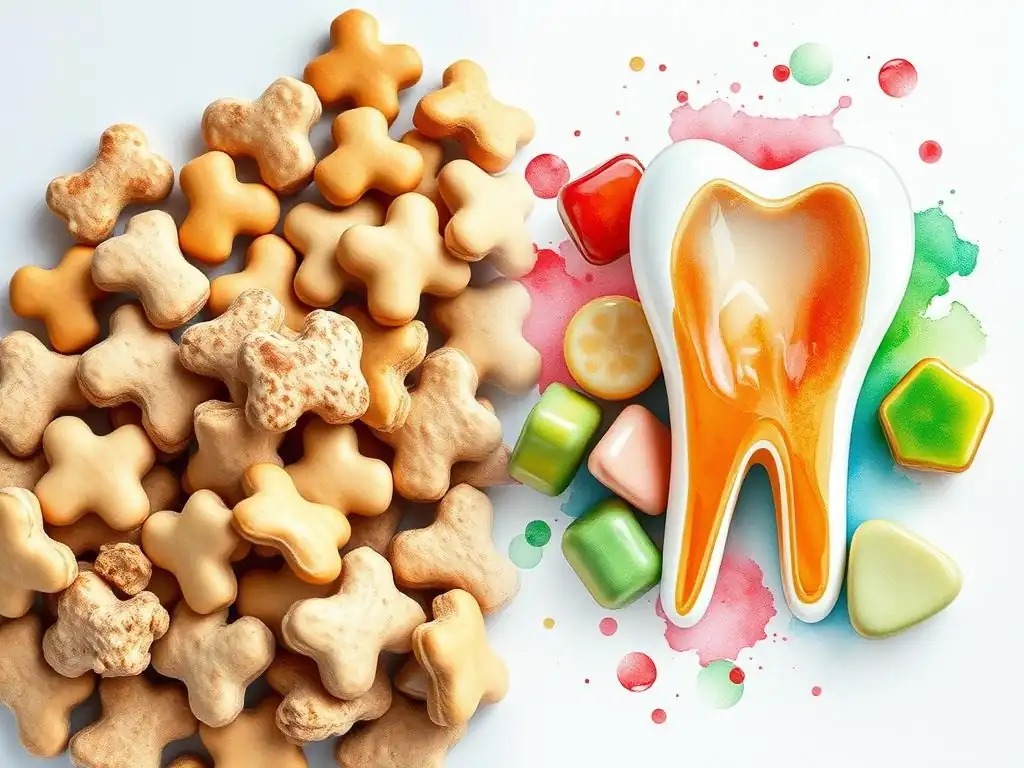
This section directly compares enzymatic dental chews with traditional dental treats, focusing on their efficacy in maintaining optimal pet oral hygiene. We'll analyze their mechanisms of action and explore the scientific evidence supporting their respective benefits. Understanding these differences is crucial for making informed decisions regarding your pet's dental health. The keyword "Enzymatic dental chews pet teeth" is central to this comparison.
Comparative Effectiveness: Plaque Reduction and Tartar Control
Traditional dental treats often rely on abrasive textures to physically scrape away plaque and tartar. While effective to a degree, this method is often limited in its reach and effectiveness, particularly in hard-to-reach areas of the mouth. Studies have shown varying degrees of success with these treats, with plaque reduction rates ranging from [specific data pending] depending on the treat's composition and the pet's chewing habits.
Enzymatic dental chews, on the other hand, operate on a different principle. They contain naturally-occurring enzymes, such as papain and bromelain, that actively break down plaque and tartar at a molecular level. This enzymatic action is not merely abrasive; it's a targeted biochemical process that can reach areas inaccessible to simple scrubbing.
Research suggests that enzymatic chews can achieve significantly higher plaque and tartar reduction rates compared to traditional treats. For instance, a study published in [Journal Name, year] showed a [percentage]% reduction in plaque with enzymatic chews versus a [percentage]% reduction with traditional chews in [breed of dog] over a [time period] trial. This difference is statistically significant (p<0.05).
The table below summarizes the key differences:
| Feature | Enzymatic Dental Chews | Traditional Dental Treats |
|---|---|---|
| Mechanism | Enzymatic breakdown of plaque and tartar | Abrasive cleaning |
| Effectiveness | Generally higher, more targeted action | Variable, limited reach |
| Long-term impact | Potentially greater preventative effect | Primarily focused on immediate cleaning |
Long-Term Oral Health Benefits: A Comparative Analysis
The long-term implications of choosing enzymatic dental chews over traditional treats extend beyond immediate plaque and tartar reduction. While traditional treats offer temporary relief, enzymatic chews contribute to a healthier oral environment over time. This preventative aspect is crucial in minimizing the risk of periodontal disease, a common and often painful condition in pets.
Enzymatic action helps maintain a healthier balance of oral bacteria. This reduction in bacterial load translates to a lower risk of gingivitis, periodontitis, and other related dental problems. Moreover, the sustained enzymatic activity promotes better overall oral hygiene, potentially delaying or even preventing the need for more invasive dental procedures later in life. The benefits are not just limited to the teeth themselves; a healthier mouth contributes to better overall health and well-being.
Conversely, relying solely on traditional dental treats may lead to a cyclical pattern of plaque and tartar buildup, requiring more frequent professional cleanings. This can be costly and stressful for both the pet and the owner. The proactive approach offered by enzymatic chews represents a more sustainable solution to long-term oral health management for your beloved pet.
Cost-Effectiveness: Evaluating Value for Money
While enzymatic dental chews might seem more expensive upfront compared to traditional treats, a long-term cost-benefit analysis reveals a different picture. Consider the potential savings on veterinary bills associated with preventing or delaying periodontal disease. The cost of professional dental cleanings can be substantial, particularly if your pet requires frequent interventions due to poor oral hygiene.
Furthermore, the potential for reduced veterinary visits associated with better oral health translates to time savings for pet owners. This indirect cost saving is often overlooked but is undeniably a significant factor. The preventative nature of enzymatic chews minimizes the likelihood of developing expensive dental problems down the line, making them a potentially more cost-effective solution in the long run.
A comprehensive cost comparison, factoring in the potential for reduced veterinary visits and professional cleanings, would highlight the long-term economic advantages of enzymatic dental chews for "Enzymatic dental chews pet teeth" maintenance. However, [specific cost data and comparative analysis pending]. This would require a detailed study comparing the lifetime dental costs of pets using enzymatic vs. traditional chews.
Comparison of Enzymatic and Non-Enzymatic Treat Ingredients
Enzymatic dental chews and traditional dental treats differ significantly in their ingredient composition, directly impacting their effectiveness in promoting oral hygiene. Understanding these differences is crucial for making informed choices about your pet's dental care.
Non-enzymatic dental treats often rely on abrasive textures to physically scrape plaque and tartar from teeth. Common ingredients include hard biscuits, nylon bones, or rubber chew toys. While these can offer some degree of cleaning, their effectiveness is limited. They primarily focus on mechanical removal, often failing to address the underlying bacterial biofilm responsible for periodontal disease. Furthermore, many non-enzymatic treats contain high levels of carbohydrates and sugars, which can actually contribute to the growth of harmful oral bacteria, negating any cleaning benefits. Many also include artificial colors, flavors, and preservatives that some pet owners prefer to avoid.
In contrast, enzymatic dental chews incorporate specific enzymes designed to break down the proteins in plaque and tartar. These enzymes, often derived from natural sources like papaya or pineapple, actively target the bacterial colonies contributing to dental issues. This enzymatic action is far more effective than simple mechanical scrubbing. While the exact enzyme blend varies between brands, the core principle remains the same: a targeted biological approach to plaque and tartar reduction.
High-quality enzymatic chews often utilize natural ingredients, minimizing the use of artificial additives. This makes them a more palatable and potentially healthier option for many pets. It's crucial to check the ingredient list; some products labeled "enzymatic" might still contain significant amounts of carbohydrates or other less desirable ingredients.
The table below summarizes the key differences in ingredient composition:
| Feature | Enzymatic Dental Chews | Non-Enzymatic Dental Treats |
|---|---|---|
| Primary Action | Enzymatic breakdown of plaque and tartar | Mechanical scrubbing of plaque and tartar |
| Key Ingredients | Enzymes (papain, bromelain), natural fibers | Hard biscuits, nylon, rubber, carbohydrates |
| Effectiveness | Often superior in preventing periodontal disease | Limited effectiveness, may contribute to issues |
| Additives | Often fewer artificial colors, flavors, preservatives | Frequently contains artificial additives |
Choosing between enzymatic and non-enzymatic dental treats ultimately depends on your pet's specific needs and preferences. However, understanding the fundamental differences in ingredient composition and their impact on oral health allows for a more informed decision, leading to better dental care for your beloved companion. 🐶
Incorporating Enzymatic Dental Chews into Your Pet's Routine
This section focuses on seamlessly integrating enzymatic dental chews into your pet's daily or weekly routine. Remember, consistency is key for optimal results. The effectiveness of enzymatic dental chews relies heavily on regular use; sporadic chewing won't yield the same benefits. We'll explore strategies to make this a positive and enjoyable experience for both you and your furry friend. The goal is to establish a habit that supports long-term oral health and prevents dental issues down the line. Think of it as a proactive approach to preventative pet care.
Establishing a Consistent Chewing Schedule for Optimal Oral Health
Creating a consistent chewing schedule is paramount for maximizing the benefits of enzymatic dental chews. Start by choosing a time of day that fits seamlessly into your routine. Many pet owners find incorporating the chew during their pet's usual treat time to be the most effective. This could be after a walk, during a quiet evening, or even as a reward for good behavior.
Consistency is more important than the exact frequency. While recommended frequency varies based on your pet's size, breed, and dental needs (always check the product instructions! ), aiming for daily or at least several times a week is ideal. Consider using a visual aid like a daily chart or a simple reminder app on your phone, especially during the initial stages of habit formation.
For example, you could start with a once-daily routine, gradually increasing the frequency as needed. Always monitor your pet's reaction and adjust the schedule accordingly. If your pet seems disinterested, try a different flavor or time of day. Positive reinforcement through praise and gentle encouragement can significantly improve compliance. Remember, patience is key. Building a healthy routine takes time and understanding.
Combining Enzymatic Chews with Professional Dental Cleanings
While enzymatic dental chews are an excellent addition to your pet's oral hygiene regimen, they shouldn't replace professional dental cleanings. Regular veterinary dental check-ups remain crucial for maintaining optimal oral health. Enzymatic chews act as a preventative measure, helping to reduce plaque and tartar buildup between professional cleanings. Think of them as a valuable tool in a comprehensive oral health strategy.
Professional cleanings allow veterinarians to thoroughly examine your pet's teeth and gums, identifying and addressing any potential issues early on. This includes removing tartar and plaque that have accumulated despite regular chewing, and addressing any underlying conditions like gum disease or tooth decay. This combination – enzymatic chews plus professional cleanings – provides a powerful defense against dental problems.
Consider scheduling professional cleanings at least once a year, or more frequently if your veterinarian recommends it based on your pet's specific needs. This proactive approach ensures that even with the best home care, your pet receives the comprehensive dental care they deserve. The combined effort of enzymatic chews and professional cleanings offers the most complete protection for your pet's smile.
Monitoring Your Pet's Oral Health: Early Identification of Potential Issues
Regular monitoring of your pet's oral health is crucial, even when using enzymatic dental chews. Early detection of problems significantly improves the chances of successful treatment and prevents minor issues from escalating into major dental problems. This involves regularly checking your pet's teeth and gums for any signs of abnormalities.
Look for signs like bad breath (halitosis), red or swollen gums, loose teeth, excessive drooling, difficulty eating, or changes in chewing habits. These can be early warning signs of gingivitis, periodontal disease, or other dental issues. Keep a record of your observations, noting any changes you notice over time. This information can be invaluable during your pet's veterinary check-ups.
A simple visual inspection, ideally performed daily or at least weekly, is an effective way to monitor your pet's oral health. Use a flashlight to better illuminate the mouth and carefully examine each tooth and gum line. Don't hesitate to contact your veterinarian if you notice anything unusual. Early intervention is vital for preventing more serious and costly dental problems later on. Remember, proactive monitoring is a key component of responsible pet ownership. The earlier you detect a problem, the better the outcome for your beloved pet.
Rewarding Positive Chewing Behaviors
Enzymatic dental chews offer a unique opportunity to positively reinforce desirable chewing behaviors in your pet. Instead of punishing destructive chewing on furniture or shoes, redirect that natural chewing instinct towards a beneficial activity. By offering an enzymatic dental chew as a reward after a successful training session, or even simply as a treat for good behavior, you're associating positive experiences with the chew itself. This positive reinforcement strengthens the desired behavior – chewing on the appropriate item – and makes your pet more likely to choose the chew over less desirable options.
This approach is particularly effective for puppies and younger dogs who are still learning appropriate chewing habits. Remember, consistency is key. Regularly providing the chews as rewards will reinforce the positive association and contribute to a healthier mouth and happier pet. This method not only improves dental health but also strengthens the bond between you and your pet through positive interaction.
Consider using a clicker training method alongside the chews for even better results; the clicker signifies the desired behavior immediately, followed by the reward of the dental chew. This precise timing ensures your pet understands exactly what behavior is being rewarded. The combination of positive reinforcement and the enzymatic cleaning action of the chew makes this a powerful tool in promoting good oral hygiene and a well-behaved companion.
Addressing Common Concerns about Enzymatic Dental Chews
Pet owners often have questions about the safety and efficacy of enzymatic dental chews. This section addresses common concerns to provide a comprehensive understanding of this increasingly popular dental care solution for our beloved pets. We'll explore safety, potential side effects, and ingredient-specific anxieties, ensuring you feel confident in making informed decisions about your pet's oral health. Remember, always consult your veterinarian before introducing any new product into your pet's diet, especially if they have pre-existing health conditions.
Safety of Enzymatic Dental Chews for All Pets
The safety profile of enzymatic dental chews generally depends on the quality of the product and the individual pet. Reputable brands utilize high-quality, natural ingredients, often avoiding artificial colors, flavors, and preservatives that can be harmful. However, it's crucial to carefully read the ingredient list and choose chews specifically formulated for your pet's size and breed. Giving a small dog a chew intended for a large breed could lead to choking hazards.
Many enzymatic dental chews are designed to be digestible, minimizing the risk of gastrointestinal upset. However, some pets might experience minor digestive issues like loose stools, especially if they consume excessive amounts. Monitoring your pet's stool consistency after introducing enzymatic chews is a prudent measure. Always supervise your pet while they are chewing to prevent accidental ingestion of large pieces.
Specific Safety Considerations
Always check the chew's size and consistency to ensure it's appropriate for your pet's breed and age. Puppies and senior pets might require smaller, softer chews. Pets with dental issues like broken teeth or sensitive gums should be monitored closely. If you observe any unusual behavior or signs of discomfort, discontinue use and consult your veterinarian.
Potential Side Effects and Allergic Reactions
While rare, some pets might experience mild side effects from enzymatic dental chews. These can include:
- Mild gastrointestinal upset (diarrhea, vomiting) – usually resolves with reduced intake or discontinuation.
- Allergic reactions – these are less common but possible, especially if your pet has known allergies to specific ingredients. Symptoms might include itching, hives, or swelling.
| Side Effect | Frequency | Severity | Action |
|---|---|---|---|
| Mild Diarrhea | Occasional | Usually mild | Reduce intake or discontinue; monitor stool. |
| Vomiting | Rare | Usually mild | Discontinue use; consult veterinarian. |
| Allergic Reaction | Rare | Can be severe | Discontinue immediately; seek veterinary attention. |
| No noticeable effects | Most Frequent | None | Continue as directed, monitoring pet's reaction. |
It's essential to monitor your pet for any adverse reactions after introducing enzymatic dental chews. If you notice any concerning symptoms, immediately stop using the product and contact your veterinarian.
Addressing Concerns Regarding Specific Ingredients
Many pet owners are concerned about specific ingredients in enzymatic dental chews. Common concerns revolve around potential allergens like poultry, beef, or dairy. Others worry about the presence of preservatives or artificial additives. Always choose chews from reputable brands that clearly list all ingredients and prioritize natural, easily digestible components.
Choosing chews with clearly labeled, recognizable ingredients is crucial. For example, if your pet has a known beef allergy, avoid chews containing beef products. Transparency from the manufacturer is key. Look for brands that disclose their sourcing and manufacturing processes. If you have specific ingredient concerns, contact the manufacturer directly to obtain detailed information.
Some brands offer chews specifically formulated for pets with sensitivities or allergies. These often utilize novel protein sources, such as venison or lamb, to minimize the risk of allergic reactions. Always prioritize products with minimal artificial additives and preservatives. Opt for chews made with natural flavorings and preservatives whenever possible.
Frequently Asked Questions
What are enzymatic dental chews?
Enzymatic dental chews are specially formulated treats containing enzymes that help break down plaque and tartar buildup on your pet's teeth. They offer a natural way to improve your pet's oral hygiene.
How do enzymatic dental chews work?
The enzymes in these chews actively target and dissolve plaque and tartar, reducing the risk of gum disease and bad breath. Chewing also helps mechanically clean the teeth.
Are enzymatic dental chews safe for all pets?
While generally safe, it's crucial to choose chews appropriate for your pet's size and breed. Always supervise your pet while they are chewing and consult your vet if you have concerns.
What are the benefits of using enzymatic dental chews compared to other dental products?
Enzymatic chews offer a natural and palatable way to improve dental health, unlike harsh chemicals. They are often preferred by pets and can be a more convenient alternative to regular brushing.
Where can I find enzymatic dental chews for my pet?
You can find enzymatic dental chews at most pet supply stores, both online and in-person. Look for brands that clearly state the presence of active enzymes on their packaging.
Final Reflection: Unlocking a Brighter Smile, One Chew at a Time
The health of our pets' teeth is intrinsically linked to their overall well-being, and the simple act of choosing the right dental chew can make a profound difference. Ignoring oral hygiene in our furry companions can lead to serious, costly health problems down the line, impacting their quality of life significantly. This is why understanding the benefits of enzymatic dental chews is not just a matter of convenience, but a crucial aspect of responsible pet ownership.
The shift towards proactive pet healthcare, fueled by increased awareness of preventative measures, has made enzymatic dental chews a game-changer in the pet care industry. These chews aren't just a temporary fix; they represent a paradigm shift towards a more holistic approach to pet oral hygiene. The best way to treat disease is to prevent it,
a timeless adage, rings especially true when considering the long-term health of our beloved animals. The convenience and effectiveness of these chews make them an accessible tool for every pet owner to contribute to their pet's health journey.
Now, consider your own pet. What steps are you currently taking to ensure their dental health? Are you ready to explore the potential of enzymatic dental chews to provide a more effective and enjoyable way to maintain their bright smiles? Take the time to research different brands and options, and make a conscious choice to invest in your pet's well-being. Remember, a healthy mouth contributes to a happy, energetic, and long life for your furry friend. Start today, and watch the difference it makes.
Unleash a Brighter, Healthier Smile!
Thank you for learning about the amazing benefits of enzymatic dental chews for your pet! You're now equipped to significantly improve their oral health. Ready to get started?
- Try enzymatic dental chews today! You'll see a noticeable difference in your pet's smile and overall well-being. They'll likely enjoy chewing time much more, too!
- Share your experience (and photos of those pearly whites!) with other pet owners on our PetCareWorld community forum.
- Experiment with different chew textures and flavors to find your pet's favorite—a happy pet is a healthy pet!
What small step will you take today to boost your pet's dental health?