
Home Grooming for LongHaired Dogs: Maintaining a Healthy Coat

Welcome to PetCareWorld, your ultimate guide to a happier, healthier life for your beloved pets! Are you ready to unlock the secrets to effortlessly maintaining your longhaired dog's stunning coat? Our comprehensive Longhaired dog home grooming guide provides expert tips and tricks, empowering you to tackle grooming at home with confidence. Discover the simple steps to a radiant, tangle-free coat and a truly bonded experience with your furry friend. Dive in and explore the world of pet care, one pawsitive step at a time!
- Understanding Your Longhaired Dog's Coat: A Comprehensive Guide
- Essential Tools for Longhaired Dog Home Grooming
-
Step-by-Step Guide to Home Grooming Your Longhaired Dog
- Preparing Your Dog for Grooming: Creating a Calm Environment
- Brushing Techniques for Longhaired Dogs: Preventing Mats and Tangles
- Bathing Your Longhaired Dog: Choosing the Right Products and Techniques
- Drying Your Longhaired Dog: Preventing Skin Irritation
- Trimming and Shaping Your Longhaired Dog's Coat
- Maintaining Your Longhaired Dog's Coat Between Grooming Sessions
- Advanced Grooming Techniques for Longhaired Dogs
- When to Seek Professional Grooming for Your Longhaired Dog
- Frequently Asked Questions
- Final Reflection: The Enduring Bond Between You and Your Longhaired Companion
- Unlock Your Dog's Radiant Coat: Start Grooming Today!
Understanding Your Longhaired Dog's Coat: A Comprehensive Guide
Maintaining a healthy and beautiful coat for your longhaired dog is crucial for their overall well-being. This comprehensive guide will walk you through the essential aspects of home grooming for longhaired breeds, empowering you to provide the best possible care. We'll delve into breed-specific needs, common coat problems, and how to assess your dog's coat health, equipping you with the knowledge and confidence to tackle home grooming with ease and effectiveness.
This guide focuses on the practical application of grooming techniques, offering a step-by-step approach to help you maintain your canine companion's luxurious locks. Regular grooming not only keeps your dog looking their best but also plays a vital role in preventing matting, skin irritations, and other potential health issues. Let's embark on this journey to a healthier, happier, and more radiant-coated dog!
Breed-Specific Coat Characteristics and Grooming Needs
Longhaired dog breeds exhibit a remarkable diversity in coat characteristics. Understanding your dog's specific breed will significantly influence your grooming approach. For instance, a Yorkshire Terrier's silky coat requires different techniques compared to the thick, double coat of a Siberian Husky or the flowing, feathery coat of an Afghan Hound. The frequency of brushing, the type of brush needed, and even the specific shampoos and conditioners will vary depending on the breed.
Here's a simplified table to illustrate the diversity:
| Breed | Coat Type | Grooming Frequency | Recommended Brush Types |
|---|---|---|---|
| Yorkshire Terrier | Silky, fine | Daily | Slicker brush, fine-toothed comb |
| Siberian Husky | Thick, double | 2-3 times/week | Undercoat rake, slicker brush, bristle brush |
| Afghan Hound | Long, flowing | Daily | Wide-toothed comb, slicker brush, detangling brush |
| Old English Sheepdog | Abundant, thick | Daily to every other day | Undercoat rake, wide-toothed comb, slicker brush |
Remember, this is a simplified representation. Always research your specific breed's grooming requirements for the most accurate and effective care. Consulting with a professional groomer for an initial assessment can be invaluable, particularly for less common breeds. They can provide personalized advice and demonstrate proper grooming techniques. 🐾
Identifying Common Coat Problems in Longhaired Dogs
Several common coat problems can affect longhaired dogs, impacting their comfort and health. Early identification and intervention are key to preventing more serious issues. Some common problems include:
- Matting: This occurs when hair becomes tangled and felted, often painful for your dog. Regular brushing is crucial to prevent matting, especially in areas like the legs, underarms, and behind the ears.
- Tangles: While less severe than matting, tangles can still cause discomfort and should be addressed promptly with gentle detangling tools.
- Skin irritations: Allergies, parasites, and poor hygiene can lead to skin irritation, often manifested as redness, itching, or flaky skin. Regular grooming helps detect these issues early.
- Shedding: Longhaired dogs shed, although often less visibly than shorthaired breeds. Regular brushing helps remove loose hair, minimizing shedding around your home.
- Dryness: Dry coats can become brittle and prone to breakage. Using appropriate conditioners and ensuring adequate hydration can help maintain a healthy coat.
Addressing these issues promptly and efficiently is essential for maintaining your dog’s overall health and well-being. Regular vet check-ups are also important to rule out underlying medical conditions that could be contributing to coat problems.
Assessing Your Dog's Coat Health: What to Look For
Regularly assessing your dog's coat health is essential for proactive care. Look for the following indicators:
- Shine: A healthy coat has a natural luster. Dullness can indicate dryness, malnutrition, or underlying health problems.
- Texture: The coat should feel soft and smooth. Roughness or brittleness could signal dryness or damage.
- Color: Changes in coat color can sometimes indicate underlying health concerns.
- Skin: Examine the skin for redness, irritation, or parasites. Healthy skin is usually pink and free from lesions.
- Shedding: Monitor the amount of shedding. Excessive shedding could be a sign of stress, hormonal imbalances, or nutritional deficiencies.
By regularly monitoring these aspects of your dog's coat, you can quickly identify any potential issues and address them promptly. Remember, proactive care is far more effective than reactive treatment. A healthy coat is a reflection of a healthy dog! 🐕
Essential Tools for Longhaired Dog Home Grooming
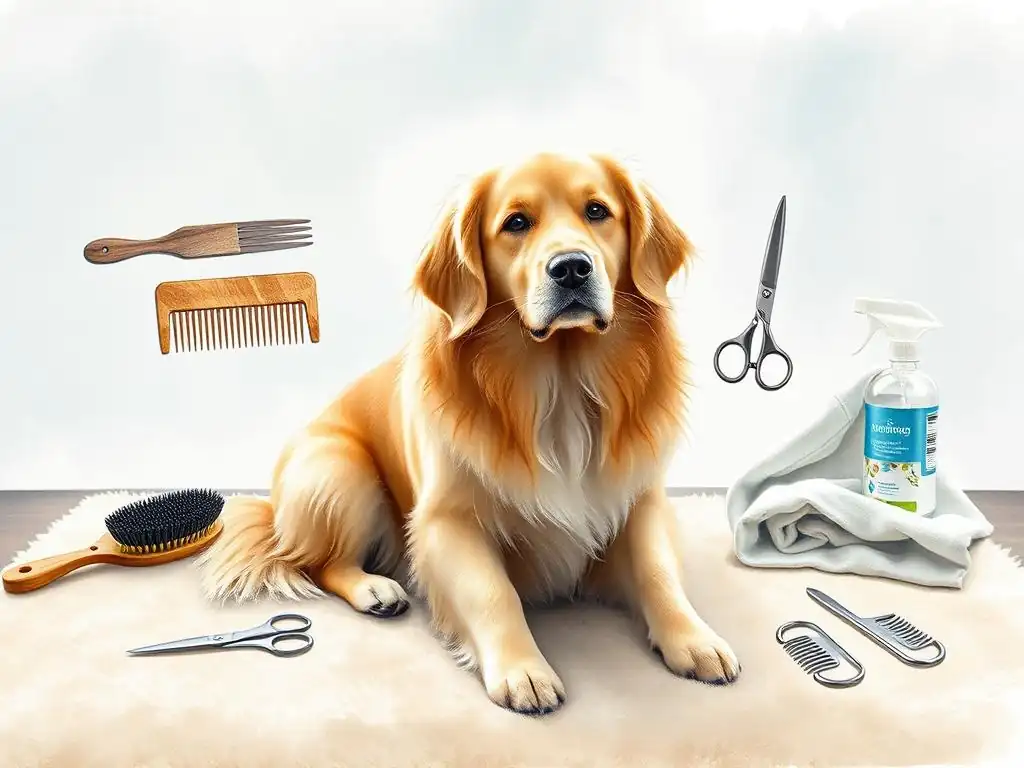
Successfully grooming a longhaired dog at home requires the right tools. Investing in high-quality equipment will not only make the process easier but also help prevent injury to your pet and maintain the health of their beautiful coat. This section focuses on the essential tools you'll need, emphasizing proper selection and usage for optimal results. Remember, regular grooming is key to preventing matting, reducing shedding, and maintaining your dog's overall well-being. This comprehensive guide will help you navigate the world of longhaired dog grooming tools and techniques, making the task less daunting and more enjoyable.
Brushes: Choosing the Right Tools for Different Coat Types
Longhaired dogs boast a variety of coat types, each requiring a slightly different approach to brushing. Understanding your dog's specific coat texture is crucial for selecting the appropriate brush. Failing to do so can lead to ineffective grooming, potentially causing discomfort or even damage to their coat.
Choosing the right brush is paramount for a successful grooming session. There are several types of brushes available, each designed for a specific purpose and coat type:
- Undercoat Rake: Ideal for removing loose undercoat from breeds like Huskies, Malamutes, and Old English Sheepdogs. These rakes have long, thin teeth that penetrate deep into the coat to pull out dead hair. Use carefully to avoid scratching your dog's skin. Look for rakes with rounded tips to minimize the risk of injury.
- Slicker Brush: A popular choice for many longhaired breeds, slicker brushes have fine, short wires that effectively remove loose hair, dirt, and debris. They're excellent for smoothing the outer coat and preventing matting. Use gentle, sweeping strokes to avoid irritating your dog's skin.
- Pin Brush: Pin brushes have longer, widely spaced pins with rounded tips. They're effective for detangling and smoothing longer coats, and are often used after a slicker brush to finish the grooming session. Avoid using a pin brush on heavily matted fur.
- De-shedding Tool: These tools are specifically designed to remove loose undercoat, making them particularly useful during shedding seasons. They often feature a different mechanism than a rake, sometimes utilizing a rotating drum or a combination of different bristle types.
It's not uncommon for owners to use a combination of brushes depending on their dog's coat and the level of matting present. For example, you might use an undercoat rake followed by a slicker brush, and then finish with a pin brush for a polished look. Always be mindful of your dog's comfort level and take breaks if they seem stressed or uncomfortable. Regular brushing, even daily for some breeds, prevents the build up of mats and tangles, making grooming much easier.
Combs: Detangling and Removing Mats
Combs play a vital role in longhaired dog grooming, particularly in managing mats and tangles. Different comb types offer unique benefits, making it helpful to have a selection on hand.
- Wide-toothed Comb: This is perfect for removing larger mats and tangles. Its wide spacing prevents pulling and snagging on the coat. Start by gently working through the largest mats, breaking them down into smaller sections. Never force a comb through a stubborn mat; this could cause pain and damage to the hair and skin.
- Fine-toothed Comb: Once the larger mats are removed, a fine-toothed comb helps to remove smaller tangles and smooth the coat. Its close spacing allows for thorough detangling. Use gentle, slow strokes to avoid pulling or hurting your dog.
- Mat Breaker Comb: These specialized combs have curved, closely spaced teeth designed to break down mats without pulling. They are particularly helpful for dealing with stubborn mats that resist other combing techniques. Use this carefully to avoid causing discomfort.
Regular combing, especially in areas prone to matting (like behind the ears, under the armpits, and around the legs), is crucial for preventing larger, more difficult-to-remove mats. The frequency of combing will depend on your dog's breed and coat type. Some longhaired breeds may require daily combing, while others may need it only a few times a week.
Shears and Clippers: Safe and Effective Use for Trimming
While many longhaired dogs don't require extensive clipping, shears and clippers can be useful for trimming around the paws, sanitary areas, and face. Improper use can lead to injury, so careful handling and technique are essential.
- Shears: High-quality shears are essential for precise trimming. Look for shears with comfortable handles and sharp blades. Practice on a small area before attempting more substantial trimming. Always trim in the direction of hair growth to avoid pulling or snagging.
- Clippers: Electric clippers offer speed and efficiency for larger areas, but require more skill and caution. Different clipper blades are available for various coat lengths and trimming styles. Always use the correct blade for your dog's coat to avoid cutting too close and injuring their skin. Keep the clippers clean and lubricated to ensure smooth operation.
Safety First: Before using any clippers or shears, ensure your dog is comfortable and calm. Consider using a treat or toy to keep them still. If your dog is resistant or uncomfortable, it's best to seek professional grooming services. Never force your dog to endure a grooming session if they show signs of distress or fear. Remember, a positive and gentle approach is key to a successful grooming experience for both you and your furry friend.
Other Essential Grooming Supplies
Beyond the core tools, several other supplies significantly enhance the longhaired dog home grooming experience, contributing to a smoother, more efficient, and ultimately more comfortable session for both you and your furry friend. These aren't strictly necessary for every grooming session, but they greatly improve the process and the final result.
One crucial item is a good quality detangling spray. Longhaired breeds are prone to matting, especially around the legs, behind the ears, and under the belly. A detangling spray helps to lubricate the coat, making it easier to comb through knots and tangles without pulling or causing discomfort. Look for sprays specifically formulated for dogs, as human hair products can contain ingredients harmful to pets. Always test a small amount on a less visible area of your dog's coat before applying it liberally.
Next, consider investing in high-quality grooming wipes. These are invaluable for spot cleaning, especially between full grooming sessions. They're perfect for wiping away dirt, mud, or other debris from your dog's face, paws, or any other areas that might get particularly dirty. Choose unscented, hypoallergenic wipes to avoid irritating your dog's sensitive skin. Regular cleaning with these wipes helps to prevent matting and keeps your dog looking and smelling fresh.
Finally, don't underestimate the importance of treats and toys. Grooming can be stressful for some dogs, so positive reinforcement is key. Having a supply of your dog's favorite treats on hand helps to create a positive association with the grooming process. Similarly, interactive toys can help to keep your dog engaged and entertained during longer grooming sessions, making the experience less daunting. Remember, a relaxed dog is a much easier dog to groom! Consider using a puzzle feeder to keep your dog mentally stimulated during longer sessions. This multi-pronged approach can significantly reduce stress and anxiety.
Step-by-Step Guide to Home Grooming Your Longhaired Dog
This section provides a comprehensive, step-by-step guide to home grooming for your longhaired canine companion. Successfully grooming a longhaired dog at home requires patience, the right tools, and a calm approach. Following these steps will help you maintain your dog's coat health, prevent matting, and strengthen your bond with your furry friend. Remember, regular grooming is crucial for preventing skin issues and keeping your dog comfortable. This guide focuses on providing a practical, "longhaired dog home grooming guide" for pet owners.
Preparing Your Dog for Grooming: Creating a Calm Environment
Before you even begin brushing, setting the right mood is paramount. A stressed dog will make the grooming process significantly more difficult. Here's how to create a calm and positive environment:
- Choose the right location: Select a quiet, well-lit area where your dog feels safe and secure. Avoid areas with high traffic or loud noises. A bathroom often works well, as it's easy to clean up any stray hair.
- Gather your supplies: Having everything you need within reach minimizes interruptions and keeps the process flowing smoothly. This includes a variety of brushes (slicker brush, undercoat rake, comb), shampoo and conditioner specifically formulated for longhaired dogs, towels, treats, and possibly a non-slip mat for added stability.
- Introduce the tools gradually: If your dog is new to grooming, introduce the brushes and other tools gradually. Let them sniff and investigate the items before you attempt to use them. Positive reinforcement with treats and praise is key.
- Positive associations: Pair grooming with positive experiences. Start with short, enjoyable sessions, rewarding your dog for good behavior. Gradually increase the duration as your dog becomes more comfortable.
- Use calming techniques: If your dog exhibits signs of anxiety, consider using calming techniques such as playing calming music or using pheromone diffusers. Consult your veterinarian if anxiety is severe or persistent. Remember, a relaxed dog is a cooperative dog. This is a crucial aspect of your "longhaired dog home grooming guide."
Brushing Techniques for Longhaired Dogs: Preventing Mats and Tangles
Regular brushing is the cornerstone of longhaired dog grooming. It prevents matting, removes dead hair, and distributes natural oils, resulting in a healthy, shiny coat. Different brushing techniques are needed depending on the coat type and the presence of mats.
- Detangling mats: For existing mats, use a de-matting tool carefully and gently. Never pull forcefully, as this can hurt your dog and potentially damage their skin. Work slowly and patiently, using your fingers to separate the mat as much as possible before using the tool. If a mat is too tight, consider seeking professional help.
- Slicker brush usage: A slicker brush is excellent for removing loose undercoat and dead hair. Use short, gentle strokes, following the direction of hair growth. Avoid pressing too hard, which can irritate the skin.
- Undercoat rake utilization: For dogs with thick undercoats, an undercoat rake is invaluable for removing excess undercoat. Use it gently and avoid applying too much pressure. Focus on the areas where the undercoat is thickest, such as the flanks and hindquarters.
- Comb usage: A wide-tooth comb is ideal for checking for mats and tangles after brushing. Use it to smooth the coat and ensure that all mats have been removed. Regular combing, alongside brushing, is a vital part of any comprehensive "longhaired dog home grooming guide."
- Frequency: The frequency of brushing depends on your dog's breed and coat type. Longhaired dogs generally require daily brushing to prevent matting. However, even with daily brushing, some breeds are prone to matting more readily than others.
Bathing Your Longhaired Dog: Choosing the Right Products and Techniques
Bathing your longhaired dog requires careful consideration of the products used and the techniques employed. Using the wrong shampoo can dry out their skin and coat.
- Choosing the right shampoo and conditioner: Select a shampoo and conditioner specifically formulated for longhaired dogs. Avoid human shampoos, as these can disrupt the pH balance of your dog's skin, leading to dryness, irritation, and potential skin problems. Look for products that are gentle, moisturizing, and free of harsh chemicals.
- Preparing for the bath: Gather your supplies: shampoo, conditioner, towels, a non-slip mat (to prevent slipping and injuries), and possibly cotton balls to protect your dog's ears. Warm water is crucial; never use hot water.
- Bathing process: Wet your dog's coat thoroughly, avoiding getting water in their ears or eyes. Apply shampoo, working it into a lather. Rinse thoroughly to remove all traces of shampoo. Apply conditioner, focusing on the ends of the hair. Rinse again, ensuring all conditioner is removed.
- Drying: Thoroughly dry your dog's coat. Use a towel to remove excess water, and then consider using a hairdryer on a low, cool setting. Never use a hot hairdryer, as this can burn your dog's skin. Pay particular attention to drying the undercoat to prevent skin issues.
- Frequency: How often you bathe your longhaired dog depends on their lifestyle and coat type. Generally, bathing every 4-6 weeks is sufficient for most dogs, unless they've gotten particularly dirty. Over-bathing can strip their coat of essential oils. This detailed approach to bathing is a key element of any effective "longhaired dog home grooming guide."
Drying Your Longhaired Dog: Preventing Skin Irritation
Drying your longhaired dog thoroughly after a bath is crucial not only for preventing discomfort but also for maintaining the health of their skin and coat. Damp fur is a breeding ground for bacteria and can lead to skin irritations, infections, and an unpleasant odor. The process should be gentle and patient, avoiding harsh rubbing which can damage the hair and irritate the skin.
Several methods exist for drying a longhaired dog. Towel drying is a good starting point, using absorbent towels to gently blot the fur, rather than rubbing. Avoid harsh scrubbing motions, as this can cause matting and damage the delicate hair shafts. Pay particular attention to areas prone to moisture retention, such as the underbelly, legs, and between the toes.
For faster and more thorough drying, consider using a hairdryer. However, it's vital to use a low heat setting and keep the dryer at a safe distance from your dog's skin to avoid burns. Many dogs dislike the noise of a hairdryer, so introduce it gradually and reward calm behavior with treats. A low-velocity dryer designed specifically for pets is ideal, as it minimizes noise and distributes the heat more evenly. Direct the airflow along the direction of hair growth to prevent matting.
Remember to check your dog's skin regularly during the drying process. Look for any signs of redness, irritation, or hotspots. If you notice anything unusual, stop drying immediately and consult your veterinarian. Prolonged exposure to moisture, especially in combination with poor air circulation, can significantly increase the risk of skin problems in longhaired breeds. Proper drying is an essential part of maintaining your longhaired dog's healthy coat and preventing skin issues. The investment in the right tools and a patient approach will pay off in a happy and healthy pet.
Trimming and Shaping Your Longhaired Dog's Coat
Trimming and shaping your longhaired dog's coat is an important aspect of home grooming, enhancing both their appearance and overall well-being. Regular trimming prevents matting, reduces shedding, and keeps your dog comfortable. The specific trimming needs will vary depending on the breed and the individual dog's coat type. Some longhaired breeds require more frequent trimming than others.
Before you begin, gather the necessary tools. This typically includes a variety of grooming shears, including thinning shears for blending and regular shears for precise cuts. A high-quality pair of clippers can also be helpful for larger areas, but only if your dog is comfortable with them. Always use sharp, clean tools to avoid pulling or snagging the hair. Start with a thorough brushing to remove any tangles or mats. This will make the trimming process much easier and prevent accidental cuts.
When trimming, work slowly and methodically. It's better to take your time and make small, precise cuts than to rush and risk injuring your dog. Focus on removing any matted areas, trimming excess hair around the paws and sanitary areas, and shaping the coat to your desired style. Consider using thinning shears to blend the trimmed areas and create a natural look.
Remember, safety is paramount. If you are unsure about any aspect of the trimming process, it's always best to consult a professional groomer. They can provide guidance and teach you the proper techniques to ensure your dog's safety and comfort. Regular, careful trimming will keep your longhaired dog looking their best and will contribute to their overall health and happiness. Be patient, take your time, and celebrate the positive reinforcement with treats and praise.
Maintaining Your Longhaired Dog's Coat Between Grooming Sessions
Maintaining a healthy and lustrous coat for your longhaired dog requires consistent effort between professional grooming appointments. This section focuses on the essential steps you can take at home to keep your canine companion looking and feeling their best. Regular brushing, careful inspection, and a nutritious diet are key components of a successful longhaired dog home grooming strategy.
Neglecting these aspects can lead to matting, tangles, skin irritations, and even more serious health problems. This guide will equip you with the knowledge and techniques to prevent these issues and keep your furry friend comfortable. Remember, consistency is key when it comes to longhaired dog grooming.
Daily Brushing Routine for Longhaired Dogs
A daily brushing routine is non-negotiable for longhaired dogs. Think of it as preventative maintenance for your dog's coat. Failing to brush regularly will inevitably lead to matting, which can be painful and difficult to remove.
The frequency and type of brush will depend on your dog's breed and coat type, but generally, a daily session of at least 10-15 minutes is recommended. Start with a wide-toothed comb to gently remove any large tangles, then follow with a slicker brush to remove loose undercoat and dead hair. Pay close attention to areas prone to matting, such as behind the ears, under the armpits, and around the legs.
Consider using a de-shedding tool a few times a week to further reduce shedding and prevent mat formation. These tools are specifically designed to remove undercoat, reducing the amount of hair that accumulates and mats. Always be gentle and avoid pulling or tugging on the coat. If you encounter a particularly stubborn tangle, use a detangling spray to help loosen the knots before attempting to comb them out. Remember, patience is paramount. A calm and gentle approach will make the brushing experience more positive for both you and your dog. Positive reinforcement with treats and praise will also help.
Regular Coat Inspections: Identifying and Addressing Potential Issues
Beyond daily brushing, regular, thorough coat inspections are crucial for identifying potential problems early. This involves more than just a quick glance; it requires a careful examination of your dog's entire coat, from the tip of their nose to the end of their tail. Look for any signs of matting, tangles, skin irritations, parasites (fleas, ticks), or unusual lumps or bumps. Early detection of these issues can prevent them from becoming major problems.
Pay particular attention to the skin underneath the coat. Is it dry, flaky, or irritated? Are there any areas of redness, inflammation, or excessive scratching? These could be signs of allergies, infections, or other underlying health conditions. If you notice anything unusual, consult with your veterinarian immediately.
Keeping a detailed record of your dog's coat condition, including any changes you observe, can be helpful for your vet. This information can aid in diagnosis and treatment. Consider using a grooming journal or a simple note-taking app on your phone to track these observations. Regular inspections are a vital part of proactive longhaired dog home grooming.
Nutritional Support for a Healthy Coat
A healthy diet plays a vital role in maintaining a beautiful and healthy coat. Just as proper nutrition benefits your own health, it's equally important for your dog's well-being, impacting everything from their energy levels to the condition of their skin and coat. A diet deficient in essential nutrients can lead to a dull, dry, and brittle coat, making it more prone to matting and breakage.
Look for dog food that contains high-quality protein sources, healthy fats (like omega-3 and omega-6 fatty acids), and essential vitamins and minerals. These nutrients are crucial for healthy skin cell regeneration and coat growth. You can also supplement your dog's diet with fish oil or other omega-3 supplements, which are known for their positive effects on skin and coat health.
Always consult with your veterinarian before introducing any new supplements to your dog's diet, especially if they have any underlying health conditions. Remember that a balanced diet, tailored to your dog's specific needs and age, is the cornerstone of a glossy, healthy coat. Choose food specifically formulated for longhaired breeds if possible; these often contain added nutrients to support coat health.
Preventing and Treating Common Coat Problems
Maintaining a healthy coat for your longhaired dog requires vigilance and proactive care. Regular brushing is paramount, but it's not a silver bullet. Several common coat problems can arise, and understanding how to prevent and treat them is crucial for your dog's comfort and well-being. Neglecting these issues can lead to matting, skin infections, and even discomfort for your furry friend.
One of the most prevalent issues is matting. Longhaired breeds are particularly susceptible. Mats form when loose hair becomes tangled and compressed, often near the skin. This can be incredibly painful and may restrict movement. Prevention is key: consistent brushing, using appropriate tools like slicker brushes and undercoat rakes, will help to break up tangles before they become mats. For existing mats, careful and gentle detangling is necessary. You might need specialized detangling sprays to help loosen the knots. In severe cases, professional grooming may be required to avoid causing your dog pain or injuring their skin.
Another common problem is skin irritations. These can manifest as redness, itching, flaking, or even hot spots. Allergies, parasites (like fleas or mites), and poor hygiene can all contribute. Regularly checking your dog's skin for any signs of irritation is vital. Maintaining a clean coat through regular bathing (with a dog-specific shampoo) helps prevent many skin issues. If you suspect allergies, consult your veterinarian to identify the allergen and explore treatment options, possibly including hypoallergenic diets or medications. For parasites, veterinary intervention is necessary for diagnosis and treatment, often involving medicated shampoos or topical treatments.
Beyond matting and skin irritations, excessive shedding can be a challenge with longhaired breeds. While shedding is a natural process, excessive shedding can indicate an underlying health problem, such as hormonal imbalances or nutritional deficiencies. A balanced diet rich in essential fatty acids and proteins supports a healthy coat and minimizes shedding. Regular brushing helps remove loose hair, preventing it from accumulating in your home and reducing the overall amount of shedding.
If shedding becomes excessive despite proper care, a veterinary check-up is advisable to rule out any underlying medical conditions. Remember, a healthy diet and regular grooming are the cornerstones of a healthy, beautiful coat for your longhaired companion. Addressing potential problems promptly prevents minor issues from escalating into major concerns, ensuring your dog remains comfortable and happy. 🐶
Advanced Grooming Techniques for Longhaired Dogs
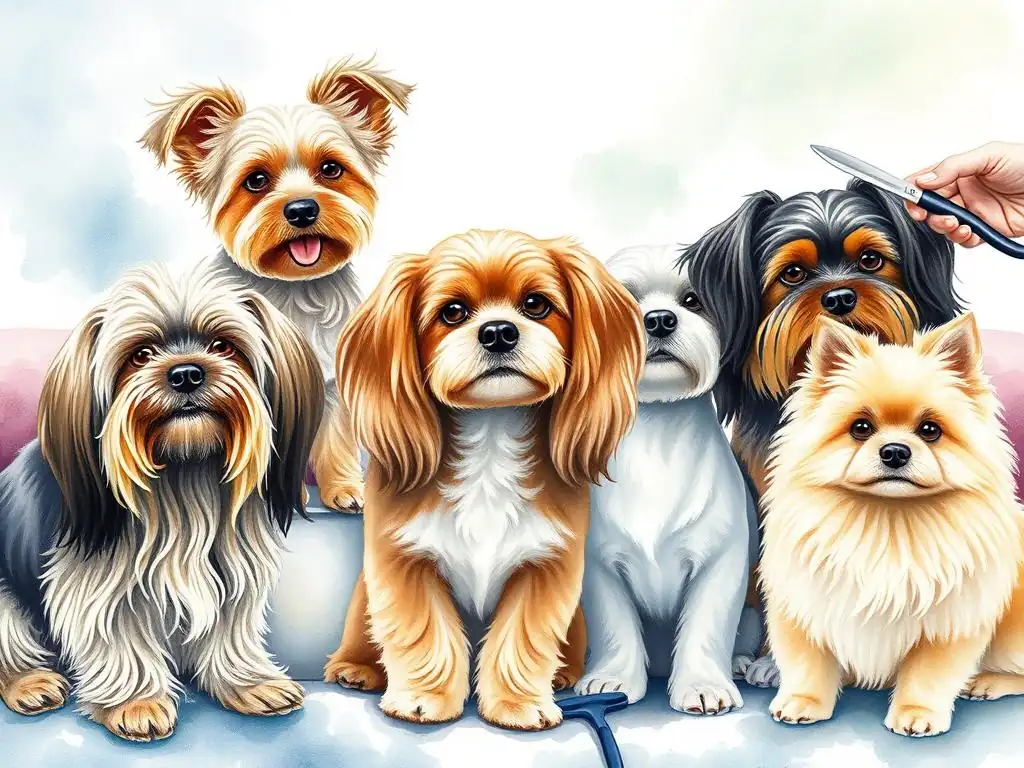
This section delves into more advanced grooming techniques specifically designed for longhaired dog breeds. Proper grooming isn't just about aesthetics; it's crucial for maintaining your dog's overall health and comfort. Regular brushing prevents matting, reduces shedding, and helps detect potential skin issues early. Let's explore some key techniques to ensure your longhaired companion stays happy and healthy. This guide will provide you with a comprehensive Longhaired dog home grooming guide.
Dealing with Matted Fur: Safe and Effective Removal Techniques
Matted fur is a common problem for longhaired dogs, particularly those who aren't groomed regularly. Matting occurs when hair becomes tangled and compressed, often trapping dirt, debris, and even skin irritants. Untreated mats can be painful and even lead to skin infections. Therefore, addressing mats promptly and correctly is vital.
Several approaches exist for dealing with mats, ranging from gentle detangling to professional intervention. For small, manageable mats, a wide-tooth comb or a mat breaker tool can often work wonders. Start at the outer edge of the mat and gently work your way towards the skin, being careful not to pull or tug. Use a detangling spray to help loosen the hairs. Patience is key here; rushing the process can cause pain and injury to your dog.
However, large, tightly bound mats often require more assertive action. Attempting to brush or comb these out can be painful for your dog and may even break the hair, leading to further complications. In such cases, carefully using blunt-ended scissors to trim away the matted fur close to the skin is often the best solution. Always be extremely cautious to avoid cutting your dog's skin. If you're unsure about using scissors, it's best to consult a professional groomer. They have the expertise and tools to safely remove even the most stubborn mats.
Trimming Paws and Nails
Maintaining your dog's paws and nails is an essential part of regular grooming, particularly for longhaired breeds where fur can obscure the paws and nails. Overgrown nails can cause discomfort, interfere with gait, and even lead to joint problems. Regular trimming keeps your dog comfortable and prevents these issues.
Trimming your dog's nails requires a specialized tool, such as a guillotine-style clipper or a scissor-style clipper. It's important to familiarize yourself with the correct technique and to be confident before attempting to trim your dog's nails. If unsure, seek guidance from a professional groomer or veterinarian. There is usually a quick visible within the nail, which contains nerves and blood vessels. Cutting into this quick can be painful and cause bleeding. To avoid this, trim only the tip of the nail, aiming for a small, clear portion.
For longhaired dogs, pay special attention to the fur around the paws. Gently trim any excess fur that might be obscuring the nails or causing matting. This will improve your dog's traction and reduce the risk of injury. Regular nail trimming, ideally every 2-3 weeks, is crucial for maintaining your dog’s comfort and mobility. Remember to reward your dog with praise and treats throughout the process to make it a positive experience.
Cleaning Ears and Eyes
Regular cleaning of your longhaired dog's ears and eyes is essential to prevent infections and maintain their overall health. Longhaired breeds are particularly prone to ear infections due to the increased amount of fur around the ears, which can trap moisture and debris. Similarly, long fur around the eyes can irritate the eyes and lead to infections.
For ear cleaning, use a veterinarian-recommended ear cleaning solution and cotton balls or gauze pads. Never use cotton swabs, as these can push debris further into the ear canal. Gently wipe the inside of the ear flap, removing any visible dirt or wax. Avoid inserting anything deep into the ear canal. If you notice any redness, swelling, discharge, or unusual odor, consult your veterinarian immediately.
Cleaning your dog's eyes is equally important. Use a clean, damp cloth to gently wipe away any discharge or debris from the corners of their eyes. Avoid harsh rubbing, which could irritate the eyes further. If you notice excessive discharge, redness, or swelling, consult your veterinarian to rule out any underlying conditions. Remember, regular and gentle cleaning are key to maintaining the health of your dog's ears and eyes. This routine should be incorporated into your regular Longhaired dog home grooming guide.
Specialized Grooming for Show Dogs
Maintaining a show-ready coat for a longhaired dog requires a significantly higher level of commitment and expertise than simply keeping your pet clean and comfortable. Show grooming elevates the process to an art form, focusing on achieving a specific breed standard. This often involves techniques beyond the scope of home grooming for the average pet owner. The goal isn't just cleanliness; it's to highlight the dog's best features, creating a polished and visually stunning presentation. This meticulous process can take hours, and often requires specialized tools and products.
For example, a longhaired Yorkshire Terrier intended for the show ring will need significantly more attention to detail than a family pet. Their coat requires daily brushing to prevent matting and tangles, using tools like slicker brushes, undercoat rakes, and combs to remove loose hair and maintain a smooth, flowing texture. Regular bathing with high-quality shampoos and conditioners designed for show dogs is essential, followed by meticulous drying and styling.
This might involve the use of professional-grade dryers and specialized styling tools to achieve the desired look. Furthermore, the process often includes trimming and shaping the coat to meet breed-specific standards, a task best left to experienced groomers.
The level of detail extends beyond the coat itself. Show dogs need their nails meticulously trimmed and filed, their teeth brushed regularly, and their ears cleaned thoroughly. Even their pads might require special attention to maintain their condition. The overall presentation, including the dog's posture and demeanor, is crucial in the judging process. Therefore, training the dog to stand and pose correctly is a vital aspect of show grooming. This requires patience, consistency, and a thorough understanding of the breed standard.
Many show dog owners enlist the services of professional groomers specializing in their breed. These groomers possess the necessary skills, experience, and tools to achieve the optimal presentation. They understand the nuances of different breed standards and can adapt their techniques accordingly. Attempting advanced show grooming techniques at home without sufficient training and experience can lead to damage to the dog's coat, or even injury.
Therefore, it's crucial to weigh the benefits and risks before undertaking such a challenging task. For the average pet owner, focusing on maintaining a healthy and well-groomed coat at home is a more realistic and achievable goal. However, if you aspire to participate in dog shows, seeking professional assistance is strongly recommended.
When to Seek Professional Grooming for Your Longhaired Dog
Maintaining a healthy coat for your longhaired dog requires dedication and the right techniques. While home grooming is achievable and often preferred by many owners, there are instances where seeking professional help is not just beneficial, but necessary. This section outlines scenarios where professional grooming becomes crucial for your canine companion's well-being and coat health. Understanding these situations can help you make informed decisions about your dog's grooming needs, ensuring they receive the best possible care. This guide will help you navigate the decision of when to transition from DIY grooming to professional services for your longhaired dog.
Recognizing When Home Grooming Isn't Sufficient
Several signs indicate that your home grooming efforts might be insufficient for your longhaired dog's needs. These aren't necessarily indications of failure on your part, but rather acknowledgements of the limitations of at-home grooming. For example, severely matted fur is exceptionally difficult to remove at home and can cause significant discomfort to your pet. Attempting to tackle this yourself could lead to injury. Similarly, if your dog has skin conditions like allergies or infections, a professional groomer can provide specialized care and identify potential underlying issues. Their expertise in recognizing skin abnormalities is invaluable.
Another key indicator is a lack of proper tools or skills. Professional groomers possess specialized equipment like high-velocity dryers, which are essential for efficiently drying a longhaired dog's thick coat and preventing skin issues. They also have advanced training in handling various breeds and coat types, ensuring the process is safe and stress-free for your furry friend.
Furthermore, if your dog exhibits extreme anxiety or fear during grooming, a professional groomer can use techniques to calm and desensitize them. This is crucial for both your dog’s safety and your own well-being. Attempting to groom a fearful dog at home can lead to injuries for both you and your pet. Finally, if you're simply overwhelmed by the time commitment required for thorough grooming of a longhaired breed, seeking professional help is a practical solution. This allows you to maintain your dog's coat health without sacrificing other aspects of their care.
Finding a Reputable Professional Groomer
Choosing the right professional groomer is essential for your longhaired dog's well-being. Don't rush the process! Thorough research is key. Start by asking for recommendations from your veterinarian, other pet owners, or even your local pet supply store. Online reviews can be helpful but should be considered alongside other sources. Look for groomers with experience handling longhaired breeds specifically, as their coats require specialized techniques.
When contacting potential groomers, ask about their experience, training, and the products they use. A reputable groomer will be happy to answer your questions and provide detailed information about their services. Inquire about their hygiene practices and ensure they sterilize their equipment between clients to prevent the spread of diseases. Finally, a visit to the grooming salon is highly recommended.
Observe the cleanliness of the facility, the way the groomers interact with the dogs, and the overall atmosphere. You want a place where your dog will feel safe and comfortable. This careful selection process ensures your dog receives high-quality, safe grooming services tailored to their specific needs.
Understanding the Costs Associated with Professional Grooming
The cost of professional grooming for a longhaired dog can vary significantly depending on several factors. These include the dog's breed, size, coat condition, and the specific services required. A simple bath and brush might cost less than a full groom including a haircut, nail trim, and ear cleaning. The groomer's location and reputation also influence pricing. Urban areas tend to have higher costs compared to rural areas.
Before scheduling an appointment, it's crucial to get a clear quote from the groomer. Ask for a breakdown of the costs associated with each service. This will help you budget appropriately and avoid any surprises. While professional grooming can be more expensive than DIY grooming, it's essential to weigh the cost against the potential benefits: preventing matting, avoiding injuries, and ensuring your dog's overall health and comfort.
Remember, investing in professional grooming can save you money in the long run by preventing more costly veterinary bills associated with neglected coat care. A healthy coat contributes significantly to your dog's overall well-being. Therefore, consider the long-term value and peace of mind that professional grooming offers.
Frequently Asked Questions
How often should I brush my longhaired dog?
You should brush your longhaired dog daily, or at least every other day, to prevent matting and tangles. This is crucial for maintaining a healthy coat and preventing skin issues.
What tools do I need for home grooming a longhaired dog?
Essential tools include a slicker brush, an undercoat rake, a de-shedding tool, and dog-specific shampoo and conditioner. You may also need scissors or clippers (if experienced).
How do I prevent matting in my longhaired dog's coat?
Regular brushing is key! Pay close attention to areas prone to matting, such as behind the ears, under the legs, and around the tail. Consider using a detangling spray to help.
What's the best way to bathe my longhaired dog at home?
Use lukewarm water and a dog-specific shampoo designed for longhaired breeds. Thoroughly rinse to remove all shampoo residue, which can irritate the skin. Always dry thoroughly to prevent chilling.
My dog has mats; how can I safely remove them?
For small mats, try carefully working them out with your fingers and a detangling spray. For larger mats, you may need to use specialized tools or seek professional grooming help to avoid hurting your dog.
Final Reflection: The Enduring Bond Between You and Your Longhaired Companion
Maintaining a healthy coat for your longhaired dog isn't just about aesthetics; it's a vital component of their overall well-being, impacting their comfort, health, and the strength of your bond. The seemingly simple act of grooming becomes a powerful expression of care, a daily ritual that strengthens the connection between you and your furry friend. This isn't just about preventing mats and tangles; it's about fostering a deeper understanding of your dog's needs and building a relationship rooted in trust and mutual respect.
The journey of home grooming a longhaired dog is a continuous learning process, a testament to the evolving relationship between humans and animals. It's a journey filled with both challenges and rewards, a testament to the enduring power of companionship. The best mirror is an old friend.
This quote beautifully encapsulates the reflective nature of grooming; as you tend to your dog's coat, you also gain a deeper understanding of their physical and emotional state, fostering a stronger bond through shared experience. The time spent brushing, combing, and caring for their coat becomes a precious moment of connection, a silent conversation built on mutual trust and affection.
Now, consider the knowledge you've gained. Take a moment to reflect on the practical techniques discussed, and how you can integrate them into your daily routine. Embrace the opportunity to nurture not only your dog's coat but also the precious bond you share. Remember, consistent grooming isn't just a chore; it's an act of love, a testament to your commitment to your canine companion's health and happiness. Make this a journey of shared growth, learning, and unwavering affection. The rewards – a healthy, happy dog, and a deeper connection with your beloved friend – are immeasurable.
Unlock Your Dog's Radiant Coat: Start Grooming Today!
Thank you for learning about maintaining your long-haired dog's gorgeous coat! We hope you found our tips helpful and empowering. Now it's time to put that knowledge into action!
- Schedule a grooming session this week: Set aside even just 15 minutes to practice a new brushing and detangling technique. This small step will make a big difference!
- Share your success: Snap a photo of your dog looking their best and share it on social media, tagging us @PetCareWorld (fictional). Let's celebrate the beautiful results together!
- Consider trying a new, natural detangling spray. We'd love to hear about your experience! Share your results in the comments.
What small grooming step will you take today to keep your furry friend feeling and looking their best?