
The Essential Guide to Bearded Dragon Substrates: Choosing the Right Bedding

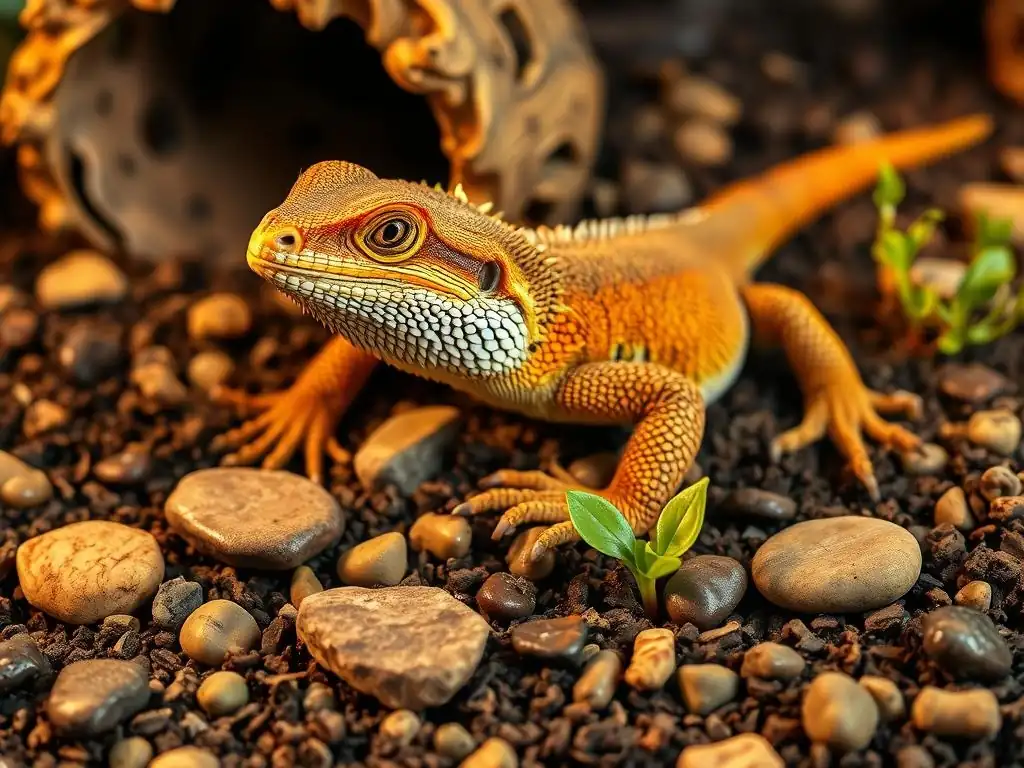
Welcome to PetCareWorld, your ultimate guide to the wonderful world of pet care! Are you ready to create the perfect environment for your scaly companion? Then delve into our essential guide on choosing the best bearded dragon substrate. Discover the secrets to a thriving habitat and learn what truly makes the difference between a happy, healthy dragon and one struggling to flourish. Uncover the surprising truth about bedding choices and unlock the key to your bearded dragon's well-being – read on to learn more!
- Understanding Bearded Dragon Substrate Needs
-
Best Bearded Dragon Substrate Options: A Detailed Comparison
- Paper Towels: A Simple and Safe Substrate for Bearded Dragons
- Reptile Carpet: Pros, Cons, and Best Practices for Use
- Tile: A Clean and Easy-to-Maintain Substrate Option
- Sand: Choosing the Right Type of Sand for Bearded Dragons
- Repti-Bark: Benefits and Considerations for Using Repti-Bark
- Coconut Fiber: A Natural and Moisture-Retentive Substrate
- Choosing the Best Bearded Dragon Substrate for Your Dragon
- Avoiding Harmful Bearded Dragon Substrates
- Frequently Asked Questions about Bearded Dragon Substrates
- Frequently Asked Questions
- Final Reflection: Nurturing a Thriving Habitat: The Heart of Bearded Dragon Care
- Unleash Your Dragon's Inner Explorer: Perfecting Their Habitat
Understanding Bearded Dragon Substrate Needs
Choosing the right substrate for your bearded dragon is crucial for their health, happiness, and overall well-being. This comprehensive guide will delve into the essential aspects of selecting the best bearded dragon substrate, helping you make an informed decision that prioritizes your reptile's needs. We'll explore the importance of proper substrate selection, its impact on respiratory health, and how substrate choice caters to their natural burrowing behaviors. Selecting the right bedding isn't just about aesthetics; it's a fundamental component of responsible bearded dragon ownership, directly affecting their physical and mental health.
A poorly chosen substrate can lead to a variety of health problems, impacting everything from digestion to respiratory function. This guide will equip you with the knowledge to create a safe and enriching environment for your scaly companion. Let's dive into the details to find the perfect substrate for your bearded dragon!
Importance of Proper Substrate Selection for Bearded Dragons
The substrate you choose for your bearded dragon's enclosure plays a vital role in maintaining their health and creating a comfortable living environment. Inappropriate substrates can lead to several problems, including:
- Impaction: Some substrates, such as sand or very fine gravel, can be ingested by bearded dragons, leading to digestive impaction. This is a serious condition that can be fatal if not treated promptly. The symptoms of impaction include lethargy, loss of appetite, and straining to defecate. Early detection and veterinary intervention are critical.
- Respiratory Issues: Dusty substrates can irritate your bearded dragon's sensitive respiratory system, leading to respiratory infections. This is particularly important for young dragons whose respiratory systems are still developing. The signs of respiratory infections can include wheezing, gaping mouth breathing, and nasal discharge.
- Parasite Infestation: Certain substrates can harbor parasites that can infect your bearded dragon. Maintaining a clean and appropriate substrate is key to preventing parasite infestations.
Choosing a substrate that is easily cleaned, non-toxic, and appropriate for your dragon's age and activity level is paramount. We'll explore suitable options in detail later in this guide. Remember, the goal is to create an environment that mimics their natural habitat as closely as possible, while also ensuring their safety and well-being. The seemingly small detail of substrate selection can have a significant impact on your pet's long-term health and happiness. Don't underestimate the importance of this decision!
Substrate and Bearded Dragon Health: Avoiding Respiratory Issues
Respiratory infections are a common problem in bearded dragons, often linked directly to the substrate used in their enclosure. Dusty substrates, such as certain types of sand or soil, can cause significant respiratory irritation. The tiny particles become airborne, easily inhaled by your dragon, leading to inflammation and potential infection. This can manifest as sneezing, wheezing, and difficulty breathing. In severe cases, it can even be fatal.
To avoid respiratory problems, opt for substrates that are low-dust, such as paper towels, reptile carpet, or specific reptile-safe tile options. These options minimize the risk of airborne particles irritating your dragon's sensitive lungs. Regular cleaning of the enclosure is also crucial, regardless of the substrate chosen, to remove any accumulated waste or debris that could contribute to respiratory problems. Consider the substrate's dust content before making a purchase; some manufacturers provide information on dust levels. Prioritize your dragon's respiratory health by selecting a clean and appropriate substrate.
Digging and Burrowing Behaviors: Substrate Suitability
Bearded dragons are naturally inclined to dig and burrow, especially when basking or seeking refuge. The substrate you choose should facilitate this natural behavior without posing a health risk. Deep, loose substrates, such as play sand (though this carries significant impaction risk), allow for extensive burrowing, providing enrichment and stress reduction. However, it is critical to choose a substrate that doesn't present a risk of impaction.
While some dragons enjoy burrowing, others may prefer a more shallow substrate or a combination of substrates with varying depths. Observe your dragon's behavior to determine their preference. A suitable substrate should provide a balance between allowing for natural burrowing behaviors and minimizing health risks. Consider providing a designated basking area with a different, potentially shallower substrate to further cater to your dragon's needs. Remember, a happy dragon is a healthy dragon, and providing a suitable environment is key to their overall well-being.
Maintaining Hygiene and Preventing Bacterial Growth
Maintaining a clean and hygienic environment for your bearded dragon is crucial for preventing bacterial growth and ensuring their overall health. Substrate choice plays a significant role in this. Certain substrates are more prone to harboring bacteria and parasites than others. For instance, sand can easily become compacted and retain moisture, creating a breeding ground for harmful microorganisms. This can lead to serious infections like scale rot or respiratory illnesses. Regular cleaning is paramount, regardless of the substrate you choose.
The frequency of cleaning depends on the type of substrate and the level of soiling. For substrates like paper towels or reptile carpet, daily spot cleaning is usually sufficient, with a complete substrate change every few weeks. With more absorbent substrates like cypress mulch, more frequent spot cleaning and more regular complete changes may be necessary. Always remove fecal matter and urate deposits promptly to prevent the build-up of ammonia and other harmful substances. Failure to do so can lead to dangerous levels of bacteria and negatively impact your bearded dragon's health.
Thorough substrate changes should involve removing all the old bedding, scrubbing the enclosure thoroughly with a reptile-safe disinfectant, and allowing it to dry completely before adding fresh substrate. It's essential to use a disinfectant specifically designed for reptiles, as some household cleaners can be toxic. Always rinse the enclosure thoroughly after disinfecting to remove any residue.
Regular cleaning not only prevents bacterial growth but also helps to monitor your dragon’s health by allowing you to easily identify any changes in their waste or unusual behaviors. This proactive approach to hygiene is a cornerstone of responsible bearded dragon care and contributes significantly to their long-term well-being. Choosing the right substrate and maintaining a diligent cleaning schedule are key elements in creating a healthy and thriving environment for your pet.
Best Bearded Dragon Substrate Options: A Detailed Comparison
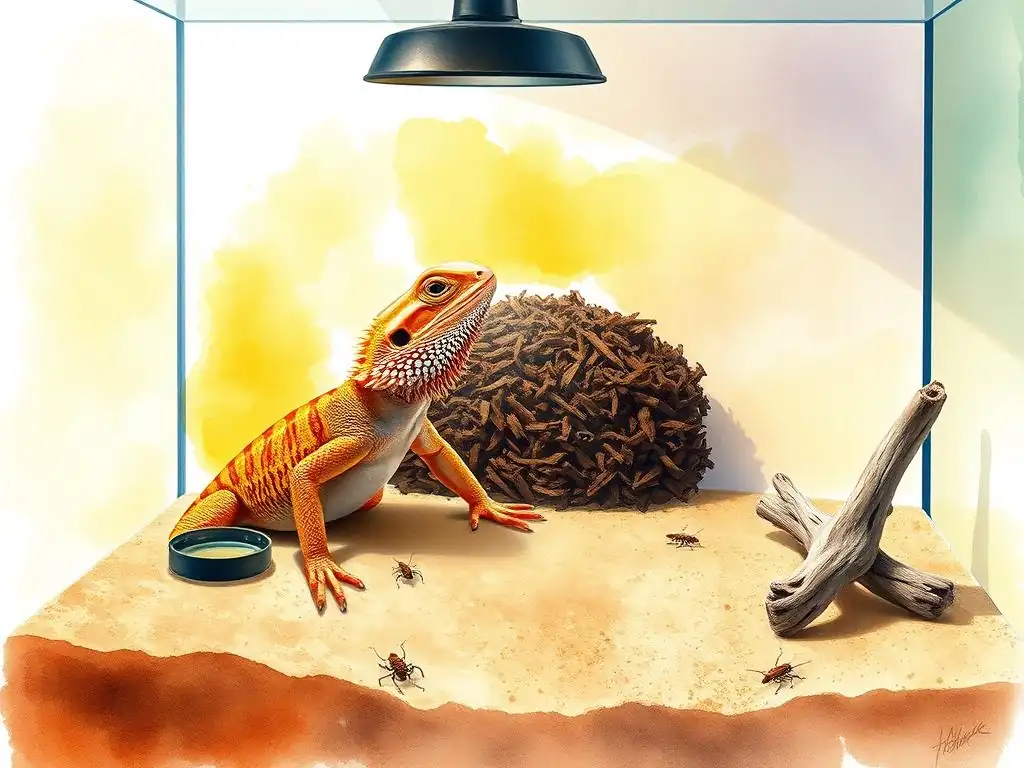
Choosing the right substrate for your bearded dragon is crucial for their health and well-being. The substrate, or bedding, forms the base of their enclosure and impacts several aspects of their life, from preventing impaction to providing appropriate humidity levels. Selecting the best bearded dragon substrate requires careful consideration of your dragon's age, activity level, and your own cleaning preferences. This section will delve into some of the most popular options, weighing their pros and cons to help you make an informed decision. Remember, the ideal substrate prioritizes safety, ease of cleaning, and environmental suitability for your scaly companion.
Paper Towels: A Simple and Safe Substrate for Bearded Dragons
Paper towels represent a simple, readily available, and undeniably safe substrate option for bearded dragons, particularly for hatchlings and juveniles. Their absorbent nature helps maintain a dry environment, minimizing the risk of bacterial growth and reducing the chance of impaction – a serious and potentially fatal condition where ingested substrate blocks the digestive tract.
The ease of cleaning is a major advantage. Simply replace soiled paper towels with fresh ones, ensuring a consistently hygienic environment. This frequent replacement is especially important for young dragons, who are more prone to accidents. However, this frequent replacement also means a higher ongoing cost compared to other substrates.
While paper towels are safe, they lack the aesthetic appeal and enrichment opportunities offered by other substrates. They don't provide any natural texture or stimulation for your dragon. Therefore, paper towels are best suited as a temporary solution, especially for young dragons or during periods of illness or recovery. They offer a clean slate for monitoring bowel movements and ensuring proper hydration. Consider upgrading to a more stimulating substrate once your dragon is older and healthier.
Reptile Carpet: Pros, Cons, and Best Practices for Use
Reptile carpet is a popular choice among bearded dragon keepers due to its ease of cleaning and relatively low cost. This material is typically made of a durable, washable fabric designed to withstand the wear and tear of a reptile enclosure. Its smooth surface prevents accidental ingestion and minimizes the risk of impaction.
However, reptile carpet isn't without its drawbacks. While generally easy to clean, it can be challenging to thoroughly disinfect, potentially leading to bacterial growth if not properly maintained. Furthermore, the lack of texture may not fully satisfy a bearded dragon's natural burrowing instincts. Some carpets may also retain excess moisture, potentially contributing to a less-than-ideal environment.
To maximize the benefits and mitigate the risks associated with reptile carpet, follow these best practices:
- Regular Cleaning: Wash the carpet thoroughly with a reptile-safe disinfectant at least once a week.
- Complete Replacement: Consider replacing the carpet every few months to ensure optimal hygiene.
- Proper Ventilation: Ensure adequate ventilation within the enclosure to prevent moisture buildup.
- Substrate Depth: Use a shallow layer of carpet to avoid trapping fecal matter.
Choosing a high-quality, durable reptile carpet is key to minimizing potential problems. Always prioritize a carpet that is specifically designed for reptiles and is easy to clean.
Tile: A Clean and Easy-to-Maintain Substrate Option
Tile offers a clean, easy-to-maintain, and visually appealing substrate option for bearded dragons. Its non-porous surface prevents bacterial growth and makes cleaning a breeze; simply wipe down the tiles with a reptile-safe disinfectant. The smooth surface also eliminates the risk of impaction, a significant concern with other substrates like sand or loose gravel.
However, tile's smooth, hard surface lacks the natural texture and enrichment opportunities that some substrates provide. Bearded dragons, particularly juveniles, may not have the same gripping ability on tile as they would on a textured substrate. This can make it challenging for them to climb or dig. Also, the lack of thermal mass means that the tile itself doesn't retain heat effectively, so you'll need to rely more heavily on external heating sources.
To make tile a suitable substrate, consider these points:
- Provide Climbing Structures: Offer plenty of branches and rocks for your dragon to climb on and bask.
- Thermal Gradient: Ensure a proper thermal gradient within the enclosure using appropriate heating equipment.
- Monitor Hydration: Pay close attention to your dragon’s hydration levels, as the lack of humidity retention in tile may require more frequent misting.
Ultimately, the best bearded dragon substrate is a matter of careful consideration of your dragon's needs and your own cleaning preferences. Each option presents unique advantages and disadvantages, and the optimal choice depends on your individual circumstances. Prioritize safety, hygiene, and environmental suitability to ensure your bearded dragon thrives.
Sand: Choosing the Right Type of Sand for Bearded Dragons
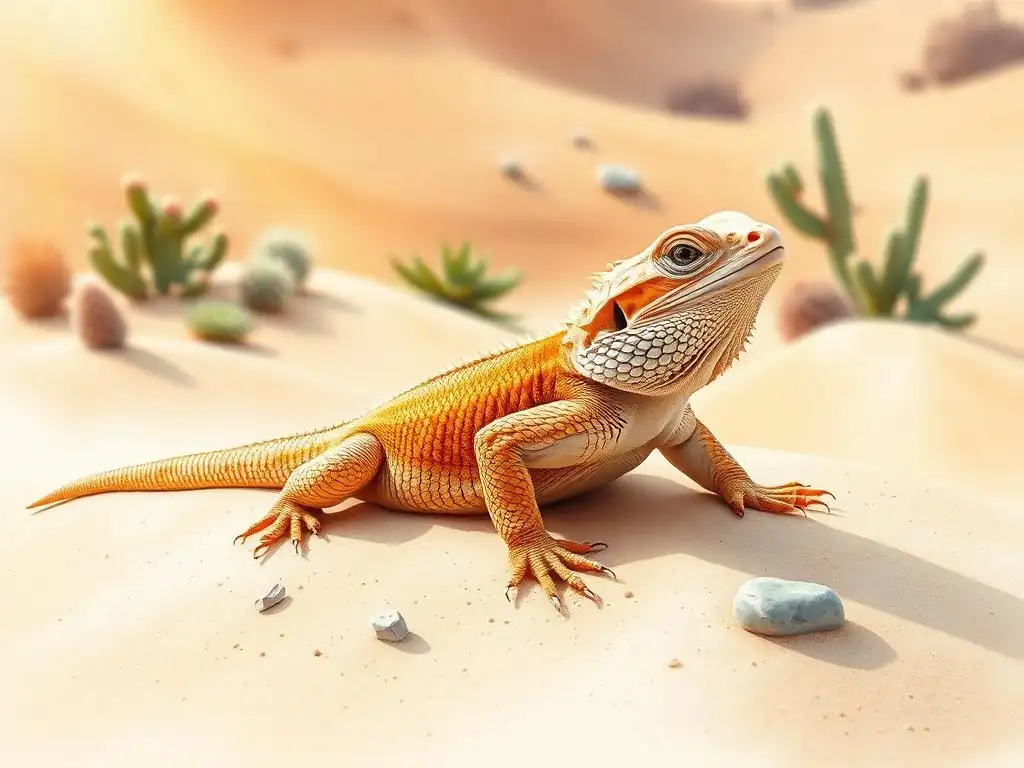
Selecting the right sand for your bearded dragon is crucial for their health and well-being. Not all sands are created equal, and some can be incredibly dangerous if ingested. The biggest concern with sand is impaction. If your bearded dragon ingests sand, it can build up in their digestive tract, causing serious health problems and potentially death.
To mitigate this risk, you must choose a very fine, smooth sand that is specifically designed for reptiles. Avoid play sand, construction sand, or any sand that contains sharp particles or potential contaminants. These types of sand present a much higher risk of impaction.
Furthermore, the depth of the sand is a critical factor. A deep bed of sand significantly increases the risk of impaction. A thin layer, just enough to provide a natural-feeling environment for digging and basking, is generally recommended. Always monitor your bearded dragon's behavior to ensure they are not excessively ingesting the substrate. Signs of impaction can include lethargy, loss of appetite, and straining during bowel movements.
If you suspect impaction, immediately consult a veterinarian specializing in reptiles. Choosing the correct sand, using it sparingly, and diligently observing your pet are key to preventing this serious issue. Remember, prevention is always better than cure when it comes to your bearded dragon's health. Consider supplementing the sand with other substrate options to create a more varied and stimulating environment.
Repti-Bark: Benefits and Considerations for Using Repti-Bark
Repti-bark, a type of reptile substrate made from finely shredded bark, offers several advantages as a bedding material for bearded dragons. It provides a natural-looking environment and allows for good drainage, reducing the risk of bacterial or fungal growth that can occur in excessively moist substrates. Its texture also allows for some digging behavior, satisfying your bearded dragon's natural instincts. Many owners find it easier to clean than sand, as it doesn't stick to the dragon's skin and scales as easily. This makes routine cleaning and spot cleaning significantly less cumbersome.
However, repti-bark is not without its drawbacks. While generally safe, some bearded dragons may attempt to ingest it, which can lead to minor digestive issues. It's also important to ensure the pieces are small enough to avoid potential injuries or blockages. Larger pieces can pose a risk of injury to the dragon's mouth or throat.
Furthermore, repti-bark can be more expensive than other substrate options. The cost per volume is generally higher than sand or coconut fiber, meaning it might be a less budget-friendly option for some owners. Regularly inspect the substrate for signs of mold or decay, and replace it as needed to maintain a hygienic environment for your pet. Choosing the right size and brand of repti-bark is crucial to minimizing potential problems.
Coconut Fiber: A Natural and Moisture-Retentive Substrate
Coconut fiber, often sold as coco coir, is a popular and increasingly favored substrate for bearded dragons. Derived from the husk of coconuts, it offers a number of benefits. It's a natural product, providing a more environmentally friendly option compared to some other substrates. Its texture is soft yet firm enough to allow for digging, and it retains moisture well, creating a more humid microclimate beneficial for shedding. This moisture retention is particularly helpful in maintaining appropriate humidity levels, especially important during shedding cycles.
However, coconut fiber requires careful management of moisture levels. Overly wet coconut fiber can lead to bacterial or fungal growth, posing a health risk to your bearded dragon. It's crucial to ensure proper ventilation and to avoid over-watering. Additionally, some bearded dragons might ingest small amounts of the fiber, leading to potential digestive upset.
Although generally considered safe, it's still important to monitor your dragon's behavior and stool consistency. Before using coconut fiber, always rinse it thoroughly to remove any salts or other potential irritants. Proper preparation and maintenance are key to maximizing the benefits and minimizing the risks associated with using coconut fiber as a substrate for your bearded dragon. Regularly checking for mold and replacing the substrate as needed ensures optimal hygiene.
Choosing the Best Bearded Dragon Substrate for Your Dragon
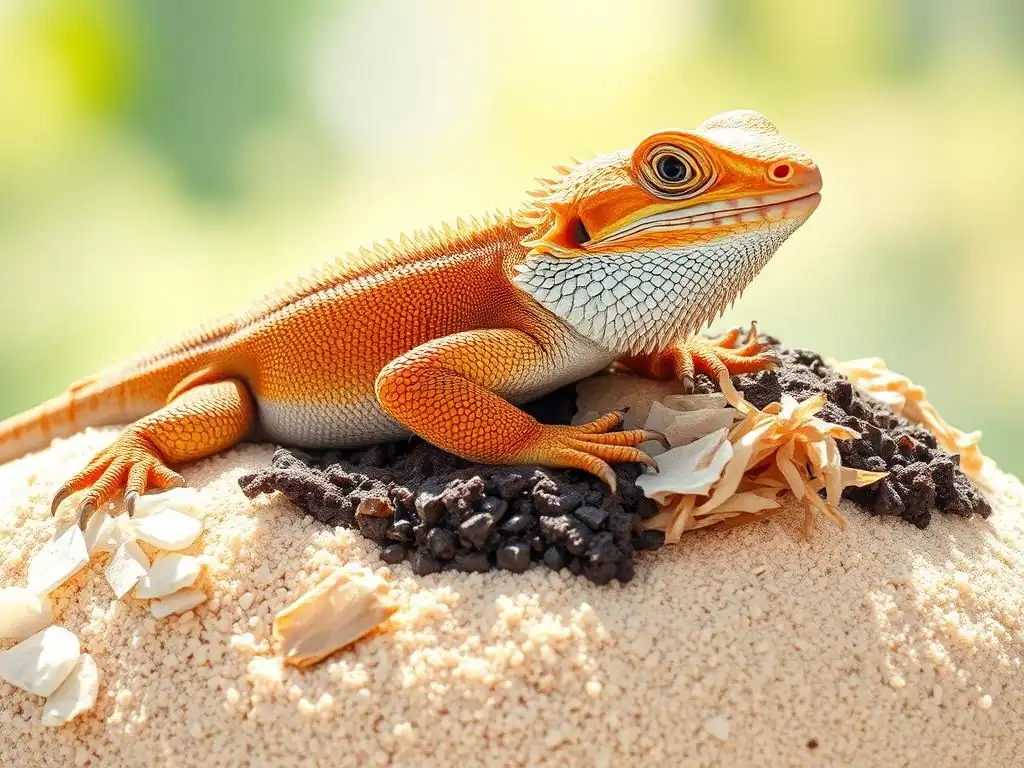
Selecting the optimal substrate for your bearded dragon is crucial for their health and well-being. The "best" substrate isn't a one-size-fits-all solution; the ideal choice depends on several factors, including your dragon's age, the size of their enclosure, and your budget. Poor substrate selection can lead to impaction, respiratory problems, and other health issues.
This section will guide you through the process of choosing the best bearded dragon substrate for your scaly companion, ensuring a safe and comfortable living environment. We'll explore various options, highlighting their pros and cons to help you make an informed decision. Remember, responsible substrate selection is a cornerstone of responsible bearded dragon ownership.
Considering Your Bearded Dragon's Age and Size
A baby bearded dragon's needs differ significantly from those of an adult. Young dragons, due to their smaller size and tendency to ingest substrate, require a very fine and safe substrate to minimize the risk of impaction. Paper towels or reptile carpet are often recommended for hatchlings and juveniles, offering a clean and easily monitored environment. These options, while not the most aesthetically pleasing, prioritize safety over aesthetics.
As your bearded dragon grows, you can gradually transition to a more textured substrate, but always ensure it's appropriate for their size and activity level. A substrate that's fine enough to prevent ingestion by a hatchling might be too fine for an adult, potentially leading to dust inhalation problems. Larger dragons might need a more robust substrate to handle their digging and burrowing behaviors. The transition should be gradual, allowing your dragon to adapt to the new texture. Observe your dragon closely during this transition period for any signs of discomfort or stress. Consider the following table:
| Age Group | Recommended Substrate Options | Considerations |
|---|---|---|
| Hatchlings (0-3 months) | Paper towels, reptile carpet | Minimal risk of impaction, easy cleaning, highly recommended for this age group. |
| Juveniles (3-12 months) | Paper towels, reptile carpet, fine sand (carefully monitored) | Transition slowly to slightly coarser substrates, closely monitor for ingestion. |
| Adults (12+ months) | Repti-bark, tile, slate, sand (specific types) | Focus on substrates that promote proper humidity and allow for natural burrowing. |
Matching Substrate to Your Bearded Dragon's Housing Setup
The size and type of enclosure also influence substrate selection. A smaller enclosure might benefit from a simpler, easier-to-clean substrate like paper towels. Larger enclosures, however, allow for more substrate options, potentially incorporating elements that encourage natural behaviors, such as digging and burrowing. Consider the following:
- Enclosure Size: Smaller enclosures necessitate easy-to-clean substrates to prevent the buildup of bacteria and waste. Larger enclosures allow for more substrate depth and variety.
- Humidity Levels: Certain substrates retain humidity better than others. If your enclosure requires higher humidity levels, you might choose a substrate that helps maintain these levels, while drier environments necessitate substrates that don't retain excessive moisture.
- Heating and Lighting: The substrate should not interfere with the heat gradient within the enclosure. Some substrates may retain heat more effectively than others, impacting the overall temperature regulation.
Choosing a substrate that complements your enclosure setup is essential for creating a thriving environment for your bearded dragon. Careful consideration of these factors will contribute to a healthier and happier pet.
Budget Considerations for Bearded Dragon Substrates
The cost of bearded dragon substrates varies widely. Paper towels are the most budget-friendly option, while others, like specialized reptile-specific substrates or slate tiles, can be more expensive. However, the initial cost shouldn't be the sole determining factor. Consider the long-term costs associated with substrate replacement and cleaning. Frequent changes of cheaper substrates might negate any initial cost savings.
Consider the following:
- Initial Cost: Compare prices of different substrates, factoring in the quantity needed for your enclosure size.
- Replacement Frequency: Some substrates need more frequent replacement than others due to hygiene concerns or wear and tear.
- Cleaning Costs: Evaluate the ease of cleaning and the resources required. Some substrates are easier to clean and require less effort than others.
Ultimately, the best bearded dragon substrate is one that balances safety, functionality, and your budget. Prioritize your dragon's health and well-being, ensuring a safe and comfortable environment that meets their specific needs throughout their lifespan. Remember, investing in a high-quality substrate is an investment in your pet's health and happiness.
Substrate Maintenance and Cleaning: A Step-by-Step Guide
Maintaining a clean and healthy substrate is crucial for your bearded dragon's well-being. A dirty substrate can harbor harmful bacteria, parasites, and fungi, leading to various health problems for your reptile. Regular cleaning prevents these issues and contributes to a thriving environment. The frequency of cleaning depends on the type of substrate you've chosen and the size of your enclosure, but a thorough cleaning should be performed at least once a week, with spot cleaning done more frequently.
Spot cleaning involves removing fecal matter, uneaten food, and any other visible debris daily. Use a paper towel or small scoop to carefully remove waste and dispose of it appropriately. This simple daily task significantly reduces the buildup of bacteria and keeps the enclosure smelling fresh. Remember to wash your hands thoroughly after handling waste to maintain hygiene.
For a more thorough weekly cleaning, you'll need to remove your bearded dragon from the enclosure and carefully remove the entire substrate layer. This allows for a deep clean of the enclosure itself, addressing any lingering bacteria or parasites that might be hiding within the cracks and crevices of the terrarium. Before you start, gather your cleaning supplies: a large container or trash bag for the old substrate, a stiff brush, warm water, reptile-safe disinfectant, and several clean paper towels.
Once the substrate is removed, thoroughly scrub the enclosure with warm water and reptile-safe disinfectant. Pay close attention to corners and crevices where bacteria can easily accumulate. Rinse thoroughly with clean water to remove all traces of disinfectant, ensuring no residue remains to harm your dragon. Allow the enclosure to air dry completely before adding fresh substrate. Never use household cleaning products as they can be toxic to reptiles. Always opt for specifically formulated reptile-safe disinfectants.
Choosing the right substrate replacement is also critical. While some substrates are reusable after thorough cleaning, others, like paper towels or newspaper, should be replaced entirely with fresh material each week. For reusable substrates, ensure they are completely dry before returning them to the enclosure. Proper substrate maintenance is a key component of responsible bearded dragon care, contributing to a healthy and happy pet. Remember, a clean environment means a healthy dragon! 💅
Avoiding Harmful Bearded Dragon Substrates
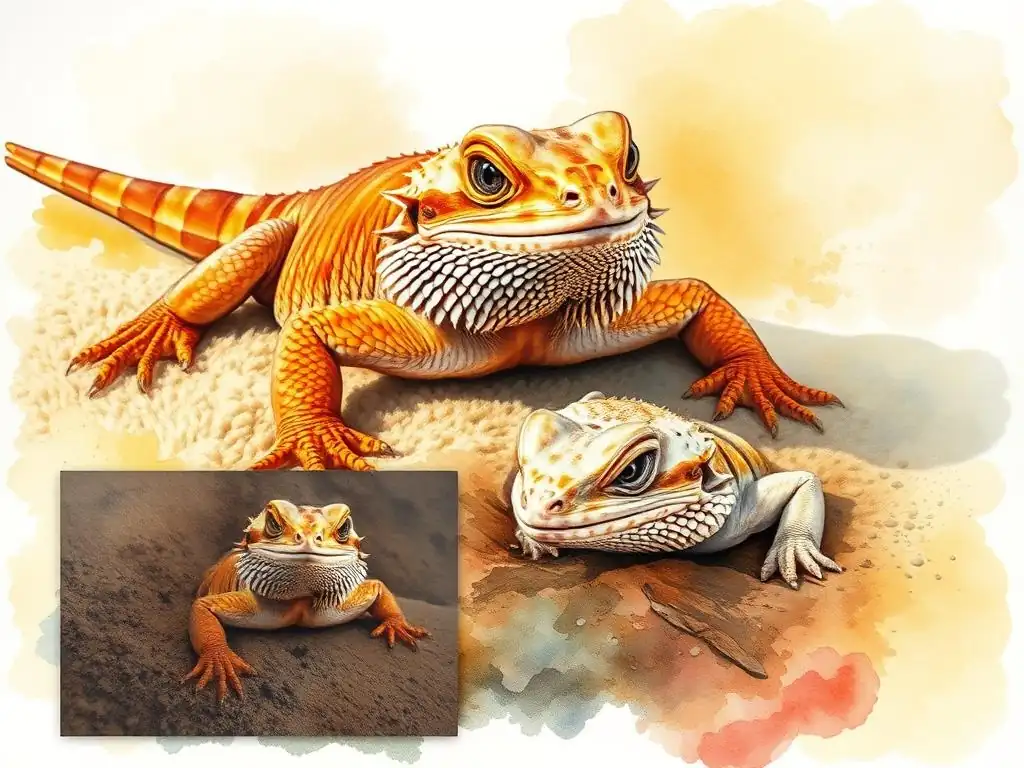
Choosing the right substrate for your bearded dragon is crucial for their health and well-being. The wrong substrate can lead to serious health problems, even death. This section focuses on identifying and avoiding dangerous substrates, empowering you to make informed decisions for your pet's best interests. Selecting the best bearded dragon substrate requires careful consideration of several factors, and understanding the dangers is the first step.
Why Certain Substrates are Dangerous for Bearded Dragons
Many commonly available substrates pose significant risks to bearded dragons. These risks stem primarily from the potential for impaction, ingestion, and respiratory issues. Some substrates are simply too fine, leading to accidental ingestion and subsequent impaction. Others contain harmful chemicals or additives that can be toxic to your reptile.
Here's a breakdown of common problematic substrates:
- Sand: Fine sand is a notorious culprit, frequently causing fatal impactions. The small particles are easily ingested and can build up in the digestive tract, blocking the passage of food and waste.
- Gravel: While larger gravel might seem safer, smaller pieces can still be ingested. Furthermore, sharp edges can injure the mouth and digestive tract.
- Wood Shavings: These can splinter, causing internal injuries. Additionally, some woods contain harmful oils or resins. Cedar and pine shavings are especially dangerous and should be completely avoided.
- Clay-based Substrates: These can dry out quickly, becoming dusty and irritating to your dragon's respiratory system. They also present an impaction risk, especially if ingested.
- Corn Cob: While sometimes marketed as a reptile substrate, corn cob can become moldy and harbor bacteria, posing health risks to your bearded dragon. It can also cause impaction.
Sand Impaction: Risks and Prevention
Sand impaction is a severe and potentially fatal condition in bearded dragons. It occurs when sand particles are ingested and accumulate in the digestive tract, causing a blockage. Symptoms can include lethargy, loss of appetite, vomiting, and straining to defecate. In advanced cases, surgery may be required, but even then, the prognosis is often poor.
Preventing sand impaction is paramount. The best way to do this is by avoiding fine sand substrates altogether. Opt for substrates that are larger in particle size and unlikely to be ingested. Regularly monitor your dragon's bowel movements for any signs of irregularity. Early detection is key to successful treatment. Remember, even with careful monitoring, sand remains a significant risk and should be avoided entirely. The choice of the best bearded dragon substrate directly impacts the risk of this serious condition.
Harmful Additives and Chemicals in Bearded Dragon Substrates
Some substrates contain added dyes, fragrances, or other chemicals that can be toxic to bearded dragons. These additives are often not clearly listed on packaging, making it challenging to identify safe products. Always choose substrates that are specifically marketed as safe for reptiles and are free of artificial colors, fragrances, and pesticides. Look for substrates made from natural materials, such as paper-based substrates or specific reptile-safe tile.
Read the ingredients list carefully and err on the side of caution if any ingredients are unclear or potentially harmful. Prioritizing natural, unadulterated substrates is crucial for the long-term health and well-being of your bearded dragon. This is a key aspect of finding the best bearded dragon substrate. Choosing wisely can prevent a range of health issues and ensure a happy, healthy reptile companion.
Frequently Asked Questions about Bearded Dragon Substrates
This section addresses common queries regarding substrate selection and maintenance for your bearded dragon's enclosure. Choosing the right substrate is crucial for maintaining a healthy and comfortable environment for your reptile companion. Remember, the "best" bearded dragon substrate is highly dependent on your individual setup and your dragon's specific needs.
How Often Should I Change My Bearded Dragon's Substrate?
The frequency of substrate changes depends heavily on the type of substrate used and your bearded dragon's habits. For example, paper towels, which are considered a low-maintenance option, might only require a complete change every few weeks or even monthly, depending on the level of soiling. However, substrates like sand or reptile carpet will likely need less frequent complete changes, perhaps every 2-3 months. The key is to monitor for signs of contamination.
Spot cleaning is essential regardless of the substrate type. Remove fecal matter and urates daily to prevent bacterial growth and odor buildup. This significantly extends the time between complete substrate changes. Regular spot cleaning minimizes the risk of impaction and keeps the habitat hygienic. Consider using a substrate that allows for easy spot cleaning.
Here's a table summarizing recommended change frequencies:
| Substrate Type | Frequency of Complete Change | Frequency of Spot Cleaning |
|---|---|---|
| Paper Towels | Every 1-4 weeks | Daily |
| Paper-based bedding | Every 2-4 weeks | Daily |
| Tile/Reptile Carpet | Every 2-3 months | Daily |
| Sand (specific types only) | Every 2-3 months | Daily |
| Repti-Bark/Coconut Fiber | Every 1-2 months | Daily to every other day |
Remember, always monitor your bearded dragon's behavior and health. If you notice any changes, such as decreased appetite or lethargy, consider more frequent cleaning. Regular substrate maintenance is a key component of responsible bearded dragon care.
Can I Use Specific Substrate Types for My Bearded Dragon?
The choice of substrate significantly impacts your bearded dragon's health and well-being. Some substrates are inherently safer and easier to manage than others. While many options exist, it's crucial to avoid substrates that pose a risk of impaction. This means steering clear of small particles that your bearded dragon might accidentally ingest.
- Safe Options: Paper towels, butcher paper, reptile carpet (ensure it's appropriately sized and placed to prevent ingestion), and specific types of tile offer low risk. Some reptile-specific substrates, like certain coconut fiber blends, can also be appropriate when used correctly. Always research the specific product before use.
- Unsafe Options: Avoid loose sand, especially fine sand, as it poses a high risk of impaction. Calci-sand, despite its name, is also generally discouraged due to similar ingestion risks. Gravel and other small, hard substrates also present significant impaction hazards.
The decision of which substrate to use is a critical aspect of responsible bearded dragon ownership. Always prioritize the safety and well-being of your pet. If unsure, always consult with a veterinarian specializing in reptiles. Proper substrate selection contributes significantly to a healthy and thriving bearded dragon.
Substrate-related issues in bearded dragons often manifest as digestive problems. While other factors can cause illness, paying close attention to your dragon's behavior and waste can help identify potential issues stemming from the substrate.
- Impaction: This is a serious condition where undigested substrate blocks the digestive tract. Signs include lethargy, decreased appetite, straining to defecate, and possibly vomiting. If you suspect impaction, immediate veterinary care is crucial. This is a life-threatening condition.
- Infections: Unsanitary substrates can harbor bacteria, leading to skin infections or other health complications. Look for signs like skin redness, swelling, or unusual discharge. Regular cleaning and proper substrate choice are essential in preventing this.
- Respiratory Issues: Dusty substrates can irritate your bearded dragon's respiratory system, leading to sneezing, wheezing, or other breathing difficulties. Choose substrates that minimize dust production, such as paper-based options.
Early detection is key to treating substrate-related problems effectively. Regular monitoring of your bearded dragon's health, including fecal consistency and overall behavior, is crucial. If you notice any signs of illness, consult a veterinarian promptly. A healthy and clean environment is fundamental to your bearded dragon's well-being.
Where Can I Buy the Best Substrates for My Bearded Dragon?
Finding the best substrate for your bearded dragon involves more than just selecting a type; it also means sourcing it from a reputable supplier. The quality of the substrate directly impacts your dragon's health and well-being, so choosing a reliable retailer is crucial. Avoid substrates from unknown sources or those that lack clear labeling specifying their composition and origin. This is especially important when considering substrates like sand, as impurities can pose a significant health risk.
Many pet stores, both brick-and-mortar and online, carry a variety of substrates specifically designed for bearded dragons. Larger chain pet stores often offer a wider selection, but smaller, specialized reptile shops may offer higher-quality, more natural options. When buying online, carefully examine customer reviews to gauge the quality of the product and the retailer's reliability. Look for mentions of consistency, cleanliness, and the absence of any harmful substances. Read reviews that detail the overall experience, not just the product itself. Was shipping timely? Was the product packaged well to prevent damage or contamination?
Before purchasing, always check the substrate's description for details such as particle size, dust content, and whether it's been treated to remove potential contaminants. A reputable supplier will provide this information transparently. Don't hesitate to contact the retailer directly if you have questions or concerns about a particular product. A responsible seller will be happy to assist you in choosing the best substrate for your pet's needs.
Remember, investing in a high-quality substrate from a trusted source is an investment in your bearded dragon's health and longevity. The seemingly small cost difference can be significant in the long run, preventing potential health issues and veterinary bills. Ultimately, the best place to buy your substrate will depend on your location, budget, and the specific type of substrate you've chosen. Prioritize quality and research thoroughly before making your purchase.
Frequently Asked Questions
What is the best substrate for bearded dragons?
The "best" substrate is subjective and depends on your setup and dragon's age. However, tiled floors or paper towels are generally considered the safest options for beginners due to their ease of cleaning and low impaction risk.
Are sand substrates safe for bearded dragons?
No, sand substrates are generally not recommended. They pose a significant risk of impaction, which can be fatal. Avoid using sand at all costs.
What are some good alternatives to sand for my bearded dragon's enclosure?
Good alternatives include paper towels, tile, reptile carpet, and certain types of non-toxic soil mixes. Always research specific products to ensure safety.
How often should I change my bearded dragon's substrate?
The frequency depends on the substrate type. Paper towels should be changed daily, while tile needs occasional cleaning. Other substrates may require weekly or bi-weekly cleaning, depending on your dragon's habits and the substrate's absorbency.
My bearded dragon ingested some substrate. What should I do?
Immediately contact your veterinarian. Substrate impaction is a serious issue that requires prompt veterinary attention. Do not attempt to treat it at home.
Final Reflection: Nurturing a Thriving Habitat: The Heart of Bearded Dragon Care
Choosing the right substrate isn't just about aesthetics; it's the cornerstone of a healthy and happy bearded dragon life. The seemingly simple act of selecting bedding profoundly impacts your dragon's well-being, influencing everything from their digestion to their overall comfort. Ignoring this crucial detail can have serious consequences, highlighting the importance of informed decision-making in reptile husbandry.
The ongoing debate surrounding ideal bearded dragon substrates underscores the evolving nature of responsible pet ownership. We've moved beyond simply providing a surface; we're now striving for environments that mimic the natural habitats of these fascinating creatures. This shift reflects a growing understanding of animal welfare and a commitment to providing the best possible care. The best pet owner is one who continuously learns and adapts their practices to ensure the well-being of their animal companion.
This quote encapsulates the spirit of responsible reptile keeping, and the choice of substrate is a perfect example of this ongoing learning process.
Consider the implications of your substrate choice. Will it promote your dragon's natural behaviors? Does it pose any health risks? Will it be easy to maintain and clean?
Take the time to reflect on these questions, and empower yourself to make the best decision for your scaly companion. Your commitment to providing a safe and enriching environment will not only improve your dragon's quality of life but will also deepen your bond with this remarkable creature. The journey of responsible pet ownership is a continuous one; let's continue to learn and grow together, creating thriving habitats for our beloved bearded dragons.
Unleash Your Dragon's Inner Explorer: Perfecting Their Habitat
Thanks for exploring the world of bearded dragon bedding with us! You've gained the knowledge to create a safe and thriving environment for your scaly friend. Ready to put this knowledge into practice?
- Prioritize your dragon's comfort: Immediately evaluate your current substrate and make any necessary adjustments based on what you've learned. A happy dragon is a healthy dragon!
- Share your substrate success (or questions!): Let fellow reptile enthusiasts know your substrate choice and the reasoning behind it – share a photo of your happy dragon enjoying their new bedding on PetCareWorld's community forum!
- Continue your learning journey: Explore other aspects of bearded dragon care—nutrition, enrichment, or even terrarium design—on PetCareWorld.org.
What's the one change you're most excited to make to improve your bearded dragon's habitat today?