
How to Find the Right Agility Trainer for Your Dog

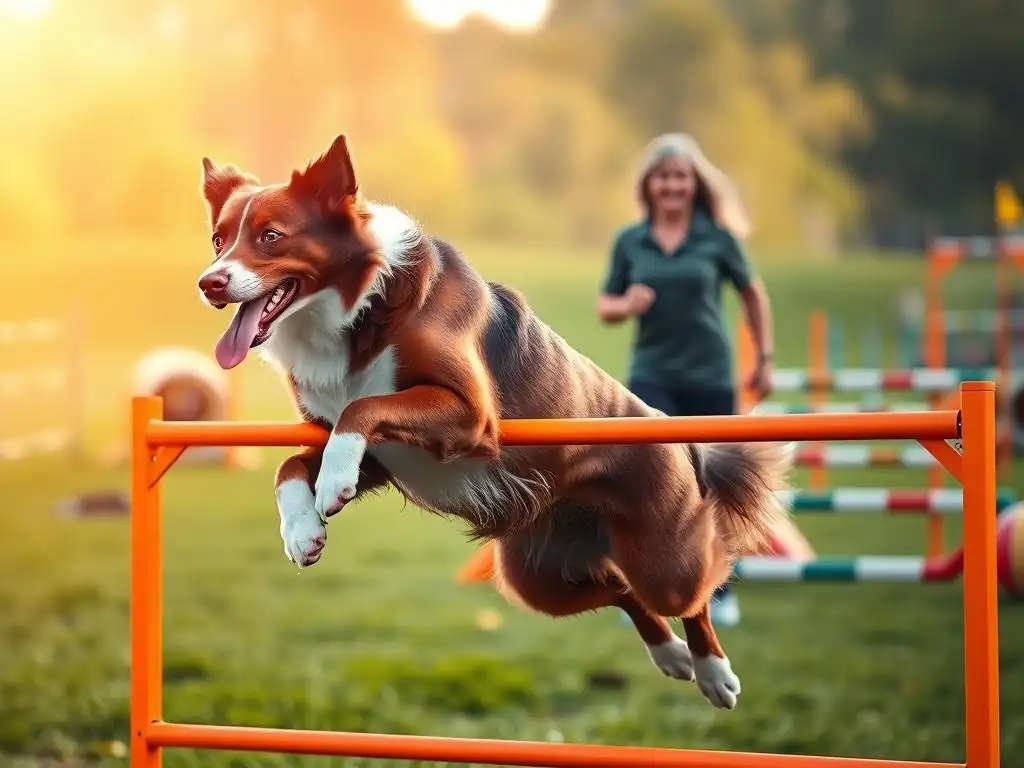
Welcome to PetCareWorld, your ultimate guide to a happier, healthier life for your beloved companion! Are you ready to unlock your dog's athletic potential? Finding the right dog agility trainer can make all the difference. Discover how to find the Best dog agility trainer near me and embark on an exciting journey of training and fun with our expert guide. Let's get started!
- Finding the Best Dog Agility Trainer Near Me: A Comprehensive Guide
- Locating Qualified Dog Agility Trainers in Your Area
- Evaluating Potential Dog Agility Trainers: Key Factors to Consider
- Making the Decision: Choosing the Right Agility Trainer for You and Your Dog
- Beyond the Initial Search: Maintaining a Successful Training Partnership
- Ensuring Your Dog's Safety and Well-being During Agility Training
- Frequently Asked Questions
- Final Reflection: Unlocking Your Dog's Potential Through the Right Partnership
- Unleash Your Dog's Potential: Find the Perfect Agility Partner!
Finding the Best Dog Agility Trainer Near Me: A Comprehensive Guide
Finding the right agility trainer can significantly impact your dog's success and enjoyment in this challenging and rewarding canine sport. This comprehensive guide will walk you through the process of identifying and selecting the best dog agility trainer near me, ensuring a positive and productive training experience for both you and your furry friend. We'll explore key factors to consider, from assessing your dog's individual needs and temperament to defining your training goals and budget.
Choosing wisely will lay the foundation for a successful and fulfilling agility journey, fostering a strong bond between you and your canine companion while promoting your dog's physical and mental well-being. The search for the perfect trainer might seem daunting, but by following these steps, you'll be well-equipped to make an informed decision that sets you both up for success.
Defining Your Needs: What to Look for in a Dog Agility Instructor
Selecting the right agility instructor is crucial for a positive and effective training experience. This involves a careful assessment of several key factors, ensuring the trainer's methods align with your dog's needs and your training goals. A good trainer will not only teach your dog agility skills but also build a strong bond between you and your canine companion, creating a positive and rewarding learning environment for both of you.
Assessing Your Dog's Skill Level and Temperament
Before you start your search, take some time to honestly assess your dog's current skills and temperament. Is your dog a novice, intermediate, or advanced agility competitor? A trainer experienced in working with dogs at your dog's skill level will be best equipped to provide appropriate training methods and exercises. Furthermore, consider your dog's personality.
Is your dog confident and bold, or more timid and cautious? Some trainers specialize in working with specific temperaments, ensuring a comfortable and effective learning environment for your dog. Understanding your dog's unique needs will help you narrow down your search and find a trainer who can cater to their individual characteristics. Remember, a positive and supportive learning environment is paramount for your dog's progress and well-being.
Determining Your Training Goals and Expectations
What do you hope to achieve through agility training? Are you aiming for competitive agility, or is your goal simply to provide your dog with engaging mental and physical stimulation? Defining your goals will help you identify trainers who align with your vision. Some trainers focus primarily on competition, while others prioritize fun and fitness.
Consider whether you want individual lessons, group classes, or a combination of both. Establishing clear expectations will guide your search and help you find a trainer whose approach and style match your aspirations for your dog. Be realistic about your time commitment and your dog's capabilities to ensure you choose a training program that's both achievable and enjoyable.
Considering Your Budget and Training Schedule
Agility training can range in cost depending on the trainer's experience, location, and the type of training offered. Establish a realistic budget before you begin your search. Also, consider your available time. Are you looking for weekly lessons, weekend workshops, or a more flexible schedule?
Matching your budget and schedule with the trainer's offerings will ensure a sustainable and enjoyable training experience. Don't hesitate to ask potential trainers about their pricing structure and schedule availability upfront to avoid any unexpected surprises. Finding a trainer who fits within your budgetary and time constraints will allow you to fully commit to the training process.
Locating Qualified Dog Agility Trainers in Your Area
Finding the best dog agility trainer near me can feel overwhelming, but with a systematic approach, you can locate a qualified instructor who aligns with your dog's needs and your training goals. This section outlines effective strategies to identify and evaluate potential trainers in your local area. Remember, a good trainer prioritizes the well-being of your dog and employs positive reinforcement methods. The right fit will significantly impact your dog's agility journey and overall happiness.
Utilizing Online Resources to Find Local Agility Instructors
The internet offers a wealth of resources to help you discover agility instructors near you. Many trainers maintain websites or social media profiles, showcasing their experience, training philosophy, and client testimonials. Leveraging these online tools is a crucial first step in your search for the best dog agility trainer near me.
Searching for "Dog Agility Classes Near Me"
A simple Google search using keywords like "dog agility classes near me," "dog agility training [your city/zip code]," or "best dog agility trainer near me" can yield numerous results. Pay close attention to the search results, filtering for trainers with positive reviews and a clear description of their training methods. Look for mentions of certifications and experience. Don't hesitate to explore beyond the first page of results; sometimes, the best trainers are a little less visible.
Exploring Pet-Related Online Directories and Forums
Dedicated pet-related websites and online forums often feature directories of local dog trainers, including those specializing in agility. These platforms frequently include user reviews and ratings, providing valuable insights into the quality of service provided by different trainers. Look for reviews that mention aspects such as the trainer's communication style, their approach to dog training, and the overall experience of their clients. Remember that a high number of reviews doesn't automatically guarantee quality; critically assess the content of the reviews themselves.
Checking Local Veterinary Clinics and Pet Stores for Recommendations
Your local veterinary clinic and pet stores are excellent resources for finding reputable dog agility trainers in your area. Veterinary professionals often collaborate with or know of trustworthy trainers, and pet stores frequently display flyers or have information available about local training classes. Asking for recommendations provides a direct line to professionals who can offer valuable insights based on their experience with different trainers and their knowledge of the local pet community. This method can uncover hidden gems you might miss through online searches alone.
Networking with Other Dog Owners and Trainers
Connecting with other dog owners and trainers can significantly expand your reach in the search for the best dog agility trainer near me. Word-of-mouth recommendations are often highly reliable, providing firsthand accounts of training experiences.
Attending Local Dog Events and Agility Competitions
Attending local dog events, such as dog shows, agility competitions, or even casual dog parks, provides opportunities to meet other dog owners and potentially interact with agility trainers. Observe the trainers' interactions with their dogs and other attendees. This firsthand observation can provide valuable insights into their training style and overall demeanor. Don't be afraid to strike up conversations; many trainers are happy to discuss their approach to agility training.
Joining Online Dog Owner Communities and Forums
Online communities and forums dedicated to dog ownership are valuable resources for finding recommendations and advice on dog agility trainers. These platforms allow you to connect with other dog owners in your area who may have firsthand experience with local trainers. You can ask specific questions about their experiences, focusing on aspects like training methods, communication, and results. Remember to scrutinize the information you receive; not all recommendations are created equal.
Seeking Recommendations from Friends and Family
Don't underestimate the power of personal connections. Reach out to friends, family members, and colleagues who own dogs. They may have personal recommendations for trustworthy and effective agility trainers in your area. Inquire about their experience with the trainer, paying attention to their feedback on the trainer's communication style, training philosophy, and the overall success of their dog's training. Word-of-mouth recommendations from trusted sources can be invaluable in your search for the right fit.
Evaluating Potential Dog Agility Trainers: Key Factors to Consider
Finding the best dog agility trainer near me requires careful consideration of several key factors. Choosing the right trainer can significantly impact your dog's progress, enjoyment, and overall well-being in agility training. Don't rush the process; take your time to thoroughly evaluate potential candidates. Remember, the investment in a skilled trainer is an investment in your dog's happiness and success.
Credentials and Experience: Certifications and Qualifications
A trainer's qualifications are paramount. A highly experienced trainer with the right credentials will provide a safer and more effective training experience for both you and your canine companion. Look beyond just years of experience; delve into the quality of that experience.
Verifying Instructor's Experience with Different Dog Breeds and Skill Levels
Not all dogs learn at the same pace or respond to training in the same way. An excellent agility trainer possesses experience working with a diverse range of dog breeds and skill levels. Inquire about their experience with dogs similar in size, temperament, and breed to your own. A trainer comfortable handling energetic Border Collies should also possess experience with more laid-back Golden Retrievers.
This breadth of experience demonstrates adaptability and a deeper understanding of canine learning styles. Ask for specific examples of success stories with dogs facing similar challenges to your own. For instance, ask about their experience with dogs who are easily distracted or those who struggle with specific agility obstacles.
Checking for Professional Certifications and Affiliations (e.g., AKC, UKI)
Professional certifications, such as those offered by the American Kennel Club (AKC) or the United Kennel Club (UKI), indicate a commitment to ongoing education and adherence to industry best practices. These certifications often involve rigorous training and testing, ensuring a certain level of competency. While not all excellent trainers hold formal certifications, their presence suggests a dedication to professional development.
Investigate whether the trainer is affiliated with reputable agility organizations. Such affiliations often imply a higher standard of training and a commitment to ethical practices within the agility community. Look for trainers with continuing education credits, highlighting their ongoing commitment to learning and adapting to the latest training techniques.
Training Philosophy and Methods: Positive Reinforcement vs. Harsh Methods
The training philosophy employed by your chosen trainer is crucial. Avoid trainers who rely on harsh methods like shock collars or other aversive techniques. These methods can be detrimental to your dog's emotional well-being and can negatively impact their learning process.
Understanding Different Training Approaches and Their Effectiveness
Several training approaches exist within dog agility. Some trainers may focus on lure-reward methods, using treats or toys to guide the dog through the course. Others might employ a more shaping-based approach, breaking down complex maneuvers into smaller, manageable steps. Understanding the trainer's preferred approach and its effectiveness is vital.
A good trainer can explain their methods clearly and justify their choices based on evidence-based training principles. They should be able to demonstrate how their chosen method aligns with the overall well-being and learning capabilities of your dog. Ask for detailed explanations of their methods, emphasizing the importance of positive reinforcement and the avoidance of punishment-based techniques.
Assessing the Trainer's Commitment to Positive Reinforcement Techniques
Positive reinforcement is a humane and highly effective training method. It focuses on rewarding desired behaviors, making training a positive and enjoyable experience for your dog. A trainer committed to positive reinforcement will prioritize building a strong bond with your dog, creating a trusting relationship, and fostering a love for agility. Look for trainers who emphasize clear communication, patience, and understanding of canine behavior.
They should be able to articulate why they choose positive reinforcement and how it benefits your dog's emotional and physical well-being. Avoid trainers who use jargon or are dismissive of concerns about their methods. A truly dedicated professional will welcome your questions and provide transparent and detailed responses. A commitment to positive reinforcement is a hallmark of a responsible and ethical dog agility trainer.
Trainer's Communication Style and Personality: Building a Strong Trainer-Owner Relationship
Finding the right dog agility trainer isn't just about finding someone with impressive credentials; it's about finding someone you can build a strong, trusting relationship with. Effective communication is paramount. A good trainer will explain concepts clearly, answer your questions patiently, and be receptive to your concerns. Their communication style should be tailored to your understanding, avoiding overly technical jargon unless you specifically request it.
Remember, you'll be working closely with this person, so a compatible personality is crucial. A trainer who is positive, encouraging, and patient will create a much more positive learning experience for both you and your dog. Conversely, a trainer with a harsh or impatient demeanor might create unnecessary stress and hinder your dog's progress. Think about your own communication style and preferences – do you prefer a more formal or informal approach?
A trainer who mirrors your communication style will likely lead to a more effective and enjoyable partnership. Consider whether you prefer in-person communication, email, or phone calls for updates and questions. A trainer who is responsive and proactive in their communication will ensure a smooth and successful training journey.
Observing the Trainer's Interaction with Dogs and Owners During a Class
Before committing to a trainer, try to observe a class in action. This is invaluable for assessing their methods and approach. Pay close attention to how the trainer interacts with both the dogs and their owners. Do they use positive reinforcement techniques, focusing on rewarding desired behaviors? Or do they rely on punishment or harsh corrections?
Positive reinforcement is crucial for building a strong bond between dog and owner, and for fostering a love of agility in your canine companion. Observe the overall atmosphere of the class. Is it positive and encouraging, or tense and stressful? A good trainer will create a supportive and fun environment for all participants. Look for trainers who demonstrate patience and understanding, even when faced with challenges.
Agility training can be demanding, both for dogs and owners, so a trainer's ability to handle setbacks gracefully is a key indicator of their skill and professionalism. Note how the trainer addresses mistakes – do they offer constructive feedback or resort to criticism? Constructive feedback helps both dog and owner learn and improve. This observation period will give you a much clearer picture of the trainer's capabilities and teaching style than any website or advertisement ever could. Finding a trainer whose methods align with your values and training philosophy is critical for long-term success.
Ensuring Clear Communication and Open Dialogue with Your Trainer
Open communication is the cornerstone of a successful trainer-owner relationship. Don't hesitate to ask the trainer plenty of questions before, during, and after training sessions. Clarify anything you don't understand, and openly discuss your goals and concerns. A good trainer will welcome your questions and actively encourage open dialogue.
Regular check-ins, perhaps after each session or at specific intervals, are beneficial to track progress, discuss challenges, and adjust the training plan as needed. It's important that you feel comfortable voicing any concerns about your dog's well-being or progress. If a trainer dismisses your concerns or becomes defensive, it might be a sign that they're not the right fit for you and your dog.
Remember, your dog's safety and well-being are paramount, and you should feel empowered to communicate any apprehensions you may have. A strong trainer-owner relationship built on mutual respect and clear communication is essential for achieving your agility goals and ensuring a positive experience for both you and your canine companion. This collaborative approach will maximize your dog's learning and enjoyment of agility training.
Making the Decision: Choosing the Right Agility Trainer for You and Your Dog
Finding the best dog agility trainer near me can feel overwhelming. The abundance of options, varying training styles, and individual dog personalities all contribute to the complexity of this decision. This section focuses on navigating this process effectively, ensuring you find a trainer who aligns perfectly with your dog's needs and your training goals. Remember, the ideal trainer isn't just about skill; it's about building a positive relationship between you, your dog, and the training process.
A successful partnership will yield better results and a more enjoyable experience for everyone involved. Finding the right fit is crucial for both the dog's physical and mental well-being, fostering a strong bond between you and your canine companion. This careful consideration will significantly impact your dog's progress and enjoyment of agility training.
Scheduling Introductory Sessions or Consultations
Before committing to a full training program, scheduling introductory sessions or consultations with several potential trainers is paramount. This allows you to observe their training methods firsthand, assess their interaction with dogs, and gauge their communication style. Many reputable trainers offer free or low-cost initial consultations. During these sessions, pay close attention to the following:
- Trainer-Dog Interaction: Does the trainer use positive reinforcement methods? Do they demonstrate patience and understanding, adapting their approach to the dog's individual personality and learning style? Observe if the trainer maintains a calm and encouraging demeanor, even with challenging dogs. Look for a trainer who prioritizes the dog's comfort and well-being above all else.
- Trainer-Owner Interaction: Does the trainer explain their training philosophy clearly and concisely? Are they responsive to your questions and concerns? Do they actively involve you in the training process, or are they solely focused on the dog? Effective communication between trainer and owner is crucial for success.
- Facility Assessment: Is the training environment safe and well-maintained? Are there appropriate obstacles and equipment for various skill levels? A clean and organized facility suggests professionalism and attention to detail.
Consider creating a simple checklist to ensure you don't miss key observations during these consultations. For example:
| Criteria | Excellent | Good | Fair | Poor |
|---|---|---|---|---|
| Positive Reinforcement Used | ✅ | ✅ | ⚠️ | ❌ |
| Clear Communication | ✅ | ✅ | ⚠️ | ❌ |
| Safe & Clean Training Space | ✅ | ✅ | ⚠️ | ❌ |
| Dog's Comfort Prioritized | ✅ | ✅ | ⚠️ | ❌ |
This structured approach will help you objectively compare different trainers and make an informed decision. Remember to bring your dog to these consultations to observe their interaction with the trainer directly.
Comparing Different Trainers and Their Training Programs
Once you've had introductory sessions, compare the trainers' training programs and philosophies. Consider factors such as:
- Training Methods: Do they primarily use positive reinforcement, or do they incorporate other methods? Positive reinforcement, which focuses on rewarding desired behaviors, is generally considered the most humane and effective approach for dog training.
- Class Size: Smaller class sizes allow for more individualized attention. Larger classes might be more affordable but could mean less one-on-one time with the trainer.
- Experience and Credentials: Look for trainers with proven experience and relevant certifications. While certifications aren't always necessary, they can indicate a commitment to professional development and adherence to best practices.
- Cost and Schedule: Consider the overall cost of the program, including any additional fees, and whether the training schedule aligns with your availability. Don't solely focus on price; the quality of training is far more important.
Analyzing these aspects will provide a clearer picture of each trainer's approach and suitability for your dog. Remember to prioritize trainers who align with your values and training philosophy. This detailed comparison will help you eliminate unsuitable options and focus on the most promising candidates. Don't hesitate to ask for references or testimonials from previous clients.
Trusting Your Gut Feeling and Choosing the Best Fit for Your Dog
After careful consideration of the above factors, trust your intuition. Did you feel comfortable and confident with a particular trainer? Did your dog seem relaxed and receptive to their methods? The best agility trainer for your dog is not just the most experienced or the cheapest; it's the one who creates a positive and effective learning environment for both you and your canine companion. The "best dog agility trainer near me" is subjective and depends on your specific needs and your dog's unique temperament and learning style.
Remember, the goal is to build a strong, positive relationship based on trust and mutual respect. This will not only enhance your dog's agility skills but also strengthen the bond between you. Choosing a trainer who prioritizes positive reinforcement and clear communication will lay the foundation for a successful and enjoyable agility journey. Your dog's happiness and well-being should always be the top priority. This holistic approach will ensure a rewarding experience for both of you.
Beyond the Initial Search: Maintaining a Successful Training Partnership
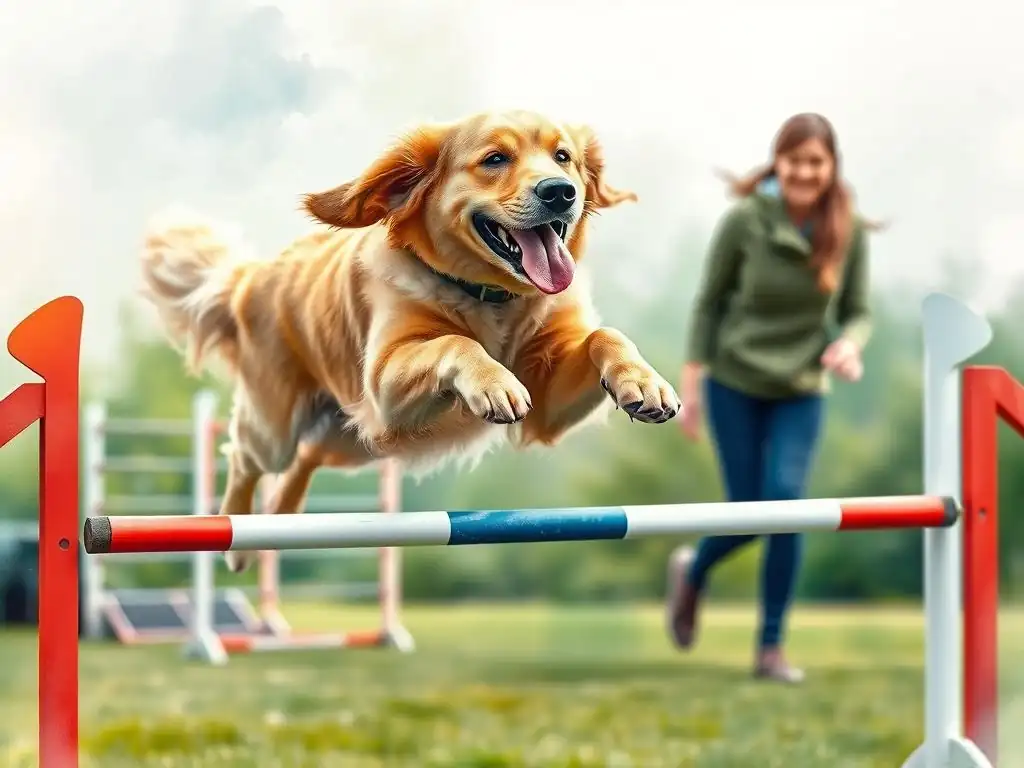
Finding the best dog agility trainer near me is only the first step in a rewarding journey of canine athleticism and bonding. Securing a skilled trainer is crucial, but a truly successful partnership requires ongoing effort and commitment from both you and your trainer. This section delves into the key elements of maintaining a strong and productive training relationship that will benefit both you and your dog. Remember, consistency, communication, and a positive attitude are paramount to achieving your agility goals.
Consistent Training and Practice at Home
Consistent training isn't just about attending weekly classes. It’s about reinforcing what you learn in those sessions through regular practice at home. Think of home practice as the "homework" assignment that solidifies the skills learned in class. Even short, 15-20 minute sessions several times a week are far more effective than infrequent, longer sessions. This consistent reinforcement helps your dog retain information and build confidence.
Consider incorporating these elements into your home training routine:
- Positive Reinforcement: Always use positive reinforcement methods, such as praise, treats, and toys, to reward your dog for correct behaviors. Avoid punishment, as it can damage your bond and hinder progress.
- Short, Focused Sessions: Keep sessions short and engaging to maintain your dog’s focus and prevent boredom or frustration. Short, frequent sessions are much more effective than long, infrequent ones.
- Variety in Exercises: Incorporate a variety of exercises to prevent monotony and keep your dog stimulated. This might include practicing specific agility obstacles, playing fetch, or engaging in simple obedience exercises.
- Obstacle Familiarization: Gradually introduce your dog to new obstacles at home. Let them sniff, explore, and get comfortable with the equipment before attempting any formal training.
- Record Keeping: Consider keeping a training journal to track your dog's progress, noting both successes and areas needing improvement. This will provide valuable insights for you and your trainer.
Open Communication with Your Agility Trainer
Open and honest communication is the cornerstone of any successful relationship, and this is especially true for your partnership with your dog's agility trainer. Don't hesitate to ask questions, voice concerns, or share observations about your dog’s behavior. Regular check-ins, perhaps even a quick phone call or email between classes, can help address any issues promptly.
Effective communication involves:
- Sharing Observations: If you notice any changes in your dog's behavior or performance, don't wait until the next class to mention it. A timely update can prevent potential problems from escalating.
- Expressing Concerns: If you have any concerns about your dog's training or the training methods used, speak to your trainer directly. They are there to support you and address any uncertainties.
- Providing Feedback: Share your feedback on the training sessions, both positive and constructive. This helps your trainer tailor their approach to best suit your dog's needs.
- Setting Clear Goals: Discuss your goals for your dog's agility training with your trainer. This ensures that you are both working towards the same objectives.
Celebrating Successes and Addressing Challenges Together
Agility training is a journey filled with both triumphs and setbacks. It’s crucial to celebrate successes, no matter how small, and to address challenges constructively. This shared experience strengthens the bond between you, your dog, and your trainer.
Remember to:
- Acknowledge Achievements: Celebrate every milestone, from mastering a new obstacle to completing a successful course. Positive reinforcement extends beyond your dog; acknowledging your achievements helps maintain motivation.
- Analyze Setbacks: When challenges arise, work with your trainer to analyze the situation, identify the root cause, and develop strategies for improvement. This collaborative approach fosters problem-solving and builds resilience.
- Maintain a Positive Attitude: A positive attitude is contagious. Maintain a supportive and encouraging environment for both your dog and yourself. Remember that progress takes time and consistency. The journey itself is as rewarding as the destination! 🏆
Remember, finding the best dog agility trainer near me is just the beginning. By prioritizing consistent training, open communication, and a shared commitment to success, you'll embark on a fulfilling and rewarding agility journey with your canine companion.
Ensuring Your Dog's Safety and Well-being During Agility Training
Finding the best dog agility trainer near me is only half the battle. Equally crucial is ensuring your canine companion's safety and well-being throughout the training process. Agility training, while incredibly rewarding, can place physical and mental demands on your dog. A responsible trainer will prioritize your dog's health and happiness above all else. This section details essential considerations to safeguard your furry friend.
Understanding the Importance of Proper Warm-up and Cool-down Routines
A proper warm-up is paramount before each agility session. Think of it as preparing your dog's muscles and joints for the strenuous activity ahead. A good warm-up routine typically includes:
- Gentle walking: A 5-10 minute leisurely walk helps increase blood flow and prepare the muscles.
- Stretching exercises: Simple stretches, like gently extending your dog's legs, can improve flexibility and range of motion. Consult your vet or a canine physical therapist for guidance on appropriate stretches for your breed and your dog's age and physical condition.
- Low-impact activities: Light jogging or playing fetch at a slow pace helps increase heart rate gradually.
Similarly, a cool-down routine is just as vital. It allows your dog's body to gradually return to its resting state, preventing muscle soreness and injury. This can include:
- Slow walking: A slow, relaxed walk after the training session helps lower the heart rate.
- Gentle stretching: Repeating some of the warm-up stretches can aid in muscle recovery.
- Relaxation time: Allowing your dog to rest and recover in a calm environment is crucial.
Ignoring these routines significantly increases the risk of injuries like muscle strains, sprains, and joint problems. A reputable trainer will always incorporate thorough warm-up and cool-down routines into their sessions.
Recognizing Signs of Overexertion or Injury in Your Dog
Even with careful planning, recognizing signs of overexertion or injury is crucial. Your dog might not always vocalize their discomfort, so learning to interpret subtle cues is essential. Look out for:
- Limping or lameness: Obvious signs of pain or discomfort in a leg or paw.
- Whining or unusual vocalizations: Your dog might whine or cry more than usual, indicating pain or distress.
- Changes in behavior: Sudden lethargy, reluctance to participate, or changes in appetite can be indicators of a problem.
- Shifts in gait: Notice any alterations in your dog's walking style, such as stiffness or uneven steps.
- Excessive panting or breathing difficulties: This could indicate overexertion or a more serious issue.
- Swelling or heat in joints: These are signs of potential inflammation or injury.
If you observe any of these signs, immediately stop the training session and consult your veterinarian. Early intervention is key to preventing more serious complications. A responsible trainer will be attentive to these signs and will readily adjust the training intensity or duration as needed.
Prioritizing Your Dog's Physical and Mental Health Throughout Training
Agility training should be a positive and enjoyable experience for both you and your dog. Remember, it's not just about physical fitness; mental well-being is equally important. A good trainer will:
- Use positive reinforcement: Focus on rewarding good behavior rather than punishing mistakes.
This creates a positive learning environment and strengthens the bond between you and your dog.
- Adjust training intensity to your dog's needs: Avoid pushing your dog too hard, especially when starting. Gradually increase the difficulty and duration of training sessions.
- Provide adequate rest and recovery time: Ensure your dog gets sufficient rest between training sessions to prevent exhaustion and injury. Remember, rest is as important as the training itself!
- Monitor your dog's overall health: Regular veterinary check-ups are vital to ensure your dog is fit for agility training. This includes examining your dog's joints, muscles, and overall health.
By prioritizing your dog's physical and mental health, you ensure a safe and enjoyable agility journey. Choosing a trainer who shares this philosophy is crucial in finding the best dog agility trainer near me and fostering a positive experience for both you and your canine partner. Remember, a healthy and happy dog is a successful agility dog! 🐶
Frequently Asked Questions
How do I find the best dog agility trainer near me?
Use online search engines like Google, typing "best dog agility trainer near me". Check online review sites like Yelp or Google My Business for ratings and reviews. Also, ask your veterinarian or other dog owners for recommendations.
What qualities should I look for in a dog agility trainer?
A good trainer should be certified and have experience with various breeds and skill levels. They should use positive reinforcement methods and prioritize the dog's safety and well-being. Look for someone who is patient and communicates clearly.
What should I expect during my first lesson with a dog agility trainer?
Expect an assessment of your dog's skills and temperament. The trainer will likely discuss your goals and answer your questions. The first session often involves basic obedience and introductions to agility equipment.
How much does dog agility training typically cost?
The cost varies greatly depending on location, trainer experience, and the type of training program. Expect to pay anywhere from $30 to $100+ per session or package. Inquire about pricing upfront.
Is dog agility training right for all dogs?
While many dogs enjoy agility, it's not suitable for all. Dogs with certain health conditions or temperaments might not be good candidates. Consult your veterinarian to ensure your dog is physically and mentally ready for agility training.
Final Reflection: Unlocking Your Dog's Potential Through the Right Partnership
Finding the perfect agility trainer isn't just about finding someone who can teach your dog tricks; it's about forging a bond that unlocks your dog's full potential and strengthens your relationship. The right trainer becomes a vital partner in your dog's journey, fostering a positive learning environment that benefits both canine and human. This isn't just about winning ribbons; it's about building confidence, trust, and a shared passion for the sport.
The impact of a skilled and compassionate agility trainer extends far beyond the training field. It shapes the way we interact with our dogs, fostering a deeper understanding of canine communication and learning styles. The positive reinforcement techniques emphasized throughout this article are not just beneficial for agility training; they create a foundation for a more harmonious relationship in all aspects of your dog's life. The best thing about agility is the bond you create with your dog.
This simple statement encapsulates the profound connection that blossoms through shared experiences and mutual respect.
So, as you embark on your search for the best dog agility trainer near you, remember the importance of finding a trainer whose methods align with your values and your dog's personality. Don't just look for skills; look for a partnership. Take the time to interview potential trainers, observe their training styles, and most importantly, trust your instincts. The journey of agility training is a rewarding one, filled with challenges, triumphs, and an unbreakable bond with your canine companion. Embrace the adventure, and watch your dog—and your relationship—flourish.
Unleash Your Dog's Potential: Find the Perfect Agility Partner!
Thank you for learning how to find the perfect agility trainer for your dog! You're now equipped to make an informed decision and embark on this exciting new adventure. Ready to get started?
- Schedule consultations with your top three trainer choices: This is crucial to ensure a good fit for both you and your dog. Don't hesitate to ask plenty of questions!
- Share this article with other dog owners interested in canine agility. Help them find their perfect trainer, too!
- Try a beginner agility class: Many trainers offer introductory sessions, allowing you and your dog to experience the fun before committing to a full course.
What exciting agility skills will you and your dog master together?