
Herding Dog Eye Care: Recognizing and Addressing Common Problems

Welcome to PetCareWorld, your ultimate guide to a happier, healthier life for your beloved companion! Are you concerned about your herding dog's eyesight? We delve into the common eye problems affecting these intelligent breeds in our comprehensive guide, "Herding Dog Eye Care: Recognizing and Addressing Common Problems," offering practical solutions and expert advice to keep your furry friend seeing clearly for years to come. Discover the secrets to maintaining optimal eye health and learn how to identify and address potential issues – explore now and ensure your herding dog's vision remains sharp and bright!
- Understanding Herding Dog Eye Anatomy and Common Issues
- Recognizing Signs of Eye Problems in Your Herding Dog
- Diagnosing Herding Dog Eye Problems: A Vet's Role
- Treatment and Management of Herding Dog Eye Problems
- Preventing Eye Problems in Herding Dogs
- Specific Herding Breed Eye Conditions: Breed-Specific Predispositions
- Living with Eye Problems in Herding Dogs: Long-Term Care
- Resources and Further Information on Herding Dog Eye Care
-
Frequently Asked Questions
- What are some common eye problems in herding dogs?
- How can I tell if my herding dog has an eye problem?
- What are the treatment options for herding dog eye conditions?
- Are there preventative measures I can take to protect my herding dog's eyes?
- Where can I find more information on herding dog eye care?
- Final Reflection: The Seeing Eye of the Shepherd
- Unlock Your Dog's Brightest Eyes: Take Action Today!
Understanding Herding Dog Eye Anatomy and Common Issues
Herding dogs, renowned for their intelligence, agility, and unwavering loyalty, require specialized care to maintain their exceptional health and well-being. This article focuses on a critical aspect of their health: eye care. Understanding the unique anatomy of a herding dog's eyes and the common problems they face is crucial for responsible pet ownership.
We will explore the specific eye features prevalent in these breeds, delve into the most frequently encountered eye issues, and examine how age contributes to potential vision problems. By equipping you with this knowledge, we aim to empower you to recognize early warning signs, seek timely veterinary intervention, and ultimately ensure your herding dog enjoys a life filled with clear vision and happy adventures. This guide will help you effectively address "herding dog eye problems solutions," enabling you to provide optimal care for your canine companion.
Unique Eye Features in Herding Breeds
Many herding breeds share certain facial characteristics that can predispose them to specific eye problems. For instance, breeds with prominent eyes, like the Collie or Shetland Sheepdog, are more vulnerable to corneal injuries due to increased exposure. Similarly, breeds with brachycephalic (short-nosed) features, while less common in the herding group, can experience issues like dry eye or entropion (inward rolling of the eyelid).
The size and shape of the eye socket, as well as the amount of facial fur surrounding the eyes, also play a role in susceptibility to various conditions. For example, excessive facial hair can trap debris and increase the risk of infection. Specific breeds display varying degrees of these features; therefore, understanding your dog's breed-specific predispositions is a crucial first step in preventative eye care.
Detailed breed-specific information on eye anatomy and common issues is needed [specific information pending]. This information would include detailed diagrams and photos of various herding dog breeds showing their unique eye features.
Common Herding Dog Eye Problems: A Comprehensive Overview
Herding dogs, like other breeds, are susceptible to a range of eye problems. Some of the most common include:
- Dry Eye (Keratoconjunctivitis Sicca): This condition results from insufficient tear production, leading to dryness, irritation, and potential corneal ulceration. Symptoms include excessive blinking, redness, and a cloudy appearance to the eye.
- Progressive Retinal Atrophy (PRA): This inherited disorder causes gradual degeneration of the retina, leading to vision loss and eventual blindness. Early detection is crucial, although unfortunately, there is no cure.
- Glaucoma: An increase in intraocular pressure damages the optic nerve, causing pain, blindness, and potentially requiring surgery. Early symptoms can be subtle, making regular eye exams essential.
- Cataracts: Clouding of the eye lens, cataracts impair vision and can eventually lead to blindness. Surgical removal may be an option in some cases.
- Corneal Ulcers: These painful open sores on the cornea can result from injury, infection, or dry eye. Prompt veterinary treatment is vital to prevent serious complications.
Understanding these common problems allows for proactive monitoring and early intervention. Regular veterinary check-ups, including thorough eye examinations, are paramount in preventing and managing these conditions. The frequency of these check-ups should be tailored to the individual dog's breed, age, and overall health. A detailed table comparing the symptoms, causes, and treatments of these common eye problems would be beneficial [specific information pending].
As herding dogs age, they are more prone to developing age-related eye conditions. Similar to humans, senior dogs experience a natural decline in vision. This can manifest as:
- Nuclear sclerosis: A gradual hardening and yellowing of the lens, often mistaken for cataracts. While it doesn't necessarily impair vision significantly, it can affect the clarity of the lens.
- Increased susceptibility to infections: The immune system weakens with age, making older dogs more vulnerable to eye infections.
- Decreased tear production: Age-related dry eye is a common problem, increasing the risk of corneal ulcers and other complications.
- Increased risk of glaucoma and PRA: The risk of these conditions often increases with age.
Regular veterinary check-ups are even more vital for senior herding dogs. These examinations should include a thorough assessment of their vision and a discussion of any age-related changes or potential interventions. Early detection and management of age-related eye problems can significantly improve the quality of life for senior herding dogs, allowing them to maintain their mobility and enjoy their twilight years. A comparison of the prevalence of these age-related eye conditions across different herding breeds would be helpful [specific information pending]. Furthermore, a guide to recognizing age-related vision changes in herding dogs would be beneficial for owners. 🐶
Recognizing Signs of Eye Problems in Your Herding Dog
Herding dogs, with their energetic and often demanding lifestyles, are susceptible to a range of eye conditions. Early detection is crucial for successful treatment and preventing permanent vision impairment. Understanding the subtle and more obvious signs of eye problems in your herding breed is paramount to ensuring their long-term eye health and overall well-being. This section will equip you with the knowledge to identify potential issues and seek prompt veterinary attention when necessary. This is key to effectively addressing herding dog eye problems and solutions.
Early Detection: Subtle Signs of Eye Disease
Often, the first indications of eye problems are subtle and easily overlooked. A discerning pet owner, however, can identify these early warning signs. Look for changes in your dog's behavior around light. Does your usually playful pup seem to be avoiding bright sunlight or squinting more frequently? This could be a sign of photophobia (light sensitivity), a symptom of several underlying conditions.
Also, pay close attention to subtle changes in their eye appearance. A slight cloudiness in the cornea, a normally clear part of the eye, might indicate early stages of cataracts or other corneal issues. Regularly inspect your dog's eyes for any unusual discharge, even if it's minimal. A small amount of clear discharge is normal, but any change in color, consistency, or amount warrants a veterinary check-up. Remember, early intervention is key when dealing with herding dog eye problems and finding the right solutions.
Early detection is crucial for effectively managing herding dog eye problems. Even seemingly minor changes in your dog's behavior or eye appearance should prompt a visit to your veterinarian. Don't hesitate to seek professional advice; it could make all the difference in preserving your dog's vision.
Common Symptoms: Discharge, Redness, and Swelling
More pronounced symptoms are easier to identify, but require immediate attention. Excessive tearing (epiphora) is a common sign and can manifest as watery, mucousy, or even purulent (pus-like) discharge. The color of the discharge is important; a clear discharge might indicate a minor irritation, while yellow or green discharge suggests infection. Redness (conjunctivitis) around the eyes is another telltale sign.
This redness can range from mild pinkness to intense inflammation. Swelling around the eyes, especially if accompanied by pain or discomfort, indicates a more serious problem. Your dog might also exhibit pawing at their eyes, rubbing their face on the ground, or showing signs of discomfort when touched around the eyes. These symptoms warrant immediate veterinary attention and are clear indicators that solutions for herding dog eye problems are needed.
Here’s a table summarizing common symptoms:
| Symptom | Description | Severity | Possible Causes |
|---|---|---|---|
| Excessive Tearing | Watery, mucousy, or purulent discharge | Variable | Allergies, infections, corneal ulcers, glaucoma |
| Redness (Conjunctivitis) | Inflammation of the conjunctiva | Variable | Infections, allergies, irritants, foreign bodies |
| Swelling | Puffiness around the eyes | Variable | Infections, allergies, injuries, trauma |
| Pawing at Eyes | Repeated rubbing or scratching of the eyes | Variable | Discomfort, itching, irritation, foreign bodies |
Consider these symptoms as urgent signals requiring prompt veterinary assessment. Delaying treatment can lead to irreversible damage, significantly impacting your dog's quality of life.
Behavioral Changes Indicating Eye Problems
Beyond the physical symptoms, behavioral changes can also signal underlying eye issues. A herding dog's keen eyesight is essential for their work, so any changes in their behavior should be closely monitored. Noticeable changes in their usual alertness, such as decreased responsiveness to commands or difficulty navigating familiar spaces, can indicate vision problems.
They might bump into objects more frequently, become hesitant to play, or exhibit signs of disorientation. These subtle behavioral shifts are often overlooked, yet they can be crucial indicators of underlying eye problems. Furthermore, changes in their appetite or sleeping patterns might also accompany these behavioral changes, adding to the overall picture of a potential eye problem requiring immediate veterinary attention and effective solutions for herding dog eye problems.
Remember that a holistic approach is vital. Consider the entire clinical picture—physical symptoms combined with behavioral changes—to accurately assess your dog's condition. Don't underestimate the importance of these subtle indicators; they can be the key to early diagnosis and successful treatment. Early intervention is your best defense against severe herding dog eye problems and ensures the best possible solutions.
When to Seek Veterinary Care: Urgent Eye Issues
Recognizing when your herding dog's eye problem requires immediate veterinary attention is crucial. Delaying treatment can lead to irreversible vision loss or even more serious complications. Several symptoms indicate the need for urgent care. These aren't just minor inconveniences; they're red flags demanding prompt professional help.
One such urgent symptom is a protruding eyeball, also known as proptosis. This is a serious emergency, often resulting from trauma. The exposed eye is extremely vulnerable to damage and infection. Immediate veterinary intervention is absolutely necessary to attempt to reposition the eye and address any associated injuries. Delaying treatment significantly reduces the chances of saving the eye's function and possibly the eye itself.
Another critical sign is sudden loss of vision or blindness in one or both eyes. While gradual vision changes might warrant a veterinary visit, sudden blindness demands immediate attention. Underlying causes could range from glaucoma, a severe pressure buildup within the eye, to a detached retina, a potentially blinding condition requiring swift surgical intervention. The speed of treatment is directly correlated with a successful outcome in these cases.
The presence of ulcers or penetrating injuries to the cornea (the clear front part of the eye) also constitutes an emergency. These injuries can lead to severe pain, infection, and permanent vision impairment if not treated promptly. You might observe a cloudy cornea, excessive tearing, or squinting. These are clear indicators that professional veterinary care is needed immediately to prevent further damage.
Finally, any signs of severe pain or discomfort related to the eyes, such as pawing at the face, excessive rubbing, or vocalizations, should trigger an immediate visit to the veterinarian. Your dog cannot tell you what is wrong, but their behavior is a powerful indicator of pain. Ignoring these signs can lead to unnecessary suffering and potentially irreversible damage. Remember, prompt action is key to preserving your herding dog's vision and overall well-being. Don't hesitate to seek immediate veterinary attention if you observe any of these urgent eye issues. The health of your beloved pet depends on it.
Diagnosing Herding Dog Eye Problems: A Vet's Role
Early detection is crucial when it comes to addressing herding dog eye problems effectively. While attentive observation by the owner is vital (as discussed in previous sections), a veterinarian's expertise is paramount for accurate diagnosis and treatment planning. This section focuses on the veterinarian's role in identifying and managing herding dog eye issues, emphasizing the importance of proactive care to prevent vision loss and improve your canine companion's quality of life. Solutions to herding dog eye problems often require professional veterinary intervention.
The Importance of Regular Eye Exams
Regular eye exams are an indispensable part of preventative herding dog care. Just as you schedule annual checkups for yourself, scheduling routine eye examinations for your herding breed is vital. These exams, ideally conducted annually or biannually depending on the dog's age and breed-specific predispositions, allow veterinarians to detect subtle changes indicative of potential problems before they become severe. Early detection significantly improves the chances of successful treatment and minimizes the risk of permanent vision impairment.
For example, early detection of cataracts can delay or prevent blindness. Similarly, early intervention in cases of glaucoma can slow its progression and preserve some vision. The frequency of these exams should be discussed with your veterinarian, considering factors such as the dog's breed, age, and overall health. Some herding breeds are more prone to certain eye conditions than others, necessitating more frequent monitoring.
Diagnostic Tests for Herding Dog Eye Diseases
Once an abnormality is suspected, various diagnostic tests may be employed to reach an accurate diagnosis. These tests help the vet determine the underlying cause of the herding dog eye problems and guide treatment strategies. Common diagnostic tools include:
- Schirmer Tear Test (STT): Measures tear production, crucial for diagnosing dry eye (keratoconjunctivitis sicca). A low STT value indicates insufficient tear production.
- Fluorescein Stain: Identifies corneal ulcers or abrasions by highlighting damaged areas. The stain temporarily stains the affected area, making it visible under a special light.
- Tonometry: Measures intraocular pressure (IOP), essential for detecting glaucoma, a condition characterized by elevated IOP. High IOP can damage the optic nerve.
- Ophthalmoscopy: A direct examination of the eye's internal structures, including the retina, optic nerve, and blood vessels. This allows visualization of potential abnormalities like retinal detachments or inflammation.
- Ultrasound: Provides images of the eye's internal structures, particularly helpful when the ophthalmoscope examination is limited by opacity (e.g., cataracts).
- Electroretinography (ERG): Measures the electrical activity of the retina, useful in assessing retinal function and detecting retinal diseases.
The choice of tests depends on the suspected condition and the dog's clinical presentation. A comprehensive examination often involves a combination of these tests to ensure a thorough assessment. Remember, accurate diagnosis is the cornerstone of effective treatment for herding dog eye problems.
Interpreting Veterinary Reports and Recommendations
After the diagnostic tests, your veterinarian will provide you with a detailed report outlining the findings, the diagnosis, and a personalized treatment plan. Understanding this report is crucial for effective collaboration with your vet in managing your dog's eye health. The report will typically include:
- Diagnosis: The specific eye condition identified (e.g., glaucoma, cataracts, corneal ulcer).
- Severity: An assessment of the condition's severity, ranging from mild to severe.
- Prognosis: A prediction of the likely outcome with and without treatment.
- Treatment Recommendations: Detailed recommendations for treatment, including medications (eye drops, ointments), surgery, or other therapies. This might include specific instructions on administering medications and follow-up appointments.
- Potential Complications: A discussion of any potential complications associated with the condition or its treatment.
Don't hesitate to ask your vet any questions you may have. Understanding the report empowers you to actively participate in your dog's care and ensures you can administer treatment effectively. Clear communication with your veterinarian is essential for the best possible outcome in managing your herding dog's eye health and finding solutions to their eye problems. Active participation in your pet's care is key to successful treatment and a happy, healthy companion.
Treatment and Management of Herding Dog Eye Problems
This section delves into the various treatment and management options available for addressing common eye problems in herding dogs. Effective intervention requires a prompt diagnosis and a tailored approach, considering the specific condition and the dog's overall health. Remember, always consult your veterinarian for a proper diagnosis and to determine the best course of action for your canine companion. Early detection and intervention are crucial for optimal outcomes and preventing further complications.
Ignoring even seemingly minor eye issues can lead to significant vision impairment or even blindness. This section will explore medical treatments, surgical interventions, and home care strategies to help you better understand and manage your herding dog's eye health. Effective management of herding dog eye problems often requires a multi-faceted approach.
Medical Treatments: Medications and Therapies
Medical treatments form a cornerstone of managing many herding dog eye problems. These can range from topical medications to systemic therapies, depending on the underlying condition. For instance, bacterial infections like conjunctivitis often respond well to antibiotic eye drops or ointments. These are usually prescribed by your veterinarian after a proper examination and may need to be administered multiple times a day for a specific duration. Failure to complete the prescribed course can lead to recurrence of the infection.
Viral infections, while less common, may require different approaches. Sometimes, supportive care is the primary treatment, focusing on managing symptoms and supporting the dog's immune system. This might involve lubricating eye drops to alleviate dryness and discomfort. In more severe cases, antiviral medications might be considered, though their efficacy can vary depending on the specific virus.
Allergic conjunctivitis, a frequent problem in herding dogs, often necessitates antihistamines or other allergy medications. These can be administered either topically as eye drops or systemically as pills or injections. Identifying and eliminating the allergen is also crucial for long-term management. This might involve changing the dog's diet, altering their environment, or using allergy-reducing products. Regular veterinary check-ups are essential to monitor the condition and adjust the treatment plan as needed. The frequency of application and the duration of treatment will vary depending on the severity of the allergy and the dog's response.
Surgical Interventions for Herding Dog Eye Conditions
In some cases, medical management alone may not suffice, and surgical intervention becomes necessary. This might involve procedures like:
- Entropion repair: This surgical procedure corrects the inward rolling of the eyelid, preventing irritation and potential corneal damage. Entropion is a common condition in certain herding breeds, and early surgical correction is often recommended to prevent long-term complications. The recovery period varies depending on the complexity of the surgery and the dog's individual healing process.
- Ectropion repair: This surgery addresses the outward rolling of the eyelid, which can lead to dryness and increased susceptibility to infection. Similar to entropion repair, ectropion surgery aims to restore the normal eyelid position and protect the eye's surface. Post-operative care is crucial to ensure proper healing and prevent complications.
- Prolapse correction: This surgery corrects the prolapse of the third eyelid (nictitating membrane). While often not immediately life-threatening, a prolapsed third eyelid can cause irritation and discomfort. Surgical repositioning is usually straightforward and effective.
- Cataract surgery: Cataract removal is a more involved procedure, often requiring specialized ophthalmologic expertise. This surgery involves removing the clouded lens and may be followed by implantation of an artificial lens to restore vision. Post-operative care is critical to prevent complications. The success rate of cataract surgery is generally high, but it's essential to follow your veterinarian's instructions carefully.
The decision to pursue surgical intervention should be made in consultation with your veterinarian, weighing the potential benefits against the risks and considering the dog's overall health. Post-operative care is crucial for successful healing and minimizing complications.
Home Care and Management Strategies
In addition to medical and surgical treatments, home care plays a vital role in managing herding dog eye problems. This includes:
- Regular cleaning: Gently cleaning the eye area with a clean, damp cloth can help remove debris and prevent infections. Use only sterile saline solution or a veterinarian-approved cleaner to avoid irritation. Never use harsh chemicals or soap.
- Eye lubrication: Dry eyes are a common problem in many breeds, and lubricating eye drops can provide relief. Always use veterinarian-approved products to avoid adverse reactions. The frequency of application will depend on the severity of dryness.
- Dietary considerations: A balanced diet rich in antioxidants and essential nutrients can support overall eye health. Consult your veterinarian about appropriate dietary choices for your dog's breed and age.
- Environmental modifications: Adjusting the environment to minimize exposure to allergens or irritants can help manage allergic conjunctivitis. This could involve using air purifiers, regularly cleaning bedding, and avoiding exposure to known allergens.
- Monitoring: Regular monitoring of your dog's eyes is crucial. Look for any signs of redness, swelling, discharge, or changes in behavior that might indicate an eye problem. Early detection is key to effective treatment.
Careful adherence to your veterinarian's recommendations, combined with diligent home care, can significantly improve your herding dog's eye health and quality of life. Remember, proactive management is often the best approach to preventing and addressing herding dog eye problems. Early detection and prompt veterinary attention are crucial for successful outcomes.
Nutritional Support for Eye Health
Proper nutrition plays a crucial role in maintaining the overall health of your herding dog, including their eye health. A diet deficient in essential vitamins and antioxidants can significantly increase the risk of developing various eye conditions. For example, a lack of Vitamin A can lead to night blindness and dry eye, while deficiencies in omega-3 fatty acids can contribute to inflammation and impaired vision.
Therefore, selecting a high-quality dog food formulated for your breed's specific needs is paramount. Look for diets that explicitly list the inclusion of lutein and zeaxanthin, carotenoids known for their protective effects on the eyes. These nutrients act as antioxidants, combating free radical damage that can accelerate age-related eye degeneration.
Beyond commercial dog food, you can supplement your herding dog's diet with foods rich in eye-healthy nutrients. For example, blueberries are packed with antioxidants, while leafy green vegetables like spinach and kale provide essential vitamins and minerals. However, introduce any new foods gradually to monitor for any allergic reactions. Always consult with your veterinarian before making significant dietary changes, especially if your dog has pre-existing health conditions. They can help you determine the best nutritional plan tailored to your dog's specific needs and any existing eye problems.
Remember, a balanced diet is a cornerstone of preventative eye care, minimizing the risk of future issues and supporting overall ocular health. Regular veterinary checkups, including eye examinations, remain crucial for early detection and prompt intervention should any problems arise. Don't underestimate the power of nutrition in supporting your herding dog's bright and healthy eyes! 🐕🦺
Preventing Eye Problems in Herding Dogs
Herding dogs, with their energetic and often boisterous nature, are susceptible to a range of eye problems. Proactive care is crucial to minimize risks and ensure their long-term eye health. This section focuses on preventative measures you can take to safeguard your herding dog's vision. Addressing these issues proactively can significantly reduce the chances of needing more intensive treatments later. Remember, early detection is key when it comes to canine ophthalmic issues. This translates to better outcomes and potentially lower veterinary costs in the long run.
Proactive Eye Care: Regular Cleaning and Checks
Regular cleaning and visual checks are fundamental aspects of preventative eye care for herding dogs. Daily checks allow for early detection of any abnormalities, such as discharge, redness, swelling, or cloudiness. Use a clean, soft cloth dampened with lukewarm water to gently wipe away any debris or discharge from around the eyes. Avoid harsh rubbing, which can irritate the delicate eye area.
Here's a simple routine you can follow:
- Daily Inspection: Look closely at your dog's eyes each day. Note any changes in appearance.
- Gentle Cleaning: Use a soft, damp cloth to gently wipe away any discharge. Avoid using harsh chemicals or soaps.
- Professional Checkups: Schedule regular veterinary checkups, including eye exams, as part of your dog's preventative healthcare plan. The frequency will depend on your dog's age and breed-specific predispositions.
Nutritious Diet for Optimal Eye Health
Nutrition plays a vital role in maintaining your herding dog's overall health, including their eye health. A balanced diet rich in antioxidants, omega-3 fatty acids, and essential vitamins and minerals is crucial for supporting eye function and preventing age-related eye problems. Specific nutrients, such as lutein and zeaxanthin, are particularly beneficial for maintaining eye health.
Consider these dietary recommendations:
- High-Quality Dog Food: Choose a high-quality dog food formulated to meet the specific nutritional needs of herding breeds. Look for foods with clearly listed ingredients and avoid those with excessive fillers.
- Omega-3 Fatty Acids: These fatty acids have anti-inflammatory properties and can help protect against age-related macular degeneration and other eye conditions. Consider supplementing your dog's diet with fish oil or krill oil under veterinary guidance.
- Antioxidant-Rich Foods: Incorporate antioxidant-rich foods, such as blueberries, cranberries, and carrots, into your dog's diet. These can help protect against oxidative stress and damage to eye tissues.
- Consult a Veterinarian: Always consult with your veterinarian before making significant changes to your dog's diet, especially if they have pre-existing health conditions.
Protecting Your Herding Dog's Eyes from Injury
Herding dogs, with their active lifestyles, are prone to eye injuries. Protecting their eyes from potential hazards is crucial for maintaining their vision. This involves both environmental modifications and careful supervision. Remember that even seemingly minor injuries can lead to serious complications if left untreated.
Here are some crucial steps to take:
- Secure Environment: Keep your home environment safe by securing sharp objects, removing potential hazards, and ensuring that your dog's play areas are free of debris.
- Supervised Play: Supervise your dog during playtime, especially when playing with other dogs or engaging in activities that could potentially cause eye injuries.
- Protection During Activities: Consider using protective eyewear for your dog during activities such as hiking or fieldwork, particularly if there's a risk of flying debris or branches.
- Prompt Veterinary Attention: If your herding dog sustains an eye injury, seek immediate veterinary attention. Prompt treatment can significantly improve the chances of a positive outcome.
Addressing herding dog eye problems requires a proactive approach. By implementing these preventative measures, you can significantly reduce the risk of common eye issues and ensure your canine companion enjoys a lifetime of clear vision. Remember, consistent vigilance and regular veterinary checkups are key to maintaining your herding dog's eye health. 🐶
Genetic Considerations and Breeding Practices
Genetic predisposition plays a significant role in the development of eye problems in herding dogs. Certain breeds within the herding group are more prone to specific ocular conditions than others. For example, Collie Eye Anomaly (CEA) is a well-documented hereditary eye disease affecting several herding breeds, including Collies, Shetland Sheepdogs, and Border Collies.
CEA can range in severity from minor abnormalities to complete blindness. Responsible breeders conduct thorough eye examinations on breeding stock, utilizing CERF (Canine Eye Registration Foundation) certification to identify and eliminate affected dogs from breeding programs. This proactive approach significantly reduces the incidence of CEA and other inherited eye diseases within the breed population.
The CERF examination is a crucial step in responsible breeding, providing a standardized assessment of ocular health. Breeders who prioritize CERF certification demonstrate a commitment to the health and well-being of their dogs, contributing to the overall improvement of breed health. Ignoring genetic predispositions can lead to a higher incidence of eye problems in future generations, impacting the quality of life for affected dogs.
Furthermore, understanding the genetic inheritance patterns of various eye conditions is vital. Some conditions are inherited in a recessive manner, meaning two copies of the affected gene are needed for the dog to display the condition. Others are dominant, requiring only one copy of the gene to manifest the disease. This knowledge influences breeding strategies.
For recessive conditions, careful screening and selection of breeding pairs are crucial to minimize the risk of producing affected offspring. For dominant conditions, affected dogs should be removed from breeding programs to prevent the condition from spreading through the population. Genetic testing is becoming increasingly sophisticated and accessible, allowing breeders to identify carriers of certain eye diseases even before symptoms appear.
This allows for informed breeding decisions and helps to prevent the transmission of problematic genes to future generations of herding dogs. The responsible use of genetic testing, combined with CERF certifications, is instrumental in reducing the prevalence of heritable eye diseases in herding breeds. This collaborative approach between breeders, veterinarians, and canine health organizations is key to ensuring healthy and thriving herding dog populations.
Specific Herding Breed Eye Conditions: Breed-Specific Predispositions
Herding breeds, renowned for their intelligence and agility, unfortunately, share a predisposition to certain eye conditions. Understanding these breed-specific vulnerabilities is crucial for proactive eye care and early intervention. This section details common eye problems in three popular herding breeds: Border Collies, Australian Shepherds, and Shetland Sheepdogs. Early detection and appropriate veterinary care are paramount in managing these conditions and preserving your canine companion's vision. This information empowers you to better address potential herding dog eye problems solutions.
Border Collie Eye Problems and Solutions
Border Collies, with their intense gaze and tireless energy, are prone to several eye issues. Progressive Retinal Atrophy (PRA) is a significant concern. PRA is a degenerative eye disease that gradually leads to blindness. Early signs can be subtle, such as night blindness or difficulty navigating in low-light conditions. Regular veterinary eye examinations, especially starting around age 3, are vital for early detection. Unfortunately, there's no cure for PRA, but managing the condition can slow its progression and improve the dog's quality of life.
Another common problem in Border Collies is Collie Eye Anomaly (CEA). CEA is a range of eye abnormalities that can vary in severity, from minor imperfections to serious vision impairment. These abnormalities can include microphthalmia (small eye), coloboma (hole in the eye), and retinal dysplasia (abnormal development of the retina). Genetic testing can help determine a dog's risk of carrying the CEA gene. Responsible breeding practices are essential to minimize the prevalence of CEA. Surgical intervention may be necessary in severe cases to correct structural defects.
| Border Collie Eye Condition | Symptoms | Treatment |
|---|---|---|
| Progressive Retinal Atrophy (PRA) | Night blindness, impaired vision in low light | No cure; supportive care to manage symptoms |
| Collie Eye Anomaly (CEA) | Varying severity; may include small eye, hole in the eye, retinal dysplasia | Varies; may include surgery or supportive care |
Australian Shepherd Eye Problems and Solutions
Australian Shepherds, known for their striking intelligence and herding instincts, also face specific eye challenges. Similar to Border Collies, PRA is a significant concern. Early diagnosis through regular veterinary check-ups is key. Moreover, Australian Shepherds can be susceptible to cataracts, which are clouding of the eye lens that can impair vision. Cataracts can develop gradually and often lead to blindness if left untreated. Surgical removal of cataracts is often a successful treatment option, restoring or improving vision.
Another condition to watch out for is Distichiasis, a condition where extra eyelashes grow from the glands in the eyelid, irritating the cornea and causing discomfort. Symptoms include excessive blinking, eye discharge, and redness. Treatment may involve plucking the extra lashes, surgical removal, or medications to reduce inflammation. Regular grooming and attentive observation can aid in early detection.
Regular veterinary check-ups are crucial for early detection and management of eye problems in Australian Shepherds. This proactive approach can significantly improve your dog's quality of life.
Shetland Sheepdog Eye Problems and Solutions
Shetland Sheepdogs (Shelties), with their fluffy coats and captivating personalities, also exhibit a predisposition to certain eye conditions. PRA, a recurring theme in herding breeds, is a significant risk factor. Early detection through routine eye exams is paramount. Additionally, Shelties can develop dry eye (keratoconjunctivitis sicca), a condition where the eyes don't produce enough tears, leading to discomfort and potential corneal damage. Treatment often involves artificial tear supplements or medications to stimulate tear production.
Furthermore, glaucoma, a condition characterized by increased pressure within the eye, can also affect Shelties. Glaucoma can cause irreversible damage to the optic nerve and lead to blindness. Early diagnosis and treatment are crucial to prevent vision loss. Symptoms may include eye pain, redness, and cloudy vision. Veterinary intervention is necessary to manage this condition effectively. Early detection and prompt veterinary care are critical for managing these conditions and ensuring the well-being of your Shetland Sheepdog. Remember that proactive care, including regular veterinary check-ups, plays a vital role in addressing potential herding dog eye problems solutions.
Living with Eye Problems in Herding Dogs: Long-Term Care
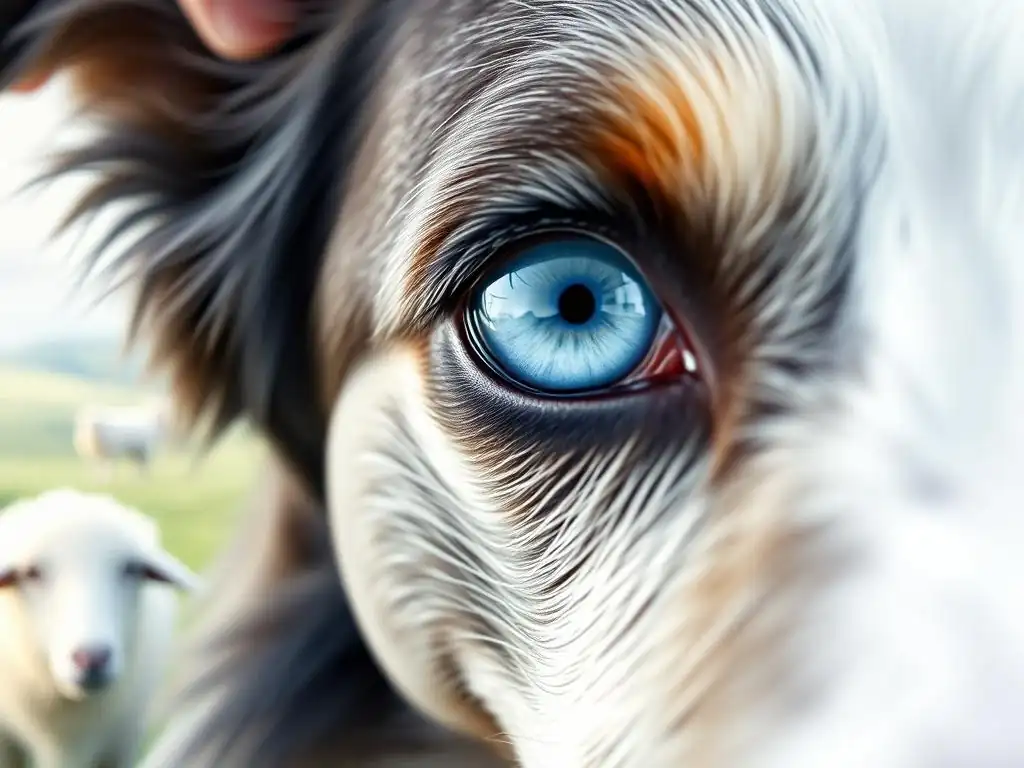
Herding dogs, with their energetic and often independent nature, require a special approach when dealing with long-term eye conditions. Successful management involves a multifaceted strategy encompassing adjustments to their lifestyle, environmental modifications, and consistent veterinary care. Ignoring or minimizing the impact of vision impairment can significantly compromise your dog's quality of life and potentially lead to further complications.
This section focuses on practical strategies for providing optimal care for herding dogs living with persistent eye problems. Successfully navigating these challenges requires patience, understanding, and a commitment to your canine companion's well-being. Remember, early intervention and proactive management are key to mitigating the effects of herding dog eye problems and ensuring their happiness.
Adapting to Vision Changes in Your Dog
Adapting to vision changes in a herding dog necessitates careful observation and gradual adjustments to their routine. Initially, you might notice subtle shifts in their behavior, such as bumping into objects more frequently or exhibiting increased hesitation in familiar environments. These are early indicators requiring immediate attention. A gradual approach is crucial. Don't drastically alter your dog's environment overnight. Instead, implement changes incrementally. For instance, if your dog struggles navigating stairs, consider installing ramps or using baby gates to restrict access to potentially hazardous areas.
Consider these practical adaptations:
- Clear Pathways: Maintain clutter-free pathways throughout your home and yard. Remove any tripping hazards like rugs, electrical cords, or low-hanging objects.
- Consistent Furniture Placement: Avoid rearranging furniture frequently. Consistent placement allows your dog to learn the spatial layout of their environment and navigate more easily.
- Auditory Cues: Utilize auditory cues more extensively for training and guidance. Your dog's hearing may become more important as their vision diminishes.
- Scent Trails: Employ scent trails using familiar toys or treats to guide your dog to specific locations, especially during walks or in the yard. This leverages their sense of smell to compensate for impaired vision.
- Specialized Equipment: Explore assistive devices such as harnesses with guiding leads or specialized collars to help guide your dog during walks, preventing them from getting lost or injured.
Remember, patience and consistency are crucial. It may take time for your herding dog to adjust to these changes, but with persistence, you can help them maintain their independence and quality of life.
Maintaining a Safe and Comfortable Environment
Maintaining a safe and comfortable environment for a herding dog with eye problems is paramount. This goes beyond simply removing obstacles; it involves creating a space where your dog feels secure and can navigate confidently. This is especially important for breeds known for their independent and active nature, as they may be more prone to accidents if their vision is compromised.
Here's how to create a safe haven:
- Soft Furnishings: Consider adding soft furnishings, such as rugs and cushions, to cushion falls and provide a more comfortable surface to rest on. This is especially important for older dogs or those with mobility issues.
- Designated Rest Areas: Create designated rest areas in quiet, well-lit locations where your dog can relax and feel secure. These areas should be free from distractions and potential hazards.
- Secure Fencing: Ensure your yard is securely fenced to prevent escapes and exposure to potential dangers.
- Controlled Walks: Supervise walks carefully, using a harness and leash to prevent accidents. Avoid busy streets or areas with significant potential hazards.
- Regular Cleaning: Maintain a clean and organized home to minimize the risk of your dog stepping on or ingesting something harmful.
By implementing these strategies, you'll significantly reduce the risk of accidents and injuries, fostering a more secure and comforting environment for your herding dog. The goal is to adapt the environment to meet their needs, not the other way around.
Ongoing Veterinary Monitoring and Support
Ongoing veterinary monitoring is critical for managing herding dog eye problems. Regular check-ups allow for early detection of any complications or changes in the condition. This proactive approach helps prevent further deterioration and ensures timely intervention. A detailed history of the eye condition, including treatment plans and any observed changes in your dog's behavior or vision, should be communicated to your veterinarian at each visit.
Consider these aspects of ongoing veterinary care:
| Aspect | Importance | Frequency |
|---|---|---|
| Regular Eye Exams | Early detection of complications, such as secondary infections or glaucoma progression. | Every 3-6 months, or as recommended. |
| Medication Management | Consistent administration of prescribed medications, monitoring for side effects, and dosage adjustments. | As prescribed by the veterinarian. |
| Dietary Considerations | Specific dietary needs may be necessary to support eye health and overall well-being. | As recommended by the veterinarian. |
| Follow-up Appointments | Regular follow-up appointments to assess treatment effectiveness and make necessary adjustments. | As needed, based on the condition's severity. |
Remember, open communication with your veterinarian is crucial. Don't hesitate to ask questions or express concerns. Their expertise and guidance are invaluable in ensuring your herding dog receives the best possible care and maintains a high quality of life despite their visual impairment. Early detection and proactive management are key to minimizing the long-term effects of herding dog eye problems. 🐶
Quality of Life Considerations for Herding Dogs with Eye Issues
Maintaining a high quality of life for a herding dog facing eye problems requires a multifaceted approach. It's crucial to remember that these intelligent and active breeds thrive on physical and mental stimulation. Compromised vision doesn't negate their need for these activities; it simply requires adaptation and careful management.
One key aspect is modifying their environment to minimize risks. For example, a dog with reduced vision might benefit from removing obstacles in frequently used areas of the house or yard. Clearly defined boundaries in the yard, using fences or easily identifiable markers, can prevent accidental escapes or injuries. Consider using scent trails or auditory cues during training sessions to compensate for visual limitations. These adjustments demonstrate that you can proactively manage the environment to support your dog's well-being.
Furthermore, regular veterinary check-ups are paramount. These visits aren't just for addressing immediate eye problems; they also allow for early detection of potential complications or secondary issues that might arise from impaired vision. The veterinarian can monitor the progression of the condition and adjust treatment plans as needed. This proactive approach is crucial for managing pain and discomfort, ensuring your dog remains comfortable and happy.
Beyond the physical aspects, the emotional wellbeing of your herding dog is equally important. Reduced vision can lead to anxiety or frustration, especially in a breed that relies heavily on sight for herding and communication. Maintaining a consistent routine, providing plenty of positive reinforcement during training, and offering calming activities such as gentle walks or interactive games can significantly improve their emotional state. These activities help them stay engaged and reduce feelings of isolation or helplessness.
Remember, patience and understanding are key components of caring for a visually impaired herding dog. The goal is to adapt to their needs and ensure they continue to live a fulfilling and happy life, despite their visual challenges. Consider working with a canine behaviorist for additional support in managing behavioral changes.
Resources and Further Information on Herding Dog Eye Care
This section provides valuable resources to help you maintain your herding dog's ocular health and address any potential issues. We emphasize the importance of proactive care and seeking professional veterinary attention when necessary. Remember, early detection and treatment are crucial for the best possible outcomes in managing herding dog eye problems. Finding the right resources can make a significant difference in your dog's quality of life.
Reputable Veterinarians Specializing in Canine Ophthalmology
Finding a veterinarian experienced in canine ophthalmology is paramount for comprehensive eye care for your herding dog. General practitioners can handle many routine checks, but complex issues necessitate specialized expertise. A board-certified veterinary ophthalmologist possesses advanced knowledge and skills in diagnosing and treating a wide range of canine eye conditions. These specialists utilize advanced diagnostic tools and techniques, ensuring accurate diagnoses and effective treatment plans.
Locating a specialist might require some research. You can start by contacting your regular veterinarian; they often have referrals to ophthalmologists in your area. Additionally, you can search online directories of veterinary specialists. Look for veterinarians with certifications from recognized organizations, indicating their advanced training and expertise in canine eye health.
Consider factors such as the veterinarian's experience, reputation, and proximity to your location when making your selection. Don't hesitate to contact several specialists to inquire about their services and fees before making a final decision. Investing in the best possible care for your herding dog's eyes is a worthwhile investment in their long-term well-being.
Online Resources and Support Groups for Herding Dog Owners
The internet offers a wealth of information and support for herding dog owners concerned about eye health. However, it's crucial to critically evaluate the sources you consult. While many reputable websites and forums offer valuable insights, misinformation can also be prevalent. Stick to established veterinary organizations, breed-specific clubs, and trusted online communities moderated by experienced professionals.
These online resources can serve several purposes:
- Educational Materials: Many websites offer detailed information on various herding dog eye conditions, preventative care, and treatment options. Look for sites with evidence-based information and citations.
- Community Support: Online forums and support groups provide a platform for connecting with other herding dog owners who share similar experiences. Sharing information, advice, and emotional support can be invaluable.
- Expert Advice (with caveats): While online forums can provide helpful insights, remember that online advice should never replace professional veterinary guidance. Always consult your veterinarian before making any decisions regarding your dog's eye care.
Remember to be discerning in the information you consume online. Look for credible sources with verifiable credentials and avoid anecdotal evidence or unsubstantiated claims. Active participation in reputable online communities can be a valuable supplement to professional veterinary care, but it should never substitute it. The combination of professional expertise and peer support can significantly enhance your ability to manage your herding dog's eye health effectively.
Recommended Eye Care Products for Herding Dogs
While professional veterinary care is essential, certain eye care products can help maintain your herding dog's ocular health. However, always consult your veterinarian before using any new product on your dog's eyes. Improper use of eye products can potentially harm your dog.
Some commonly recommended products include:
- Eye Cleaning Solutions: Gentle eye cleaning solutions can help remove debris and discharge from your dog's eyes. Choose solutions specifically formulated for canine use.
- Eye Lubricants: If your dog experiences dryness, your veterinarian might recommend artificial tears or other eye lubricants.
- Specific Medications: Your vet may prescribe eye drops or ointments to address specific conditions. Strictly follow the instructions provided.
The selection and use of eye care products should be guided by your veterinarian's recommendations, tailored to your dog's specific needs and condition. Never self-treat your dog's eye problems; always seek professional veterinary advice before using any eye care products. Proactive care, combined with professional guidance, is the key to maintaining your herding dog's excellent vision. Remember, a healthy dog is a happy dog! 🐶
Frequently Asked Questions
What are some common eye problems in herding dogs?
Herding dogs, due to their active lifestyles, are prone to issues like dry eye (keratoconjunctivitis sicca), progressive retinal atrophy (PRA), and entropion (inward rolling eyelids). Regular vet checkups are crucial.
How can I tell if my herding dog has an eye problem?
Look for signs such as excessive tearing, squinting, redness, cloudiness in the eye, or pawing at the face. Any changes in your dog's eye should prompt a visit to the veterinarian.
What are the treatment options for herding dog eye conditions?
Treatments vary depending on the specific condition and can include medications (eye drops, ointments), surgery (for entropion or other structural issues), and dietary changes. Your vet will recommend the best course of action.
Are there preventative measures I can take to protect my herding dog's eyes?
Yes! Regular eye cleaning, a healthy diet, and avoiding eye injuries are key. Annual veterinary checkups are essential for early detection and prevention.
Where can I find more information on herding dog eye care?
PetCareWorld offers in-depth guides and expert advice on various aspects of herding dog health, including eye care. Consult your veterinarian for personalized guidance and treatment plans.
Final Reflection: The Seeing Eye of the Shepherd
The health of our herding dogs is inextricably linked to their ability to work, and a significant part of that health rests in the clarity of their vision. Ignoring even seemingly minor eye issues can lead to irreversible damage, impacting not only the dog's quality of life but also their effectiveness as working animals. This underscores the critical need for proactive and informed eye care for these intelligent and dedicated companions.
The information shared in this article highlights the prevalence of specific eye conditions in herding breeds, emphasizing the importance of early detection and intervention. These breeds, often pushed to their physical limits during work, are particularly susceptible to eye problems. The emotional bond we share with our herding dogs makes their well-being paramount. The eyes are the window to the soul,
and for our working dogs, they are also the window to their ability to perform their tasks effectively and safely. Understanding their unique vulnerabilities allows us to provide the best possible care and extend their working lives, enriching both their lives and ours.
Consider the impact of even a small visual impairment on a herding dog's ability to navigate complex terrain, respond to commands, or protect their flock. Now, imagine the relief and improved quality of life that comes from early diagnosis and treatment. You are now equipped with the knowledge to be a more informed and proactive caregiver.
Take the time to regularly examine your herding dog's eyes, learn to recognize the warning signs, and don't hesitate to seek professional veterinary help at the first sign of trouble. Your vigilance will ensure your loyal companion continues to thrive, both in the field and at home.
Unlock Your Dog's Brightest Eyes: Take Action Today!
Thank you for exploring the world of herding dog eye care! We hope you've gained valuable insights into recognizing and addressing common eye problems. Now let's put that knowledge into action for your furry friend.
Here's how you can keep those amazing eyes healthy and sparkling:
- Schedule a comprehensive eye exam with your veterinarian: Early detection is crucial for preventing serious eye conditions. Don't delay—your dog's vision is precious!
- Establish a daily eye-cleaning routine: Gentle cleaning removes debris and helps prevent infections. Use a veterinarian-recommended solution and incorporate this into your daily pet care routine.
- Share your experiences and tips with other herding dog owners in the comments below! Let's build a supportive community dedicated to canine eye health.
Ready to give your herding dog the gift of clear vision? What's the first step you'll take today to ensure their eye health?