
How to Clean and Maintain Your Reptile Water Bowl for a Healthy Pet

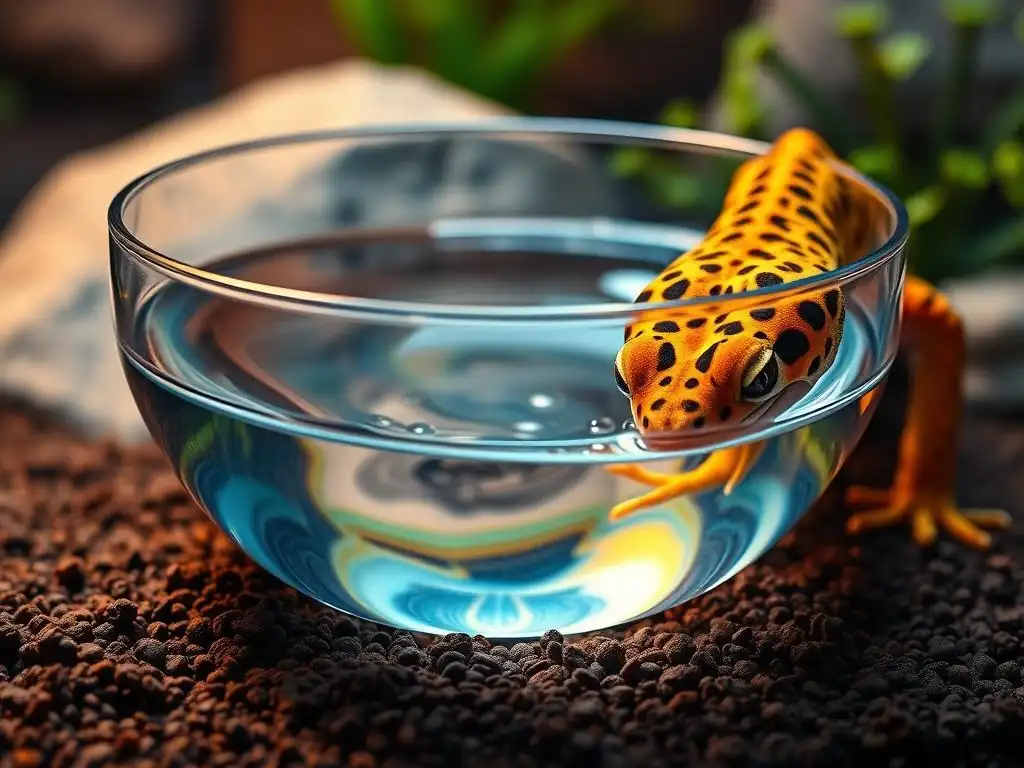
Welcome to PetCareWorld, your ultimate guide to a happier, healthier life for your beloved companion! Are you ready to unlock the secrets to providing optimal care for your scaly friend? Discover the critical importance of maintaining a pristine environment and learn exactly how to clean and maintain your reptile water bowl properly – a crucial step in ensuring your reptile thrives. Dive into our Top Picks for Pet Owners section and uncover expert advice that will transform your pet care routine. Let's embark on this journey together!
- Understanding the Importance of Clean Reptile Water Bowls
- Choosing the Right Reptile Water Bowl for Easy Cleaning
- Step-by-Step Guide: Cleaning Your Reptile Water Bowl Effectively
- Maintaining Water Quality in Your Reptile's Habitat
- Troubleshooting Common Reptile Water Bowl Issues
- Advanced Reptile Water Bowl Cleaning Techniques
- Frequently Asked Questions About Reptile Water Bowl Hygiene
- Frequently Asked Questions
- Final Reflection: The Ripple Effect of a Clean Water Bowl
- Ready to Give Your Reptile a Sparkling Clean Oasis?
Understanding the Importance of Clean Reptile Water Bowls
Maintaining a clean and fresh water supply is paramount for the health and well-being of your reptile companion. Neglecting proper hygiene around your reptile's water bowl can lead to a range of serious health issues, significantly impacting their quality of life and longevity. This comprehensive guide will delve into the critical aspects of cleaning and maintaining your reptile's water bowl, providing you with the knowledge and practical steps to ensure your scaly friend thrives.
We'll explore the direct link between a clean water bowl and preventing bacterial infections, discuss common reptile diseases associated with contaminated water, and highlight the overall impact of water quality on your reptile's health and lifespan. By adhering to these best practices, you'll be contributing significantly to your reptile's overall health and happiness, ensuring they live a long and vibrant life.
Properly cleaning your reptile's water bowl is not just about cleanliness; it's an essential part of responsible reptile ownership and a crucial element in preventative healthcare. Let's dive into the specifics!
Preventing Bacterial Infections in Reptiles: The Role of Hygiene
Reptiles, like all animals, are susceptible to bacterial infections. A dirty water bowl provides the perfect breeding ground for harmful bacteria such as Salmonella, E. coli, and various other pathogens. These bacteria thrive in stagnant water, especially if combined with leftover food particles or fecal matter. Regular cleaning prevents the build-up of these harmful microorganisms, minimizing the risk of your reptile contracting serious illnesses.
The frequency of cleaning depends on the size of the bowl, the reptile species, and the amount of water consumed. As a general rule, aim for daily spot-cleaning and a thorough cleaning at least once a week. This involves emptying the bowl, scrubbing it with a reptile-safe disinfectant (avoid harsh chemicals!
), and rinsing thoroughly with clean water before refilling. Remember to always wash your hands thoroughly before and after handling the water bowl and your reptile to prevent the spread of bacteria. 🧼 This simple preventative measure can significantly reduce the risk of bacterial infections and keep your reptile healthy.
Common Reptile Diseases Linked to Dirty Water Bowls: Salmonella and More
Contaminated water bowls are a significant contributor to several common reptile diseases. Salmonella is a particularly prevalent concern. This bacterium can cause severe gastrointestinal illness in reptiles, leading to symptoms such as lethargy, anorexia, diarrhea, and dehydration. In severe cases, Salmonella can be fatal. Beyond Salmonella, dirty water can also lead to various other bacterial and parasitic infections, depending on the species of reptile and the specific contaminants present.
These infections can manifest in a variety of ways, impacting your reptile's digestive system, respiratory system, or even their skin. Regular cleaning and disinfection of the water bowl drastically reduce the likelihood of these infections. Moreover, maintaining a clean environment around the water bowl, including regularly cleaning the enclosure, contributes significantly to preventing the spread of disease. Early detection and veterinary care are crucial if you suspect your reptile is suffering from a waterborne illness.
The Impact of Water Quality on Reptile Health and Longevity
The quality of your reptile's drinking water directly impacts its overall health and lifespan. Access to clean, fresh water is essential for hydration, proper digestion, and overall bodily functions. Stagnant, dirty water can lead to dehydration, malnutrition, and a weakened immune system, making your reptile more susceptible to diseases. Furthermore, the presence of harmful bacteria and parasites in the water can compromise your reptile's digestive health, leading to weight loss, reduced appetite, and ultimately, a shorter lifespan.
Providing your reptile with clean water, regularly changing the water, and maintaining a clean water bowl are fundamental aspects of responsible pet ownership. By prioritizing water hygiene, you are actively contributing to your reptile's well-being and ensuring they live a longer, healthier, and happier life. Investing time in proper water bowl maintenance is an investment in your reptile's health and happiness. 🐢
Choosing the Right Reptile Water Bowl for Easy Cleaning
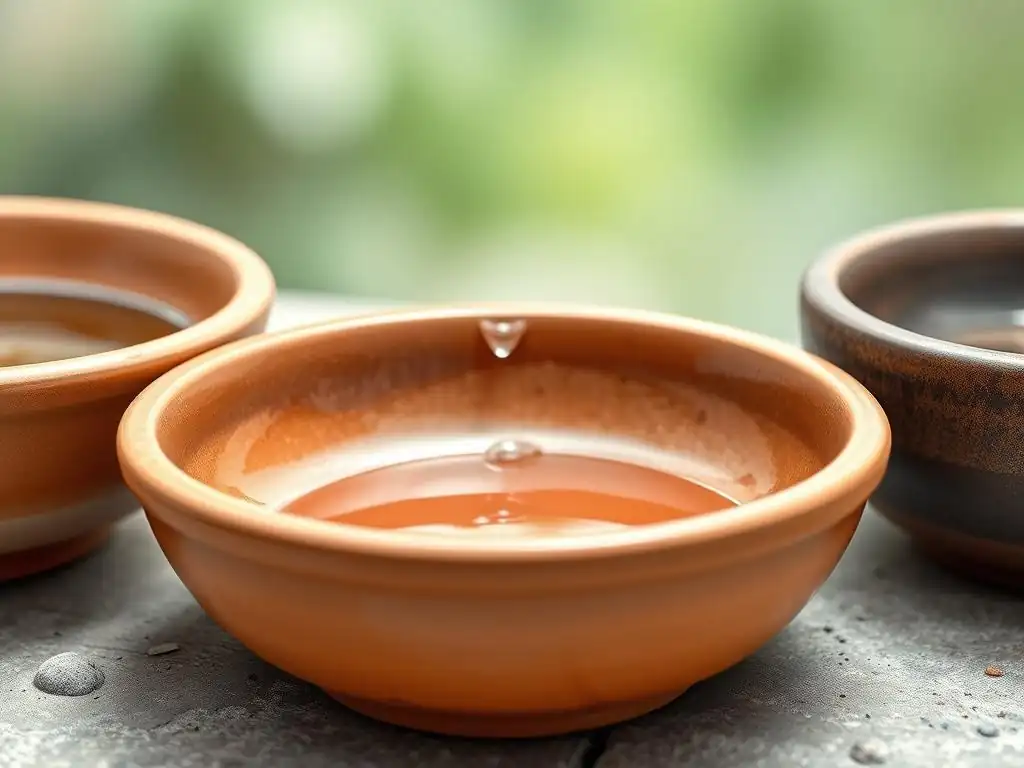
Selecting the appropriate water bowl significantly impacts the ease of cleaning and, consequently, your reptile's health. A poorly chosen bowl can lead to stubborn algae growth, bacterial build-up, and ultimately, a breeding ground for disease. Choosing a bowl made of the right material, with the right shape and size, is crucial for maintaining a clean and hygienic environment for your scaly friend.
Prioritizing ease of cleaning when selecting a reptile water bowl is a proactive step towards ensuring your pet's well-being. Consider factors like material (ceramic is generally easier to clean than porous materials), shape (a simple, shallow bowl is easier to scrub than a complex design), and size (proportionate to your reptile's size prevents excessive water spillage and makes cleaning more manageable). Remember, a "clean reptile water bowl properly" strategy begins with the right choice from the start.
Best Reptile Water Bowls for Easy Cleaning and Maintenance: Top 5 Picks
This section highlights five top-performing reptile water bowls praised for their ease of cleaning and maintenance. These selections consider factors like material, design, and overall practicality, aiming to simplify the process of keeping your reptile's water source pristine. Regular cleaning, using these bowls, minimizes the risk of bacterial contamination and contributes to a healthier environment for your pet. The choices presented offer a range of options to suit different reptile species and enclosure sizes.
Reptile Oasis Ceramic Water Dish: Features, Pros, and Cons
The Reptile Oasis Ceramic Water Dish is a popular choice known for its durability and easy cleaning. Its smooth, non-porous ceramic construction prevents bacteria from adhering to the surface as readily as with some other materials.
- Features: Smooth ceramic surface, various sizes available, stable base to prevent tipping.
- Pros: Easy to clean, durable, aesthetically pleasing, dishwasher safe (check manufacturer's instructions).
- Pros: Relatively inexpensive, wide availability.
- Cons: Can be heavy, may break if dropped. Larger sizes can be cumbersome to clean if heavily soiled.
Exo Terra Glass Water Dish: A Closer Look at its Cleaning Benefits
Exo Terra's Glass Water Dish offers a transparent design, allowing for easy visual monitoring of water levels and cleanliness. The smooth glass surface is simple to wipe clean and is resistant to scratching.
- Features: Clear glass construction, various sizes, simple design.
- Pros: Easy to clean, allows for visual inspection of water quality, resistant to scratching.
- Cons: Can be fragile, may require careful handling to avoid breakage. Not suitable for all reptile species (some may scratch it).
Zoo Med Repti Rock Water Dish: Ideal for Larger Reptiles: Bearded Dragons
Designed with larger reptiles in mind, the Zoo Med Repti Rock Water Dish offers a spacious area for drinking and soaking. Its durable construction and smooth surface make cleaning a breeze.
- Features: Durable resin construction, natural rock appearance, large capacity.
- Pros: Easy to clean, spacious for larger reptiles, durable.
- Cons: Can be more difficult to completely scrub in crevices, may not be suitable for smaller reptiles.
Fluker's Small Reptile Water Dish: Easy-to-Clean Design for Smaller Reptiles: Leopard Geckos
This smaller dish is specifically designed for smaller reptiles. Its compact size makes it easy to manage and clean thoroughly.
- Features: Compact size, durable plastic construction, shallow design.
- Pros: Easy to clean, perfect for smaller reptiles, lightweight and portable.
- Cons: Smaller capacity, may need more frequent refills. Plastic can scratch more easily than ceramic or glass.
Arcadia Reptile Shallow Water Bowl: Innovative Design for Optimal Hygiene
The Arcadia Reptile Shallow Water Bowl features a unique shallow design, minimizing water volume and promoting faster evaporation, thus reducing the likelihood of bacterial growth. The smooth, non-porous surface is easy to clean.
- Features: Shallow design, non-porous surface, various sizes available.
- Pros: Reduces bacterial growth, easy to clean, promotes faster water changes.
- Cons: Smaller water capacity may require more frequent refills, may not be suitable for reptiles that require deeper water for soaking.
This detailed guide helps you effectively "clean reptile water bowl properly," ensuring a healthy and hygienic environment for your reptile companion. Remember regular cleaning is key to preventing illness and promoting their well-being.
Step-by-Step Guide: Cleaning Your Reptile Water Bowl Effectively
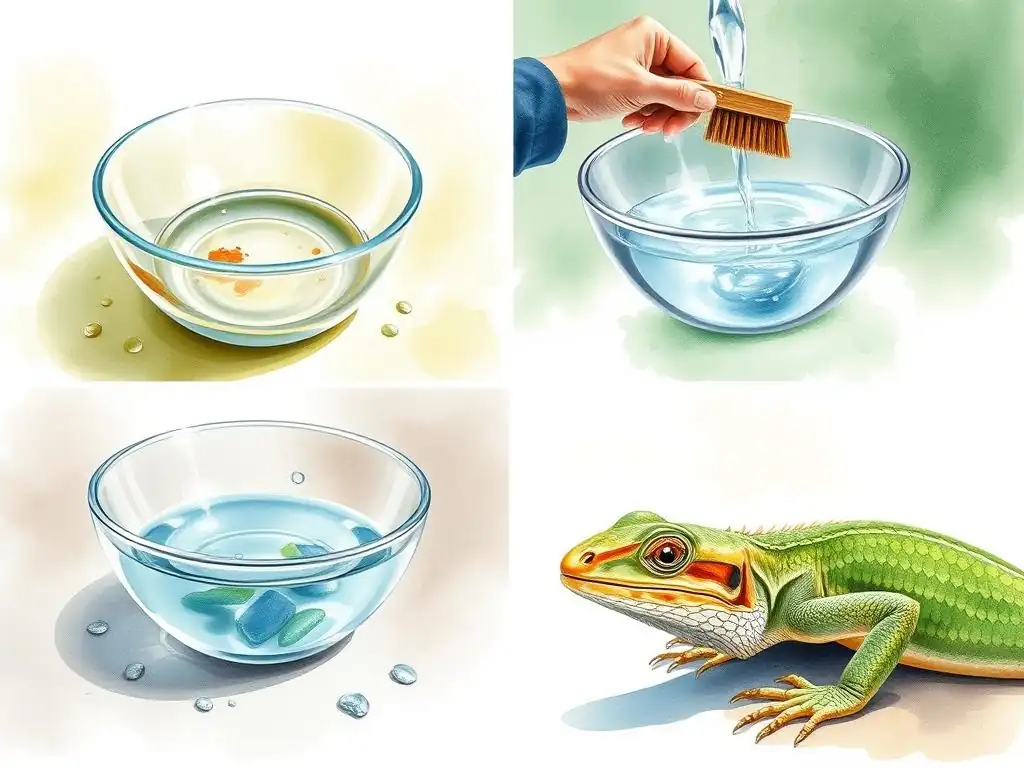
Maintaining a clean reptile water bowl is crucial for your pet's health and well-being. A dirty water bowl can quickly become a breeding ground for harmful bacteria, leading to illness and discomfort for your reptile. This step-by-step guide will outline the best practices for cleaning your reptile's water bowl, ensuring your scaly friend stays hydrated and healthy. Properly cleaning your reptile's water bowl is a key element of responsible reptile ownership, and contributes significantly to their overall health and longevity. Remember, a clean reptile water bowl is a happy reptile!
Daily Cleaning of Reptile Water Bowls: Quick and Easy Steps
Daily cleaning prevents the buildup of waste and bacteria, keeping the water fresh and minimizing the risk of infection. This doesn't require extensive effort; a quick rinse is often sufficient.
- Step 1: Remove any solid waste or debris from the bowl using a paper towel or small spoon. Discard the waste properly.
- Step 2: Rinse the bowl thoroughly with warm, clean water. Make sure to remove any lingering food particles or slime.
- Step 3: Refill the bowl with fresh, clean water. Ensure the water is at the appropriate temperature for your reptile species. Consider using a thermometer to ensure accuracy.
This simple routine takes only a few minutes but significantly impacts your reptile's health. Neglecting daily cleaning can lead to a rapid accumulation of harmful substances, compromising your pet's health. Think of it as a small investment with big returns in terms of your reptile's well-being. Remember to always use fresh, clean water – tap water is usually fine, but always let it sit for a few minutes to allow chlorine to dissipate.
Weekly Deep Cleaning of Reptile Water Bowls: A Comprehensive Guide
A weekly deep clean is essential to remove stubborn stains, algae, and mineral deposits that daily cleaning might miss. This more thorough approach ensures a consistently hygienic environment for your reptile.
- Step 1: Empty the water bowl completely and remove all visible debris.
- Step 2: Wash the bowl with warm, soapy water. Use a reptile-safe dish soap; avoid harsh chemicals that could harm your reptile if residue remains.
- Step 3: Rinse the bowl thoroughly to remove all traces of soap. Thorough rinsing is vital to prevent any soap residue from contaminating the water.
- Step 4: Consider using a reptile-safe disinfectant. This step is particularly important if your reptile has shown any signs of illness or if you notice an unusual buildup of algae or bacteria. Follow the product instructions carefully.
- Step 5: Rinse the bowl again with clean water to remove any disinfectant residue.
- Step 6: Allow the bowl to air dry completely before refilling it with fresh water. This prevents the introduction of bacteria from a damp environment.
This weekly deep clean helps maintain a consistently hygienic environment, greatly reducing the risk of bacterial infections and other health problems. Regular deep cleaning is a crucial part of responsible pet ownership and a vital contributor to your reptile's well-being. Consider creating a weekly cleaning checklist to ensure you don't miss any steps.
Removing Stubborn Algae and Mineral Deposits from Reptile Water Bowls
Stubborn algae and mineral deposits can be challenging to remove, requiring additional effort and potentially specialized cleaning solutions.
Tip: Soaking the bowl in a solution of white vinegar and water (equal parts) for 30 minutes can help loosen stubborn algae and mineral deposits. After soaking, scrub gently with a soft brush. Remember to rinse thoroughly afterwards!
For particularly persistent mineral deposits, you might need to use a non-abrasive cleaning pad or a specialized reptile-safe cleaning solution designed to remove hard water stains. Always rinse thoroughly after using any cleaning solution to ensure no residue remains. Avoid using abrasive cleaners or scouring pads, as these can scratch the bowl's surface and create areas where bacteria can accumulate.
Disinfecting Reptile Water Bowls Safely and Effectively: Product Recommendations
Disinfecting your reptile's water bowl is a crucial aspect of maintaining a healthy and safe environment. While regular cleaning is essential, periodic disinfection helps eliminate harmful bacteria and viruses.
| Product Type | Example Product Name (Placeholder) | Key Features | Precautions |
|---|---|---|---|
| Reptile-safe Disinfectant | [Specific Product Name Pending] | Broad-spectrum antimicrobial action, safe for reptiles | Always rinse thoroughly after use; follow product instructions carefully |
| Diluted Bleach Solution | (1 part bleach to 32 parts water) | Effective disinfectant, inexpensive | Use only in well-ventilated areas; rinse extensively; never mix with other cleaners |
Remember to always follow the manufacturer's instructions when using any disinfectant. Never use products containing harsh chemicals or those not specifically designed for reptile enclosures. The safety and health of your reptile should always be the top priority. Always prioritize reptile-safe products to prevent accidental ingestion of harmful substances.
Monthly Maintenance: Preventing Buildup and Ensuring Long-Term Hygiene
Monthly cleaning goes beyond a simple rinse; it's about proactive hygiene to prevent stubborn biofilm and mineral deposits from accumulating. These deposits, invisible to the naked eye at first, can harbor harmful bacteria and impact your reptile's health. Think of it as preventative maintenance for your reptile's hydration station. A proactive approach ensures a cleaner, healthier environment for your scaled companion. Neglecting this step can lead to a more intensive cleaning process later on, potentially requiring more harsh chemicals and more time.
Regular monthly deep cleaning involves a more thorough process than the daily or weekly cleanings. Start by emptying the water bowl completely. Use a reptile-safe disinfectant, following the product's instructions carefully. Pay close attention to the dilution ratio; using too much can be harmful to your reptile, while using too little may not be effective. Allow the solution to sit in the bowl for the recommended contact time before rinsing thoroughly with clean, dechlorinated water. This ensures that all harmful bacteria and potential pathogens are eliminated.
After disinfecting, inspect the water bowl for any scratches or cracks that might have developed over time. These imperfections can harbor bacteria and make cleaning more difficult. If any damage is found, consider replacing the bowl to prevent future contamination. Remember, a damaged bowl can also pose a hazard to your reptile. Consider the material of your bowl; some materials are more prone to scratching than others. For example, glass bowls are generally more durable than plastic ones.
Finally, once the bowl is clean and dry, consider adding a small amount of reptile-safe water conditioner to the fresh water you add. This helps maintain optimal water quality and prevents the buildup of chlorine and other harmful chemicals. Observe your reptile's drinking habits and adjust the water level accordingly.
A consistently clean and well-maintained water bowl is a crucial element of responsible reptile care, contributing significantly to your pet's overall health and well-being. This monthly deep clean acts as a crucial buffer, preventing the need for more intensive cleaning further down the line, thus saving you time and effort in the long run. Remember, prevention is always better than cure when it comes to maintaining a healthy environment for your reptile.
Maintaining Water Quality in Your Reptile's Habitat
Maintaining a clean reptile water bowl is crucial for your pet's health and well-being. Neglecting proper cleaning can lead to bacterial growth, algae blooms, and the spread of diseases. A consistently clean water source is paramount for preventing dehydration and ensuring your reptile thrives.
This section details best practices to keep your reptile's water fresh and safe, contributing to a healthy and thriving environment. Properly cleaning your reptile water bowl is a key component of responsible reptile ownership and contributes significantly to their overall health. This involves more than just a quick rinse; it necessitates a thorough and regular cleaning routine.
Using Filtered Water for Reptiles: Benefits and Recommendations
Using filtered water offers significant advantages over tap water for your reptile. Tap water often contains chlorine, chloramine, and other chemicals that can be harmful to reptiles, even in small amounts. These chemicals can irritate delicate skin and mucous membranes, potentially leading to health issues. Filtered water removes these impurities, providing a safer and cleaner hydration source.
Here's a breakdown of the benefits:
- Reduced Chemical Exposure: Eliminates chlorine, chloramine, and other potentially harmful chemicals found in tap water. This is especially important for reptiles with sensitive skin or respiratory systems.
- Improved Water Clarity: Filtered water is clearer and less likely to promote algae growth, maintaining a more hygienic environment.
- Minimized Mineral Buildup: Reduces mineral deposits that can accumulate over time, affecting water quality and potentially harming your reptile.
Recommendations:
Use a high-quality water filter designed for home use. Consider filters that remove chlorine, chloramine, and heavy metals. A simple carbon filter is often sufficient. Always check the filtered water's pH level to ensure it's appropriate for your reptile species. [Specific pH recommendations pending based on reptile species]. Remember to change the filter according to the manufacturer's instructions to maintain optimal filtration. Clean reptile water bowl properly by using filtered water is a simple yet impactful step towards a healthy reptile.
Reptile Water Bowl Placement: Optimizing Hygiene and Accessibility
Strategic placement of your reptile's water bowl is key to maintaining hygiene and ensuring easy access for your reptile. Poor placement can lead to contamination and make it difficult for your reptile to drink. Consider these factors when positioning the water bowl:
- Accessibility: The bowl should be easily reachable for your reptile, but not in a location where it can be easily knocked over or contaminated by feces or substrate.
- Hygiene: Place the bowl away from areas prone to waste accumulation. Consider the location of your reptile's basking spot and feeding area. Avoid placing the bowl directly under a heat source, which can cause rapid evaporation and temperature fluctuations.
- Stability: Choose a sturdy bowl and place it on a stable surface to prevent spills and accidents. Consider using a heavier bowl or one with a non-slip base.
- Size: Ensure the bowl is appropriately sized for your reptile. It should be large enough to allow your reptile to comfortably drink and soak (if appropriate for the species).
Properly cleaning your reptile water bowl is also significantly aided by smart placement. A more accessible location makes cleaning easier and more frequent.
Regular Water Changes: Frequency and Best Practices
Regular water changes are essential for maintaining water quality and preventing the growth of harmful bacteria and algae. The frequency of water changes depends on several factors, including the size of the bowl, the number of reptiles, and the type of substrate used.
Frequency Guidelines:
- Daily: For small bowls or multiple reptiles, daily water changes are recommended.
- Every other day: For medium-sized bowls and a single reptile, every other day is often sufficient.
- Every 2-3 days: For large bowls and a single reptile, a change every 2-3 days may be adequate.
Best Practices:
- Thorough Cleaning: Before refilling, thoroughly clean the bowl with reptile-safe soap and hot water. Rinse thoroughly to remove all soap residue. Avoid using harsh chemicals or detergents.
- Disinfection (Optional): For heavily soiled bowls, consider disinfecting with a reptile-safe solution. [Specific disinfectant recommendations pending]. Always rinse thoroughly after disinfection.
- Drying: Allow the bowl to air dry completely before refilling with fresh, filtered water.
- Observation: Regularly observe the water for signs of contamination, such as cloudiness, unusual odors, or algae growth. If you notice any of these, change the water immediately.
Remember, consistently following these guidelines for cleaning your reptile's water bowl contributes significantly to their long-term health and helps you properly clean reptile water bowl. A healthy reptile is a happy reptile! 🧼 🦎
Troubleshooting Common Reptile Water Bowl Issues
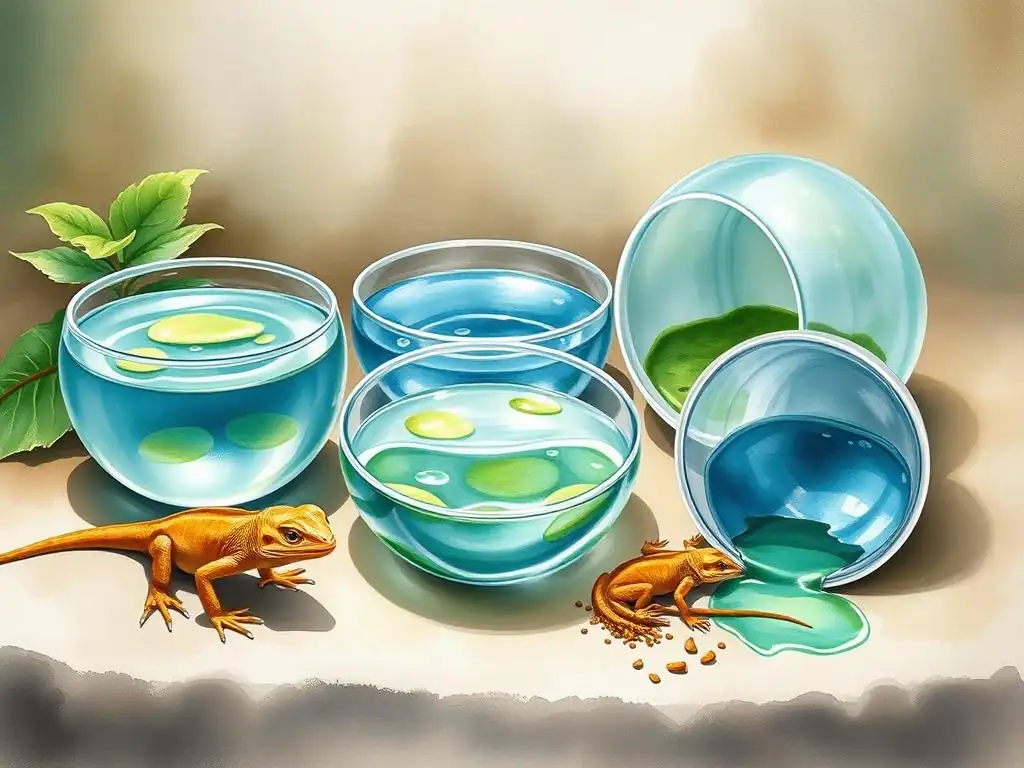
This section addresses common problems encountered when maintaining reptile water bowls, offering practical solutions to ensure your reptile's hydration and well-being. Keeping a clean reptile water bowl properly is crucial for preventing disease and maintaining a healthy environment for your scaly friend. Let's dive into some frequently occurring issues and how to tackle them.
Cloudy or Smelly Water in Reptile Bowls: Causes and Solutions
Cloudy or smelly water in your reptile's bowl is a clear indication that something's amiss. This isn't just unpleasant; it poses a significant health risk to your pet. Several factors contribute to this problem:
- Bacterial growth: Stagnant water is a breeding ground for bacteria. The warmer temperatures often found in reptile enclosures accelerate this process. Failure to clean the bowl regularly allows bacteria to multiply rapidly, resulting in cloudy, foul-smelling water. Regular cleaning, ideally daily for smaller bowls and every other day for larger ones, is essential.
- Waste contamination: Reptiles, especially those who defecate near their water source, can contaminate the water with their waste. This introduces harmful bacteria and other pathogens, leading to cloudiness and odor. Positioning the water bowl away from the basking area and the usual defecation zones can help mitigate this.
- Uneaten food: If food particles fall into the water, they decompose, contributing to bacterial growth and an unpleasant smell. Always remove any uneaten food promptly from the enclosure.
- Improper cleaning: Using harsh chemicals or not adequately rinsing the bowl after cleaning can leave residue that further encourages bacterial growth. Always use reptile-safe cleaners and rinse thoroughly with clean water.
Solutions:
- Frequency of cleaning: Establish a consistent cleaning schedule. Daily cleaning is recommended for smaller bowls or those used by more active reptiles. Larger bowls may require cleaning every other day.
- Thorough cleaning: Use a reptile-safe cleaner, such as a diluted bleach solution (always rinse thoroughly! ), or a pet-safe dish soap. Scrub the bowl meticulously to remove all traces of debris and biofilm.
- Water changes: Regularly change the water, even if the bowl appears clean. Stagnant water harbors bacteria, even if it doesn't look cloudy.
- Proper bowl placement: Strategically position the water bowl to minimize contamination from waste.
Dealing with Algae Growth in Reptile Water Bowls: Prevention and Treatment
Algae growth in reptile water bowls is a common nuisance, often manifesting as a slimy, green film. While not directly harmful, algae can indicate poor water quality and create an unhygienic environment. It thrives in warm, still water with ample sunlight.
Prevention:
- Regular water changes: Frequent water changes significantly reduce the likelihood of algae growth.
- UV filtration: Using a UV filter in the water bowl can help inhibit algae growth by killing algae spores.
- Limited sunlight: Keep the water bowl out of direct sunlight to reduce algae-promoting conditions.
- Proper cleaning: Thorough cleaning removes algae spores and prevents their establishment.
Treatment:
- Manual removal: For small amounts of algae, gently scrub the bowl with a reptile-safe brush.
- Bleach solution: A diluted bleach solution (carefully rinse!) can be effective, but is a last resort due to potential toxicity if not rinsed perfectly.
- Commercial algae removers: Pet stores offer commercial algae removers specifically designed for reptile enclosures. Always follow the product instructions carefully.
Preventing Mineral Buildup in Reptile Water Bowls: Effective Strategies
Mineral buildup, often appearing as white or chalky deposits, is a common problem, particularly in areas with hard water. These deposits aren't directly harmful, but they can make the water less palatable to your reptile and create an unsightly appearance. They also provide a surface for bacterial growth.
Prevention:
- Filtered water: Using filtered water significantly reduces mineral buildup.
- Regular cleaning: Frequent cleaning helps prevent mineral deposits from accumulating. Soaking the bowl in white vinegar can help dissolve existing deposits.
- Water changes: Regular water changes flush out minerals before they can build up excessively.
- Bowl material: Consider using a bowl made of a material less prone to mineral buildup, such as glass or ceramic. Plastic bowls are more susceptible.
Effective Strategies:
- Vinegar soak: Soak the bowl in a solution of white vinegar and water to dissolve mineral deposits.
- Soft water: If your tap water is hard, consider using bottled spring water or filtered water.
- Regular scrubbing: Regularly scrub the bowl to remove any accumulating minerals.
- Replace bowls periodically: Eventually, mineral buildup may become too difficult to remove, necessitating bowl replacement. This is especially true with porous materials like some plastics. A clean reptile water bowl properly maintained is essential for a healthy pet.
Advanced Reptile Water Bowl Cleaning Techniques
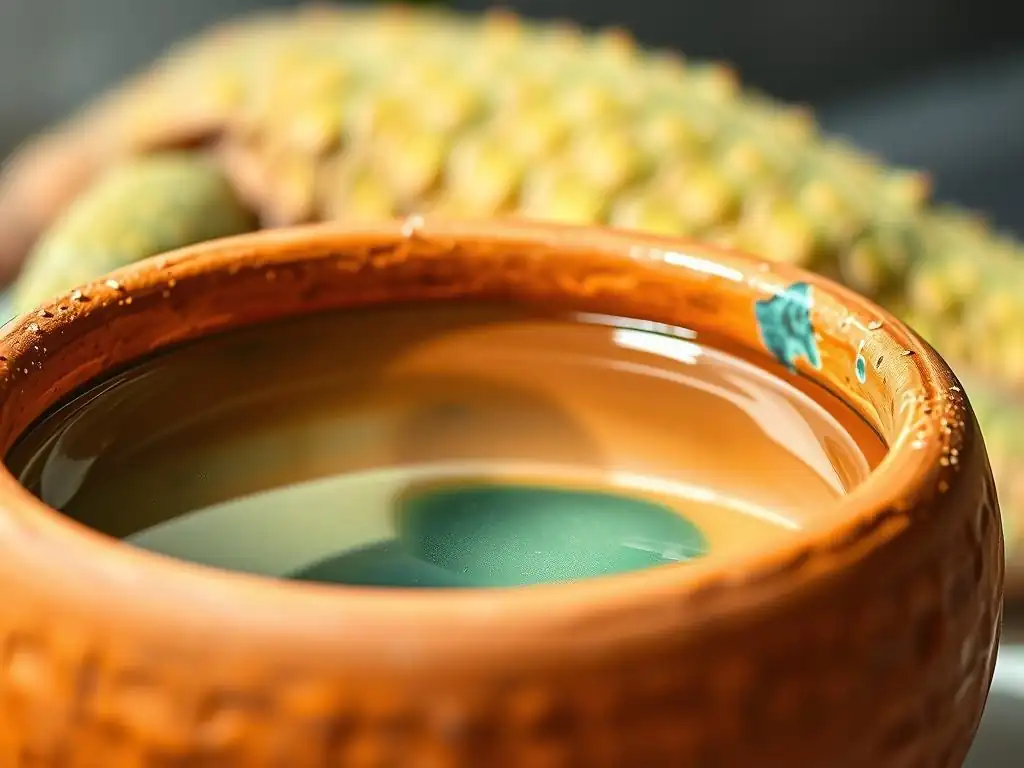
This section delves into advanced techniques for maintaining pristine reptile water bowls, crucial for preventing bacterial growth and ensuring your reptile's health. Regular cleaning, as you know, is essential, but understanding the nuances of different materials and cleaning methods elevates your pet care to a higher level. Neglecting proper cleaning can lead to bacterial infections and other health problems for your reptile. Let's explore some effective strategies for maintaining a sparkling clean and safe water source for your scaled friend. Remember, a clean reptile water bowl is a happy reptile!
Using a Reptile Water Bowl Cleaning Brush: Tips and Tricks
Using the right tools is half the battle when it comes to effectively cleaning your reptile's water bowl. A specialized reptile water bowl brush, with its soft bristles and often angled design, is ideal for reaching all corners and crevices. Avoid using harsh scrubbing pads or abrasive materials that could scratch the surface and harbor bacteria. Here are some tips and tricks for maximizing the effectiveness of your reptile water bowl brush:
- Pre-soaking: Before scrubbing, soak the bowl in warm, soapy water for at least 15 minutes. This loosens dirt and debris, making the cleaning process much easier.
- Targeted scrubbing: Pay close attention to the bottom and sides of the bowl, where algae and mineral deposits tend to accumulate. Use gentle, circular motions to avoid scratching the surface.
- Rinse thoroughly: After scrubbing, rinse the bowl thoroughly with clean, warm water to remove all traces of soap and debris. Make sure there's no lingering soap residue, which can be harmful to your reptile.
- Regular replacement: Even with careful cleaning, reptile water bowl brushes should be replaced periodically (every 3-6 months, depending on usage) to prevent the buildup of bacteria within the bristles themselves.
Safe and Effective Cleaning Solutions for Reptile Water Bowls: A Detailed Look
Choosing the right cleaning solution is just as important as the brush itself. Avoid harsh chemicals, bleach, or disinfectants that could leave harmful residues. Opt for pet-safe solutions, or use natural alternatives. Here's a detailed look at some effective and safe options:
- Mild dish soap: A small amount of mild, unscented dish soap is usually sufficient for everyday cleaning. Ensure you rinse exceptionally well.
- White vinegar: A natural and effective cleaner, white vinegar can help remove mineral deposits and kill bacteria. Dilute it with water (a 1:1 ratio is a good starting point) before using.
- Baking soda: Baking soda is a gentle abrasive that can help remove stubborn stains. Make a paste with water and apply it to the bowl before scrubbing.
- Commercial reptile-safe cleaners: Several commercially available reptile-safe cleaners are specifically formulated for cleaning reptile enclosures and accessories. Always follow the manufacturer's instructions carefully.
Remember to always rinse thoroughly after using any cleaning solution. Leaving even trace amounts of cleaning agents can be harmful to your reptile.
Cleaning Ceramic vs. Plastic Reptile Water Bowls: Differences and Considerations
The material of your reptile's water bowl significantly impacts its cleaning and maintenance. Ceramic and plastic bowls each have their advantages and disadvantages:
| Material | Advantages | Disadvantages | Cleaning Considerations |
|---|---|---|---|
| Ceramic | Durable, resistant to scratching, aesthetically pleasing | Can be heavy, prone to chipping or cracking if dropped | Requires careful handling to avoid breakage; may require soaking to remove stubborn stains |
| Plastic | Lightweight, inexpensive, break-resistant | Can scratch easily, may harbor bacteria more easily | Requires more frequent cleaning due to potential bacterial growth; avoid harsh abrasives |
Choosing the right material depends on your reptile's species, size, and your cleaning preferences. Regardless of the material, consistent and thorough cleaning is paramount to maintaining a healthy environment for your pet. Remember, regular cleaning is key to keeping your reptile healthy and happy – it’s an essential part of responsible reptile ownership. By following these tips, you'll be well on your way to providing your reptile with the cleanest and safest possible water source.
Frequently Asked Questions About Reptile Water Bowl Hygiene
This section addresses common questions regarding maintaining a clean and healthy hydration source for your reptile companion. Proper reptile water bowl hygiene is crucial for preventing bacterial growth and maintaining your pet's well-being. Remember, a clean reptile water bowl is a key component of responsible reptile ownership. Let's dive into some frequently asked questions.
How Often Should I Replace My Reptile's Water?
The frequency of water replacement depends heavily on several factors including your reptile's species, size, and the type of water bowl used. As a general guideline, you should aim to replace your reptile's water at least once daily, and more frequently if it becomes visibly soiled or contaminated. Smaller reptiles, or those with a tendency to defecate or urinate near their water source, will require more frequent changes.
Think of it this way: would you drink water that sat out all day, especially in a warm environment? Probably not! Reptiles are equally sensitive to bacterial contamination. Even if the water appears clean, microscopic organisms can still thrive. Regular replacement minimizes the risk of illness.
For larger water bowls or those used by multiple reptiles, consider a partial water change in the morning and a complete change in the evening. This approach provides fresh water throughout the day, while also ensuring a thorough cleaning at the end of the day. Observe your reptile's behavior; if they seem hesitant to drink, or you notice any unusual signs, increase the frequency of water changes.
Remember to always use fresh, clean, and dechlorinated water. Tap water often contains chlorine and chloramine, which can be harmful to reptiles. Consider using filtered water or bottled spring water specifically designed for reptile consumption.
What Happens if I Don't Clean My Reptile's Water Bowl Properly?
Neglecting proper cleaning of your reptile's water bowl can lead to several serious health issues. Stagnant water provides an ideal breeding ground for harmful bacteria, fungi, and parasites. These pathogens can contaminate the water, leading to your reptile ingesting them and developing various illnesses. These illnesses can range from mild digestive upset to severe infections that can be life-threatening.
Here's a breakdown of potential consequences:
- Bacterial Infections: Bacteria like Salmonella and E. coli are common contaminants in unclean water. These bacteria can cause diarrhea, lethargy, and even death in reptiles.
- Fungal Infections: Fungi can also grow in stagnant water, leading to skin and mouth infections. These infections can manifest as sores, discoloration, or difficulty eating.
- Parasitic Infestations: Parasites, such as certain protozoa, can thrive in unclean water and infect your reptile, leading to digestive problems and weakened immunity.
- Dehydration: If the water is consistently dirty, your reptile may avoid drinking it, leading to dehydration, which can have serious consequences for their overall health.
Regular and thorough cleaning is crucial for preventing these issues. A proactive approach to reptile water bowl hygiene is far better than dealing with a sick reptile.
What are the Best Materials for Reptile Water Bowls?
Choosing the right material for your reptile's water bowl is crucial for ease of cleaning and preventing bacterial growth. Some materials are better suited than others for maintaining hygiene.
Here's a comparison of common materials:
| Material | Advantages | Disadvantages | Suitability for Reptiles |
|---|---|---|---|
| Ceramic | Durable, easy to clean, aesthetically pleasing | Can be heavy, prone to chipping if dropped | Excellent for most reptiles |
| Glass | Easy to clean, transparent (allows for monitoring water levels) | Can be fragile, may break if dropped | Excellent for most reptiles |
| Plastic | Lightweight, inexpensive | Can scratch easily, harbor bacteria if porous | Acceptable, but choose BPA-free and easily cleanable options |
| Stainless Steel | Durable, easy to clean, hygienic | Can be expensive, may rust if not properly cared for | Excellent, especially for larger reptiles |
Avoid porous materials like terracotta, as these are difficult to clean thoroughly and can harbor bacteria. When selecting a water bowl, prioritize ease of cleaning and durability. Regular cleaning, regardless of the material, is paramount for maintaining a healthy environment for your reptile. Remember, a clean reptile water bowl is essential for a healthy and happy pet!
Frequently Asked Questions
How often should I clean my reptile's water bowl?
You should clean your reptile's water bowl daily, removing any debris or waste. A more thorough cleaning with soap and water should be done at least once a week, or more frequently depending on your reptile and the size of the bowl.
What's the best way to clean a reptile water bowl?
First, rinse the bowl with warm water to remove loose debris. Then, wash it thoroughly with a pet-safe dish soap and rinse again. Ensure it's completely dry before refilling it.
Can I use bleach to clean my reptile's water bowl?
No, avoid using bleach or other harsh chemicals. These can be toxic to your reptile and leave behind harmful residues. Stick to pet-safe soap and water.
What if my reptile's water bowl is made of a porous material?
Porous materials are harder to sanitize completely. Consider replacing porous water bowls with ceramic or glass options for easier cleaning and to minimize bacterial growth.
My reptile seems to avoid its water bowl. What should I do?
Ensure the water is fresh and clean. Try different bowl locations and types. If the problem persists, consult a veterinarian to rule out any underlying health issues.
Final Reflection: The Ripple Effect of a Clean Water Bowl
Ensuring your reptile's water bowl is pristine isn't just about hygiene; it's about fostering a thriving, healthy ecosystem within your pet's habitat. Neglecting this seemingly small task can have significant consequences, impacting your reptile's well-being and longevity. A clean water bowl is the cornerstone of responsible reptile ownership.
The impact of proper reptile care extends far beyond the individual animal. It speaks to our responsibility as stewards of these fascinating creatures, many of whom are vulnerable in the wild. The greatness of a nation and its moral progress can be judged by the way its animals are treated.
- Mahatma Gandhi. This quote, while broad, highlights the interconnectedness of our actions and the well-being of all living things, starting with the simplest act of providing clean water for our pets. The commitment to cleanliness reflects a deeper respect for life and a commitment to responsible pet ownership.
Now, consider your own reptile's water bowl. Take a moment to reflect on the simple act of cleaning it, and the profound impact it has. Are you providing the best possible care for your scaly companion? Make a conscious effort to establish a consistent cleaning routine, and observe how this small change contributes to a healthier, happier reptile. Remember, a clean water bowl is more than just hygiene; it's a symbol of your dedication to your pet's well-being and a testament to the power of responsible pet ownership.
Ready to Give Your Reptile a Sparkling Clean Oasis?
Thank you for learning about maintaining a pristine water source for your reptile! Clean water is crucial for their well-being. Let's put this knowledge into practice.
- Daily Cleaning is Key: Make it a daily habit to thoroughly rinse and scrub your reptile's water bowl. A quick cleaning each day makes a significant difference!
- Weekly Deep Clean: Once a week, give the bowl a more thorough cleaning using a reptile-safe soap and brush, followed by a complete rinse. This removes stubborn dirt and bacteria effectively.
- Share Your Cleaning Tips: We'd love to hear about your reptile's water bowl cleaning routine and any clever tricks you've discovered to keep the water fresh.
Have you found any innovative ways to simplify or improve your reptile's water bowl cleaning process? Share your experiences in the comments below!