
Bearded Dragon Humidity Levels: Maintaining the Right Balance

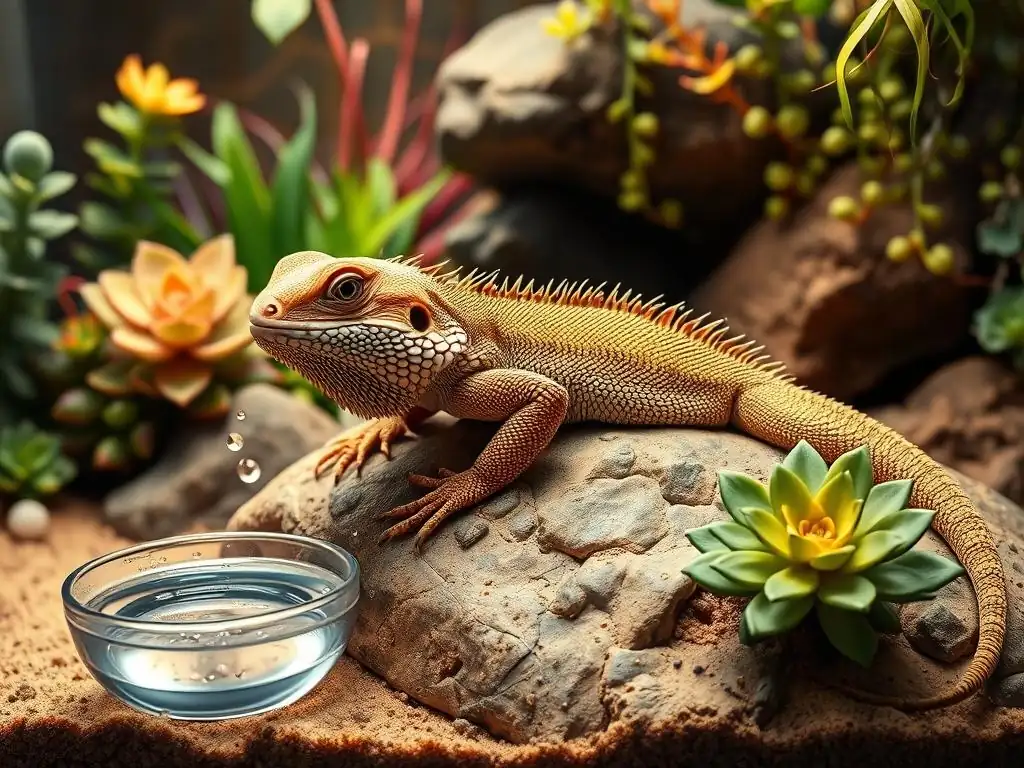
Welcome to PetCareWorld, your ultimate guide to a happier, healthier life for your beloved companions! Are you ready to unlock the secrets to thriving pet ownership? We delve into every aspect of animal care, from playful puppies to fascinating reptiles. Discover the critical information you need to ensure your scaled friend flourishes – starting with our expert guide on bearded dragon ideal humidity levels. Dive in and learn how maintaining the perfect balance can transform your dragon's well-being!
- Understanding Bearded Dragon Humidity Requirements
- Measuring and Monitoring Humidity
-
Maintaining Optimal Humidity Levels for Your Bearded Dragon
- Misting: A Simple Method for Increasing Humidity
- Substrate Selection: Choosing a Substrate that Retains Moisture (But Not Too Much!)
- Utilizing a Humidifier: A More Controlled Approach to Humidity Regulation
- Proper Ventilation: Balancing Humidity with Fresh Air Circulation
- Adjusting Humidity Based on Age and Season
- Troubleshooting Humidity Problems in Your Bearded Dragon's Habitat
- Creating the Perfect Environment for Your Bearded Dragon's Well-being: Humidity and Beyond
-
Frequently Asked Questions
- What are the ideal humidity levels for a bearded dragon?
- How do I measure the humidity in my bearded dragon's enclosure?
- What happens if the humidity is too high or too low?
- How can I increase the humidity in my bearded dragon's enclosure?
- How can I decrease the humidity in my bearded dragon's enclosure?
- Final Reflection: The Delicate Balance of Life: Humidity and Your Bearded Dragon
- Unlock Your Bearded Dragon's Thrive-Zone!
Understanding Bearded Dragon Humidity Requirements
Maintaining the proper humidity levels for your bearded dragon is crucial for its overall health and well-being. These fascinating reptiles, native to Australia, require a specific humidity range to thrive. Failing to provide the appropriate environment can lead to a variety of health problems, impacting their skin, shedding process, and even their respiratory system. This comprehensive guide will delve into the ideal humidity range for bearded dragons, the factors influencing humidity within their enclosure, and how to recognize the signs of improper humidity.
Understanding these crucial aspects will empower you to create a flourishing habitat for your scaly companion and ensure its long, healthy life. We'll explore the "bearded dragon ideal humidity levels" in detail, providing practical tips and solutions to help you maintain a perfectly balanced environment. This is essential for preventing common health issues associated with incorrect humidity, thus contributing to your pet's overall happiness and longevity.
Ideal Humidity Range for Bearded Dragons
The ideal humidity range for adult bearded dragons is generally considered to be between 30% and 40%. This range allows for proper shedding and prevents respiratory issues. However, it's important to note that humidity requirements can slightly vary depending on the age of your dragon and the specific circumstances. For example, younger, growing bearded dragons might benefit from slightly higher humidity (up to 45%) to support healthy skin and shedding.
It's crucial to avoid extremes. Humidity levels consistently below 30% can lead to dry skin, difficulty shedding, and even impaction. Conversely, consistently high humidity (above 50%) increases the risk of bacterial and fungal infections. Regular monitoring with a reliable hygrometer is essential to maintain the optimal range. Remember, maintaining a consistent range is more important than hitting a precise number every single time.
Factors Affecting Humidity Levels in Your Bearded Dragon's Enclosure
Several factors can influence the humidity levels within your bearded dragon's enclosure. Understanding these factors is key to effective humidity management. These include:
- Enclosure Type: Glass terrariums tend to retain humidity better than mesh enclosures.
- Substrate: Different substrates retain varying amounts of moisture. Paper towels offer the most control, while sand or soil can retain more moisture, potentially leading to higher humidity.
- Ventilation: Proper ventilation is crucial for preventing excessive humidity. Insufficient ventilation can trap moisture, leading to unhealthy conditions.
- Water Sources: Providing a shallow water dish allows for evaporation, increasing humidity levels. However, be mindful not to over-water and create excessively damp conditions.
- Environmental Factors: Temperature and air circulation in the room where the enclosure is located also play a role. A humid room will naturally increase the humidity within the terrarium.
- Spraying: Regular misting can temporarily increase humidity, but it's not a long-term solution and should be done judiciously, especially if using a substrate that retains water well.
Recognizing Signs of Improper Humidity: Dry Skin and Shedding Problems
Recognizing the signs of improper humidity is critical for the health of your bearded dragon. Symptoms of too low humidity include:
- Difficulty Shedding: Your bearded dragon may struggle to shed its skin, resulting in stuck or retained scales. This can lead to infection and discomfort.
- Dry Skin: The skin may appear dry, dull, and flaky.
- Lethargy: Your bearded dragon may seem less active than usual.
Conversely, symptoms of too high humidity include:
- Respiratory Issues: Excessive humidity can lead to respiratory infections. Watch for signs like wheezing, labored breathing, or nasal discharge.
- Fungal or Bacterial Infections: High humidity creates a breeding ground for these infections, potentially leading to skin problems or other health complications. Monitor for changes in skin color and texture.
Regular observation of your bearded dragon's skin and behavior, combined with consistent humidity monitoring, will allow you to quickly identify and address any issues related to improper humidity levels. Remember, proactive maintenance is key to a healthy and happy bearded dragon.
The Dangers of High Humidity for Bearded Dragons: Respiratory Infections and Other Issues
High humidity levels pose a significant threat to the health and well-being of bearded dragons. Maintaining an environment that's too damp creates the perfect breeding ground for harmful bacteria and fungi, significantly increasing the risk of respiratory infections. These infections can manifest in various ways, from mild sneezing and nasal discharge to more severe conditions like pneumonia, which can be life-threatening if left untreated. Symptoms to watch out for include labored breathing, wheezing, gaping mouth breathing, and lethargy. Early detection and veterinary intervention are crucial for successful treatment. Delaying treatment can lead to irreversible lung damage and even death.
Beyond respiratory problems, excessively humid conditions can also contribute to skin infections and other dermatological issues. Bearded dragons, like many reptiles, rely on proper environmental conditions for healthy skin shedding. High humidity can interfere with this process, leading to retained shed, which can cause discomfort, restrict movement, and create entry points for infections. Impacted shed can also lead to secondary infections, further complicating the health situation. The retained scales can become a breeding ground for bacteria, making the problem even more severe.
Furthermore, high humidity can encourage the growth of harmful molds and mildew in the bearded dragon's enclosure. These molds can release spores that irritate the dragon's respiratory system, exacerbating existing respiratory problems or triggering new ones. The toxins produced by some molds can also be absorbed through the skin, causing systemic health issues.
Regular cleaning and disinfection of the enclosure are vital to minimize the risk of mold growth, especially in humid environments. Proper ventilation is paramount in preventing this issue. Choosing substrates that are easy to clean and less prone to mold growth is also a wise preventative measure.
Ignoring the dangers of high humidity can have devastating consequences for your bearded dragon. A seemingly minor respiratory infection, if left untreated, can quickly escalate into a critical situation. Therefore, maintaining the correct humidity levels is a crucial aspect of responsible bearded dragon ownership. Regular monitoring of humidity levels, along with diligent observation of your pet's behavior and physical condition, are essential steps in ensuring its health and longevity. The investment in a quality hygrometer is well worth it to ensure you can accurately monitor and maintain optimal conditions for your pet.
Measuring and Monitoring Humidity
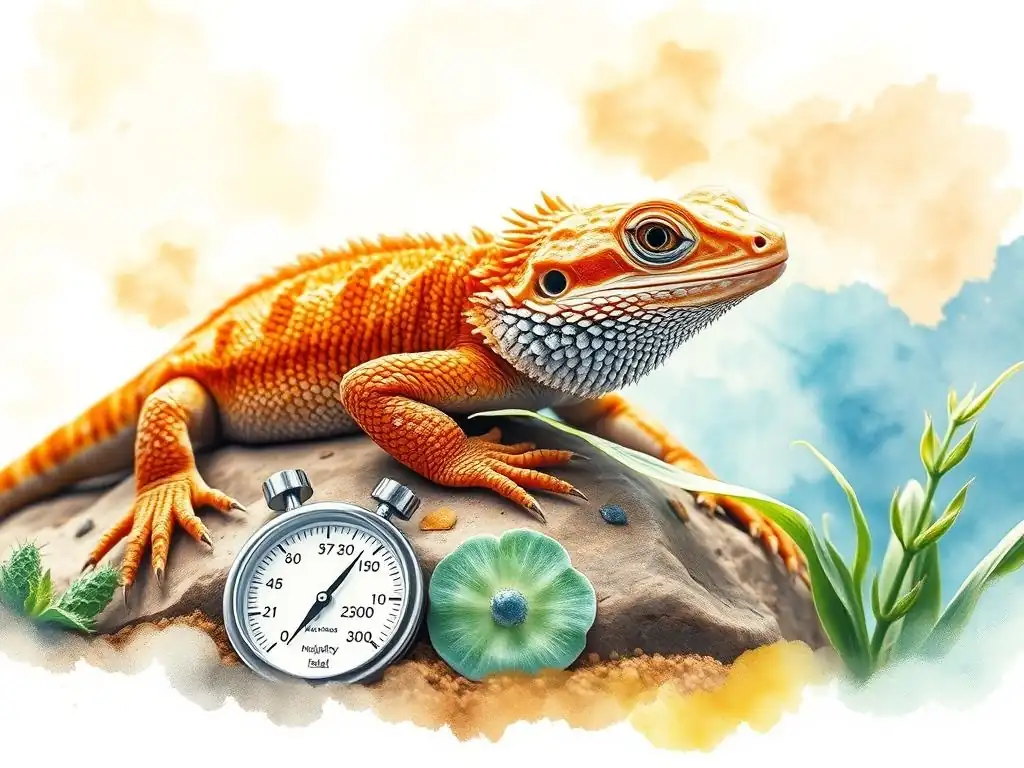
Maintaining the correct humidity levels for your bearded dragon is crucial for their health and well-being. Improper humidity can lead to a variety of health problems, including respiratory infections, shedding difficulties, and metabolic bone disease. Therefore, accurately measuring and monitoring humidity is a fundamental aspect of responsible bearded dragon ownership. Understanding how to use a hygrometer and interpret its readings is key to providing optimal care.
This section will delve into the specifics of monitoring humidity and making necessary adjustments to your setup. The ideal humidity range for a bearded dragon, especially a juvenile, is generally considered to be between 30% and 40%, although this can vary slightly depending on the age and health of the dragon and the environmental temperature. Remember, consistent monitoring is essential to ensure your pet's thriving environment. Let's explore the tools and techniques to achieve this.
Using a Hygrometer to Monitor Humidity Levels
A hygrometer is the most effective tool for accurately measuring humidity levels within your bearded dragon's enclosure. There are two main types: analog and digital. Analog hygrometers use a mechanical system to measure humidity, while digital hygrometers use electronic sensors for more precise readings. Regardless of the type you choose, it's crucial to place the hygrometer inside the enclosure, at the level where your bearded dragon spends most of its time, to obtain an accurate representation of the humidity they experience.
Avoid placing it near heat sources or ventilation openings, as this can skew the readings. Regularly checking the hygrometer, ideally once or twice daily, will allow you to maintain a consistent and appropriate humidity level for your pet. Failure to do so can lead to suboptimal conditions and subsequent health issues.
Consider investing in a digital hygrometer with a data logging function for a comprehensive record of your enclosure's humidity levels over time. This can be invaluable in identifying trends and making necessary adjustments to your setup. This meticulous approach will help you maintain the bearded dragon ideal humidity levels.
Calibrating Your Hygrometer for Accurate Readings
Even the most advanced digital hygrometers can drift over time, leading to inaccurate readings. Regular calibration is therefore essential to ensure the accuracy of your humidity measurements and the well-being of your bearded dragon. Calibration methods vary depending on the type of hygrometer you own; consult the manufacturer's instructions for specific guidance. Many digital hygrometers have a calibration function built-in, allowing you to adjust the readings using a known standard.
For analog hygrometers, a salt solution calibration method can be used – but this requires careful attention to detail and precise measurements to avoid introducing errors. It's advisable to calibrate your hygrometer at least once every three months, or more frequently if you suspect inaccuracies. Consistent calibration is paramount to maintaining the bearded dragon ideal humidity levels and providing optimal care for your pet. Inaccurate readings can lead to incorrect adjustments in humidity, potentially harming your dragon’s health.
Interpreting Hygrometer Readings and Adjusting Your Approach
Once you have obtained a humidity reading from your calibrated hygrometer, you can assess whether adjustments are needed to maintain the bearded dragon ideal humidity levels. If the reading is below 30%, the enclosure is too dry. This can be remedied by increasing humidity through various methods: adding a shallow water dish, misting the enclosure (carefully, avoiding over-saturation), or using a humidifier designed for reptile enclosures. Conversely, if the reading is above 40%, the enclosure is too humid.
In this case, you may need to improve ventilation by increasing airflow, ensuring proper air circulation, or reducing the frequency of misting. Remember to monitor the temperature alongside the humidity, as these two factors are interconnected. Extreme temperatures can influence humidity readings and potentially affect your dragon's health.
Always strive for a balance, making gradual adjustments based on your hygrometer readings and observing your bearded dragon's behavior and overall health. Regular monitoring and careful adjustments are key to ensuring your bearded dragon thrives in a comfortable and healthy environment. Consistent monitoring and appropriate adjustments are crucial in maintaining the bearded dragon ideal humidity levels and ensuring your pet's well-being.
Choosing the Right Hygrometer for Your Bearded Dragon Setup
Selecting the appropriate hygrometer is crucial for accurately monitoring the humidity levels within your bearded dragon's enclosure. Bearded dragons require a specific humidity range to thrive, and an inaccurate reading can lead to health problems. There are several types of hygrometers available, each with its own strengths and weaknesses. Understanding these differences will help you make an informed decision.
Analog hygrometers are the most basic and often the least expensive option. These devices typically use a hair or a membrane to measure humidity. While simple to use, analog hygrometers can be less accurate than digital models and are prone to drift over time, requiring occasional recalibration. They're suitable for a basic understanding of humidity levels but may not provide the precision needed for critical adjustments. For example, an analog hygrometer might show a humidity level of 40%, but the actual level could be slightly higher or lower, making precise adjustments difficult.
Digital hygrometers, on the other hand, offer greater accuracy and often include additional features like temperature readings and minimum/maximum readings. These features allow you to track humidity fluctuations over time, providing a more complete picture of your enclosure's environment. Some advanced digital models even connect to your smartphone via Bluetooth, allowing for remote monitoring and data logging. This level of detail is particularly beneficial for maintaining optimal conditions for your bearded dragon, especially during shedding cycles or periods of illness where precise humidity control is vital. However, this increased accuracy and functionality typically comes with a higher price tag.
Finally, consider the placement of your hygrometer. It should be placed inside the enclosure, away from direct heat sources like basking lamps or heat rocks, as these can skew the reading. Ensure it's positioned in a location representative of the overall humidity within the tank – avoid placing it directly under a water source or in a corner that might have unusually high or low humidity.
The goal is to get a reading that reflects the average humidity your bearded dragon experiences. Regularly checking and calibrating your hygrometer, regardless of the type, is essential to ensure its accuracy and the well-being of your pet. A properly functioning hygrometer is an essential tool for any responsible bearded dragon owner.
Maintaining Optimal Humidity Levels for Your Bearded Dragon
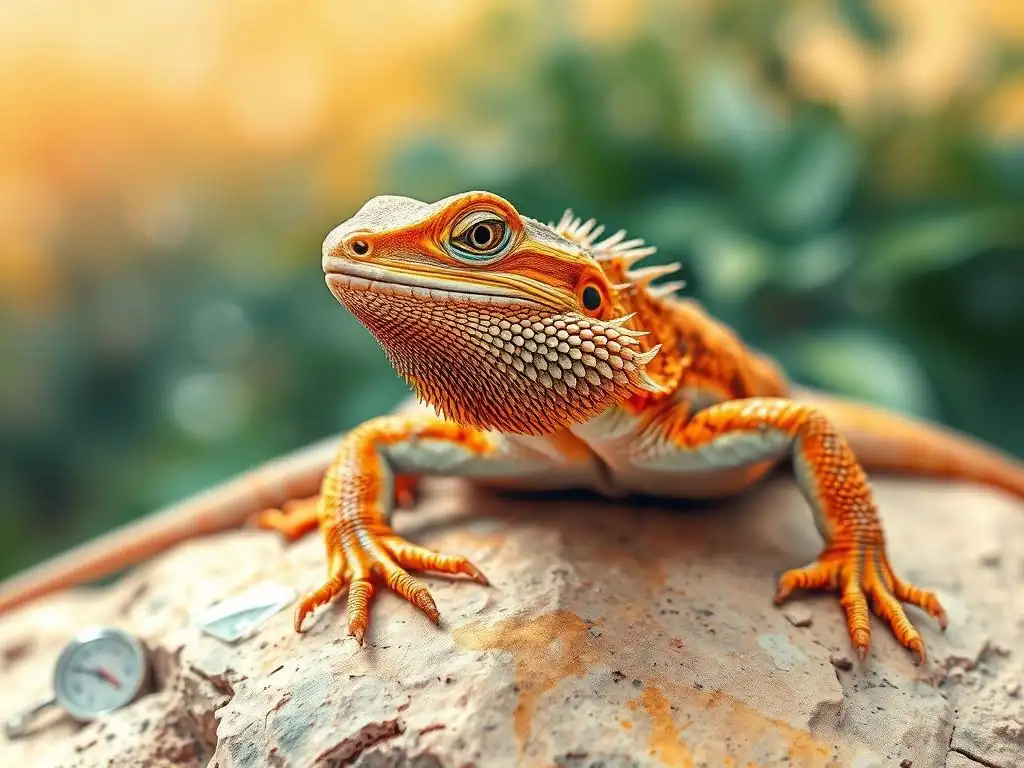
Maintaining the correct humidity levels is crucial for the health and well-being of your bearded dragon. Bearded dragons, native to arid and semi-arid regions of Australia, require a specific humidity range to thrive. Getting this balance right is key to preventing respiratory infections, shedding problems, and other health complications. Understanding the nuances of humidity control, from simple misting techniques to using humidifiers, is essential for responsible bearded dragon ownership.
This section will delve into practical strategies to ensure your bearded dragon enjoys optimal humidity levels, aligning with its natural habitat needs and ensuring its long-term health. The ideal humidity range for adult bearded dragons is generally considered to be between 30-40%, although hatchlings and juveniles may require slightly higher humidity (around 40-50%) for successful shedding. Consistent monitoring is key to maintaining the "bearded dragon ideal humidity levels".
Misting: A Simple Method for Increasing Humidity
Misting your bearded dragon's enclosure is a straightforward method to increase humidity temporarily. This is particularly useful during shedding periods when slightly higher humidity can assist in the process. However, misting should be done judiciously and not excessively. Over-misting can lead to a consistently damp environment, promoting the growth of harmful bacteria and fungi.
To effectively mist your enclosure, use a spray bottle filled with room-temperature water. Aim for a fine mist, avoiding soaking the substrate or creating puddles. Mist the walls and decorations of the enclosure, allowing the water droplets to settle naturally. Monitor the humidity levels after misting using a reliable hygrometer.
It's crucial to avoid misting directly onto your bearded dragon, as this can cause stress and potentially lead to respiratory problems. A good rule of thumb is to mist once or twice a day for short periods, carefully observing your dragon's reaction and adjusting accordingly. Remember, misting is a temporary solution and is not a replacement for a properly regulated humidity level through other methods. Regular monitoring with a hygrometer is essential to avoid over-misting.
Substrate Selection: Choosing a Substrate that Retains Moisture (But Not Too Much!)
The substrate you choose for your bearded dragon's enclosure plays a significant role in maintaining humidity. Some substrates retain moisture better than others, influencing the overall humidity levels within the enclosure. While you want a substrate that provides some moisture retention to help maintain humidity, you must avoid substrates that become overly damp, as this can lead to bacterial and fungal growth, impacting your dragon's health.
Paper towels, for example, offer minimal moisture retention and are easily cleaned, making them a good choice for maintaining lower humidity levels. On the other hand, certain types of soil mixtures can retain more moisture but require careful monitoring to prevent excessive dampness. It is crucial to research different substrate options thoroughly before making a choice.
Always prioritize substrates that are safe, easily cleaned, and allow for proper drainage to avoid creating a perpetually damp environment. The best choice often depends on your individual needs and the specific humidity levels you aim to achieve within the enclosure. Consider the advantages and disadvantages of various substrates before selecting one that best suits your bearded dragon's needs and your ability to maintain the appropriate humidity.
Utilizing a Humidifier: A More Controlled Approach to Humidity Regulation
For more precise and consistent humidity control, a humidifier is a valuable tool. Humidifiers offer a more controlled way to increase and maintain the ideal humidity levels within your bearded dragon's enclosure, particularly beneficial for hatchlings and juveniles. There are various types of humidifiers available, each with its own advantages and disadvantages. Choosing the right type depends on the size of your enclosure and your budget. Remember that even with a humidifier, regular monitoring using a hygrometer is crucial to ensure the humidity remains within the appropriate range.
Some humidifiers are designed to be placed directly inside the enclosure, while others can be placed outside, with the humidified air directed into the enclosure. Always ensure the humidifier is safe for reptiles and does not pose any risks to your bearded dragon. Never leave a humidifier running unattended.
Regular cleaning and maintenance of the humidifier are crucial to prevent the growth of bacteria and mold, which can negatively impact your dragon's health. Properly using a humidifier, along with regular monitoring, can help create a stable and healthy environment for your bearded dragon, contributing to its overall well-being and ensuring it thrives under the right conditions. Remember to always research and choose a humidifier specifically designed for reptile enclosures and follow the manufacturer's instructions carefully.
Proper Ventilation: Balancing Humidity with Fresh Air Circulation
Maintaining the correct humidity for your bearded dragon is crucial, but equally important is ensuring proper ventilation within their enclosure. Stagnant air can lead to the buildup of harmful bacteria and mold, creating an unhealthy environment for your reptile. The key is to strike a balance – sufficient humidity to prevent respiratory issues and shedding problems, but with adequate airflow to prevent the growth of harmful microorganisms.
Several factors contribute to effective ventilation. The size and type of enclosure play a significant role. Larger enclosures generally provide better air circulation naturally, whereas smaller tanks might require more active intervention. Mesh tops are highly beneficial, allowing for significant air exchange.
However, even with mesh tops, you might need additional ventilation, especially in warmer climates or during the summer months. Consider strategically placing small vents or using a fan to gently circulate air within the enclosure without directly blowing on your bearded dragon. Avoid placing the enclosure in direct sunlight or near heat sources that could cause rapid air drying.
Regular cleaning is also essential for maintaining good air quality. Remove any fecal matter, uneaten food, and substrate debris promptly. This minimizes the chance of harmful bacteria and mold growth, which can worsen the effects of poor ventilation and compromise your bearded dragon's health. A clean enclosure with proper ventilation is a cornerstone of optimal humidity management.
Regularly inspect the enclosure for signs of mold or mildew; if found, address the issue immediately by cleaning and adjusting ventilation as needed. Remember, a well-ventilated enclosure supports not only healthy humidity levels but also the overall well-being of your bearded dragon. The goal is to create a habitat that mimics their natural environment as closely as possible, ensuring both moisture and fresh air.
Adjusting Humidity Based on Age and Season
The ideal humidity levels for your bearded dragon aren't static; they vary depending on their age and the time of year. Young, growing bearded dragons require slightly higher humidity levels to support proper shedding. Their skin is more delicate, and higher humidity aids in smooth, healthy shedding, preventing problems like stuck shed which can lead to infection. A humidity gradient within the enclosure can also be beneficial, providing your dragon with a choice of microclimates. They can then move to areas with higher or lower humidity as needed.
As your bearded dragon matures, its humidity requirements gradually decrease. Adult bearded dragons are less susceptible to shedding problems and generally tolerate lower humidity levels better. However, even adults benefit from slightly increased humidity during shedding periods. Closely observe your bearded dragon's behavior and shedding patterns. If you notice difficulty shedding, you may need to temporarily increase humidity to facilitate the process.
Seasonal changes also influence your bearded dragon's humidity needs. During hotter, drier months, you may need to increase humidity levels to compensate for the evaporative effects of increased temperature. Conversely, during cooler, more humid periods, you might need to decrease humidity to prevent the enclosure from becoming overly damp.
Using a hygrometer to monitor humidity levels is crucial throughout the year, allowing you to make necessary adjustments based on your dragon's age, the season, and its individual needs. Regular monitoring and adjustments ensure your bearded dragon thrives in a consistently comfortable and healthy environment. Remember, consistent monitoring and proactive adjustments are key to providing optimal care for your bearded dragon throughout its life cycle.
Troubleshooting Humidity Problems in Your Bearded Dragon's Habitat
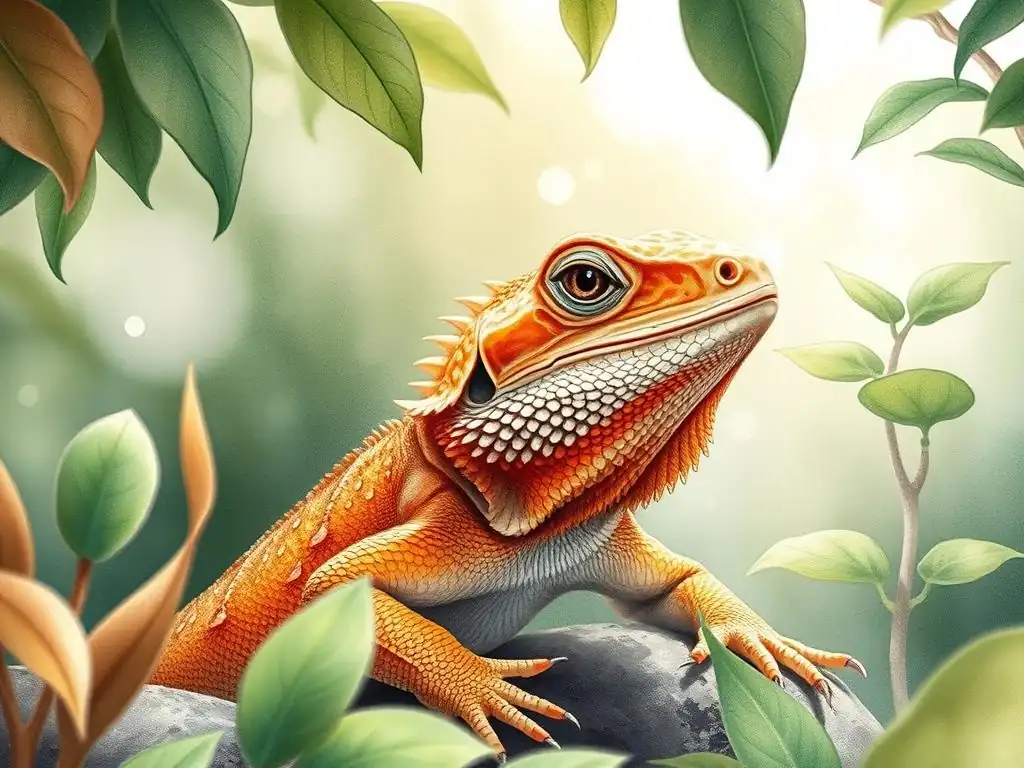
Maintaining the correct bearded dragon ideal humidity levels is crucial for their health and well-being. Fluctuations can lead to various health issues, including respiratory infections and shedding problems. This section focuses on practical solutions for addressing both low and high humidity scenarios in your bearded dragon's enclosure. Understanding these strategies is key to providing optimal care and preventing potential complications. Let's delve into the specific techniques you can employ to ensure your dragon thrives in the perfect humidity range.
Dealing with Low Humidity: Effective Strategies for Increasing Moisture
Low humidity is a common problem for bearded dragons, especially in drier climates or during the winter months. Symptoms of low humidity include difficulty shedding, dry skin, and respiratory issues. To combat this, several effective strategies can be implemented:
- Increase the frequency of misting: Misting the enclosure several times a day, particularly in the morning and evening, introduces moisture into the air. Aim for a fine mist, avoiding soaking the substrate. Consistency is key; irregular misting won't yield significant results.
- Utilize a humidifier: A cool-mist humidifier placed near (but not inside) the enclosure can significantly increase the ambient humidity. Remember to monitor humidity levels regularly to prevent over-humidification. Consider a digital hygrometer for precise readings.
- Employ a humid hide: Providing a humid hide, a small enclosure within the main habitat with damp sphagnum moss or paper towels, offers a refuge for your bearded dragon to rehydrate and aid in shedding. This localized increase in humidity is particularly beneficial.
- Adjust substrate: Certain substrates retain moisture better than others. Switching to a substrate like eco-earth or cypress mulch can help maintain humidity levels more effectively than sand or paper towels. Always ensure the substrate remains appropriately moist, not soggy.
- Improve enclosure ventilation: While ventilation is crucial, excessive airflow can lead to rapid moisture evaporation. Ensure your enclosure has adequate ventilation but avoid excessive drafts that can quickly dry out the air.
Addressing High Humidity: Techniques for Reducing Excess Moisture
High humidity levels are equally detrimental to your bearded dragon's health, increasing the risk of bacterial and fungal infections. Signs of high humidity include lethargy, respiratory problems, and skin infections. Here's how to effectively lower the humidity:
- Improve ventilation: This is the most important step. Ensure your enclosure has proper ventilation, perhaps by adding more vents or adjusting existing ones. Good airflow is the primary method for reducing humidity.
- Reduce misting frequency: If you're currently misting, decrease the frequency or completely eliminate it if you're using other humidification methods. Over-misting is a common cause of excessive humidity.
- Remove excess water sources: Ensure any water dishes are not overflowing and that the substrate is not excessively damp. Standing water encourages mold growth and increases humidity.
- Use a dehumidifier: In particularly humid environments, a small dehumidifier placed near the enclosure can help to control moisture levels. However, monitor the humidity levels carefully to avoid creating an excessively dry environment.
- Choose appropriate substrate: Some substrates retain more moisture than others. Switching to a drier substrate, such as paper towels, can help reduce humidity. However, consider the overall health benefits of the substrate choice.
Common Mistakes to Avoid When Regulating Bearded Dragon Humidity
Maintaining the correct humidity for your bearded dragon requires diligence and attention to detail. Avoiding these common mistakes will ensure a healthy environment for your pet:
- Ignoring humidity readings: Regularly monitoring humidity levels using a reliable hygrometer is crucial. Relying on guesswork can lead to significant fluctuations and health problems.
- Over-misting or over-watering: Excessive moisture can lead to bacterial and fungal infections. Always aim for a balanced approach, avoiding over-saturation.
- Using inappropriate substrates: Certain substrates retain moisture excessively, leading to high humidity. Choosing the right substrate is vital for humidity control.
- Poor ventilation: Insufficient ventilation traps moisture, leading to high humidity levels. Ensure your enclosure has adequate, but not excessive, airflow.
- Failing to provide a humid hide: While crucial for shedding, a humid hide shouldn't be mistaken for a solution to overly dry conditions. It's a supplementary tool, not a replacement for proper humidity regulation in the overall enclosure.
Remember, maintaining the correct bearded dragon ideal humidity levels is a continuous process. Regular monitoring, proactive adjustments, and a thorough understanding of your dragon's needs are essential for ensuring its long-term health and happiness. By following these guidelines and avoiding common pitfalls, you can create a thriving environment for your beloved reptile companion.
Determining when a humidity problem requires veterinary intervention for your bearded dragon can be tricky. While minor fluctuations are often manageable with adjustments to your setup, certain signs indicate a more serious issue needing professional help. Don't hesitate to contact a reptile veterinarian if you notice any of the following symptoms, especially if they persist despite your efforts to correct the humidity levels.
These symptoms often point to underlying health problems exacerbated by improper humidity:
- Respiratory Infections: Bearded dragons with consistently low humidity are more susceptible to respiratory infections. Look for signs like labored breathing, wheezing, gaping mouth breathing, or nasal discharge. These are serious conditions that need immediate veterinary attention. Delaying treatment can lead to significant complications and potentially even death. A vet can diagnose the infection and prescribe appropriate medication.
- Dehydration: Both excessively high and low humidity can contribute to dehydration. Signs of dehydration include sunken eyes, lethargy, loss of appetite, and dry skin or mouth. Severe dehydration is a life-threatening emergency and requires immediate veterinary care. Intravenous fluids might be necessary to rehydrate your dragon.
- Shedding Problems: While minor shedding difficulties can be linked to humidity, persistent problems—such as retained scutes (scales) or difficulty shedding—could signify a more significant underlying issue. Retained scutes can become infected, requiring veterinary intervention for removal and treatment. Your vet can assess the situation and determine the best course of action.
- Skin Infections: Improper humidity can weaken your bearded dragon's immune system, making it more vulnerable to bacterial or fungal skin infections. Look for signs like redness, swelling, scabbing, or open sores on the skin. These infections require veterinary treatment with appropriate antibiotics or antifungals. Early intervention is key to preventing the infection from spreading.
- Lethargy and Weakness: Persistent lethargy and weakness, especially in conjunction with other symptoms, could be indicative of a more serious underlying health problem related to humidity issues. Your vet can conduct a thorough examination to rule out any serious conditions and provide the necessary treatment. Don't dismiss these symptoms; they could be a warning sign.
Remember, early intervention is crucial when dealing with humidity-related health issues in your bearded dragon. While you can manage minor fluctuations, persistent problems or noticeable symptoms warrant a visit to a qualified reptile veterinarian. Their expertise is essential for accurate diagnosis and effective treatment, ensuring the health and well-being of your beloved pet. Prevention is always better than cure, so maintaining optimal humidity levels is paramount for your bearded dragon's overall health.
Creating the Perfect Environment for Your Bearded Dragon's Well-being: Humidity and Beyond
This section focuses on creating the optimal environment for your bearded dragon, emphasizing the crucial interplay between temperature and humidity, and how these factors directly impact their health and well-being. Achieving the bearded dragon ideal humidity levels is only one piece of a larger puzzle; a holistic approach is key to ensuring a thriving pet. Neglecting any aspect can lead to various health problems, hindering your reptile's growth and lifespan.
Temperature and Humidity: Maintaining a Balanced Environment
Maintaining the correct temperature gradient is paramount for bearded dragons. They are ectothermic, meaning they rely on external sources to regulate their body temperature. A basking spot should reach temperatures between 100-110°F (38-43°C), while the cool side of the enclosure should remain around 75-85°F (24-29°C). This gradient allows them to thermoregulate effectively.
Humidity, however, is often overlooked. While bearded dragons don't require high humidity like some other reptiles, maintaining the bearded dragon ideal humidity levels is crucial for preventing respiratory infections and shedding problems. The ideal range is generally between 30-40%, although slightly higher humidity (up to 50%) may be beneficial during shedding periods. Using a hygrometer is essential for accurate monitoring. Consistent monitoring and adjustments are key to avoiding both excessively dry and humid conditions. Too much humidity can lead to bacterial and fungal infections, while excessively dry conditions can cause difficulty shedding, resulting in retained scales and potential infections.
The appropriate humidity level is also intrinsically linked to proper ventilation. Insufficient ventilation can trap moisture, increasing humidity levels beyond the safe range. Ensure your enclosure has adequate ventilation to prevent this. Regularly check and clean the enclosure to avoid the buildup of waste and debris, which can also contribute to high humidity. Remember, achieving and maintaining the bearded dragon ideal humidity levels requires careful attention to both humidity and ventilation.
Diet and Hydration: Essential Elements for a Healthy Bearded Dragon
A balanced diet is critical for a healthy bearded dragon. Their diet should primarily consist of insects, such as crickets, dubia roaches, and mealworms. These insects should be dusted with a calcium and vitamin D3 supplement to prevent metabolic bone disease (MBD), a common ailment in bearded dragons with nutritional deficiencies. In addition to insects, you can occasionally offer leafy greens, such as collard greens and mustard greens, but these should comprise a small percentage of their overall diet.
Hydration is equally important. Provide a shallow water dish, ensuring it's large enough for your dragon to easily soak in. Misting the enclosure can also increase humidity and provide additional hydration opportunities, particularly beneficial during shedding. Observe your dragon's behavior; lethargy and a lack of appetite can be signs of dehydration. Always ensure fresh, clean water is readily available. The quality of the water, alongside a proper diet, directly impacts your pet's overall health and ability to thrive. A well-hydrated bearded dragon is more likely to maintain healthy bearded dragon ideal humidity levels within its enclosure.
Substrate and Enclosure Setup: Creating a Suitable Habitat
The substrate you choose significantly impacts the humidity levels within the enclosure. Avoid substrates that retain excessive moisture, such as sand, as these can lead to impaction if ingested. Paper towels, reptile carpet, or tile are safer and easier to clean options. These substrates allow for better control over humidity levels and minimize the risk of health problems. Regular cleaning of the enclosure is essential to maintain hygiene and prevent the buildup of bacteria and parasites.
The size of the enclosure is also crucial. A larger enclosure provides more space for thermoregulation and reduces stress. Ensure the enclosure is appropriately sized for your dragon's age and size. Provide appropriate basking spots, hiding places, and climbing structures to stimulate natural behaviors. A well-designed enclosure promotes a healthy and comfortable environment, facilitating optimal hydration and thermoregulation – both essential for maintaining the bearded dragon ideal humidity levels and overall health. Remember, a properly maintained environment is the cornerstone of a happy and healthy bearded dragon.
Regular Veterinary Checkups: Ensuring Your Bearded Dragon's Health
Maintaining the ideal humidity levels for your bearded dragon is crucial, but it's only one piece of the puzzle when it comes to their overall health and well-being. Regular veterinary checkups are equally, if not more, important in ensuring your scaly companion thrives. These visits allow a qualified veterinarian specializing in reptiles to assess your bearded dragon's health proactively, identifying potential problems before they become serious. Think of it as preventative maintenance for your pet.
A yearly checkup, at minimum, is recommended for adult bearded dragons. However, younger dragons, or those exhibiting any signs of illness, should be seen more frequently. During these visits, the veterinarian will perform a thorough physical examination, checking for signs of dehydration (a common issue linked to incorrect humidity levels), skin issues, parasites, respiratory problems, and other potential health concerns.
They'll also assess your dragon's weight, checking for any significant weight loss or gain, which can be an indicator of underlying health problems or dietary imbalances. Remember, a healthy weight is often linked to a properly balanced diet and a suitable environment, including correct humidity.
Early detection is key when it comes to treating illnesses in reptiles. Many conditions, if left untreated, can rapidly worsen and become life-threatening. A veterinarian can diagnose conditions such as metabolic bone disease (MBD), which is often linked to improper calcium and vitamin D3 levels in the diet and can be exacerbated by inadequate UVB lighting, impacting overall health and influencing the optimal humidity range for your dragon.
They can also diagnose and treat respiratory infections, which are often linked to poor environmental conditions, including improper temperature and humidity gradients. Regular checkups allow your vet to catch these issues early, improving the chances of successful treatment and a positive outcome.
Beyond physical examinations, your veterinarian can provide valuable advice on maintaining your bearded dragon's ideal environment, including humidity levels. They can offer guidance on proper husbandry techniques, dietary requirements, and appropriate substrate choices, all contributing to your dragon's overall health and happiness. Don't hesitate to ask your vet any questions you may have; they are your best resource for ensuring your bearded dragon receives the best possible care.
Remember, a proactive approach to your dragon's health, combined with maintaining the correct humidity, will significantly contribute to a long and healthy life for your beloved pet. The investment in regular veterinary care is a small price to pay for peace of mind and your dragon's well-being.
Frequently Asked Questions
What are the ideal humidity levels for a bearded dragon?
The ideal humidity level for a bearded dragon depends on their age and health status. Generally, 40-60% is a good target range. Juveniles may require slightly higher humidity for proper shedding.
How do I measure the humidity in my bearded dragon's enclosure?
Use a reliable digital hygrometer to accurately monitor humidity levels. Place it within the enclosure, away from direct heat sources, for the most accurate reading. Regular monitoring is crucial.
What happens if the humidity is too high or too low?
Too high humidity can lead to respiratory infections and other health problems. Too low humidity can cause difficulty shedding and dehydration.
How can I increase the humidity in my bearded dragon's enclosure?
You can increase humidity by adding a shallow water dish, using a humidifier, or misting the enclosure (but avoid over-misting). Monitor the humidity closely after making changes.
How can I decrease the humidity in my bearded dragon's enclosure?
To lower humidity, ensure proper ventilation, reduce misting, and use a dehumidifier if necessary. Good air circulation is key to preventing excessive humidity.
Final Reflection: The Delicate Balance of Life: Humidity and Your Bearded Dragon
Maintaining the correct humidity levels for your bearded dragon isn't just about numbers; it's about ensuring their health, comfort, and ultimately, their survival. A seemingly small detail like humidity can have profound consequences on their well-being, impacting everything from shedding to respiratory health. Understanding this delicate balance is crucial for responsible reptile ownership.
The impact of proper humidity management extends beyond the individual reptile; it speaks to our responsibility as caretakers. We are entrusted with the lives of these fascinating creatures, and providing the right environment is a testament to that responsibility. It's a continuous learning process, a constant striving for improvement in our understanding of their needs. The greatness of a nation and its moral progress can be judged by the way its animals are treated.
- Mahatma Gandhi. This quote, while broad, speaks to the ethical considerations inherent in pet ownership and the care we provide.
Now, consider your own bearded dragon, or even the next pet you might welcome into your life. Take a moment to reflect on the unseen details that contribute to their overall well-being. Are you actively monitoring humidity levels? Are you prepared to adjust your approach based on their individual needs and the changing seasons? The knowledge you've gained here is a powerful tool; use it wisely, and your commitment to your scaly companion will be rewarded with a thriving, healthy, and happy dragon.
Unlock Your Bearded Dragon's Thrive-Zone!
Thank you for exploring the world of bearded dragon humidity! We hope you now understand the crucial role humidity plays in your reptile's health and well-being. Ready to put this knowledge into practice?
- Master your dragon's microclimate: Begin by carefully monitoring humidity levels with a reliable hygrometer and adjust your setup accordingly. This is the most important step you can take to ensure your bearded dragon thrives.
- Share your humidity tips: Do you have a favorite technique for maintaining ideal humidity levels? Share your advice in the comments below – we all learn from each other!
- Learn more about bearded dragon care: Explore more PetCareWorld articles on bearded dragon health and enrichment to ensure your pet's happiness and well-being.
Ready to create a truly flourishing habitat for your bearded dragon? What's the first humidity adjustment you plan to make today?