
Top Cat Litters for Senior Cats: Comfort and Accessibility for Aging Felines

Welcome to PetCareWorld, your ultimate guide to happy and healthy pets! Are you searching for the best litter for your senior cat to ensure their comfort and ease? We understand the unique challenges of caring for aging felines, and that's why we've compiled expert advice on finding the perfect litter to meet their changing needs. Discover the secrets to providing exceptional senior cat comfort – explore our in-depth guide on the Top Cat Litters for Senior Cats and learn how to make their golden years the best yet.
- Understanding Senior Cat Needs: Choosing the Best Litter for Comfort
- Best Litter Types for Senior Cats: A Comparative Analysis
- Top Recommended Litters for Senior Cat Comfort
- Maintaining a Clean and Accessible Litter Box for Senior Cats
- Beyond Litter: Additional Considerations for Senior Cat Comfort
- Frequently Asked Questions About Senior Cat Litter Choices
- Frequently Asked Questions
- Final Reflection: The Golden Years, Comfortably Lived
- Unlock Your Senior Cat's Comfort: A Purrfect Next Step
Understanding Senior Cat Needs: Choosing the Best Litter for Comfort
As our feline companions age, their needs evolve, and providing them with optimal care becomes even more crucial. One often-overlooked aspect of senior cat care is the selection of appropriate cat litter. The right litter can significantly impact a senior cat's comfort, mobility, and overall well-being, making litter box use less of a struggle and more of a natural process.
This article will guide you through choosing the best cat litter for senior cats, focusing on comfort and accessibility to ease the challenges associated with aging. We'll explore various litter types and consider factors like litter weight, dust levels, clumping ability, and the overall impact on your aging cat's joints and mobility.
Choosing the right litter can make a profound difference in your senior cat's quality of life, contributing to their happiness and reducing stress during their golden years. This guide focuses on finding the best litter for senior cat comfort, specifically addressing the keyword "best litter senior cat comfort" and its related search terms.
Mobility Challenges and Litter Box Accessibility for Older Cats
Senior cats often experience decreased mobility due to arthritis, joint pain, or other age-related conditions. This can make accessing the litter box a significant challenge. Heavy, bulky litters require more effort to navigate, potentially leading to accidents outside the box. Therefore, choosing a lightweight litter is paramount. Consider litters made from materials such as lightweight clay or alternative options like paper pellet litters which are significantly lighter than clumping clay. The ease of scooping is also crucial; a litter that clumps well prevents unnecessary digging and strain on your cat's joints.
Additionally, consider the location of the litter box. Is it easily accessible without requiring your senior cat to climb stairs or navigate obstacles? Perhaps a lower box or ramps could be beneficial. Remember, even small changes can significantly improve your cat's comfort and reduce strain. 😻
Litter Box Height and Design Considerations for Senior Cats
The height of the litter box is another critical factor to consider for senior cats. High-sided litter boxes can be difficult for cats with arthritis or other mobility issues to enter and exit. Low-sided or even open-top litter boxes might be a more suitable option, providing easier access. Some cats may also benefit from ramps leading into the litter box, reducing the strain on their joints. The design of the litter box itself is also important.
Avoid boxes with narrow entrances, which can be challenging for cats with stiff joints or decreased flexibility. Consider options with wider entrances or even those with a low, open-top design. The size of the box is also important; it should be large enough for your cat to comfortably turn around. A larger box reduces the potential for your cat to struggle while relieving themselves.
The Impact of Arthritis and Joint Pain on Litter Box Use
Arthritis and joint pain are common in senior cats, significantly impacting their ability to use the litter box effectively. The act of stepping into and out of the litter box, digging, and squatting can all exacerbate joint pain. Choosing a litter that minimizes these actions is therefore crucial. Fine-grained litters require less digging, reducing the strain on your cat's joints. Dust-free litters are also important, as dust inhalation can irritate already sensitive respiratory systems, often associated with older age.
Regularly monitoring your cat's litter box habits is also important. Changes in behavior, such as increased accidents outside the box or reluctance to use the box, could indicate underlying health issues requiring veterinary attention. Pay close attention to your cat's comfort level and make adjustments as needed. A comfortable and easily accessible litter box is essential for maintaining the dignity and well-being of your aging feline friend.
Best Litter Types for Senior Cats: A Comparative Analysis
Choosing the right cat litter is crucial for senior cats, whose physical needs often differ significantly from younger felines. This section dives deep into the best litter types to ensure your aging companion's comfort and well-being, focusing on key characteristics that address the common challenges faced by senior cats. We'll analyze the top contenders for the title of "best litter senior cat comfort," considering factors like dust levels, weight, and absorbency. The goal is to help you make an informed decision that prioritizes your senior cat's health and happiness.
Low-Dust Clumping Litters: Minimizing Respiratory Irritation
Senior cats, like humans, are more susceptible to respiratory issues. Dust from traditional clumping litters can exacerbate existing conditions or trigger new ones. Therefore, selecting a low-dust or dust-free clumping litter is paramount. These litters are specially formulated to minimize airborne particles, reducing the risk of coughing, sneezing, and other respiratory problems in your elderly feline friend.
Several brands boast low-dust formulations, often achieved through finer particle sizes or the addition of dust-control agents. Look for litters explicitly labeled as "low-dust" or "dust-free." However, even "low-dust" options might still produce some dust, so observe your cat's reaction carefully. If you notice any signs of respiratory distress after switching litters, consider trying a different brand or a completely dust-free alternative.
Remember, consistent monitoring is key. Regularly check your senior cat for signs of respiratory issues, such as increased coughing, wheezing, or labored breathing. If you notice any changes, consult your veterinarian immediately. Early detection and intervention are vital for managing respiratory problems in senior cats effectively. Choosing the right litter is a proactive step towards maintaining their respiratory health.
Lightweight Litters: Reducing Strain on Joints
Arthritis and other joint conditions are common in senior cats, making even simple actions like entering and exiting the litter box strenuous. Lightweight litters significantly reduce the strain on their joints, promoting ease of movement and reducing discomfort. This is especially important for cats with mobility issues.
The weight of the litter itself matters. Heavier litters require more effort to move around in the box, potentially causing pain or discomfort for your senior cat. Opting for a lightweight litter minimizes this strain. Furthermore, consider the litter's texture; a finer, softer texture can be gentler on sensitive paws.
Consider the following factors when choosing a lightweight litter for your senior cat:
- Material: Some materials, like silica gel, are inherently lighter than clay-based options.
- Particle Size: Finer particles often weigh less than coarser ones.
- Packaging: Choose smaller bags to reduce the weight of each refill.
By carefully considering these factors, you can select a lightweight litter that eases your senior cat's movement and minimizes potential joint pain, thereby improving their overall quality of life.
Absorbent Litters: Controlling Odor and Moisture
Absorbent litters are crucial for maintaining a clean and hygienic litter box environment, especially important for senior cats who may have accidents outside the box due to age-related health issues. Highly absorbent litters effectively control moisture and odor, minimizing unpleasant smells and keeping the litter box fresh. This is crucial for both your cat's and your own comfort.
The absorbency of the litter is directly related to its ability to control odor. The higher the absorbency, the less likely the litter box will develop unpleasant smells. This is particularly relevant for senior cats who may have changes in their urinary habits or experience incontinence. A consistently clean and odor-free litter box encourages your cat to use it regularly, preventing accidents and maintaining a healthy environment.
When comparing absorbent litters, pay attention to the manufacturer's claims regarding absorbency. However, it's essential to conduct your own observations, paying attention to how often you need to scoop the litter box and the overall odor level. This personalized assessment will help you find the best absorbent litter for your senior cat's specific needs, ensuring a clean and comfortable environment for both of you. Remember, a clean litter box contributes significantly to a senior cat's overall well-being and reduces the risk of infections.
Non-Clumping Litters: Gentle on Sensitive Paws
Senior cats often experience joint pain and arthritis, making it difficult for them to navigate their litter boxes comfortably. Their paws may also become more sensitive with age. Non-clumping litters, such as paper-based or wood-based litters, offer a gentler alternative to clumping varieties. The softer texture minimizes paw irritation and reduces the risk of injury.
These litters are typically made from recycled paper or wood pulp, making them a more environmentally friendly option as well. However, it's crucial to note that non-clumping litters can be less absorbent than clumping options, potentially leading to more frequent litter box cleaning. This increased maintenance is a trade-off to consider for the enhanced comfort they provide to senior cats with sensitive paws.
Furthermore, the dust level can vary significantly between brands, so choosing a low-dust option is vital for cats prone to respiratory issues, a common ailment in older felines. Always check the product description for dust levels and consider purchasing a litter specifically designed for sensitive paws and respiratory health. Remember to observe your cat's reaction to the new litter, paying close attention to any signs of discomfort or irritation.
Litter with Added Comfort Features: Scent and Texture Considerations
Many litters are now formulated with added features designed to enhance comfort for senior cats. These additions often focus on scent and texture. Some litters incorporate calming scents, such as lavender or chamomile, which can help reduce stress and anxiety in older cats, potentially improving their litter box experience. However, it's crucial to choose unscented or lightly scented options, as strong fragrances can be irritating to sensitive noses and respiratory systems.
The texture of the litter is another key consideration. Litters with a softer, more cushioned feel can provide added comfort and reduce strain on aging joints. Some manufacturers produce litters with larger, softer granules, while others add absorbent materials that create a softer feel. It's important to research different brands and read reviews to find a litter that offers the optimal balance of absorbency, comfort, and scent.
Observe your cat's preferences; some senior cats might prefer a coarser texture for better grip, while others may find a finer texture more comfortable. The ideal litter will depend on your cat's individual needs and preferences. Remember to transition your cat to a new litter gradually to avoid digestive upset or refusal to use the litter box.
Top Recommended Litters for Senior Cat Comfort
Finding the best litter for senior cat comfort is crucial for maintaining their well-being and independence. As cats age, they may experience joint pain, arthritis, or decreased mobility, making litter box access and litter type significantly more important. The right litter can alleviate discomfort and prevent accidents. This section explores several top-rated options, focusing on their features and benefits for senior cats. We will consider factors like dust levels (minimizing respiratory irritation), clumping ability (for easier cleaning and hygiene), and overall texture (promoting ease of use for aging felines).
Purina Pro Plan Veterinary Diets: Features and Benefits for Senior Cats
Purina Pro Plan Veterinary Diets offers a range of cat litters formulated with senior cats' needs in mind. While not strictly a litter designed for joint pain relief, its focus on overall health and well-being indirectly contributes to senior cat comfort. The litter's low-dust formula is a key advantage, minimizing respiratory irritation which can be particularly problematic for older cats with compromised respiratory systems. The fine texture is generally easier to navigate for cats with arthritis or mobility issues compared to coarser, clumping litters.
Several key benefits stand out:
- Low dust: Reduces the risk of respiratory problems.
- Fine texture: Easier for arthritic cats to use.
- Good clumping: Simplifies cleanup and maintains hygiene.
- Widely available: Easy to find in most pet stores.
However, some owners report a slightly higher price point compared to other brands. Additionally, the absorbency might not be as high as some other super-clumping litters, potentially requiring more frequent scooping. Individual cat preferences also vary; some senior cats may still prefer a different texture or scent.
Feline Pine: Features and Benefits for Senior Cats
Feline Pine, a popular wood-based litter, offers a unique approach to senior cat comfort. Its lightweight nature makes it easier for older cats to dig and use the litter box without excessive strain. The absence of clay dust is a significant benefit for cats with respiratory sensitivities. Furthermore, the natural scent of pine can be appealing to some cats and helps mask odors effectively.
Here’s a breakdown of its advantages:
- Lightweight: Reduces strain on joints.
- Dust-free: Protects sensitive respiratory systems.
- Naturally scented: Masks odors effectively.
- Environmentally friendly: Made from recycled wood.
However, Feline Pine's absorbency is generally lower than clay-based litters. This requires more frequent litter box changes to maintain cleanliness and prevent odor buildup. The wood shavings can also be tracked more easily throughout the house, which may necessitate more frequent cleaning. Finally, some cats may find the texture too coarse or abrasive.
Dr. Elsey's Precious Cat Ultra: Features and Benefits for Senior Cats
Dr. Elsey's Precious Cat Ultra is known for its exceptional clumping ability and dust-free formula, making it a suitable option for many senior cats. The fine, soft texture is generally well-received by cats with joint pain or mobility issues. The tight clumps minimize mess and make cleaning easier for the pet owner. The ultra-absorbent nature helps to keep the litter box cleaner for longer periods, reducing the frequency of scooping.
This litter boasts several key advantages:
- Excellent clumping: Reduces mess and simplifies cleaning.
- Dust-free: Minimizes respiratory irritation.
- Ultra-absorbent: Reduces the frequency of scooping.
- Fine texture: Gentle on sensitive paws and joints.
Despite its numerous benefits, the price point of Dr. Elsey's Precious Cat Ultra tends to be higher than many other options. Furthermore, some cats may be sensitive to the specific scent or texture, requiring a trial period to determine suitability. The tightly formed clumps, while beneficial for cleaning, may occasionally prove difficult for some older cats with weaker paws to dig through effectively.
World's Best Cat Litter: Features and Benefits for Senior Cats
World's Best Cat Litter, a popular choice among cat owners, offers several features that make it particularly suitable for senior cats. Its key ingredient is a naturally absorbent corn-based formula. This is significant because senior cats often experience changes in their urinary tract health, leading to increased frequency or accidents. The high absorbency of World's Best helps manage these issues effectively, minimizing odor and keeping the litter box cleaner for longer. The lightweight nature of the litter is also a considerable advantage.
Older cats may experience joint pain and arthritis, making it difficult for them to navigate heavy litters. The lighter weight of World's Best reduces the strain on their joints, promoting comfort and ease of use during litter box visits. Furthermore, many senior cats appreciate a softer litter that's less harsh on sensitive paws. While not explicitly soft, the corn-based consistency is generally gentler than clay-based alternatives, minimizing potential irritation.
Finally, the low dust formulation is a crucial factor for senior cats and their owners. Respiratory issues are more common in older cats, and dust-free or low-dust litter options help protect their respiratory health. The reduced dust also benefits the owner, creating a cleaner and healthier home environment. The absence of harsh chemicals and fragrances is another plus point contributing to the overall health benefits of this litter for older cats.
The effectiveness of World's Best Cat Litter for senior cats is further supported by numerous positive online reviews from cat owners who have reported significant improvements in their senior cats' litter box habits and overall comfort. Many praise the litter's absorbency, reducing odor and the frequency of cleaning. Others highlight the ease with which their arthritic cats use the litter box, suggesting a clear improvement in their mobility and comfort.
The low dust factor is also frequently mentioned as a significant benefit for both the cat and the owner, creating a healthier environment for everyone involved. While individual experiences may vary, the consistent positive feedback suggests that World's Best Cat Litter is a strong contender for senior cat owners looking for a comfortable and effective litter option.
However, it's crucial to note that every cat is different, and what works for one may not work for another. Therefore, observation and potential trial-and-error are key to finding the perfect litter for your individual senior feline companion.
Maintaining a Clean and Accessible Litter Box for Senior Cats
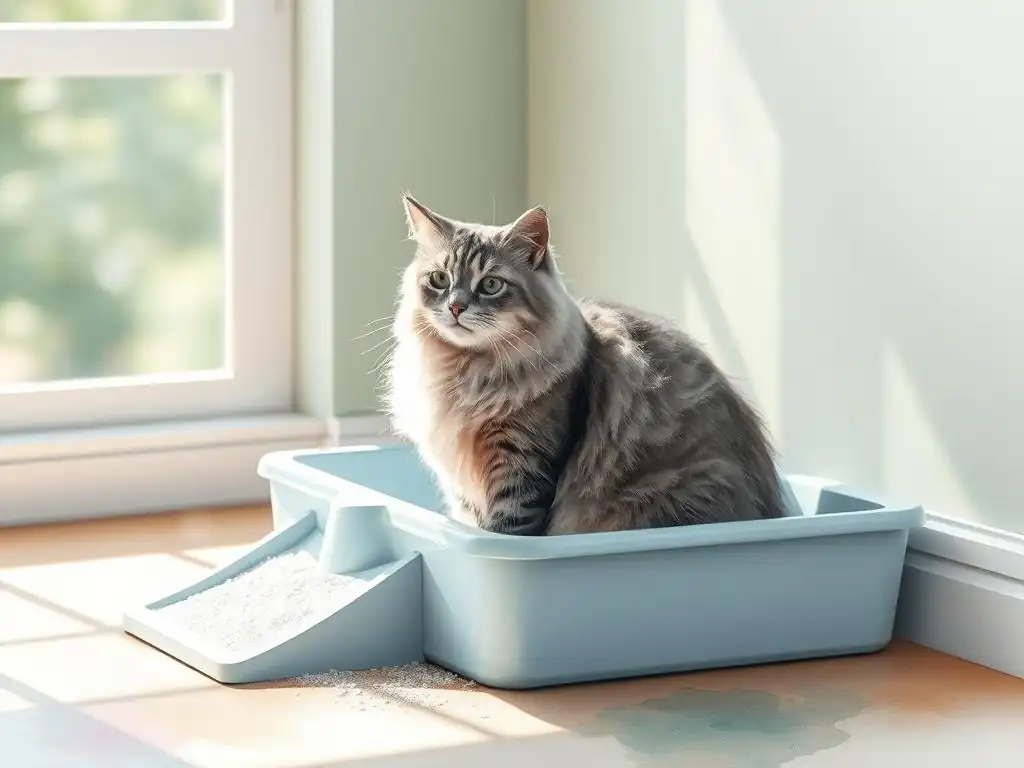
Maintaining a clean and accessible litter box is crucial for the well-being of senior cats. Their physical limitations, such as arthritis and decreased mobility, can significantly impact their ability to use the litter box effectively. Ignoring these changes can lead to litter box avoidance, accidents around the house, and potential health issues. Prioritizing cleanliness and accessibility directly contributes to a happier, healthier senior feline companion.
This section focuses on practical strategies to optimize your senior cat's litter box experience, addressing common challenges and offering solutions to ensure comfortable and convenient elimination. The goal is to maintain a positive association with the litter box, preventing stress and promoting urinary tract health. Remember, even small adjustments can make a big difference in your senior cat's quality of life.
Litter Box Placement for Easy Access
The placement of the litter box is paramount for senior cats. Arthritis and other age-related conditions can make navigating steps or tight spaces difficult. Therefore, the ideal location is easily accessible, on a level surface, away from high-traffic areas. Avoid placing the litter box in areas that require your cat to jump, climb, or squeeze through narrow passages.
Consider these points for optimal placement:
- Ground Level: Place the litter box directly on the floor, eliminating any need for your cat to jump or climb. This is especially important for cats with mobility issues in their hind legs or suffering from hip dysplasia.
- Open and Spacious: Ensure ample space around the litter box to allow for easy entry and exit. Avoid placing it in corners or confined spaces that might restrict movement.
- Quiet and Low-Stress Environment: Senior cats often prefer quiet, less stimulating areas to relieve themselves. Avoid placing the litter box near loud appliances, busy hallways, or areas with high foot traffic.
- Multiple Litter Boxes: For larger homes or multi-cat households, consider multiple litter boxes strategically placed throughout the house. This reduces the distance your senior cat needs to travel and minimizes potential accidents. A general rule of thumb is one litter box per cat, plus one extra.
A poorly placed litter box can lead to accidents outside the box, signaling discomfort or difficulty accessing it. Regularly observe your cat's behavior during litter box use to assess if adjustments are needed.
Frequency of Litter Box Cleaning for Senior Cats
Maintaining impeccable litter box hygiene is even more critical for senior cats. Their heightened sensitivity to odors and potential health issues, such as urinary tract infections (UTIs), necessitate more frequent cleaning. A dirty litter box can deter even the most well-trained cat, leading to accidents and potential health problems.
Here's a recommended cleaning schedule:
- Daily Scoop: Scoop solid waste and clumps from the litter box at least once a day. This prevents the build-up of ammonia and other harmful substances that can irritate your cat's sensitive respiratory system and urinary tract.
- Complete Litter Change: Completely change the litter and thoroughly clean the box at least once a week. This involves removing all the litter, washing the box with a pet-safe disinfectant (avoid harsh chemicals), rinsing thoroughly, and allowing it to dry completely before adding fresh litter.
- Consider Litter Type: Some litter types are easier to clean than others. Clumping litters simplify the scooping process, while non-clumping litters require more frequent complete changes. The choice of litter should always consider your senior cat's specific needs and preferences.
Ignoring the frequency of litter box cleaning can lead to a variety of problems, including increased risk of UTIs, behavioral changes (like spraying), and decreased overall well-being for your senior cat. Proactive cleaning is a vital aspect of responsible senior cat care.
Signs Your Senior Cat is Having Trouble with the Litter Box
Several subtle signs can indicate that your senior cat is struggling with litter box usage. Recognizing these early warning signs is crucial to address any underlying issues promptly and prevent further complications. These signs are often overlooked or misinterpreted, yet they can provide valuable insights into your cat's comfort and health.
Potential indicators include:
- Increased Urination Outside the Litter Box: This is a primary indicator of litter box issues. Accidents may occur in various locations, reflecting potential discomfort or difficulty accessing the litter box.
- Straining or Difficulty Urinating or Defecating: Observe your cat during elimination. Straining, vocalizations, or prolonged attempts to urinate or defecate can point towards underlying health problems, like arthritis, UTIs, or constipation.
- Changes in Litter Box Habits: Sudden shifts in frequency, location, or timing of litter box usage warrant attention. These changes might signify discomfort or pain associated with using the litter box.
- Increased Vocalization during Litter Box Use: Meowing, crying, or whimpering during litter box use suggests discomfort or pain. This could stem from arthritis, hip dysplasia, or other mobility issues.
- Changes in Appetite, Water Intake, or Energy Levels: While not directly related to litter box use, these changes can be indirect indicators of underlying health problems that might affect your cat's ability to use the litter box.
Addressing these signs promptly through veterinary consultation and adjustments to the litter box environment can help maintain your senior cat's comfort, well-being, and overall health. Remember, proactive monitoring and prompt action are key to ensuring a happy and healthy life for your aging feline companion.
Alternative Litter Box Solutions for Senior Cats with Mobility Issues
Senior cats often experience age-related mobility issues that can make using a standard litter box challenging. Arthritis, hip dysplasia, and other conditions can make it difficult for them to step into and out of the box, jump, or even bend down to eliminate comfortably. This can lead to accidents outside the litter box, which is stressful for both the cat and the owner. Fortunately, there are several alternative litter box solutions designed to improve accessibility and comfort for senior cats.
One excellent option is a low-entry litter box. These boxes have significantly lower sides than standard litter boxes, making it easier for cats with mobility problems to access them without straining. Some models even feature ramps or steps to further assist cats with limited mobility. The reduced height minimizes the need for strenuous jumping or bending, improving the cat's overall comfort and reducing the risk of injury. The size of the opening is also crucial; a wider entry point will further aid cats with arthritis or other joint issues.
Another helpful adaptation involves using a litter box with a top entry. These boxes are typically taller than standard boxes, but the top entry point minimizes the need to jump or climb. This design is especially beneficial for cats with hind leg weakness or arthritis in their hips and back legs. While some cats may initially be hesitant to use a top-entry litter box, most adapt quickly, especially if they're experiencing discomfort with conventional boxes. It's crucial to choose a top-entry box with a large enough opening to accommodate your senior cat comfortably.
For cats with severe mobility issues, consider a litter box with a removable top. This allows you to easily clean the box and can be helpful if your cat needs assistance getting in or out. You can also add additional padding or bedding to the bottom of the box to make it even more comfortable and supportive for older cats with joint pain. The removable top also facilitates easier access for cleaning, which is important for maintaining hygiene, especially with senior cats who may have accidents more frequently.
Finally, some owners find success using an extra-large, shallow litter pan. While not specifically designed for seniors, the spaciousness and lack of high sides provide ample room for maneuverability. This option offers significant space for cats to comfortably turn around and eliminate without feeling confined or struggling with tight spaces. The shallow depth reduces the need to bend low, relieving pressure on their joints.
Remember to choose a pan with non-slip material to prevent accidents. The key is to find a solution that is both accessible and comfortable for your individual cat's needs. Regular monitoring and observation of your cat's litter box usage will help you determine the best solution for your aging feline companion.
Beyond Litter: Additional Considerations for Senior Cat Comfort
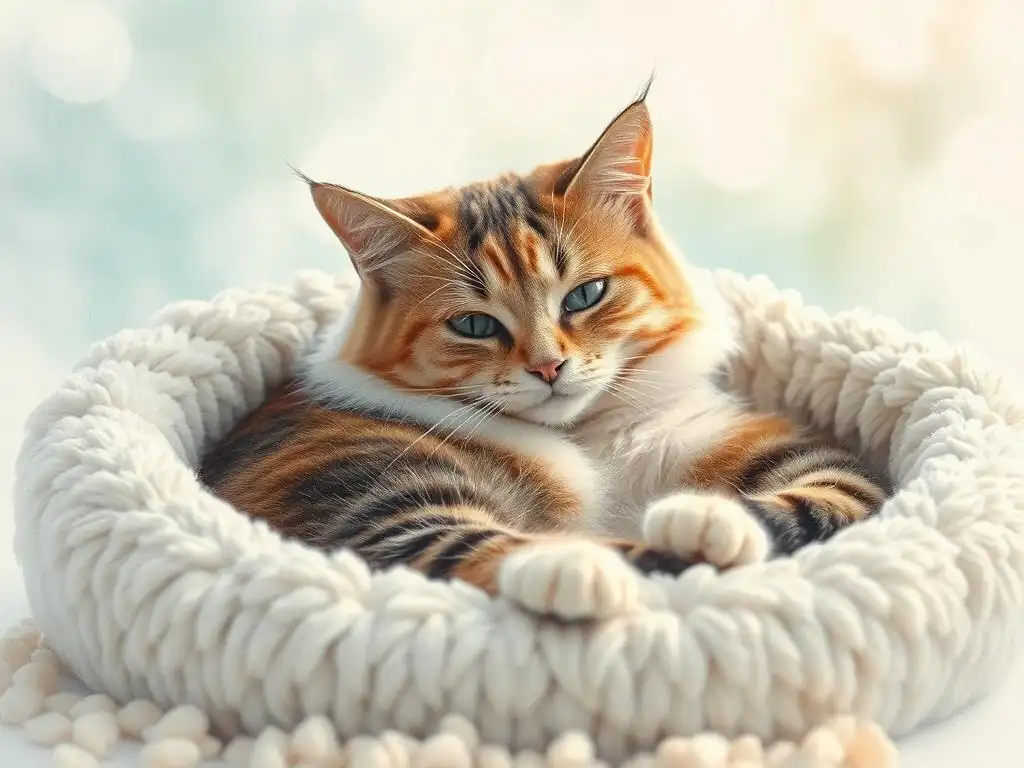
Choosing the right litter is a crucial step in ensuring your senior cat's comfort, but it's only one piece of the puzzle. A holistic approach to senior cat care considers several other factors that significantly impact their quality of life and overall well-being. Focusing solely on litter type without addressing other potential issues can overlook vital aspects of their aging process. This section explores key considerations beyond litter selection to optimize your senior cat's comfort and health.
Supplements and Medications for Joint Pain Relief
As cats age, they often experience joint pain and stiffness, arthritis being a common culprit. This can make even simple tasks like entering the litter box challenging and painful. Addressing this pain is paramount for maintaining their mobility and reducing stress. Several options exist to alleviate discomfort and improve their quality of life:
- Glucosamine and Chondroitin: These naturally occurring compounds are commonly used to support joint health. They help maintain cartilage and reduce inflammation. Many veterinary-approved supplements combine these ingredients for optimal effectiveness. Always consult your veterinarian before starting any supplement regimen to ensure it's appropriate for your cat's specific health condition and doesn't interact negatively with existing medications.
- Omega-3 Fatty Acids: These essential fatty acids possess anti-inflammatory properties that can help reduce joint pain and stiffness. They can be found in fish oil supplements or incorporated into their diet through foods enriched with omega-3s. Again, veterinary guidance is crucial to determine the appropriate dosage and suitability for your cat.
- Prescription Medications: In more severe cases, your veterinarian might prescribe non-steroidal anti-inflammatory drugs (NSAIDs) or other pain relievers to manage your cat's arthritis pain. These medications should only be administered under strict veterinary supervision due to potential side effects. Never self-medicate your cat.
Remember, early intervention is key. Monitoring your cat for signs of joint pain, such as limping, stiffness, reluctance to jump, or changes in behavior, allows for timely intervention and prevents the condition from worsening. A proactive approach can significantly improve your senior cat's comfort and mobility.
Dietary Changes to Support Senior Cat Health
Nutrition plays a pivotal role in the overall health and well-being of senior cats. As cats age, their nutritional needs change. A diet specifically formulated for senior cats can help address these changes and maintain their health. Key considerations include:
- Calorie Control: Senior cats tend to be less active, requiring fewer calories to prevent weight gain, which can exacerbate joint problems. Choosing a senior cat food with a lower calorie density is crucial.
- Higher Protein Content: Maintaining muscle mass is important for senior cats. Higher protein diets help prevent muscle loss (sarcopenia) and maintain strength.
- Digestibility: Senior cats may experience digestive issues. Foods with highly digestible ingredients minimize gastrointestinal upset and ensure optimal nutrient absorption.
- Joint Support: Some senior cat foods are enriched with glucosamine and chondroitin to support joint health directly through their diet.
Transitioning to a senior cat food should be gradual to avoid digestive upset. Consult your veterinarian to determine the most appropriate diet for your cat's specific needs and any pre-existing health conditions. Providing the right nutrition helps maintain their energy levels, strengthens their immune system and contributes to their overall comfort.
Veterinary Care for Aging Cats
Regular veterinary check-ups are essential for senior cats. These visits allow for early detection of age-related health problems and proactive management of any issues that arise. Key aspects of veterinary care for senior cats include:
- Annual Physical Examinations: These comprehensive exams assess overall health, identify potential problems, and allow for early intervention. Your veterinarian will monitor weight, blood pressure, and other vital signs.
- Blood Work and Urinalysis: Routine blood and urine tests help detect kidney disease, diabetes, and other common age-related ailments. Early detection is crucial for effective management.
- Dental Care: Dental disease is common in senior cats and can lead to pain and discomfort. Regular dental cleanings and home dental care are vital.
- Geriatric Screening: As cats age, specific geriatric screenings may be recommended to identify potential problems before they become serious. These screenings may include additional blood tests or imaging studies.
Proactive veterinary care significantly contributes to your senior cat's comfort and longevity. Don't hesitate to contact your veterinarian if you observe any changes in your cat's behavior, appetite, or elimination habits. Early intervention can often make a significant difference in their quality of life. Remember, a healthy senior cat is a happy senior cat! 😻
Creating a Safe and Comfortable Environment for Senior Cats
Creating a safe and comfortable environment is paramount for senior cats. Their physical abilities often decline with age, leading to increased vulnerability to accidents and discomfort. Simple modifications to their living space can significantly improve their quality of life and contribute to their overall well-being. This includes minimizing obstacles to prevent falls and injuries. Think about removing throw rugs or other items that might cause a senior cat to trip.
Stairways can also pose a significant challenge; consider ramps or stairs with low risers to make navigation easier and safer. Providing easy access to food and water bowls is also crucial. Elevated food and water stations might be necessary to reduce strain on their joints. Remember, even seemingly minor adjustments can make a huge difference in a senior cat's mobility and comfort.
Senior cats often experience changes in their sensory perception, such as decreased vision or hearing. This can lead to increased anxiety and disorientation. A calming and predictable environment is therefore essential. Minimize sudden loud noises or unexpected changes in their surroundings.
Maintain a consistent routine for feeding, playtime, and grooming to provide a sense of security and reduce stress. Consider adding familiar scents like catnip or pheromone diffusers to create a comforting atmosphere. Furthermore, providing soft, comfortable bedding in multiple locations throughout the house allows your senior cat to rest and relax wherever they feel most comfortable, ensuring they always have easy access to a cozy spot.
Finally, regular veterinary checkups are crucial for monitoring the health of senior cats. Early detection of age-related health problems can significantly impact their comfort and longevity. Your veterinarian can provide tailored advice on diet, exercise, and environmental modifications to best suit your cat's specific needs and condition. They can also advise on pain management strategies if necessary, ensuring your senior feline companion enjoys a comfortable and dignified old age. Remember that a proactive approach to senior cat care is key to ensuring they live a happy and fulfilling life, even as they age. 😻
Frequently Asked Questions About Senior Cat Litter Choices
This section addresses common concerns pet owners have when selecting the best litter for their senior cats, focusing on comfort and ease of access. Choosing the right litter can significantly improve your aging feline's quality of life and reduce potential health issues. Remember, finding the best litter senior cat comfort requires careful consideration of your cat's individual needs.
What are the signs my senior cat is struggling with their litter box?
As cats age, physical limitations can make using the litter box challenging. Several signs indicate your senior cat might be experiencing difficulties:
- Hesitancy or avoidance of the litter box: This is a primary indicator. If your cat is suddenly reluctant to enter the litter box, investigate potential problems.
- Accidents outside the litter box: Increased urination or defecation outside the designated area suggests discomfort or inability to use the litter box.
- Straining during urination or defecation: Observe your cat while using the litter box. Straining, crying out, or prolonged periods in the box signal potential pain or difficulty.
- Changes in urination or defecation patterns: Increased frequency, smaller amounts of urine, or changes in stool consistency could point to underlying health issues impacting litter box use.
- Litter box avoidance in favor of other soft surfaces: If your cat is choosing to eliminate on carpets or bedding, this may indicate discomfort with the litter box substrate or the box itself.
- Vocalization during or after using the litter box: Any unusual meowing or yowling related to litter box use warrants attention.
It's crucial to consult your veterinarian if you observe any of these signs. Underlying health conditions, such as arthritis, urinary tract infections, or cognitive decline, can significantly impact litter box use. Early detection and treatment are vital for your cat's well-being. Addressing the underlying cause is just as, if not more, important than simply changing the litter. A thorough veterinary check-up can help determine the root cause of the problem.
How often should I change my senior cat's litter?
Maintaining a clean litter box is paramount for all cats, but especially for seniors. The frequency of litter changes depends on several factors, including the type of litter used, the number of cats using the box, and your cat's individual habits. However, for senior cats, aiming for daily scooping is recommended. This removes solid waste and clumps, preventing the buildup of ammonia and unpleasant odors that can deter your cat from using the box.
A completely fresh litter box should be provided at least every 3-5 days, or more frequently if needed. This is particularly important because senior cats are more sensitive to strong smells and potentially unsanitary conditions. A clean, fresh-smelling litter box is more likely to encourage usage. Consider using a litter box with an enclosed design to help trap odors and maintain a more hygienic environment.
Are there any litters I should avoid for my senior cat?
Certain litter types can exacerbate existing joint pain or create further discomfort for senior cats. Avoid the following:
- Dusting litters: Inhaled dust can irritate a senior cat's respiratory system, which may already be compromised.
- Clumping litters that clump too tightly: These can make it difficult for senior cats with arthritis to dig and properly bury their waste.
- Litters with strong fragrances or perfumes: These scents can be irritating or overwhelming for sensitive senior cats. Opt for unscented varieties.
- Litters with small, fine particles: These can stick to paws and fur, causing irritation.
- Litters made from hard materials: This can make it painful for cats with arthritis to dig and use the litter box.
Choosing a litter that's easy to access and comfortable for your senior cat is essential for their health and happiness. Consider using a low-sided litter box or a ramp to make access easier. Always prioritize your cat's comfort and wellbeing when selecting a litter. Remember, the best litter senior cat comfort is one that caters specifically to their changing needs.
My senior cat is having accidents outside the litter box; what can I do?
Accidents outside the litter box are a common problem with senior cats, often stemming from age-related physical limitations or underlying health issues. Addressing this requires a multifaceted approach, focusing on identifying and resolving the root cause. First, a veterinary checkup is crucial. Urinary tract infections (UTIs), kidney disease, arthritis, cognitive dysfunction (similar to dementia in humans), and even diabetes can all contribute to inappropriate urination. Your vet can run tests to rule out medical problems and prescribe treatment if necessary.
Once medical issues are addressed or ruled out, consider environmental factors. Arthritis makes it difficult for senior cats to jump into high-sided litter boxes or navigate litter that's too deep or heavy. Switching to a low-sided litter box with easy access is a simple yet effective solution. Consider ramps or steps to aid entry if necessary.
Similarly, the type of litter itself plays a significant role. Senior cats often prefer softer, clumping litters that are gentler on their joints. Avoid scented litters, as the strong fragrances can irritate their sensitive noses and respiratory systems. Experiment with different litter types and depths to find what your cat finds most comfortable.
Beyond the litter box itself, assess the location. Is it easily accessible and private? Senior cats may have difficulty navigating busy areas or prefer quieter, less trafficked locations. Consider moving the litter box to a more convenient and peaceful spot. Also, ensure the box is always clean. Cats are fastidious creatures, and a dirty litter box is a major deterrent. Cleaning the box regularly, ideally multiple times a day, can greatly improve litter box habits. If multiple cats share a household, ensure there are enough litter boxes (generally one more than the number of cats).
Finally, changes in a cat's behavior, including litter box accidents, can be a sign of cognitive decline. Senior cats with cognitive dysfunction may forget where their litter box is or simply lose interest in using it. In such cases, consider behavioral modification techniques, such as using pheromone diffusers to reduce stress and anxiety, or working with a veterinary behaviorist to develop a tailored plan.
Remember, patience and understanding are key when dealing with a senior cat experiencing litter box issues. Addressing the problem systematically, starting with a veterinary examination, will help you find the best solution for your beloved companion.
Frequently Asked Questions
What makes a litter best for senior cats?
Senior cats often have mobility issues and joint pain. The best litters are low-dust, lightweight, and have excellent absorbency to minimize litter tracking and potential for injury. They should also be easy to scoop.
Are clumping litters suitable for older cats?
While clumping litters are popular, some senior cats may have sensitivity to certain types of clay. Consider a non-clumping option or a clumping litter made with softer materials, if your senior cat experiences irritation.
How can I make litter box access easier for my aging cat?
Provide easy access to the litter box by placing it in a low, easily accessible location. Consider a litter box with lower sides or a ramp to help your senior cat get in and out comfortably.
What are the benefits of using low-dust litter for senior cats?
Low-dust litters reduce respiratory irritation, which is particularly important for senior cats who may have existing respiratory issues. It also minimizes dust that can spread throughout the house.
What type of litter is best for cats with arthritis?
For cats with arthritis, prioritize lightweight, low-dust litters with large, soft granules. Avoid litters that are heavy or require excessive digging, as this can exacerbate joint pain. Consider a litter box with lower sides for easier access.
Final Reflection: The Golden Years, Comfortably Lived
The right litter can significantly impact the quality of life for our senior feline companions, offering them dignity and comfort in their twilight years. Choosing the best litter isn't just about convenience; it's about providing a safe, accessible, and pain-free environment for cats whose bodies are slowing down. This is a crucial aspect of responsible pet ownership that deserves more attention.
The journey of caring for an aging cat is a deeply personal one, filled with both joy and challenges. It's a testament to the enduring bond we share with these creatures, a bond that transcends the everyday. As their mobility and physical capabilities decline, we have a responsibility to adapt and provide the best possible care. The best thing about having a pet is that they always love you unconditionally.
This simple truth underscores the importance of providing our senior cats with the comfort and support they deserve, even in their most vulnerable moments. The choices we make, like selecting the right litter, directly impact their well-being and happiness.
Consider the impact of even small changes. Think about the relief a low-dust, easily accessible litter provides a cat with arthritis. Imagine the peace of mind knowing you've minimized the risk of urinary tract infections with a litter that promotes optimal hygiene. You have the power to make a tangible difference in your senior cat's life. Take the time to research, compare, and choose the best litter for your beloved companion. Their comfort, their dignity, and their happiness depend on it.
Unlock Your Senior Cat's Comfort: A Purrfect Next Step
Thank you for learning how to create the ideal environment for your aging feline companion! We hope you found our insights on choosing the best litter helpful. Now, let's put that knowledge into action:
- Prioritize Litter Choice: Switching to a litter that addresses your senior cat's specific needs is crucial. Consider factors such as joint pain, mobility issues, and scent sensitivity to ensure comfortable elimination. This is the most impactful change you can make.
- Share Your Success: Tell us (and other PetCareWorld readers!) about your senior cat's litter preference and how the transition went. Your experience could greatly benefit other pet owners!
- Explore More Senior Cat Care Resources: Discover even more helpful tips and advice on PetCareWorld.org – we have a wealth of articles dedicated to helping your senior cat thrive.
Ready to make your senior cat's life more comfortable? What's the first step you'll take to improve their litter experience today?