
Fleas, Ticks, and Worms: A Deep Dive into the World of Pet Parasites


Welcome to PetCareWorld, your ultimate guide to a happier, healthier life for your beloved companion! Are you ready to conquer the often-overlooked world of pet parasites? Our comprehensive Pet parasite prevention guide dives deep into the threats of fleas, ticks, and worms, equipping you with the knowledge and strategies to protect your furry, feathered, or scaled friend. Discover proven methods to safeguard your pet's well-being and learn how to identify and address infestations effectively. Let's embark on this journey together – your pet's health is our priority!
- Understanding Common Pet Parasites: A Pet Parasite Prevention Guide
- The Life Cycle of Common Pet Parasites: A Detailed Look
- Preventing Parasites in Your Pets: A Comprehensive Pet Parasite Prevention Guide
- Diagnosing and Treating Pet Parasites: When to See a Veterinarian
- Protecting Your Home and Environment from Parasites
- Natural Remedies and Preventative Measures for Parasites
- Choosing the Right Parasite Prevention Products: A Buyer's Guide
- Long-Term Pet Parasite Prevention Plan: A Year-Round Strategy
- Frequently Asked Questions
- Final Reflection: The Unseen Enemies and Our Enduring Responsibility
- Unleash Your Pet's Parasite-Free Potential!
Understanding Common Pet Parasites: A Pet Parasite Prevention Guide
Pet ownership is a rewarding experience, filled with unconditional love and companionship. However, responsible pet ownership also involves understanding and proactively addressing potential health concerns, and among the most common are parasites. This comprehensive guide delves into the world of fleas, ticks, and worms – three prevalent categories of pet parasites – providing you with the knowledge and strategies for effective prevention and treatment. We'll explore how to identify infestations, understand the associated risks, and implement preventative measures to keep your beloved companion healthy and happy.
This guide serves as your essential resource for a proactive approach to pet parasite prevention, ultimately contributing to a longer, healthier life for your furry, feathered, or scaled friend. Remember, early detection and prevention are key to minimizing the impact of these unwelcome guests. This "Pet parasite prevention guide" is designed to empower you with the knowledge to safeguard your pet's well-being.
Identifying Fleas on Your Pet: Symptoms and Detection
Fleas are tiny, wingless insects that feed on the blood of mammals and birds. Their bites cause intense itching, leading to scratching, hair loss, and even skin irritation. Identifying a flea infestation requires careful observation. Common symptoms include:
- Excessive scratching and biting: Your pet may constantly scratch or bite at their fur, particularly around the base of the tail, neck, and abdomen.
- Visible fleas: Adult fleas are small, dark brown insects that can be seen with the naked eye, especially in areas with thin fur. Look closely around your pet's belly, neck, and ears.
- Flea dirt: These are dark specks of dried flea feces that resemble grains of pepper. If you dampen a few specks on a paper towel, they turn reddish-brown due to digested blood.
- Skin irritation and inflammation: Severe infestations can lead to skin inflammation, redness, and even secondary skin infections.
- Restlessness and pale gums: In severe cases, your pet may show signs of anemia due to blood loss, manifesting as pale gums and lethargy.
Detecting fleas early is crucial. Regular brushing, checking your pet's fur, and inspecting their bedding can help identify an infestation before it becomes severe. Remember, even a small number of fleas can rapidly multiply. A proactive approach to flea prevention, including regular treatments and environmental cleaning, is essential.
Recognizing Tick Infestations: Types of Ticks and Their Dangers
Ticks are parasitic arachnids that attach themselves to the skin of their hosts to feed on blood. Unlike fleas, ticks are larger and easily visible. They can transmit various diseases, making early detection and removal crucial. Different types of ticks exist, each potentially carrying different pathogens. Some common types include:
- American Dog Tick: Known for transmitting Rocky Mountain spotted fever and tularemia.
- Blacklegged Tick (Deer Tick): A carrier of Lyme disease, anaplasmosis, and babesiosis.
- Lone Star Tick: Can transmit ehrlichiosis and other diseases.
Recognizing a tick infestation involves checking your pet regularly for ticks, especially after spending time outdoors in grassy or wooded areas. Ticks often attach themselves in areas with less fur, such as the ears, neck, groin, and between the toes. They appear as small, dark-colored bumps on the skin.
If you find a tick, carefully remove it with tweezers, grasping it as close to the skin as possible and pulling straight out. Always consult a veterinarian if your pet shows signs of illness after a tick bite. The dangers associated with tick bites extend beyond simple irritation; they pose a serious threat to your pet's health.
Worm Infestations in Pets: Roundworms, Hookworms, and Tapeworms
Internal parasites, such as roundworms, hookworms, and tapeworms, are a significant concern for pet health. These worms live within the pet's digestive tract, competing for nutrients and causing various health problems. The symptoms can vary depending on the type of worm and the severity of the infestation.
| Worm Type | Symptoms | Transmission |
|---|---|---|
| Roundworms | Pot-bellied appearance, dull coat, vomiting, diarrhea, weight loss, coughing | Ingestion of contaminated soil, feces, or infected prey |
| Hookworms | Pale gums, lethargy, bloody diarrhea, weight loss, poor coat condition | Penetration of the skin, ingestion of contaminated soil or feces |
| Tapeworms | Scooting (dragging their rear end on the ground), weight loss, vomiting | Ingestion of infected fleas or other intermediate hosts (e.g., rodents) |
Preventing worm infestations involves regular deworming, maintaining good hygiene practices, and preventing your pet from eating feces or infected prey. Regular fecal examinations by a veterinarian are crucial for early detection and treatment. Ignoring worm infestations can lead to serious health complications, emphasizing the importance of proactive parasite control. The consequences of untreated worm infestations can be severe, impacting your pet's overall health and well-being.
The Life Cycle of Common Pet Parasites: A Detailed Look
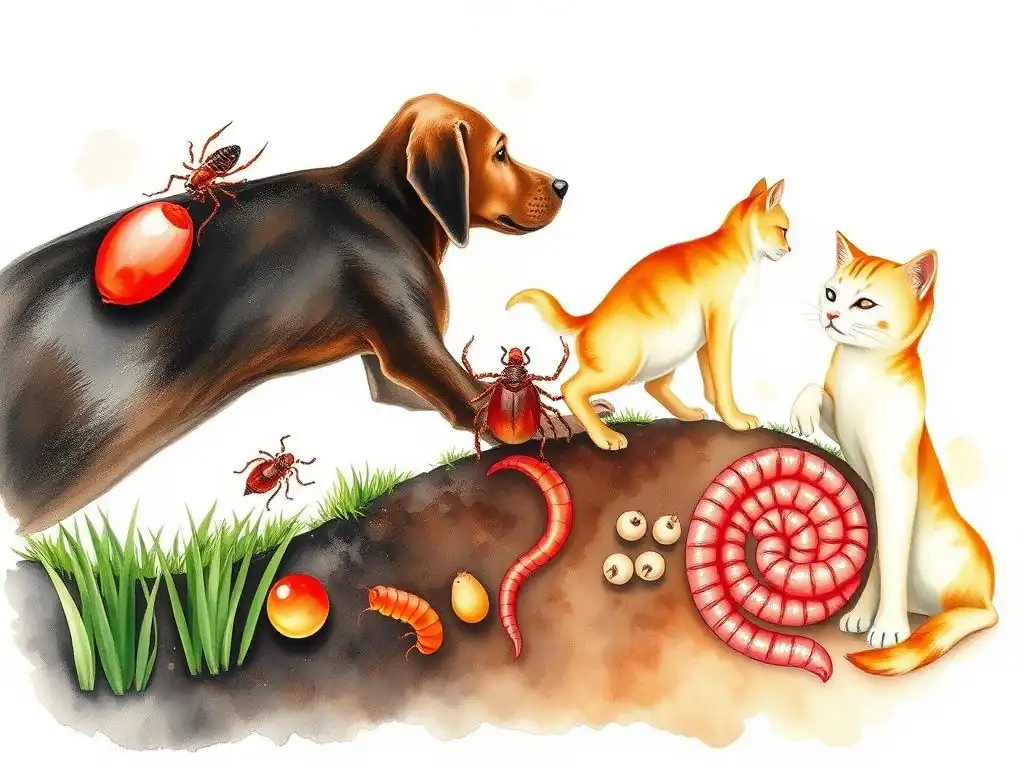
Understanding the life cycle of common pet parasites is crucial for effective pet parasite prevention. Knowing how these pests reproduce and spread allows for targeted preventative measures and more effective treatment strategies. This section delves into the intricate life cycles of fleas, ticks, and worms, highlighting key stages and vulnerabilities. Effective parasite control requires a multifaceted approach, acknowledging the complexities of each parasite's life cycle.
Flea Life Cycle: Egg, Larva, Pupa, Adult
The flea life cycle is remarkably complex and presents several opportunities for intervention in pet parasite prevention. A female flea can lay up to 50 eggs per day, which are typically deposited on the host animal's fur. These eggs are small, white, and oval-shaped, easily falling off into the environment.
- Egg Stage: The egg stage lasts 1-10 days, depending on temperature and humidity. Warmer, more humid conditions accelerate development.
- Larva Stage: Upon hatching, flea larvae are small, worm-like creatures that avoid light and feed on organic debris, including adult flea feces (which contain digested blood). This stage lasts 1-18 days, and the larvae spin cocoons.
- Pupa Stage: The pupal stage is crucial for pet parasite prevention, as fleas can remain in this dormant stage for extended periods (weeks to months), waiting for favorable conditions (such as vibrations from a nearby host animal) to emerge.
- Adult Stage: Adult fleas emerge from the pupae, ready to feed on a host animal. Adult fleas have a relatively short lifespan (a few weeks to months), but their prolific egg-laying capacity ensures continuous infestation.
Tick Life Cycle: Egg, Larva, Nymph, Adult
Ticks undergo a four-stage life cycle, each stage requiring a blood meal. This makes them particularly challenging to control and emphasizes the importance of proactive pet parasite prevention strategies.
- Egg Stage: Female ticks lay hundreds to thousands of eggs in the environment, typically in sheltered locations like tall grass or leaf litter.
- Larval Stage: Tick larvae are six-legged and require a blood meal to molt into nymphs.
- Nymph Stage: Nymphs are larger than larvae and also require a blood meal to develop into adults. Both larvae and nymphs are often overlooked, contributing to the spread of tick-borne diseases.
- Adult Stage: Adult ticks are eight-legged and require a blood meal to reproduce. Adult ticks are the most easily identifiable stage, but their presence often indicates a significant infestation. Prevention at the larval and nymph stages is key to minimizing the adult population.
Worm Life Cycle: Transmission and Development in Pets
The life cycles of parasitic worms are highly diverse, depending on the specific species. However, many share common themes in transmission and development within pets, necessitating comprehensive pet parasite prevention measures. Some worms have complex life cycles involving intermediate hosts (like snails or slugs), while others are directly transmitted through ingestion of contaminated feces or through the bite of an infected insect.
- Transmission: Transmission routes vary widely. Ingestion of infected eggs or larvae in contaminated soil or water is a common method. Some worms are transmitted through the bite of an infected mosquito or other insect vector. Direct contact with infected animals can also lead to transmission.
- Development: Once ingested or transmitted, the worm larvae migrate to their target organs (e.g., intestines, lungs, heart), where they mature and reproduce. The adult worms then produce eggs or larvae, which are shed in the feces or other bodily fluids, continuing the cycle. Regular fecal examinations are crucial for early detection and effective pet parasite prevention.
Understanding these life cycle intricacies empowers pet owners to implement effective preventative strategies and manage infestations effectively. Regular veterinary check-ups, appropriate preventative medications, and diligent environmental control are all vital components of a comprehensive pet parasite prevention plan. Remember, early detection is key to minimizing health risks and ensuring your pet's well-being.
Preventing Parasites in Your Pets: A Comprehensive Pet Parasite Prevention Guide
This section offers a detailed guide to preventing common pet parasites, focusing on practical strategies and preventative measures. Effective parasite control is crucial for maintaining your pet's health and well-being. Regular preventative care significantly reduces the risk of infestations and associated health problems, saving you time, money, and emotional distress. This guide will empower you to proactively protect your furry, feathered, or scaled companions.
Effective Flea Prevention Strategies for Dogs and Cats
Flea infestations can be incredibly irritating and even lead to serious health complications for your pets. Effective flea prevention requires a multi-pronged approach, combining preventative medications with diligent environmental control. Here's a breakdown of key strategies:
- Preventative Medications: Veterinarians offer a range of effective flea medications, including topical treatments, oral medications, and flea collars. The best option depends on your pet's age, breed, and overall health. Always consult your veterinarian to determine the most appropriate medication for your pet's specific needs. They can assess potential risks and side effects and tailor a treatment plan accordingly.
- Regular Grooming: Brushing your pet regularly helps remove existing fleas and flea dirt (flea feces), reducing the overall flea population. This is particularly important for long-haired breeds. A fine-toothed comb can be highly effective in removing fleas from your pet's fur.
- Environmental Control: Fleas thrive in carpets, bedding, and other areas where pets spend significant time. Regular vacuuming and cleaning of your pet's bedding and living areas are crucial in breaking the flea life cycle. Consider using a flea spray or powder in areas where fleas are prevalent, following the manufacturer's instructions carefully. Washing pet bedding frequently in hot water is also highly recommended.
- Yard Treatment: If your pet spends time outdoors, treating your yard for fleas may be necessary. Several products are available to kill fleas and their larvae in your lawn. Consult with a pest control professional for advice on effective yard treatments.
Tick Prevention Methods: Collars, Sprays, and Topical Treatments
Ticks are not only irritating but also transmit serious diseases to pets, including Lyme disease and Rocky Mountain spotted fever. Protecting your pet from ticks requires diligent effort and a combination of preventative measures.
| Prevention Method | Description | Effectiveness | Potential Side Effects |
|---|---|---|---|
| Tick Collars | Release insecticides that repel and kill ticks. | High | Skin irritation in some pets |
| Topical Treatments | Applied directly to the pet's skin, providing long-lasting protection. | High | Mild skin irritation, temporary hair loss |
| Tick Sprays | Sprays applied directly to the pet's fur, providing temporary protection. | Moderate | May irritate eyes or nose |
| Environmental Control | Removing tall grass, brush, and leaf litter from your yard reduces tick habitats. | Moderate | Requires ongoing effort |
Remember to check your pet for ticks regularly, especially after spending time outdoors. Remove any attached ticks carefully using tweezers, ensuring you grasp the tick as close to the skin as possible. Consult your veterinarian if you notice any signs of tick-borne illness.
Worm Prevention: Deworming Medications and Practices
Internal parasites, such as roundworms, hookworms, and tapeworms, can significantly impact your pet's health. Preventative deworming is essential, especially for puppies and kittens.
- Regular Deworming: Your veterinarian will recommend a deworming schedule based on your pet's age, breed, and lifestyle. This typically involves administering deworming medication at regular intervals. The frequency of deworming varies depending on the type of worm and your pet's risk factors.
- Fecal Examinations: Regular fecal examinations are crucial for detecting the presence of intestinal parasites. Your veterinarian can perform a fecal floatation test to identify any parasites present in your pet's stool. Early detection allows for prompt treatment and prevents the spread of parasites.
- Hygiene Practices: Maintaining good hygiene practices helps prevent the spread of worms. This includes regularly cleaning your pet's living areas, disposing of feces properly, and washing your hands after handling your pet. Preventing your pet from consuming feces (coprophagia) is also important in worm prevention.
Following these preventative measures significantly reduces the risk of parasitic infections in your pets, contributing to their overall health and happiness. Remember that regular veterinary check-ups are crucial for early detection and effective parasite management. A proactive approach to parasite prevention is the best way to ensure a healthy and happy companion. 🐾
Diagnosing and Treating Pet Parasites: When to See a Veterinarian

This section focuses on identifying when professional veterinary intervention is necessary for parasite infestations in your pets. Early detection and appropriate treatment are crucial for preventing serious health complications. A proactive approach to parasite prevention, coupled with regular veterinary checkups, is key to maintaining your pet's well-being. Remember, this guide provides information, but is not a substitute for professional veterinary advice.
Recognizing the Signs of Parasite Infestation
Recognizing the early warning signs of parasite infestation is paramount in effective pet parasite prevention. Different parasites manifest in various ways. Fleas, for example, often present with intense itching, scratching, and visible flea dirt (dried blood) in your pet's fur. You might also notice small, jumping insects themselves. Ticks, on the other hand, are usually visible as small, dark bumps attached to the skin. Their presence can cause localized irritation, swelling, and sometimes even transmission of diseases.
Worms, a significant concern in pet parasite prevention, can display a range of symptoms depending on the type of worm. Roundworms might lead to vomiting, diarrhea, a pot-bellied appearance, and dull coat. Tapeworms, often identified by segments resembling grains of rice in your pet's feces or around their anal area, can cause weight loss and digestive upset. Heartworms, a severe internal parasite, can cause coughing, lethargy, and ultimately, heart failure if left untreated. Early detection through regular fecal exams and blood tests is vital in a comprehensive pet parasite prevention strategy.
Below is a table summarizing common signs of different parasite infestations:
| Parasite Type | Common Signs |
|---|---|
| Fleas | Intense itching, scratching, flea dirt, visible fleas |
| Ticks | Visible ticks attached to skin, localized swelling |
| Roundworms | Vomiting, diarrhea, pot-bellied appearance, dull coat |
| Tapeworms | Rice-like segments in feces, weight loss |
| Heartworms | Coughing, lethargy, fatigue |
Regularly checking your pet for these signs, combined with proactive preventative measures, forms a robust pet parasite prevention plan. Don't hesitate to contact your veterinarian if you observe any of these symptoms.
Veterinary Diagnosis and Treatment Options for Fleas, Ticks, and Worms
Your veterinarian plays a critical role in diagnosing and treating parasite infestations. They will conduct a thorough physical examination, potentially including fecal exams to identify intestinal parasites and blood tests to detect heartworms. Skin scrapings might be necessary to confirm flea or tick infestations. Accurate diagnosis is the cornerstone of effective treatment and prevents unnecessary medication.
Treatment options vary depending on the identified parasite and the severity of the infestation. For fleas and ticks, your vet may prescribe topical treatments, oral medications, or even environmental sprays to eliminate the parasites and prevent reinfestation. For intestinal worms, deworming medications are typically administered, often tailored to the specific type of worm detected. Heartworm treatment is a more complex process, often involving a series of injections and close monitoring.
The veterinarian will also advise on preventative measures to incorporate into your pet parasite prevention routine, such as regular preventative medications, appropriate grooming practices, and environmental control to minimize parasite exposure. This holistic approach is essential for long-term parasite control.
Specific Treatment Options for Different Parasites
Treatment strategies differ significantly depending on the specific parasite. For example, flea infestations often respond well to topical treatments containing fipronil or imidacloprid. These medications kill adult fleas and prevent their reproduction. However, a comprehensive approach including environmental cleaning is often necessary for effective flea control. For ticks, removal with tweezers is crucial, followed by treatment to prevent tick-borne diseases. Your veterinarian will assess the risk and recommend appropriate measures.
Internal parasites require targeted deworming medications. The choice of medication depends on the type of worm present. For example, pyrantel pamoate is effective against roundworms, while praziquantel targets tapeworms. Heartworm treatment is a more involved process, typically requiring a multi-step approach under strict veterinary supervision due to the potential for serious complications. The veterinarian will carefully monitor your pet's progress throughout the treatment period. Remember, always follow your veterinarian's instructions precisely regarding dosage and administration of any medication. Improper use can be ineffective or even harmful to your pet.
Protecting Your Home and Environment from Parasites
Protecting your pet from parasites requires a multi-pronged approach. While preventative medications are crucial, a significant part of effective parasite control involves actively managing your home and surrounding environment. Parasites like fleas, ticks, and worms can thrive in various locations, making environmental control a vital component of a comprehensive pet parasite prevention guide. Neglecting this aspect can lead to re-infestation even with consistent medication. This section focuses on practical strategies to minimize parasite presence in your home and yard, complementing your pet's internal parasite prevention.
Flea and Tick Control in Your Home: Cleaning and Prevention
Flea and tick infestations aren't just uncomfortable for your pet; they can quickly become a household problem. Adult fleas can survive for extended periods off your pet, laying eggs in carpets, bedding, and furniture. Ticks, while less prolific in the home, can be brought in on clothing or pets. Thorough cleaning is your first line of defense.
Regular vacuuming is essential, focusing on areas where your pet spends the most time. Empty the vacuum bag or canister immediately after each cleaning to prevent flea eggs from hatching. Consider using a vacuum with a HEPA filter to capture microscopic flea eggs and debris. Steam cleaning carpets and upholstery can significantly reduce flea populations, as the heat kills both adult fleas and larvae. Washing pet bedding, blankets, and toys in hot water (at least 130°F) weekly is also critical. Remember to dry them thoroughly in a hot dryer to eliminate any remaining parasites.
Beyond cleaning, preventative measures are crucial. Using flea and tick sprays or foggers designed for the home can help eliminate existing populations. Always follow product instructions carefully and ensure adequate ventilation. Consider using diatomaceous earth (food-grade) in areas where your pet frequents, though it's essential to keep it away from your pet's food and water sources, as inhalation can cause respiratory irritation. Regularly inspect your pet for fleas and ticks and promptly treat any infestations you discover. A proactive approach minimizes the risk of widespread infestation within your home.
Preventing Worm Contamination in Your Yard and Home
Worms, unlike fleas and ticks, present a different set of environmental challenges. While some worm eggs are ingested, others, such as roundworm eggs, can contaminate your yard and even find their way into your home. Preventing this contamination requires careful management of your pet's waste and yard maintenance.
Regularly cleaning up your pet's feces is paramount. Worm eggs can remain viable in the environment for extended periods, posing a risk to your pet and other animals. Always use a pooper-scooper and dispose of waste promptly and properly, ideally in a sealed bag.
In addition to fecal matter, consider potential sources of contamination, like rodents or other wildlife that may harbor parasites. Maintaining a clean and well-maintained yard can reduce the likelihood of these animals becoming carriers and contaminating your pet's space. Avoid allowing stagnant water sources in your yard, as these can attract slugs and snails that carry certain types of parasites.
Regular lawn maintenance, including mowing and trimming vegetation, can help minimize the presence of parasites. Additionally, consider using a preventative broad-spectrum dewormer for your pet, as recommended by your veterinarian, to minimize the risk of internal parasite infestations. A comprehensive approach, combining diligent cleaning practices and preventative medications, is crucial for minimizing the risk of worm contamination in your home and yard. Remember, consistent attention to hygiene is an integral part of any comprehensive pet parasite prevention guide.
Natural Remedies and Preventative Measures for Parasites

This section explores natural approaches to parasite prevention and treatment in pets. While veterinary intervention is crucial for severe infestations or confirmed infections, natural remedies can play a supportive role in a holistic parasite management strategy. Remember, always consult your veterinarian before implementing any new treatment or preventative measure, especially if your pet exhibits symptoms of a parasitic infection. This guide focuses on preventative measures, as treating existing infestations often requires professional veterinary care. A proactive approach to pet parasite prevention is key to maintaining your pet's health and well-being.
Natural Flea and Tick Repellents
Natural flea and tick repellents offer a less toxic alternative to chemical pesticides. However, their effectiveness can vary depending on the severity of the infestation and your pet's individual susceptibility. Some popular options include:
- Essential Oils: Certain essential oils, such as cedarwood, lavender, peppermint, and tea tree oil (diluted appropriately! ), possess insecticidal properties. However, extreme caution is advised. Many essential oils are toxic to pets if ingested or applied undiluted. Always consult a veterinarian or a qualified aromatherapist experienced in pet care before using essential oils on your pet. Never apply undiluted essential oils directly to your pet's skin.
- Diatomaceous Earth (Food Grade): Food-grade diatomaceous earth is a naturally occurring sedimentary rock that can help dehydrate and kill fleas and ticks. It's a relatively safe option when applied topically, but avoid inhalation as it can irritate the lungs. Apply it to your pet's fur, focusing on areas where parasites tend to congregate. Thorough brushing is essential to remove the powder afterward.
- Herbal Sprays: Several herbal sprays are commercially available, often containing a blend of essential oils and other natural ingredients. Always check the ingredient list carefully to ensure it's safe for your pet. Look for products specifically formulated for pet use.
- Citrus: The scent of citrus fruits is often disliked by fleas and ticks. However, the direct application of citrus oils to your pet's skin can be harmful. Instead, consider placing citrus peels around your home to deter parasites from entering.
It's crucial to understand that natural repellents may not provide the same level of protection as commercially available chemical treatments. Regular combing and checking your pet for parasites remain essential, even when using natural repellents. Consistent monitoring and prompt veterinary attention are key components of a comprehensive pet parasite prevention plan. The effectiveness of natural repellents can be significantly improved by combining them with regular grooming and a clean living environment.
Natural Worm Prevention Strategies
Preventing internal parasites, such as roundworms, hookworms, and tapeworms, requires a multifaceted approach. While natural options can support parasite prevention, they are rarely sufficient on their own and should be used in conjunction with veterinary-recommended preventative measures. Here are some strategies:
- Regular Deworming with Veterinary Supervision: While we are focusing on natural prevention, remember that this is an area where professional veterinary care is absolutely essential. Your vet will recommend a deworming schedule based on your pet's species, age, lifestyle, and risk factors. They will also advise on appropriate deworming medications.
- Maintaining a Clean Environment: Regularly cleaning your pet's living space, including bedding, toys, and food and water bowls, helps to minimize the risk of parasite transmission. Thorough cleaning reduces the number of parasite eggs and larvae in the environment.
- Dietary Considerations: A balanced diet rich in nutrients can support your pet's immune system, making them less susceptible to parasitic infections. Consult your veterinarian for dietary advice tailored to your pet's specific needs. Some believe that adding certain foods, like pumpkin, to your pet's diet may have a beneficial effect on gut health, potentially reducing the risk of some parasites, but this remains an area requiring further research.
- Careful Waste Disposal: Prompt and proper disposal of your pet's feces is crucial in preventing the spread of parasite eggs and larvae. Always clean up after your pet immediately.
Regular veterinary check-ups are vital for detecting internal parasites early. While natural strategies can contribute to a holistic approach, they should never replace professional veterinary care. A strong partnership between pet owner and veterinarian is the best way to ensure your pet's health and well-being. Remember, preventing parasitic infections is far easier and less stressful than treating them.
Choosing the Right Parasite Prevention Products: A Buyer's Guide
Choosing the right parasite prevention products for your pet is crucial for their health and well-being. A proactive approach to parasite control is far more effective and less stressful than dealing with infestations or infections. This section will guide you through the selection process, helping you make informed decisions based on your pet's specific needs and your budget. Remember, always consult your veterinarian before starting any new parasite prevention regimen.
They can assess your pet's individual risk factors and recommend the most appropriate products. This is especially important for pets with pre-existing health conditions or allergies. Effective parasite prevention is a multifaceted strategy, often requiring a combination of products and lifestyle modifications.
Comparison of Different Flea and Tick Prevention Products
The market offers a wide array of flea and tick prevention products, each with its own mechanism of action, advantages, and disadvantages. Understanding these differences is critical to making the best choice for your furry friend. Here's a comparison of some common product types:
| Product Type | Mechanism of Action | Advantages | Disadvantages | Considerations |
|---|---|---|---|---|
| Topical Treatments | Kill fleas and ticks on contact; some prevent future infestations | Easy to apply, often monthly application | Can be messy, potential skin irritation in sensitive pets | Choose products specifically formulated for your pet's species and size. |
| Oral Medications | Prevent flea and tick development; some kill existing parasites | Convenient, often monthly or quarterly administration | May have side effects (though rare), requires consistent administration | Follow your veterinarian's instructions carefully regarding dosage and frequency. |
| Collars | Release insecticides that repel and kill fleas and ticks | Long-lasting protection (months), convenient | May cause skin irritation, effectiveness can vary | Consider the collar's material and adjust frequently for proper fit. |
The effectiveness of each product can vary depending on factors like the level of parasite infestation in your environment, your pet's lifestyle (e.g., outdoor time), and the specific species of flea or tick involved. Some products are broader spectrum than others, offering protection against a wider range of parasites. For example, some products target both fleas and ticks, while others might focus primarily on one or the other.
Your veterinarian can help you determine which product best suits your pet's individual needs and risk profile. Regularly check your pet for parasites, regardless of the preventative measures you are using. Early detection is key to effective treatment and prevention.
Comparison of Different Deworming Medications
Deworming medications target internal parasites like roundworms, hookworms, whipworms, and tapeworms. These parasites can cause a range of health problems in pets, from digestive upset to severe anemia. Similar to flea and tick prevention, deworming strategies vary, and choosing the right medication is crucial.
Choosing the right dewormer depends on several factors, including the type of parasite suspected, your pet's age and health, and the severity of the infection. Some dewormers are broad-spectrum, targeting multiple types of worms, while others are specific to certain parasites. Your veterinarian will conduct a fecal examination to identify the specific parasite and recommend the appropriate medication. They will also consider your pet’s overall health to ensure the chosen medication is safe and effective.
Here are some common types of deworming medications:
- Oral Medications: These are the most common form of deworming medication and are available in tablets, capsules, and liquid suspensions. They are generally easy to administer but require careful adherence to dosage instructions. Some oral medications are designed for a single dose, while others require multiple doses over a period of time.
- Topical Medications: While less common for deworming than for flea and tick prevention, some topical medications are available to treat specific types of worms. These are usually applied directly to the skin.
- Injectable Medications: In some cases, your veterinarian may recommend injectable dewormers, especially for severe or persistent infections. These medications provide immediate relief and often have a longer duration of action.
Regular deworming, especially for puppies and kittens, is essential for preventing serious health issues. Even if your pet doesn't show any symptoms, regular fecal exams and preventative deworming are recommended. Remember, preventative care is always better than reactive treatment. Prevention is not just about protecting your pet's health; it also protects your family's health, as some parasites can be zoonotic, meaning they can be transmitted from animals to humans. Discuss a comprehensive parasite prevention plan with your veterinarian to ensure your pet remains healthy and happy. 🐾
Long-Term Pet Parasite Prevention Plan: A Year-Round Strategy

Effective pet parasite prevention isn't a one-time event; it's a year-round commitment. A proactive approach minimizes your pet's risk of infestation and protects their overall health and well-being. This requires a tailored strategy that addresses seasonal changes and your pet's specific lifestyle. Ignoring parasite prevention can lead to significant health complications, including anemia, skin irritation, and in severe cases, even death.
Therefore, a well-structured plan is crucial for responsible pet ownership. This plan should encompass regular veterinary check-ups, consistent preventative treatments, and diligent environmental management. The goal is to create a robust defense against fleas, ticks, heartworms, and intestinal parasites. Remember, prevention is always better – and often cheaper – than cure.
Seasonal Considerations for Parasite Prevention
Parasite activity fluctuates dramatically throughout the year. Understanding these seasonal variations is key to optimizing your pet's protection. For instance, flea and tick populations are typically highest during warmer months (spring and summer) when humidity and temperature are favorable for their lifecycle. This means increased vigilance and potentially more frequent preventative treatments are necessary during these periods. Conversely, certain internal parasites, like hookworms, might be more prevalent during periods of heavy rainfall, when their eggs are more easily spread through contaminated soil.
Here's a seasonal breakdown to guide your parasite prevention strategy:
| Season | Key Parasites | Prevention Strategies |
|---|---|---|
| Spring/Summer | Fleas, Ticks, Heartworms | Increased frequency of topical or oral preventatives; regular grooming; environmental control (yard treatment); heartworm preventative medication. |
| Fall/Winter | Intestinal worms, Fleas (indoors) | Continue internal parasite preventative medication; maintain indoor flea control; regular cleaning of pet bedding and living areas. |
Remember to always consult your veterinarian for personalized advice based on your pet's breed, age, lifestyle, and geographic location. They can help you determine the most appropriate and effective prevention schedule. Don't hesitate to discuss any concerns or changes in your pet's behavior that might indicate a parasite infestation. Early detection is crucial for successful treatment.
Building a Comprehensive Pet Parasite Prevention Routine
A comprehensive pet parasite prevention routine should integrate several key strategies:
- Preventative Medications: This is the cornerstone of any effective plan. Your vet can recommend appropriate medications, including topical treatments, oral medications, and collars, tailored to your pet's specific needs and the prevalent parasites in your region. Regular administration is crucial, even if you don't see any visible signs of infestation. Many medications offer broad-spectrum protection against multiple parasites simultaneously.
- Regular Grooming: Regular brushing helps remove fleas and ticks from your pet's coat. This is particularly important during peak seasons. Pay close attention to areas like the neck, ears, and tail base where parasites tend to congregate. A thorough grooming session can help you detect infestations early, allowing for prompt treatment.
- Environmental Control: This is often overlooked but incredibly important. Regularly cleaning your pet's bedding, vacuuming carpets and floors, and treating your yard (if applicable) with appropriate insecticides can significantly reduce parasite populations. This minimizes the risk of re-infestation and helps break the parasite lifecycle.
- Fecal Exams: Schedule regular fecal examinations with your veterinarian. These tests can detect intestinal parasites like roundworms, hookworms, and whipworms, even if your pet doesn't show any obvious symptoms. Early detection enables timely treatment and prevents potential health complications.
- Veterinary Check-ups: Regular visits to your veterinarian are essential for monitoring your pet's overall health and detecting any potential parasite problems. Your vet can assess your pet's risk factors, recommend appropriate preventative measures, and provide guidance on managing any infestations that may occur. They are your best resource for comprehensive pet parasite prevention.
By combining these preventative strategies, you can significantly reduce your pet's risk of suffering from debilitating parasite infestations, ensuring a happier, healthier life for your furry companion. Remember, consistency is key; a proactive approach to pet parasite prevention is an investment in your pet's long-term well-being.
Frequently Asked Questions
What is the most effective way to prevent fleas on my pet?
The most effective approach involves a multi-pronged strategy. This includes using a veterinarian-recommended preventative medication, maintaining a clean home environment, and regularly grooming your pet.
How can I protect my pet from ticks?
Tick prevention requires regular tick checks, especially after spending time outdoors. Using a tick preventative medication prescribed by your vet and keeping your yard well-maintained are also crucial.
What are the common signs of internal parasites in pets?
Signs of internal parasites can include weight loss, a dull coat, vomiting, and diarrhea. Consult your veterinarian immediately if you suspect your pet has worms.
How often should I give my pet preventative medication for parasites?
The frequency of parasite preventative medication depends on the specific product and your pet's lifestyle. Always follow your veterinarian's recommendations carefully.
Are there natural ways to prevent parasites in pets?
While some natural remedies may offer limited support, they are not a replacement for veterinary-recommended preventative medications. These medications provide the most effective protection.
Final Reflection: The Unseen Enemies and Our Enduring Responsibility
The silent threat of pet parasites remains a pervasive concern for pet owners worldwide, demanding constant vigilance and proactive prevention. Ignoring these tiny creatures can lead to significant health problems for our beloved companions, highlighting the critical need for informed and responsible pet ownership. The consequences of neglecting parasite prevention are far-reaching, impacting not only the individual pet but also the broader community.
The ongoing battle against fleas, ticks, and worms underscores the deep bond we share with our pets. We are responsible for their well-being, and that responsibility extends beyond providing food and shelter. It encompasses a commitment to protecting them from the unseen dangers that lurk in our environments. As the saying goes, A pet is not just a pet; it's family.
This sentiment highlights the emotional investment we have in our animals and the lengths we should go to ensure their health and happiness. Understanding the lifecycle, transmission, and prevention methods for various parasites is not just informative; it's a testament to our love and commitment.
Now, consider your own furry friend. Have you reviewed your parasite prevention strategy recently? Are you armed with the knowledge to effectively protect your pet from these insidious threats? Take the time to implement the preventative measures discussed in this article, and empower yourself to be a proactive advocate for your pet's health. Your vigilance and informed choices will not only safeguard your pet's well-being but also strengthen the unbreakable bond you share.
Unleash Your Pet's Parasite-Free Potential!
Thank you for learning about the often-overlooked world of pet parasites! We hope this article has given you the tools to protect your furry friend. Now, let's put that knowledge into action:
- Schedule a veterinary check-up. This is crucial for your pet's health and well-being. Don't delay – proactive care is the best defense!
- Share this article with other pet owners. Help spread awareness and empower others to protect their beloved companions.
- Explore parasite prevention options. Research different methods to find what best suits your pet and lifestyle. This might include veterinary-recommended treatments or natural approaches.
Are you ready to commit to a parasite-free future for your pet? What's your first step?