
Demystifying Pet Insurance Networks: Understanding InNetwork vs. OutofNetwork Care

Welcome to PetCareWorld, your ultimate guide to a happier, healthier life for your beloved companion! Are you ready to navigate the sometimes confusing world of pet healthcare? We'll help you unravel the mysteries of pet insurance networks, explaining the crucial differences between in-network and out-of-network care in our comprehensive guide, "Demystifying Pet Insurance Networks: Understanding In-Network vs. Out-of-Network Care." Discover how to make informed decisions about your pet's health and well-being – start exploring now!
- Understanding Pet Insurance Networks: A Comprehensive Guide
- Benefits of Choosing In-Network Veterinary Care
- Disadvantages of Limiting Yourself to In-Network Providers
- Navigating Out-of-Network Veterinary Care
- Choosing the Right Pet Insurance Plan Based on Network Coverage
- Case Studies: Real-World Examples of In-Network and Out-of-Network Claims
- Conclusion: Making Informed Decisions about Pet Insurance Networks
- Frequently Asked Questions
- Final Reflection: Navigating the Labyrinth of Pet Insurance Networks
- Unlock Your Pet's Healthcare Potential: Take Charge Today!
Understanding Pet Insurance Networks: A Comprehensive Guide
Navigating the world of pet insurance can feel overwhelming, especially when faced with unfamiliar terms like "in-network" and "out-of-network" providers. This comprehensive guide aims to demystify pet insurance networks, empowering you to make informed decisions about your pet's healthcare and ensuring you get the most out of your policy. Understanding your pet's insurance network is crucial for managing veterinary costs effectively and avoiding unexpected expenses.
We'll explore the key differences between in-network and out-of-network care, helping you choose the best plan and provider for your furry friend's needs. This guide is essential for anyone seeking to fully understand the nuances of pet insurance and how to best utilize it for your pet's well-being. Choosing the right pet insurance plan is a significant step in responsible pet ownership, and understanding the network implications is a critical component of that process.
What is a Pet Insurance Network? Decoding the Terminology
Pet insurance companies, much like human health insurance providers, often work with a network of veterinary clinics and specialists. This network represents the group of veterinary professionals who have contracted with the insurance company to provide services at pre-negotiated rates. Think of it as a preferred provider organization (PPO) for your pet. These pre-negotiated rates generally translate to lower out-of-pocket costs for you, the pet owner. However, not all veterinary clinics participate in these networks. Understanding this distinction is paramount to choosing the right plan and managing your pet's healthcare budget effectively.
The terminology can be confusing. Here's a simple breakdown:
- In-Network Veterinarian: A vet who has a contract with your pet's insurance company. Using an in-network vet typically results in lower costs for you.
- Out-of-Network Veterinarian: A vet who does not have a contract with your insurer. Using an out-of-network vet usually means higher out-of-pocket expenses and a more complex reimbursement process.
- Network Size: The number of veterinarians participating in a particular insurance company's network. A larger network generally offers more choices, but a smaller, more specialized network might offer better rates with preferred providers.
Choosing a policy with a large network in your geographic area is crucial for convenient access to veterinary care. However, it's important to weigh this convenience against the potential cost savings of a smaller network with potentially lower premiums.
The Importance of Understanding Your Pet's Insurance Network
Understanding your pet's insurance network is vital for several reasons:
- Cost Savings: Utilizing in-network veterinarians significantly reduces your out-of-pocket expenses. The pre-negotiated rates mean lower bills and less financial stress during veterinary visits.
- Simplified Claims Process: Claims for in-network care are typically processed more smoothly and quickly than those for out-of-network care. This can save you time and administrative hassle.
- Access to Care: A larger network provides greater access to a wider variety of veterinary specialists and services, ensuring your pet receives comprehensive care.
- Budgeting: Knowing your network allows for accurate budgeting of veterinary expenses. You can better predict your costs and avoid unexpected financial burdens.
Ignoring your pet insurance network can lead to unexpectedly high veterinary bills and a more complicated claims process. It's essential to check your policy documents carefully and understand the implications of using in-network versus out-of-network providers.
In-Network vs. Out-of-Network Veterinary Care: Key Differences
The core difference lies in the pre-negotiated rates and the reimbursement process:
| Feature | In-Network Care | Out-of-Network Care |
|---|---|---|
| Cost | Lower out-of-pocket expenses | Higher out-of-pocket expenses |
| Reimbursement | Typically faster and simpler claims processing | Often requires more documentation and may be slower |
| Choice | Limited to veterinarians within the network | Access to any veterinarian |
| Negotiated Rates | Yes, pre-negotiated rates with the insurer | No, you pay the full amount; reimbursement varies |
Choosing between in-network and out-of-network care depends on your priorities. If cost savings and a streamlined claims process are paramount, sticking to in-network providers is advisable. However, if you have a preferred veterinarian outside the network, you may need to weigh the potential cost increase against the benefits of your preferred provider's expertise and care. Remember to always review your policy's specific terms and conditions regarding reimbursement rates and processes for both in-network and out-of-network services. 🐶🐱🐹
Benefits of Choosing In-Network Veterinary Care

Choosing a veterinarian within your pet insurance provider's network offers several key advantages. Understanding these benefits is crucial when selecting a plan and making healthcare decisions for your beloved pet. This section will delve into the specific financial and logistical benefits of utilizing in-network veterinary care, empowering you to make informed choices that best suit your pet's needs and your budget. The term "pet insurance network explained" often centers around these key distinctions between in-network and out-of-network providers.
One of the most significant advantages of selecting an in-network veterinarian is the potential for lower premiums and greater cost savings. Insurance companies negotiate discounted rates with participating veterinary practices. These negotiated rates translate directly into lower premiums for policyholders. In essence, by agreeing to use in-network providers, you're often rewarded with a more affordable monthly insurance payment. This is particularly beneficial for long-term pet ownership, as the cumulative savings over several years can be substantial.
Consider this example: A policy covering a similar level of care might cost $50 per month for an out-of-network plan versus $40 for an in-network plan. This seemingly small difference of $10 per month adds up to $120 annually and $1200 over a decade. This difference can be significant, particularly for owners of multiple pets or those on tighter budgets.
However, it's crucial to remember that the specific savings will vary depending on the insurance provider and the individual policy. Always compare quotes and carefully review the terms and conditions before making a decision. The savings potential is a key aspect of understanding "pet insurance network explained."
Access to Preferred Veterinary Professionals and Specialists
In-network veterinary care often provides access to a network of highly qualified and experienced professionals. Insurance companies carefully vet their participating providers, ensuring they meet specific standards of care and expertise. This means you have access to vets who are familiar with the insurance provider's procedures and claim processes, resulting in a smoother and more efficient experience. Further, these networks often include specialists in various veterinary fields, making it easier to obtain specialized care when your pet needs it.
This is especially important in emergency situations. Knowing you have access to a network of qualified emergency veterinary professionals provides peace of mind and can be critical in addressing time-sensitive health concerns. The convenience and quality of care offered by in-network specialists are often overlooked when considering the question, "pet insurance network explained?" It's not just about cost; it's about access to quality care.
Streamlined Claims Processing and Reimbursement for In-Network Services
Using in-network veterinary services typically leads to a much simpler and faster claims process. The insurance provider has established direct billing arrangements with these practices, often eliminating the need for you to submit extensive paperwork or pay upfront for services. In many cases, the veterinarian will submit the claim directly to the insurance company, and you will only be responsible for paying your co-pay or deductible.
This streamlined process significantly reduces the administrative burden associated with pet healthcare. This is a considerable advantage, especially during stressful times when your pet requires medical attention. The simplified reimbursement process associated with in-network care is often a key factor for pet owners when trying to understand "pet insurance network explained." The ease of processing claims is a considerable benefit that contributes to the overall value of choosing in-network care.
Disadvantages of Limiting Yourself to In-Network Providers

Choosing a pet insurance plan that only reimburses for care from in-network veterinarians might seem like a cost-saving measure at first glance. However, restricting yourself to this network can lead to several significant drawbacks that could ultimately outweigh the perceived benefits. Understanding these potential downsides is crucial for making an informed decision about your pet's insurance coverage. Let's delve into the key disadvantages.
Limited Choice of Veterinarians: Geographic Restrictions and Availability
One of the most significant disadvantages of sticking solely to in-network providers is the severely limited choice of veterinarians. In-network veterinary practices are not uniformly distributed geographically. This means you might find yourself facing significant travel distances to access covered care, especially if you live in a rural area or a region with a low density of participating veterinary clinics.
This is a critical factor to consider, particularly in emergency situations where time is of the essence. Furthermore, even within a densely populated area, the availability of appointments with in-network vets can be a challenge. Popular clinics might have extensive waiting lists, delaying necessary treatment for your pet.
This limitation can be particularly frustrating for pet owners who have already established a strong, trusting relationship with a veterinarian who happens to be out-of-network. The convenience and continuity of care provided by a familiar veterinarian are invaluable, and losing that access simply to save on premiums might not be worth the trade-off. Consider the potential impact on your pet's well-being – timely access to veterinary care is paramount.
Potential for Longer Wait Times for Appointments with Popular In-Network Vets
The popularity of certain in-network veterinary practices can lead to substantially longer wait times for appointments. While this isn't always the case, it's a realistic concern. Pet owners seeking care for routine check-ups or non-emergency situations might experience delays, and in emergency situations, prolonged wait times can have serious consequences for your pet's health.
The limited availability of appointments within the network can translate to increased stress and anxiety for both you and your pet. This is especially true for routine care, such as vaccinations or dental cleanings, which are crucial for maintaining your pet's overall well-being. The convenience factor – a readily available appointment slot when needed – is often overlooked when comparing insurance plans, but it's a significant advantage of having access to a broader network of providers.
Missing Out on Specialized Care if Your Preferred Vet is Out-of-Network
Many pet owners develop a strong relationship with a specific veterinarian, often one specializing in a particular area like oncology, cardiology, or ophthalmology. If your preferred veterinarian, especially a specialist, isn't part of the insurance network, you might be forced to compromise on the quality of care your pet receives. Finding a new specialist who is both in-network and available can be a time-consuming and stressful process.
The expertise and experience of a specialized veterinarian are invaluable, particularly when dealing with complex or chronic health conditions. Choosing a plan that restricts you to in-network providers could mean foregoing the best possible care for your pet, simply because of network limitations.
The cost of specialized care can be high, but the potential long-term health benefits often far outweigh the financial burden. Therefore, carefully consider whether the potential savings from an in-network-only plan are worth the risk of compromising your pet's access to specialized veterinary expertise.
Choosing a veterinarian for your beloved pet is a deeply personal decision, often based on factors beyond simple proximity or cost. Sometimes, your preferred vet might not participate in your pet insurance provider's network. This doesn't automatically mean disaster; understanding how out-of-network care works is crucial for responsible pet ownership. This section will explain the ins and outs of seeking veterinary care outside your pet insurance's network, helping you make informed decisions and potentially saving money.
Many pet owners find themselves in this situation, and knowing the process can alleviate stress during a pet health crisis. The key is to be prepared and proactive. Proper communication with your insurer and your vet is paramount.
Understanding Out-of-Network Reimbursement Rates and Processes
Out-of-network reimbursements for pet insurance generally operate on a reimbursement model, rather than direct payment. This means you'll pay the full veterinary bill upfront and then submit a claim to your insurer for reimbursement. The reimbursement amount is typically a percentage of the approved charges, as determined by your policy's schedule of benefits. For example, a policy with an 80% reimbursement rate for accidents means you'll receive 80% of the approved costs back from your insurer after submitting the necessary documentation. This process can vary slightly depending on the insurer.
Some insurers may use a "usual and customary" fee schedule to determine the approved charges. This means they compare the charges with the average costs for similar procedures in your geographic area. If your vet's charges exceed the usual and customary fees, your reimbursement might be lower than expected. It's essential to review your policy's specific terms and conditions to understand how reimbursements are calculated in out-of-network situations.
Always request an itemized bill from your veterinarian to facilitate accurate claim processing. Keeping meticulous records is key to a smooth reimbursement process. This includes receipts, invoices, and any communication with your vet and insurance company.
Factors Affecting Out-of-Network Claim Reimbursements
Several factors can influence the amount you receive back on an out-of-network claim. Understanding these factors allows for better financial planning and managing expectations. Let's delve into some key considerations:
- Your Policy's Reimbursement Percentage: As mentioned earlier, the percentage your insurer reimburses directly impacts your out-of-pocket expenses. Higher percentages obviously mean lower costs for you.
- The Veterinary Clinic's Fees: Higher-than-average fees charged by the veterinary clinic will inevitably reduce your reimbursement amount if your insurer uses a usual and customary fee schedule.
- Pre-existing Conditions: Pre-existing conditions are typically excluded from coverage, regardless of whether the care is in-network or out-of-network.
- Deductibles and Annual Limits: Remember your policy's deductible and annual limits. These will affect your out-of-pocket costs, even with reimbursement.
- Waiting Periods: Many policies have waiting periods before certain types of coverage kick in. Be aware of these periods to avoid unexpected costs.
The impact of these factors can be significant. For example, a $1000 veterinary bill with an 80% reimbursement rate will result in a $200 out-of-pocket expense. However, if the insurer only approves $800 of the bill due to a usual and customary fee assessment, your out-of-pocket cost jumps to $200 + ($1000-$800) = $400. Careful planning is crucial.
Maximizing Reimbursement with Out-of-Network Claims: Tips and Strategies
Obtaining maximum reimbursement for out-of-network veterinary care requires proactive steps. Here's how to maximize your benefits:
- Verify Coverage Before Treatment: Before your pet receives any treatment, contact your insurer to confirm coverage and understand any limitations for out-of-network care. This avoids surprises.
- Choose a Reputable Veterinarian: While selecting an out-of-network vet, prioritize a clinic with transparent pricing and a good reputation for quality care.
- Request Itemized Bills: Always request an itemized bill from your vet; this detailed breakdown is essential for accurate claim processing. Lack of detail can lead to delays or lower reimbursements.
- Submit Claims Promptly: Submit your claims promptly, following your insurer's guidelines precisely. Delays can impact processing times.
- Maintain Thorough Records: Keep all receipts, invoices, and correspondence related to the claim. This documentation is crucial if there are any disputes.
- Understand Your Policy: Thoroughly review your policy's terms and conditions, paying close attention to sections regarding out-of-network care and reimbursement procedures.
By following these strategies and understanding the complexities of out-of-network pet insurance, you can navigate unexpected veterinary expenses more effectively and ensure your pet receives the best possible care without excessive financial strain. Remember, proactive communication and meticulous record-keeping are your best allies in this process. This careful approach will help you successfully manage your pet's healthcare costs, even when dealing with out-of-network providers.
Choosing the Right Pet Insurance Plan Based on Network Coverage

Selecting a pet insurance plan involves careful consideration of various factors, and understanding the nuances of network coverage is paramount. A pet insurance network essentially defines which veterinary practices your insurer has partnered with to offer discounted rates. Choosing a plan based on network access significantly impacts your out-of-pocket expenses and the ease of accessing care for your pet.
This section will guide you through the process of choosing a plan that best aligns with your needs and your pet's healthcare requirements. The key is to balance the potential cost savings of an in-network plan with the broader access provided by an out-of-network plan. Let's delve into the specifics.
Evaluating Your Needs: Considering Geographic Location and Veterinary Preferences
Your geographic location plays a crucial role in determining the suitability of a network-based pet insurance plan. If you live in a densely populated area with numerous veterinary clinics, finding an in-network veterinarian might be straightforward. However, in more rural areas, the availability of in-network vets may be limited, potentially restricting your choice of care providers.
Consider this example: Imagine you live in a small town with only one veterinary clinic. If your preferred pet insurance plan doesn't include that clinic in its network, you'll be paying full price for all services, negating any potential savings from the insurance policy. Conversely, living in a major city offers a wider selection of veterinary practices, increasing the likelihood of finding an in-network provider that aligns with your pet's needs and your preferences.
Before committing to a plan, research the participating veterinary clinics within your area. Verify if your current veterinarian, or one you prefer, is part of the network. This preliminary step will save you considerable hassle and potential unexpected costs down the line. Remember, the "best" plan is the one that offers the right balance of cost and convenient access to quality veterinary care.
Comparing Pet Insurance Plans
Comparing pet insurance plans requires a meticulous approach. Don't simply focus on the premium; carefully examine the reimbursement rates, annual limits, and, critically, the network coverage. Several online comparison tools can help you assess different plans side-by-side, allowing you to quickly identify key differences.
| Feature | Plan A | Plan B | Plan C |
|---|---|---|---|
| Monthly Premium | $30 | $45 | $60 |
| Annual Limit | $5,000 | $10,000 | $15,000 |
| Reimbursement Rate | 80% | 90% | 90% |
| Network Coverage | Extensive, nationwide | Moderate, regional | Limited, local |
The table above showcases a simplified comparison. Real-world comparisons will be much more detailed, encompassing deductibles, waiting periods, and specific coverage exclusions. Remember to carefully read the policy documents to understand the fine print. Pay close attention to the definitions of "in-network" and "out-of-network" services within each plan. This will prevent misunderstandings and unexpected costs later. Don't hesitate to contact the insurance providers directly with any questions.
Factors to Consider When Choosing Between In-Network and Out-of-Network Options
The decision between in-network and out-of-network pet insurance hinges on several factors. In-network plans generally offer lower premiums and higher reimbursement rates for services rendered by participating veterinarians. However, this comes with the limitation of choosing only from the network's providers.
Out-of-network plans, while potentially more expensive upfront, offer greater flexibility. You can choose any veterinarian you prefer, regardless of network affiliation. This is particularly valuable if you have a strong relationship with a specific veterinarian or if you live in an area with limited in-network options. The trade-off is that you'll typically receive lower reimbursement rates for out-of-network care.
Ultimately, the best choice depends on your individual circumstances, financial resources, and the availability of veterinary services in your area. Carefully weigh the pros and cons of each option, considering your pet's health history, potential future needs, and your personal preferences. A thorough understanding of pet insurance networks is key to making an informed decision that protects both your pet and your wallet. Remember, a little extra research upfront can save you significant stress and expense in the long run.
Case Studies: Real-World Examples of In-Network and Out-of-Network Claims
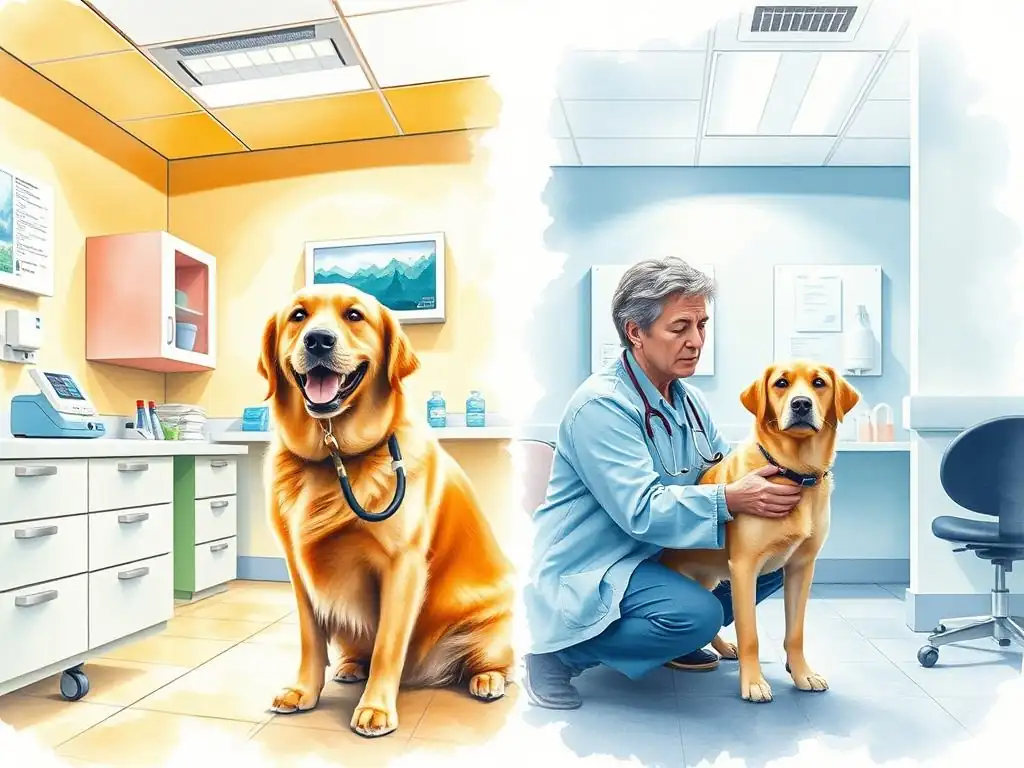
This section provides concrete examples illustrating the differences between in-network and out-of-network veterinary care under a pet insurance policy. Understanding these real-world scenarios will help you better grasp the financial implications of your choices and the importance of carefully reviewing your pet insurance policy's network details. Remember, the specifics of your claim will depend on your individual policy and provider.
Case Study 1: Successful In-Network Claim
Imagine Luna, a golden retriever, experiencing sudden lameness. Her owner, Sarah, has a pet insurance policy with "Happy Paws Insurance," which lists "Animal Wellness Center" as an in-network provider. Sarah takes Luna to Animal Wellness Center for an examination. The veterinarian diagnoses a torn ligament requiring surgery.
The total cost of the examination, surgery, and post-operative care amounted to $4,500. Because Animal Wellness Center is in-network, Sarah's reimbursement process was straightforward. Happy Paws Insurance processed the claim quickly, applying the policy's reimbursement percentage (let's say 80%) and deducting the annual deductible ($250) before issuing a payment to Sarah. Her out-of-pocket expense was significantly reduced, totaling only $1,150 ($250 deductible + 20% of $4,250).
This demonstrates the benefit of using in-network providers: streamlined claims processing and potentially higher reimbursement rates. The entire process, from submission to reimbursement, took approximately two weeks. This positive experience reinforced Sarah's confidence in her choice of pet insurance and provider network.
Now consider Max, a Persian cat, who developed a severe respiratory infection. Max's owner, John, also has pet insurance but with a different provider, "PetSecure." Unfortunately, John's preferred veterinarian, "Kitty Care Clinic," is not listed as an in-network provider for PetSecure. John opted for Kitty Care Clinic due to its specialized expertise in feline respiratory illnesses.
The treatment cost $3,000. Because Kitty Care Clinic was out-of-network, the claim process was significantly more complex. PetSecure required more extensive documentation, including itemized bills and detailed veterinary reports. Furthermore, the reimbursement percentage was lower (let's say 60%) compared to in-network claims, reflecting the higher risk for the insurer.
John also had to pay the full $3,000 upfront and then wait for reimbursement. This resulted in a longer processing time (approximately six weeks) and a higher out-of-pocket expense despite having insurance. His final out-of-pocket cost was $1,200 ($3,000 - 60% reimbursement).
This example highlights the potential drawbacks of using out-of-network veterinary services: increased paperwork, lower reimbursement rates, longer processing times, and a higher overall cost to the pet owner. This experience underscored the importance of understanding the nuances of the pet insurance network and its impact on claim processing and reimbursement. While John received excellent care for Max, the financial burden was substantially greater than if he had used an in-network provider.
This comparative analysis shows that while both cases involved veterinary emergencies, the financial implications differed dramatically based on whether the chosen veterinary clinic was in or out of the insurance provider's network. Choosing wisely and understanding your policy's network is crucial for effective pet insurance utilization. 🐾
Conclusion: Making Informed Decisions about Pet Insurance Networks
Understanding the nuances of in-network versus out-of-network veterinary care within the context of your pet's insurance policy is crucial for maximizing its benefits and minimizing unexpected expenses. This decision shouldn't be taken lightly; it significantly impacts your out-of-pocket costs and the accessibility of veterinary services for your beloved companion. Remember, the "best" network isn't a universal answer; it depends entirely on your pet's specific needs, your geographic location, and your budget.
Prioritizing convenience might mean opting for a plan with a broader network, even if it comes with slightly higher premiums. Conversely, a more limited network might offer lower premiums but necessitate careful consideration of your local veterinary options.
Choosing wisely involves a thorough assessment of your pet's health history, potential future health concerns (breed predispositions, for example), and the availability of reputable veterinarians within your chosen network. Don't hesitate to contact your potential insurance provider directly to clarify any ambiguities or uncertainties regarding their network's coverage. Proactive engagement with your insurer will empower you to make the most informed decision possible, ensuring that your pet receives the best possible care without breaking the bank. Ultimately, the goal is to find a balance between cost-effectiveness and access to quality veterinary services tailored to your unique circumstances.
Key Takeaways: Choosing the Best Pet Insurance for Your Pet's Needs
Let's summarize the key aspects to consider when navigating the complexities of pet insurance networks:
- Geographic Location: The availability of in-network veterinarians in your area is paramount. A comprehensive network in a rural area might be limited compared to a bustling urban center. Consider the drive time to your preferred vet.
- Pet's Breed and Health History: Certain breeds are predisposed to specific health issues. A plan with robust coverage for those specific conditions, even if it means a smaller network, might be more beneficial in the long run.
- Premium vs. Reimbursement: Weigh the cost of premiums against the potential reimbursement rates. A higher premium with a broader network might be preferable to a lower premium with a limited network and higher out-of-pocket expenses.
- Claims Process: Understanding the insurer's claims process is essential. A smooth and efficient claims process can mitigate stress during times of veterinary emergencies.
- Veterinary Specialists: If your pet requires specialized care, ensure the plan includes access to board-certified specialists within its network.
Choosing the right pet insurance isn't just about finding the cheapest option; it's about securing peace of mind knowing your pet will receive the best possible care, regardless of unforeseen circumstances. Think long-term, consider your pet's individual needs, and don't be afraid to seek clarification from your insurer. A well-informed decision today can save you significant financial stress and emotional turmoil tomorrow.
Resources for Further Information on Pet Insurance Networks and Providers
While this article provides a comprehensive overview of pet insurance networks, additional resources can help solidify your understanding and empower you to make the most informed decision for your pet. Consider exploring the following avenues for further information:
- Your Veterinarian's Recommendations: Your veterinarian is an invaluable resource. They can provide insights into local providers and their experiences with different insurance companies.
- Independent Pet Insurance Review Websites: Many websites offer unbiased reviews and comparisons of different pet insurance providers, allowing you to weigh their strengths and weaknesses. Look for sites with detailed analyses and user reviews.
- Directly Contacting Insurance Providers: Don't hesitate to contact several insurance providers directly to ask specific questions about their networks, coverage details, and claims procedures. This personalized approach is crucial in making a truly informed decision.
- Pet Insurance Industry Associations: Professional organizations within the pet insurance sector often publish informative materials and resources regarding best practices and consumer protection.
Remember, choosing the right pet insurance is a personal journey. Take your time, research thoroughly, and choose the plan that best aligns with your pet's specific needs and your financial capabilities. A little extra effort upfront can lead to significant peace of mind and financial stability in the future. 🐾
Frequently Asked Questions
What is a pet insurance network?
A pet insurance network is a group of veterinarians and veterinary specialists that a particular pet insurance company has partnered with. Using an in-network vet often means lower costs for your pet's care.
What's the difference between in-network and out-of-network vets?
In-network vets have pre-negotiated rates with your insurer, leading to lower costs for you. Out-of-network vets don't have these agreements, potentially resulting in higher out-of-pocket expenses. You may still be able to file a claim, but reimbursement may be less.
Does choosing an in-network vet always guarantee lower costs?
While generally true, it's not an absolute guarantee. Factors like the specific services needed and the vet's individual pricing can still influence the final cost, even within a network.
How do I find in-network veterinarians near me?
Most pet insurance companies have an online search tool on their website. You can enter your zip code or location to find nearby veterinarians participating in their network.
Can I use an out-of-network vet if I need to?
Yes, you can usually still use an out-of-network veterinarian, but you'll likely receive a lower reimbursement for services. Contact your insurance provider to understand the reimbursement process and potential costs.
Understanding the intricacies of in-network versus out-of-network veterinary care is no longer a niche concern; it's a crucial element of responsible pet ownership in today's world. The rising cost of veterinary services makes choosing the right pet insurance plan, and understanding its network limitations, a critical decision that directly impacts your pet's health and your financial well-being. Failing to grasp these nuances can lead to unexpected and potentially crippling veterinary bills.
The impact of pet insurance networks extends far beyond individual financial planning; it shapes the entire veterinary landscape. The increasing prevalence of these networks influences how veterinary practices operate, impacting accessibility and potentially even the quality of care available to pet owners. As more pet owners opt for insurance, the dynamics of the veterinary industry are undeniably shifting. The best healthcare is not just about access to care, but also about access to affordable care.
This quote, while not specifically about pets, highlights the core issue at the heart of understanding pet insurance networks – ensuring both quality and affordability.
Now, consider your own pet. Reflect on your current insurance coverage, or your plans for future coverage. Are you fully aware of your network's limitations? Do you understand the potential financial implications of choosing in-network versus out-of-network care? Take the time to thoroughly research your options, ask questions of your insurer and your veterinarian, and empower yourself to make informed decisions that protect both your beloved companion and your financial future. Your pet's health and your peace of mind depend on it.
Unlock Your Pet's Healthcare Potential: Take Charge Today!
Thank you for learning about pet insurance. We hope you feel more confident navigating pet healthcare options. Ready to put this knowledge into action?
- Find the perfect pet insurance plan: Take a few minutes to compare plans based on your pet's needs and your budget. Consider factors like coverage limits and the plan's network of veterinarians. This is crucial for securing your pet's future healthcare.
- Share your knowledge: Discuss your insights with other pet owners – perhaps in an online forum or with friends. Help them make informed decisions about their pets' health!
- Explore supplemental care: Look into wellness plans or preventative care add-ons to maximize your pet's health and happiness. This can help you budget for future veterinary costs.
What's the first step you'll take to ensure your furry friend receives the best possible care?