
Combat Common Bird Ailments with Safe, Natural Supplements: A PetCareWorld Exclusive

Welcome to PetCareWorld, your ultimate guide to a happier, healthier life for your beloved companions! Are you seeking natural solutions to keep your feathered friends in top form? Then discover the secrets to combating common bird ailments with our exclusive guide on natural bird ailment supplements. Learn how to harness the power of nature to support your bird's well-being and unlock a vibrant, healthy life for your cherished pet. Dive in and explore the wealth of knowledge waiting for you!
-
Understanding Common Bird Illnesses and Their Natural Remedies
- Identifying Symptoms of Avian Influenza in Your Bird
- Recognizing Respiratory Issues in Birds: Natural Solutions
- Digestive Problems in Birds: Herbal Remedies and Dietary Adjustments
- Feather Plucking and Stress in Birds: Natural Calming Supplements
- Boosting Your Bird's Immunity with Natural Supplements
- Safe and Effective Natural Bird Supplements for Optimal Health
-
Natural Solutions for Specific Bird Health Concerns
- Addressing Feather Dulling and Loss with Feather Shine Supplement
- Combating Bacterial and Fungal Infections with Natural Antimicrobials
- Supporting Respiratory Health with Respiratory Support Blend
- Improving Digestion and Gut Health with Probiotic Supplements for Birds
- Supporting Respiratory Health with Natural Herbal Remedies for Birds
- Strengthening the Immune System with Natural Bird Supplements
- Creating a Holistic Approach to Bird Health
- Case Studies: Real-Life Examples of Natural Supplement Success
- Where to Find High-Quality Natural Bird Supplements
- Disclaimer and Important Considerations
-
Frequently Asked Questions
- What are some common bird ailments that natural supplements can help with?
- Are all natural supplements safe for birds?
- What are some examples of natural supplements used for bird health?
- How do I choose a reputable brand of natural bird supplements?
- Where can I find more information about natural bird ailment supplements?
- Final Reflection: Nurturing Avian Wellness Through Nature's Bounty
- Unlock Your Bird's Vibrant Health Today!
Understanding Common Bird Illnesses and Their Natural Remedies
PetCareWorld is committed to providing pet owners with the most comprehensive and reliable information available. This article delves into the world of natural supplements for common bird ailments, offering a safe and effective approach to supporting your feathered friend's health. We understand the deep bond between bird owners and their pets, and the distress caused by illness. Therefore, we've compiled expert advice on identifying symptoms, understanding underlying causes, and utilizing natural remedies to promote wellness and prevent serious health issues.
This guide focuses on providing a holistic approach to bird care, emphasizing preventative measures and natural solutions to common avian health problems. Remember, while natural supplements can be incredibly beneficial, they should always be used in conjunction with veterinary advice. This information is for educational purposes and does not replace professional veterinary care. Let's explore how to keep your beloved bird healthy and happy using the power of nature.
Identifying Symptoms of Avian Influenza in Your Bird
Avian influenza, or bird flu, is a serious viral infection that can affect birds of all types. Early detection is crucial for effective treatment and to prevent the spread of the disease. Recognizing the symptoms is the first step in protecting your flock. While symptoms can vary depending on the strain of the virus and the bird's overall health, some common signs to watch for include:
- Respiratory Distress: Difficulty breathing, gasping for air, or making wheezing sounds.
- Lethargy and Weakness: Unusual inactivity, loss of appetite, and a general lack of energy.
- Neurological Signs: Tremors, head tilting, paralysis, or unusual behavior.
- Diarrhea: Watery or bloody droppings.
- Swollen Eyes and Face: Inflammation around the eyes and face.
- Sudden Death: In some cases, avian influenza can lead to sudden and unexpected death.
It's crucial to note that these symptoms can also indicate other illnesses. If you suspect your bird has avian influenza, contact your avian veterinarian immediately. Do not attempt to self-treat. Early diagnosis and intervention are essential for the best possible outcome. While natural supplements are not a cure for avian influenza, supporting your bird's immune system with a balanced diet and appropriate veterinary care is paramount.
Recognizing Respiratory Issues in Birds: Natural Solutions
Respiratory problems are common in birds and can range from mild infections to severe conditions. Symptoms can include sneezing, coughing, wheezing, nasal discharge, and labored breathing. Several factors can contribute to respiratory issues, including infections, allergies, environmental irritants, and underlying health problems.
While a veterinarian should always be consulted for diagnosis and treatment, certain natural remedies can support respiratory health and help alleviate symptoms. These include:
- Eucalyptus: Known for its expectorant properties, eucalyptus can help loosen congestion. (Always dilute properly and ensure safe usage for birds).
- Peppermint: Can help clear airways and reduce inflammation. (Use with caution and in diluted form).
- Turmeric: Possesses anti-inflammatory and antioxidant properties. (Consult your vet on appropriate dosage).
- Maintaining a clean environment: Reducing dust, smoke, and other airborne irritants is crucial.
- Providing proper humidity: Ensuring adequate humidity levels can help keep the airways moist and prevent dryness.
Remember, these are supportive measures and should not replace professional veterinary care. A proper diagnosis is essential to determine the underlying cause of the respiratory problem and implement appropriate treatment.
Digestive Problems in Birds: Herbal Remedies and Dietary Adjustments
Digestive issues in birds can manifest in various ways, including diarrhea, vomiting, loss of appetite, and weight loss. These problems can stem from dietary imbalances, bacterial or parasitic infections, stress, or underlying medical conditions. Addressing digestive problems requires a multifaceted approach that combines dietary adjustments with potential herbal remedies.
- Dietary Adjustments: A balanced diet is crucial. Ensure your bird receives a high-quality seed mix supplemented with fresh fruits, vegetables, and appropriate protein sources. Avoid sudden changes in diet, as these can upset the digestive system.
- Herbal Remedies (Consult your vet before using):
- Ginger: Known for its anti-inflammatory and anti-nausea properties.
- Chamomile: Can soothe the digestive tract and reduce inflammation.
- Fennel: Can aid in digestion and reduce gas.
It is crucial to emphasize that a proper diagnosis from an avian veterinarian is essential before implementing any herbal remedies. The wrong treatment can worsen existing conditions. Observing your bird's droppings for consistency, color, and frequency can provide valuable clues about potential digestive problems. Regular veterinary check-ups are also crucial for early detection and preventative care. A holistic approach combining a balanced diet, a clean environment, and appropriate veterinary care is the best way to ensure your bird's digestive health.
Feather Plucking and Stress in Birds: Natural Calming Supplements
Feather plucking in birds is a serious behavioral problem often stemming from underlying stress or anxiety. While veterinary attention is crucial to rule out any underlying medical conditions, natural calming supplements can play a supportive role in managing stress and promoting healthier feather maintenance. Many birds exhibit feather plucking due to environmental factors like boredom, cage confinement, or lack of social interaction. Others may suffer from underlying anxieties triggered by changes in their routine, loud noises, or the presence of other pets.
Several natural supplements can help alleviate stress and promote relaxation in birds. For instance, chamomile is well-known for its calming properties and can be offered as a diluted tea (ensure it's bird-safe and free of added sugars or chemicals). Similarly, certain herbal blends specifically formulated for avian companions often include ingredients like valerian root and passionflower, which possess gentle sedative effects.
It's crucial to remember that these supplements should be considered complementary therapies and not a replacement for veterinary care. If feather plucking persists despite implementing these measures, a thorough veterinary examination is essential to identify and address any potential underlying medical issues. Always consult with an avian veterinarian before introducing any new supplements into your bird's diet, ensuring the chosen product is safe and appropriate for your specific bird species and age.
Careful observation of your bird's behavior after introducing a calming supplement is crucial to monitor its effectiveness and identify any potential adverse reactions. A gradual introduction of the supplement, starting with a small dose, is recommended to minimize the risk of digestive upset.
Boosting Your Bird's Immunity with Natural Supplements
A strong immune system is paramount to a bird’s overall health and well-being. While a balanced diet forms the cornerstone of a robust immune system, natural supplements can provide additional support, particularly during periods of stress or increased susceptibility to illness. Many factors can compromise a bird's immunity, including poor diet, environmental stressors, and underlying health conditions. A weakened immune system leaves birds vulnerable to various infections and diseases.
Several natural supplements are known to support avian immune function. For example, vitamin C is a powerful antioxidant that plays a crucial role in immune cell activity. Many fruits and vegetables naturally contain vitamin C, but supplemental forms, specifically formulated for birds, can ensure adequate intake. Similarly, probiotics, beneficial bacteria that support gut health, are essential for optimal immune function.
A healthy gut microbiome aids in nutrient absorption and helps prevent the proliferation of harmful bacteria. When selecting probiotics for your bird, ensure they are specifically designed for avian species. Other immune-boosting supplements include various herbal extracts, such as echinacea and astragalus, known for their immune-modulating properties. However, it is crucial to research the safety and appropriate dosage of these supplements for your specific bird species before administering them.
Remember, these supplements should be used responsibly and should complement, not replace, a balanced diet and regular veterinary care. Always consult an avian veterinarian before introducing any new supplement to your bird's diet to ensure its safety and efficacy. Monitor your bird closely for any adverse reactions after starting a new supplement.
Safe and Effective Natural Bird Supplements for Optimal Health
This section delves into the world of natural bird supplements, focusing on their efficacy and safety for avian companions. Many bird owners are increasingly turning to natural remedies to support their feathered friends' health and well-being, seeking alternatives to traditional pharmaceuticals. Understanding the benefits and potential drawbacks is crucial for informed decision-making.
We'll explore specific supplement types and their potential applications, emphasizing the importance of responsible supplementation. Remember, always consult with an avian veterinarian before introducing any new supplement to your bird's diet, especially if they have pre-existing health conditions. Improper supplementation can be harmful, so responsible pet ownership dictates careful consideration and professional guidance.
The Benefits of Avian Health Formula
Avian health formulas, often containing a blend of vitamins, minerals, and antioxidants, aim to provide comprehensive nutritional support. These formulas can be particularly beneficial for birds with dietary deficiencies or those recovering from illness. For example, a well-formulated blend might include:
- Vitamin A: Crucial for vision, immune function, and feather growth. Deficiencies can lead to poor feather quality and increased susceptibility to infections.
- Vitamin D3: Essential for calcium absorption, vital for strong bones and preventing metabolic bone disease (MBD), a common ailment in birds.
- Vitamin E: A potent antioxidant protecting cells from damage and supporting the immune system.
- Various Minerals: Including calcium, phosphorus, and trace minerals like zinc and selenium, all necessary for optimal bone health, enzyme function, and overall well-being.
The benefits extend beyond individual nutrients. A balanced avian health formula can contribute to:
- Improved Feather Condition: Noticeably brighter, smoother feathers are often observed with proper supplementation.
- Enhanced Immune Function: A stronger immune system better combats infections and diseases.
- Increased Energy Levels: Birds may exhibit more vitality and activity.
- Improved Breeding Success: In breeding birds, adequate nutrition is crucial for egg production and chick development.
Choosing High-Quality Natural Bird Supplements: What to Look For
Selecting high-quality natural bird supplements requires careful attention to detail. Look for products from reputable manufacturers that:
- Provide Third-Party Testing: Independent lab testing verifies the purity and potency of the ingredients, ensuring you're getting what the label claims.
- Use Whole-Food Sources: Supplements derived from whole foods, rather than synthetic isolates, are generally better absorbed and utilized by the bird's body. Look for terms like "organic" or "naturally sourced."
- Avoid Artificial Additives and Fillers: Unnecessary additives can be detrimental to your bird's health. Choose supplements with minimal, clearly listed ingredients.
- Specify Potency and Dosage: Clear instructions on the potency of each ingredient and the recommended dosage for your bird's size and species are essential.
- Offer Clear Storage Instructions: Proper storage is vital to maintain the supplement's effectiveness and prevent spoilage.
Understanding Ingredient Labels: Decoding Bird Supplement Facts
Decoding supplement labels can feel overwhelming. Here's a guide to understanding key components:
| Ingredient Category | Example Ingredients | Importance | Potential Concerns |
|---|---|---|---|
| Vitamins | Vitamin A, Vitamin D3, Vitamin E, B Vitamins | Essential for various bodily functions, including immune support and growth. | Overdosing on certain vitamins can be harmful. |
| Minerals | Calcium, Phosphorus, Zinc, Selenium | Crucial for bone health, enzyme function, and overall well-being. | Imbalances can lead to health problems. |
| Amino Acids | Methionine, Lysine | Building blocks of proteins, important for feather growth and muscle development. | Excessive amounts may not be beneficial. |
| Herbs & Extracts | Turmeric, Milk Thistle | Offer potential antioxidant and anti-inflammatory benefits. | Potential interactions with medications; use with caution. |
Remember, always consult your avian veterinarian before starting your bird on any supplement regimen. They can help determine the appropriate supplement and dosage based on your bird's specific needs and health status. A healthy, balanced diet remains the cornerstone of avian health, and supplements should be viewed as a supportive measure, not a replacement for proper nutrition. 🐦
Comparing Different Natural Supplements for Various Bird Ailments
Choosing the right natural supplement for your bird can feel overwhelming given the variety available. Understanding the specific ailment and the supplement's properties is crucial. For instance, a bird suffering from a weakened immune system might benefit from supplements rich in Vitamin C and antioxidants, such as those derived from acerola cherries or camu camu berries. These are known for their high Vitamin C content and potent antioxidant properties, supporting the bird's natural defenses. However, these same supplements might not be the best choice for a bird dealing with digestive issues.
For digestive problems, probiotics are often recommended. These beneficial bacteria help restore the balance of gut flora, aiding digestion and nutrient absorption. Different strains of probiotics have varying effects; some are better suited for specific digestive issues. It's important to consult an avian veterinarian to determine the best probiotic strain for your bird's specific needs. They can also help determine the appropriate dosage and administration method. Furthermore, some birds may have sensitivities to certain probiotics, highlighting the importance of careful selection and veterinary guidance.
Respiratory issues in birds, such as those caused by infections or allergies, might respond well to supplements containing herbs with expectorant properties, such as licorice root or elecampane. These herbs can help thin mucus and make it easier for the bird to clear its respiratory tract. However, it's crucial to remember that these herbs should be used cautiously and only under veterinary supervision, as some can interact negatively with other medications or underlying health conditions. Always discuss the use of herbal supplements with your avian veterinarian before administering them to your bird.
Finally, consider supplements that support overall health and well-being. These might include those rich in essential fatty acids (like omega-3s and omega-6s), which are crucial for maintaining healthy feathers, skin, and immune function. These can be sourced from natural oils like flaxseed oil or fish oil (always ensure it's avian-safe).
However, it's critical to remember that over-supplementation can be harmful, so adhering to recommended dosages is vital. The key is finding a balance and carefully considering the specific needs of your feathered friend, always consulting with your avian veterinarian for personalized advice on natural bird ailment supplements. Remember, prevention is key, and a balanced diet remains the cornerstone of avian health.
Natural Solutions for Specific Bird Health Concerns
This section delves into the application of natural supplements to address common avian health issues. We'll explore specific ailments and the supporting evidence for using natural remedies, always emphasizing the importance of consulting an avian veterinarian for diagnosis and treatment plans. Remember, natural supplements should be considered supportive care, not a replacement for professional veterinary attention. The information provided here is for educational purposes only and should not be interpreted as medical advice.
Addressing Feather Dulling and Loss with Feather Shine Supplement
Feather dullness and loss are common problems in pet birds, often indicative of underlying nutritional deficiencies or stress. While a veterinary examination is crucial to rule out more serious conditions like feather plucking disorders or parasitic infestations, supplementing with a carefully formulated "Feather Shine" blend can contribute to improved plumage.
This supplement typically includes ingredients rich in essential fatty acids (like flaxseed oil and fish oil), amino acids (methionine and cysteine are key for feather keratin production), and antioxidants (vitamin E and selenium protect against oxidative damage). A well-balanced diet already rich in these nutrients will significantly reduce the need for supplementation. However, birds experiencing stress, molting, or recovering from illness may benefit from a temporary boost.
The effectiveness of a Feather Shine supplement is dependent on several factors: the underlying cause of the feather problem, the bird's overall health, and the quality of the supplement itself. Look for supplements that provide a full spectrum of nutrients, not just a single ingredient. Always follow the recommended dosage instructions carefully, and monitor your bird closely for any adverse reactions. Here's a sample of a typical Feather Shine supplement composition:
| Ingredient | Percentage | Role |
|---|---|---|
| Flaxseed Oil | 30% | Essential Fatty Acids, Omega-3s |
| Fish Oil | 20% | Essential Fatty Acids, Omega-3s & Omega-6s |
| Brewers Yeast | 15% | B Vitamins, Protein |
| Spirulina | 10% | Protein, Vitamins, Minerals |
| Vitamin E | 5% | Antioxidant |
| Methionine | 5% | Essential Amino Acid for Feather Keratin |
| Cysteine | 5% | Essential Amino Acid for Feather Keratin |
| Selenium | <1% | Antioxidant |
Remember, consistent monitoring and a holistic approach—including a balanced diet, appropriate environmental enrichment, and regular veterinary checkups—are vital for maintaining your bird's beautiful plumage.
Combating Bacterial and Fungal Infections with Natural Antimicrobials
Bacterial and fungal infections can pose serious threats to the health of pet birds. While antibiotics and antifungals are often necessary under veterinary guidance, certain natural antimicrobials can offer supportive care. It is crucial to understand that these are not replacements for prescribed medications.
Some natural substances with antimicrobial properties that may be considered (under strict veterinary supervision) include:
- Oregano Oil: Contains carvacrol and thymol, compounds with demonstrated antimicrobial activity against various bacteria and fungi. However, it's crucial to use it very sparingly, as it can be irritating to the digestive tract.
- Colloidal Silver: Has been traditionally used for its antimicrobial properties. The efficacy and safety of colloidal silver in birds are still under research, and its use should be strictly under veterinary guidance.
- Probiotics: Supporting a healthy gut microbiome through probiotics can indirectly help combat infections by strengthening the bird's natural defenses.
It is absolutely critical to emphasize that these natural antimicrobials should only be used as part of a comprehensive treatment plan developed and overseen by an avian veterinarian. Improper use can lead to resistance, ineffective treatment, and potentially harm your bird. Never attempt to self-treat a suspected infection.
Supporting Respiratory Health with Respiratory Support Blend
Respiratory problems, including infections and inflammations, are common in birds. A respiratory support blend, used in conjunction with veterinary care, can offer supportive care by providing nutrients that promote lung health and immune function. Again, this is not a replacement for veterinary treatment.
Such a blend might include:
- Vitamin C: A potent antioxidant that supports the immune system and may help reduce inflammation.
- Echinacea: A herb traditionally used to boost the immune system. Its effectiveness in birds requires further research.
- Licorice Root: Contains compounds with anti-inflammatory and expectorant properties. However, it has potential side effects and should only be used under veterinary guidance.
- Mullein Leaf: Traditionally used to soothe respiratory irritation. Again, veterinary supervision is essential.
Remember that the information presented here is for educational purposes only. Always consult an avian veterinarian for diagnosis and treatment of any health concern your bird may experience. Natural supplements can play a supportive role, but they should never replace professional veterinary care. The success of any supplement depends on multiple factors, including proper dosage, quality of the supplement, and the overall health of the bird. Always monitor your bird closely for any adverse reactions.
Improving Digestion and Gut Health with Probiotic Supplements for Birds
Maintaining a healthy digestive system is crucial for a bird's overall well-being. A compromised gut can lead to a cascade of problems, including decreased nutrient absorption, weakened immunity, and increased susceptibility to infections. Probiotic supplements for birds can play a significant role in addressing and preventing these issues. These supplements introduce beneficial bacteria into the bird's gut, helping to restore the balance of the gut microbiome. This balance is essential for efficient digestion and nutrient uptake. A healthy gut microbiome also strengthens the bird's immune system, making it more resistant to disease.
Many factors can disrupt a bird's gut flora, including stress, dietary changes, antibiotic use, and infections. Introducing a high-quality probiotic supplement can help mitigate these disruptions. Look for supplements specifically formulated for birds, as human or other animal probiotics may not be suitable.
These bird-specific formulations contain strains of bacteria that are known to thrive in the avian digestive tract and offer the most benefit. Always consult with an avian veterinarian before starting any new supplement regimen to ensure it's appropriate for your bird's specific needs and health status. They can help determine the appropriate dosage and duration of treatment.
The benefits of using probiotic supplements extend beyond simply improving digestion. Studies have shown a correlation between gut health and overall bird health. Birds with balanced gut microbiomes tend to exhibit improved feather quality, increased energy levels, and stronger immune responses. They are also less prone to digestive disorders such as diarrhea, constipation, and crop problems. Remember, however, that probiotics are not a cure-all.
They are most effective when used as part of a holistic approach to bird care, which includes a balanced diet, clean environment, and regular veterinary checkups. A healthy diet rich in fresh fruits, vegetables, and high-quality seed mixes provides the foundation for a healthy gut. Supplementing this with a bird-specific probiotic can significantly enhance the bird's overall health and well-being. The improved digestion translates to better nutrient absorption, leading to a healthier, happier, and more vibrant bird.
Supporting Respiratory Health with Natural Herbal Remedies for Birds
Respiratory issues are a common concern among bird owners. Conditions ranging from mild infections to more serious ailments like aspergillosis can significantly impact a bird's quality of life. While veterinary care is crucial for diagnosing and treating these conditions, natural herbal remedies can offer supportive care and help strengthen the bird's respiratory system. These remedies, often used in conjunction with conventional treatments, can help alleviate symptoms and promote healing.
Several herbs possess properties that can be beneficial for respiratory health in birds. For example, herbs like licorice root have expectorant properties, helping to loosen and clear mucus from the respiratory tract. Echinacea is known for its immune-boosting properties, which can be particularly helpful during respiratory infections. However, it's crucial to understand that these herbs should not replace veterinary care.
They should be used as a complementary therapy under the guidance of an avian veterinarian. The veterinarian can assess your bird's specific condition and determine if herbal remedies are appropriate and how they should be administered. Improper use of herbal remedies can be harmful and even dangerous to your bird.
The dosage and preparation of herbal remedies for birds are critical. Many herbs are potent, and using the incorrect amount can be detrimental to your bird's health. Never administer herbal remedies without consulting an avian veterinarian. They can provide guidance on the appropriate dosage, preparation method, and potential interactions with other medications your bird may be taking. Furthermore, some herbs may be toxic to birds, so careful selection and precise administration are paramount.
Always purchase high-quality, bird-safe herbal supplements from reputable suppliers. Look for products that clearly state their ingredients and are free from harmful additives or contaminants. A holistic approach that combines veterinary care with carefully selected and properly administered natural remedies can provide optimal support for your bird's respiratory health. This approach aims to strengthen the immune system, alleviate symptoms, and promote overall well-being.
Strengthening the Immune System with Natural Bird Supplements
A strong immune system is the cornerstone of a healthy bird. Just like in humans, a robust immune system helps birds fight off infections and diseases. While proper nutrition plays a vital role, natural supplements can provide additional support, helping to boost the immune system's effectiveness. These supplements should be viewed as complementary to a healthy diet and lifestyle, not as a replacement for proper veterinary care.
Vitamin C is a well-known immune booster, and many avian veterinarians recommend supplementing a bird's diet with this crucial nutrient, particularly during times of stress or illness. However, it's important to note that birds don't produce their own Vitamin C, so dietary supplementation is necessary. Other nutrients like Vitamin E and selenium also play crucial roles in immune function.
These antioxidants help protect cells from damage caused by free radicals, strengthening the bird's overall defense mechanisms. Again, it is imperative to consult an avian veterinarian before introducing any new supplements to your bird's diet to determine the appropriate dosage and to ensure they are safe and compatible with any existing medications.
When choosing immune-boosting supplements, look for products that are specifically formulated for birds. These products typically contain a blend of essential vitamins, minerals, and other nutrients that support immune function. Always read the label carefully to understand the ingredients and the recommended dosage. Over-supplementation can be just as harmful as under-supplementation.
A balanced approach that combines proper nutrition, a clean environment, and carefully selected supplements can significantly enhance your bird's immune system, making it better equipped to fight off illness and maintain overall health. Remember to regularly monitor your bird's health and consult your avian veterinarian if you notice any changes in behavior or health status. Early intervention is key to managing any health concerns.
Creating a Holistic Approach to Bird Health
This section focuses on establishing a foundation for optimal avian health, emphasizing the interconnectedness of diet, environment, and preventative care when using natural bird ailment supplements. Successfully managing common bird ailments often relies less on reactive treatment and more on proactive wellness strategies. Think of natural supplements as a complement to, not a replacement for, a holistic approach.
The Importance of a Balanced Diet for Bird Health
A balanced diet is the cornerstone of a healthy bird. Nutritional deficiencies weaken the immune system, making birds more susceptible to illness and hindering their ability to effectively utilize natural supplements. The specific dietary needs vary greatly depending on the bird species. For example, a cockatoo's diet differs significantly from that of a finch.
Providing a diverse diet rich in fruits, vegetables, seeds, and pellets formulated for your specific bird species is crucial. Avoid feeding processed foods, sugary snacks, and foods toxic to birds (like avocado or chocolate). A well-balanced diet provides the necessary vitamins, minerals, and antioxidants that support overall health and bolster the bird's natural defenses against disease. This foundational health is essential for maximizing the benefits of any natural supplements you might incorporate.
Consider consulting an avian veterinarian or a certified avian nutritionist to create a species-specific dietary plan tailored to your bird's age, breed, and activity level. Remember, even the best natural bird ailment supplements won't compensate for a consistently poor diet. Think of it like this: you can't expect a car to run efficiently on low-grade fuel, no matter how many performance enhancers you add.
Environmental Factors Affecting Bird Wellness: Cleanliness and Enrichment
Maintaining a clean and stimulating environment is equally crucial for preventing illness and promoting bird health. A dirty cage can harbor bacteria and parasites, increasing the risk of respiratory infections and other ailments. Regular cleaning, including disinfecting the cage and replacing soiled bedding, is paramount.
Beyond cleanliness, environmental enrichment is vital for a bird's mental and physical well-being. Boredom can lead to stress, feather plucking, and other behavioral problems that can weaken the immune system. Providing toys, perches of varying textures and sizes, and opportunities for exploration helps prevent these issues. Remember to rotate toys regularly to maintain interest and prevent boredom. A happy, stimulated bird is a healthier bird, better equipped to fight off illness and better able to benefit from any supplemental support. Think of enrichment as a preventative measure—a proactive way to boost your bird's resilience.
Consider the following checklist for optimal environmental conditions:
- Daily spot cleaning of the cage.
- Weekly thorough cage cleaning and disinfection.
- Regular replacement of food and water.
- Provision of a variety of toys and perches.
- Adequate space for flight and exercise.
- Protection from drafts and extreme temperatures.
Regular Veterinary Checkups for Early Disease Detection
Regular veterinary checkups are essential for early detection and treatment of potential health problems. Even seemingly healthy birds can develop underlying conditions that might not be immediately apparent. Annual checkups, or more frequent visits if necessary, allow your avian veterinarian to monitor your bird's health, identify any potential issues early on, and recommend appropriate interventions, including the careful consideration of natural bird ailment supplements. Early detection significantly improves the prognosis and treatment success rate for many bird ailments.
During these visits, your veterinarian will perform a thorough physical examination, assess your bird's weight and overall condition, and may recommend blood tests or other diagnostic procedures. This proactive approach, combined with a healthy diet and stimulating environment, creates a robust foundation for your bird's well-being. Remember, preventative care is far more effective and less stressful than treating advanced illnesses. Think of these checkups as an investment in your bird’s long-term health and happiness. Early detection and intervention, combined with the thoughtful use of natural supplements, can make all the difference.
Combining Natural Supplements with Veterinary Care for Optimal Results
Integrating natural supplements into your bird's healthcare routine shouldn't replace professional veterinary care. Instead, it should complement it. Think of natural supplements as supportive tools, enhancing the effectiveness of your veterinarian's treatment plan. For example, if your bird is diagnosed with a bacterial infection, your vet might prescribe antibiotics. Simultaneously, you could incorporate supplements known to boost the immune system, like those containing echinacea or astragalus, to help your bird fight the infection more effectively and recover faster.
However, never start a bird on any supplement without first consulting your avian veterinarian. They can assess your bird's specific needs and health status, ensuring the supplement is safe and won't interact negatively with any existing medications. Remember, a holistic approach requires open communication with your avian vet; they are your primary resource for diagnosing and treating illness. They can help you create a tailored plan that blends conventional treatments with natural supplements for the best possible outcome. This collaborative approach allows for a comprehensive strategy that addresses both the immediate health concern and the long-term well-being of your feathered friend.
Misinformation abounds online, so always prioritize professional veterinary guidance. This ensures the safety and efficacy of any supplementary treatment. A proactive approach, combining veterinary care with carefully selected natural supplements, can significantly improve your bird's overall health and longevity. For instance, a bird recovering from a respiratory infection might benefit from supplements rich in antioxidants to support lung repair and overall immune function, but only under veterinary supervision.
The importance of regular veterinary checkups cannot be overstated. Even if your bird appears healthy, annual checkups allow for early detection of potential problems. These checkups provide a baseline for your bird's health and allow your veterinarian to monitor the effectiveness of any supplements you're using. This collaborative approach ensures that your bird receives the most comprehensive and effective care possible.
Moreover, your veterinarian can help you identify and address any underlying health issues that may be contributing to your bird's condition. This comprehensive approach minimizes risks and maximizes the benefits of natural supplements for your beloved companion. Remember, a healthy bird is a happy bird!
Think of it like this: your avian veterinarian provides the foundation of your bird's healthcare, while natural supplements offer additional support. This combined approach is the key to a truly holistic and effective healthcare strategy. Always prioritize communication and collaboration with your avian veterinarian. They are your best resource in ensuring the health and well-being of your feathered friend.
Case Studies: Real-Life Examples of Natural Supplement Success
This section presents real-world examples showcasing the positive impact of natural supplements on avian health. These case studies highlight how carefully selected, natural ingredients can contribute to improved respiratory function, feather quality, and digestive health in birds. Remember, always consult your avian veterinarian before starting any new supplement regimen for your feathered friend. Improper use of supplements can be detrimental to your bird's health.
Cockatiel Recovers from Respiratory Illness with Avi-Resp
A three-year-old cockatiel, named Sunny, presented with symptoms consistent with a mild respiratory infection: sneezing, labored breathing, and lethargy. Traditional veterinary treatment, including antibiotics, proved ineffective. The owner, concerned about the continued use of antibiotics, sought alternative solutions. After consulting with an avian veterinarian, Sunny was placed on a regimen including Avi-Resp, a natural supplement formulated with a blend of herbs known for their respiratory-supporting properties, such as echinacea and licorice root. Within two weeks, Sunny showed significant improvement.
His breathing became less labored, the sneezing subsided, and his energy levels noticeably increased. After a month of consistent use, Sunny fully recovered and remained healthy. This case demonstrates the potential of natural supplements as a complementary therapy in managing respiratory ailments in birds. The success hinged on careful monitoring and collaboration between the owner and veterinarian.
Amazon Parrot Shows Improved Feather Condition After Using FeatherShine
Lola, a five-year-old Amazon parrot, experienced dull, brittle feathers and some feather plucking. Her owner, worried about the underlying causes, took Lola to an avian specialist. After ruling out nutritional deficiencies and parasitic infections, the veterinarian suggested incorporating FeatherShine, a natural supplement containing essential fatty acids, amino acids, and antioxidants, into Lola's diet. FeatherShine is specifically designed to promote healthy feather growth and vibrant coloration. Over the course of three months, Lola's feather condition dramatically improved.
Her feathers regained their luster and vibrancy, and the feather plucking significantly reduced. This case highlights the importance of providing birds with the necessary nutrients for optimal feather health. The improvement in Lola's plumage underscores the effectiveness of natural supplements in addressing feather-related issues. Regular use of FeatherShine, alongside a balanced diet and appropriate environmental enrichment, contributed to Lola’s overall well-being.
Budgie Experiences Enhanced Digestive Health with ProBioticBlend
A young budgie named Pip experienced recurring digestive issues, including loose stools and lethargy. Initial veterinary examinations revealed no underlying medical conditions. The veterinarian suggested incorporating a probiotic supplement to support Pip's gut health. The owner chose ProBioticBlend, a natural supplement containing beneficial bacteria strains known to improve digestion and boost the immune system.
Within a week of starting ProBioticBlend, Pip's stools became firmer and more regular. His energy levels increased, and he showed a renewed interest in his toys and surroundings. This case study demonstrates the positive impact of probiotics in maintaining healthy digestion in birds.
The effectiveness of ProBioticBlend highlights the role of gut microbiota in overall avian well-being. The swift improvement in Pip's condition suggests that addressing gut health through natural supplementation can be highly beneficial for birds experiencing digestive problems. The successful outcome underscores the importance of a balanced gut flora for optimal health and vitality in budgies.
Where to Find High-Quality Natural Bird Supplements
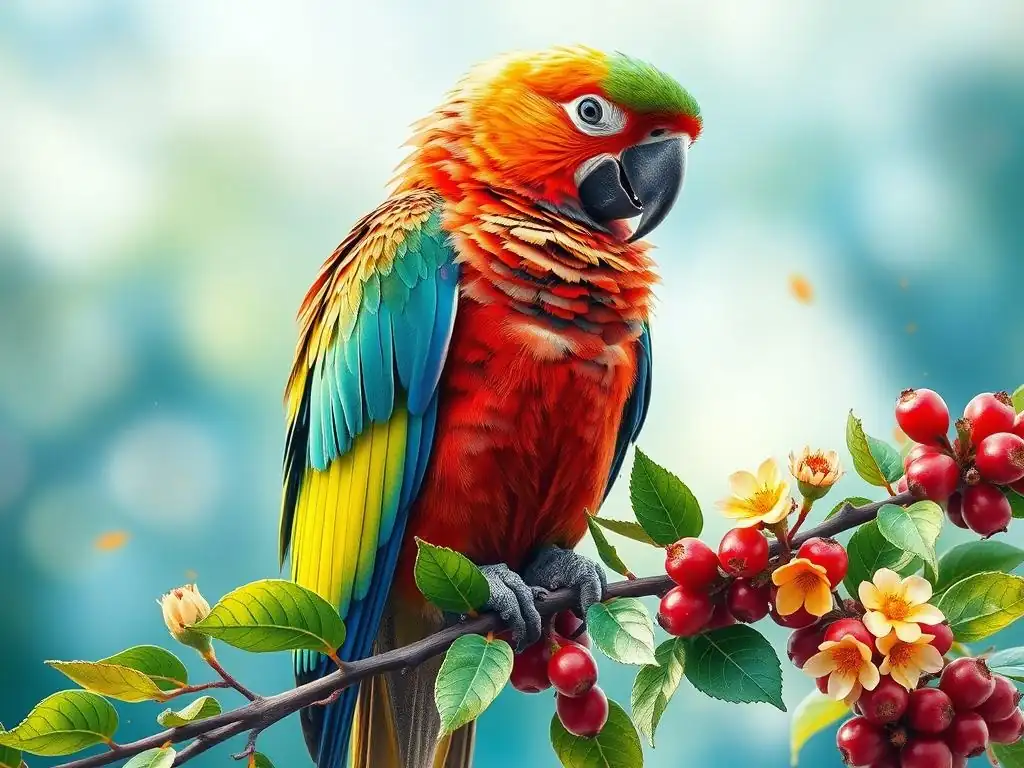
Finding high-quality, natural bird ailment supplements can sometimes feel like navigating a maze. The market is flooded with products, making it crucial to be discerning. This section focuses on identifying reliable sources for natural supplements that will support your feathered friend's health and well-being. We'll explore where to find these vital products and how to ensure you're making informed choices. Remember, the right supplement can make a world of difference in managing common bird ailments naturally.
PetCareWorld's Recommended Suppliers of Natural Bird Supplements
While we cannot endorse specific brands directly, we can offer guidance on identifying reputable suppliers of natural bird supplements. Look for companies that:
- Prioritize transparency: Reputable suppliers openly share information about their sourcing, manufacturing processes, and ingredient lists. Look for details on third-party testing and certifications. Avoid companies that are vague or secretive about their products' origins.
- Utilize high-quality ingredients: The best supplements are made with carefully selected, high-quality ingredients. Look for supplements that utilize whole foods, herbs, and other natural components known for their beneficial properties for avian health. Avoid products with artificial colors, flavors, or preservatives.
- Offer a wide range of products: A comprehensive selection indicates a supplier's commitment to meeting diverse avian needs. This allows you to select a supplement tailored to your bird's specific requirements and health concerns.
- Have excellent customer service: A responsive and helpful customer service team demonstrates a commitment to customer satisfaction. This is particularly important if you have questions or concerns about the products.
- Provide detailed information: Suppliers should provide comprehensive product descriptions, including the intended use, dosage recommendations, and potential side effects.
Tips for Choosing a Reputable Supplier of Bird Supplements
Choosing a trustworthy supplier is paramount when it comes to your bird's health. Here are some key factors to consider:
- Read reviews: Online reviews provide valuable insights into other customers' experiences with a particular supplier. Pay close attention to reviews that discuss product quality, customer service, and overall satisfaction.
- Check certifications: Look for certifications from reputable organizations that ensure product quality and safety. These certifications often indicate adherence to specific standards and guidelines.
- Compare prices: While price shouldn't be the sole determining factor, significant price discrepancies can be a red flag. Be wary of suppliers offering significantly lower prices than competitors, as this could indicate compromised quality.
- Look for independent testing results: Reputable suppliers often provide third-party testing results to verify the purity and potency of their products. This transparency shows commitment to quality.
- Ask questions: Don't hesitate to contact the supplier directly with any questions or concerns you may have. A reputable company will be happy to address your inquiries and provide clear, concise answers.
Safe Shopping Practices for Online Bird Supplement Purchases
Buying bird supplements online requires extra caution. Here's how to protect yourself and your bird:
- Secure payment gateways: Ensure the website uses a secure payment gateway (indicated by "https" in the URL and a padlock icon) to protect your financial information.
- Read the return policy: Before making a purchase, carefully review the supplier's return policy in case you need to return or exchange a product.
- Check for customer reviews on multiple platforms: Don't rely solely on reviews from the supplier's website. Check independent review sites as well for a more balanced perspective.
- Be wary of unrealistic claims: Avoid supplements that make exaggerated or unsubstantiated claims about their effectiveness. A reputable supplier will present evidence-based information.
- Store supplements properly: Once you receive your supplements, store them according to the manufacturer's instructions to maintain their potency and prevent spoilage. This often involves storing them in a cool, dry place away from direct sunlight.
Remember, responsible sourcing of natural bird ailment supplements is a crucial step in ensuring your bird receives the best possible care. By following these guidelines, you can confidently choose products that promote your bird's health and well-being. 🐦
Disclaimer and Important Considerations
This article provides information on natural supplements that may be beneficial for common bird ailments. However, it is crucial to understand that this information is for educational purposes only and should not be considered medical advice. We are not veterinarians and cannot diagnose or treat illnesses. The use of any supplement, natural or otherwise, should be undertaken with caution and under the guidance of a qualified avian veterinarian. Always prioritize professional veterinary care for your feathered friend.
The information presented here is not a substitute for professional veterinary assessment and treatment. Individual bird needs vary greatly depending on species, age, overall health, and the specific ailment. Self-treating your bird could potentially delay proper treatment and worsen their condition. PetCareWorld strongly encourages responsible pet ownership and the prioritization of professional veterinary guidance. Remember, "Natural" doesn't always mean "safe" or "effective" in every situation.
Consulting an Avian Veterinarian Before Starting New Supplements
Before introducing any new supplement into your bird's diet, even those considered "natural," you must consult with an avian veterinarian. Avian veterinarians possess specialized knowledge of avian physiology and potential health risks. They can assess your bird's specific condition, rule out more serious underlying issues, and determine if a particular supplement is appropriate and safe for your bird's individual needs. They can also help you determine the correct dosage and administration method. Failing to do so could lead to unintended negative consequences.
For example, while certain herbs might be generally considered beneficial, an incorrect dosage or interaction with existing medical conditions could be detrimental. Your vet can provide personalized recommendations based on your bird's breed, age, weight, and health history. This proactive approach ensures the safety and well-being of your pet. Don't hesitate to schedule a consultation; your bird's health is paramount.
Potential Interactions with Existing Medications
Many birds, particularly older birds, may already be on medications for pre-existing conditions. It's absolutely vital to understand that natural supplements can interact with these medications, sometimes leading to dangerous consequences. Some supplements might enhance the effect of a drug, leading to toxicity, while others might counteract the medication's effectiveness, hindering treatment. For instance, some herbal remedies can interfere with blood thinners or other medications commonly prescribed for avian respiratory issues.
Therefore, a comprehensive discussion with your avian veterinarian is essential before introducing any supplements, especially if your bird is already on medication. Providing your veterinarian with a complete list of all supplements and medications your bird is taking is crucial for accurate assessment and personalized advice. Ignoring potential interactions could jeopardize your bird's health and recovery.
Monitoring Your Bird's Response to Natural Supplements
Even with veterinary approval, careful monitoring of your bird's response to natural supplements is crucial. Keep a close eye on your bird's behavior, appetite, droppings, and overall energy levels. Any noticeable changes, positive or negative, should be reported to your veterinarian immediately. Document the type and dosage of the supplement, the date you started administering it, and any observed changes in your bird's health. This detailed record will be invaluable in helping your veterinarian determine the effectiveness and safety of the supplement for your bird.
Early detection of adverse reactions can prevent serious complications. Remember, your bird's well-being is a continuous process requiring vigilance and proactive attention. Don't hesitate to contact your veterinarian if you have any concerns, no matter how minor they may seem. Proactive monitoring is an essential part of responsible pet ownership and can make a significant difference in your bird's health and longevity. 🐦
Frequently Asked Questions
What are some common bird ailments that natural supplements can help with?
Many common bird ailments, such as digestive issues, respiratory problems, and immune system deficiencies, may see improvement with the support of natural supplements. Always consult a veterinarian before starting any supplement regimen.
Are all natural supplements safe for birds?
No. While many natural supplements are safe, some can be toxic to birds or interact negatively with existing medications. Always consult your avian veterinarian before giving your bird any supplements.
What are some examples of natural supplements used for bird health?
Some examples include probiotics for gut health, vitamin and mineral blends for nutritional support, and herbal remedies for specific conditions (like turmeric for inflammation). Dosage is crucial, so follow a vet's recommendations carefully.
How do I choose a reputable brand of natural bird supplements?
Look for brands that provide third-party testing results to verify purity and potency. Check for reviews and testimonials from other bird owners and always consult your avian veterinarian before purchasing any supplement.
Where can I find more information about natural bird ailment supplements?
PetCareWorld offers a wealth of information on this topic. You can explore our website for in-depth articles and guides on using natural supplements responsibly and effectively for your feathered friend's well-being.
Final Reflection: Nurturing Avian Wellness Through Nature's Bounty
The health and vitality of our feathered companions are intrinsically linked to the choices we make regarding their care. Providing safe and effective solutions for common bird ailments is not just a responsibility, it's a testament to the deep bond we share with these incredible creatures. The increasing popularity of natural supplements reflects a growing awareness of the potential benefits of holistic approaches to pet care.
The shift towards natural remedies for bird ailments is a powerful reflection of our evolving understanding of animal wellness. We are moving beyond simply treating symptoms to addressing the root causes of illness, fostering a more preventative and holistic approach. This resonates deeply with me, as I've witnessed firsthand the transformative power of natural supplements in improving the quality of life for birds. The best healthcare is preventative healthcare,
a maxim that holds true for our avian friends as much as it does for ourselves.
Now, consider the birds in your care, their unique needs, and the potential benefits of incorporating natural supplements into their daily routine. Are you ready to explore the world of natural remedies and empower your feathered friends with the tools they need to thrive? Take the time to research, consult with an avian veterinarian, and make informed decisions that prioritize the well-being of your beloved birds. The journey towards a healthier, happier flock begins with a single step – a step towards understanding and embracing the power of nature's healing touch.
Unlock Your Bird's Vibrant Health Today!
Thank you for exploring avian wellness with us! We hope you found valuable information on supporting your feathered friend's health naturally. Ready to put this knowledge into practice?
- Prioritize your bird's nutritional needs: Begin incorporating the recommended dietary supplements into your bird's daily routine. You should notice improvements in their energy levels and feather quality.
- Share your experiences: Let's build a supportive community! Share your bird's response to these natural approaches in the comments below.
- Explore additional resources: Discover more helpful tips and techniques by exploring other resources on our website dedicated to bird care.
What small step will you take today to improve your bird's health and happiness?