
The PetCareWorld Guide to Understanding Labels: What to Look for in Natural Bird Supplements

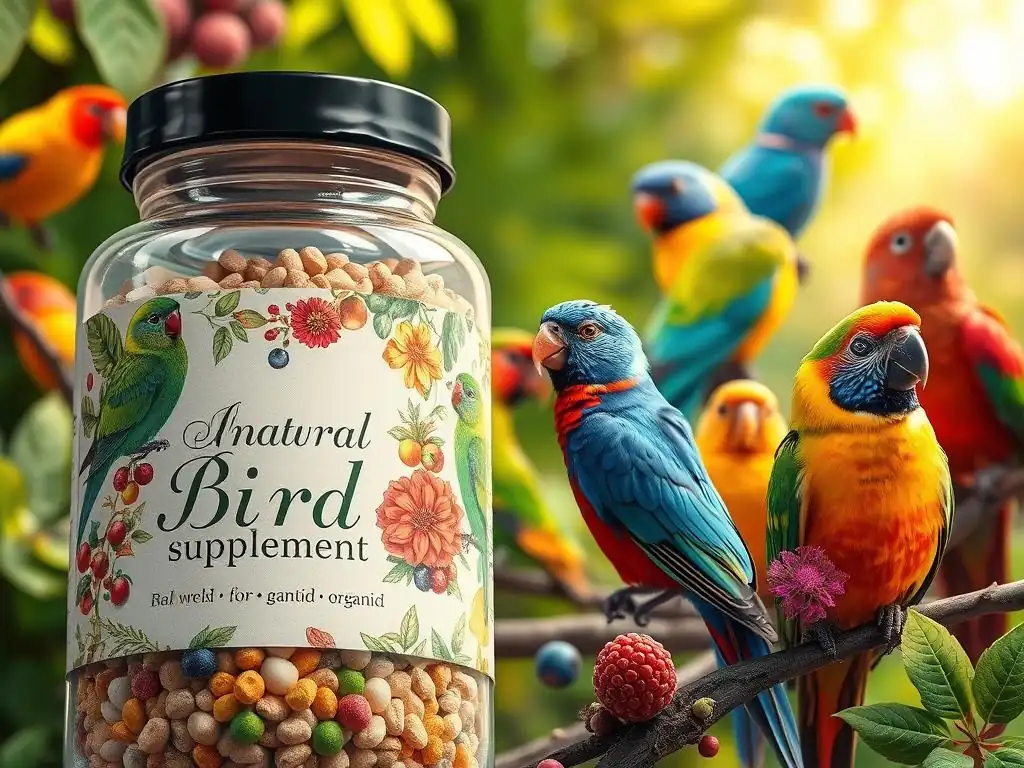
Welcome to PetCareWorld, your ultimate guide to a happier, healthier life for your beloved pets! Are you confused by the array of natural bird supplement labels on the market? We understand the challenge of choosing the right product for your feathered friend. Discover the secrets to deciphering those labels and making informed choices with our comprehensive guide – your journey to better bird health begins here.
- Decoding Natural Bird Supplement Labels: A Comprehensive Guide
-
Navigating Claims on Natural Bird Supplement Labels: Fact vs. Fiction
- The Truth About "All-Natural" and "Organic" Bird Supplements
- Identifying Misleading Marketing Tactics and False Claims
- Understanding the Importance of Third-Party Testing and Certification for Bird Supplements (e.g., USDA Organic)
- Recognizing the Difference Between Natural and Synthetic Ingredients in Bird Supplements
- Choosing the Right Natural Bird Supplement Based on Your Bird's Specific Needs
- Top Recommendations for High-Quality Natural Bird Supplements
- Where to Buy Safe and Effective Natural Bird Supplements
- Safeguarding Your Bird's Health: A Final Word on Natural Supplements
-
Frequently Asked Questions
- What should I look for first when examining a natural bird supplement label?
- How can I tell if a supplement is truly "natural"?
- Are there any specific ingredients I should prioritize in a natural bird supplement?
- What information should be included on a reputable natural bird supplement label?
- How can I compare different natural bird supplements effectively?
- Final Reflection: Decoding Nature's Recipe: A Deeper Look at Bird Supplement Labels
- Unlock Your Bird's Health Potential: Take Action Today!
Decoding Natural Bird Supplement Labels: A Comprehensive Guide
Choosing the right supplements for your feathered friend can feel overwhelming. The pet supplement aisle is brimming with options, each boasting unique promises and ingredient lists. Navigating these labels effectively is crucial for ensuring your bird receives the optimal nutrition for a long, healthy life. This comprehensive guide from PetCareWorld will equip you with the knowledge to decipher natural bird supplement labels, empowering you to make informed choices that support your bird's well-being.
We'll break down the key elements to look for, helping you identify high-quality products and avoid those that might contain harmful ingredients or fall short on nutritional value. This guide focuses on understanding "Natural bird supplement labels," providing you with a clear, actionable path towards better bird care. Let's dive in!
Understanding Ingredient Lists: Key Components for Avian Health
Understanding the ingredient list is paramount. A high-quality natural bird supplement will prioritize whole-food ingredients and avoid artificial additives. Let's explore the critical components:
Identifying Essential Vitamins and Minerals in Bird Supplements
Vitamins and minerals are foundational for avian health. Look for supplements that clearly list essential vitamins like A, D3, E, K, and B vitamins (B1, B2, B6, B12, Biotin, Folic Acid, Niacin, Pantothenic Acid). Essential minerals such as calcium, phosphorus, potassium, magnesium, and trace minerals (iron, zinc, copper, manganese, selenium, iodine) should also be present. The amounts listed should be appropriate for your bird's species and age. Always consult with an avian veterinarian to determine the ideal supplement dosage for your specific bird.
Recognizing High-Quality Protein Sources for Optimal Feather and Muscle Growth
Protein is vital for feather growth, muscle development, and overall health. High-quality protein sources in bird supplements include things like : soybean meal, dried egg product, meat meal, and fish meal. Avoid supplements with vague or unclear protein sources. Look for specific, identifiable ingredients. The percentage of protein should be suitable for your bird's life stage and activity level — a veterinarian can advise you on this.
Deciphering the Role of Prebiotics and Probiotics in Digestive Health for Birds
A healthy gut is crucial for nutrient absorption and overall well-being. Prebiotics (fibers that feed beneficial bacteria) and probiotics (live beneficial bacteria) support digestive health. Look for supplements that list specific strains of probiotics, such as Bacillus subtilis or Lactobacillus acidophilus, and prebiotics like inulin or fructooligosaccharides. These ingredients aid in maintaining a balanced gut microbiome, crucial for nutrient absorption and immune function.
Spotting Potential Allergens and Harmful Additives in Bird Supplements: Avoiding Artificial Colors and Flavors
Always check for potential allergens such as soy, corn, wheat, or nuts, especially if your bird has known sensitivities. Avoid supplements containing artificial colors, flavors, or preservatives. These additives offer no nutritional benefit and may cause adverse reactions in some birds. Opt for supplements with transparent and clearly labeled natural ingredients. The presence of artificial ingredients is a strong indicator of lower quality. Choose supplements that prioritize natural ingredients and clearly indicate their absence of artificial additives.
Analyzing Guaranteed Analysis Statements on Bird Supplement Labels
The guaranteed analysis section provides minimum and maximum nutrient levels. Understanding this section is key to comparing different supplement brands and ensuring you are providing complete nutrition.
Understanding Minimum and Maximum Nutrient Levels: What to Expect
The guaranteed analysis shows the minimum and sometimes maximum percentage of key nutrients (crude protein, crude fat, crude fiber, moisture) present in the supplement. A wider range might indicate less consistent manufacturing. Ideally, you want a narrow range indicating reliable nutrient levels. These ranges help you compare products and determine whether they meet your bird's needs. Remember, these are minimums; the actual amount may be higher.
Interpreting Protein, Fat, and Fiber Content in Avian Diets
The protein, fat, and fiber content should align with your bird's specific dietary requirements, which vary depending on species, age, and activity level. Too much or too little of any of these macronutrients can negatively impact your bird's health. Consult an avian veterinarian to determine the optimal levels for your bird. They can help you interpret the guaranteed analysis in relation to your bird’s overall diet.
Assessing Vitamin and Mineral Content: Ensuring Complete Nutrition for Your Bird
The guaranteed analysis often includes minimum levels of certain vitamins and minerals. While not always comprehensive, it provides a baseline to compare products. Remember that the actual levels might exceed the minimums listed. A more comprehensive vitamin and mineral profile might be found elsewhere on the label or through contacting the manufacturer.
Comparing Guaranteed Analysis Across Different Bird Supplement Brands: Kaytee vs. Lafeber
Comparing guaranteed analyses between brands like Kaytee and Lafeber allows for a direct comparison of nutrient levels. This side-by-side analysis helps you determine which brand offers the best nutritional profile for your bird's specific needs. [Specific data on Kaytee and Lafeber guaranteed analyses pending] This section will be updated with a detailed comparison table once the necessary data is available.
Choosing the right supplement for your feathered friend can feel overwhelming, especially with the sheer number of products boasting "natural" ingredients. This section will equip you with the knowledge to decipher supplement labels and make informed decisions based on facts, not marketing hype. Understanding what to look for on a natural bird supplement label is crucial for ensuring your bird receives the best possible care. This guide helps you navigate the often-confusing world of natural bird supplement labeling. Remember, your bird's health depends on it!
The Truth About "All-Natural" and "Organic" Bird Supplements
The terms "all-natural" and "organic" are frequently used on bird supplement labels, often creating an illusion of superior quality. However, these terms lack strict legal definitions in many regions, leading to potential inconsistencies and misleading marketing. For example, a supplement labeled "all-natural" might contain ingredients that are minimally processed but still lack rigorous quality control or testing. Similarly, "organic" often implies adherence to specific agricultural practices, but the certification process and standards can vary significantly. Always look beyond these broad terms and delve deeper into the ingredient list and any certifications provided.
Let's consider a hypothetical example: Two supplements claim to be "all-natural" for vitamin A. Supplement A lists "natural Vitamin A from fish liver oil," while Supplement B simply states "Vitamin A." While both might be legally considered "natural," Supplement A provides more transparency about the source. Supplement B may contain synthetic Vitamin A, which is not inherently bad, but the consumer isn't informed. This highlights the need for detailed ingredient lists and clear sourcing information.
Identifying Misleading Marketing Tactics and False Claims
Supplement manufacturers often employ various marketing tactics to entice consumers. Be wary of exaggerated claims promising miraculous results or using vague terms like "superfood" or "miracle cure." These are often red flags indicating a lack of scientific evidence supporting the claims. Always look for products that back up their claims with research or third-party testing. A reputable manufacturer will clearly state the intended benefits of their product and the scientific basis for those claims, avoiding hyperbole and unsubstantiated promises.
Here's a table illustrating common misleading claims and how to spot them:
| Misleading Claim | Red Flag | How to Verify |
|---|---|---|
| "Instantly Improves Feathers" | Dramatic, unrealistic results promised | Look for scientific studies |
| "Boosts Immunity 100%" | Absolute claims lacking scientific basis | Seek third-party testing results |
| "Cures all illnesses" | Overly broad and unsubstantiated claims | Be highly skeptical |
| "Secret Ancient Formula" | Vague and lacks transparency | Avoid products with such claims |
Understanding the Importance of Third-Party Testing and Certification for Bird Supplements (e.g., USDA Organic)
Third-party testing and certification provide crucial assurance regarding the quality, purity, and safety of bird supplements. Organizations like the USDA (United States Department of Agriculture) offer organic certification, verifying that ingredients meet specific standards for sustainable farming practices. Other independent labs perform tests to verify the absence of contaminants, accurate labeling of ingredients, and the potency of the active components. Look for supplements that have undergone rigorous third-party testing and display relevant certifications on their labels.
This demonstrates a commitment to quality and transparency from the manufacturer. The presence of such certifications significantly increases your confidence in the product's safety and efficacy. Choosing supplements with these certifications minimizes the risk of your bird consuming harmful substances or receiving an ineffective product.
Recognizing the Difference Between Natural and Synthetic Ingredients in Bird Supplements
It's important to understand that "natural" doesn't automatically equate to "better." Both natural and synthetic ingredients can be beneficial, depending on the specific nutrient and your bird's needs. Natural ingredients are derived from natural sources, while synthetic ingredients are manufactured in a laboratory. Synthetic vitamins, for example, are often identical in chemical structure to their natural counterparts and can be more easily absorbed by the body.
The key is to look for transparency in labeling – knowing whether the supplement contains natural or synthetic ingredients allows for a more informed decision. Don't dismiss synthetic ingredients outright; focus on the overall quality, purity, and scientific backing of the product. Always consult with an avian veterinarian before making significant changes to your bird's diet, including introducing supplements.
Choosing the Right Natural Bird Supplement Based on Your Bird's Specific Needs
Selecting the appropriate natural bird supplement requires careful consideration of your feathered friend's unique needs. A one-size-fits-all approach is rarely effective, and providing the wrong supplement can even be detrimental to your bird's health. Understanding your bird's individual requirements is paramount to ensuring they receive the optimal nutritional support. This involves assessing several key factors, as detailed below.
Remember, always prioritize a holistic approach to bird health, combining a balanced diet with appropriate supplements under veterinary guidance. This guide will assist you in navigating the world of natural bird supplements, empowering you to make informed decisions for your pet's well-being. Remember, the best "natural bird supplement labels guide" is one that emphasizes individual needs.
Selecting Supplements for Specific Avian Health Concerns: Feather Plucking and Calcium Deficiency
Feather plucking, a common behavioral issue in birds, can sometimes be linked to nutritional deficiencies. While not always the sole cause, inadequate intake of essential vitamins and minerals can exacerbate the problem. Supplements containing specific amino acids, such as methionine and cysteine, which are crucial for feather growth and repair, may be beneficial. However, it's crucial to address the underlying behavioral causes concurrently, perhaps through enrichment activities or veterinary behavioral consultation. Simply supplementing without addressing the root cause is unlikely to resolve the issue completely.
Calcium deficiency is another significant concern in birds, particularly laying hens or those with rapidly growing bones. A deficiency can lead to weakened bones, egg-laying problems, and even seizures. Natural bird supplements containing calcium, along with vitamin D3 (essential for calcium absorption), are often recommended in these cases. However, over-supplementation of calcium can also be harmful, so precise dosage based on your bird's species, age, and weight is critical.
Always refer to the supplement label and consult your avian veterinarian for guidance on appropriate dosage. Careful monitoring of your bird's calcium levels through regular veterinary checkups is also advisable. Remember, responsible pet ownership involves proactive care, and understanding your bird's nutritional requirements is a key aspect of this.
Tailoring Supplements Based on Age, Breed, and Lifestyle (e.g., Active vs. Sedentary Birds)
The nutritional needs of birds vary significantly throughout their lifespan. Young, growing birds require higher levels of protein and certain vitamins and minerals to support rapid growth and development. Older birds, on the other hand, may benefit from supplements that support joint health and immune function. Breed also plays a role, as different species have varying metabolic rates and nutritional requirements. For instance, larger parrot species generally have higher energy needs compared to smaller finches. Similarly, lifestyle influences nutritional needs. Active birds, those engaging in frequent flight or play, require more energy and may benefit from supplements that enhance stamina and support muscle function. Sedentary birds, conversely, may require supplements focused on maintaining healthy weight and preventing obesity. A comprehensive understanding of your bird's age, breed, and activity level is vital for choosing the right supplement. The information on the natural bird supplement labels should be considered in this context.
Consulting with an Avian Veterinarian for Personalized Supplement Recommendations
Before introducing any supplements to your bird's diet, consulting with an avian veterinarian is strongly recommended. They can assess your bird's overall health, identify any existing nutritional deficiencies, and provide personalized recommendations based on your bird's specific needs. They can also help determine the appropriate dosage and duration of supplementation, ensuring that your bird receives the optimal benefits without any potential adverse effects. An avian veterinarian's expertise is invaluable in navigating the complexities of avian nutrition and ensuring the safe and effective use of natural bird supplements.
Don't hesitate to seek professional guidance to create a tailored supplement plan that promotes your bird's health and longevity. Remember, preventing health problems is often easier and more cost-effective than treating them. A proactive approach, guided by an avian veterinarian, is the best way to ensure your bird thrives.
Top Recommendations for High-Quality Natural Bird Supplements

This section delves into specific examples of natural bird supplements, analyzing their ingredient lists and highlighting their benefits and drawbacks. Choosing the right supplement can significantly impact your bird's health and well-being, so careful consideration of the label is crucial. Remember, always consult with an avian veterinarian before introducing any new supplement to your bird's diet. This guide focuses on understanding what to look for on the label, empowering you to make informed decisions. The quality and safety of your bird's supplements should be your top priority.
Kaytee Forti-Diet: A Review of its Ingredients and Benefits
Kaytee Forti-Diet is a popular choice among bird owners seeking a supplemental source of vitamins and minerals. Let's examine a typical label to understand its composition. A common formulation might include ingredients like dried yeast, dehydrated alfalfa meal, ground flaxseed, calcium carbonate, and various vitamins and minerals (specific quantities will vary depending on the product's formulation).
The benefits often cited include improved feather condition, enhanced immune function, and increased energy levels. However, it's crucial to note that while Kaytee Forti-Diet provides a balanced blend of nutrients, it shouldn't replace a complete and balanced diet. Think of it as a supplement, not a replacement for essential fruits, vegetables, and seeds.
Analyzing the label requires understanding the order of ingredients. Ingredients are listed in descending order by weight. A higher concentration of specific nutrients will be reflected in their placement higher on the list. For example, if "dried yeast" is listed early, it suggests a higher concentration of proteins and B vitamins compared to a formula where it appears lower down. Always check the guaranteed analysis section for specific nutrient levels.
Lafeber Nutri-Berries: Analyzing its Formulation and Customer Reviews
Lafeber Nutri-Berries are another widely-used supplement, presented in a palatable berry form. Their formulation typically includes a blend of fruits, vegetables, grains, and added vitamins and minerals. These berries are often marketed as a way to encourage birds to consume additional nutrients, especially those who are picky eaters.
Customer reviews are often positive, highlighting the birds' enjoyment of the product and observable improvements in feather quality and overall health. However, some reviews mention potential issues with excessive consumption leading to weight gain. The label should clearly indicate the recommended daily serving size to avoid this issue. Pay close attention to the guaranteed analysis, comparing nutrient levels to your bird’s specific dietary needs. This is particularly important for birds with pre-existing health conditions. Always monitor your bird's weight and adjust the serving size accordingly.
Harrison's Bird Foods: A Comparison with Other Leading Brands in the Market
Harrison's Bird Foods offers a range of high-quality bird supplements, often considered a premium option. Compared to brands like Kaytee and Lafeber, Harrison's frequently emphasizes the use of whole-food ingredients and a focus on nutritional completeness. Their labels tend to list specific sources of vitamins and minerals, rather than simply stating "vitamin mix" or "mineral supplement."
This transparency allows for a more informed evaluation of the product's nutritional value. However, this premium quality typically comes at a higher price point. When comparing Harrison's to other brands, consider the ingredient quality, the guaranteed analysis, and the overall cost-effectiveness for your individual needs and your bird's specific dietary requirements. The extra expense may be justified for birds with particular dietary needs or sensitivities, but it's crucial to weigh the benefits against the increased cost. Always compare the guaranteed analysis on the labels of different brands to make an informed decision.
Where to Buy Safe and Effective Natural Bird Supplements
Finding the right natural bird supplements can significantly improve your feathered friend's health and well-being. However, navigating the market requires careful consideration. Not all supplements are created equal, and choosing a reputable source is crucial to ensure both quality and safety. This section will guide you through the process of finding trustworthy retailers for your bird's nutritional needs. Understanding where to buy your bird's supplements is just as vital as understanding what's in them – a key element of our "Natural bird supplement labels guide".
Finding Reputable Online and Offline Retailers for Bird Supplements
Locating reliable sources for natural bird supplements involves a multi-pronged approach. Online retailers offer convenience, but careful vetting is essential. Look for established online stores specializing in pet supplies, particularly those with a strong focus on avian health. Check their website for information on their sourcing practices, quality control measures, and customer service policies. Do they clearly state where their supplements are sourced from? What guarantees do they offer regarding product purity and efficacy? These are crucial questions to ask before making a purchase.
Offline, consider visiting local pet stores with knowledgeable staff. Ask questions about the supplements they carry. A good retailer will be able to provide detailed information about the ingredients, manufacturing processes, and any relevant certifications (like those from the Association of American Feed Control Officials -AAFCO).
Don't hesitate to inquire about their return policy, especially if you're unsure about a particular product. Building a relationship with a trusted local store can provide valuable long-term support for your bird's health needs. Remember, a comprehensive approach to choosing a natural bird supplement includes careful consideration of the seller's reputation, mirroring our commitment to providing a solid "Natural bird supplement labels guide".
Tips for Avoiding Counterfeit or Substandard Bird Supplements
The pet supplement market, unfortunately, has its share of counterfeit and substandard products. These can range from supplements with incorrect ingredient lists to those containing harmful additives. Protecting your bird from such dangers requires vigilance. Here are some crucial tips:
- Check for certifications: Look for supplements that carry certifications from reputable organizations. These certifications often indicate that the product has undergone rigorous testing and meets specific quality standards.
- Be wary of unbelievably low prices: If a supplement's price is significantly lower than comparable products, it might be a red flag. Low prices often reflect compromises in quality or the use of inferior ingredients.
- Inspect the packaging carefully: Examine the packaging for any signs of tampering or damage. Look for clear labeling with complete ingredient lists, manufacturing information, and expiry dates. Any inconsistencies should raise concerns.
- Research the manufacturer: A reputable manufacturer will have a readily available website with contact information and detailed product specifications. If you can't easily find this information, proceed with caution. A thorough understanding of the source of your bird's supplements is vital, perfectly aligning with our aim to create a comprehensive "Natural bird supplement labels guide".
Checking Reviews and Ratings Before Purchasing Bird Supplements Online
Before purchasing bird supplements online, always take the time to check reviews and ratings from other pet owners. Websites like Amazon, Chewy, and others often provide detailed reviews that can offer valuable insights into a product's effectiveness and safety. Look for patterns in positive and negative reviews. A consistently high number of positive reviews suggests a reliable product, while numerous negative reviews should raise concerns.
Pay close attention to the specifics mentioned in reviews. For example, did other bird owners notice any positive changes in their birds' health or behavior after using the supplement? Were there any reported adverse reactions? Consider the source and credibility of the reviews.
Reviews from verified buyers are more reliable than anonymous or suspiciously glowing testimonials. Remember, thorough research before purchasing, combined with a careful reading of product labels, forms the basis of our "Natural bird supplement labels guide" and helps ensure your bird receives the best possible care. Using online reviews effectively contributes to making informed decisions about your bird's health.
Safeguarding Your Bird's Health: A Final Word on Natural Supplements
Choosing natural bird supplements requires careful consideration and a proactive approach to your feathered friend's well-being. Remember, even "natural" doesn't automatically mean "safe." Always prioritize a balanced diet as the cornerstone of your bird's health. Supplements should be viewed as exactly that – supplements – to a healthy, varied diet, not replacements. Over-supplementation can be just as detrimental as deficiencies.
Think of it like this: too much of a good thing can be a bad thing! A holistic approach that combines proper nutrition with a vigilant eye on your bird's health is key. This includes regular observation for any signs of illness or distress, and prompt veterinary attention when necessary. This holistic approach is the best way to ensure your bird thrives.
Maintaining a Balanced Diet for Optimal Avian Health
A balanced diet is the foundation of a healthy bird. Before even considering supplements, ensure your bird receives a complete and nutritious diet. This typically involves a high-quality formulated bird seed mix, supplemented with fresh fruits, vegetables, and occasionally, cooked grains. The specific dietary needs vary greatly depending on the species of bird. For example, a cockatoo's dietary needs differ significantly from those of a finch.
- Seed Mix: Choose a high-quality seed mix formulated for your bird's specific species. Avoid mixes with excessive fillers or low nutritional value.
- Fruits and Vegetables: Offer a variety of fresh fruits and vegetables daily. Some good options include carrots, broccoli, apples, and berries. Always introduce new foods gradually to monitor for any adverse reactions.
- Cooked Grains: Occasionally, you can offer small amounts of cooked grains like brown rice or quinoa.
- Treats: Limit treats to a small percentage of their overall diet. These should be considered occasional rewards, not staples.
Remember to provide clean, fresh water at all times. A dehydrated bird is a vulnerable bird. Understanding the nutritional needs of your specific bird species is crucial. Consult avian veterinary resources or experienced breeders for species-specific dietary guidance. A well-balanced diet minimizes the need for excessive supplementation, making it a crucial first step in your bird’s health journey.
Monitoring Your Bird for Any Adverse Reactions to Supplements
Even with careful label reading and selection of high-quality natural bird supplements, monitoring your bird for adverse reactions is essential. Some birds may exhibit sensitivities to certain ingredients, even those considered natural. Keep a close eye on your bird's behavior and physical condition after introducing any new supplement.
Early signs of a negative reaction can include:
- Changes in droppings (consistency, color, frequency)
- Lethargy or decreased activity levels
- Loss of appetite
- Feather plucking or other behavioral changes
- Respiratory distress (wheezing, gasping)
- Vomiting or regurgitation
If you observe any of these symptoms, discontinue the supplement immediately and consult an avian veterinarian. Detailed record-keeping can be invaluable in identifying potential allergens or problematic ingredients. Note the date of supplement introduction, the dosage, and any observed changes in your bird's behavior or health. This information will assist your veterinarian in diagnosing the issue and determining the appropriate course of action. Remember, prevention is always better than cure, and careful monitoring is a vital part of preventative care.
Regular Veterinary Checkups for Comprehensive Bird Healthcare
Regular veterinary checkups are an integral part of responsible bird ownership. Even if your bird appears healthy, routine examinations allow for early detection of potential health problems. During these visits, your veterinarian can assess your bird's overall health, discuss dietary concerns, and provide guidance on appropriate supplementation. Avian veterinarians possess specialized knowledge of avian physiology and health concerns.
They can offer valuable insights into your bird's nutritional needs and help you develop a comprehensive healthcare plan. These checkups are not just about treating illness; they are about proactive health management and ensuring your bird lives a long, healthy, and happy life. Don't underestimate the importance of regular professional veterinary care. It's an investment in your bird's well-being that pays dividends in the form of a healthier, happier companion.
Frequently Asked Questions
What should I look for first when examining a natural bird supplement label?
Always check the ingredient list first. Look for whole food sources and avoid artificial colors, flavors, or preservatives. Ensure the supplement is appropriate for your bird's species and age.
How can I tell if a supplement is truly "natural"?
Look for certifications like USDA Organic or similar. Check if the label clearly lists all ingredients and their sources, avoiding vague terms. Be wary of claims that sound too good to be true.
Are there any specific ingredients I should prioritize in a natural bird supplement?
Look for supplements containing vitamins A, D3, E, and K, as well as essential minerals like calcium and phosphorus. Antioxidants like Vitamin C are also beneficial. Consult your avian vet for specific needs.
What information should be included on a reputable natural bird supplement label?
A good label will clearly state the guaranteed analysis of nutrients, including minimum and maximum levels. It should also list the manufacturer's contact information and any warnings or precautions.
How can I compare different natural bird supplements effectively?
Compare the ingredient lists and guaranteed analyses to find the best fit for your bird's needs. Consider the supplement's form (powder, liquid, etc.) and your bird's preferences. Always consult your avian veterinarian before starting any new supplement.
Final Reflection: Decoding Nature's Recipe: A Deeper Look at Bird Supplement Labels
Understanding bird supplement labels is not merely about deciphering ingredients; it's about safeguarding the health and well-being of our feathered friends. The information presented in this guide is more crucial than ever, given the increasing popularity of natural bird care and the proliferation of products on the market. Making informed choices is paramount to ensuring our birds receive the optimal nutrition they need to thrive.
The journey of understanding bird supplement labels has been a deeply personal one for me, highlighting the importance of transparency and responsible pet ownership. I've learned that a simple glance at a label can reveal so much – from the quality of ingredients to potential hidden additives. This understanding empowers us to make conscious decisions, fostering a stronger bond with our avian companions. The best thing one can give any bird is a healthy environment and a healthy diet.
This simple truth underscores the significance of our role in providing the best possible care.
Now, it's your turn. Take what you've learned here and apply it to your own bird's care. Scrutinize those labels, question the ingredients, and don't hesitate to seek further information from avian veterinarians or reputable sources. By becoming informed consumers, we collectively contribute to a future where natural bird supplements are not only readily available but also consistently meet the highest standards of quality and transparency. Let's work together to ensure the health and happiness of our feathered friends for years to come.
Unlock Your Bird's Health Potential: Take Action Today!
Thank you for learning about choosing the right natural supplements for your feathered friend! We hope you feel more confident making informed decisions about their well-being. Ready to put this new knowledge into practice?
- Prioritize your bird's nutritional needs: Carefully examine the ingredients and quality of your bird's current food and supplements. Adjust their diet as needed to ensure they receive optimal nutrition.
- Share your newfound knowledge: Help other bird owners make informed choices by sharing this article on social media.
- Explore further resources: Learn more about avian nutrition by exploring other insightful articles on bird health from reputable online resources such as veterinary websites or avian-specific publications.
What steps will you take today to improve your bird's health and happiness?